The Key Role of Functional Biodiversity
    BiodiversityFunctionalAgriculturePollinators

    The Key Role of Functional Biodiversity

    Functional biodiversity is essential for the maintenance of ecosystems and agricultural productivity. Discover the key roles it plays in agriculture, such as nutrient recycling, pollination, the impact of alien insects, and the contribution of rare and threatened species.

    Read the article
    11/03/2025Of 3Bee, Niccolò Patelli
    1173 Views
    11/03/2025Of 3Bee, Niccolò Patelli
    1173 Views

    What is biodiversity?

    Disclaimer: this is an automated translation from Italian. Go to the original article.

    The term "biodiversity", coined by W. G. Rosen and first used by E. O. Wilson, indicates the biological variety of life on Earth, but it can also refer to more restricted scopes. Biodiversity is divided into three main levels: the first is genetic diversity, which is the variability of genes within a species. Species diversity, or the number of species present in a given environment, is the second level. The third level is represented by ecosystem diversity, which concerns the variety of habitats, biological communities, and ecological processes. This complex network of interactions among genes, species, and ecosystems is essential for the maintenance of life on Earth and to ensure the functioning of ecosystem services that support the environment, food production, human health, and climate stability.

    ape

    Functional biodiversity: what it is and how it works

    The concept of biodiversity also refers to the diversity of functions within a habitat, and in this case, we talk about “functional biodiversity.” More specifically, functional biodiversity refers to the variety of functional traits of species present in an ecosystem, rather than their number. Functional traits, like the ability to decompose organic matter or pollinate flowers, determine the functioning of an ecosystem and how it responds to internal and external changes. Unlike the general concept of biodiversity, which measures only the number of species, functional biodiversity focuses on how species contribute to ecological processes. The presence of different species with complementary ecological roles is crucial for ecosystem resilience.

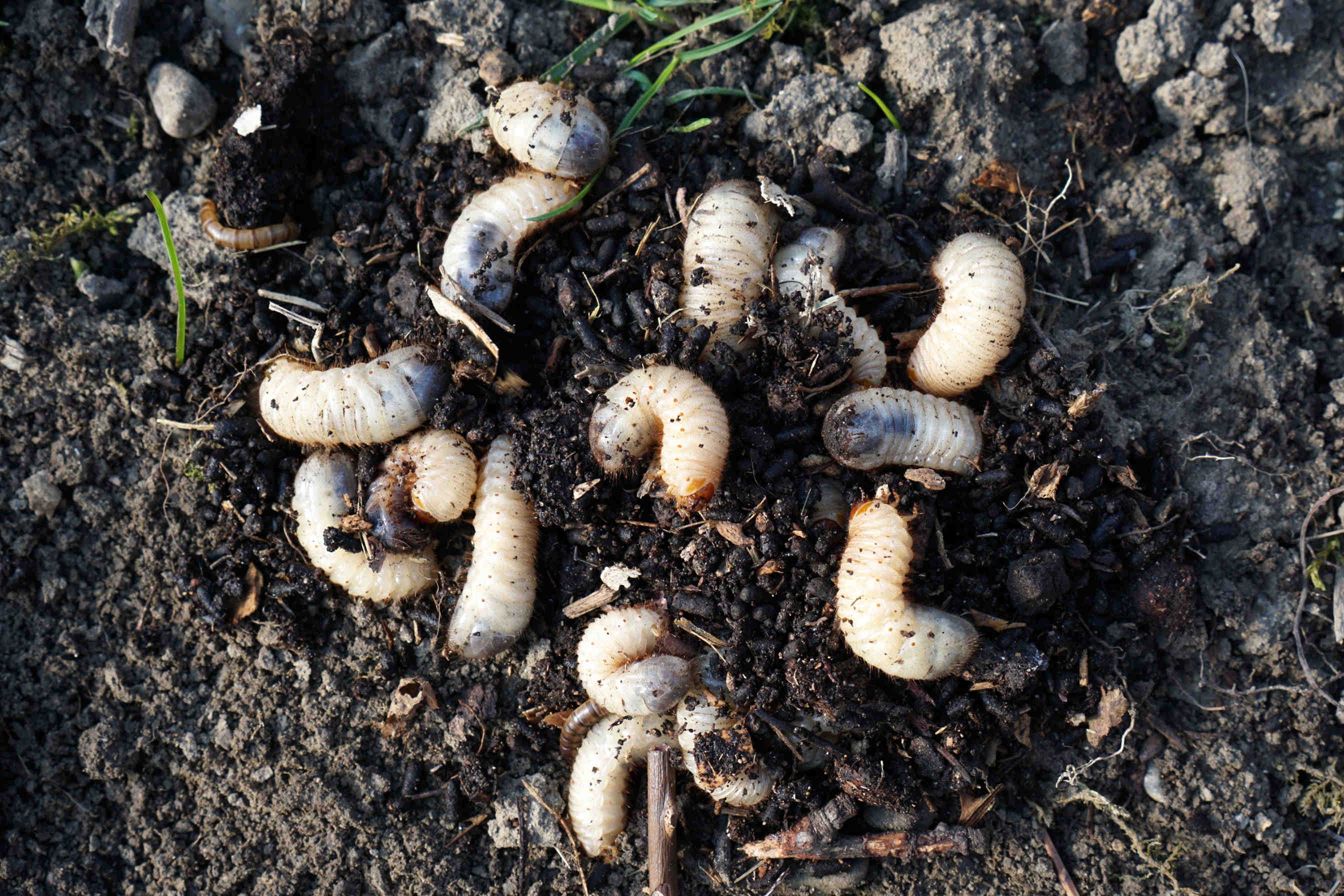
    larve di cetonia
    XNatura

    The role of functional diversity in agriculture

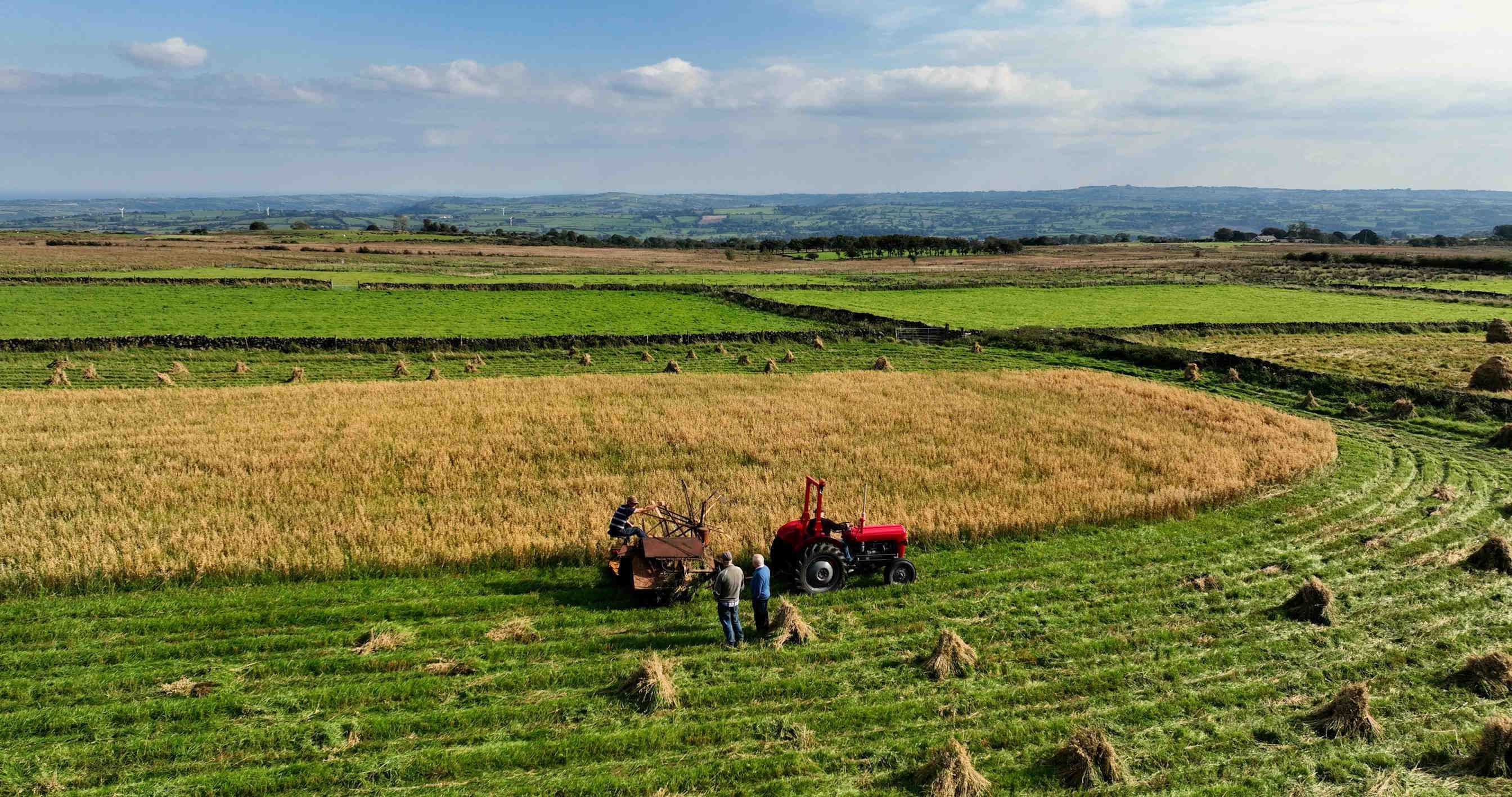
    In agriculture and agroecosystems, functional biodiversity plays a crucial role in reducing chemical inputs such as insecticides. The presence of a variety of natural predators, "beneficial" insects, and pathogenic fungi can limit the proliferation of pests, maintaining a natural balance. For example, in a diversified agroecosystem, insects that provide valuable ecosystem services, such as predators, can keep harmful pest populations, like aphids, in check. This approach reduces the need for pesticides and fungicides, promoting sustainability, soil health, and improving agricultural productivity.
    agroecosistema

    Role of pollinators and their diversity

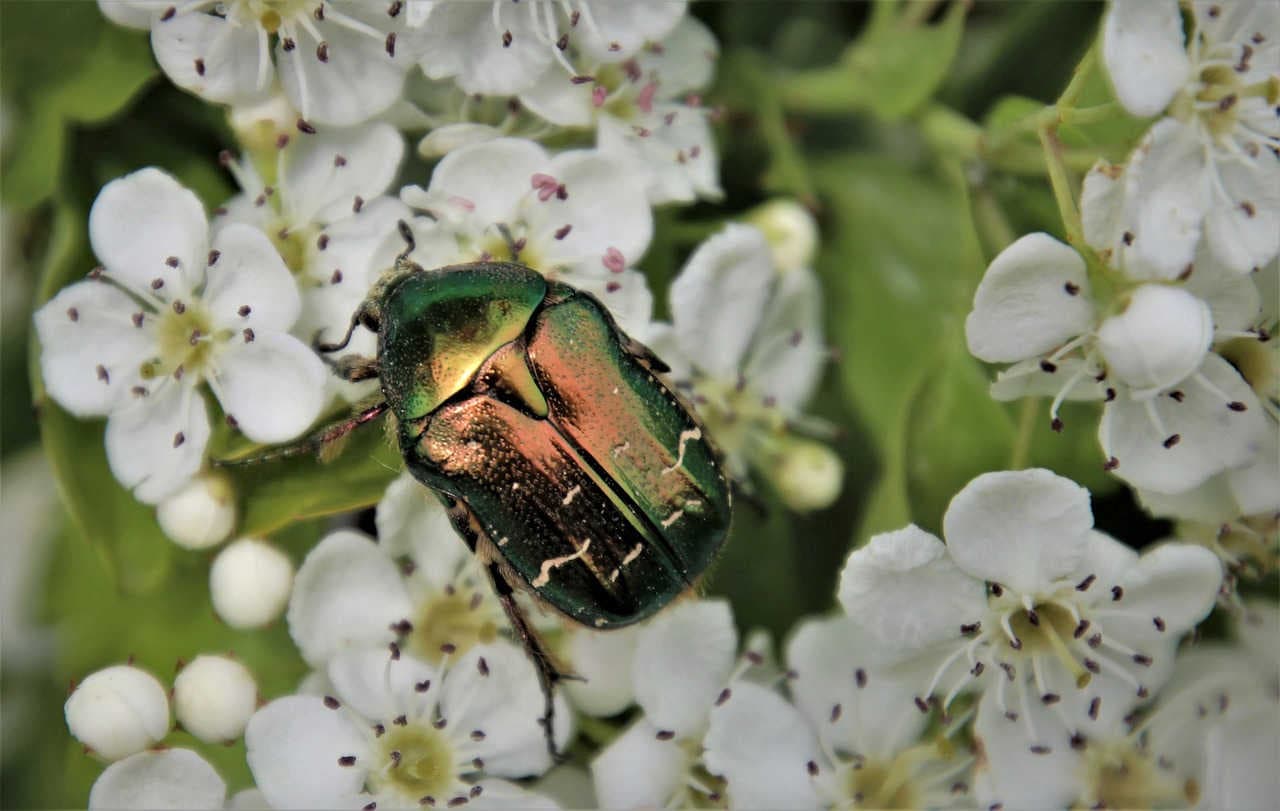
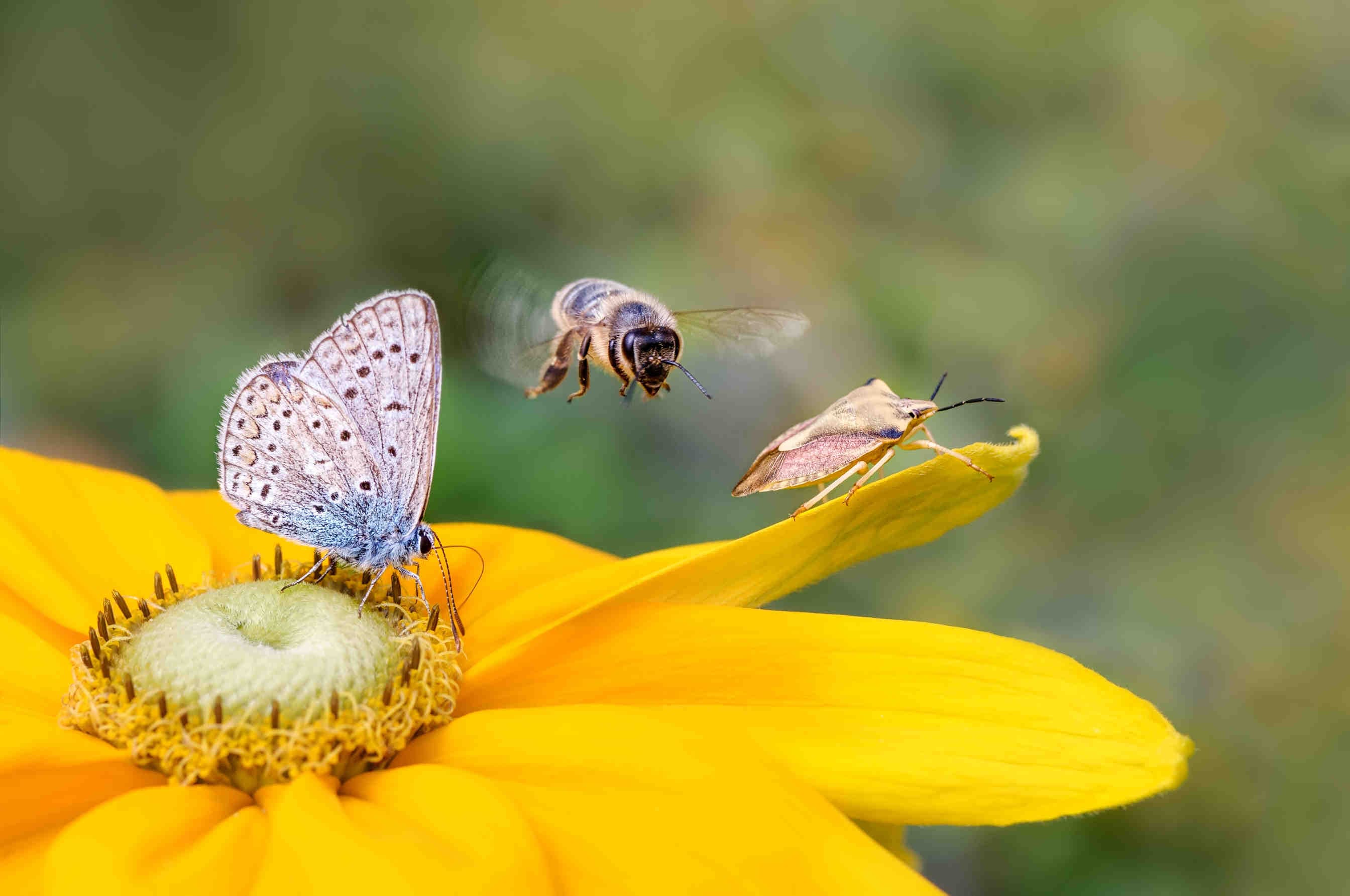
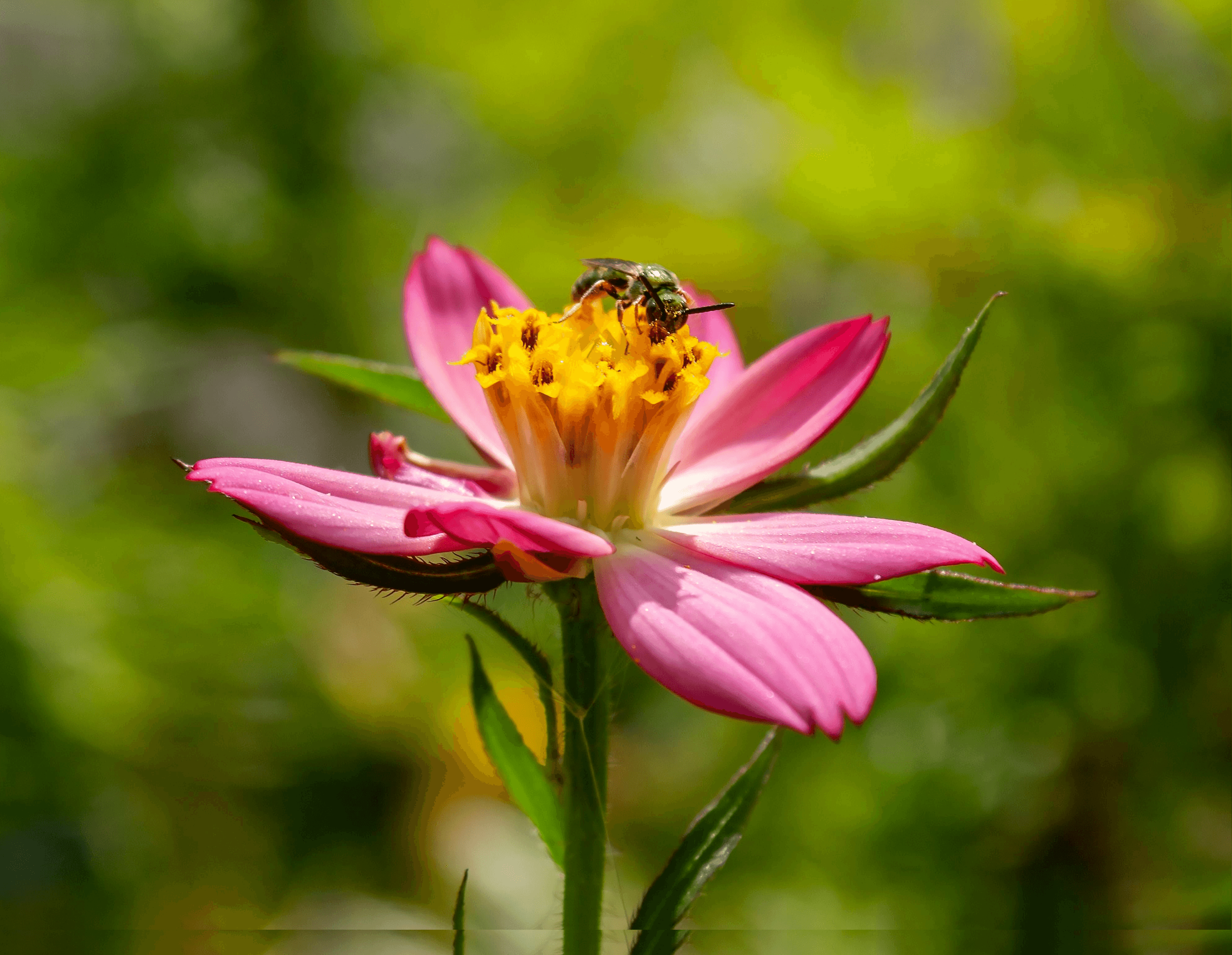
    Pollinators are an essential element of functional biodiversity, as different pollinator species specialize in pollinating different types of plants. Bees, butterflies, wasps, hoverflies, and even bats perform specific tasks, ensuring the cross-fertilization of a wide range of plants. The diversity of pollinators is crucial not only for agricultural production but also for forest regeneration and the preservation of plant biodiversity. Pollinator diversity is fundamental because some plants rely on specific pollinators. For example, some wild orchids mimic the body of certain insects to attract pollination. The loss of even a single pollinator species can cause a cascade of effects that, in the long run, can severely compromise ecosystem stability.

    cetonia
    XNatura

    Functional soil biodiversity and nutrient recycling

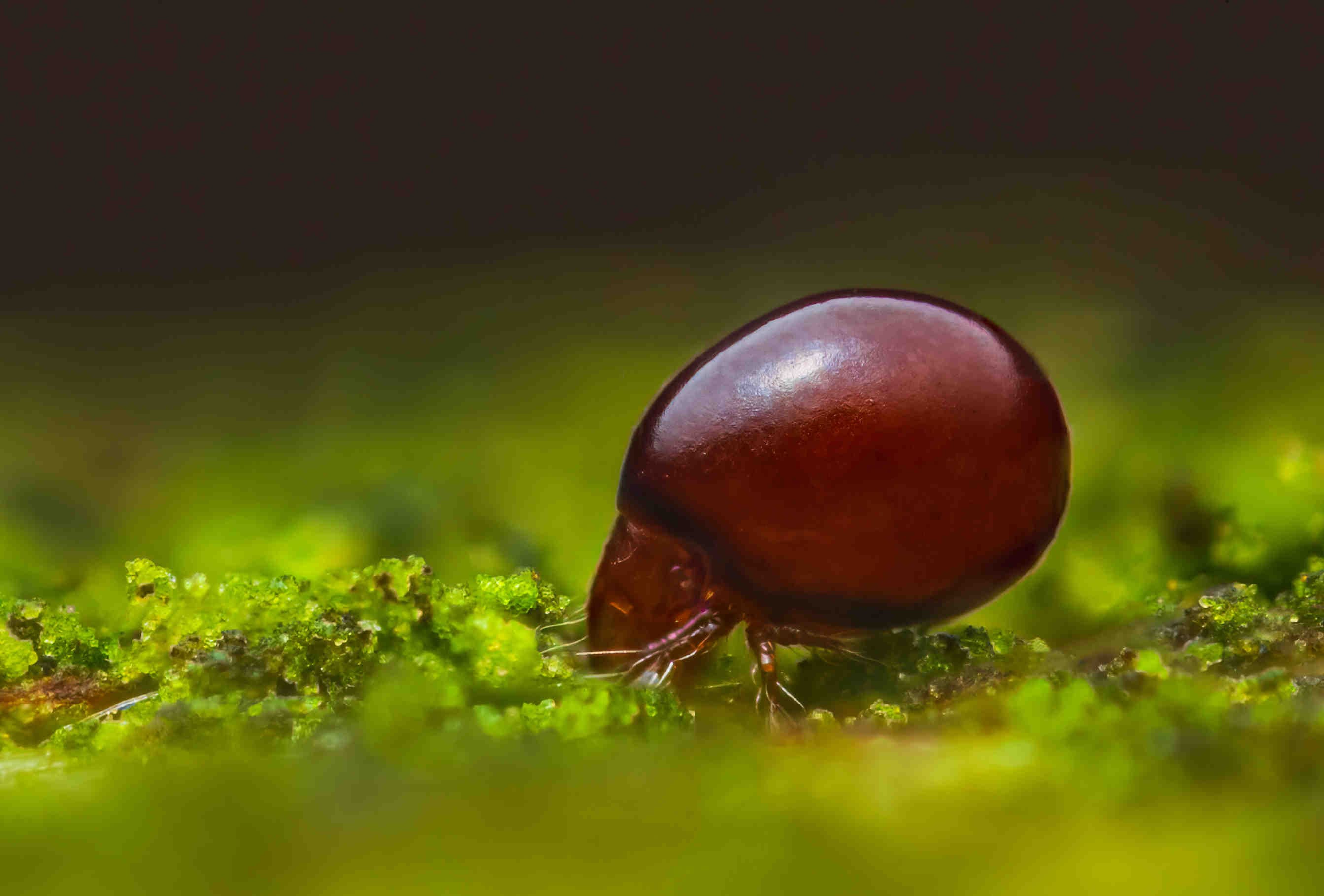
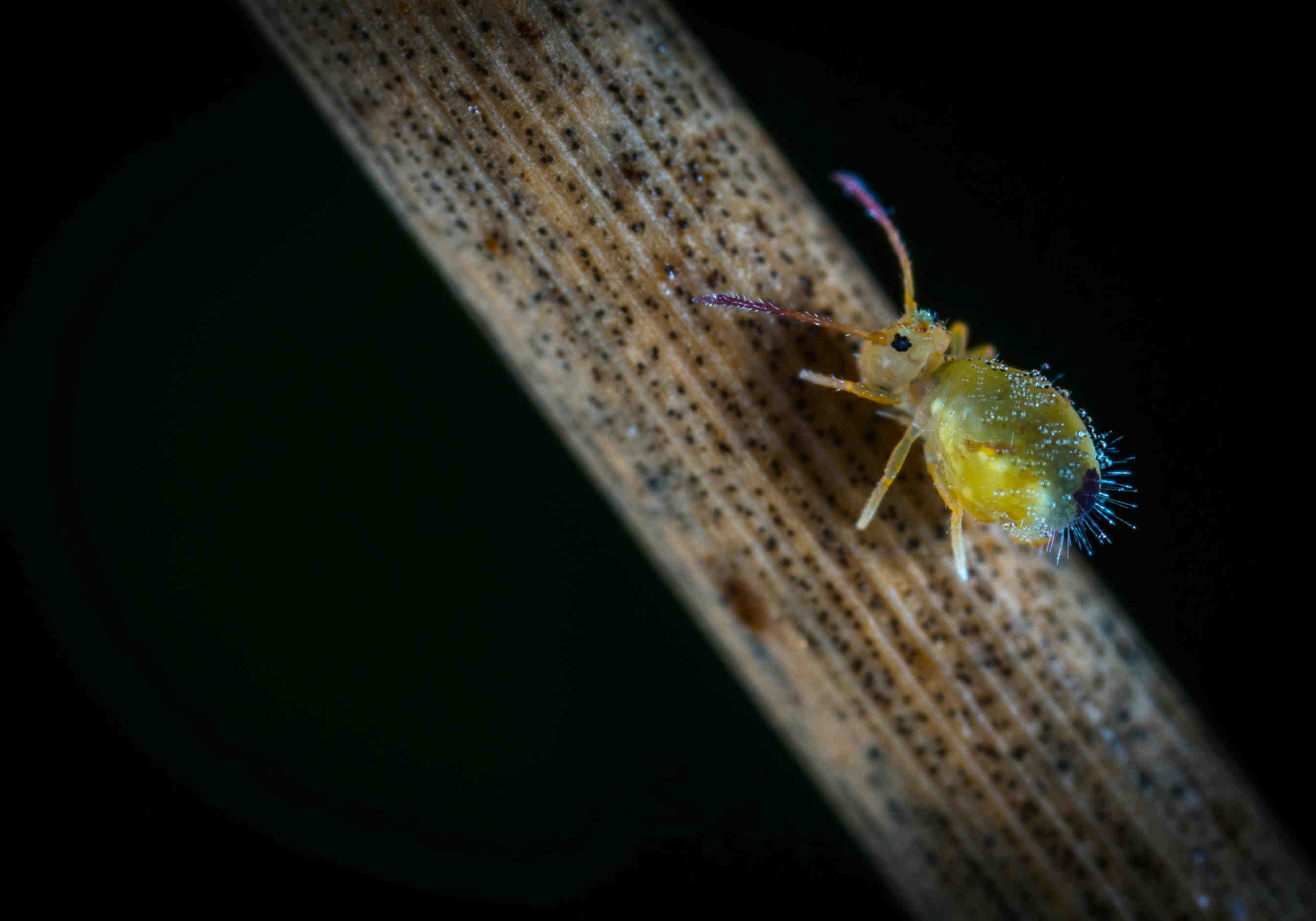
    The soil is a dynamic and complex ecosystem, rich in organisms that play fundamental roles in the food web, such as bacteria, fungi, and plants. Microorganisms like bacteria and fungi, but also earthworms and soil insects, such as scarab larvae, transform organic matter into nutrients accessible to plants. This functional diversity in the soil is vital to maintaining the fertility of agricultural soils and to supporting the growth of plants without the excessive use of chemical fertilizers. The loss of biodiversity in the soil can alter these cycles, increasing the vulnerability to soil erosion and making them less fertile, with a consequent reduction in agricultural productivity.

    Oribatida
    3Bee

    The role of rare species in functional biodiversity

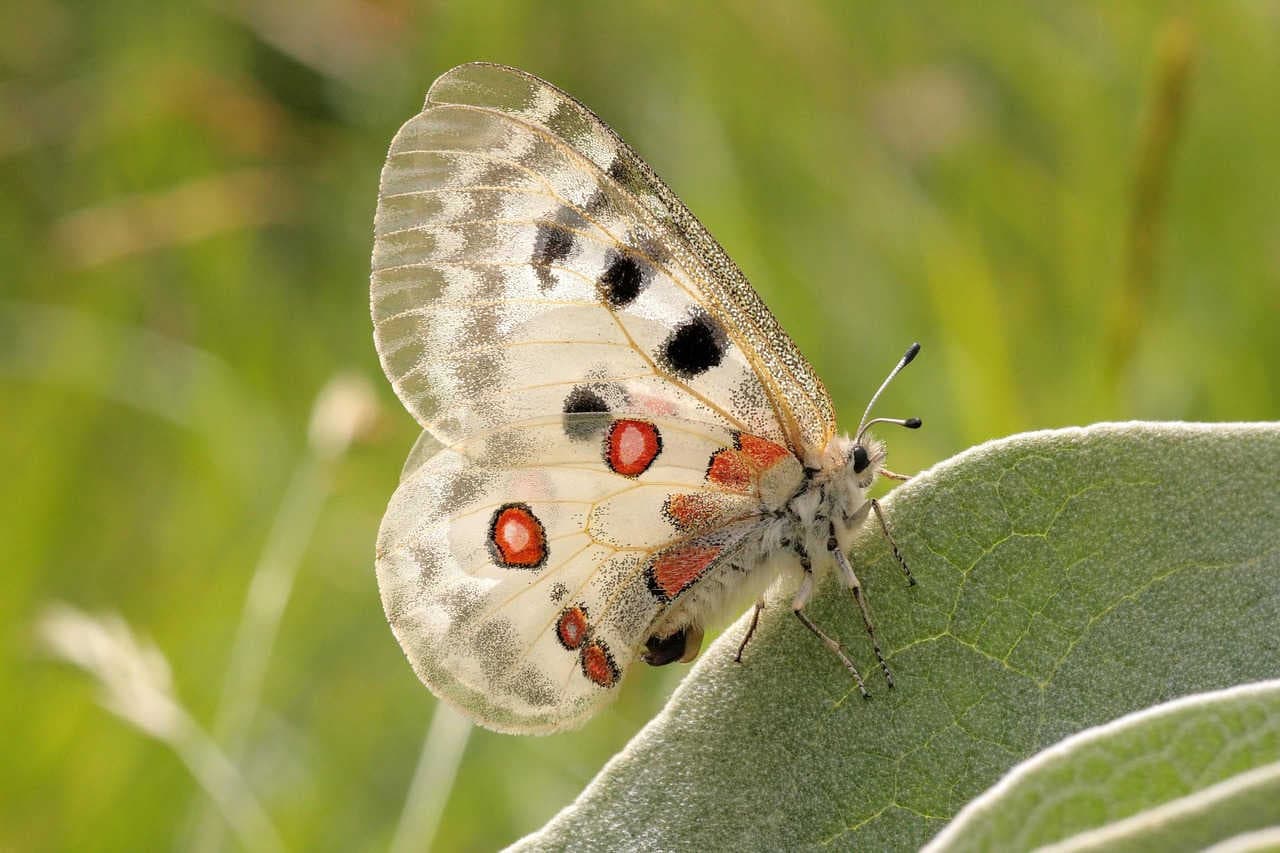
    Even rare and endangered species, such as those included in the IUCN Red Lists, can play an important role in functional biodiversity. Often, these species perform very specific and irreplaceable ecological functions that, if lost, could cause serious imbalances in ecosystems. For example, some rare plant species may be essential for the nutrient cycle, or, as in the case of wild orchids, some plants have coevolved with their specific pollinators, which they rely on for cross-pollination. The conservation of these species, to prevent a decline that is already underway, is therefore essential not only for maintaining biodiversity but also for preserving critical ecological functions.

    Parnassius apollo

    Alien insects and loss of functional biodiversity

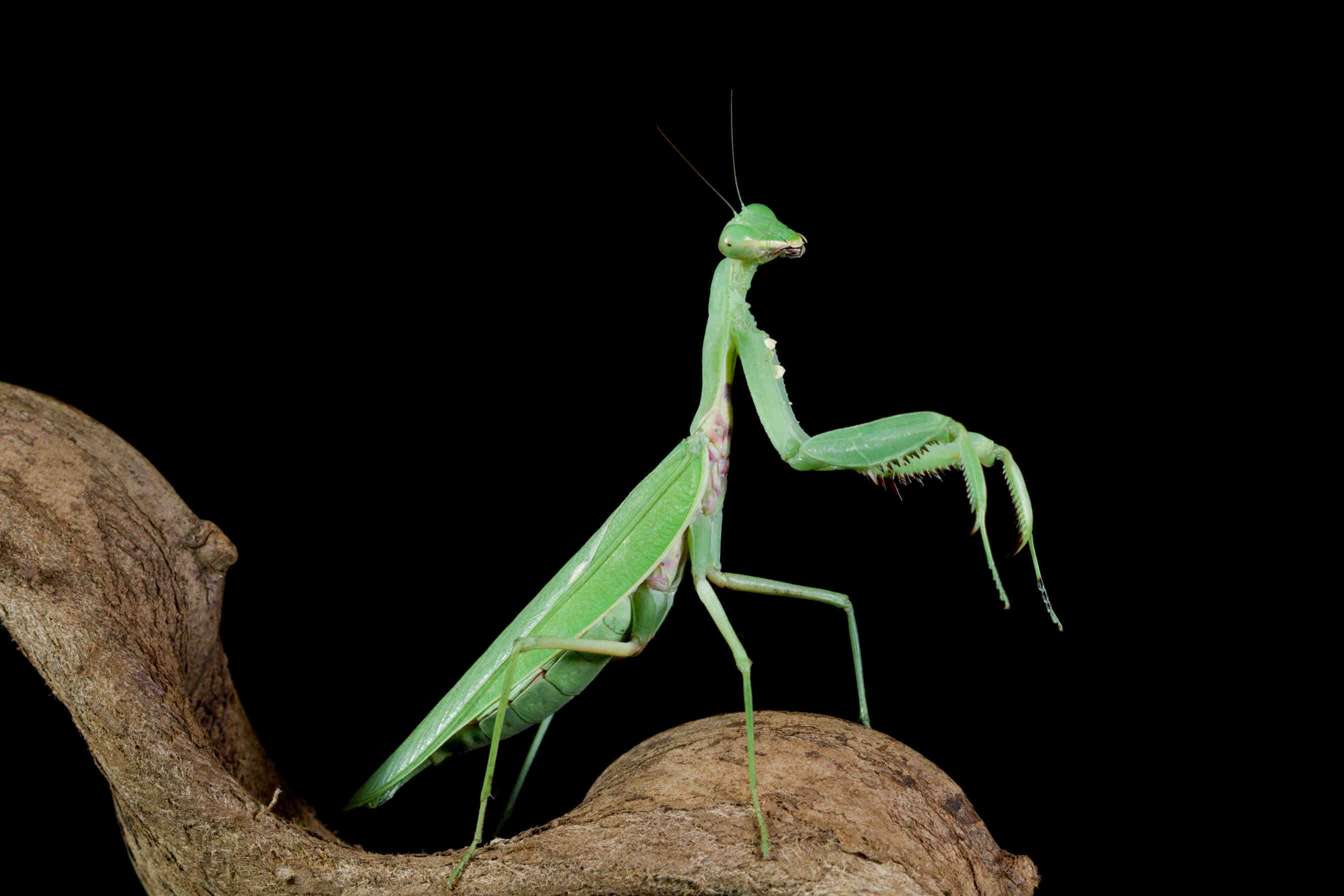
    The introduction of alien insects, especially if invasive like the brown marmorated stink bug (Halyomorpha halys) or the giant Asian mantis (Hierodula tenuidentata), represents a serious threat to functional biodiversity. These insects often have no natural predators or parasites in new environments and can spread rapidly, causing the disappearance of native species due to competition for resources and consequently altering ecological functions. Halyomorpha halys, for example, damages a wide range of crops, compromising the stability of agricultural ecosystems and forcing intensive use of insecticides. The proliferation of alien organisms can lead to a decrease in ecosystem services such as pollination and the regulation of harmful insect populations.

    Hierodula

    Climate change and functional biodiversity

    Climate change is profoundly affecting functional biodiversity. Rising temperatures, changes in precipitation distribution, and extreme events, alternating with prolonged drought periods, alter habitats, leading to a reduction in species diversity and ecological functions. Many organisms cannot adapt quickly enough to these changes, with devastating consequences for food webs. Functional biodiversity, being essential for the resilience of ecosystems, is particularly vulnerable, with impacts on agriculture, water resource management, and ecosystem regeneration capacity. It is therefore particularly important to protect biodiversity with individual actions, appropriate policies for sustainable development and create areas that allow biodiversity protection.

    temporale

    Effects of Functional Biodiversity Loss

    The loss of functional biodiversity can lead to a reduction in key ecosystem services, such as pollination, nutrient recycling, and pest regulation. The reduction in pollinator diversity, for example, compromises plant fertilization, threatening agricultural productivity. The nutrient cycle is also at risk, resulting in soil depletion and decreased fertility: in this case, overexploitation of the soil is a much greater threat than climate change. Regarding agriculture, the decrease in natural predators allows pests to proliferate, making the use of pesticides necessary, with negative impacts on the environment, human health, and, indirectly, pollinator communities.
    Collembolo

    The need to preserve functional biodiversity

    As we have seen, functional biodiversity is an essential component for maintaining ecosystems and ensuring the sustainability of human activities. Protecting the diversity of ecological functions is crucial to addressing climate change, supporting agricultural productivity, and preserving ecosystem health. It is essential for governments, as well as businesses and citizens, to adopt sustainable policies and practices to conserve functionally important species and reduce the impact of invasive species. Only with coordinated effort will it be possible to ensure the resilience of global ecosystems.

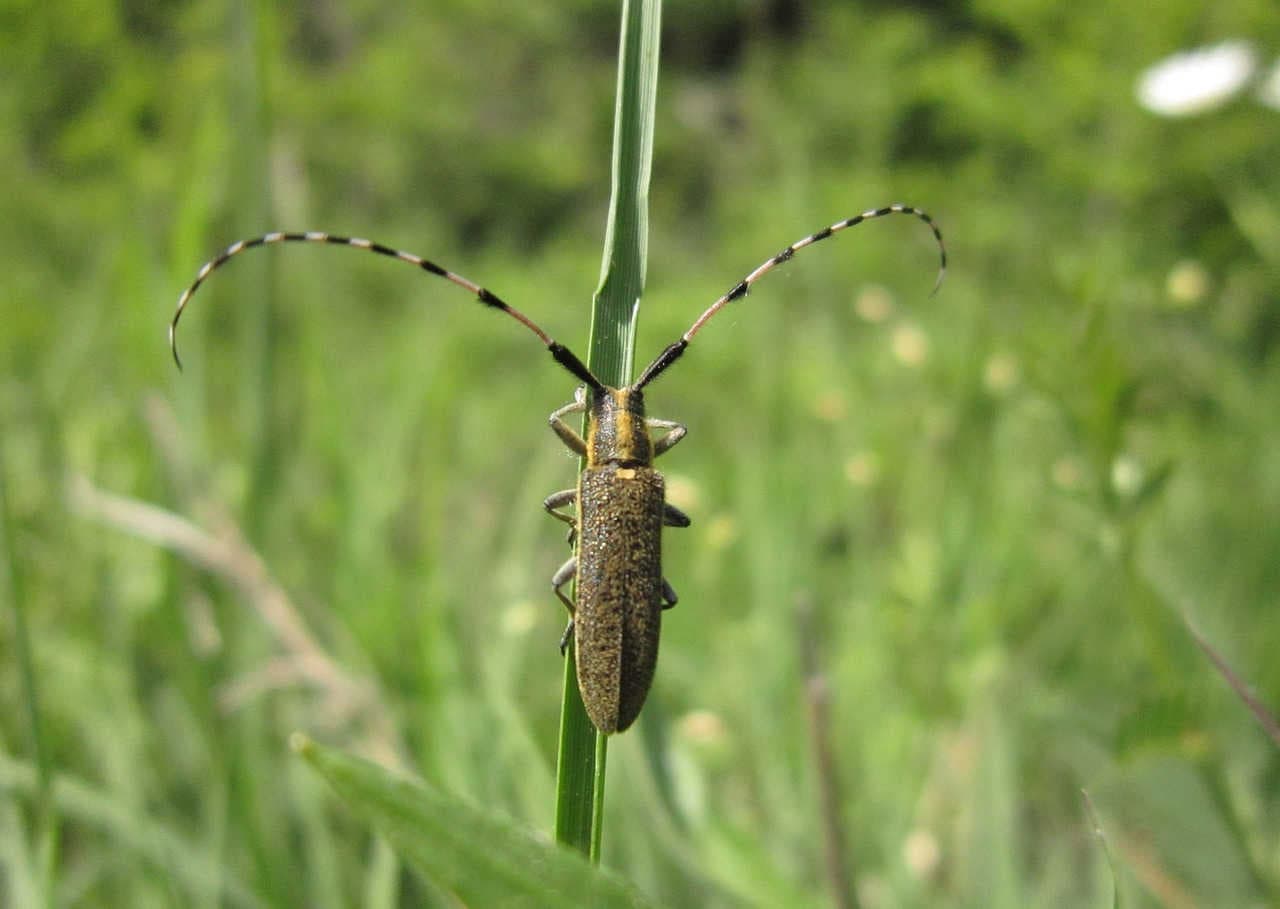
    cerambicide
    11/03/2025Of 3Bee, Niccolò Patelli
    1173 Views
    Newsletter
    newsletter
    Subscribe to the Blog about bees and biodiversity

    Frequently Asked Questions

    Do you have any doubts or other curiosities about this article? Here you will find some insights