What happens to insects in winter?
    InsectsWhere they liveDiapauseAdults

    What happens to insects in winter?

    Every year, when the first cold arrives, insects disappear, only to reappear the following spring. How do they survive the cold? What strategies do they adopt during winter? Are there insects capable of tolerating the cold? Find out in this article.

    Read the article
    21/12/2024Of 3Bee, Niccolò Patelli
    472 Views
    21/12/2024Of 3Bee, Niccolò Patelli
    472 Views

    Spring and summer, the time of insects

    Disclaimer: this is an automated translation from Italian. Go to the original article.

    From an entomological point of view, winter is a still and almost boring season, during which hardly any insects are seen. Spring and summer, on the other hand, are the seasons when it's easier to see insects in action. In fact, warmer temperatures, the abundance of flowers and plants attract a multitude of species and, consequently, also predatory species and so on. Bees, essential for pollination, butterflies that enrich gardens with their vibrant colors, and ladybugs, known for their ability to eat aphids, disappear in winter, only to almost magically reappear the following spring. In summer, these insects, including unfortunately mosquitoes, perform crucial ecological functions, from decomposition cycles to pollination, making ecosystems lush and dynamic.
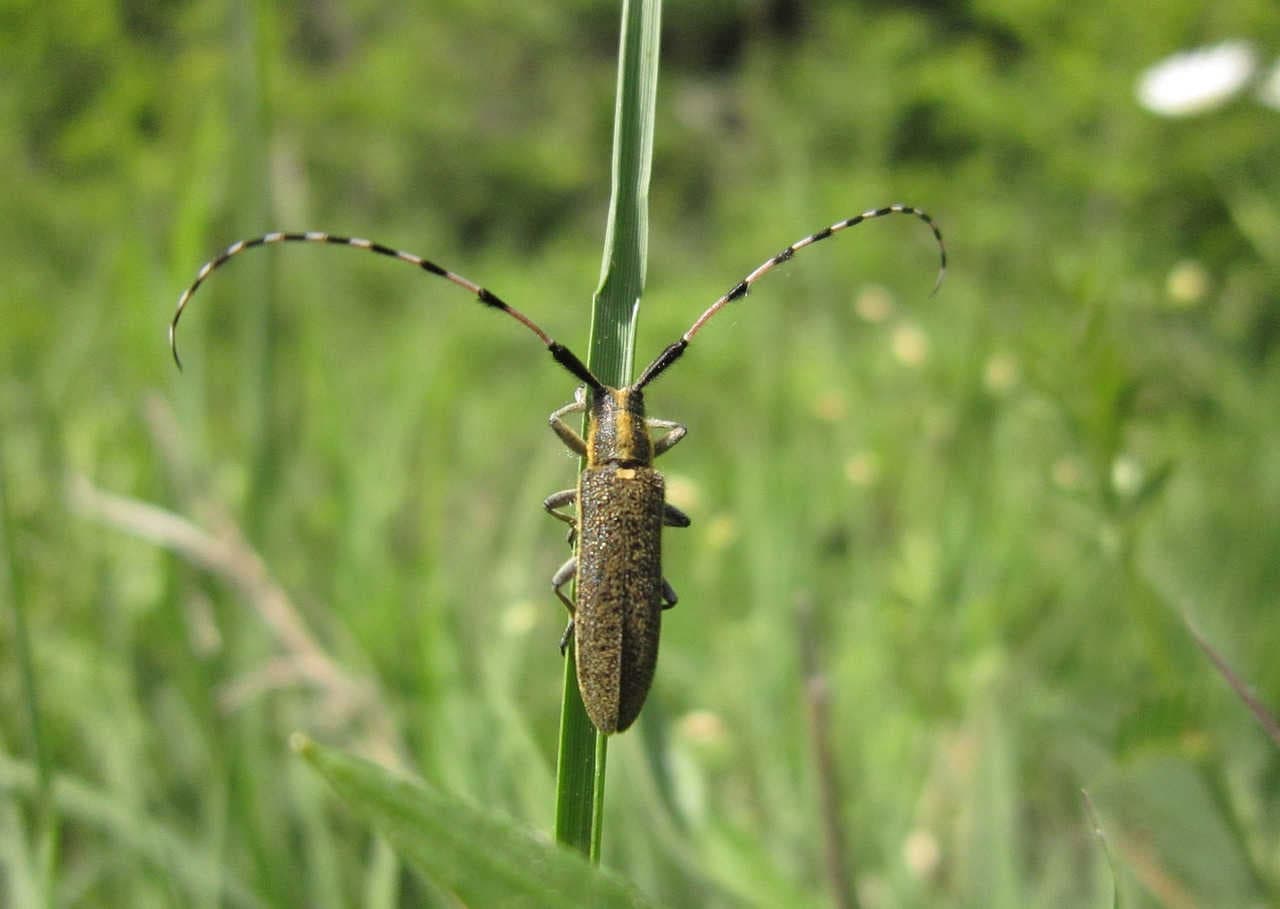
    Agapanthia

    Where insects live and why they love warmth

    Most insects are actively alive during the most suitable times of the year, often in places that offer warmth and shelter, such as meadows, woods, and forests, but also gardens and urban parks. Being ectothermic animals (or “cold-blooded”), warmth is essential for metabolism and many physiological activities, such as reproduction. Furthermore, milder temperatures facilitate the development of eggs and juvenile forms. Each species has its particular adaptation, but for most insects, the ideal temperatures range around 20-27 °C. For these reasons, insects thrive in temperate or warm environments, real "biodiversity hotspots", where they can easily find resources. In these places, especially in tropical forests, the majority of species live, including the orchid bees.

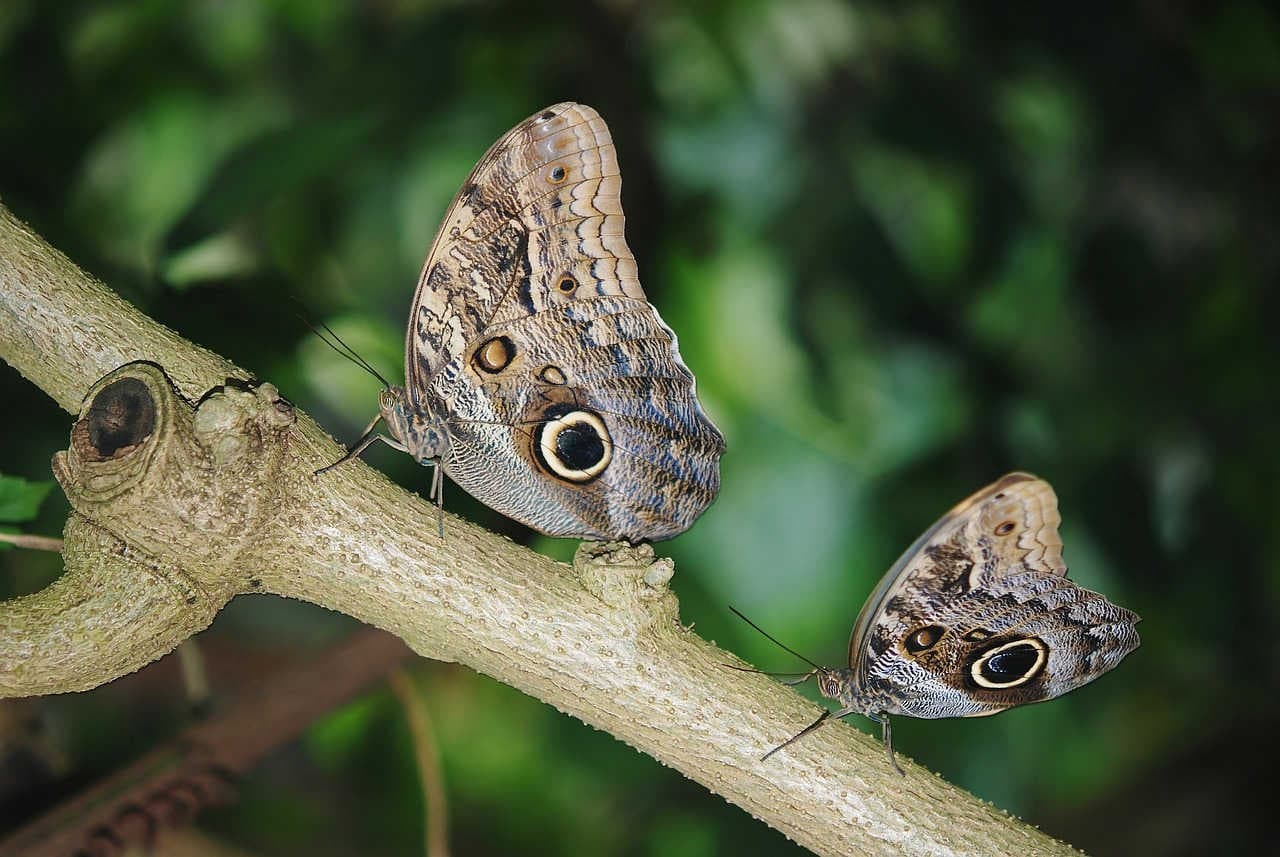
    Morpho
    XNatura

    Diapause: the hibernation of insects

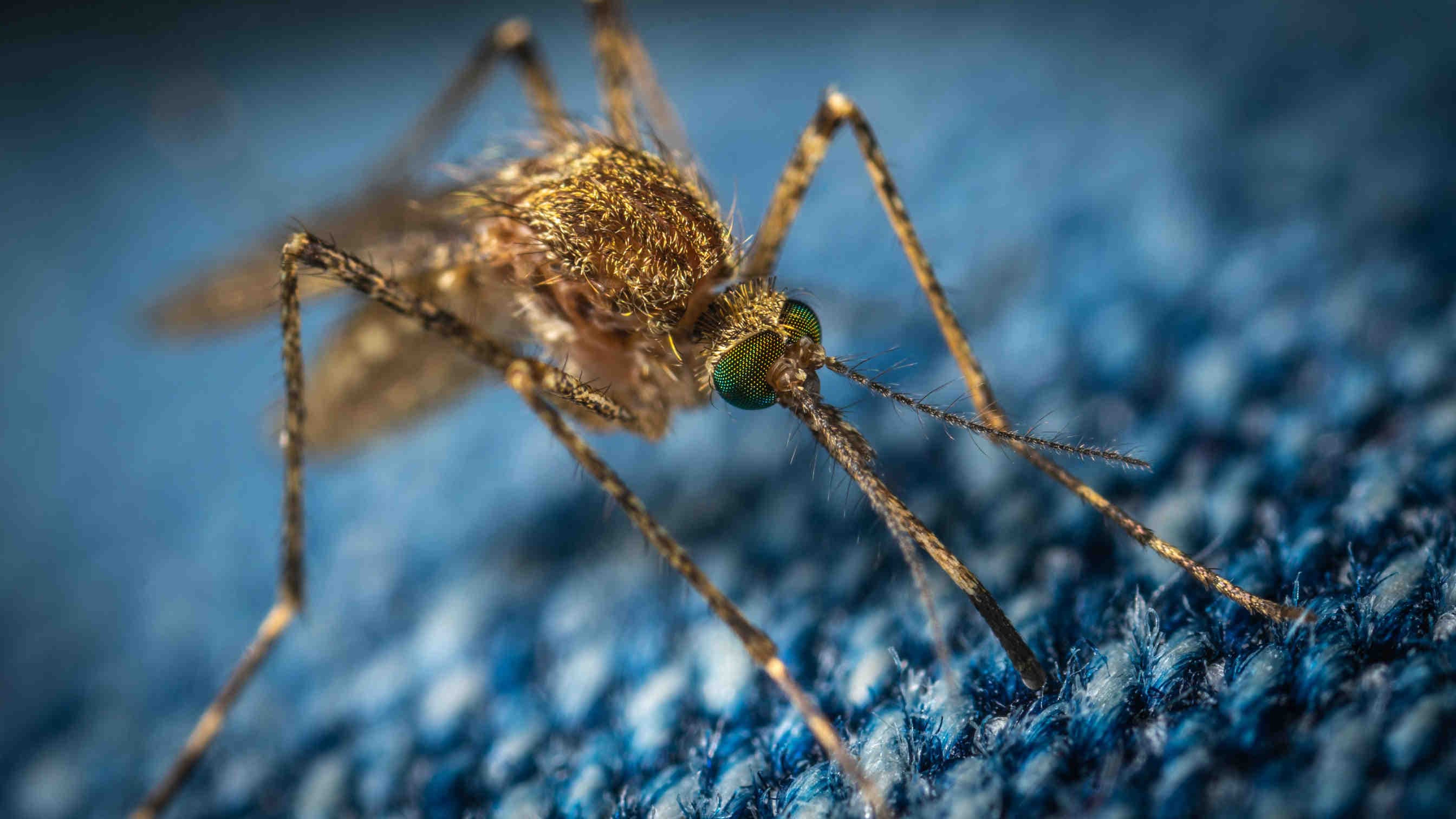
    Most insects are unable to live actively when the temperature is too low. Some can enter a kind of hibernation, called “diapause”: a state of dormancy where insects temporarily suspend their vital activities to survive adverse weather conditions. During the winter, many insects enter this type of hibernation to avoid damage caused by low temperatures. Some overwinter as eggs, like mosquitoes, capable of laying frost-resistant eggs. Others, like the Swallowtail butterfly, overwinter as larvae in the soil or among leaves and vegetation. Finally, there are insects like moths that spend the winter as pupae in protected places or within the soil. Diapause allows these animals to resume their activities as soon as environmental conditions become favorable again.

    zanzara

    Insects that overwinter as adults

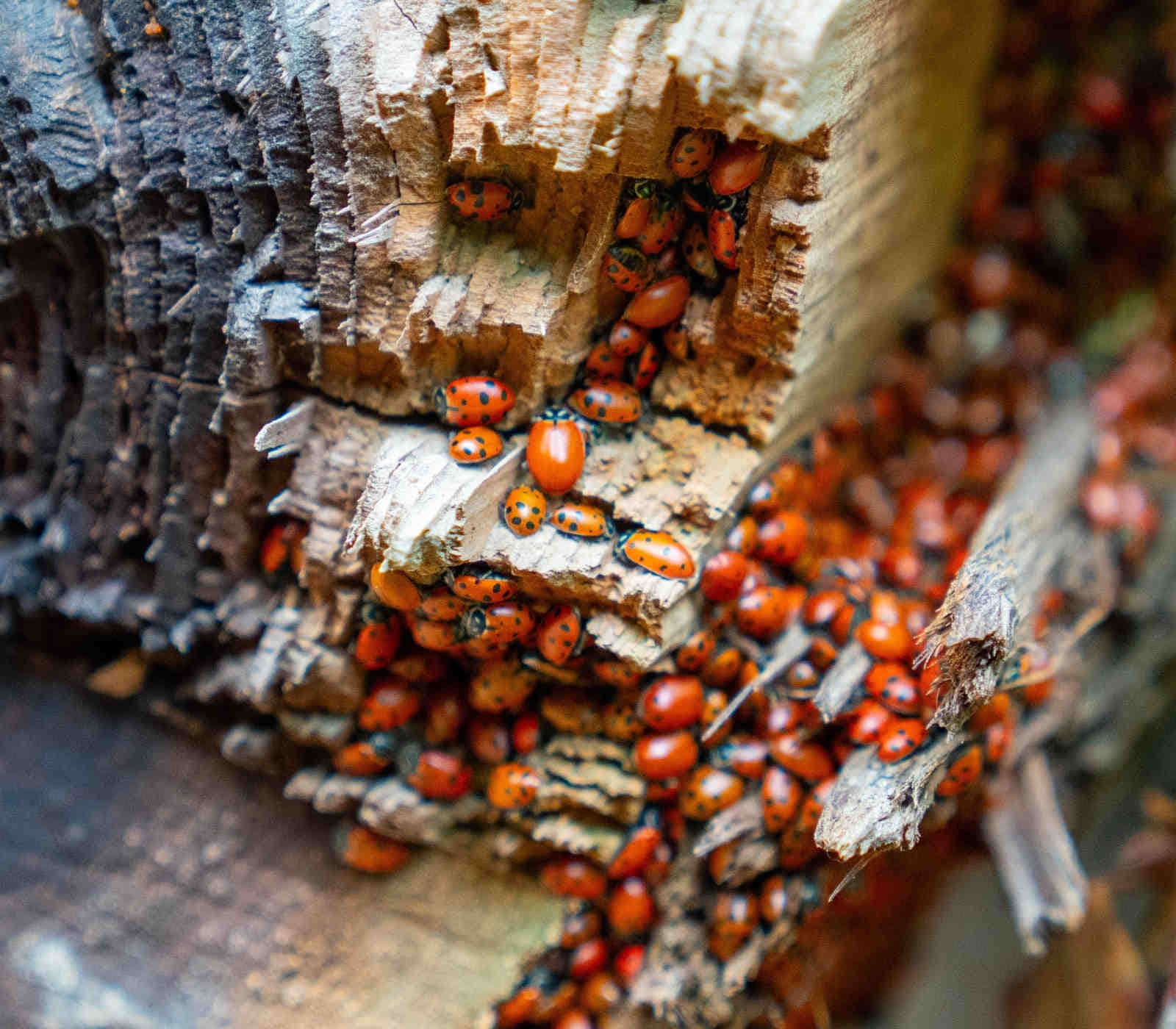
    Some insects survive the winter as adults, seeking safe and sheltered spots where the cold is not so intense. Natural places like tree cavities, under bark, or shelters in the ground provide the necessary protection. In cities, however, they seek refuge in places such as cracks in walls or directly inside our homes, sometimes causing considerable annoyance. Among the most well-known examples is the Chinese stink bug, which seeks refuge in masses in homes. Even ladybugs, useful insects as aphid predators, overwinter as adults, often in large groups. These insects can remain inactive for months, without moving or feeding, waiting for temperatures to become milder before resuming their vital activities.

    coccinelle
    XNatura

    Migratory insects: a journey to warmth

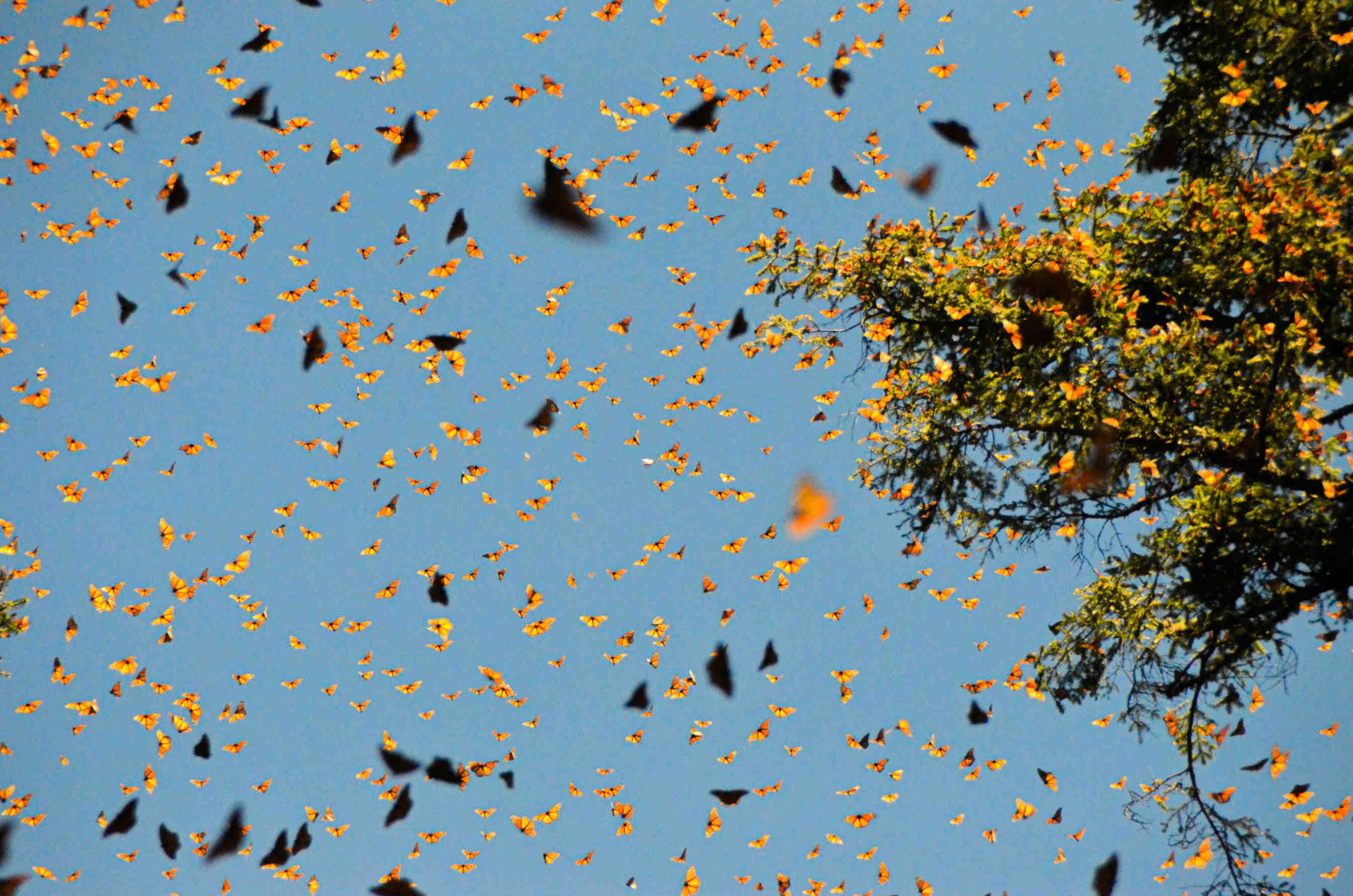
    When conditions deteriorate, some insects undertake long migrations to warmer climates. One of the most famous examples is the American monarch butterfly (Danaus plexippus), which migrates from North America to Mexico to escape harsh winters. Some species of dragonflies are also known for their seasonal migrations to warmer places, often covering surprising distances. These journeys are extremely strenuous for small animals like insects, but they are essential for their survival because they allow them to find more favorable climatic conditions for reproduction and feeding without necessarily having to interrupt their life cycle and resume it the following year.
    farfalla_monarca
    3Bee

    Insects and antifreeze substances: survival in conditions

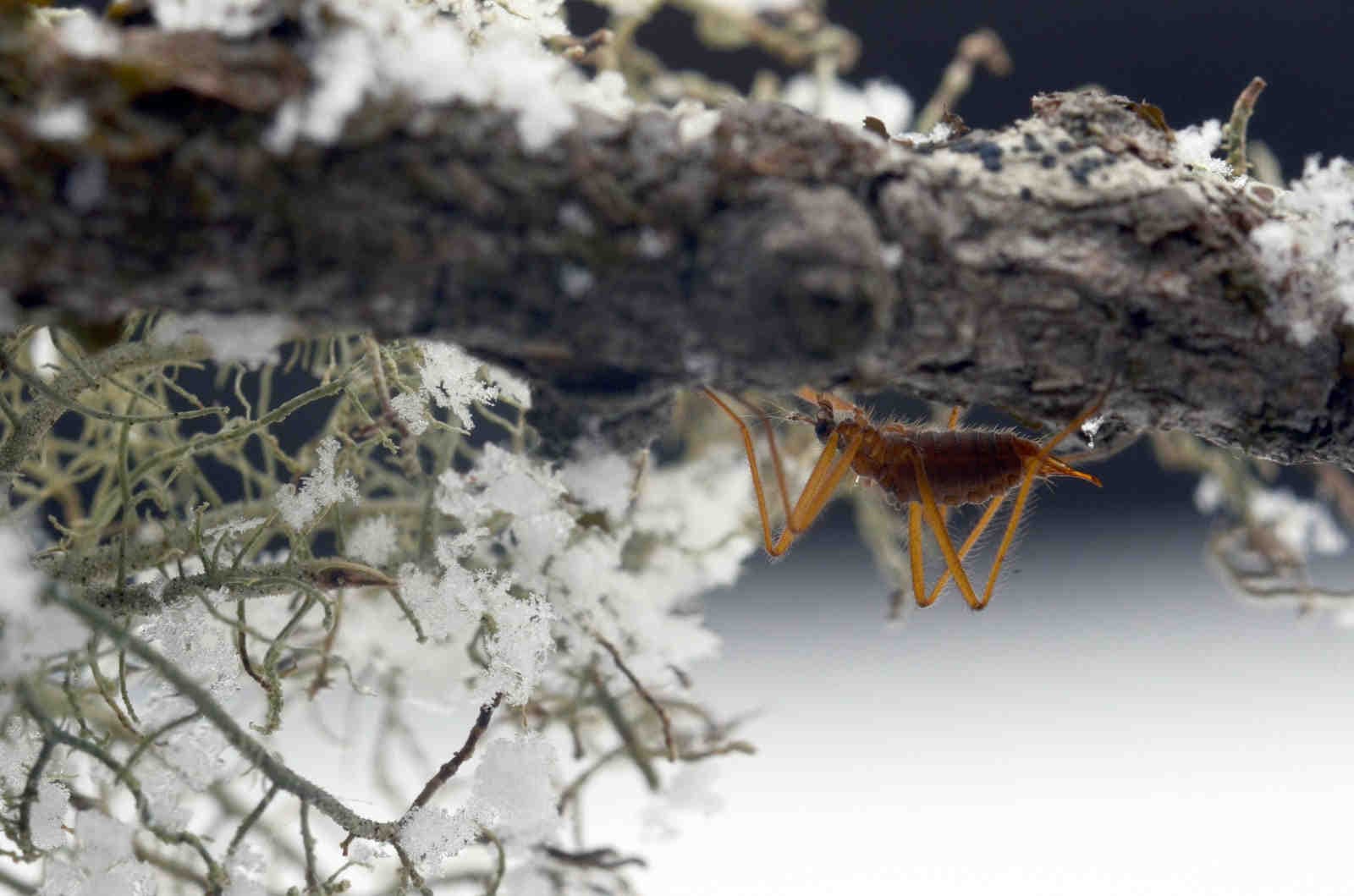
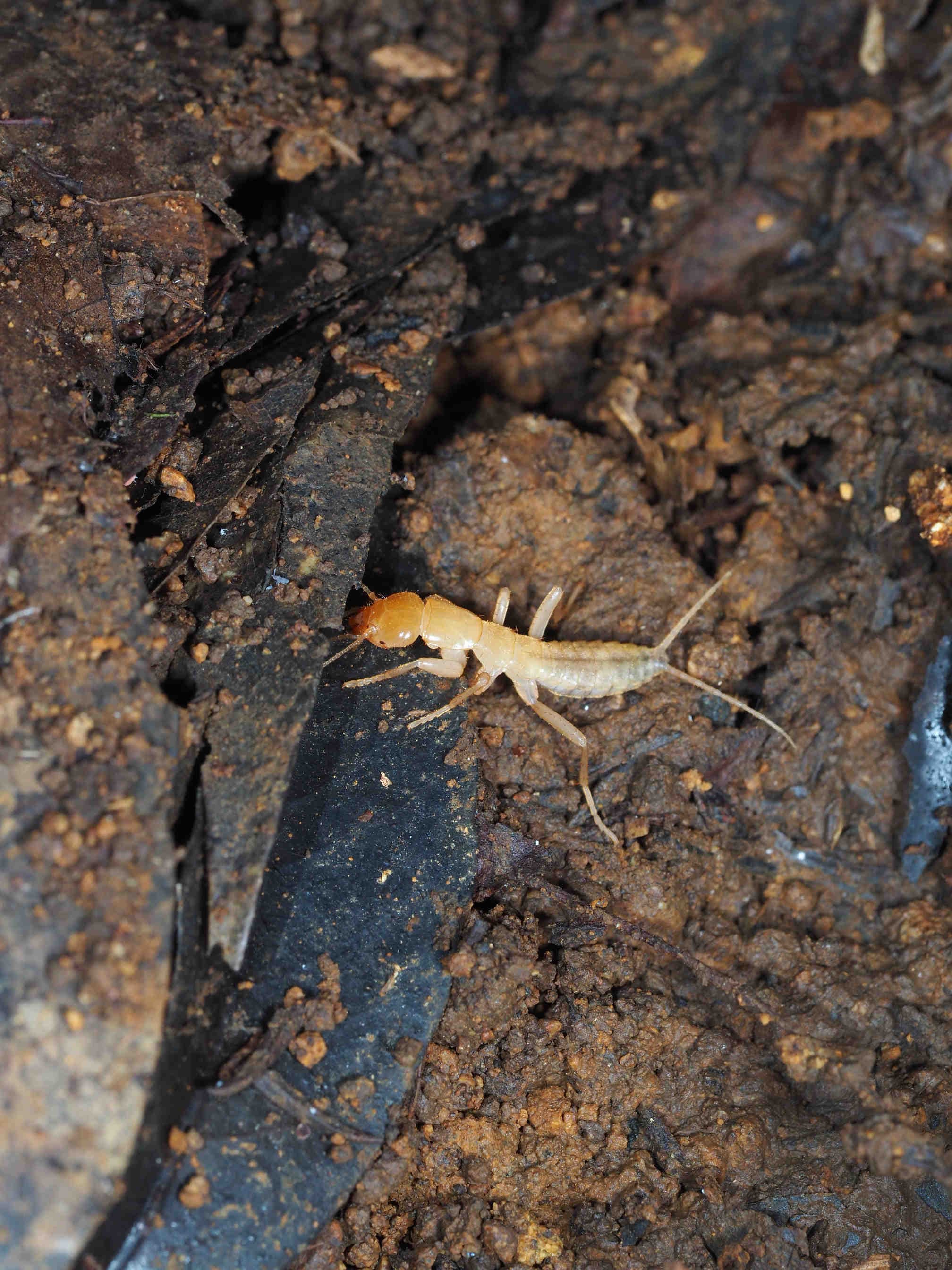
    Some insects, to face the winter cold, have developed the extraordinary ability to produce chemical substances that act just like antifreeze. These are often proteins specifically produced to prevent bodily fluids from freezing, allowing insects to survive even at temperatures below zero. An example is the Grylloblattodea order, a primitive and very interesting order of insects mainly found in North America, which can be considered a true living fossil. These insects are able to live in intense cold conditions and do not tolerate temperatures above 10-15°C. Even the caterpillars of some butterfly species living in similar areas produce these substances to avoid freezing. This ability is crucial for survival in particularly hostile environments, such as areas near the poles.

    Grylloblattodea

    Wintering of bees and eusocial hymenopterans

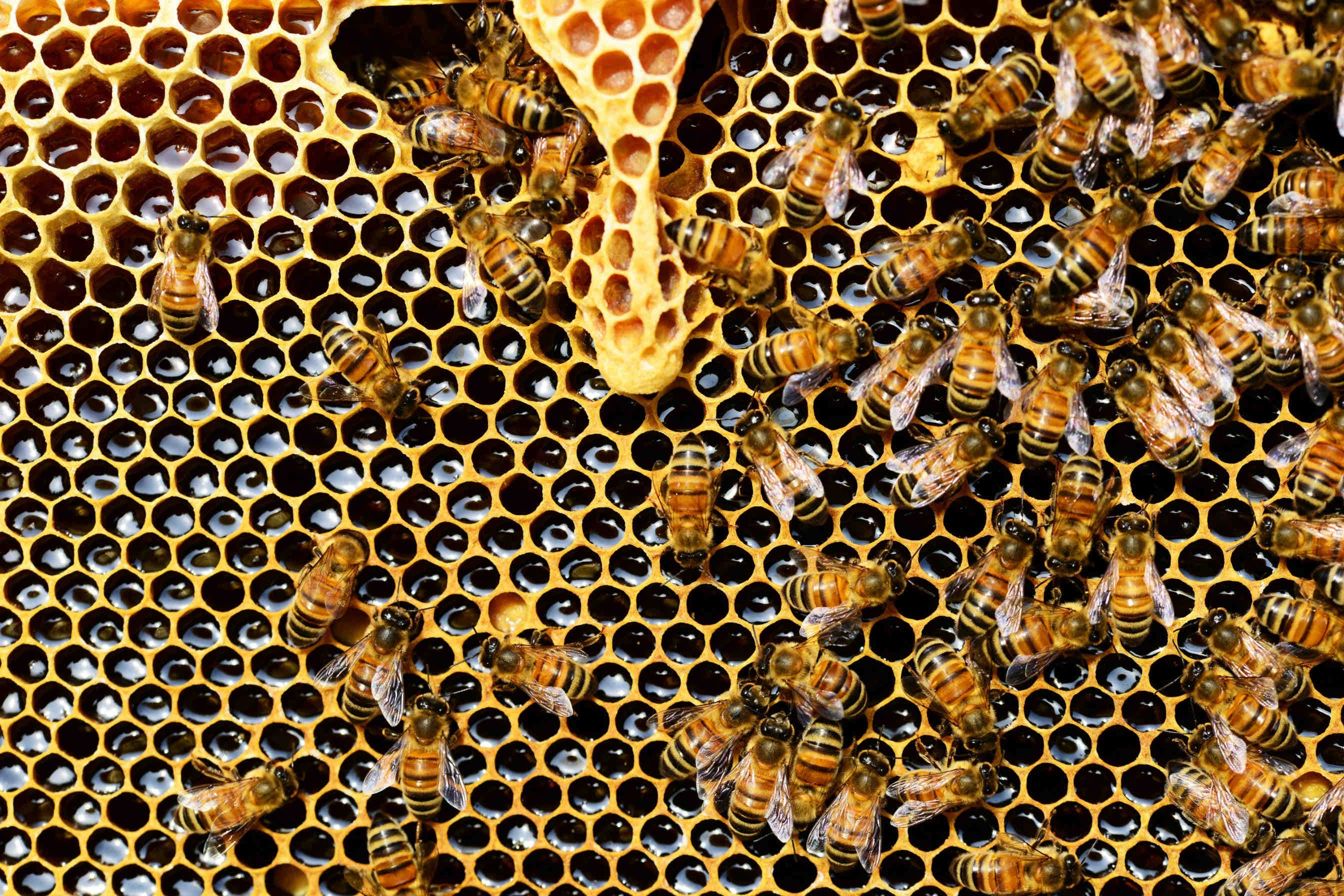
    Bees and other eusocial hymenopterans, such as ants, wasps and hornets, adopt specific strategies to face winter. Bees, for example, form a compact cluster inside the hive, vibrating and flapping their wings to generate heat and maintain a constant temperature; for this, they need honey stores for the winter. Ants, on the other hand, take refuge underground or in deep nests, where insulation protects them from the cold and where they consume supplies accumulated in previous months. These behaviors, like those of bees, are essential for the survival of colonies in the coldest months. Hornets and wasps, however, abandon their colonies: workers die, and only queens overwinter in sheltered locations to establish new colonies in spring, leaving the nests empty, uninhabited, which in turn become havens for other insects.

    alveare

    Climate change and tropical insects in Europe

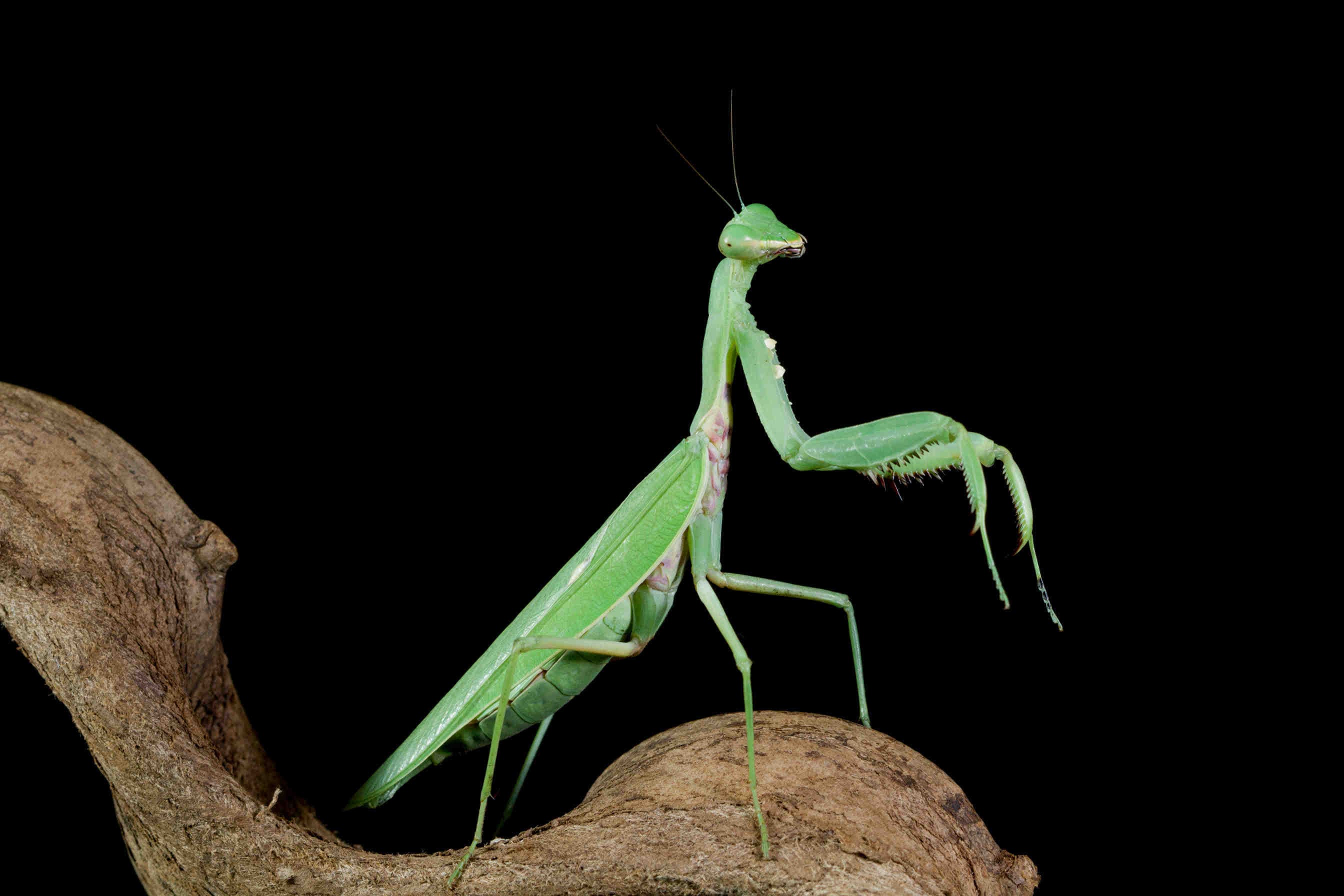
    Climate change has a significant impact on tropical-origin insects, which are expanding into Europe, favored by higher temperatures of the new European climate. An emblematic example is the tiger mosquito, originally from East Asia, which has long adapted to Europe and found a favorable environment for its spread due to the increase in temperatures over the last 20 years. The Asian mantis Hierodula is also establishing itself in some areas of Europe, probably due to more favorable temperatures. However, global warming does not always represent an advantage for insects, as it can disrupt their biological cycles, causing a long-term population decline.

    Hierodula_patellifera

    Insects that love the cold

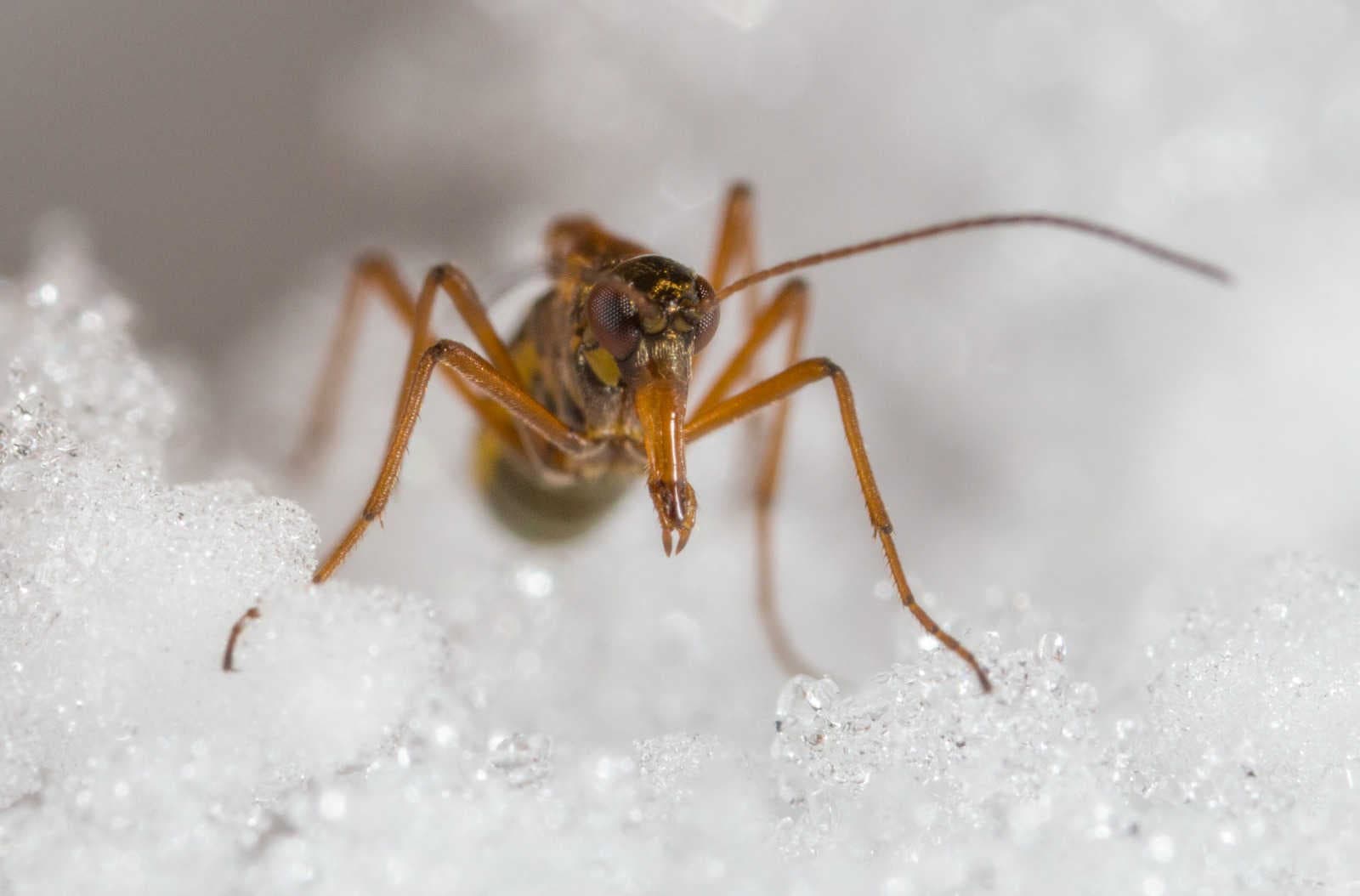
    Beyond the primitive order of Grylloblattodea, there are surprising animals that are not afraid of the cold. Some species are perfectly adapted to living in cold environments, such as alpine or arctic areas. An example is Gynaephora groenlandica, a moth that lives in the far north, in Canada, Russia, and Greenland, and can survive extremely harsh temperatures by entering a state of diapause, even hibernating without damage. It feeds only in summer, and its larval cycle lasts years, making it one of the longest-living insects ever. Also in Italy and Northern Europe, we find equally surprising insects, such as Boreus or flies of the genus Chionea, adapted to live in cold environments. They can be observed in winter on the mountains of all Europe, but also on the Apennines. The number of adapted arthropods also to the most extreme climates is surprising.
    Boreus

    How to protect insects during the cold season

    Seasonality is a fundamental component of insect life, as well as their cycle of presence and absence in ecosystems. With the arrival of winter, many insects struggle in our cities and peri-urban areas, often isolated by the lack of green corridors allowing them to reach suitable places. However, we can aid their survival by installing bee hotels in gardens to offer safe refuges for many species, or by leaving some leaf piles in corners rather than collecting them all, so as not to disrupt the annual life cycle of insects. Preserving the natural environment and reducing human impact are essential actions to ensure insects can hibernate undisturbed, thereby contributing to the conservation of biodiversity.

    21/12/2024Of 3Bee, Niccolò Patelli
    472 Views
    Newsletter
    newsletter
    Subscribe to the Blog about bees and biodiversity

    Frequently Asked Questions

    Do you have any doubts or other curiosities about this article? Here you will find some insights