Monitoring biodiversity with new technologies
    TechnologyDrones and eDNAIoT SensorsSatellites

    Monitoring biodiversity with new technologies

    New technologies are revolutionizing biodiversity monitoring: drones, artificial intelligence, IoT networks, and bioacoustics are increasingly used tools to collect data accurately and efficiently, playing a key role in environmental conservation.

    Read the article
    12/04/2025Of 3Bee, Niccolò Patelli
    799 Views
    12/04/2025Of 3Bee, Niccolò Patelli
    799 Views

    The role of technology in environmental protection

    Disclaimer: this is an automated translation from Italian. Go to the original article.

    Environmental and naturalistic monitoring is essential to understand and mitigate the impacts of humans on ecosystems. However, to be reliable and effective, it must be carried out following precise methods and with a certain consistency. The use of advanced tools helps in this field because it allows for the collection of more accurate data and timely intervention if conditions change or become unfavorable. Drones, sensors, and artificial intelligence enable us to observe remote environments that are difficult to explore, providing crucial information for the protection of biodiversity and the sustainable management of natural resources.
    tecnologia per l'ambiente

    Drones and eDNA: two key tools for studying wildlife

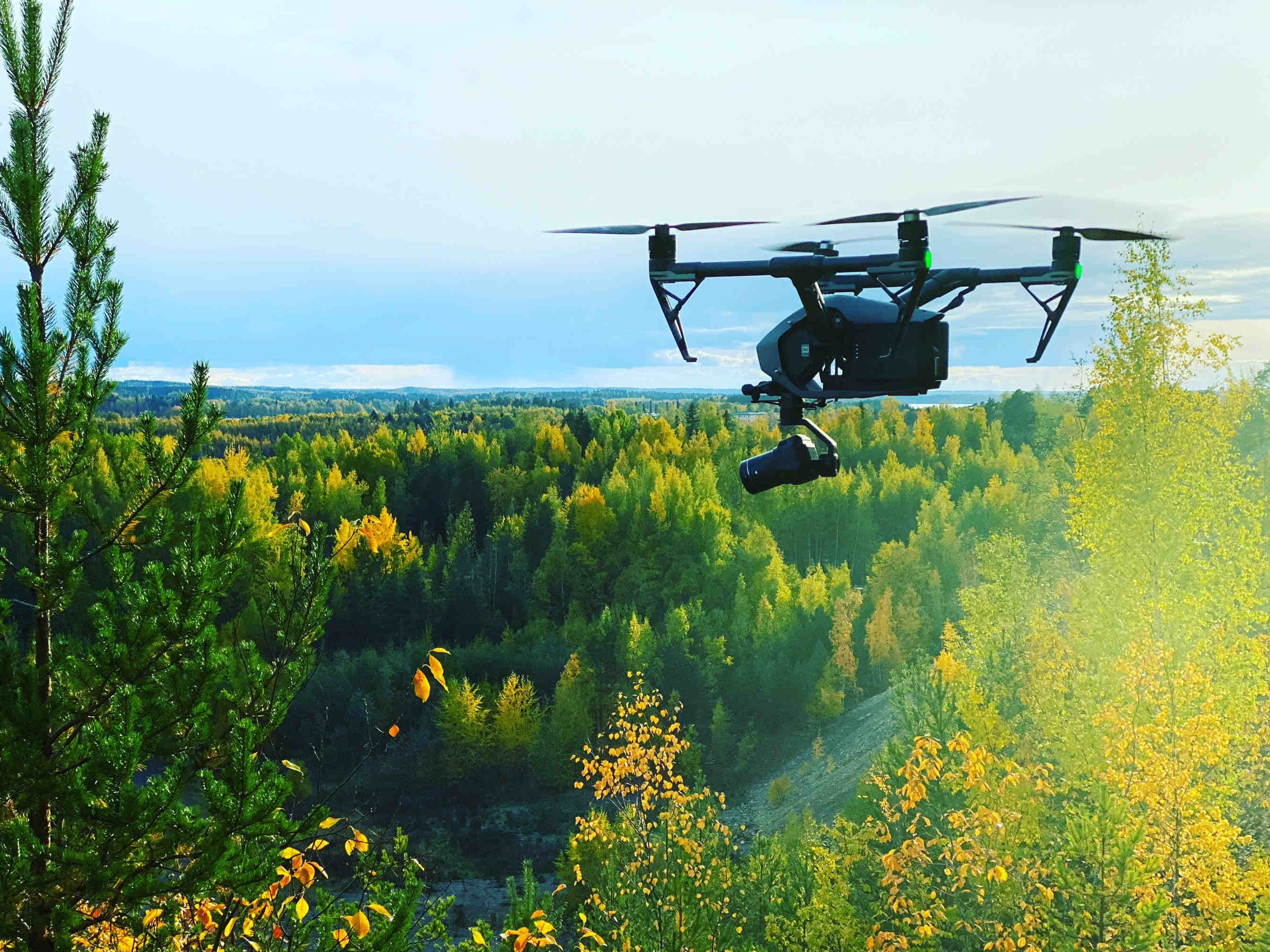
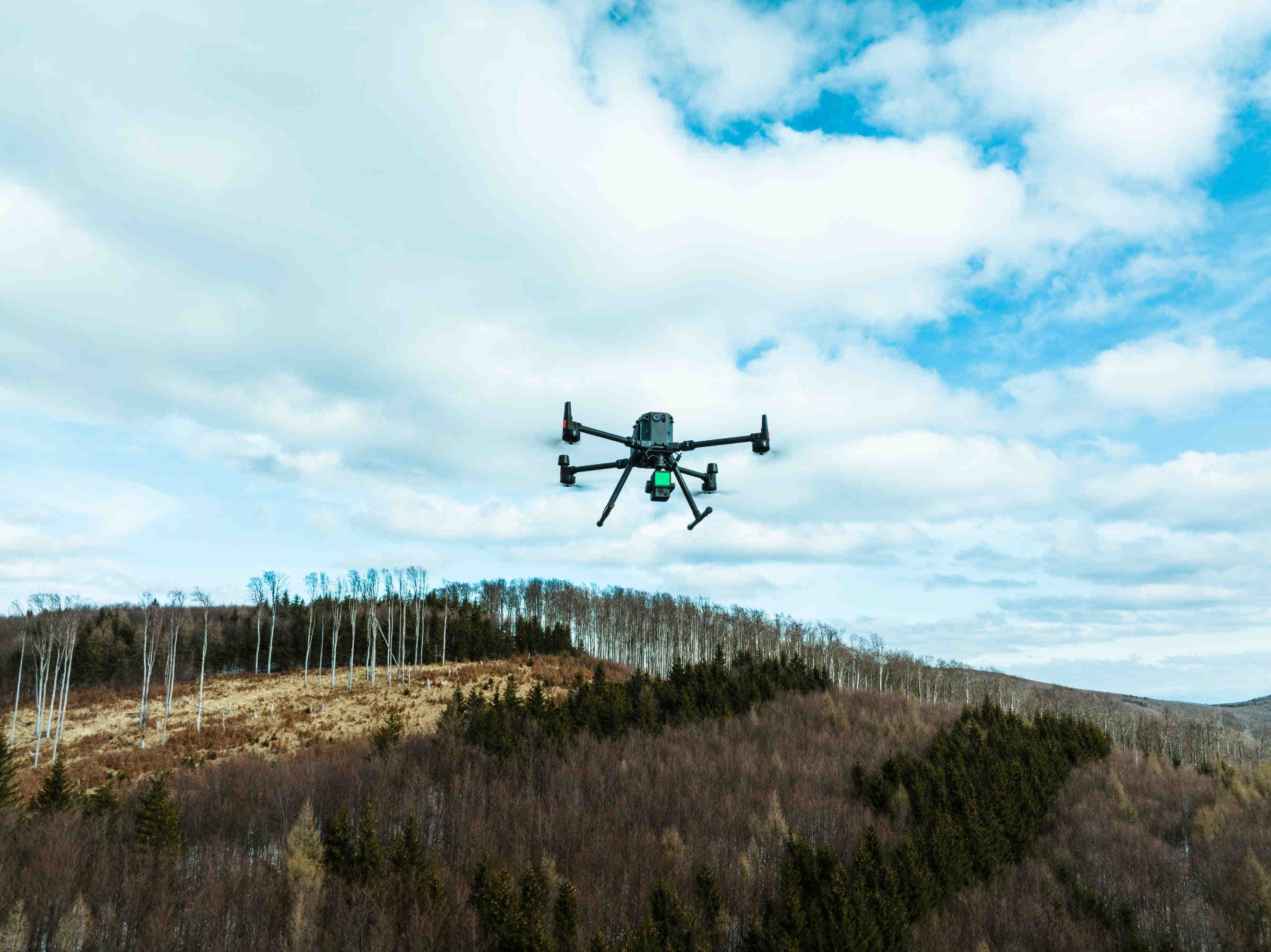
    Drones are becoming increasingly important for wildlife monitoring, allowing for the observation of wild species without disturbing them. Thanks to high-resolution cameras and thermal cameras, drones can identify moving animals and analyze their behavior, as well as monitor hard-to-reach habitats. Due to their ability to detect even small animals, drones are particularly useful for monitoring alien insects, like the Asian stink bug. Another innovative technology is environmental DNA (eDNA), which allows for the detection of species by analyzing biological traces, such as hair, scales, or excrement in water, soil, and even air. This method makes it possible to detect animal traces without needing to spot or capture them directly, proving particularly useful for the study of elusive species, endangered species or for studying genetic variability.
    drone
    XNatura

    IoT sensors for environmental quality monitoring

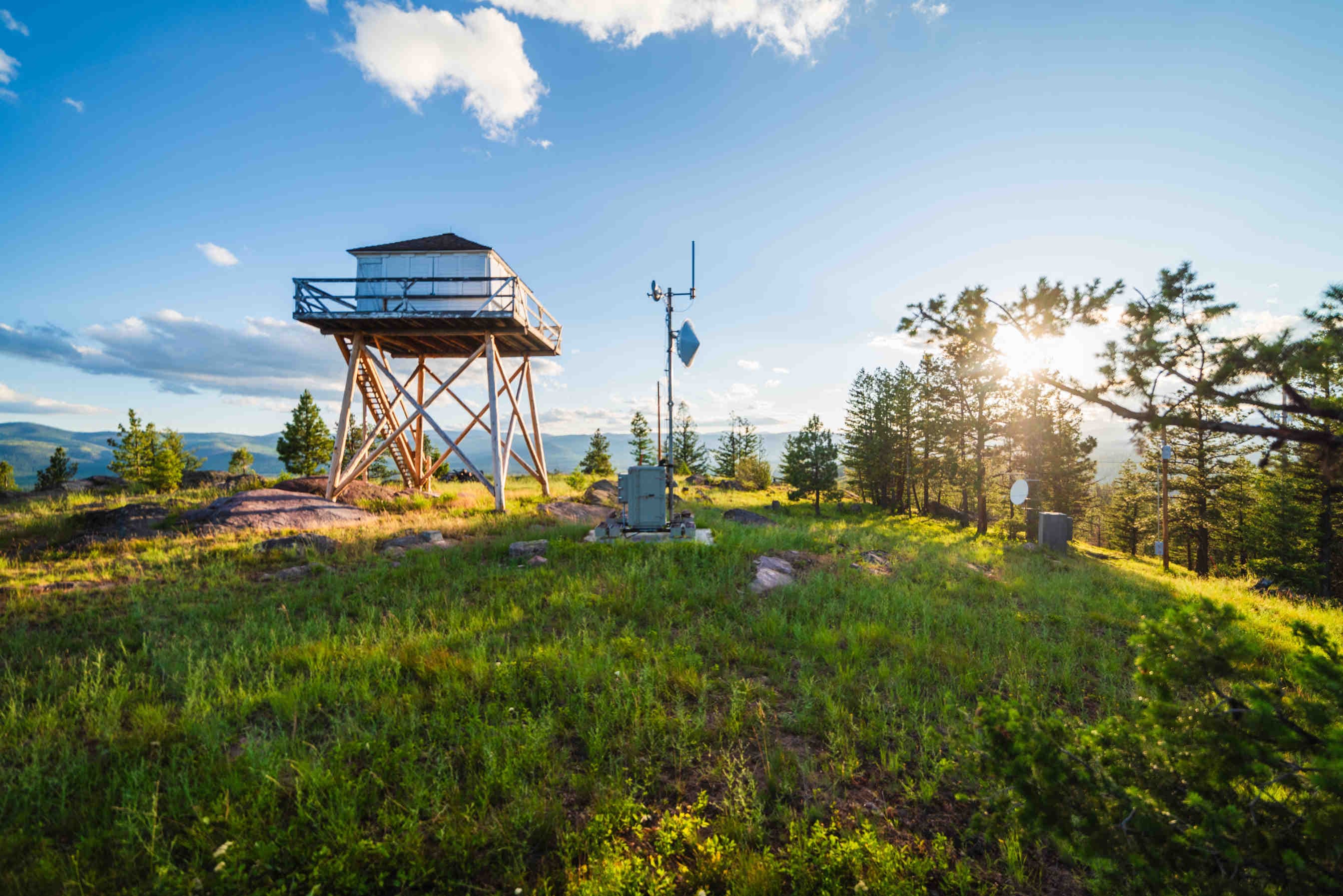
    Networks of IoT sensors enable continuous, detailed, and real-time monitoring of air, water, and soil quality, an environment inhabited by many vital arthropods. These sensors, integrated with real-time analysis algorithms, provide valuable data to assess the impact of pollution and also climate change. Environmental agencies like ARPA use these tools to detect the presence and concentration of greenhouse gases, fine particulates, and other pollutants. These systems are extremely useful in defining targeted environmental policies, such as managing urban traffic, heating, and industrial emissions. Furthermore, automating these systems ensures more efficient monitoring than traditional methods, improving response capabilities to critical events and optimizing real-time data collection.

    sensore meteo

    Satellites and space images for environmental protection

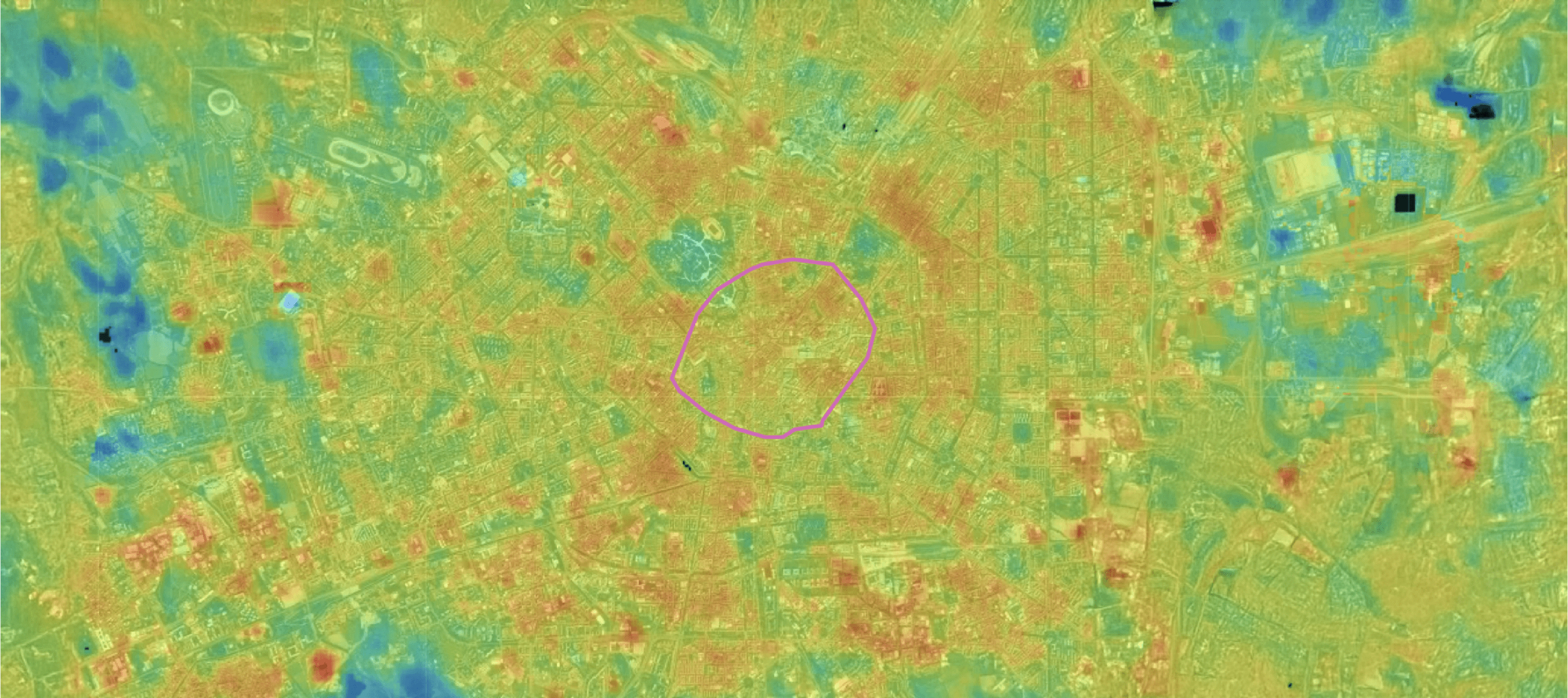
    Satellites are a resource for monitoring, providing high-resolution images to check forest cover, urban expansion, areas subject to deforestation, monitor fires even in remote areas and detect emissions. Programs like Copernicus and Landsat provide updated and easily accessible data, allowing scientists and governments to quickly intervene in emergencies and develop policies for environmental protection, and this information is also available to citizens. An example of satellite technology is Flora, the technology developed by XNatura in collaboration with the European Space Agency. Thanks to high-resolution satellite images and artificial intelligence, Flora allows analyzing the vegetation composition of an area and its development over time. This allows measuring the suitability of the habitat for pollinators and evaluating the effectiveness of the regeneration interventions implemented.
    Flora mappa
    XNatura

    Artificial intelligence for species identification

    Artificial intelligence is revolutionizing many sectors and represents a valuable resource in the field of biodiversity monitoring, thanks to the ability to automate the analysis of images and environmental data. Using deep learning models, it is possible to identify animal and plant species through image recognition algorithms, already in use on animals like whales. When these models are implemented, it will be possible to reduce the margin of error and speed up cataloging processes. Furthermore, the analysis of big data allows predicting trends of deforestation, the spread of invasive species, and fire risk, enabling the adoption of preventive measures based on highly accurate predictive models. In Italy, for example, a predictive model is being studied for the Asian stink bug.
    IA per riconoscimento specie
    3Bee

    Citizen science and participatory monitoring

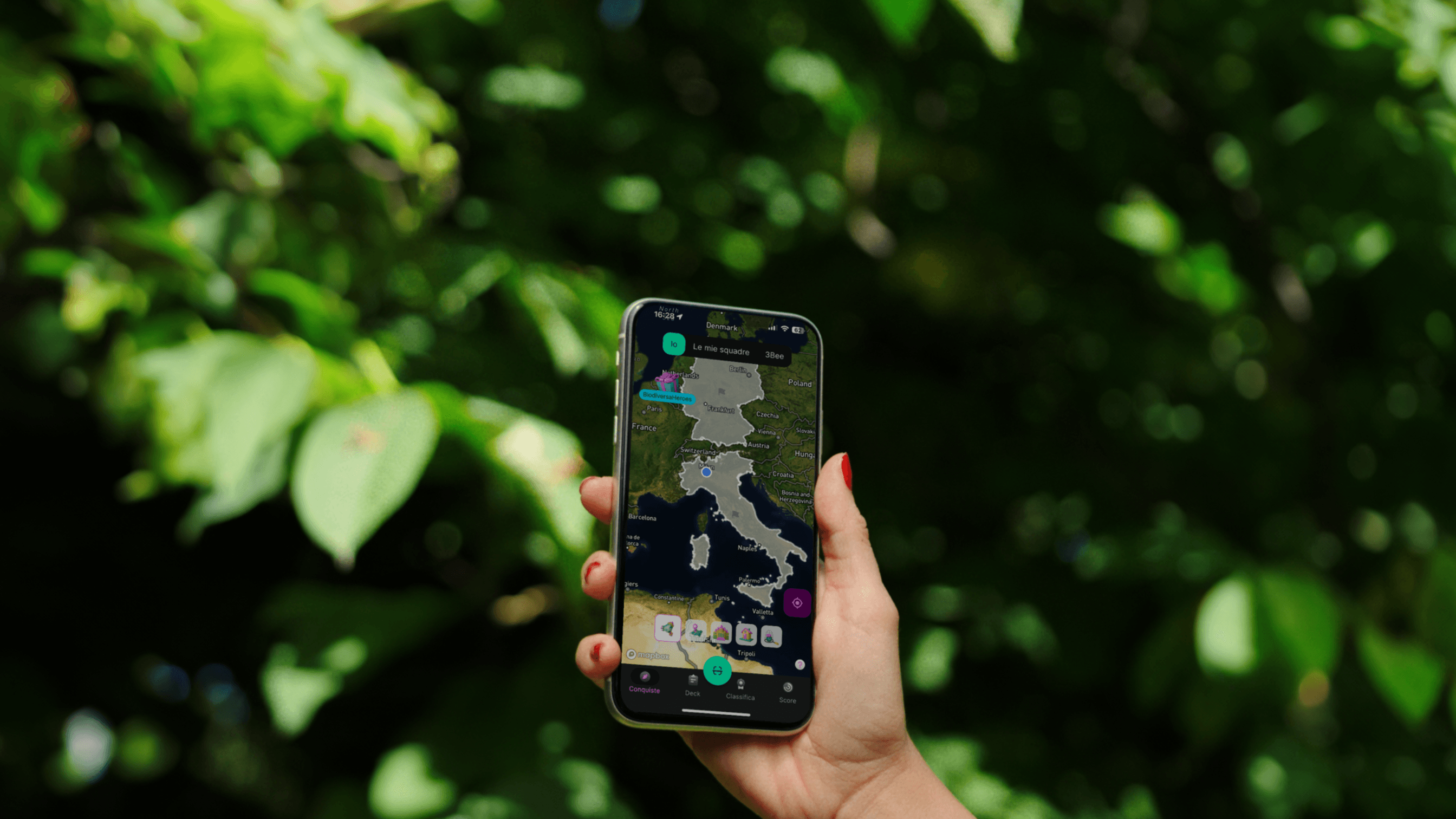
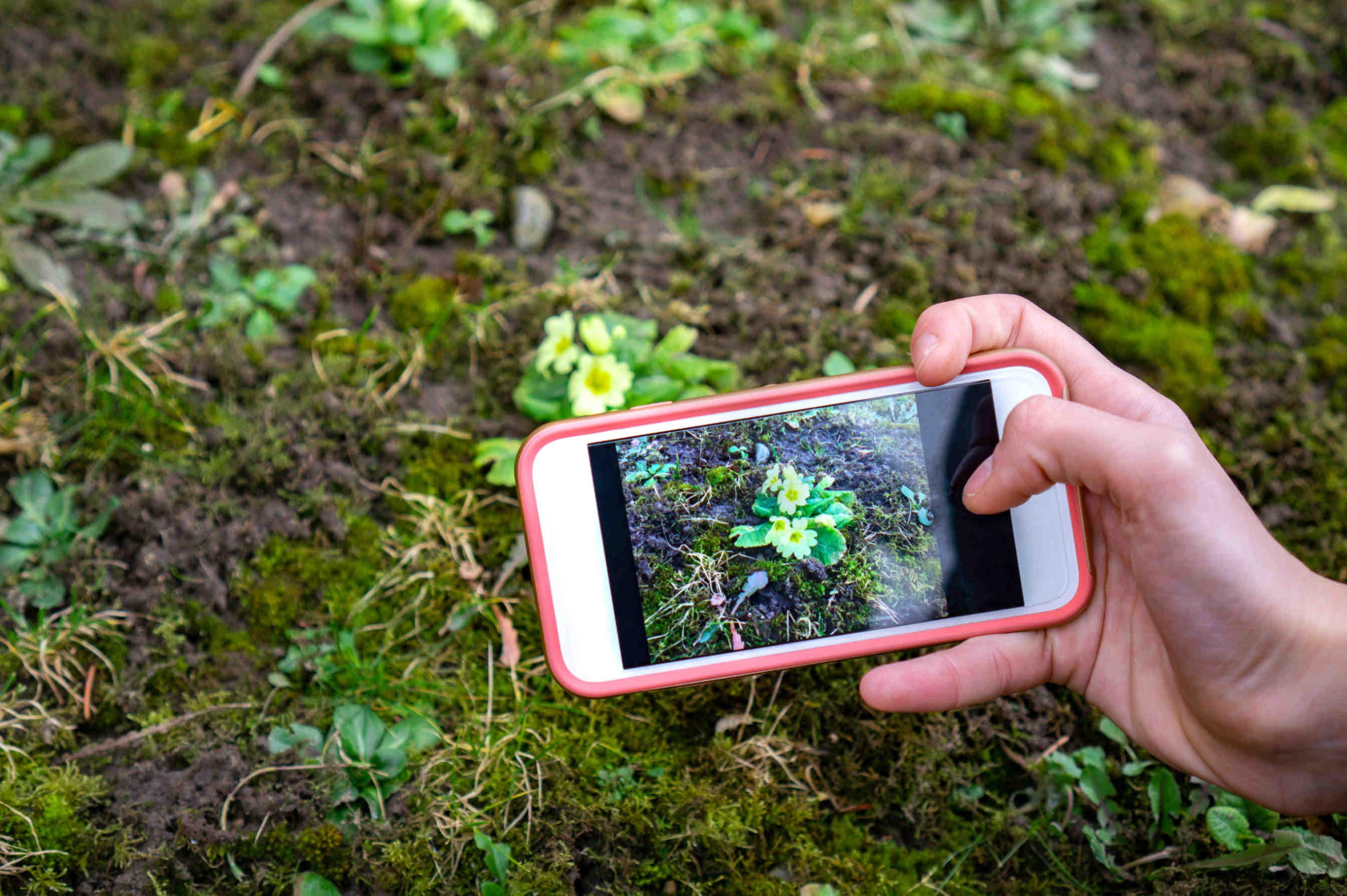
    Mobile applications also help promote greater public participation in biodiversity monitoring. Apps like Biodiversa allow users to contribute to data collection through models that enable automatic recognition of species via photos taken with their smartphone. In the case of Biodiversa, the recognition is associated with a scoring system, making data collection more engaging thanks to gamification. This citizen science based approach broadens the number of available observations, increasing the quantity and quality of data available to scientists who will study them. The active participation of the community also strengthens environmental awareness and commitment to nature conservation, thus helping to spread the culture of nature protection among participants.

    app Biodiversa

    Bioacoustics: the hidden voice of biodiversity

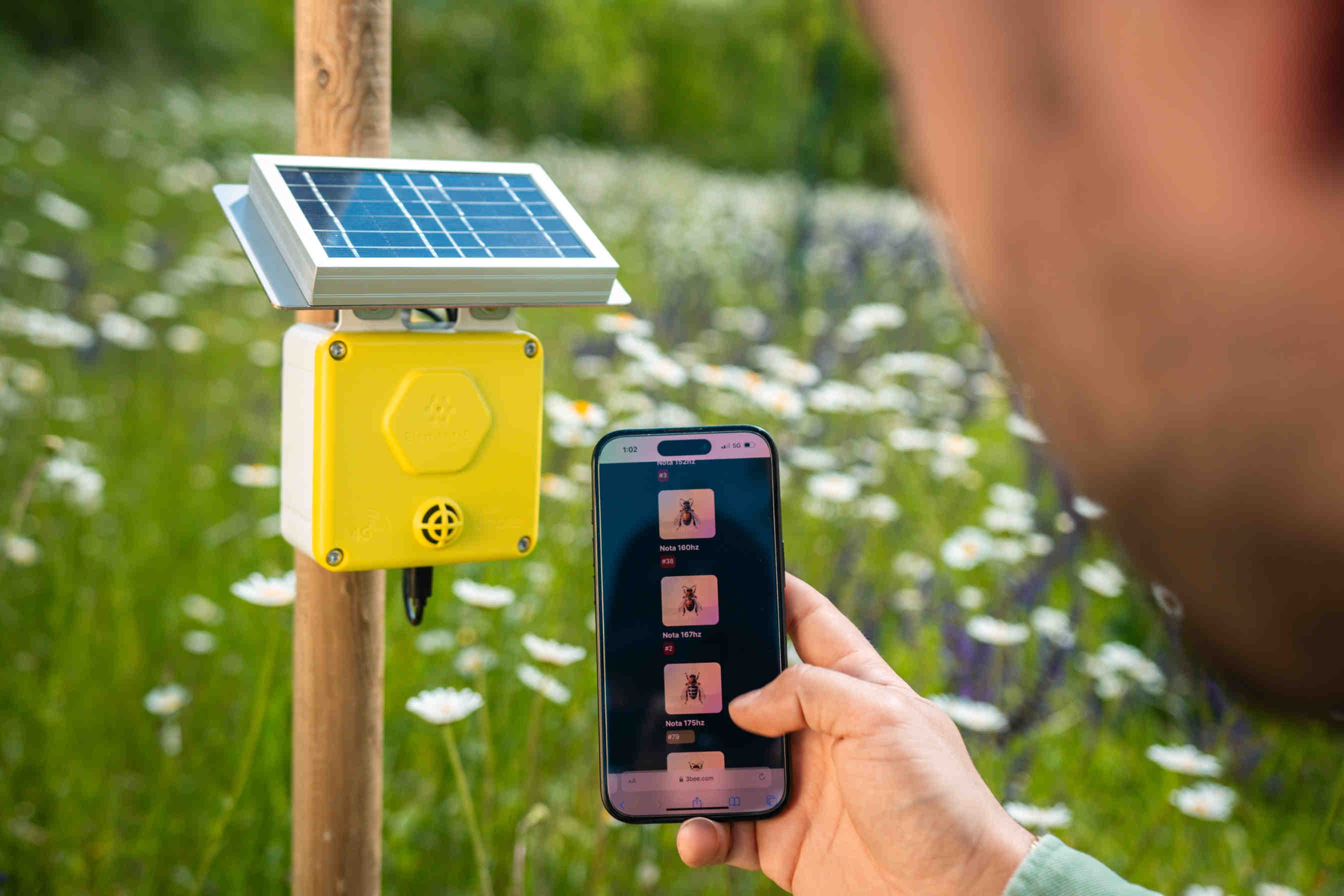
    Bioacoustics is a discipline that studies the sounds produced by living organisms: it focuses on the analysis of vocalizations, environmental sounds, and sound interactions between living beings. Bioacoustics is used for environmental monitoring because it allows the collection of information on biodiversity and the study of animal behavior through non-invasive technologies. The use of advanced microphones and recorders makes it possible to monitor species that are difficult to observe directly, such as insects. An example is Spectrum, a bioacoustic sensor developed by XNatura that detects the buzz of certain species of insects, such as bees, bumblebees, and other hymenoptera, but also hoverflies and beetles. The sensor also analyzes data regarding the abundance and frequency of buzzing, determining how many pollinators are present and how diverse they are, an approach that provides useful data for the conservation and management of natural ecosystems.

    Spectrum

    Technological development and environmental sustainability

    Technological innovations in biodiversity monitoring represent a powerful tool for environmental protection, but it is essential that their development is sustainable and oriented towards practical applicability. Furthermore, collaboration between scientists, research institutes, government bodies, and citizens can amplify the effectiveness of these technologies, making environmental monitoring increasingly accurate, precise, and accessible to all. The challenge for the future, embraced by 3Bee, is to integrate these tools into strategies for biodiversity conservation: XNatura, the 3Bee Nature Intelligence division dedicated to environmental monitoring, is already at the forefront in this field, supporting businesses, municipalities, and natural parks in the monitoring of nature, climate, water, and biodiversity.
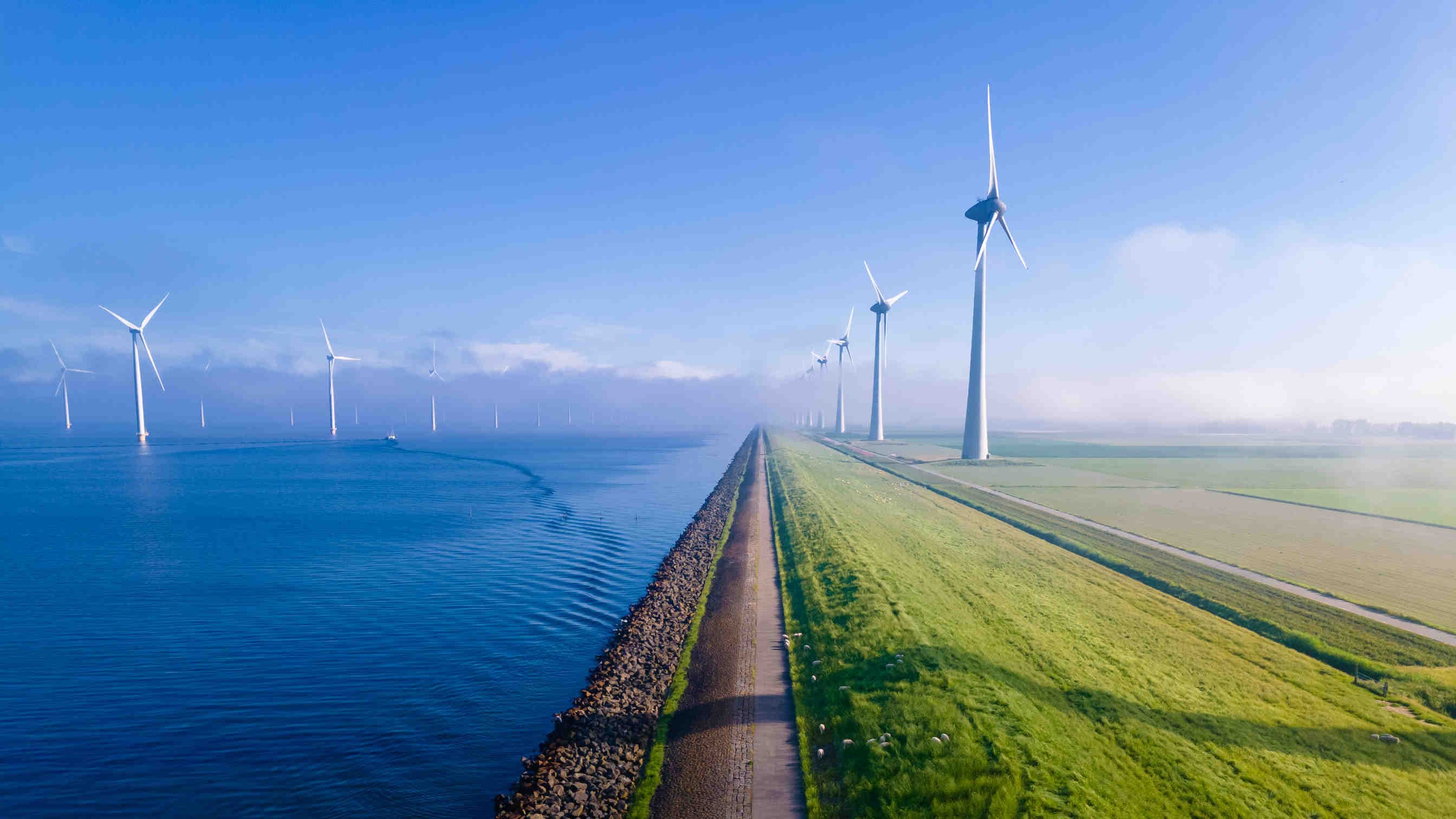
    tecnologia sostenibile
    12/04/2025Of 3Bee, Niccolò Patelli
    799 Views
    Newsletter
    newsletter
    Subscribe to the Blog about bees and biodiversity

    Frequently Asked Questions

    Do you have any doubts or other curiosities about this article? Here you will find some insights