The role of technology in environmental protection
Disclaimer: this is an automated translation from Italian. Go to the original article.
Environmental and naturalistic monitoring is essential to understand and mitigate the
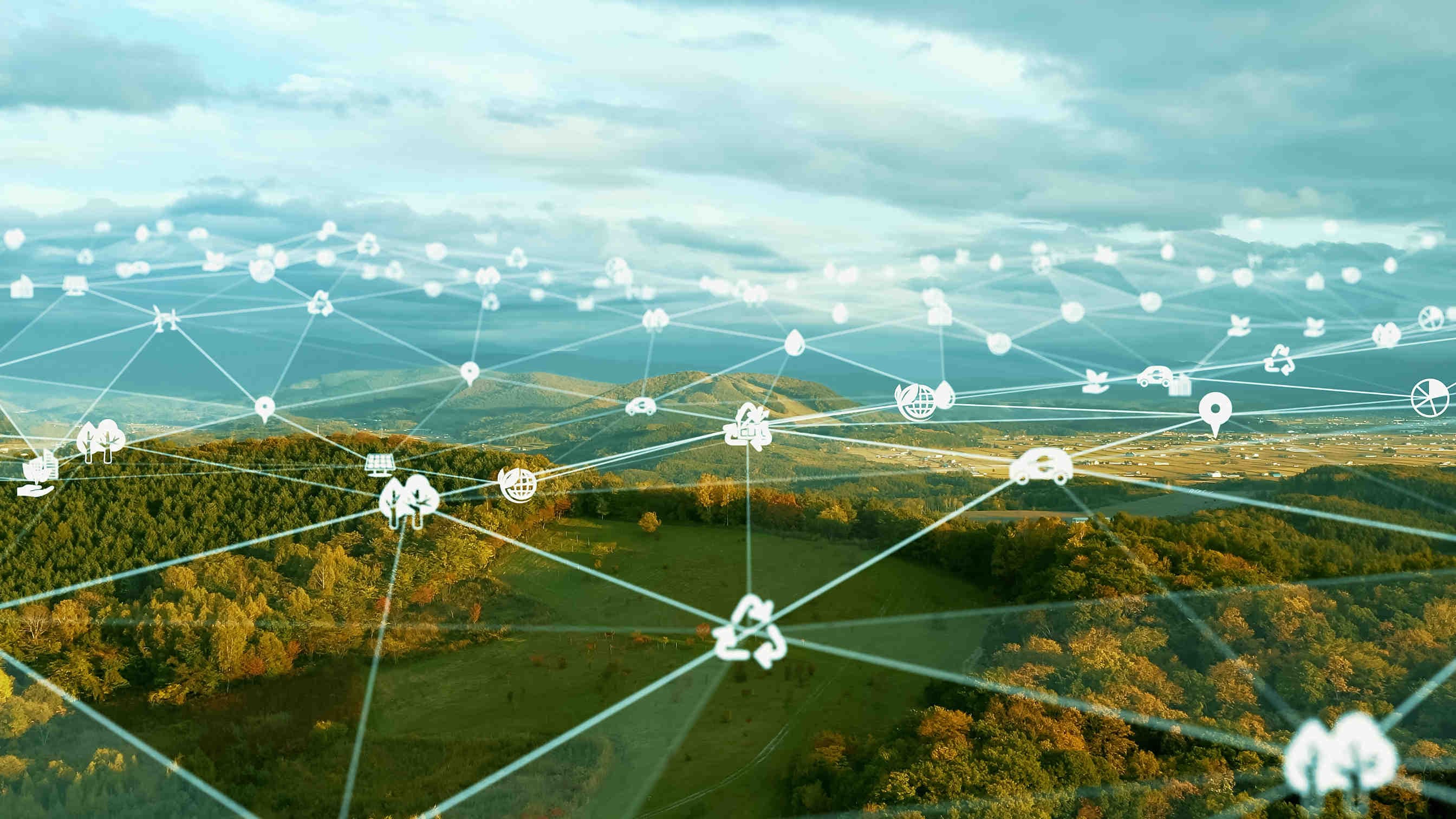
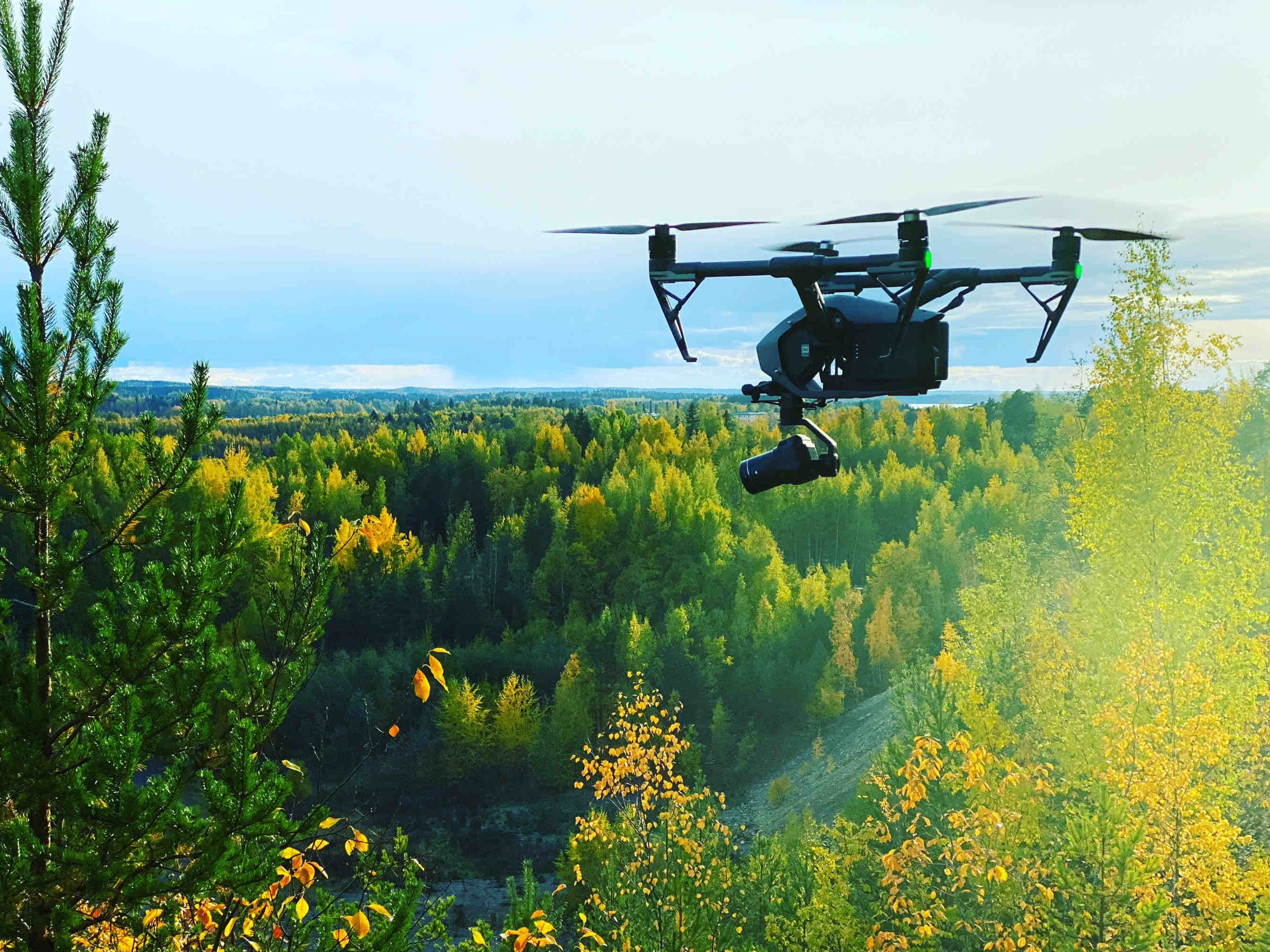
New technologies are revolutionizing biodiversity monitoring: drones, artificial intelligence, IoT networks, and bioacoustics are increasingly used tools to collect data accurately and efficiently, playing a key role in environmental conservation.
Read the articleDisclaimer: this is an automated translation from Italian. Go to the original article.
Environmental and naturalistic monitoring is essential to understand and mitigate the
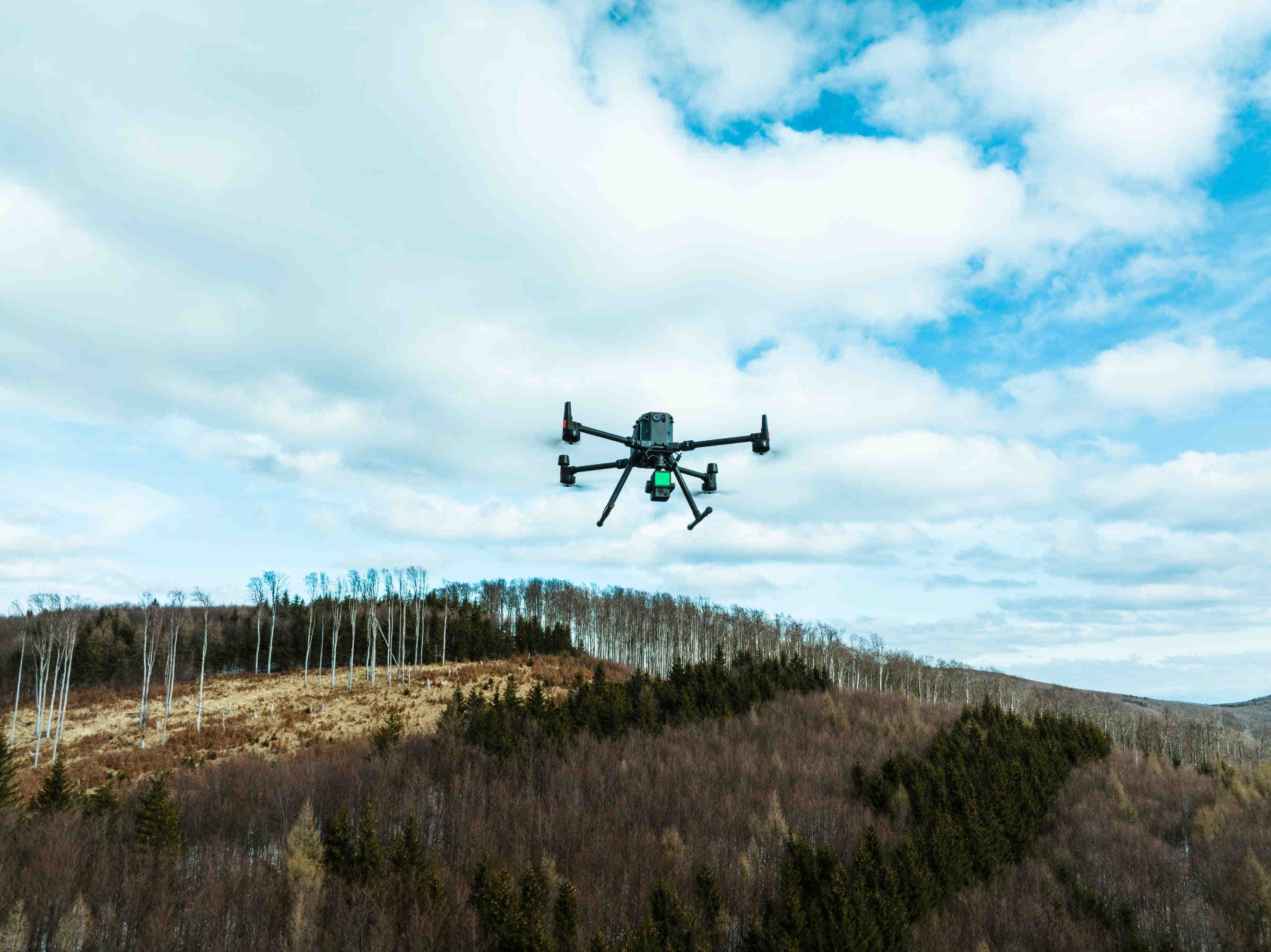
Drones are becoming increasingly important for wildlife monitoring, allowing for the observation of wild species without disturbing them. Thanks to high-resolution cameras and thermal cameras, drones can identify moving animals and analyze their behavior, as well as monitor hard-to-reach habitats. Due to their ability to detect even small animals, drones are particularly useful for monitoring alien insects, like the Asian stink bug. Another innovative technology is environmental DNA (eDNA), which allows for the detection of species by analyzing

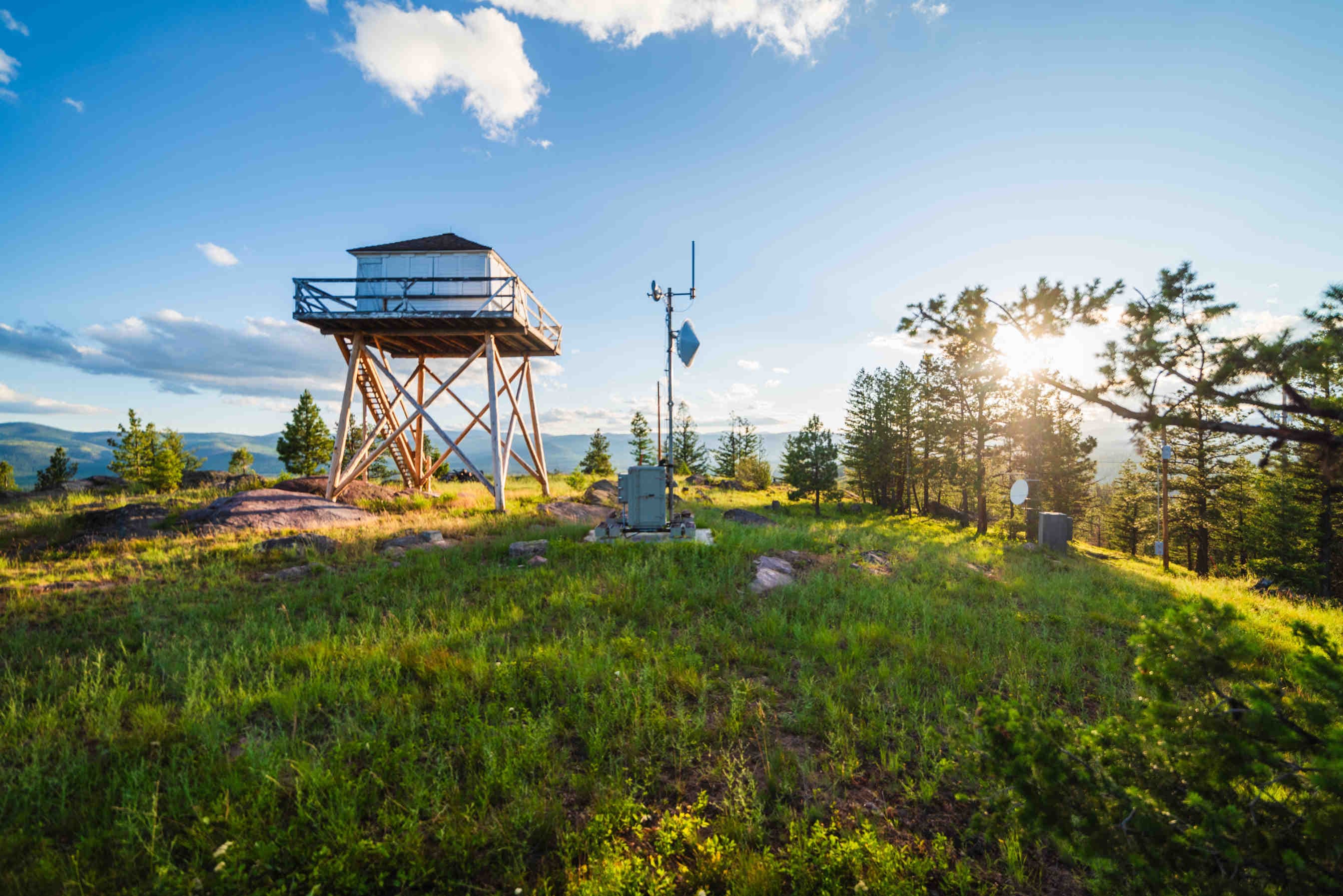
Networks of
Satellites are a resource for monitoring, providing high-resolution images to check forest cover, urban expansion, areas subject to deforestation, monitor fires even in remote areas and detect emissions. Programs like Copernicus and Landsat provide updated and easily accessible data, allowing scientists and governments to quickly intervene in emergencies and develop policies for environmental protection, and this information is also available to citizens. An example of satellite technology is
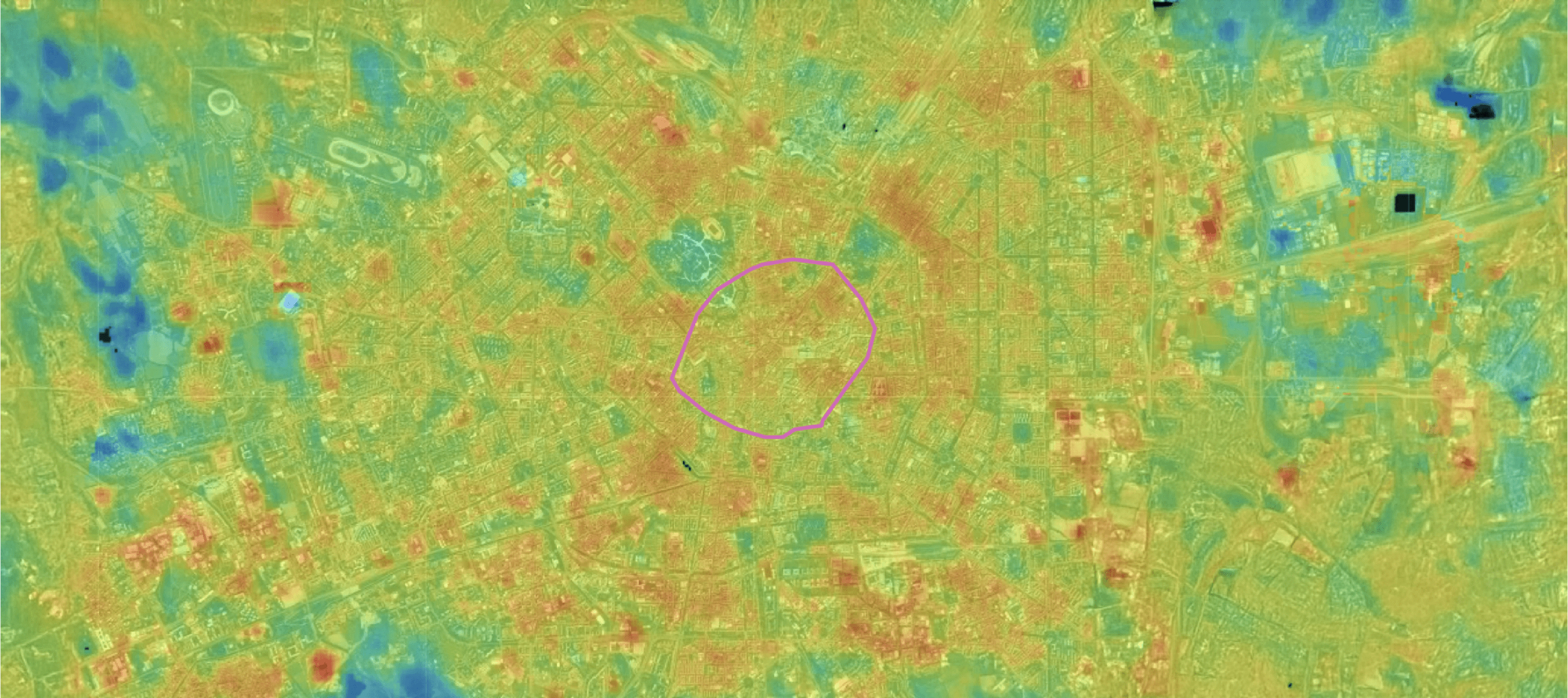

Artificial intelligence is revolutionizing many sectors and represents a valuable resource in the field of biodiversity monitoring, thanks to the ability to automate the analysis of images and environmental data. Using deep learning models, it is possible to identify animal and plant species through image recognition algorithms, already in use on animals like whales. When these models are implemented, it will be possible to reduce the margin of error and speed up cataloging processes. Furthermore, the analysis of big data allows predicting trends of deforestation, the spread of invasive species, and fire risk, enabling the adoption of preventive measures based on highly accurate predictive models. In Italy, for example, a predictive model is being studied for the Asian stink bug.


Mobile
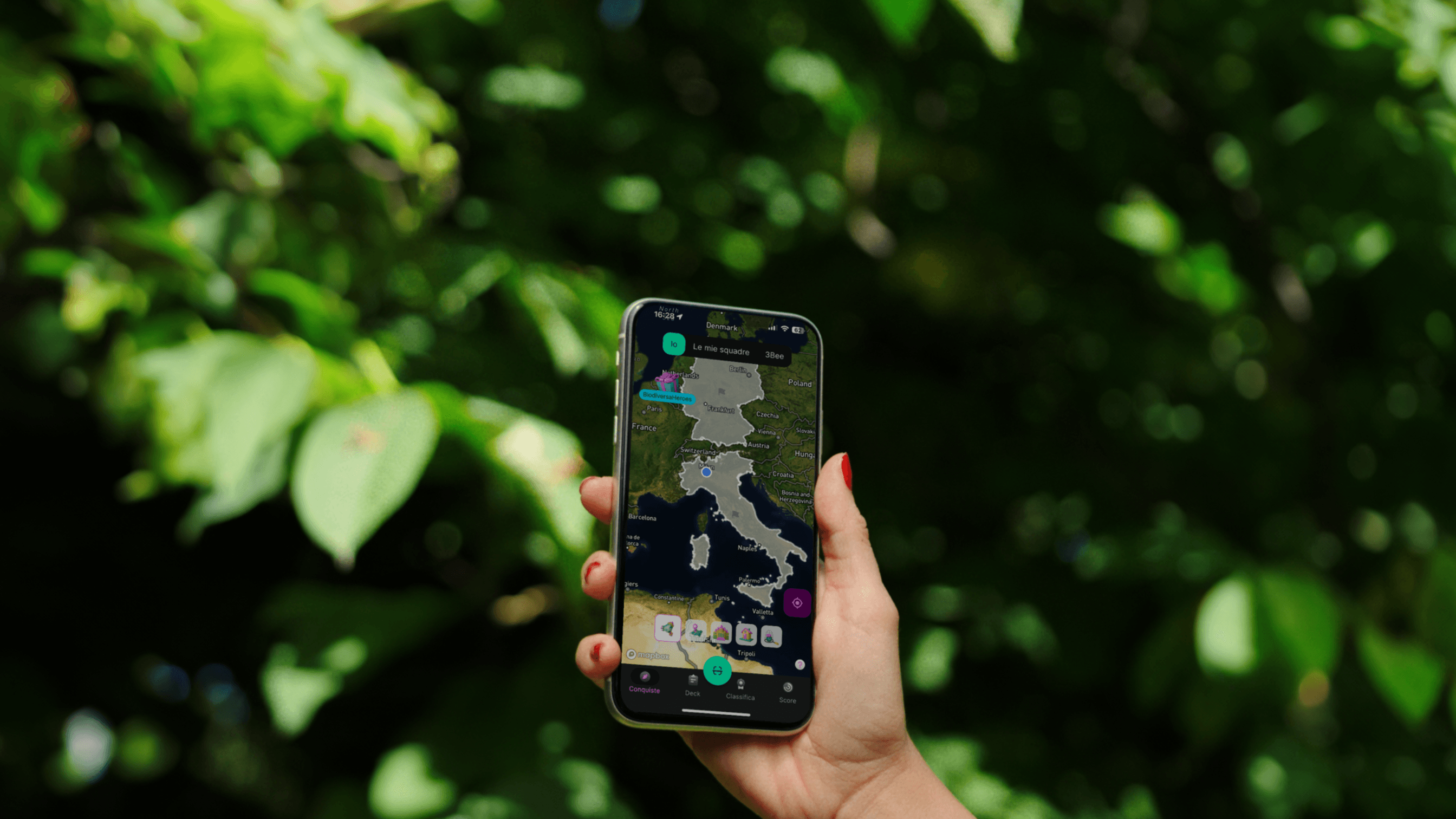
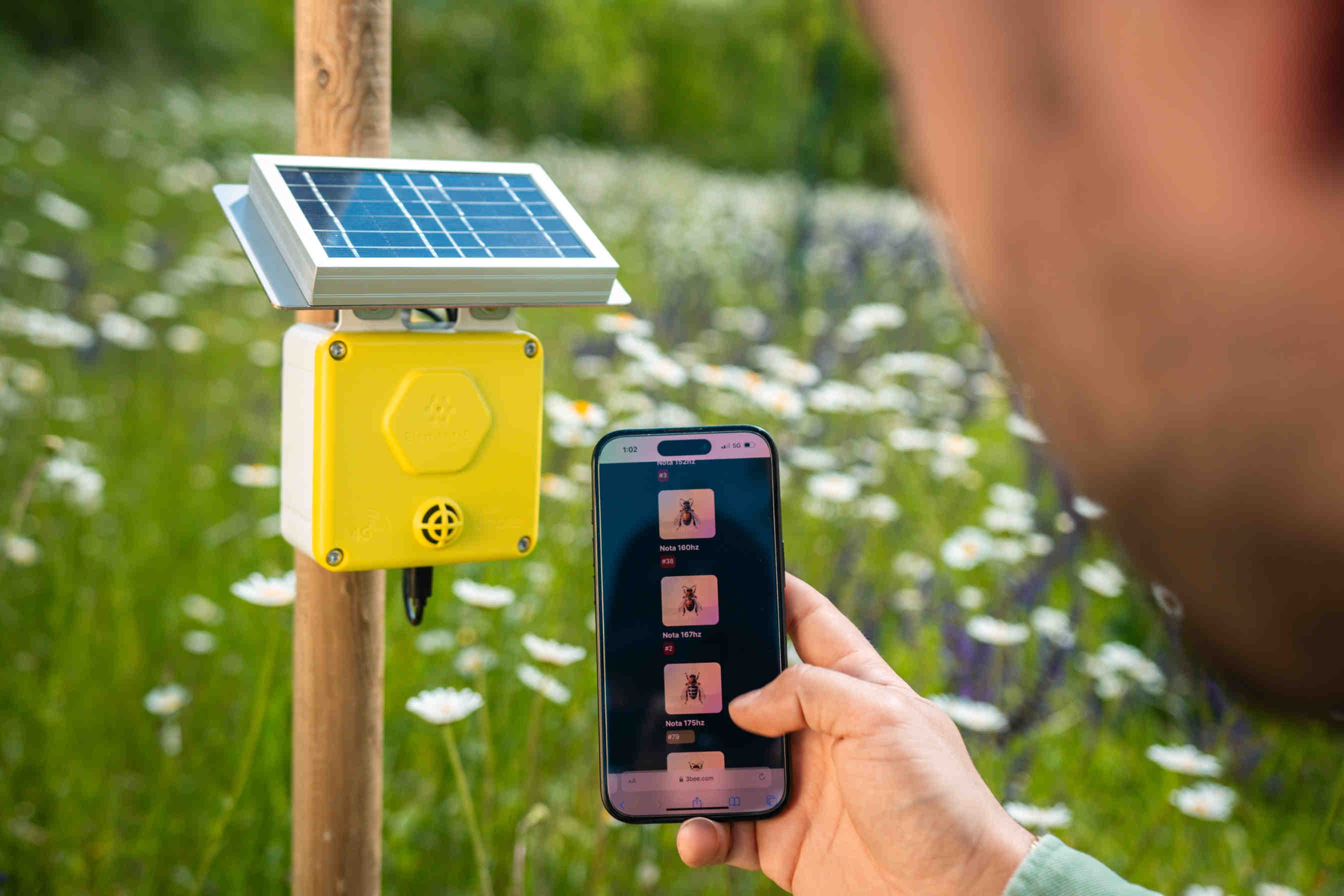
Technological innovations in biodiversity monitoring represent a powerful tool for environmental protection, but it is essential that their


Do you have any doubts or other curiosities about this article? Here you will find some insights