Ethiopian wolves feed on nectar: the first pollinating carnivores
    PollinatorsProtagonistsUnexpectedEthiopian Lupo

    Ethiopian wolves feed on nectar: the first pollinating carnivores

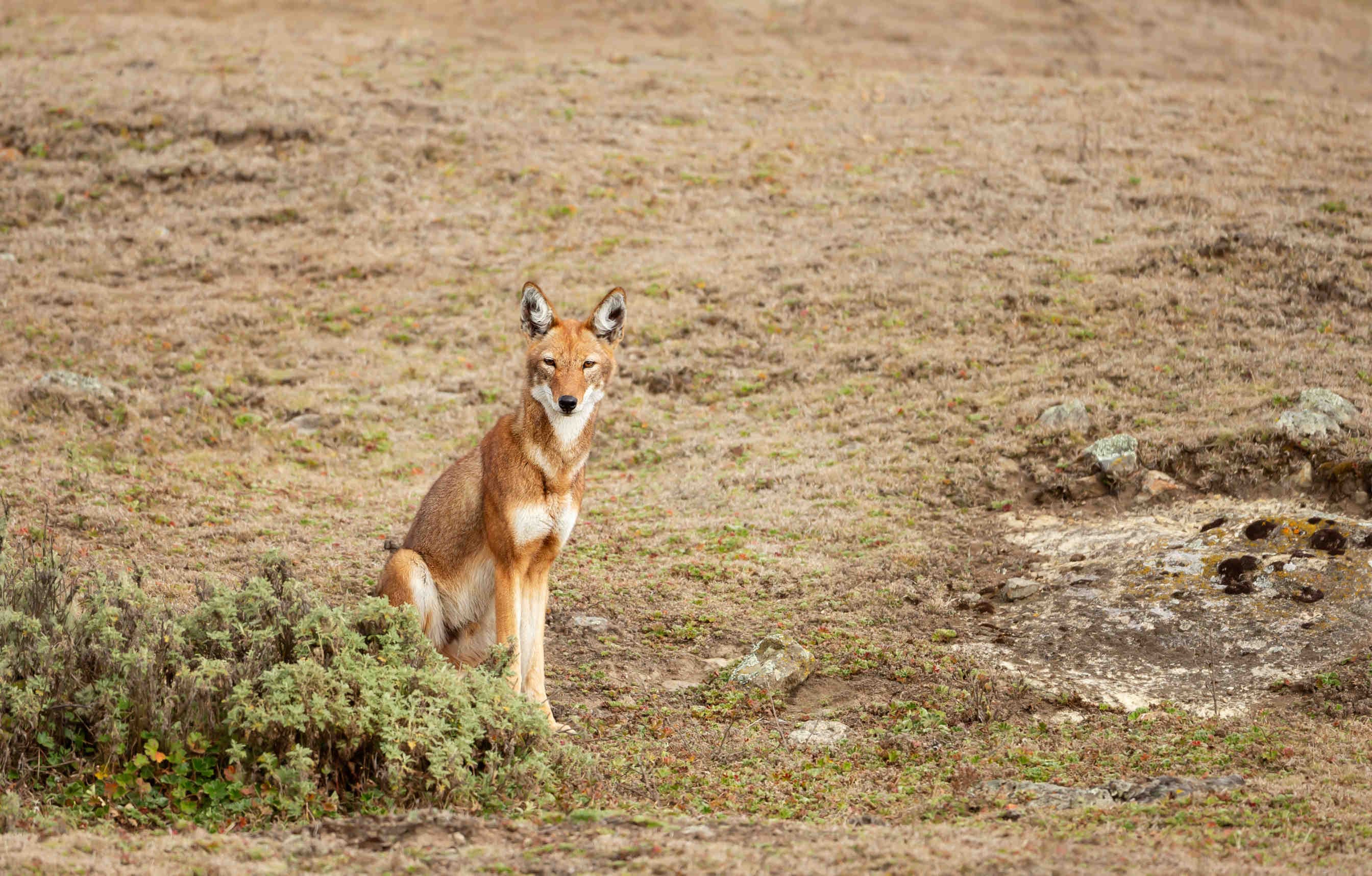
    Ethiopian wolves have been observed licking Kniphofia foliosa flowers and, with pollen-stained snouts, moving from plant to plant. To date, this represents the first case of a large pollinating carnivore. Find out why it behaves this way and what impact this behaviour and discovery has.

    Read the article
    02/12/2024Of 3Bee, Niccolò Patelli
    560 Views
    02/12/2024Of 3Bee, Niccolò Patelli
    560 Views

    The wonderful world of pollinators

    Disclaimer: this is an automated translation from Italian. Go to the original article.
    Pollination is a fundamental process for the reproduction of many plants, which, as many will know, is based on the transfer of pollen between the flowers of plants of the same species. This exchange allows cross-fertilisation, and thus seed formation, and ensures the survival of the majority of species. Pollinators play a key role in this natural cycle, establishing unique relationships with the plants with which they have co-evolved and thus sustaining biodiversity. From the most common to the rarest flowers, the connection between plant species and their pollinators is an extraordinary example of the interconnection of ecosystems.

    bombo

    The best-known protagonists of pollination

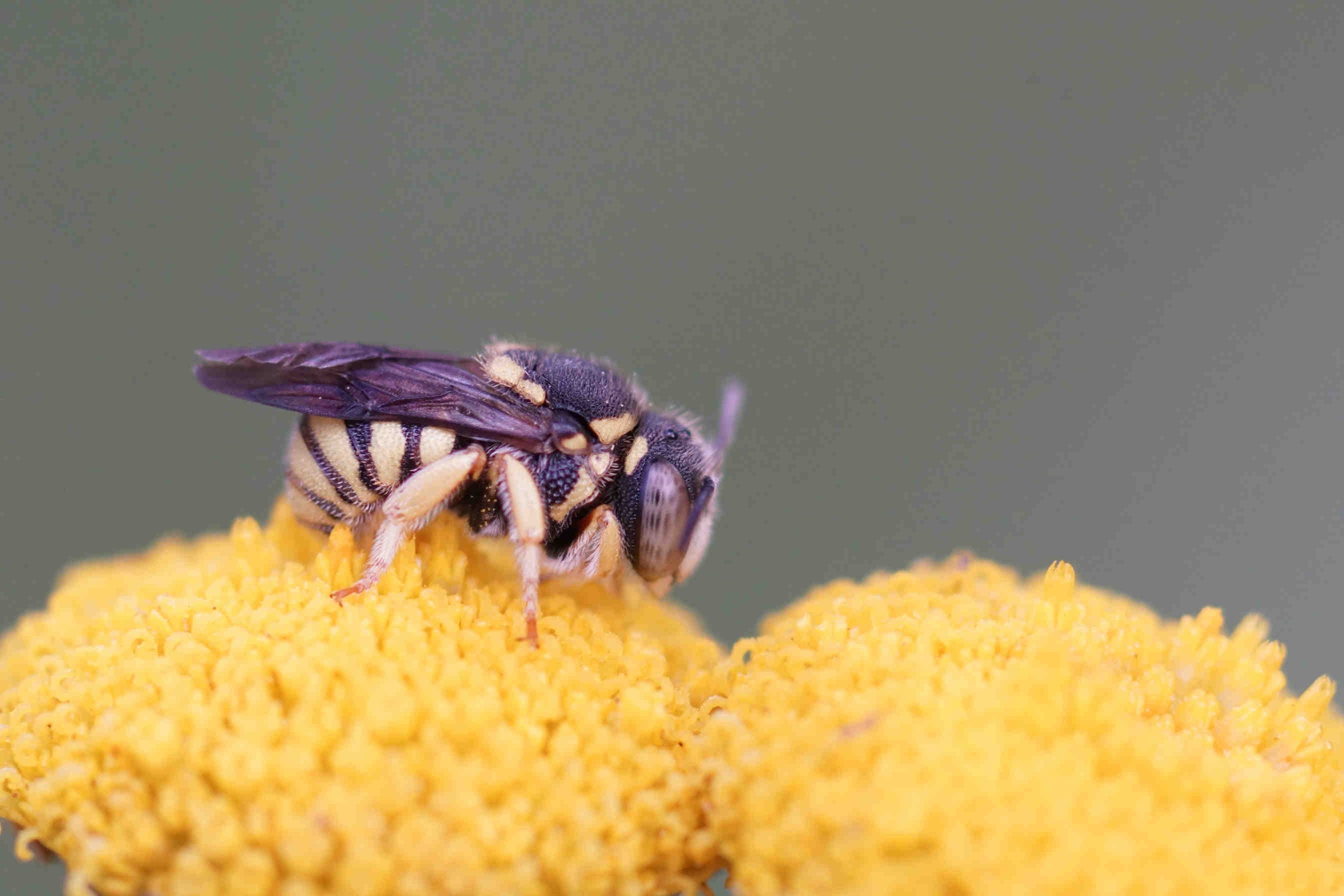
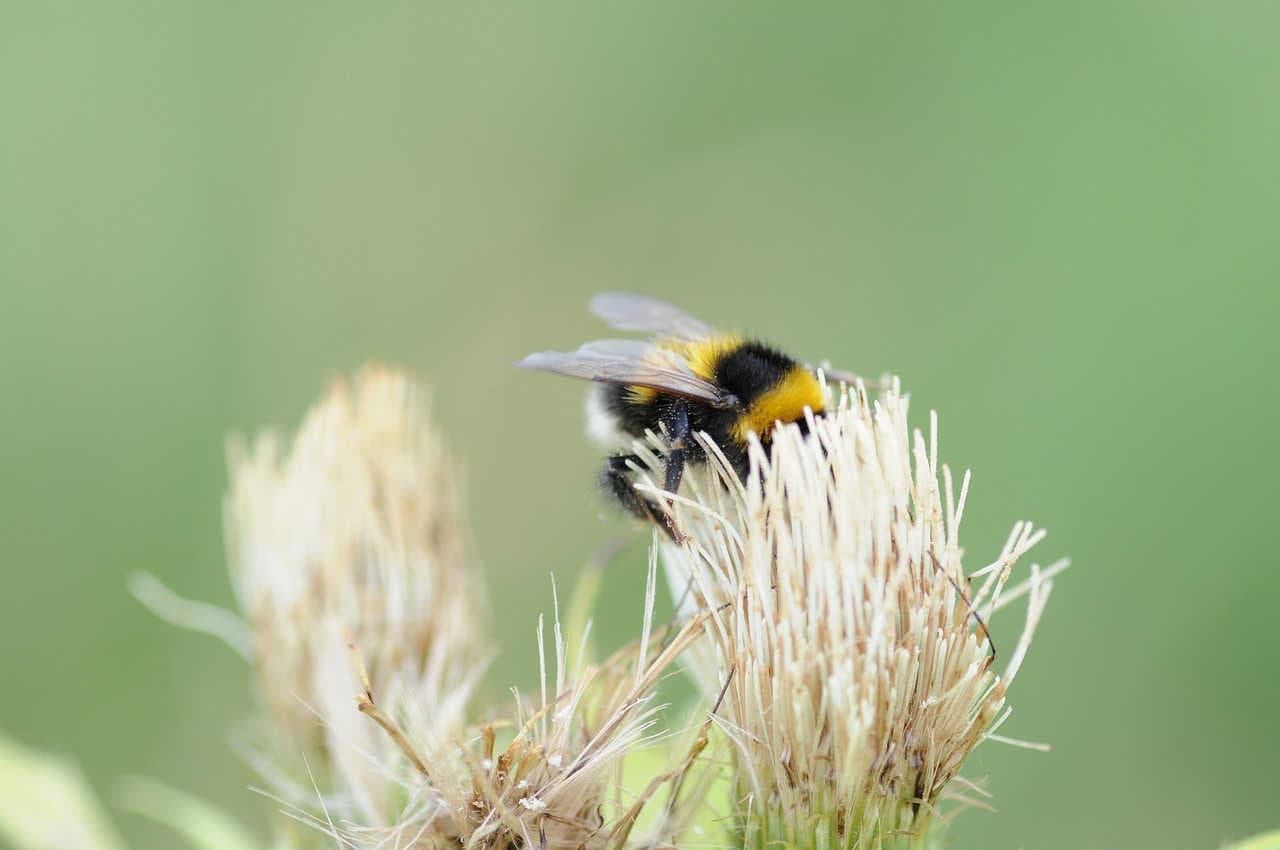
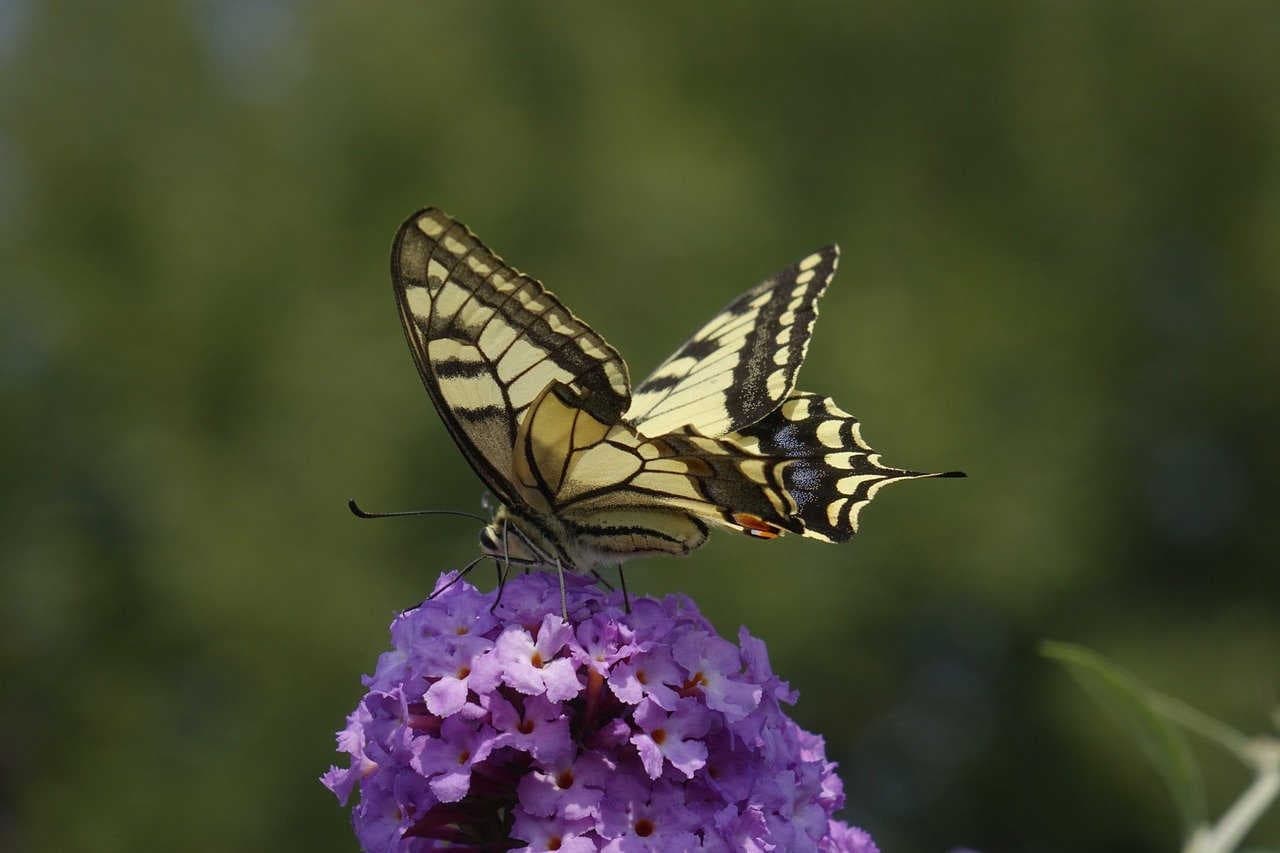
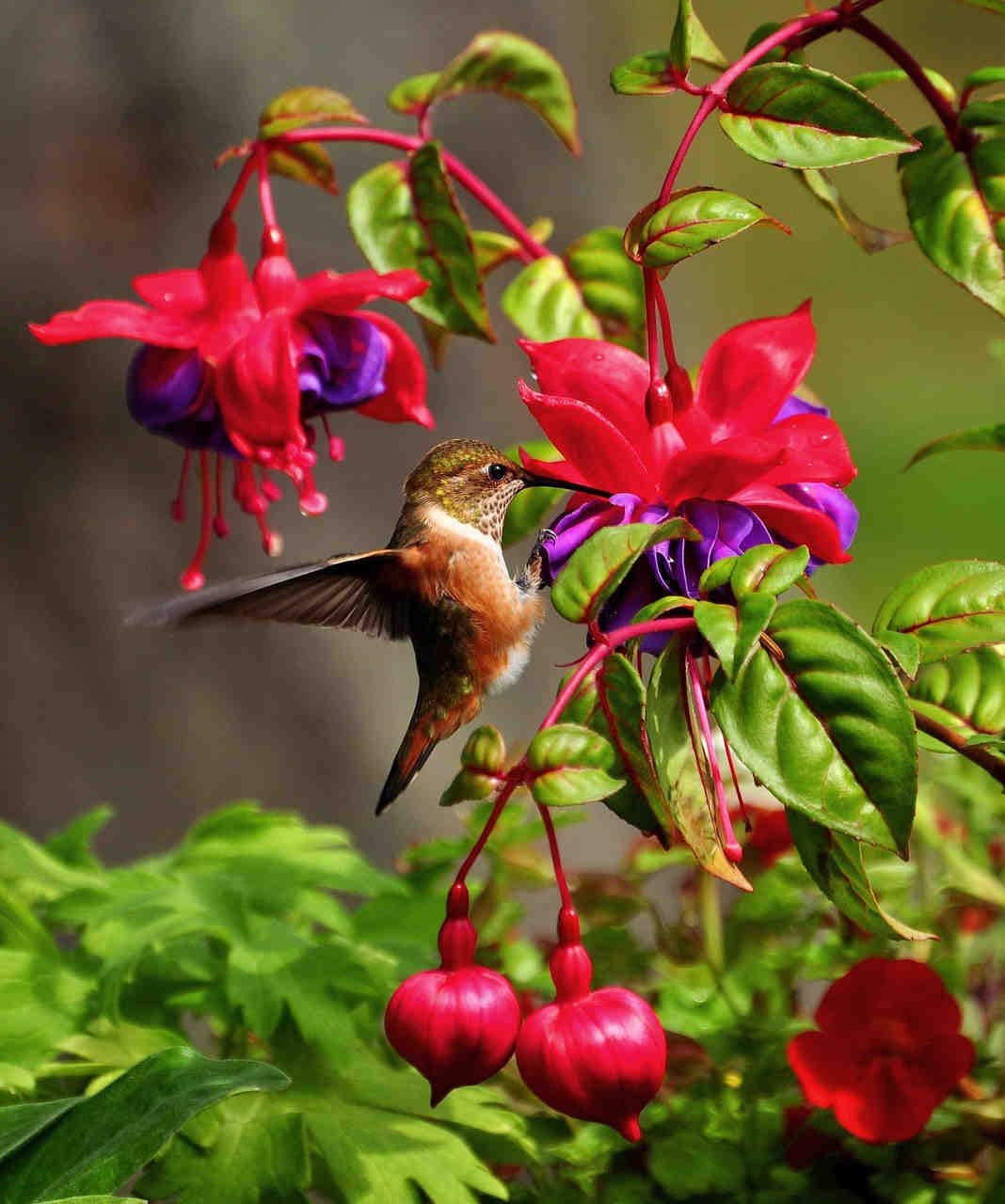
    When one thinks of pollinators, bees are probably the first to come to mind. These industrious insects, including many species of solitary bees and the very famous honey bee, are essential for agriculture and wildflowers. Butterflies, syrphids and other insects play similar roles, but with specific characteristics and preferences. Hummingbirds, with their elegant flight, are also known to contribute in tropical areas. The importance of these pollinators is widely recognised, making them true symbols of the link between plants and animals.
    macaone
    XNatura

    The pollinators you don't expect

    Beyond the pollinators everyone is familiar with, there are species that are surprising for their contribution. The bats, for example, pollinate cacti and tropical trees, especially at night. Birds, as well as hummingbirds, play a crucial role in areas such as South America. Among mammals, marsupials and rodents have also been observed pollinating flowers during their search for food. The beetles, often ignored, are among the oldest pollinators, interacting with plants that produce robust flowers. These examples show how diverse and creative nature is in maintaining the life cycle, even in our cities.
    colibrì

    Ethiopian wolves: carnivores and pollinators?

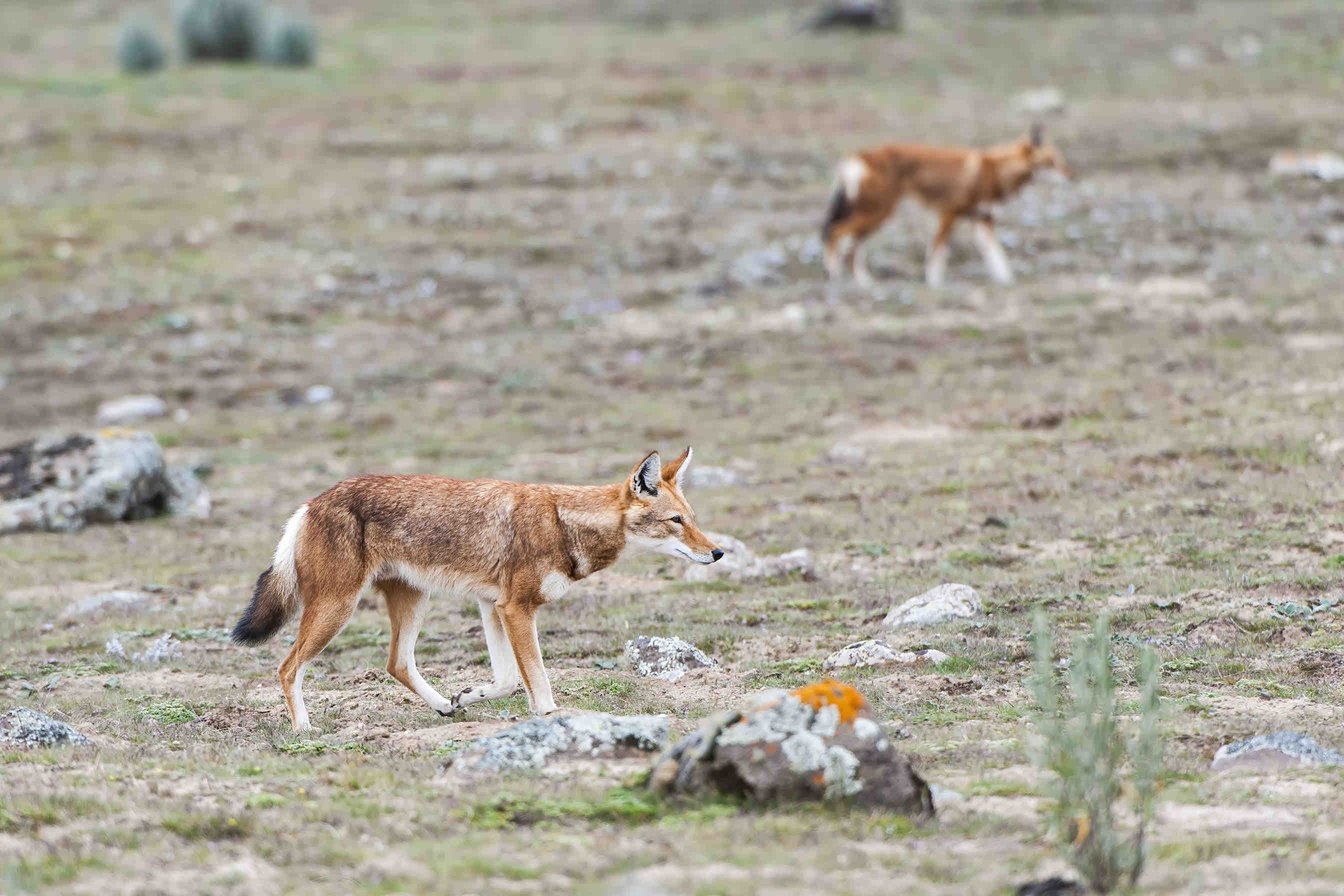
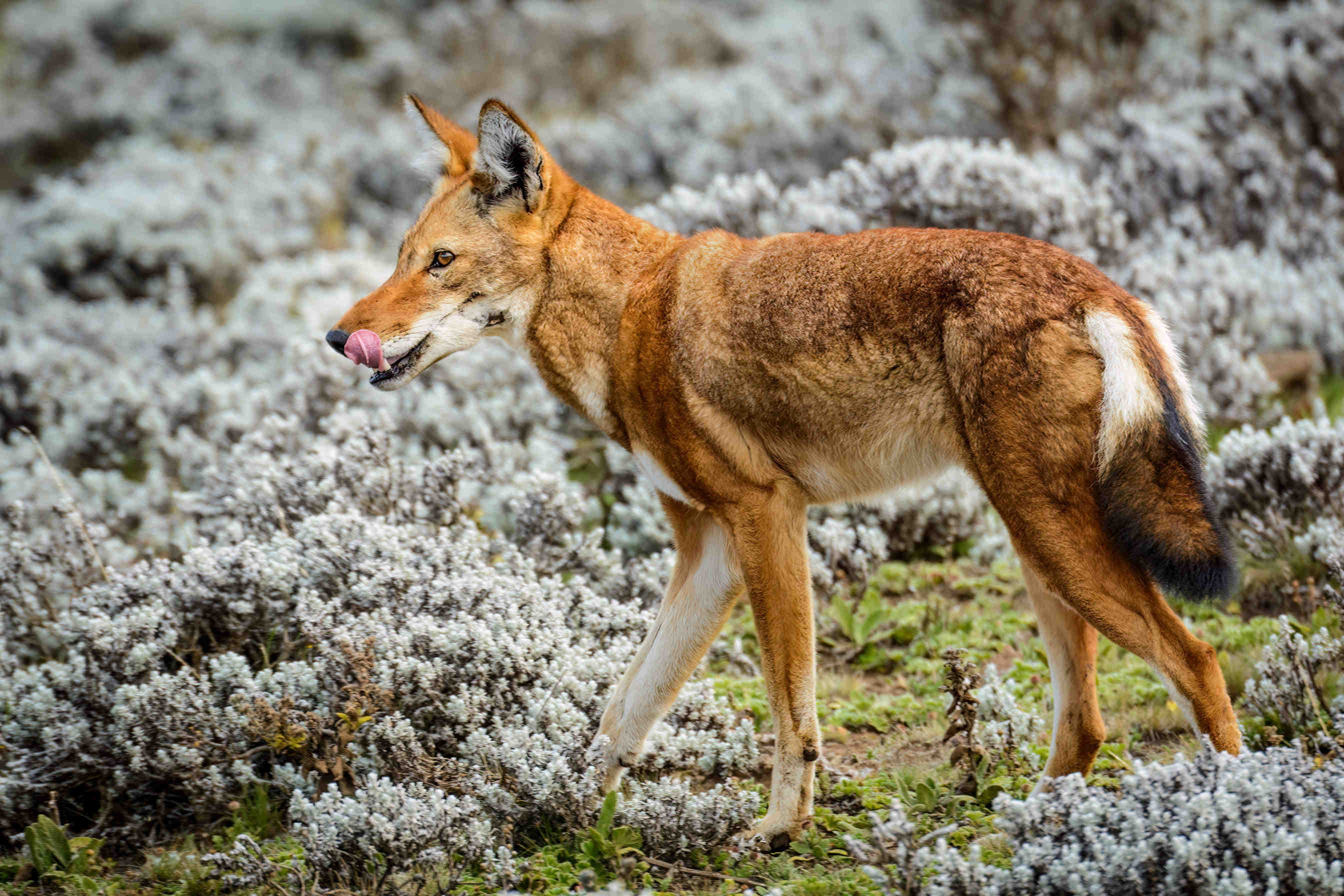
    Recent research has revealed an extraordinary role for the Ethiopian wolf (Canis simensis): that of a pollinator. Studies conducted in the Ethiopian highlands indicate that these large carnivores come into contact with the flowers of Kniphofia foliosa, transporting pollen between plants, contributing to their reproduction. This finding challenges traditional ecological categorisations, highlighting how even a predator can play a direct role in the ecological service of pollination and represents a unique case for a large carnivore.
    lupo_etiope
    XNatura

    The ecological contribution of the Ethiopian wolf

    According to the study, Ethiopian wolves contribute to the pollination of Kniphofia foliosa, a plant often seen in botanical gardens. Six different individuals from three different packs were observed licking the inflorescences of K. foliosa to lick the nectar. This is not a random behaviour and the wolves were observed licking flowers for up to 45 minutes: at the end of this unusual snack, their snouts were covered in pollen, which they carried from flower to flower, allowing it to be transferred: nectar is not a food that is functional for their sustenance and could be part of the "dessert hypothesis". This relationship seems to be unique and represents an extraordinary example of co-evolution between a large carnivore and an alpine plant. Moreover, it could be an important aid in the pollination of this plant that lives in a restricted habitat and faces extreme climatic conditions.

    Kniphofia_foliosa
    3Bee

    A precarious status for the Ethiopian wolf

    The Ethiopian wolf is one of the world's most endangered carnivores, with an estimated population of less than 500 individuals and listed in the IUCN Red Lists as "endangered". Destruction of their habitat, competition with domestic dogs and fragmentation of ecosystems put this species at risk. Protected in several natural areas, such as the Bale Mountains National Park, the Ethiopian wolf remains a symbol of ecological fragility. Its conservation is essential not only for the species itself, but also for the ecological relationships it sustains, such as the pollination of K. foliosa.

    lupo_etiope

    Exploring the mystery of pollinators

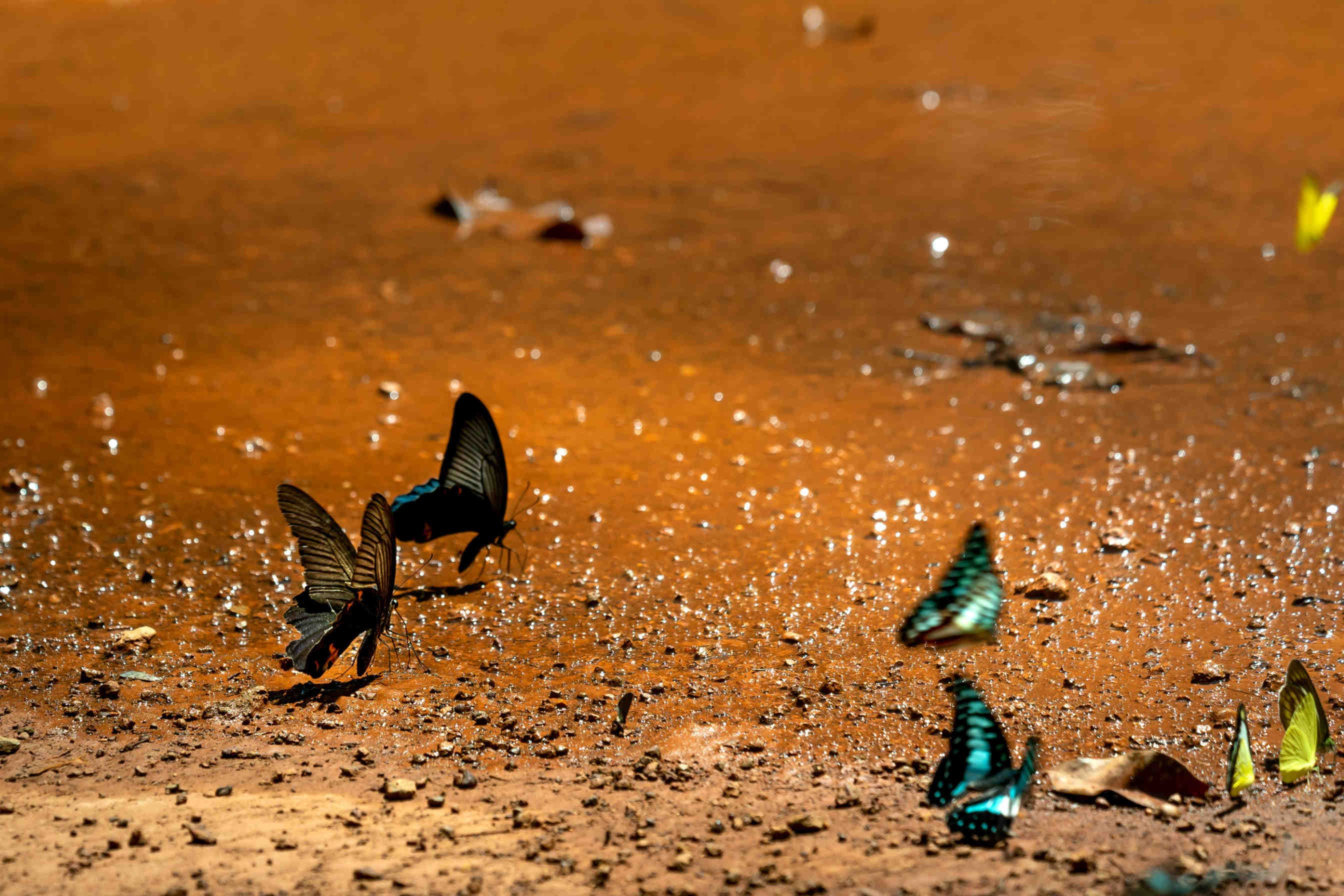
    Despite advanced knowledge, the world around us is still full of surprises, and pollinators are no less than, even in plants such as the fico. Discoveries such as that of Ethiopian wolves suggest that many ecological interactions are, to date, still unknown. Mammals, reptiles, or other insects that we do not expect or perhaps do not know at all may turn out to be unexpected actors in the pollination process. Each new discovery broadens our understanding of nature and emphasises the importance of preserving ecosystems to facilitate further research.
    farfalle

    Conservation: an imperative for the future

    The discovery of the Ethiopian wolf as a pollinator highlights the importance of protecting natural ecosystems. Every species, even the least suspicious, can play a crucial role in maintaining biodiversity and we still have so much to discover. National parks and reserves, as well as conservation oases, not only protect fauna and flora, but also promote scientific research. Preserving nature also means preserving our own future, in a balance where every species, from the smallest insect to the largest carnivore, contributes to life on Earth.

    ape_selvatica
    02/12/2024Of 3Bee, Niccolò Patelli
    560 Views
    Newsletter
    newsletter
    Subscribe to the Blog about bees and biodiversity

    Frequently Asked Questions

    Do you have any doubts or other curiosities about this article? Here you will find some insights