What is Coral Bleaching
    CoralsWhere they liveEcological roleThreats

    What is Coral Bleaching

    Corals are fascinating organisms capable of creating a habitat that supports a wide biodiversity, but they are threatened by a number of factors and the phenomenon of bleaching. Discover what corals are, where they live, what threatens them, and how to protect them.

    Read the article
    30/03/2025Of 3Bee, Niccolò Patelli
    213 Views
    30/03/2025Of 3Bee, Niccolò Patelli
    213 Views

    What are corals

    Disclaimer: this is an automated translation from Italian. Go to the original article.

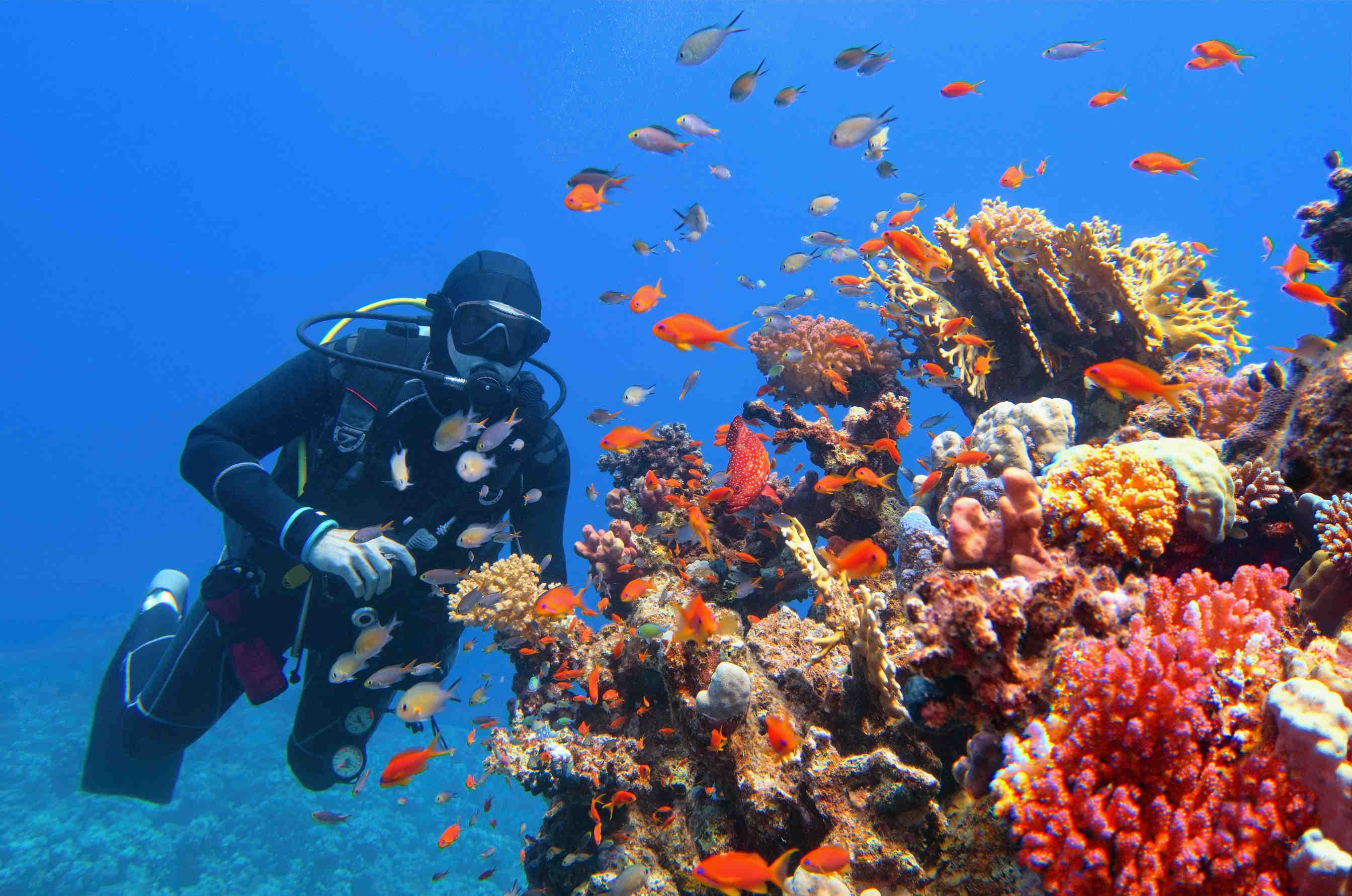
    Corals are often confused with plants or rocks due to their appearance and sessile behavior, meaning stationary on the seabed. In reality, they are marine animals belonging to the phylum Cnidaria, the same that includes jellyfish and sea anemones. Each coral is a colony composed of hundreds or thousands of small polyps (different from octopuses!), organisms that secrete calcium carbonate to build more or less rigid structures. The set of rigid structures gives rise to coral reefs. Corals live in symbiosis with zooxanthellae, microscopic algae that provide energy to the polyps through photosynthesis. This relationship is essential for the survival of the coral and contributes to marine biodiversity. The role of corals in the oceans is crucial and goes beyond their aesthetic appeal.
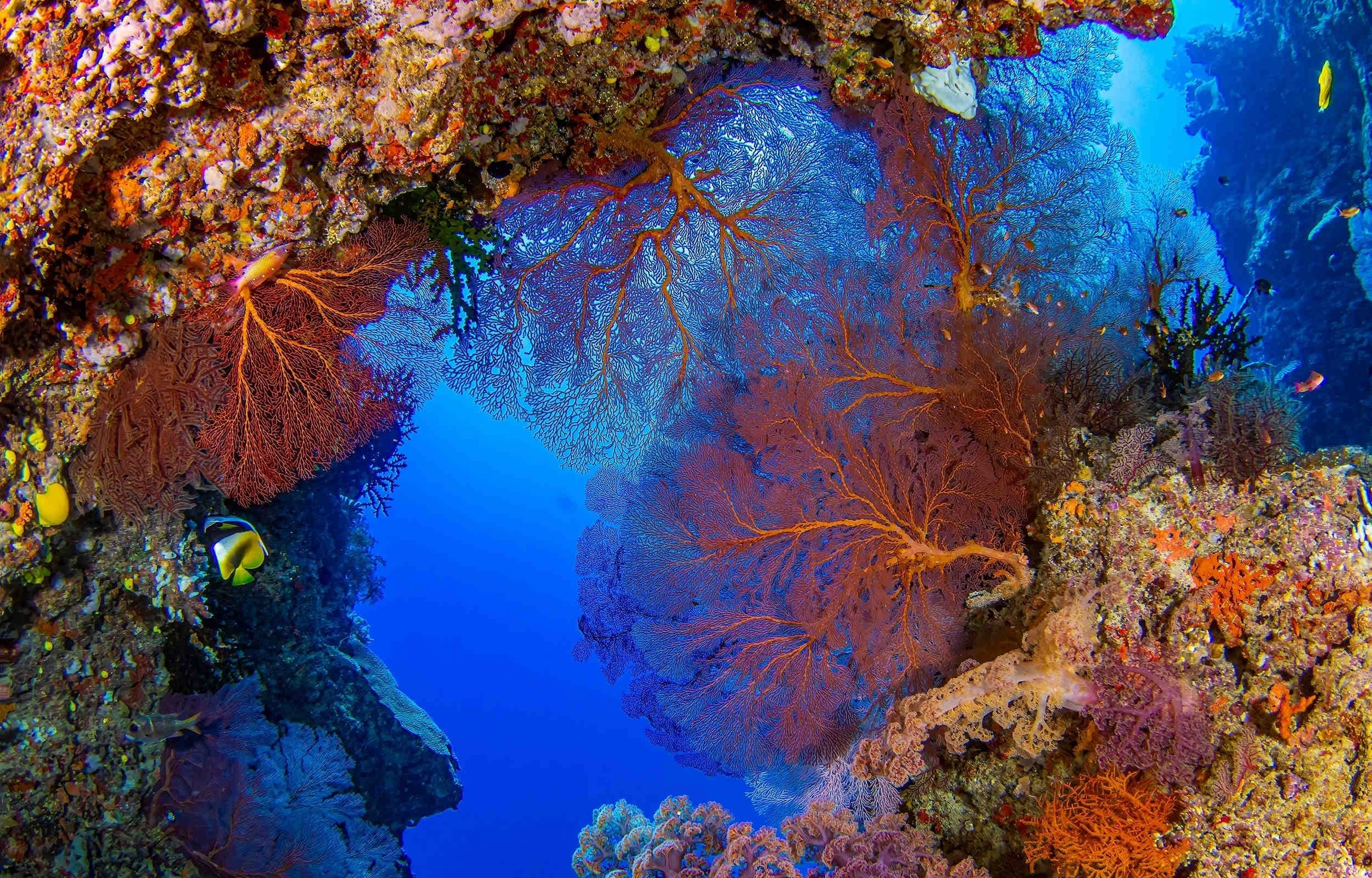
    coralli

    Where corals live

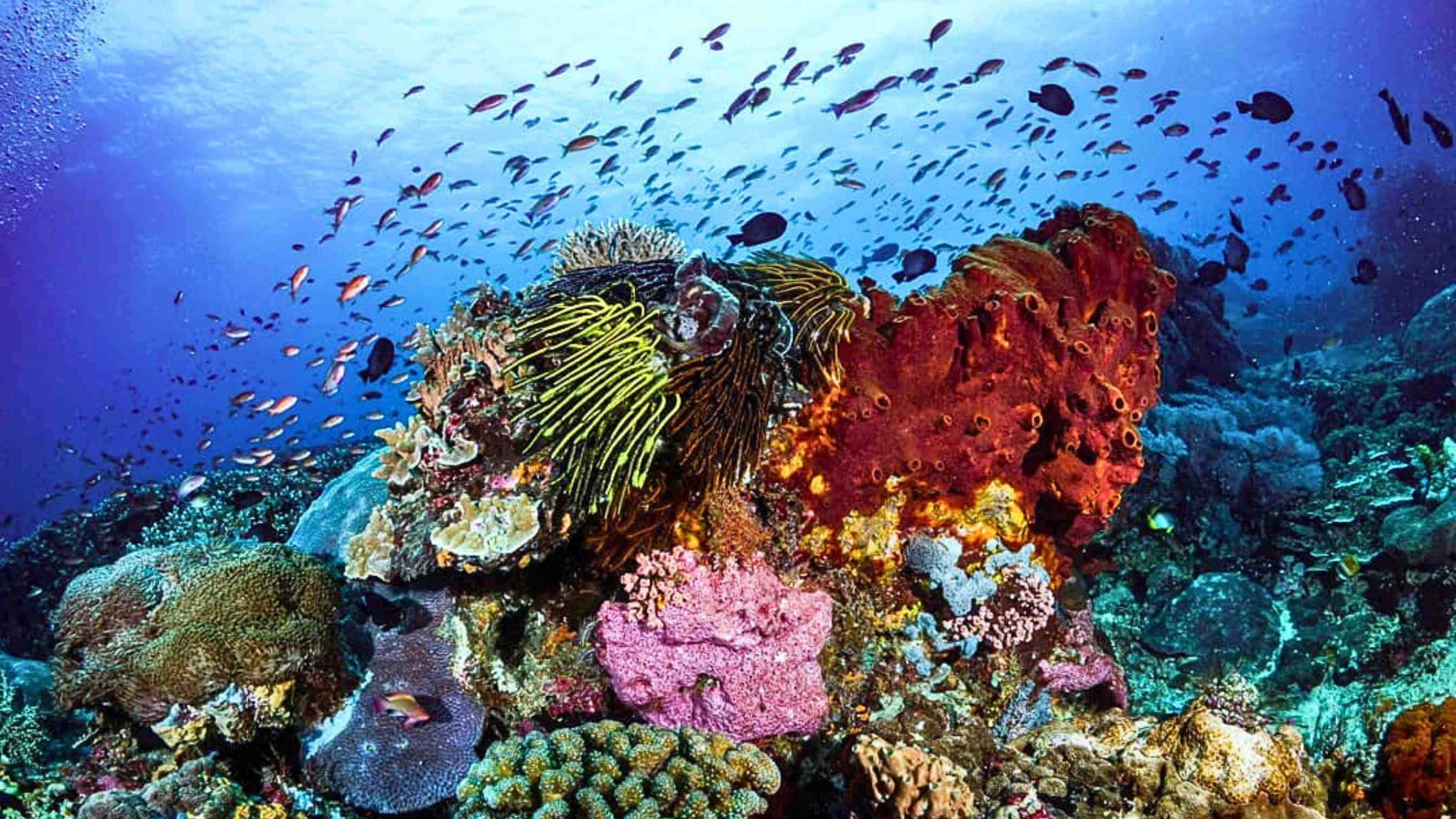
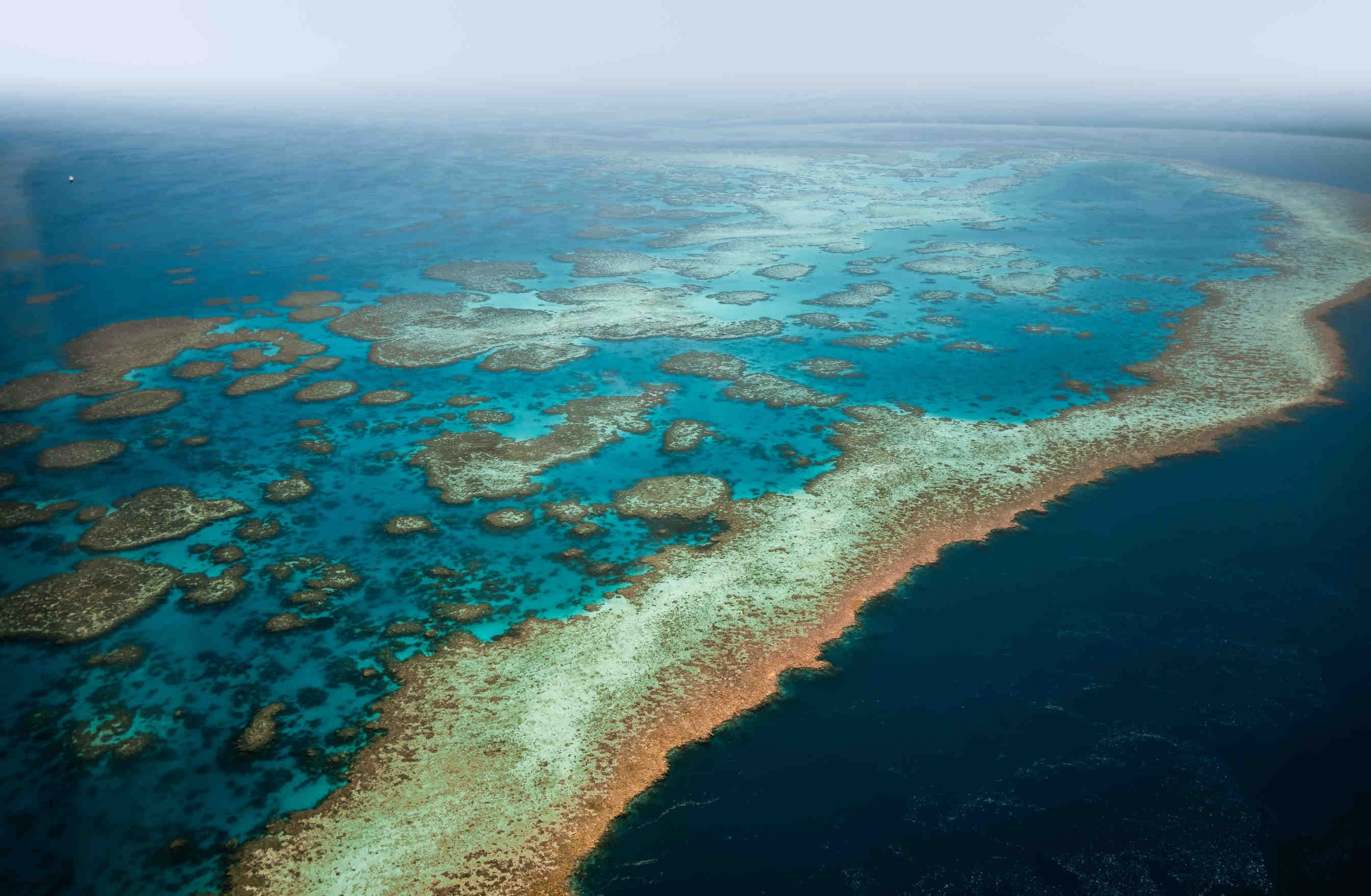
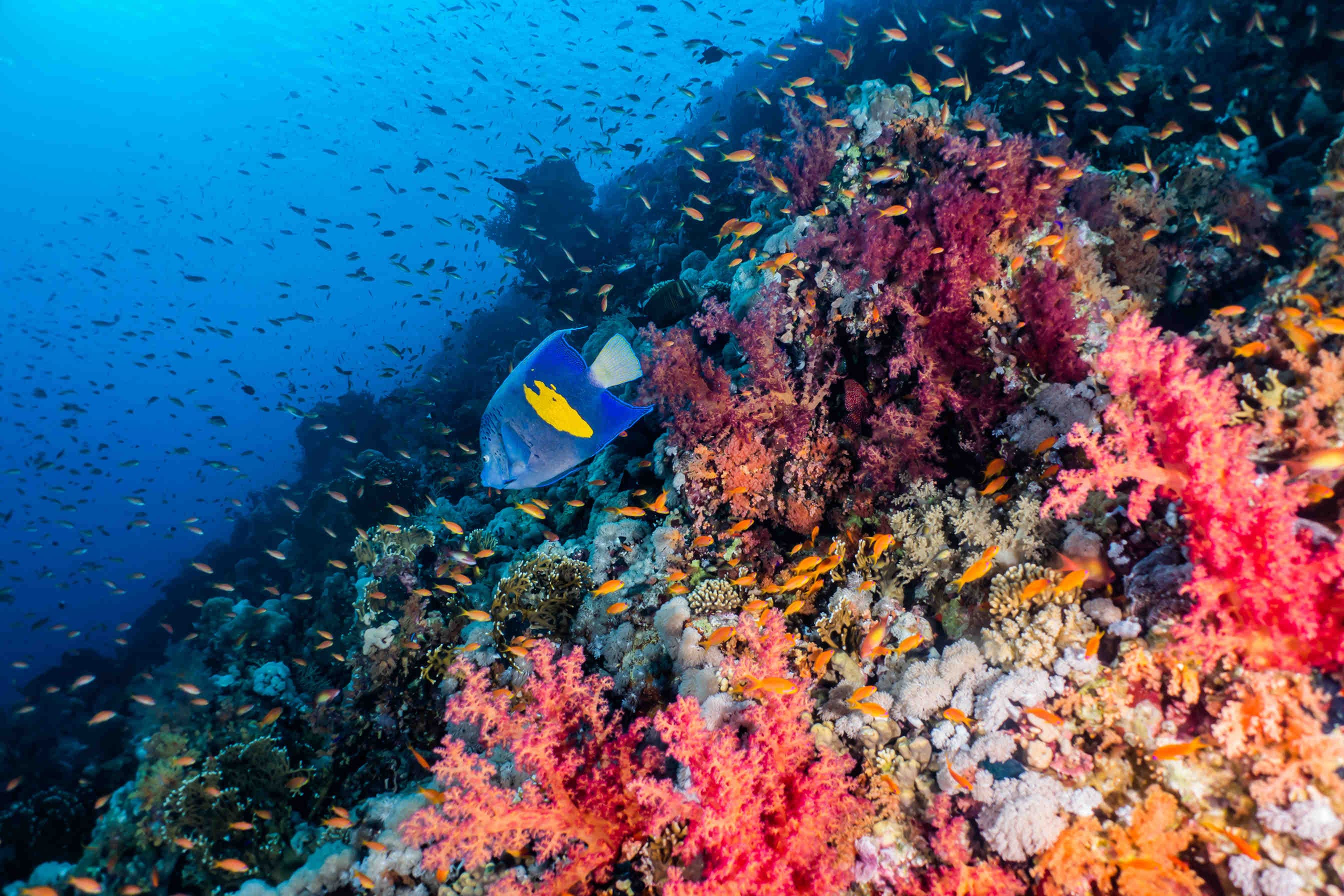
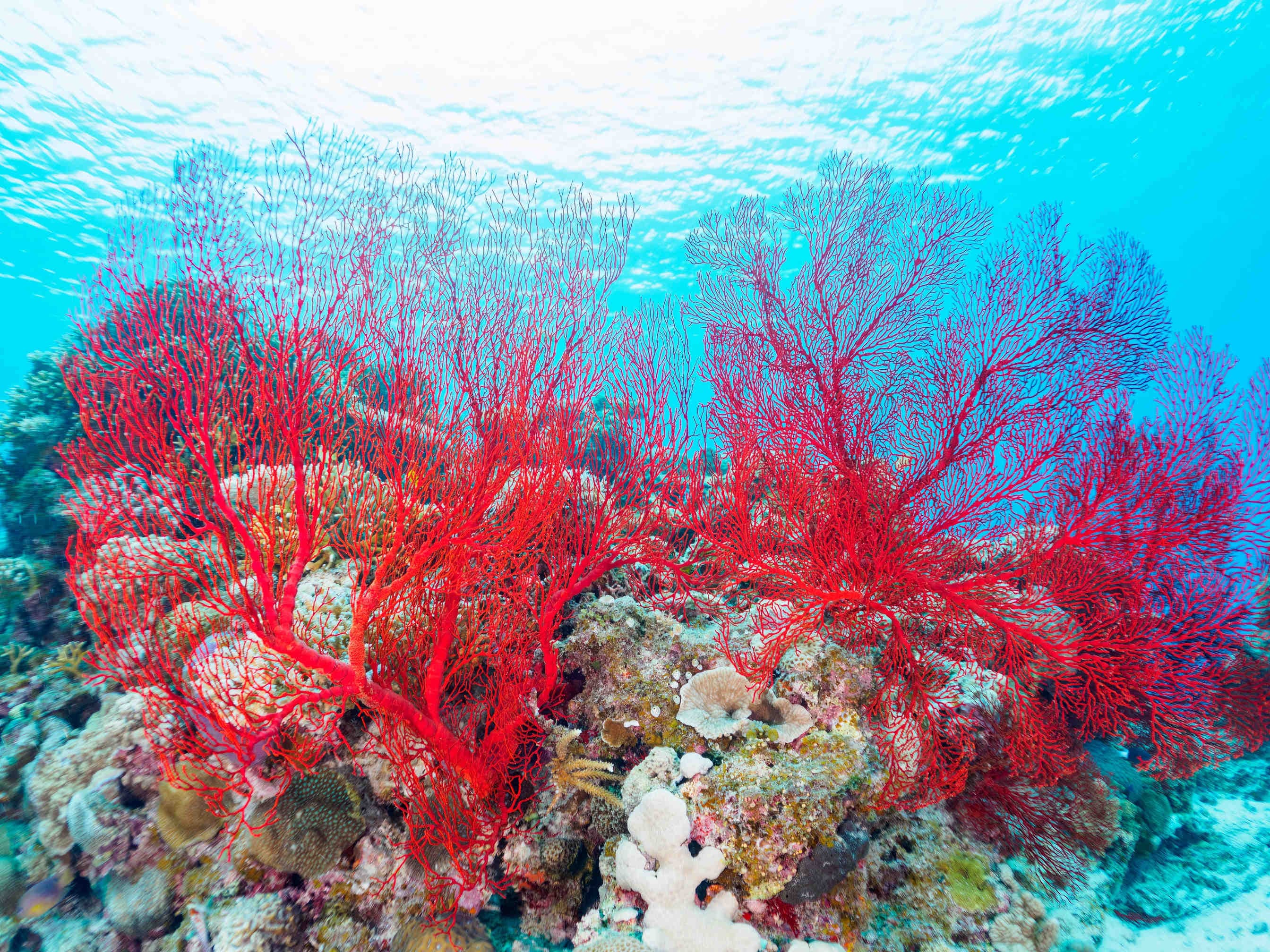
    Corals are often associated with tropical seas, but they are actually found in many marine environments, including the Mediterranean, and even in cold and deep waters. Tropical coral reefs develop in warm, shallow, and clear waters where sunlight easily penetrates and supports the photosynthesis of zooxanthellae: the coral reefs of the Red Sea and, especially, the Great Barrier Reef in Australia are famous. However, there are also cold-water corals, which live up to 2-3,000 meters deep and do not depend on sunlight: they feed by filtering plankton and therefore do not need zooxanthellae. These deep ecosystems are less flashy but equally important for marine biodiversity. Corals are not just tropical animals but inhabit a wide range of marine habitats around the world.

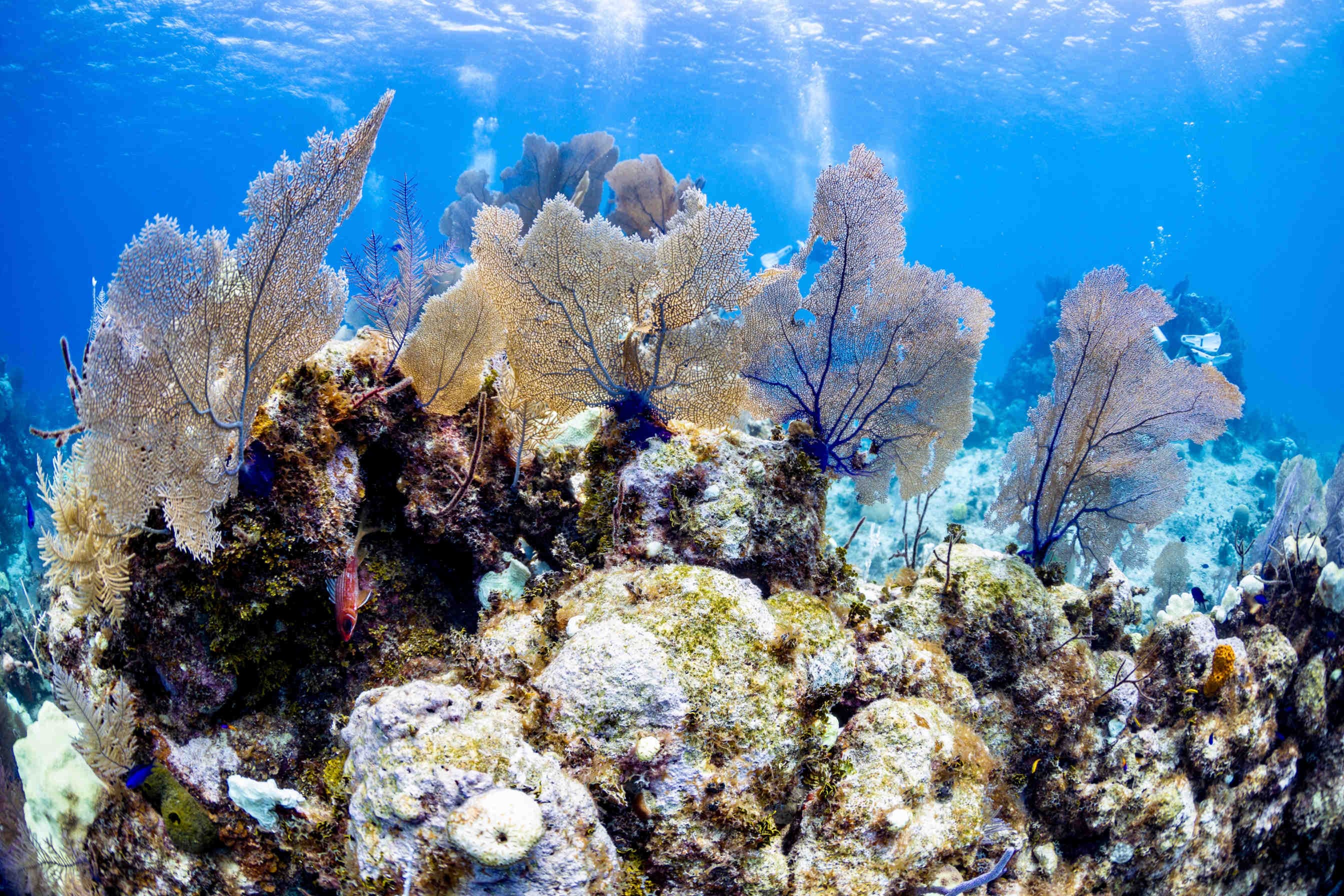
    gorgonia
    XNatura

    The ecological role of corals

    Biologically, corals are colonial organisms. They grow slowly and, if undisturbed, over time build complex structures that can extend for kilometers. Excluding deep-sea corals, each coral polyp hosts zooxanthellae, from which it receives nutrients while in return offers protection and access to light. This symbiosis is vital for the growth of the colony, which, depending on the subclass, can be hard or soft skeleton. The resulting coral reefs are among the richest ecosystems in the world with biodiversity comparable to that of tropical forests: they offer shelter, nourishment, and breeding areas for thousands of other marine species. Besides the ecological value, corals protect coasts from erosion and support local economies through fishing and tourism. Their loss would compromise the balance of entire ocean ecosystems.

    coralli

    The main threats to corals

    As with other organisms, such as insects, corals are threatened by a variety of factors. Marine pollution from plastics, heavy metals, pesticides and agricultural fertilizers alters the chemical balance of the water and encourages the proliferation of harmful algae. Destructive fishing, such as fishing with dynamite or trawling, physically damages coral reefs. Unregulated tourism, with reckless diving and anchoring, further contributes to degradation. These threats often act synergistically, making corals more vulnerable to environmental stress. Finally, ocean acidification, caused by increasing atmospheric CO₂ (carbon dioxide) and rising sea temperatures, makes it more difficult for corals to build their calcareous skeletons and causes bleaching.

    coralli
    XNatura

    What is coral bleaching

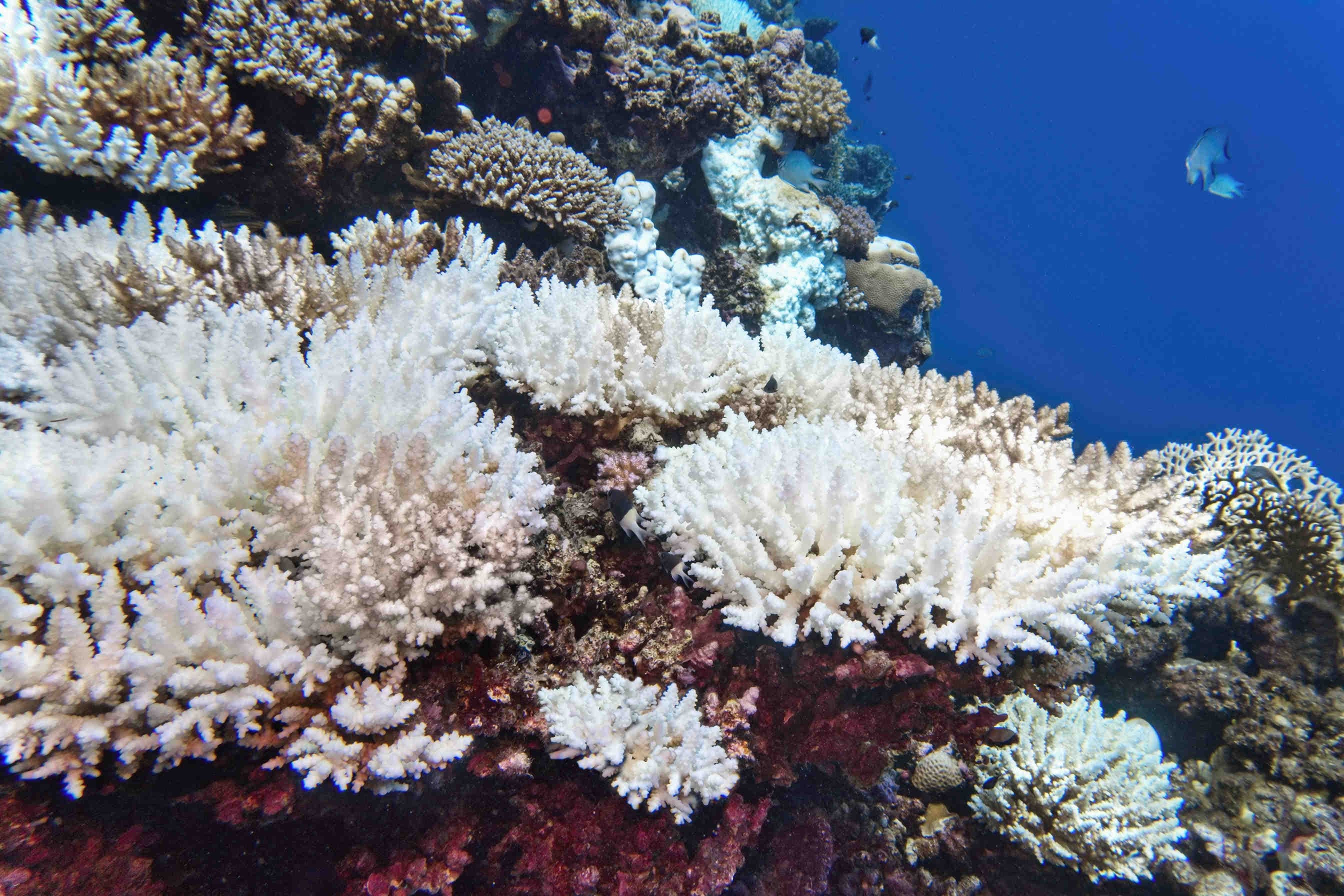
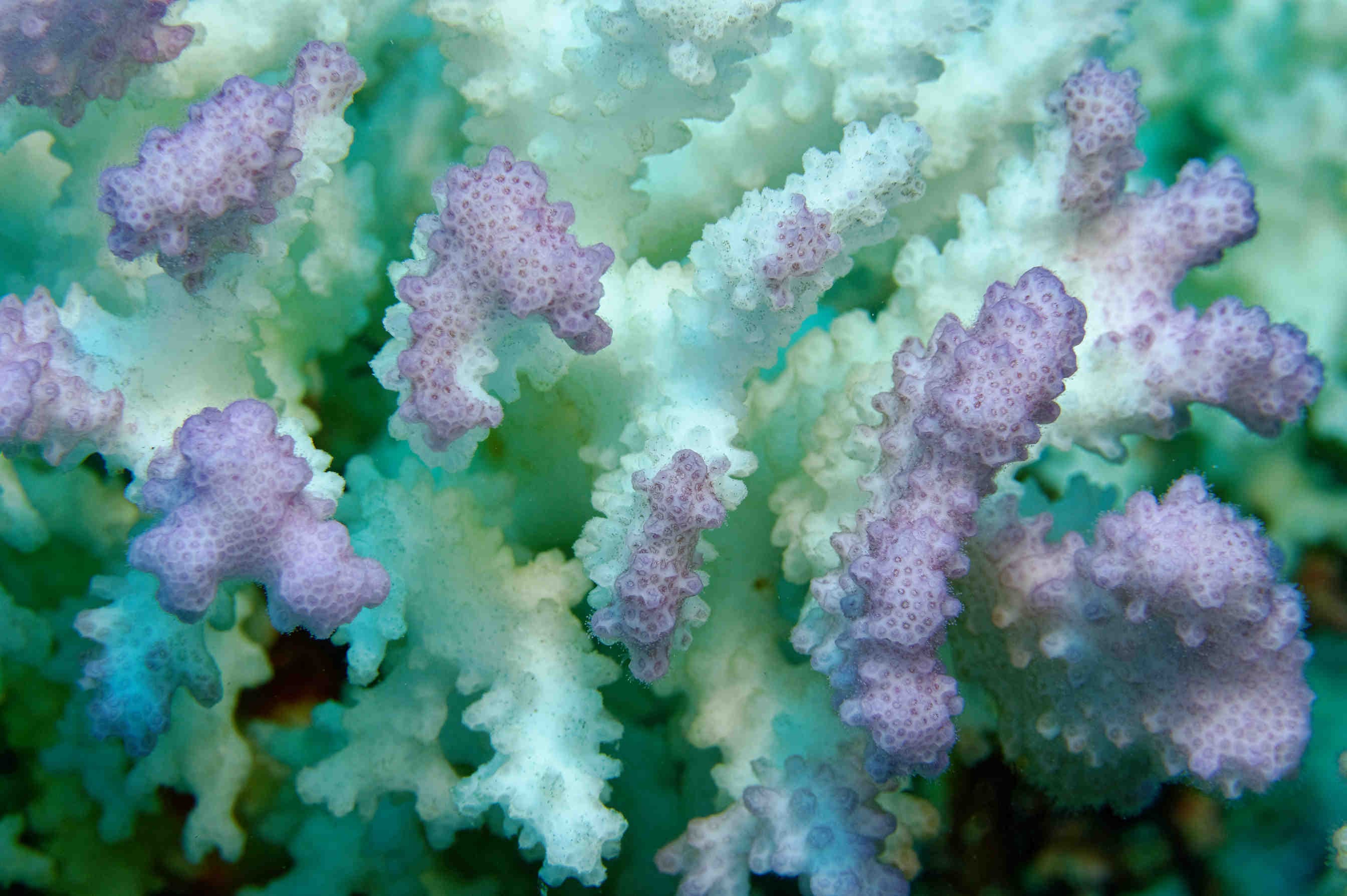
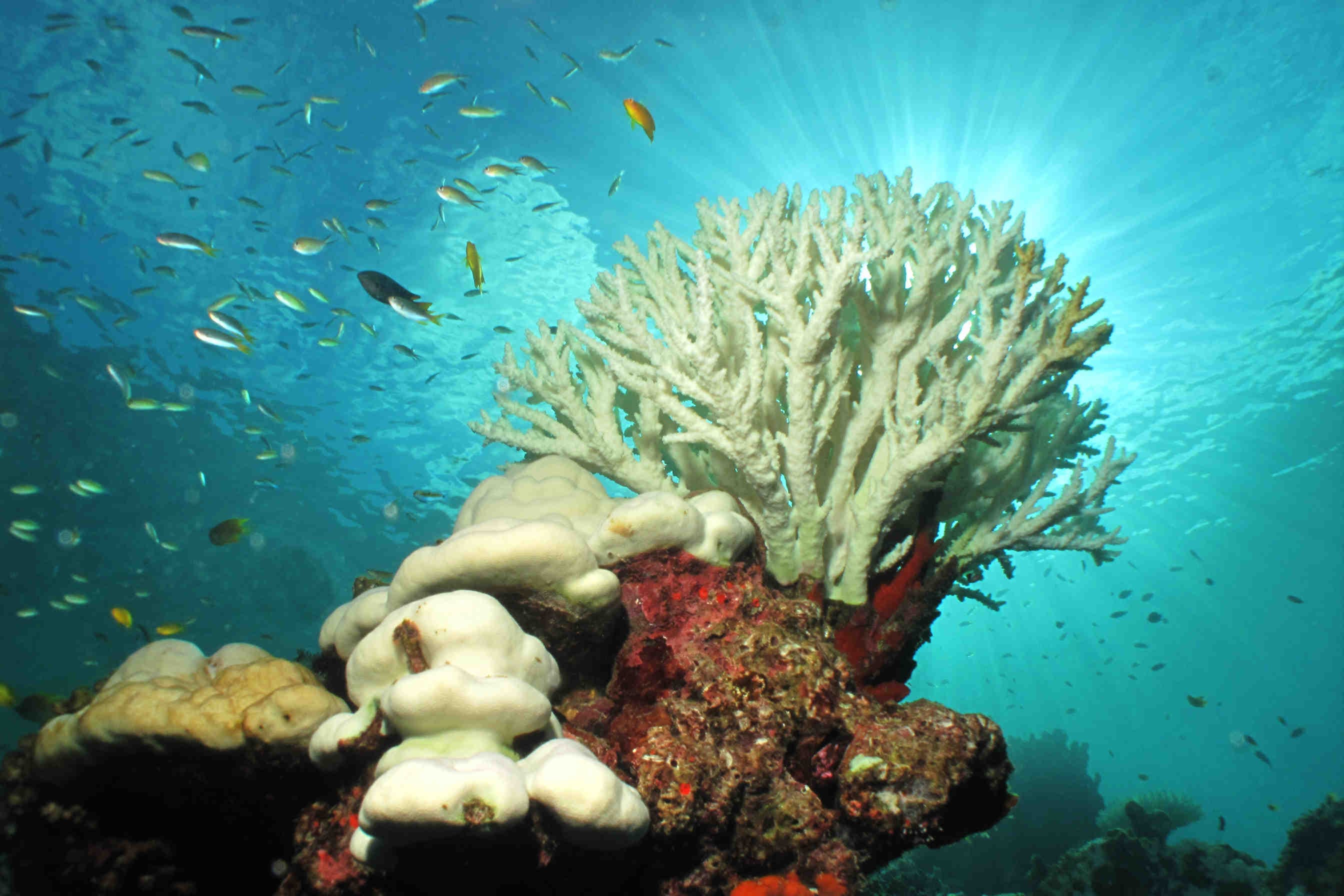
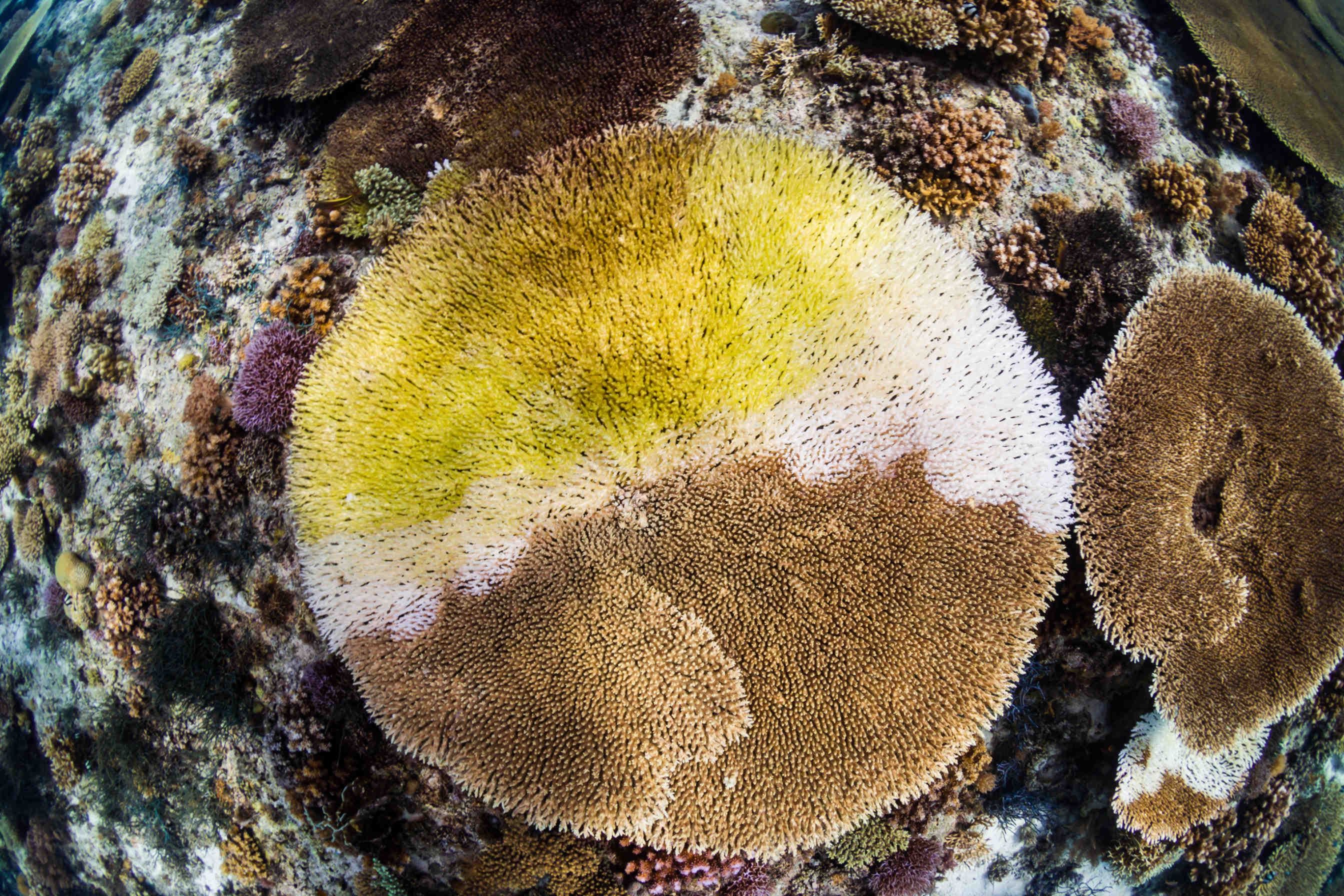
    Coral bleaching is a phenomenon that occurs when zooxanthellae leave the coral tissues: without them, the white skeleton that supports the colony of polyps becomes visible, hence the name "bleaching". Under normal conditions, zooxanthellae live in symbiosis with the polyps and provide up to 90% of their energy needs. When the coral is stressed, such as by a significant change in temperature or pH, it breaks this symbiotic relationship. Without the zooxanthellae, the coral loses both color and its main energy source, the nourishment derived from photosynthesis. If the stress persists too long, the coral loses the ability to reintegrate the zooxanthellae and ultimately dies. Bleaching is not always irreversible, but it requires favorable environmental conditions for a possible recovery, and there remains the risk of losing more and more biodiversity, both in terms of habitat and genetics.

    sbiancamento dei coralli
    3Bee

    The causes of coral bleaching

    The main cause of coral bleaching is the increase in sea water temperature, linked to global climate change. Marine heatwaves, becoming more frequent and intense, remain the main cause of this phenomenon. Higher ocean temperatures cause oxidative stress in the coral, prompting the polyps to expel zooxanthellae from the organism. Anomalous variations in salinity, excessive exposure to sunlight, and chemical pollution can also contribute to the phenomenon. Pesticides and heavy metals can cause other problems because they interfere with the biological processes of zooxanthellae. Together, these factors make the coral unable to maintain symbiosis, triggering the bleaching process.

    sbiancamento

    Resilience and Vulnerability of Corals

    Not all corals react in the same way to bleaching. Some corals, such as those of the genus Porites, show greater heat tolerance and can survive and reintegrate zooxanthellae even after prolonged bleaching episodes. Others, such as Acropora, are very sensitive and deteriorate quickly because they cannot regain symbiosis. Resilience also depends on depth and geographical location: deepwater corals or those located in slightly cooler waters have a higher chance of withstanding. However, the recovery ability of a reef depends on the frequency and duration of stress events: if the intervals between events are too short or the events themselves last too long, even the most resistant species cannot regenerate.

    Acropora

    The most affected areas and those less at risk

    The tropical regions of the Pacific, such as the Great Barrier Reef and the reefs of the central Pacific islands, are among the most affected by bleaching due to rising ocean temperatures and the greater sensitivity of the species that inhabit them. In these areas, organisms of truly enormous size live. The Caribbean Sea has also experienced severe events, with significant losses of biodiversity. However, some areas of the Red Sea, particularly the Gulf of Aqaba, seem to host corals more resistant to heat. The corals of the southern Indian Ocean have also shown some resilience. The less affected areas tend to have deeper waters, less subject to thermal variations, or local conditions that mitigate the effects of climate change.

    Grande Barriera Corallina

    Repopulating the affected zones

    Mass bleaching events often lead to a change in the ecosystems of the affected areas, sometimes even profound. To counteract the effects of bleaching, various coral repopulation techniques are being experimented with. One of the most widespread is “coral gardening”, which involves cultivating coral fragments in areas used as underwater nurseries until they are mature enough, and then transplanting the animals to degraded areas. Other techniques include selecting more resilient species and transplanting thermotolerant corals where reefs are very damaged. The use of artificial supports, such as metal structures or even specially sunk boats, are also promising tools for reef reconstruction. However, the success of these interventions depends on controlling the causes that led to the degradation, otherwise the new corals also risk succumbing.

    Mar rosso

    The importance of preserving corals

    Conserving corals means preserving a fundamental pillar of marine biodiversity. Coral reefs are valuable for marine biodiversity, even though they cover less than 1% of the ocean floor, they host over 25% of marine species. The decline they are facing risks having ecological, economic, and social repercussions on a global scale. Conservation involves reducing greenhouse gas emissions, regulating coastal activities, protecting marine protected areas, and environmental education. An integrated approach involving scientists, governments, as well as local communities and citizens is essential to enhance the sustainability of ecotourism in areas with coral reefs. Only through a collective commitment can we ensure a future for coral reefs and the ecosystems that depend on them.

    Corallo sbiancato
    30/03/2025Of 3Bee, Niccolò Patelli
    213 Views
    Newsletter
    newsletter
    Subscribe to the Blog about bees and biodiversity

    Frequently Asked Questions

    Do you have any doubts or other curiosities about this article? Here you will find some insights