What are insects used for?
    InsectsUseful or harmfulSome examplesNature

    What are insects used for?

    Insects represent one of the largest and most diverse orders of living beings on the planet, but they are often reduced to concepts such as useful, harmful, or useless based on the impact they have on human life. Discover what sets them apart, what roles they have, but most importantly, is it really that simple?

    Read the article
    14/01/2025Of 3Bee, Niccolò Patelli
    639 Views
    14/01/2025Of 3Bee, Niccolò Patelli
    639 Views

    What are insects?

    Disclaimer: this is an automated translation from Italian. Go to the original article.

    Insects are invertebrates belonging to the class Arthropoda and are distinguished by having their body divided into three main segments: head, thorax, and abdomen. They have six legs, which gives the name to their superclass (Hexapoda), two antennae, and many of them have wings, generally four, but some have two. They are among the most numerous and biodiverse animals on Earth, with over a million known species and probably many others yet to be discovered. Insects are extremely adaptable and are found in almost all environments, from tropical forests to deserts, some even live among the snow and on glaciers, while others live in urban environments: for this reason, it is necessary to create a suitable environment for them.
    ape

    Insects: useful, useless, or harmful?

    We must remember that the concepts of "useful," "useless," or "harmful" are exclusively human and derive from how we perceive the impact of insects on our lives or economic activities. In this conception, an "harmful" insect for humans causes damage to humans, for example by attacking crops and needs to be controlled with insecticides, but it does so only to survive and ensure the continuity of its species. Conversely, an insect is "useful" only because its biological activities, such as pollinating or preying on parasites, bring an advantage to humans. The vast majority of insects, however, are considered "useless" because they do not have a visible or immediate role for us. This does not mean they are without value: every insect contributes to the functioning of ecosystems, often in ways that escape our understanding, but are essential for the natural balance.

    coccinella
    XNatura

    Beneficial and harmful insects: some examples

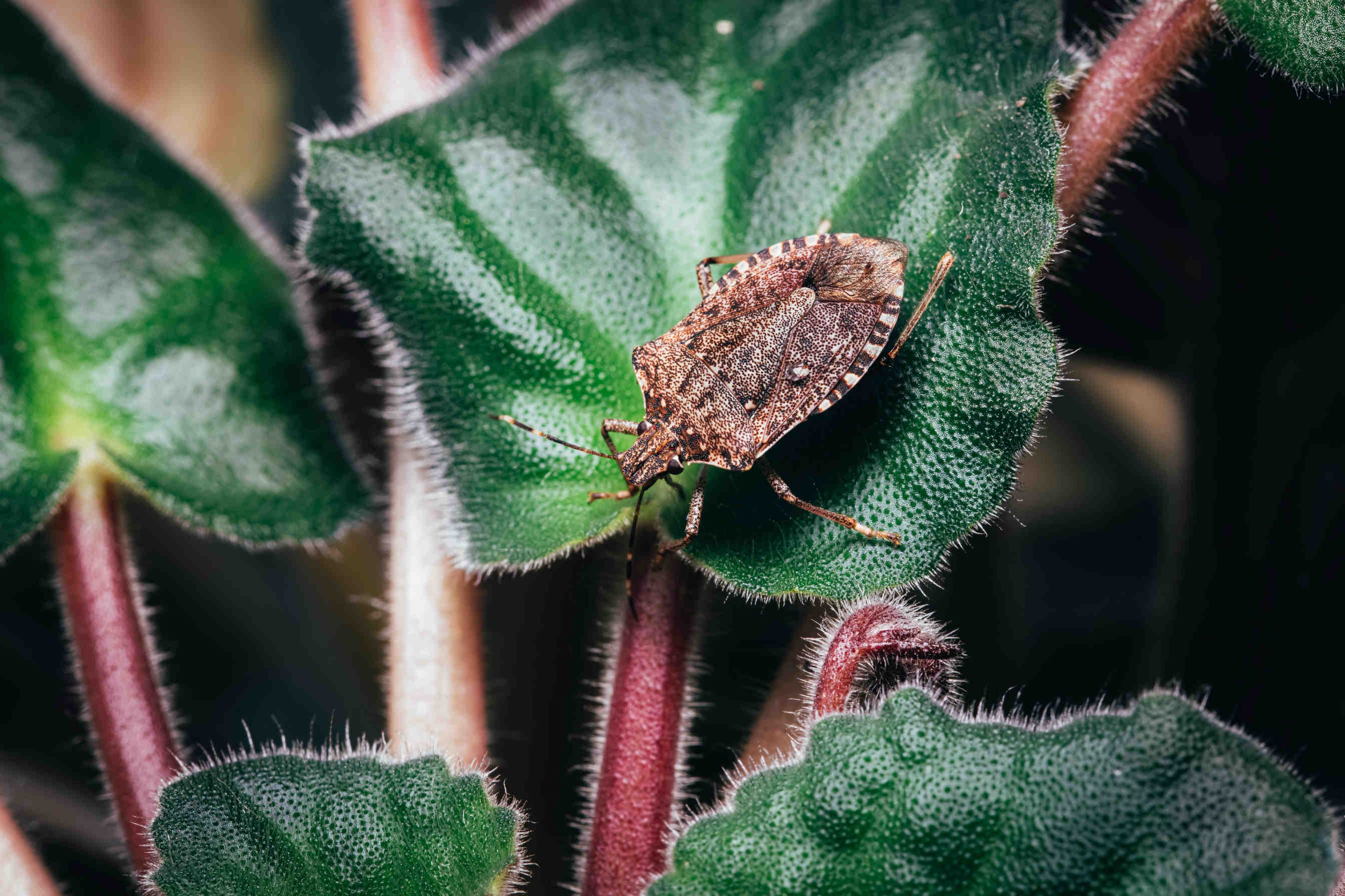
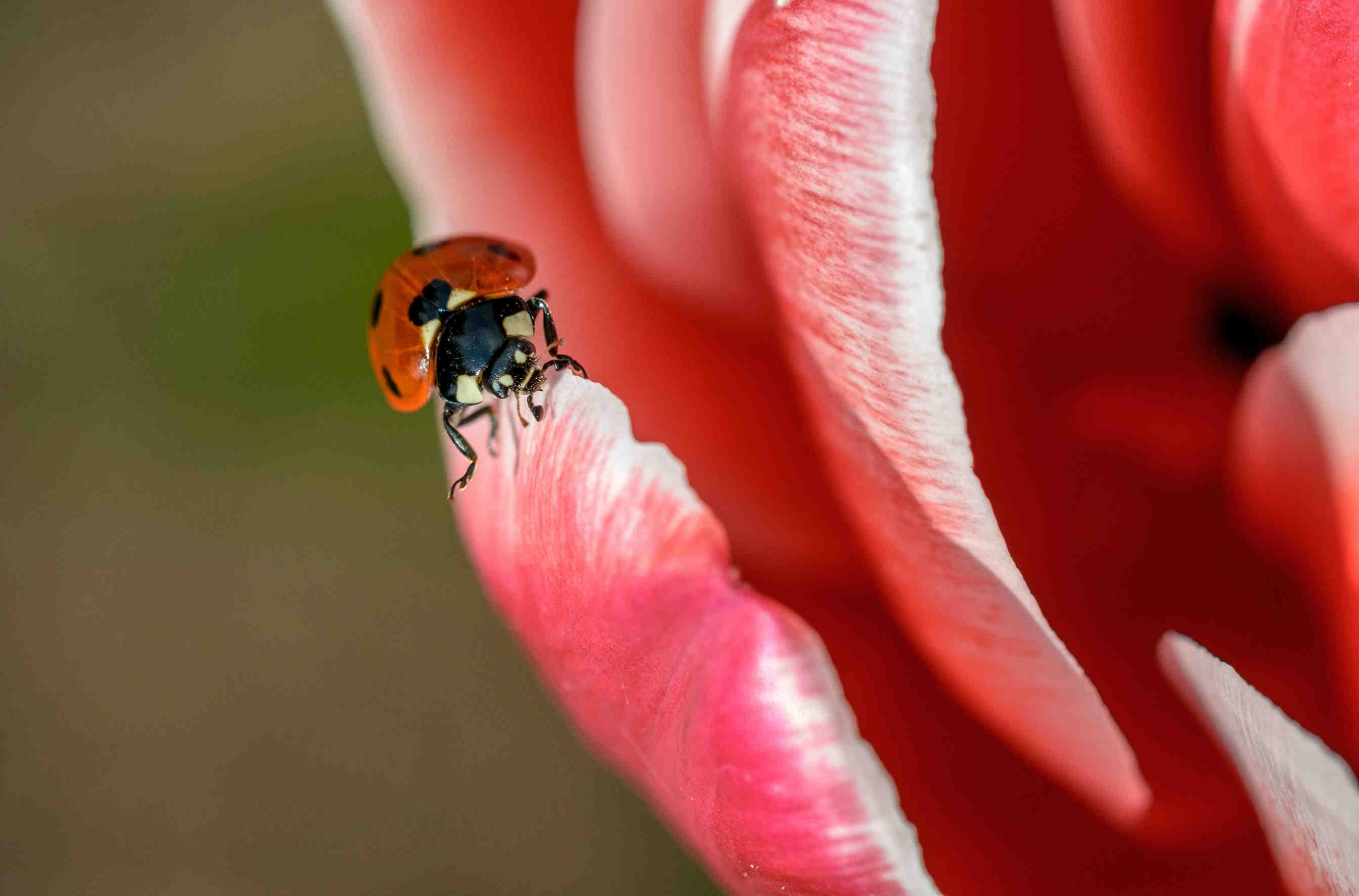
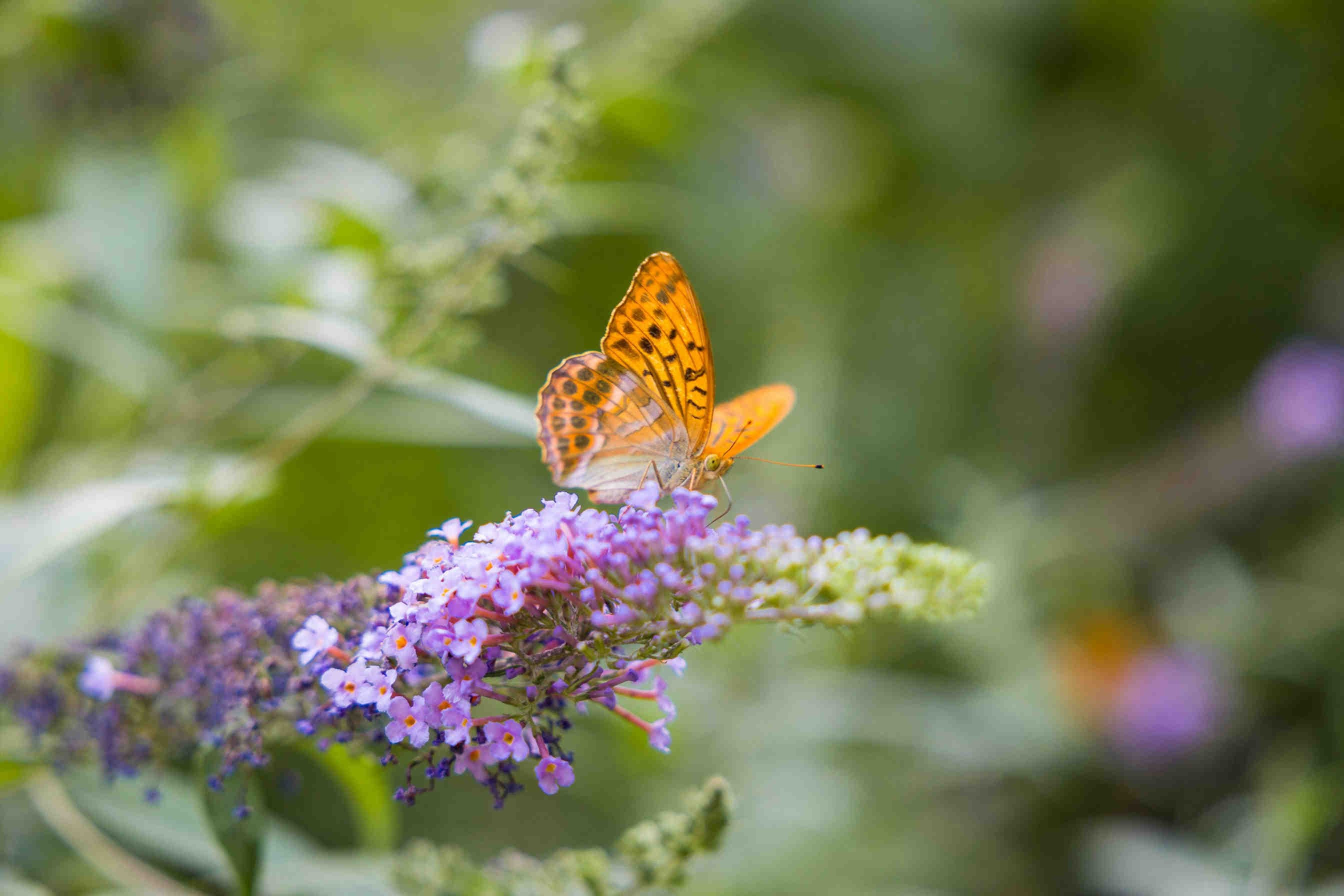
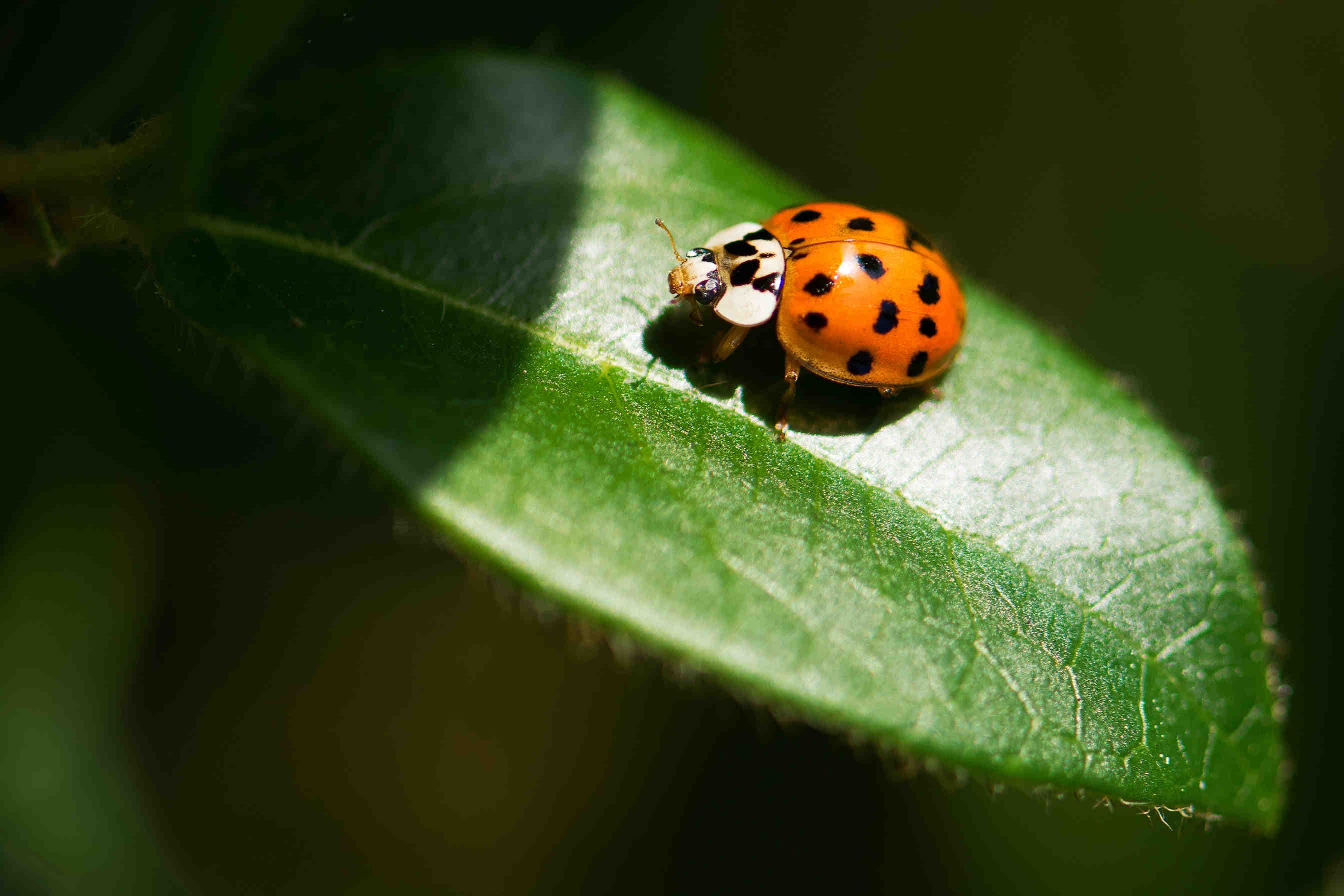
    When we think of beneficial insects, we mainly refer to those that provide benefits for humans: pollinators (such as bees and butterflies) are probably the first that come to mind, or perhaps predators that control parasite populations (like ladybugs that control aphid populations). Harmful insects, on the other hand, are associated with nuisance and diseases (like mosquitoes) or the destruction of crops (such as the Asian stink bug). However, the vast majority of insects are neither "beneficial" nor "harmful" from our perspective: these organisms represent an indispensable component within ecosystems promoting their prosperity and increasing their resilience to environmental changes. Within these ecosystems, various insect communities live in natural balance with each other and with other organisms.

    Cimice_asiatica

    In nature, there is no useful or harmful

    In a natural ecosystem, the notion of "useful" or "harmful" has no value. Every living being, from the smallest and simplest bacterium to the most complex organisms, thrives when it effectively occupies an ecological niche. This "niche" refers to the set of environmental conditions and resources that the organism can exploit to survive and reproduce. Insects, like any other organism, have evolved to exploit certain resources, in some cases these are useful to humans (think of cultivated plants, so they cause damage). In other cases, even if not directly useful, the use of these resources, combined with the biological activity and behavior of insects, generates benefits for humans. The evolutionary success of insects demonstrates their adaptability and also, in part, their importance within biological cycles.

    coccinella
    XNatura

    The ecosystem services offered by insects

    Ecosystem services are the benefits that humans derive from ecosystems. These include services such as water purification, climate regulation, soil fertility, and plant pollination. Insects contribute to providing numerous essential ecosystem services and without them, many natural processes would be disrupted or compromised. Pollination, the decomposition of organic matter, and the biological control of other insect populations are just a few examples of the services that insects provide, contributing to the proper functioning of many terrestrial ecosystems and ensuring the prosperity of numerous human activities that depend on them more or less directly.

    sirfide
    3Bee

    Pollination: plants exploit insects

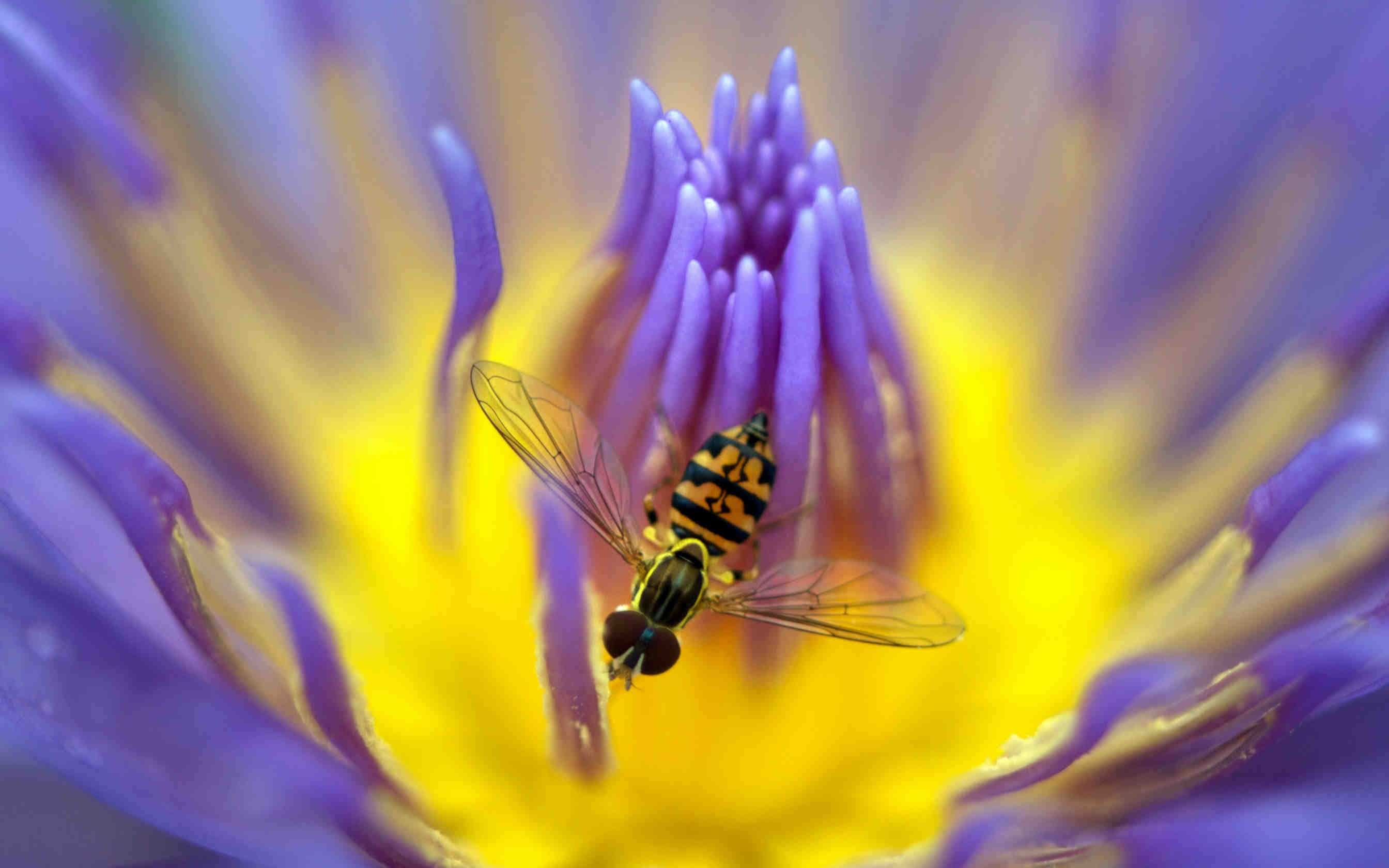
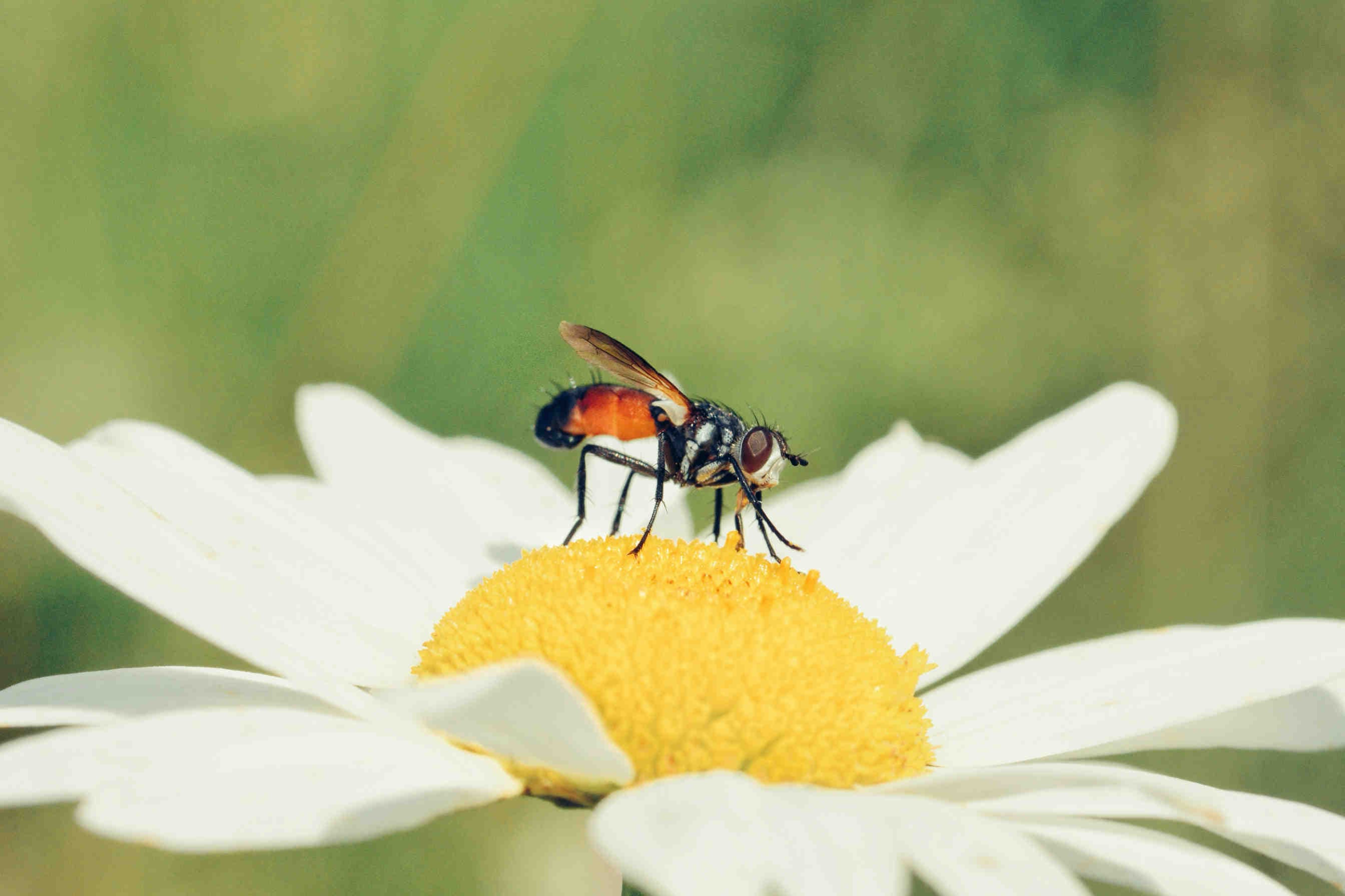
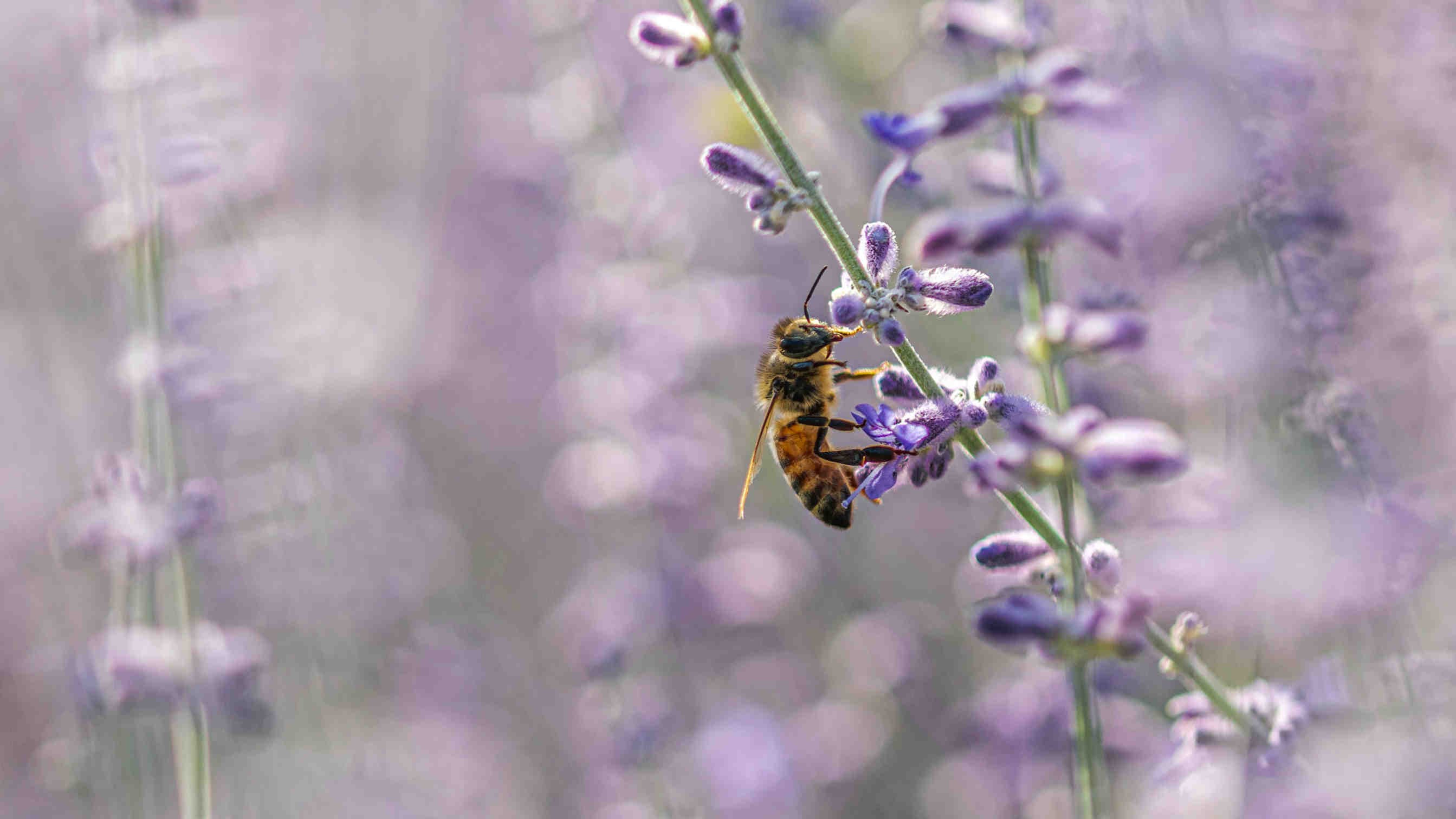
    Pollination is one of the most well-known ecosystem services offered by insects, and bees are crucial because flowers and insects have coevolved together. However, upon reflection, the paradigm we know is reversed: it is not the insects exploiting the plants, but the opposite! Many plants rely on insects for pollination and attract them by offering small amounts of nectar and pollen, which are the main source of nourishment for pollinators. To feed, the insect flies from one flower to another, becoming an active carrier for the transfer of pollen. The latter, moved from one flower to another, ensures cross-fertilization between different flowers, thus allowing the plant to develop seeds and reproduce. This process, crucial for plant reproduction and for the production of many of our foods, is the result of an evolutionary strategy rather than a "favor" done by insects.

    mosca_impollinatore

    The decomposition of wood: an invisible service

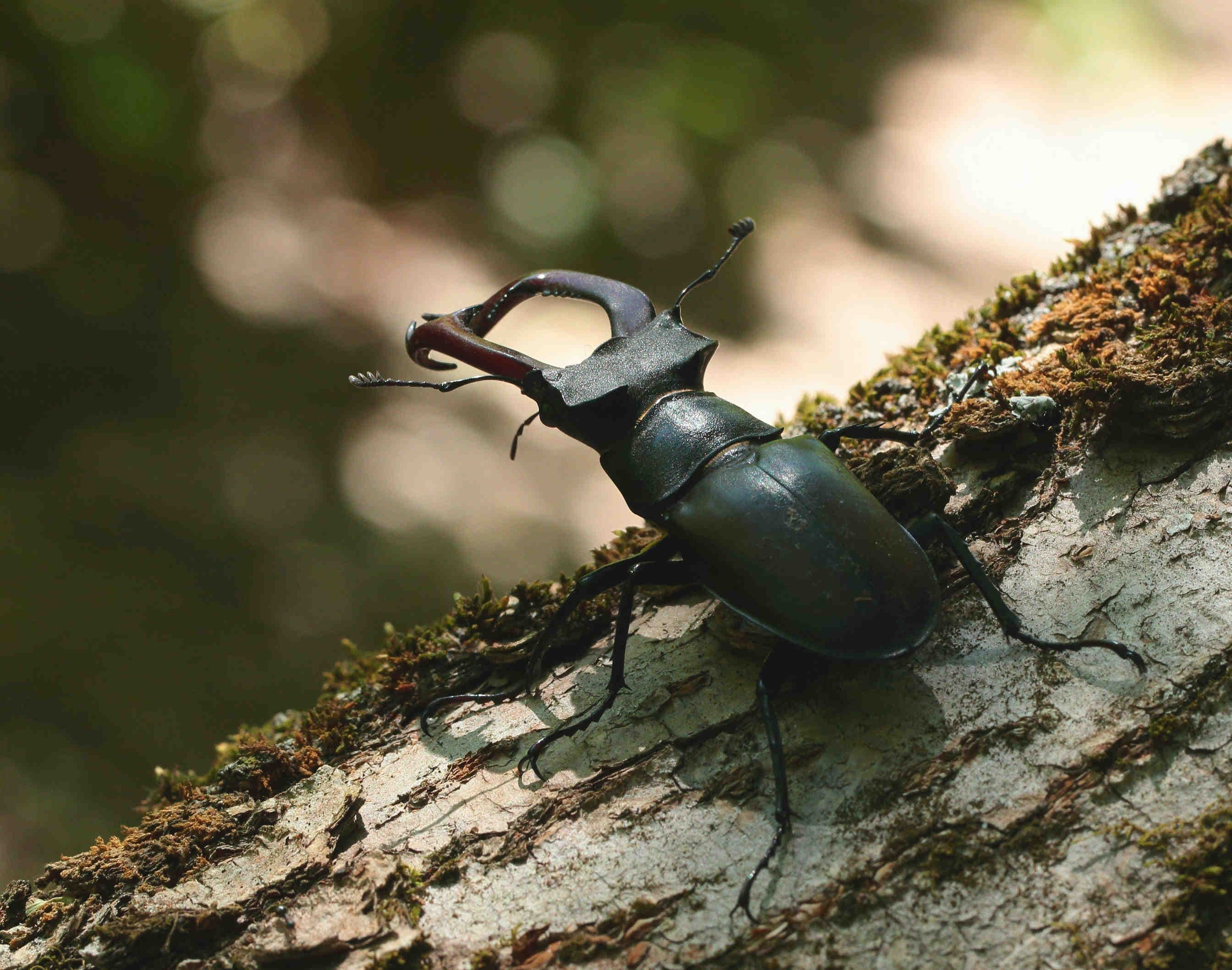
    Another essential ecosystem service is the decomposition of wood and other plant materials. Many insects are involved in this process, making the nutrients contained in organic matter available. Among the insects that play a role in wood decomposition, known as "saproxylic," there are rather well-known xylophagous beetles, such as the stag beetle (Lucanus cervus), termites, and woodworms. These insects, especially thanks to the symbionts contained in their digestive systems, contribute to breaking down wood and other dead plant materials, accelerating the bacterial decomposition process and thus also enhancing soil fertility. Indeed, in the bacterial flora of these insects, we often find microorganisms capable of degrading and metabolizing plant components such as cellulose, hemicellulose, and lignin.

    cervo_volante

    What are mosquitoes for?

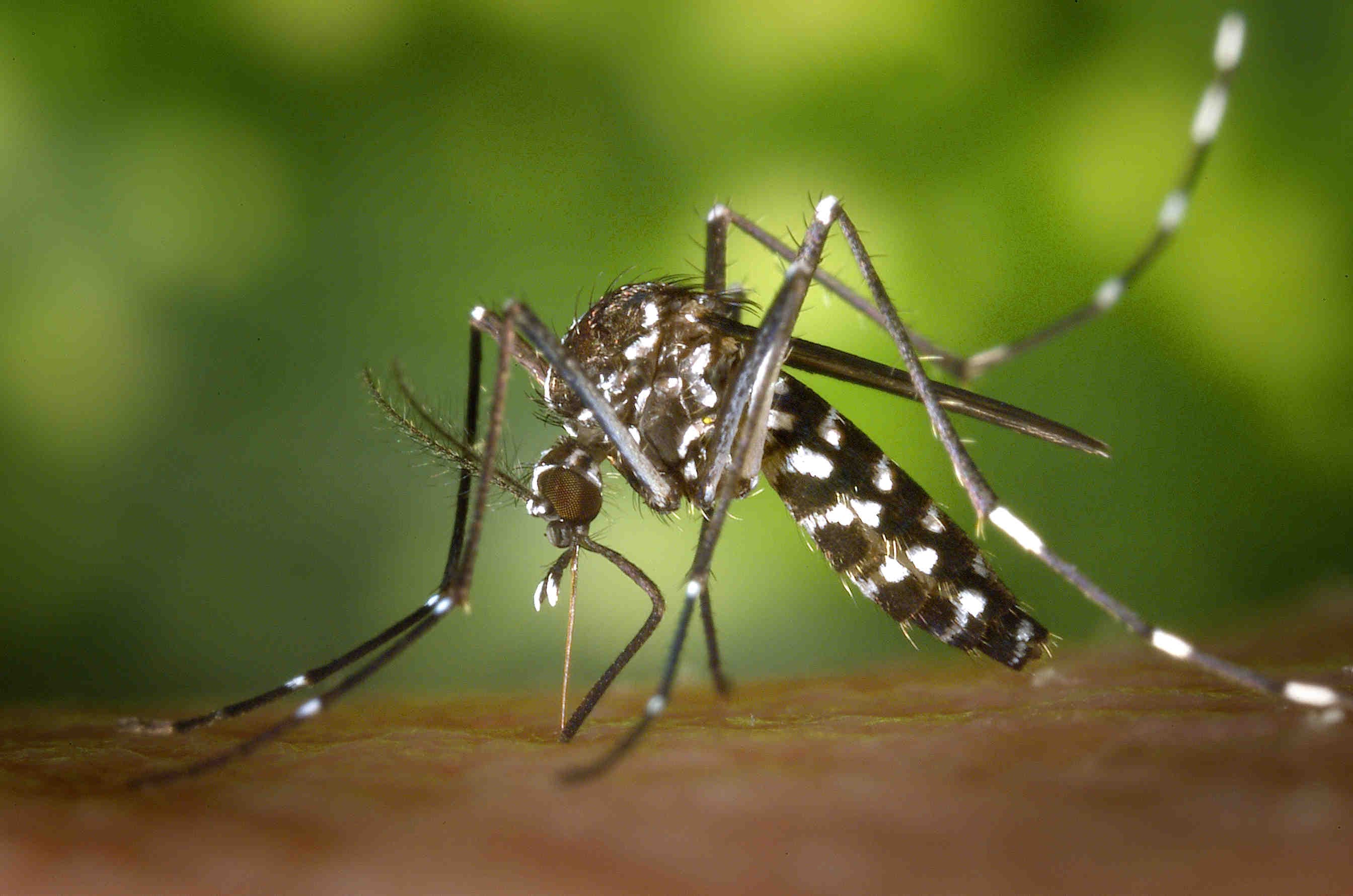
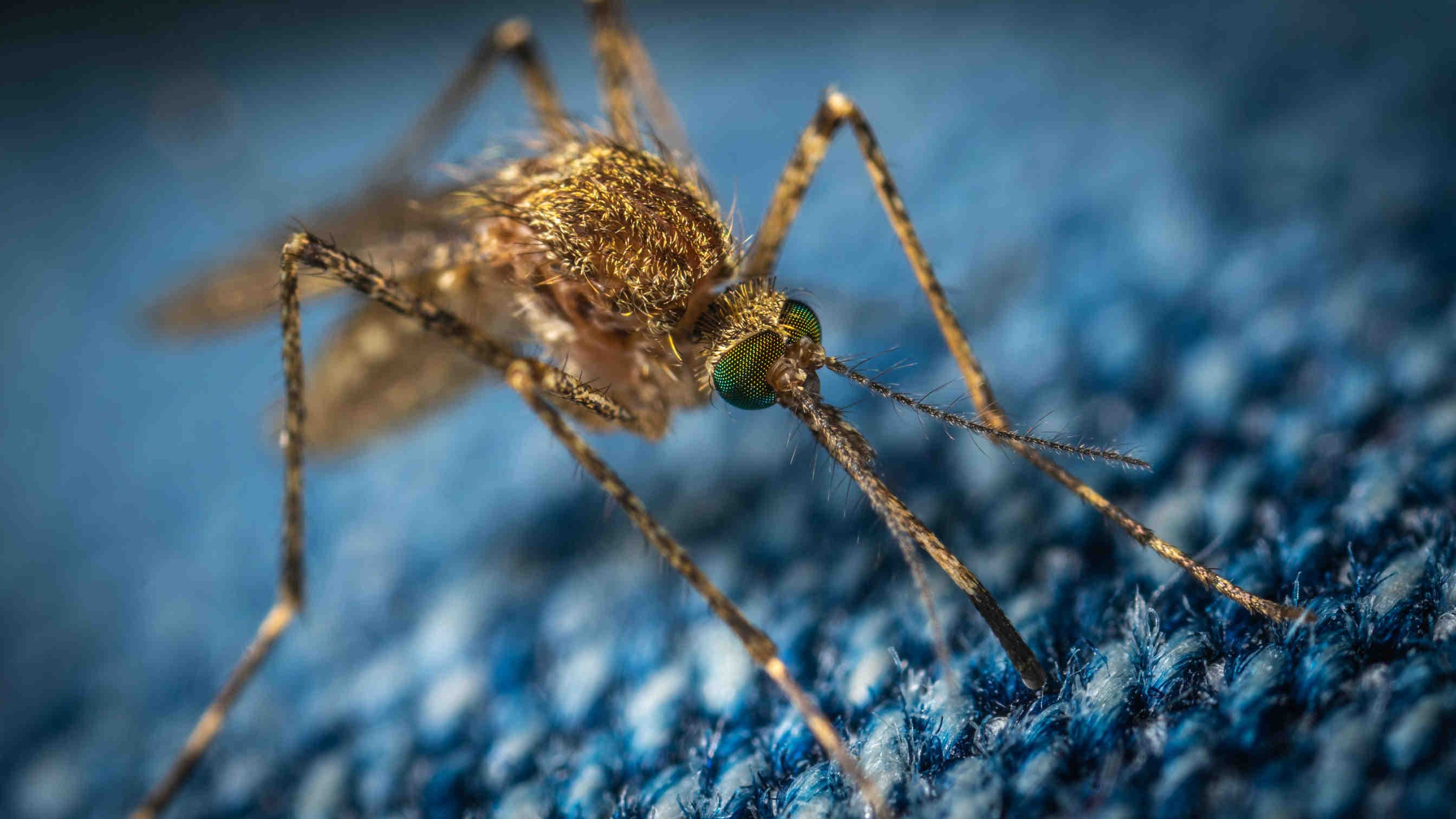
    Among the most annoying insects are mosquitoes, well-known disturbers of our outdoor days (and evenings). Although often perceived merely as a nuisance, they actually play a series of unexpected roles in ecosystems. Mosquito larvae live in water and are filter feeders, meaning they filter and purify the water to feed on microorganisms and serve as a food source for numerous aquatic organisms, such as crustaceans, fish, and amphibians. Adults, in turn, are food for insects, spiders, birds, and bats. Additionally, mosquitoes play a minor role in the pollination of some plants. While they transmit dangerous diseases to humans, such as malaria or dengue, from an ecological perspective, they have a function that deserves to be considered. In some urban areas, it is essential to keep populations under control to preserve human health, but in natural areas, they are more important organisms than one might think.

    zanzara_tigre

    What are stink bugs for?

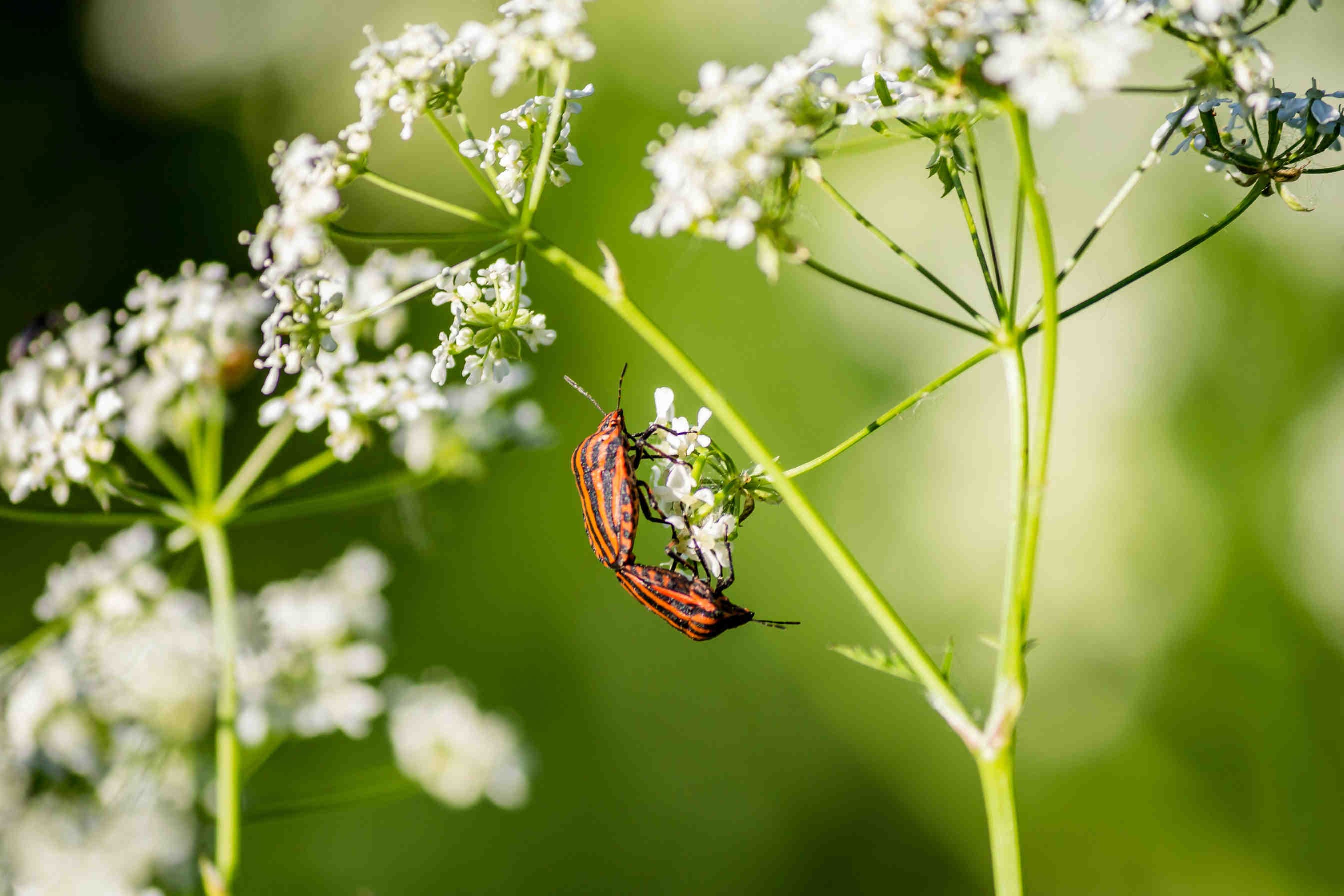
    Even stink bugs (particularly the Asian stink bug) are often reduced to annoying and smelly insects, especially when they enter homes to seek shelter from the cold or attack and damage crops. However, these insects also play a role in the ecological balance. First of all, there are predatory species of stink bugs that help regulate the populations of harmful organisms in agriculture with their predation activities. Other species have a marginal role as pollinators, as they feed on the flowers themselves. Despite their poor reputation, stink bugs have a role in food chains and biological cycles.

    Graphosoma_italicum

    Useful or harmful is superficial

    Reducing insects to concepts like "useful" or "harmful" is often limiting and superficial. All insects, regardless of their impact on humans and their activities, play important roles within ecosystems, contribute to maintaining natural balances, and their existence is based, as with any organism, on their ability to adapt and survive. Of course, in specific contexts like agriculture, insects can pose a problem or be a help, so it is necessary to think about which ones should be limited and which should be protected. However, even the insects we perceive as harmful are part of complex food webs and contribute to the overall functioning of the biosphere. It is essential to protect biodiversity to make ecosystems more resilient and resistant to climate changes, as well as to create protected areas, like the 3Bee biodiversity oases, to ensure a safe haven and a reservoir of biodiversity.

    farfalla
    14/01/2025Of 3Bee, Niccolò Patelli
    639 Views
    Newsletter
    newsletter
    Subscribe to the Blog about bees and biodiversity

    Frequently Asked Questions

    Do you have any doubts or other curiosities about this article? Here you will find some insights