The Loss of Biodiversity and Its Impact
    BiodiversityRoleLossCauses

    The Loss of Biodiversity and Its Impact

    Biodiversity is key to maintaining ecological balance. Discover the causes of biodiversity loss and what it means for ecosystem services, food security, and human health.

    Read the article
    18/03/2025Of 3Bee, Niccolò Patelli
    1683 Views
    18/03/2025Of 3Bee, Niccolò Patelli
    1683 Views

    Why is biodiversity important?

    Disclaimer: this is an automated translation from Italian. Go to the original article.

    Biodiversity is divided into three levels and includes all forms of life on Earth, their genetic variants, and the ecosystems that host them. Biodiversity is an invaluable resource, not only for the richness of species but also for the diversity of functions that different organisms perform. Thanks to its complex interactions between living beings and the environment, biodiversity ensures essential ecosystem services, such as air and water purification, pollination, and climate regulation. Furthermore, it is the key to the adaptation and resilience of ecosystems in the face of climate change and human-caused transformations. Biodiversity, with its interconnections between species and habitats, constitutes the backbone of life on Earth.
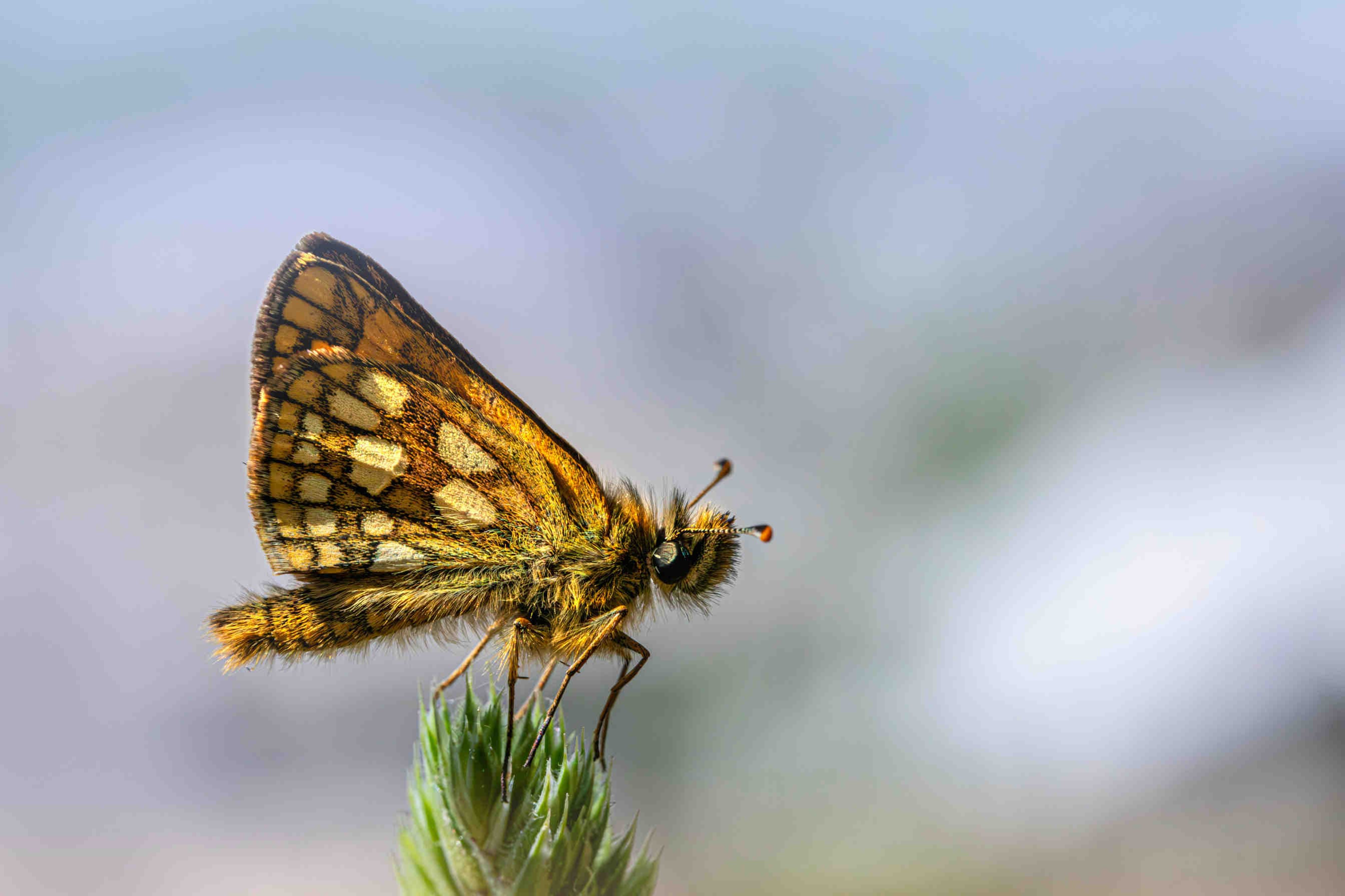
    Carterocephalus palaemon

    The Role of Biodiversity

    Biodiversity is crucial for maintaining ecological balance. All organisms collectively contribute to the cycle and the nutrient recycling, water purification, climate regulation, and provide ecosystem services to humans. However, biodiversity is also essential for food security: the majority of crops depend on insect pollination, while the genetic variety of the crops themselves allows plants to have greater resistance to diseases and climate changes. Finally, human health is more linked to biodiversity than we expect: many natural compounds used in medicine come from wild plants, and greater diversity allows for maintaining the ecological balances necessary to prevent the spread of diseases.

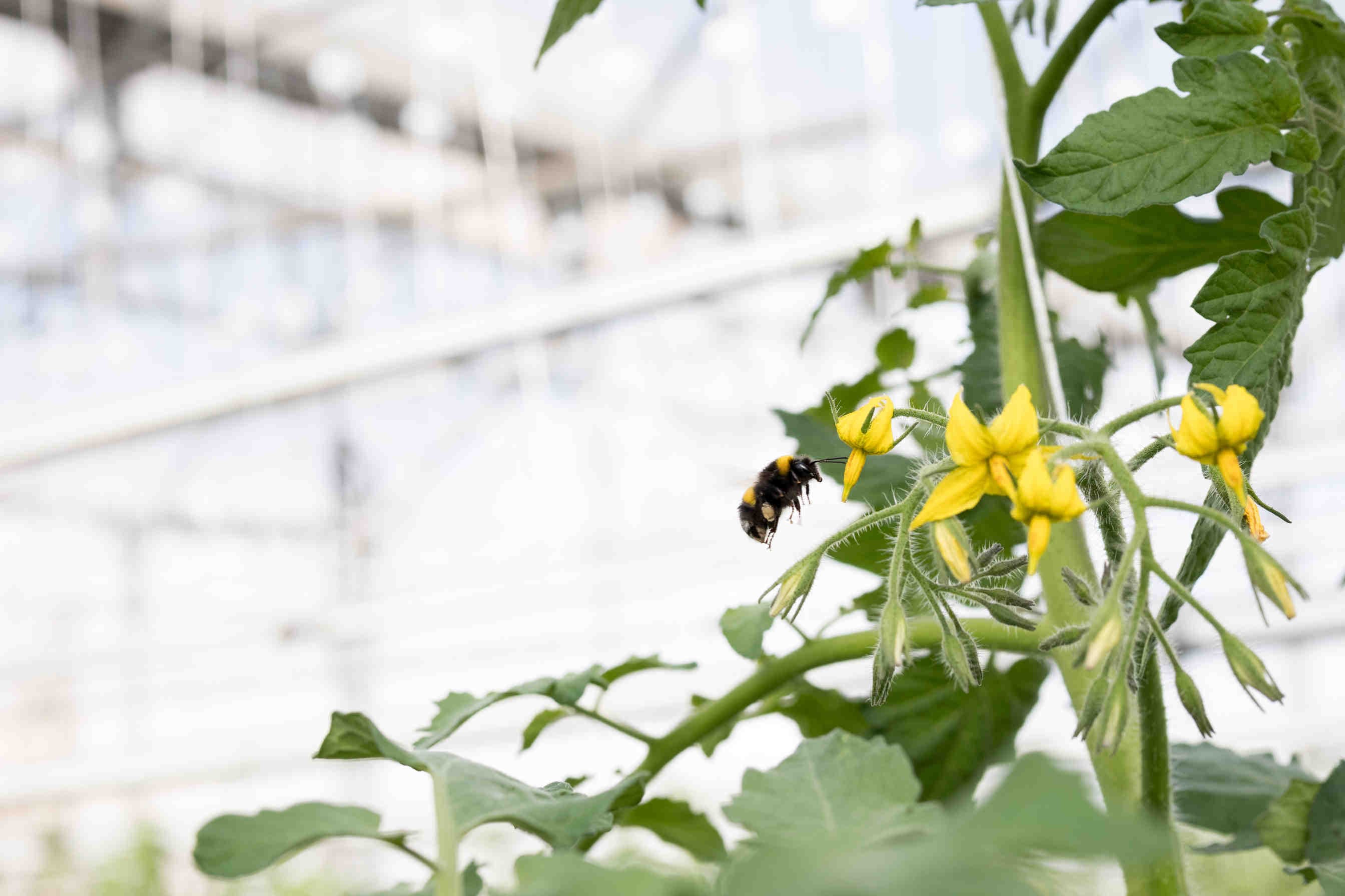
    Bombus
    XNatura

    Biodiversity loss and its effects

    Due to multiple factors, we are losing biodiversity: this ongoing loss has enormous economic and social implications and also impacts human health. Degradation of ecosystems results in a decline of ecosystem services such as water purification, soil stability, and pollination, with direct impacts on agricultural production and quality of life. Sectors such as agriculture, fishing, and tourism, which heavily depend on the health of agroecosystems and natural ecosystems, suffer significant economic losses. From a social perspective, the loss of biodiversity also has an economic impact that often affects the most vulnerable population groups who are most dependent on natural resources for their livelihoods.

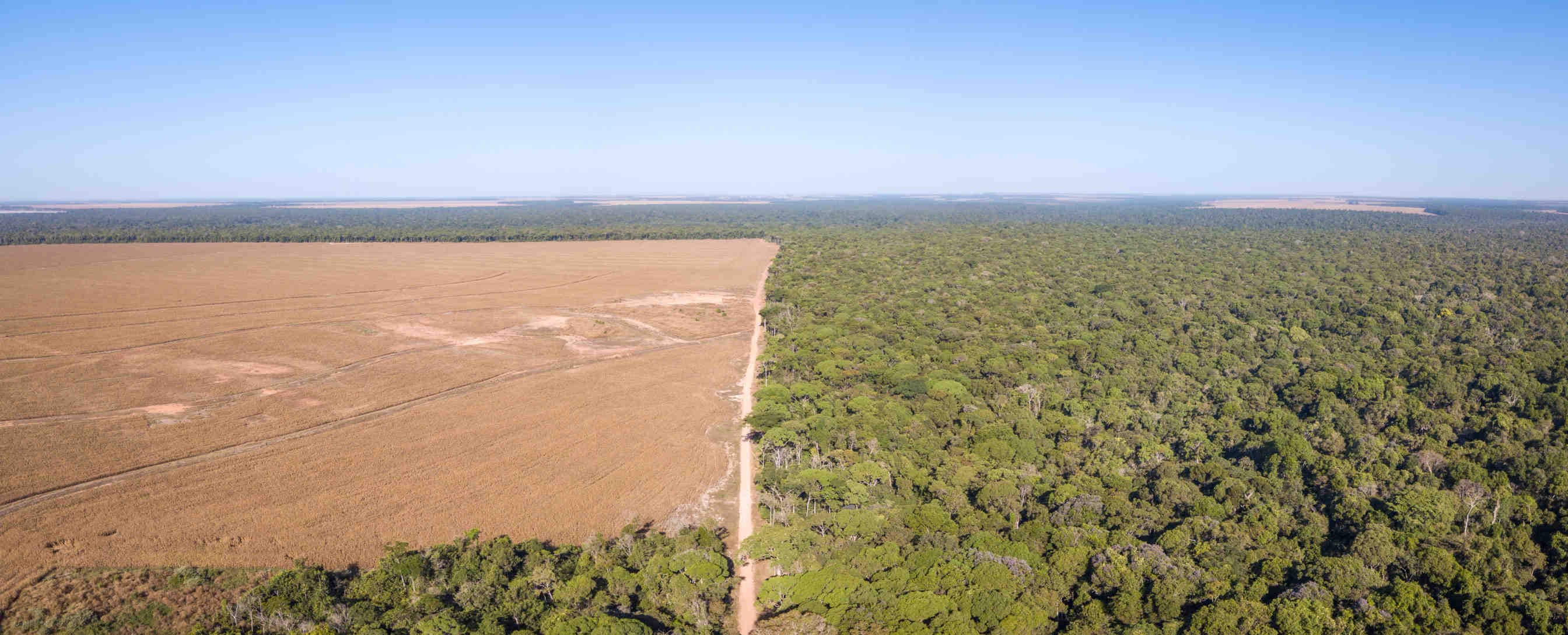
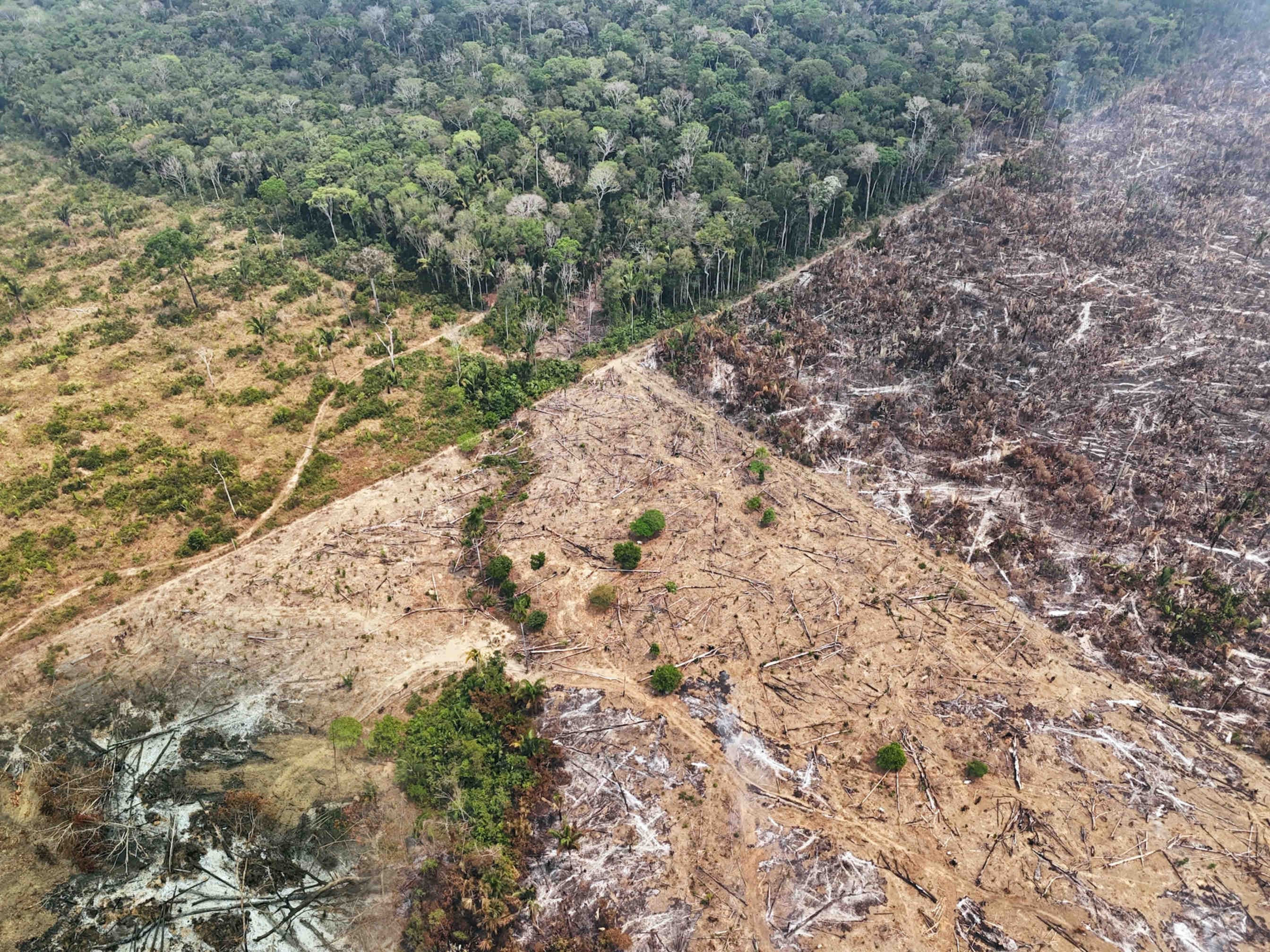
    deforestazione

    The causes of biodiversity loss

    The causes of biodiversity loss are numerous, but they can all be traced back to human activity. Overexploitation of natural resources, overfishing, and deforestation have led to the decline of insects and many other species. The continuous and increasing demand for resources, fueled by a growing population, has accelerated the degradation of natural habitats. Particularly since the second post-war period, the intensification of agriculture and urbanization has caused an increase in deforestation in many areas of the world and drastically reduced natural areas, leaving less and less space for natural ecosystems and the organisms that inhabit them. These activities undermine the resilience of ecosystems and the species that inhabit them.

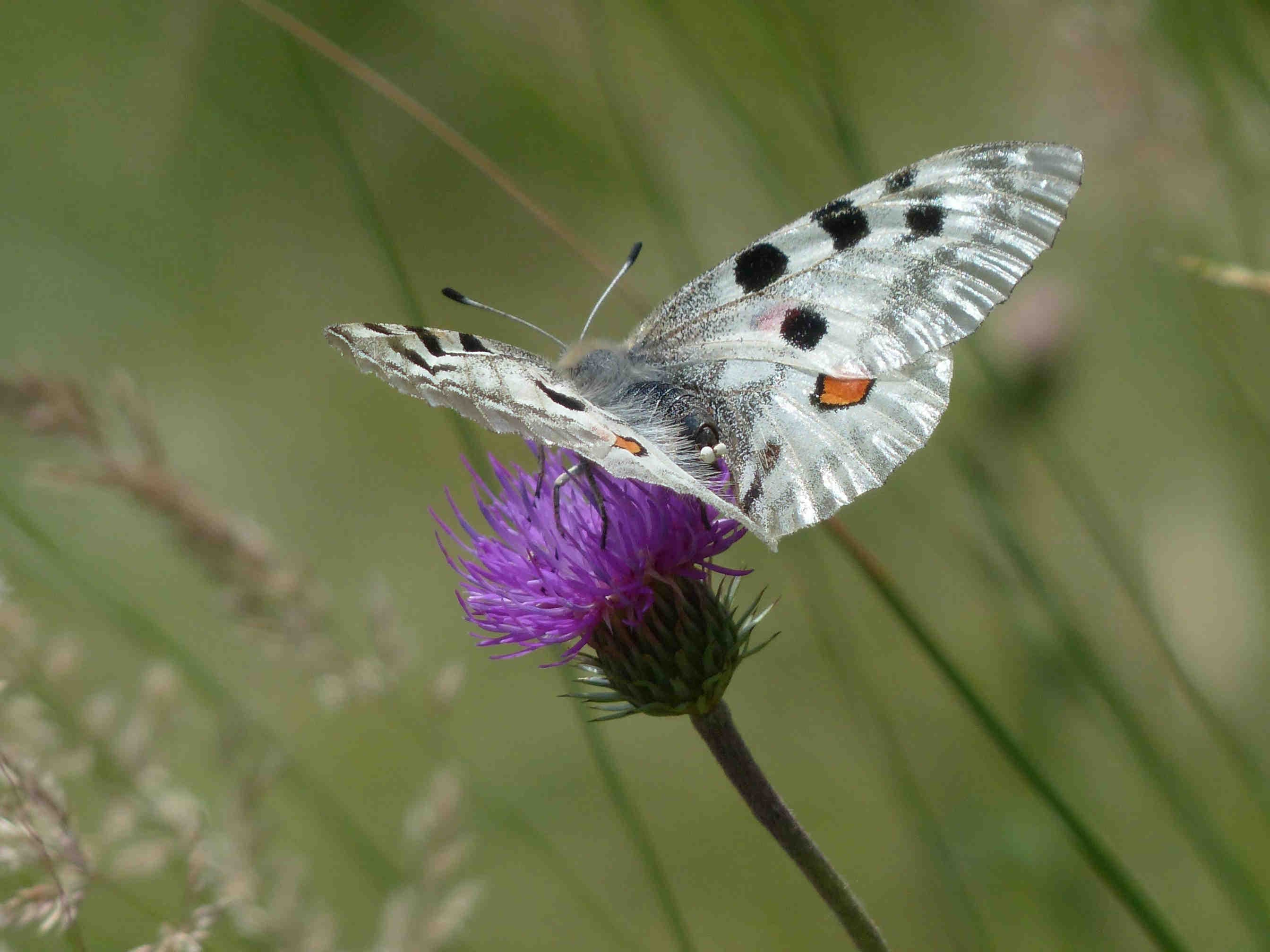
    Parnassius apollo
    XNatura

    Deforestation and urbanization

    Deforestation and urbanization are among the main causes of biodiversity loss. The clearing of forests and the conversion of natural areas for agriculture, livestock, or urban infrastructure drastically reduce natural habitats, putting thousands of species at risk. Rainforests, which house much of the world's biodiversity, are particularly affected due to the expansion of extensive farming. The expansion of cities also impacts nature, leading to the fragmentation of ecosystems and creating isolated habitat zones that hinder species from migrating or adapting to environmental changes. This phenomenon reduces ecological connectivity, essential for maintaining biodiversity.

    Manhattan
    3Bee

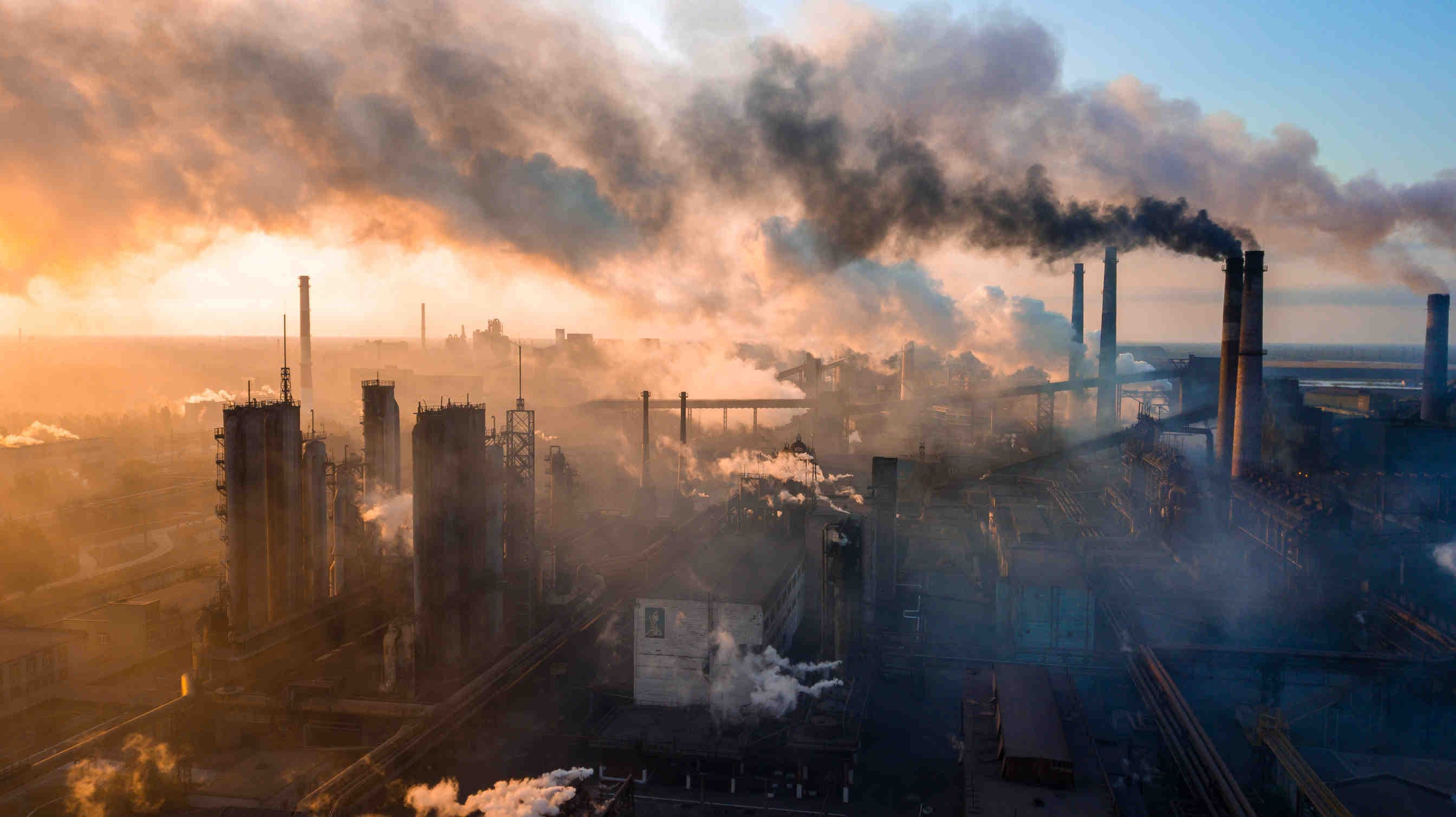
    Pollution, emissions, and climate change

    Pollution from human activities is one of the major threats to biodiversity. Substances and compounds like pesticides, heavy metals, and plastics accumulate in the environment, poisoning species and altering ecological balances. Greenhouse gas emissions caused by human activities significantly contribute to climate change, which in turn causes environmental effects such as ocean acidification and rising temperatures, putting critical habitats at risk like coral reefs, polar regions, and glaciers. These climate changes undermine the survival ability of many species, causing them to decline or even go extinct.

    inquinamento

    The impact of alien insects on biodiversity loss

    Invasive alien insects are one of the main threats to biodiversity. Many non-native species, which are accidentally introduced or voluntarily into new habitats, can compete with local species for resources, alter food webs, and spread diseases. Alien pollinators, including the red dwarf bee, compete with local pollinators for resources and can modify the structure of ecosystems. The introduction of new species creates imbalances that can drastically reduce the diversity of native species and alter the ecological functioning of natural systems.

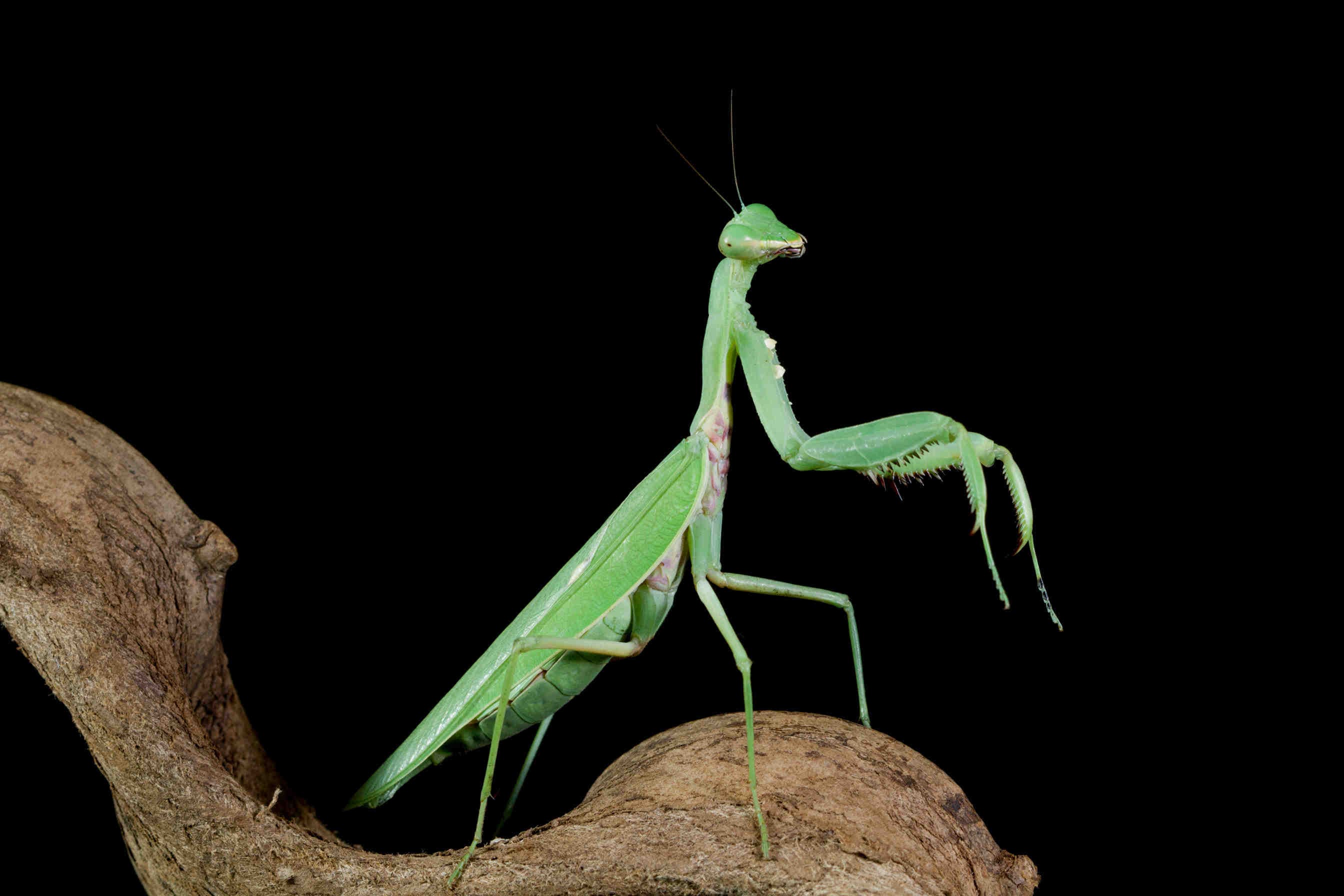
    Hierodula patellifera

    The loss of pollinator biodiversity

    Pollinating insects, including bees, butterflies, and beetles, are essential for the survival of many flowering plants and human food production. The loss of these pollinators is caused by a combination of factors, including pesticide use, habitat destruction, introduction of alien species, and climate change, and has serious consequences on natural ecosystems and humans. If their decline continues, many food crops would not be able to reproduce, causing a drastic reduction in agricultural production and global food security. Moreover, the decline of pollinators can compromise plant biodiversity, reducing the variety of plant species present in ecosystems.

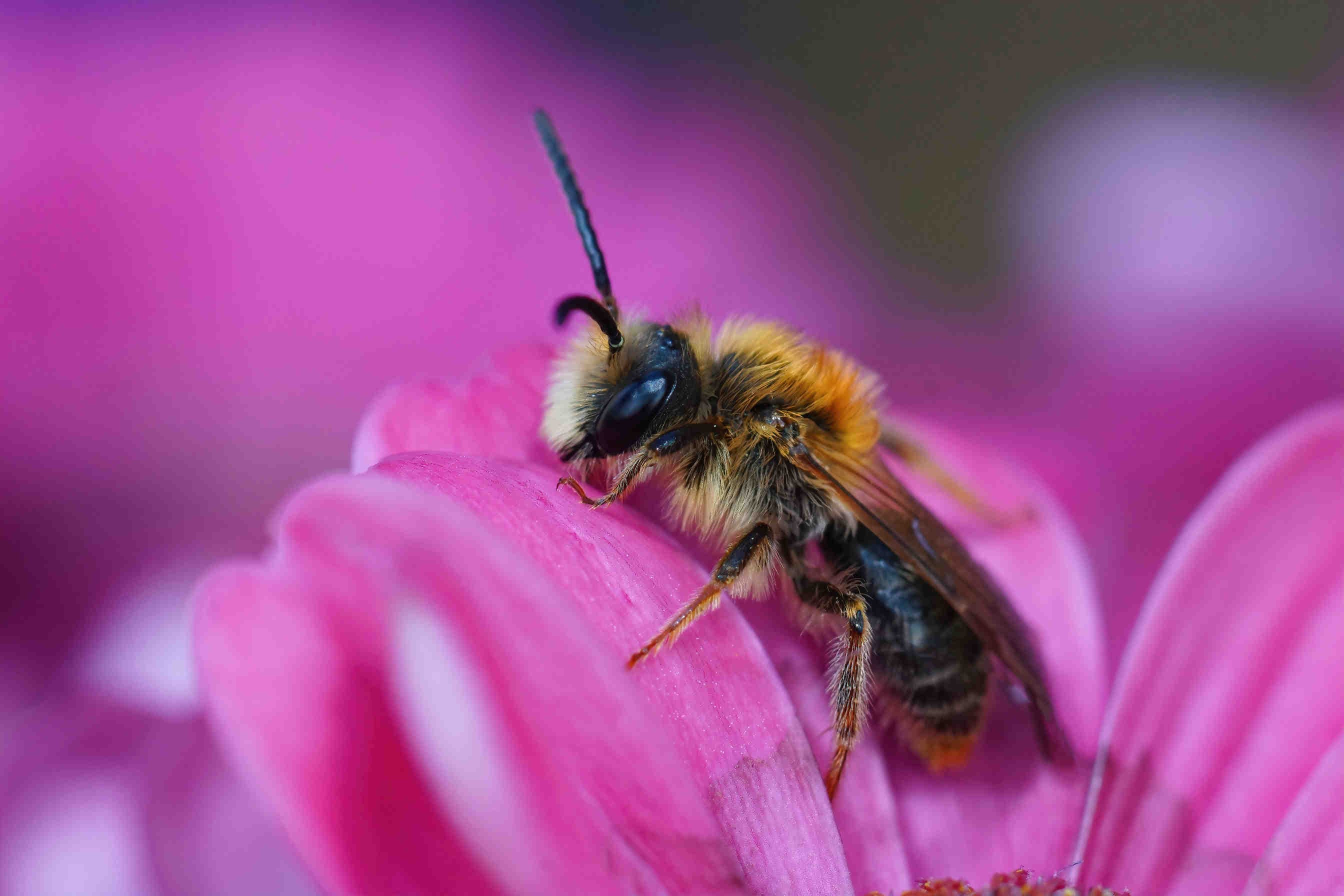
    Andrena haemorrhoa

    Soil fauna and nutrient recycling

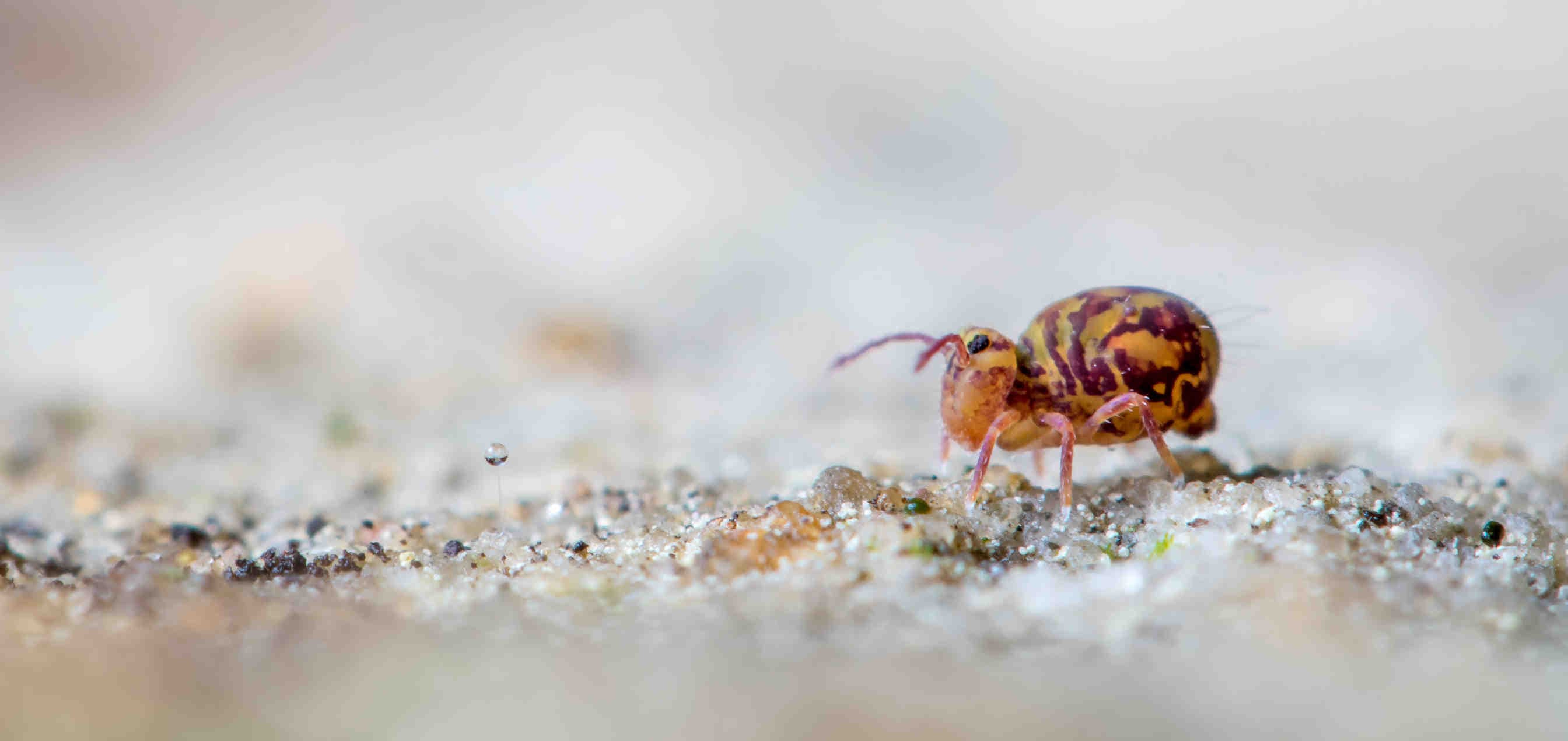
    Another major fundamental group, often overlooked, is that of the soil fauna, which is the ensemble of arthropods, earthworms, fungi, and bacteria that live in the soil. These organisms play a crucial role in nutrient recycling, decomposing organic matter and helping to maintain soil fertility. Their disappearance would have catastrophic consequences for agricultural productivity and ecological stability, also reducing the soil's ability to retain water and nutrients. The diversity of this underground community helps maintain ecosystem health and, consequently, increases the resilience of the soil and its ability to support plant and animal life.

    Collembolo

    The need to preserve biodiversity

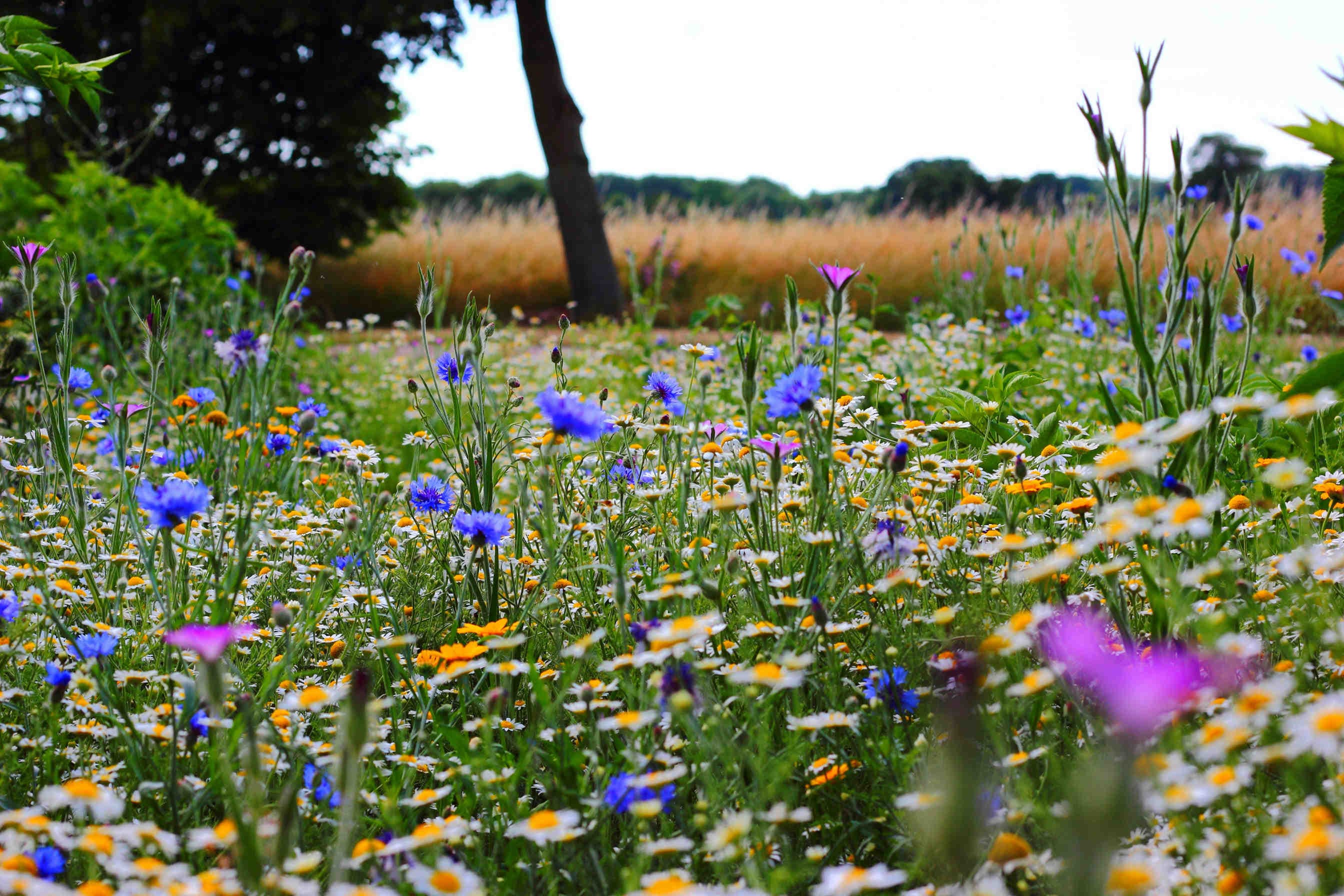
    To preserve biodiversity, it is essential to adopt concrete measures for the conservation of habitats and species. Creating and maintaining protected areas, restoring degraded habitats, monitoring biodiversity, and promoting more sustainable agricultural practices are fundamental steps. Agriculture that is more respectful of ecosystems, using fewer pesticides and promoting biological diversity, can help reverse the decline in biodiversity. Moreover, raising awareness among communities and institutions is crucial for fostering more careful and responsible management of natural resources, ensuring the survival of ecosystems for future generations.

    prato fiorito
    18/03/2025Of 3Bee, Niccolò Patelli
    1683 Views
    Newsletter
    newsletter
    Subscribe to the Blog about bees and biodiversity

    Frequently Asked Questions

    Do you have any doubts or other curiosities about this article? Here you will find some insights