Invisible (or almost) biodiversity
Disclaimer: this is an automated translation from Italian. Go to the original article.
Although the
The soil is rich in life, often invisible to our eyes, but essential for the health of the ecosystem. Discover the key functions performed by mites, springtails, and beetles and how to protect soil biodiversity to ensure environmental sustainability.
Read the articleDisclaimer: this is an automated translation from Italian. Go to the original article.
Although the
An

When we talk about
The process of
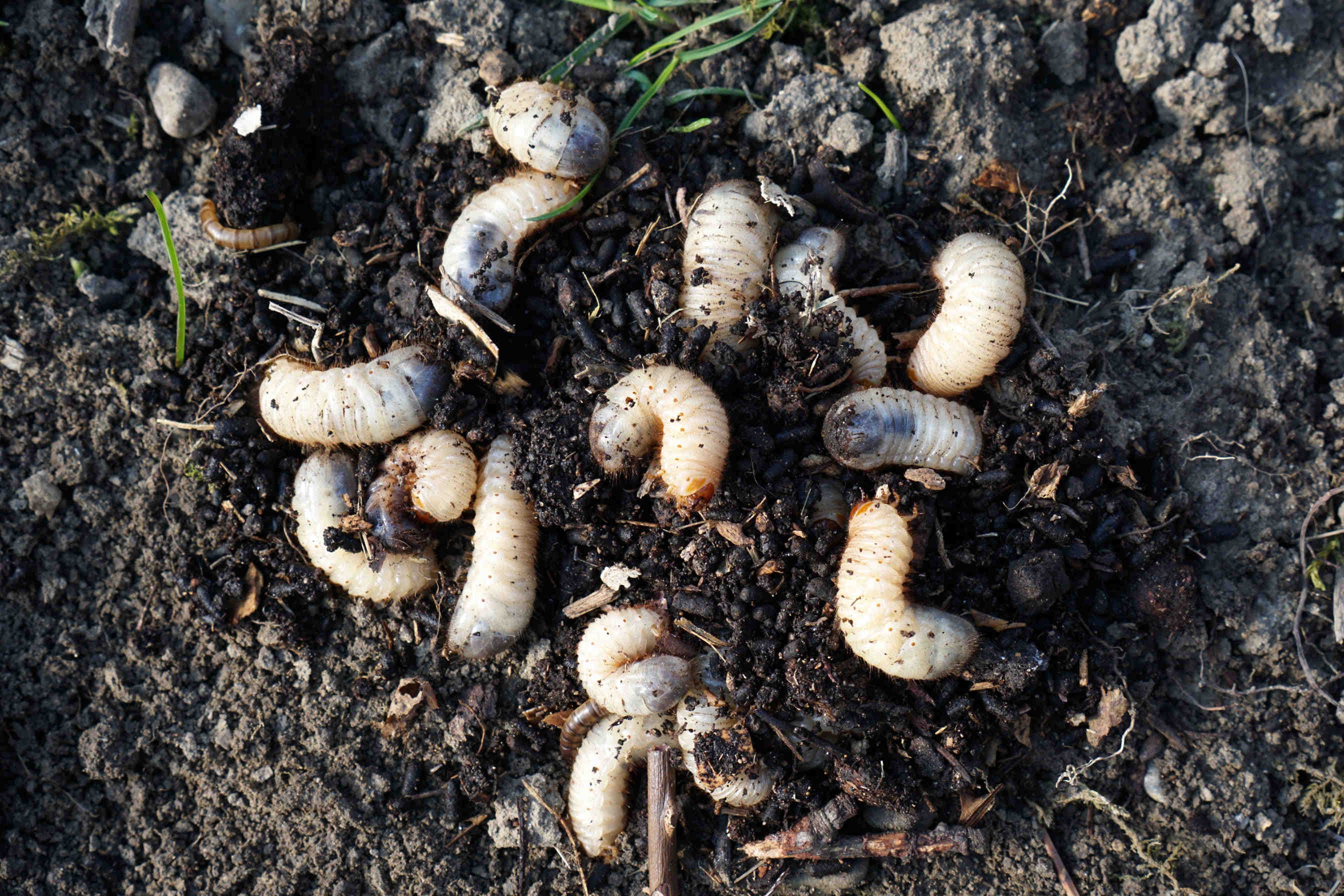

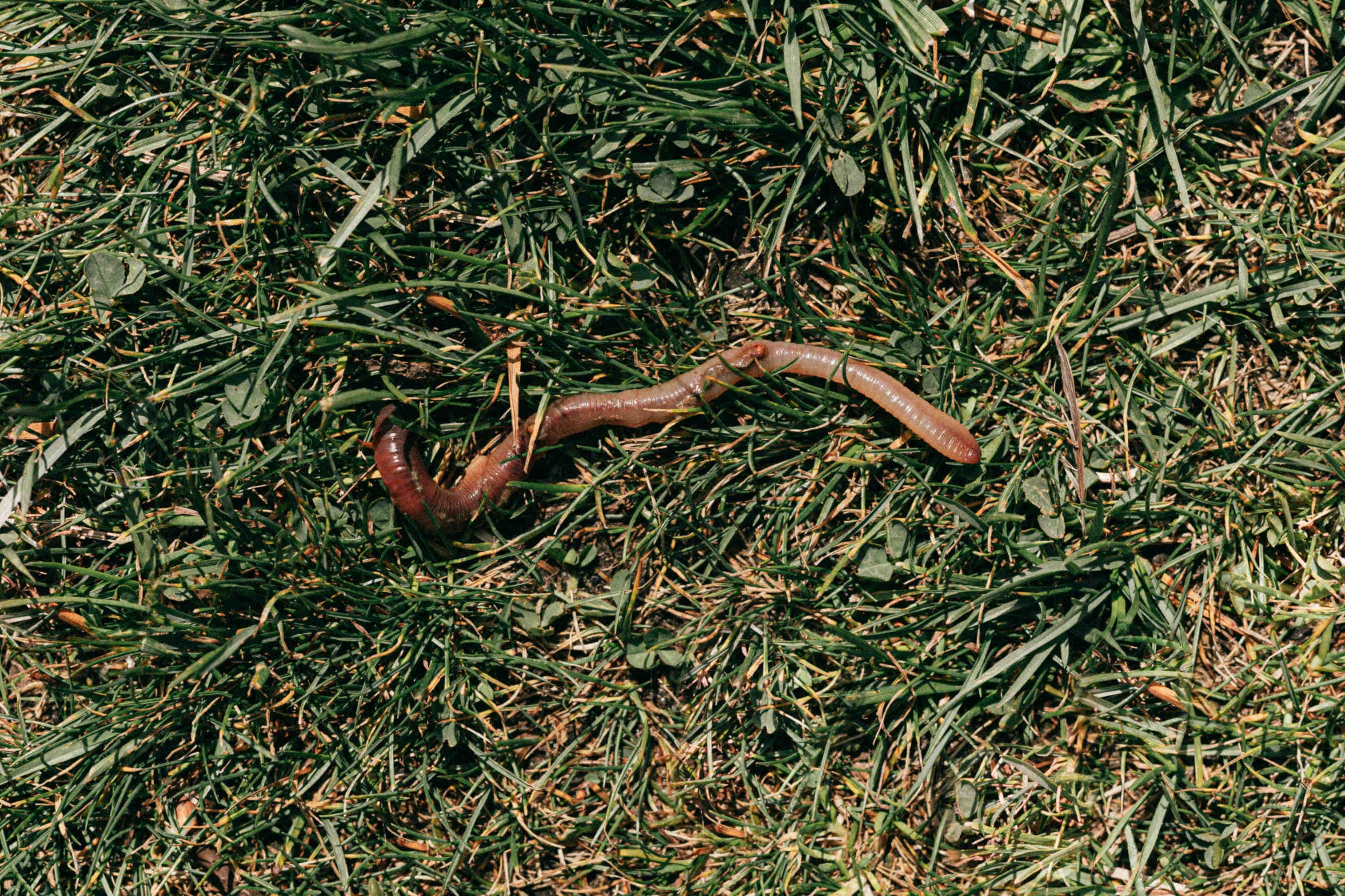
In the soil live many

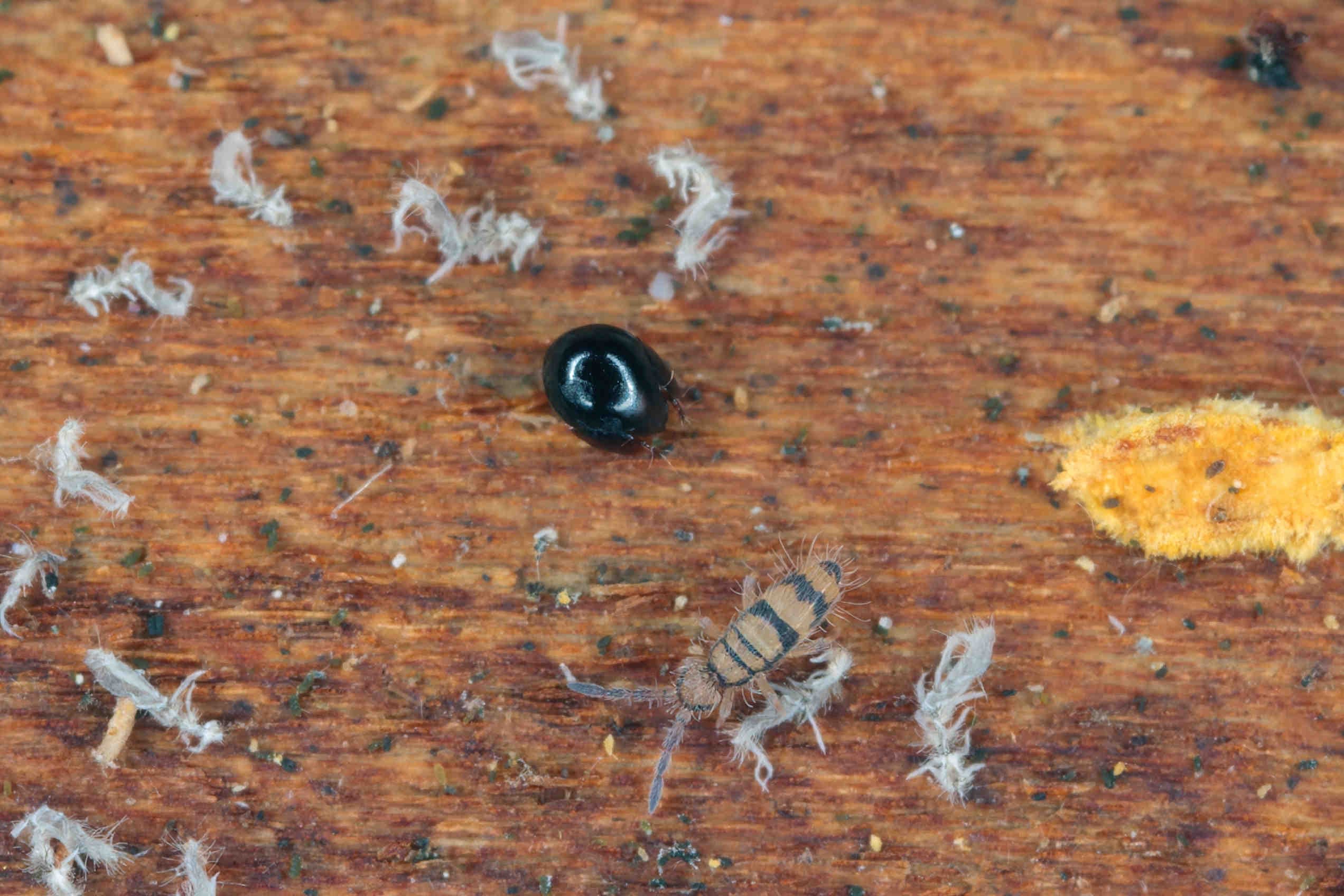
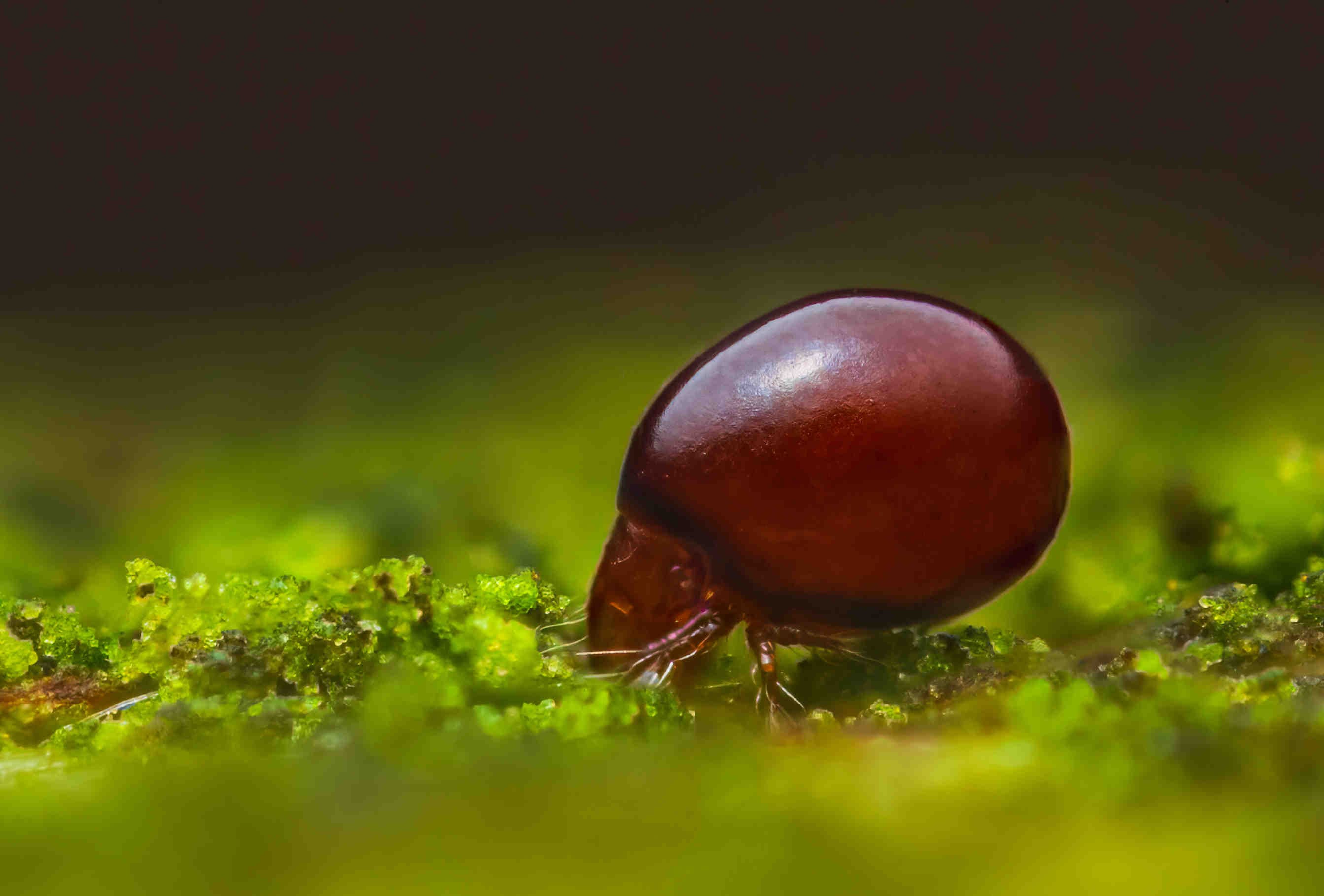
Mites are among the most abundant arthropods in the soil and, although many identify them only as harmful animals, they play a key role in the decomposition of organic matter. Species such as oribatid mites, in particular, fragment the plant material they feed on, making it more accessible to fungi and bacteria that decompose it. Other families of mites also live in the soil, which have a positive effect on humans because they help control fungal and bacterial populations and thus assist in maintaining the microbiological balance essential for soil health. Thanks to their ecological diversity, these small organisms perform fundamental functions in regulating soil fertility.
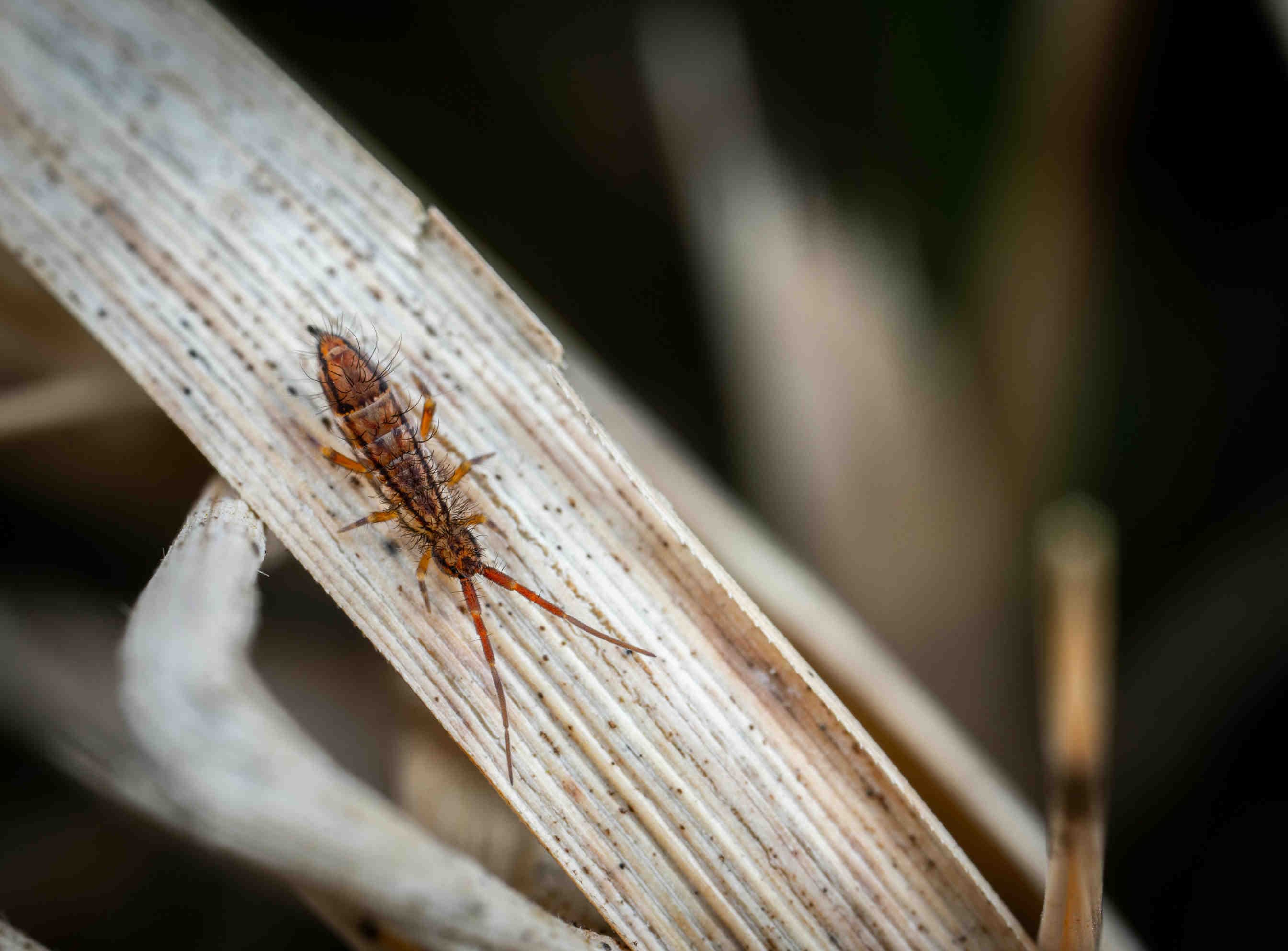
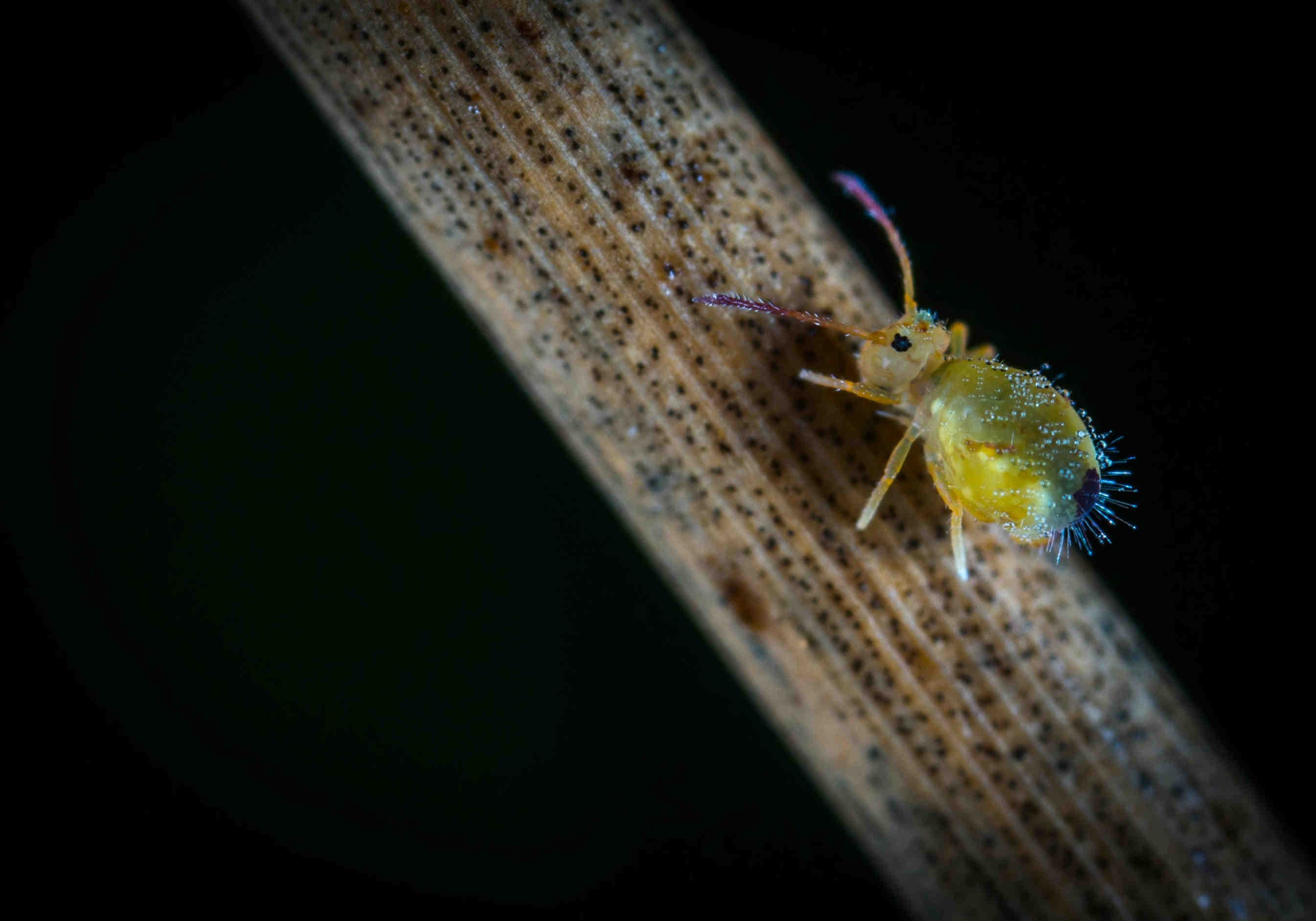
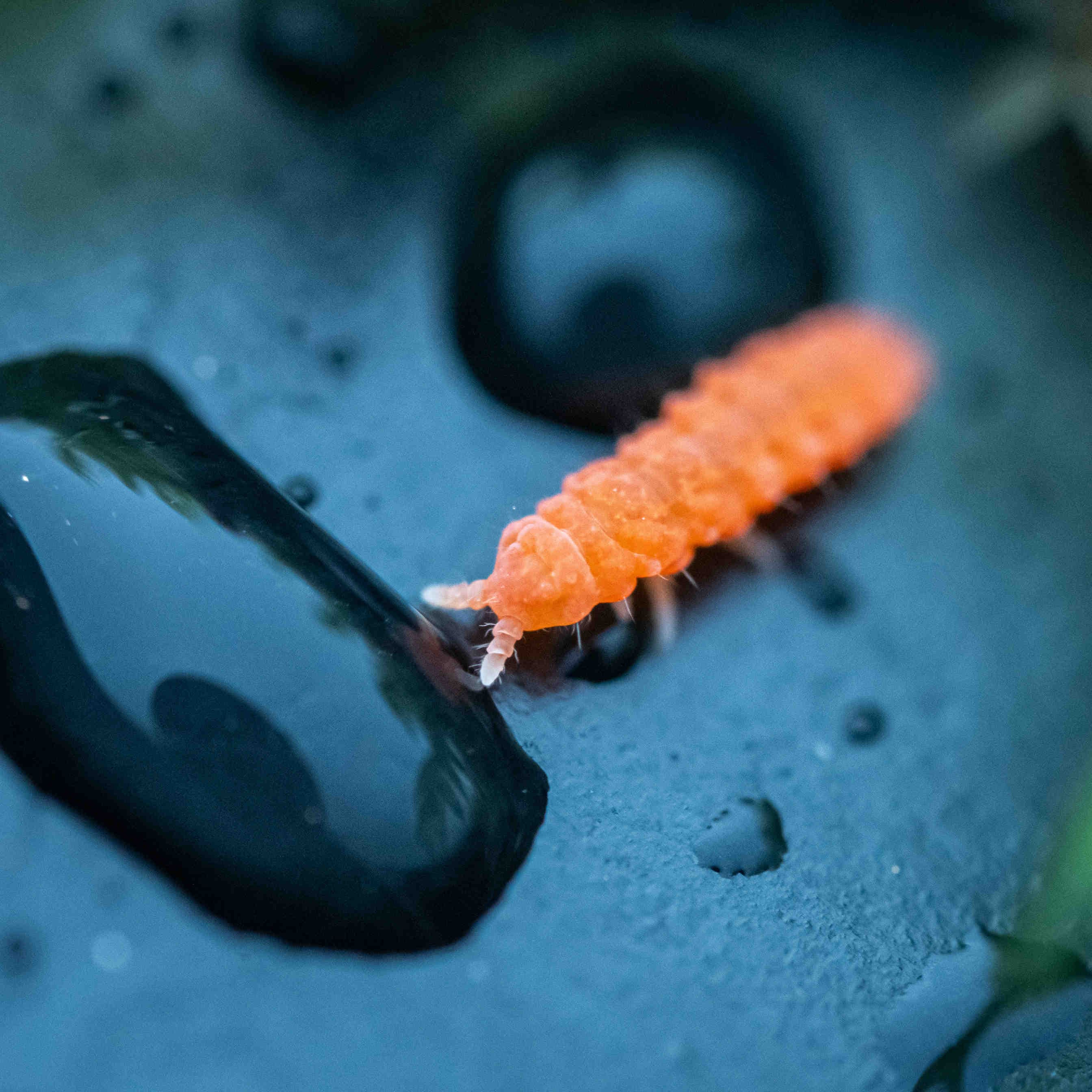
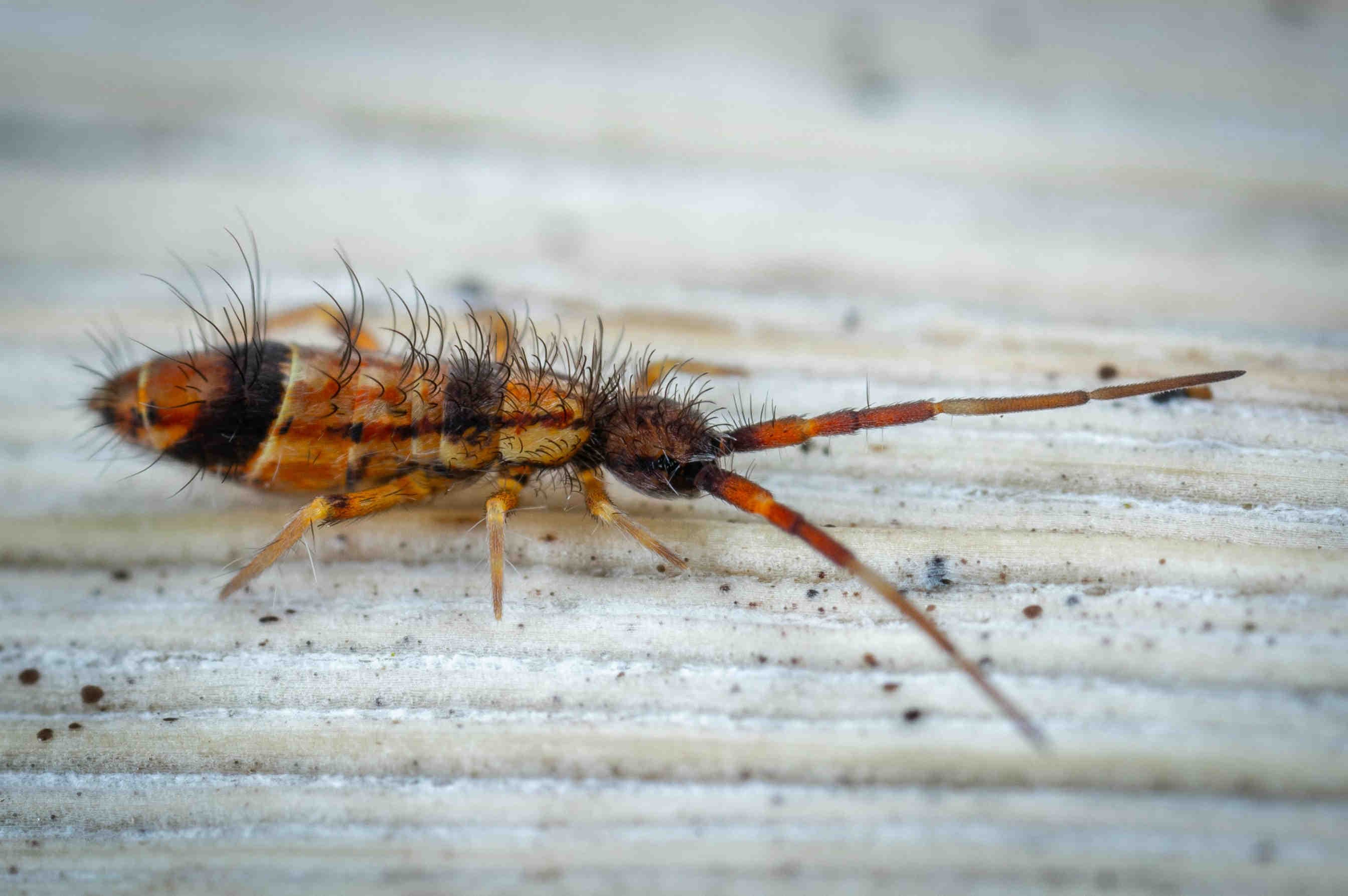
Springtails are hexapod arthropods like insects, but they differ taxonomically because they have never developed wings in their evolutionary history, like Protura and Diplura, which are also soil arthropods. Generally small in size, springtails move in the soil and feed on fungi, bacteria, and decomposing organic matter: even if they are not directly responsible, their activity is a fundamental aid in recycling nutrients and maintaining soil fertility. Springtails are bioindicators, and their presence is often considered an
Many
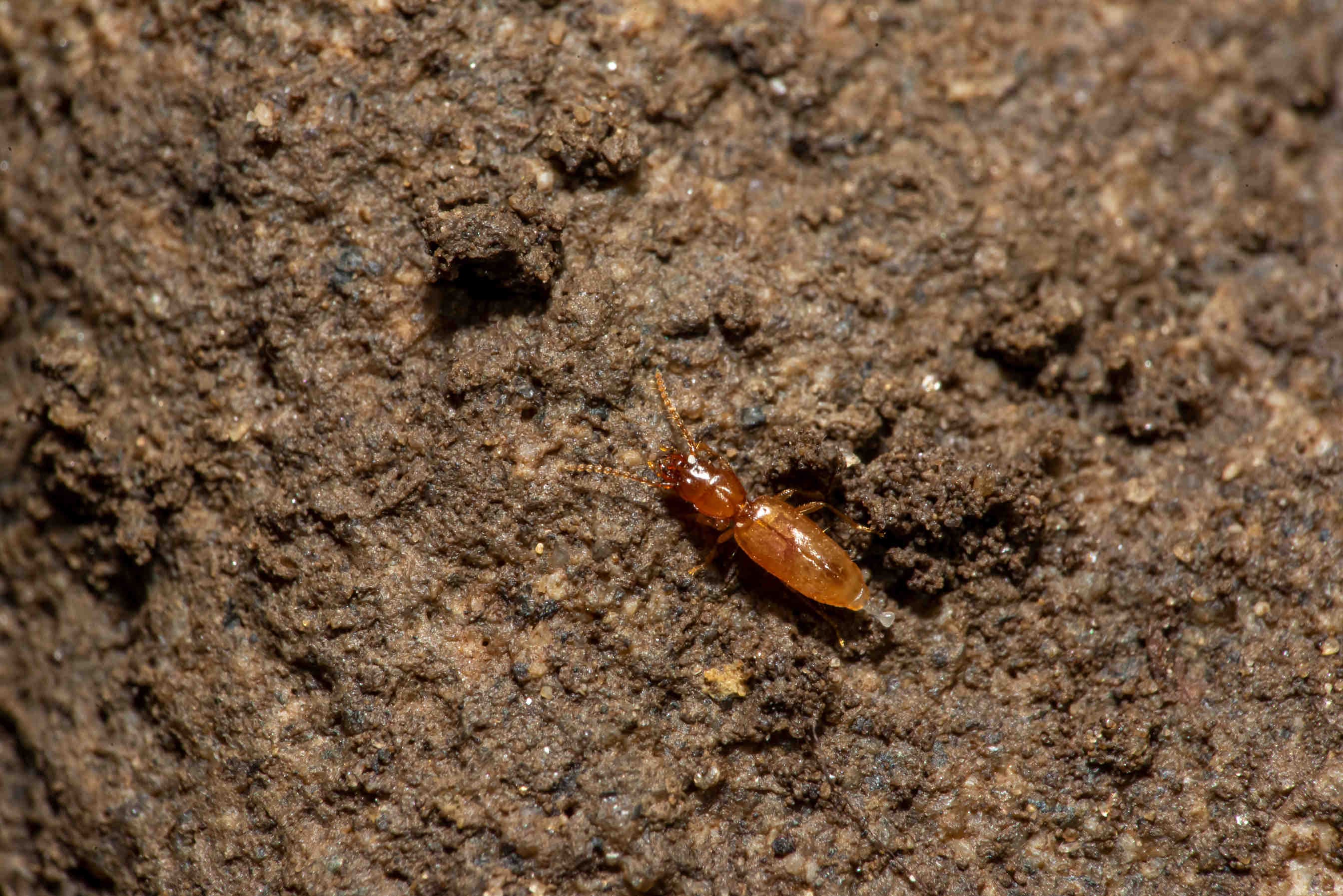
The
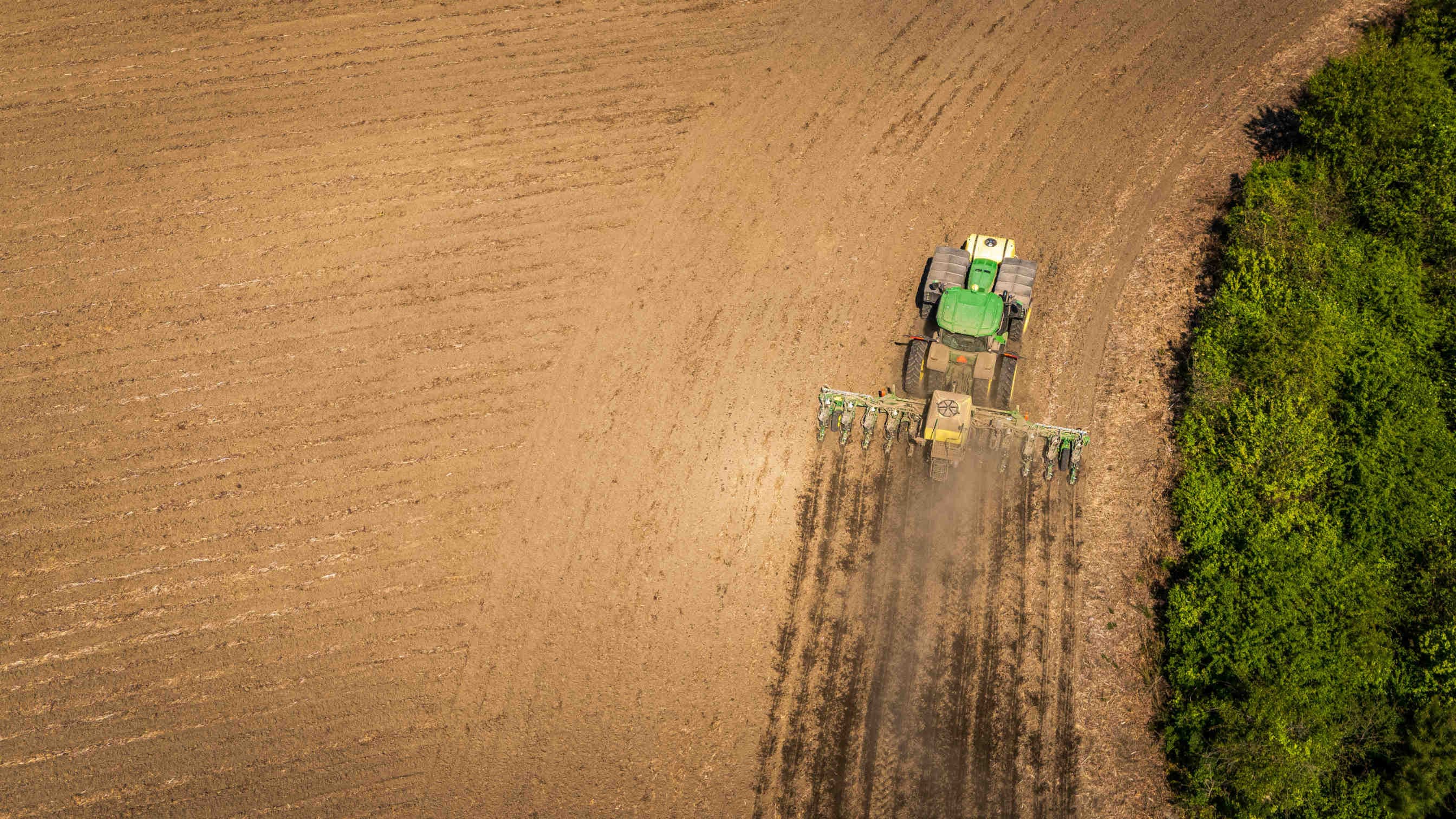
The protection of soil biodiversity is essential to ensure the long-term sustainability of terrestrial ecosystems. Without a functioning

Do you have any doubts or other curiosities about this article? Here you will find some insights