Soil Biodiversity: Why is it Important?
    BiodiversitySoilServicesNutrients

    Soil Biodiversity: Why is it Important?

    The soil is rich in life, often invisible to our eyes, but essential for the health of the ecosystem. Discover the key functions performed by mites, springtails, and beetles and how to protect soil biodiversity to ensure environmental sustainability.

    Read the article
    02/03/2025Of 3Bee, Niccolò Patelli
    305 Views
    02/03/2025Of 3Bee, Niccolò Patelli
    305 Views

    Invisible (or almost) biodiversity

    Disclaimer: this is an automated translation from Italian. Go to the original article.

    Although the soil is often perceived as merely a substrate for plant growth, it is actually a living and complex ecosystem inhabited by a vast variety of organisms. Even though many of these are invisible to the naked eye (or almost), they are essential organisms for soil health. The underground environment teems with life, with millions of microorganisms and small invertebrates performing key functions for soil fertility and stability. Arthropods such as mites, springtails, and beetles, along with fungi, nematodes, and microorganisms, create a dense food web in which each one contributes to the decomposition of organic matter, nutrient recycling, and the formation of soil structure. Soil biodiversity not only supports plant growth but also regulates the carbon cycle,
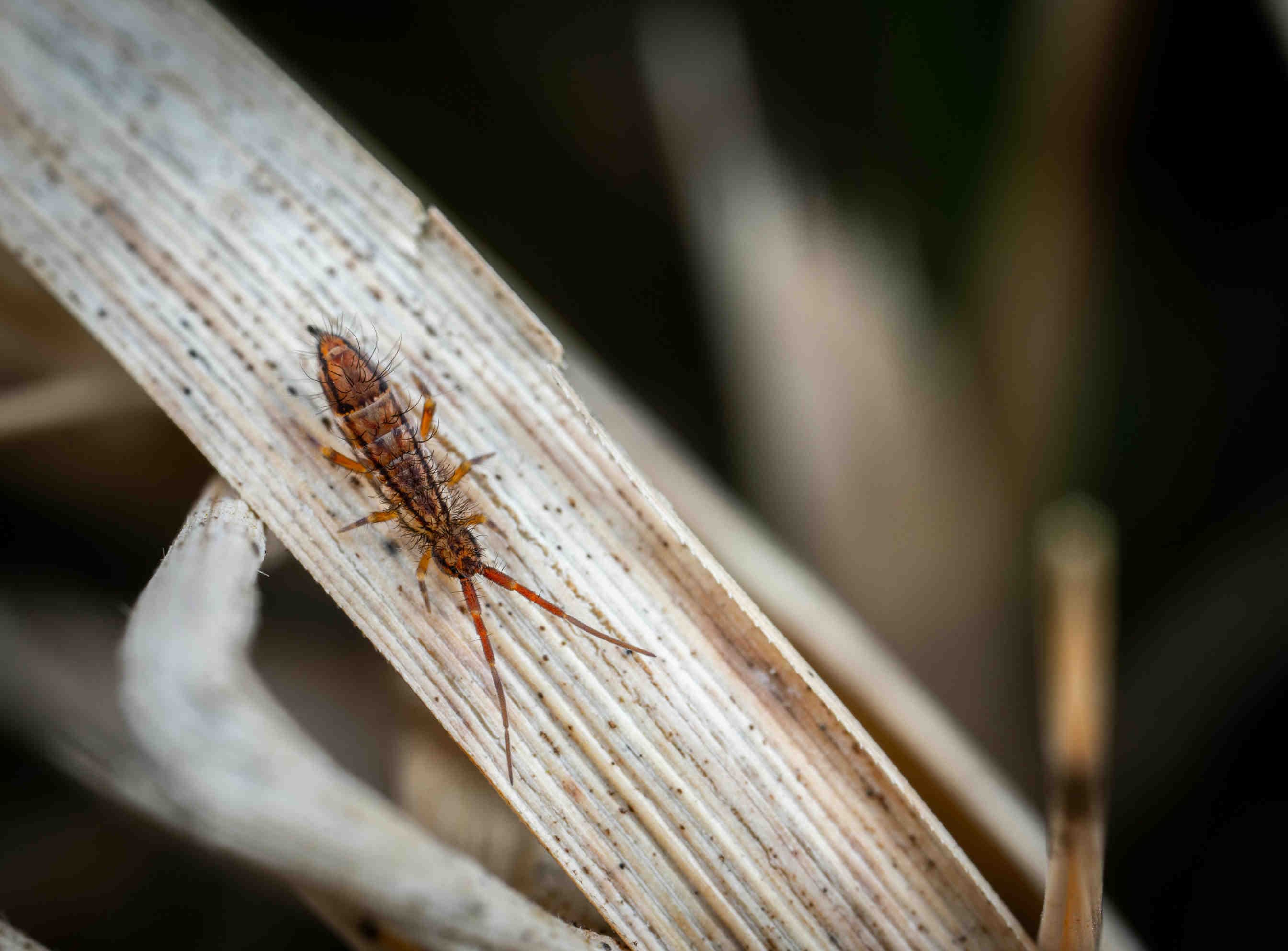
    Collembola

    Why biodiverse soil is healthier

    An ecosystem, regardless of what it is, is more stable and resilient the greater the biodiversity it hosts. This principle applies at all levels: habitat, species diversity, and genetic diversity. The same holds true for what happens in the soil. In fact, a soil rich in biodiversity is more stable and resilient to environmental stresses, such as erosion and drought. Additionally, the variety of organisms living in the soil, called edaphic organisms, ensures a greater capacity to degrade organic matter, maintain fertility, and prevent the buildup of pathogens. Essentially, biodiverse soil is capable of supporting greater plant productivity because ecological processes, optimized by biodiversity, promote soil and plant health.

    collembolo
    XNatura

    Ecosystem services of soil animals

    When we talk about soil fertility, we often think only of microorganisms, but the contribution of the small animals that inhabit the soil is equally crucial and often underestimated. Nematodes, earthworms, mites, springtails and other small invertebrates provide fundamental ecosystem services, from the decomposition of organic matter to nutrient recycling. Their digging activity improves soil structure, while the biological control of pathogens reduces the need for chemical pesticides, promoting more sustainable agriculture.

    acaro_collembolo

    Nutrient recycling and plant biodiversity

    The process of decomposition and nutrient recycling in the soil is crucial for supporting plant growth. Arthropods, along with bacteria and fungi, break down organic matter into simpler compounds that plants can absorb through their roots. Furthermore, many soil arthropods consume the fungi themselves and further increase the recycling of organic matter. Without this continuous flow of nutrients, the soil would become impoverished, leading to a reduction in agricultural productivity and plant biodiversity. Life in the soil directly affects the growth of plants (and beyond), shaping the health and balance of the above ecosystems.

    larve_cetonia
    XNatura

    The most common animals in the soil

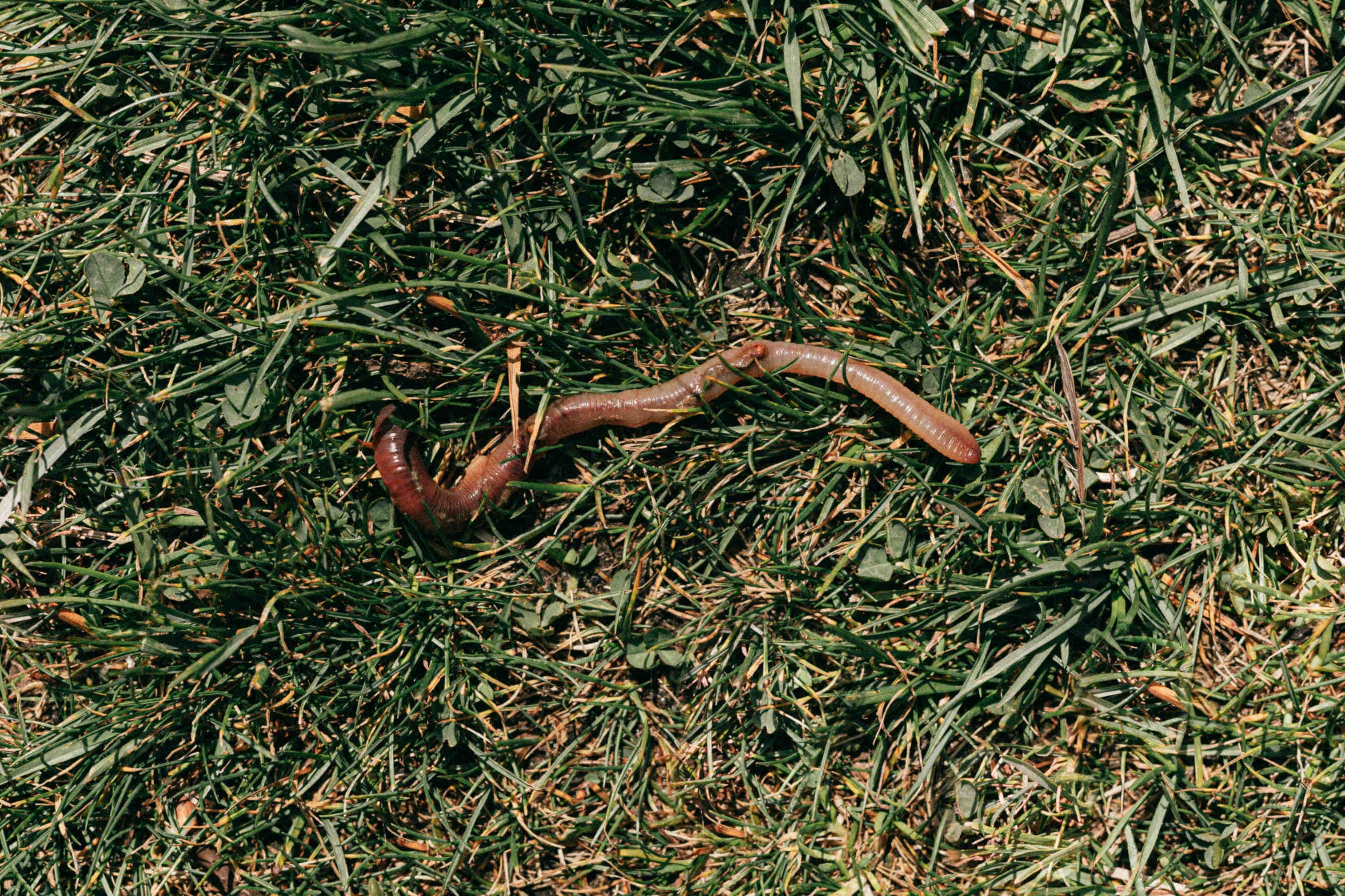
    In the soil live many organisms that differ based on their sizes. The smallest are microorganisms, followed by mesofauna, macrofauna, and finally megafauna. Arthropods primarily belong to the mesofauna and, speaking in numbers, in a volume of one liter of soil, there can easily be hundreds or even thousands of animals active all year round, which during the winter months move to the deeper layers. Among annelids, earthworms are the most known for their role in the formation of humus. Among arthropods, mites and springtails are among the most abundant animals, but they are not the only ones: millipedes and isopods also play crucial roles in decomposition and improving soil structure. Finally, among purely endogean insects, beetles are the most numerous, acting as both decomposers (especially in their larval stages) and predators.

    lombrico
    3Bee

    Mites and Ecological Balance

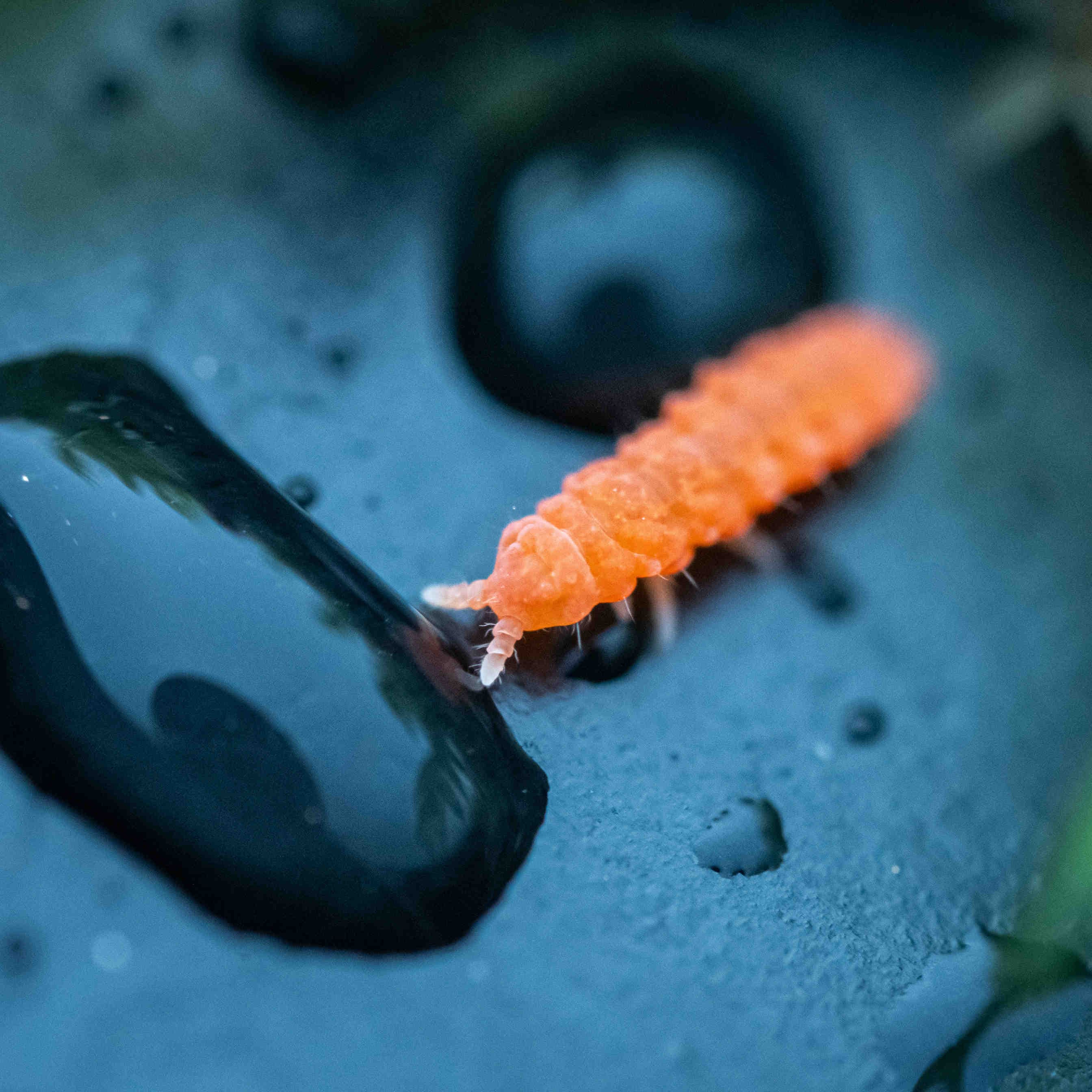
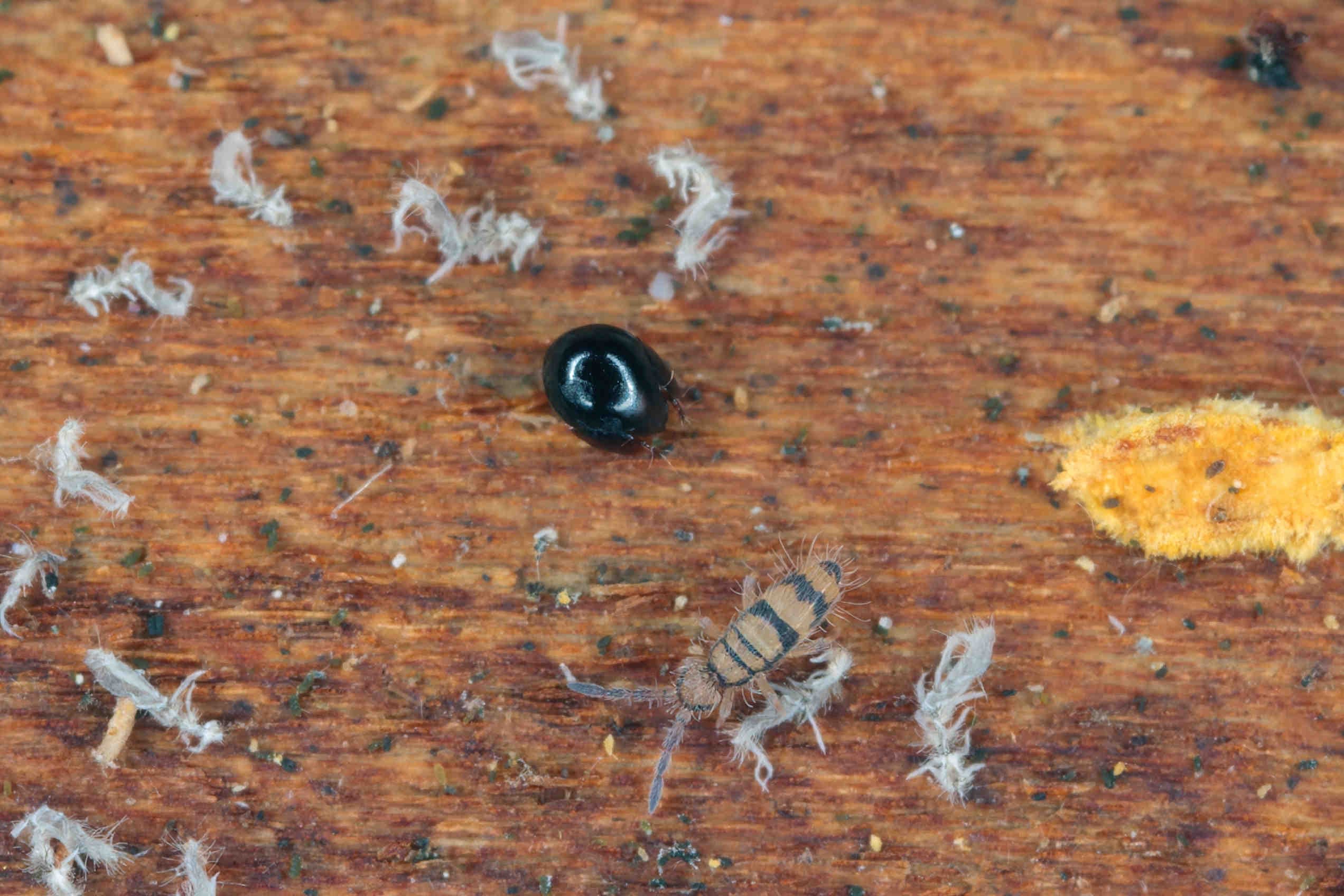
    Mites are among the most abundant arthropods in the soil and, although many identify them only as harmful animals, they play a key role in the decomposition of organic matter. Species such as oribatid mites, in particular, fragment the plant material they feed on, making it more accessible to fungi and bacteria that decompose it. Other families of mites also live in the soil, which have a positive effect on humans because they help control fungal and bacterial populations and thus assist in maintaining the microbiological balance essential for soil health. Thanks to their ecological diversity, these small organisms perform fundamental functions in regulating soil fertility.
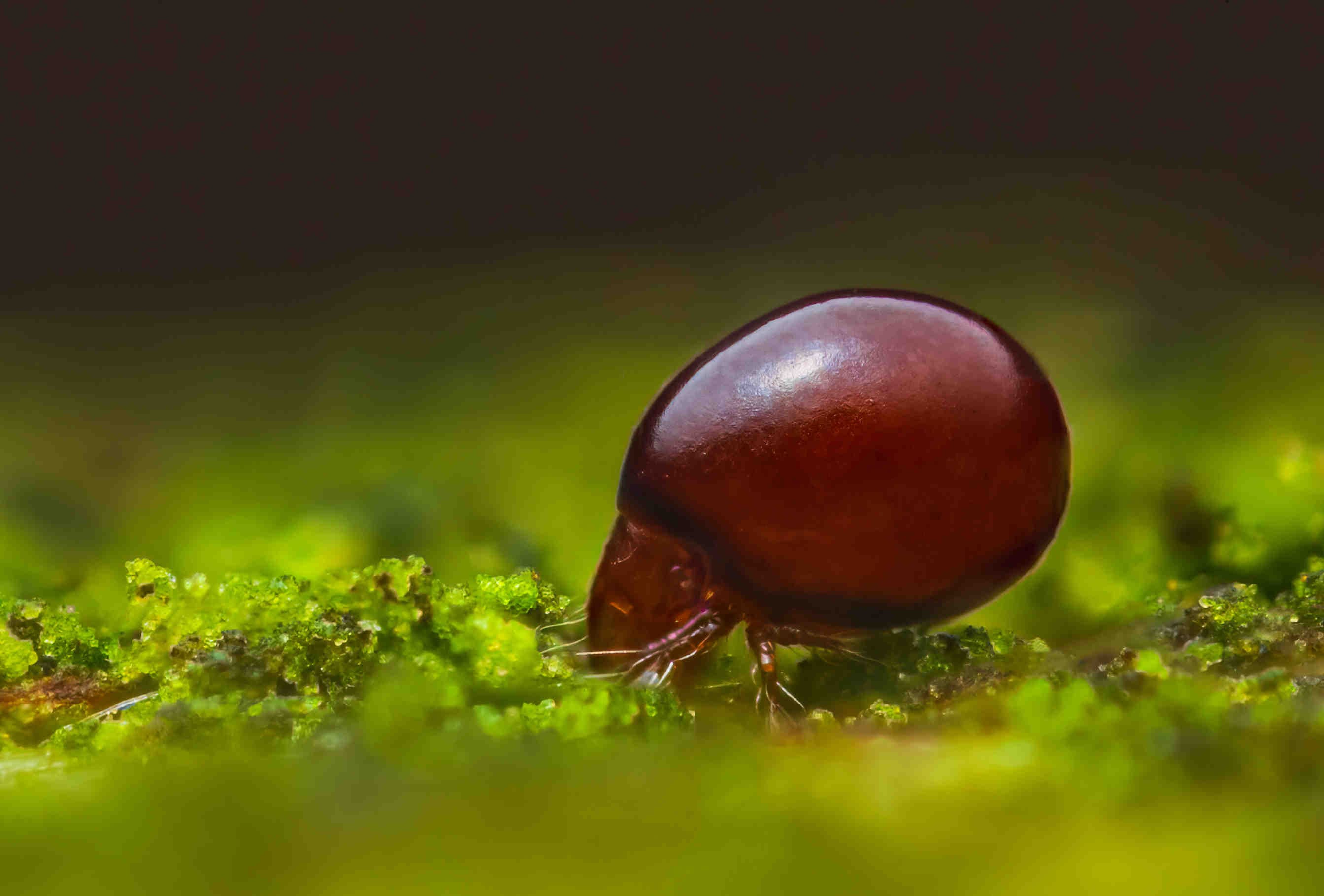
    Oribatida

    Springtails: indicators of soil health

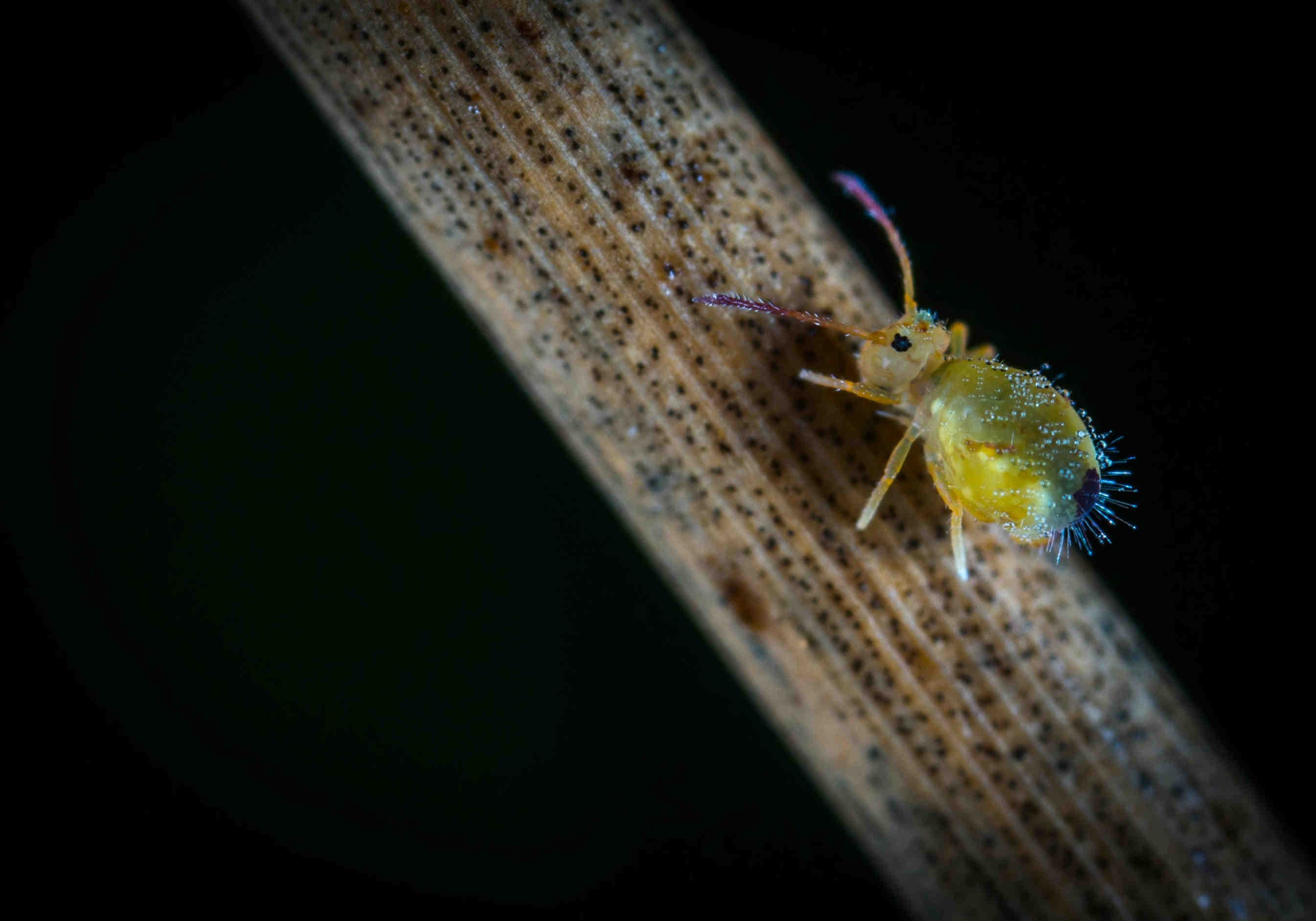
    Springtails are hexapod arthropods like insects, but they differ taxonomically because they have never developed wings in their evolutionary history, like Protura and Diplura, which are also soil arthropods. Generally small in size, springtails move in the soil and feed on fungi, bacteria, and decomposing organic matter: even if they are not directly responsible, their activity is a fundamental aid in recycling nutrients and maintaining soil fertility. Springtails are bioindicators, and their presence is often considered an indicator of soil quality: soils rich in springtails tend to be healthier and less subject to degradation.
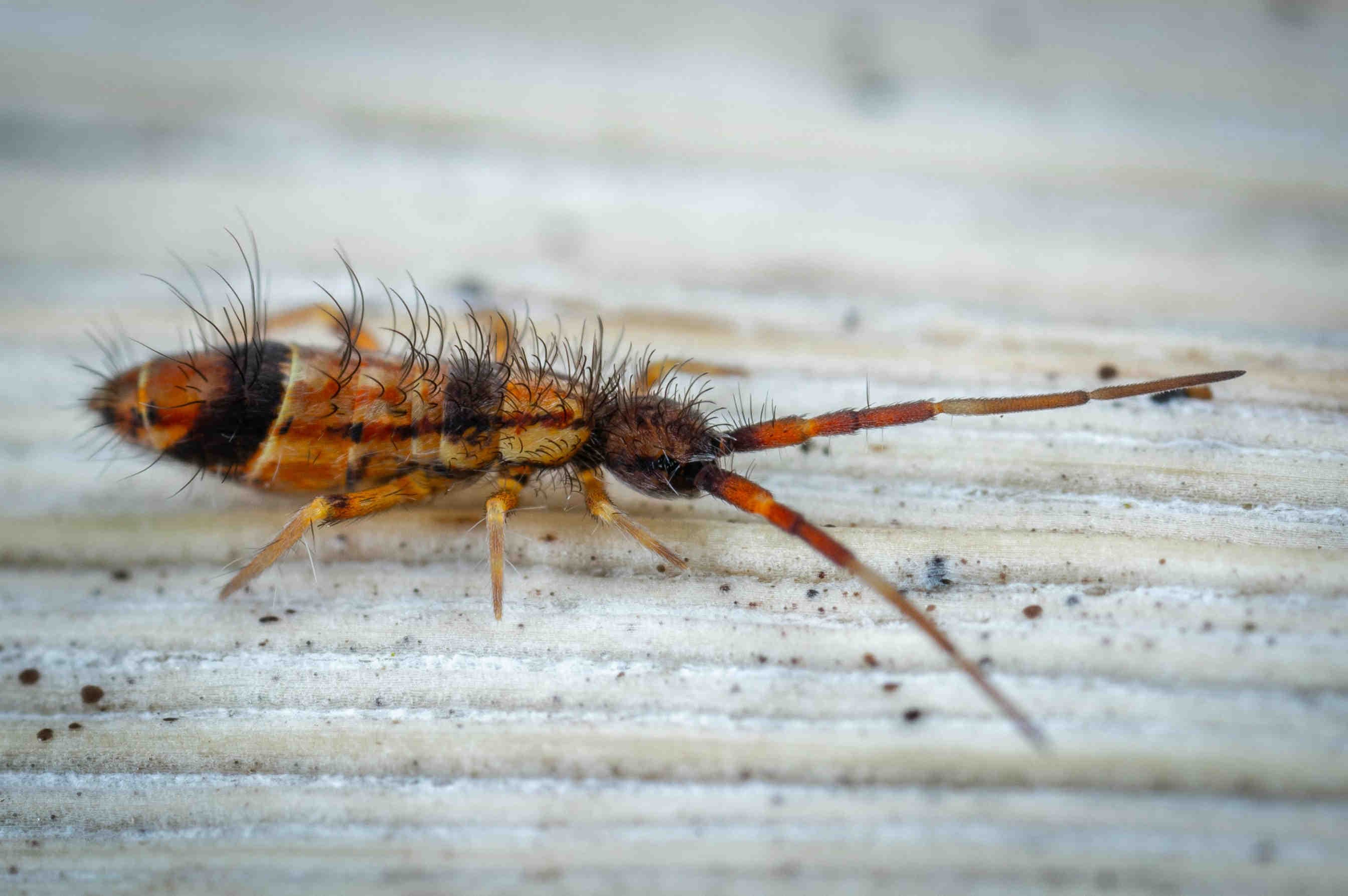
    Collembolo

    Soil-dwelling beetles, hidden actors of the soil

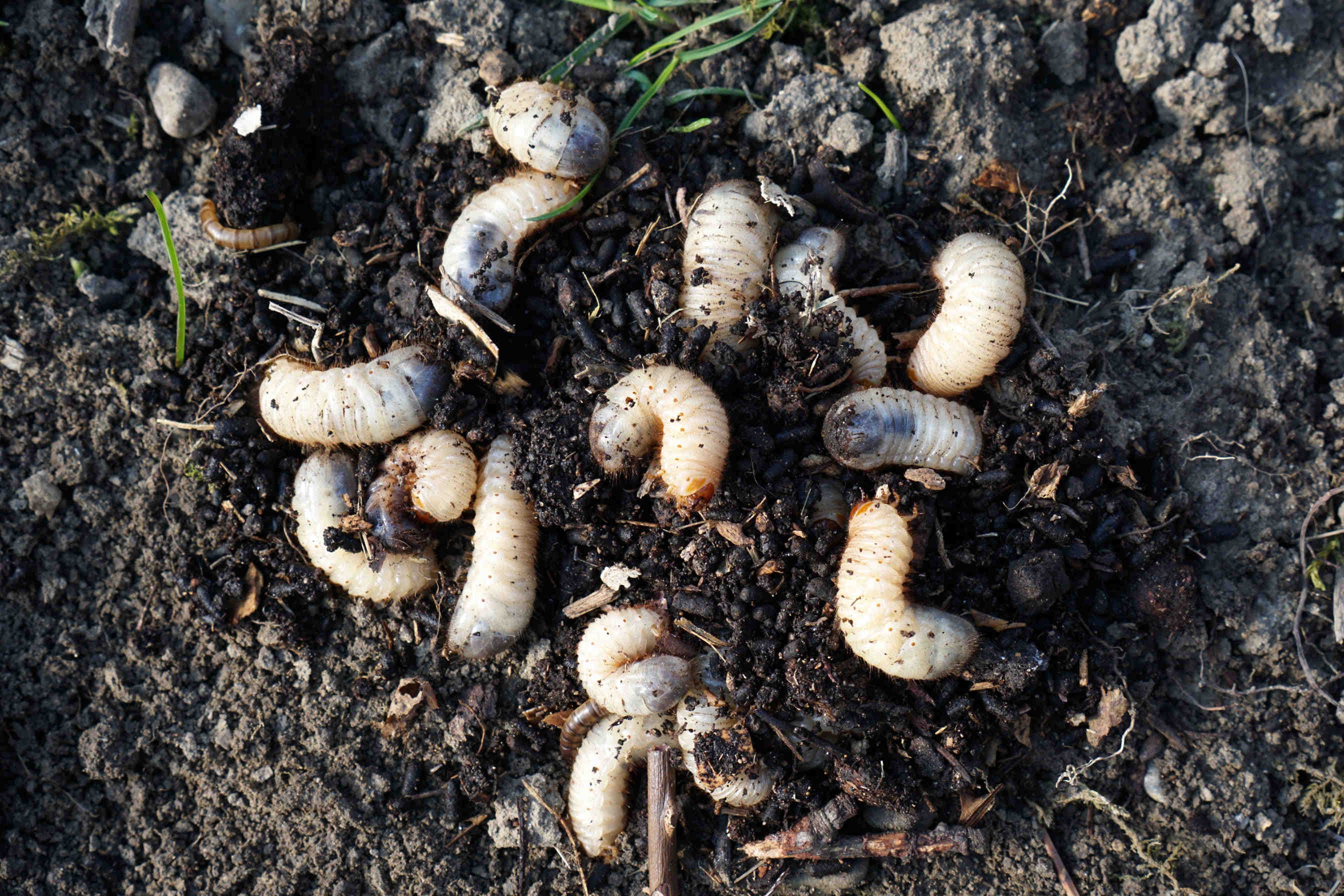
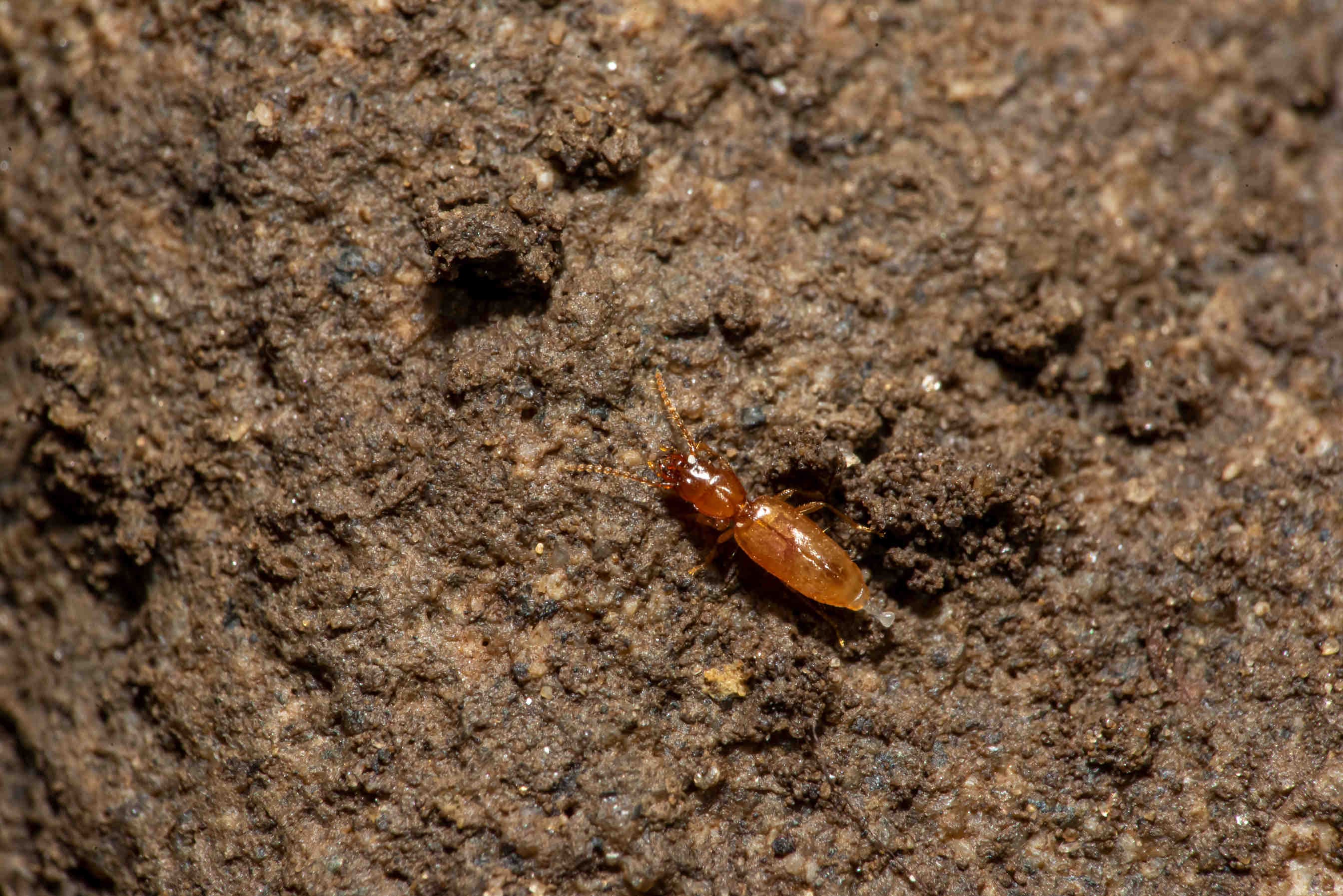
    Many beetles spend at least part of their life cycle as soil dwellers and play important roles as decomposers and predators. They contribute to breaking down organic matter into smaller particles, facilitating access for other decomposer organisms. Beetle larvae, such as the larvae of dung beetles, rose chafers or ground beetles, also modify the physical structure of the soil through their burrowing, increasing porosity and promoting water penetration. The most specialized species lack eyes, wings, and pigment and are predators of other soil arthropods, thus helping to maintain the balance among different animal populations.

    Scotodipnus

    The loss of soil biodiversity: causes and solutions

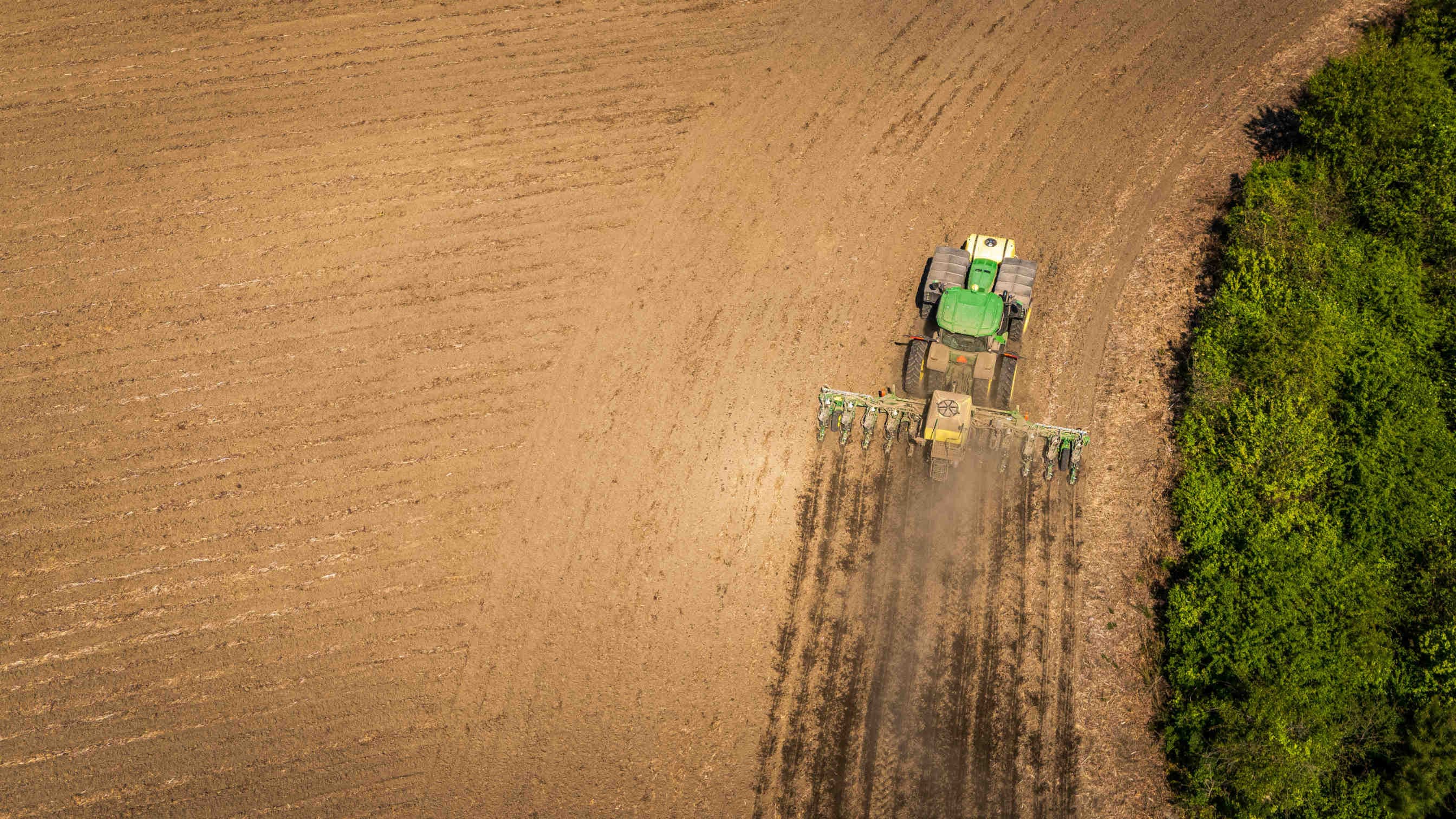
    The loss of soil biodiversity is an increasing threat to the health of ecosystems. Factors such as the excessive use of insecticides and fertilizers, soil compaction and continuous plowing, along with deforestation, reduce the diversity of organisms and alter ecological processes. To counter this trend, it is essential to adopt sustainable agricultural practices, such as crop rotation, the use of organic fertilizers, and the reduction of invasive tillage and pesticides. The protection of natural habitats and sustainable resource management are essential to preserve soil biodiversity.

    aratura

    The importance of preserving soil biodiversity

    The protection of soil biodiversity is essential to ensure the long-term sustainability of terrestrial ecosystems. Without a functioning food web, soil fertility and plant health would be severely compromised, impacting the resilience of natural ecosystems and our food security. Understanding and preserving this extraordinary biological variety, through monitoring and conservation plans, is essential to maintain both agricultural productivity and the overall health of terrestrial ecosystems. Protecting biodiversity of the soil means protecting life on Earth in all its forms.
    fiori
    02/03/2025Of 3Bee, Niccolò Patelli
    305 Views
    Newsletter
    newsletter
    Subscribe to the Blog about bees and biodiversity

    Frequently Asked Questions

    Do you have any doubts or other curiosities about this article? Here you will find some insights