Insecticides: sustainability, food necessity and environmental challenges
    InsecticidesIntensive useBiodiversityPollinators

    Insecticides: sustainability, food necessity and environmental challenges

    Since the Second World War, many chemical industries have driven the growth of the agricultural sector by increasing the production of insecticides. However, this has led to major problems, the effects of which are still evident today. Find out the benefits and problems of the intensive use of insecticides.

    Read the article
    26/11/2024Of 3Bee, Niccolò Patelli
    197 Views
    26/11/2024Of 3Bee, Niccolò Patelli
    197 Views

    The importance of insecticides in agricultural production

    Disclaimer: this is an automated translation from Italian. Go to the original article.

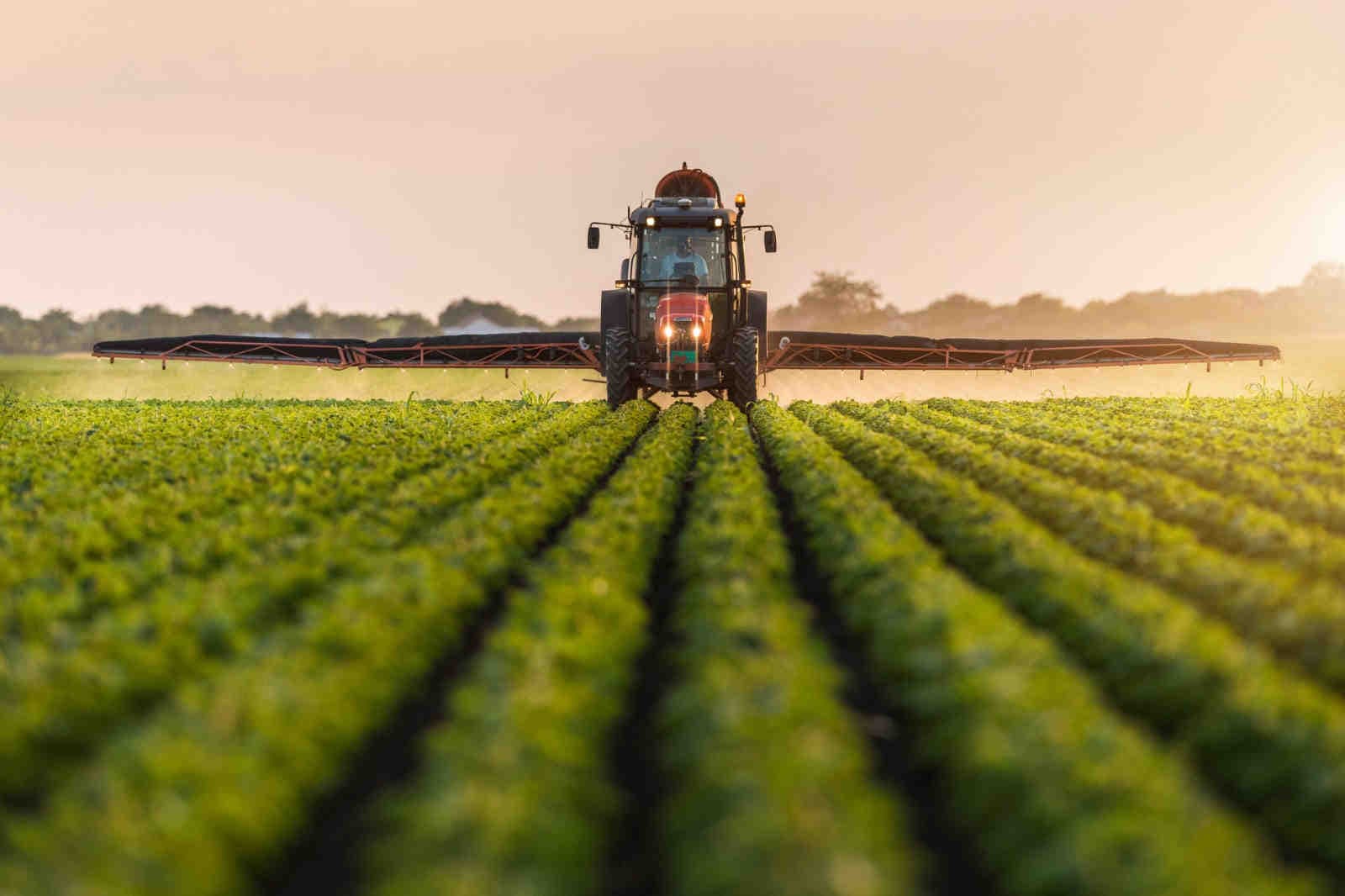
    Insecticides are chemicals designed to eliminate pests and have been an essential pillar of conventional agriculture, especially since the Second World War. On the one hand, the use of these substances has increased crop yields, helping to meet the growing demand for food. It is thanks to insecticides that many key crops such as cereals, fruit and vegetables are protected from pests, improving crop efficiency and production quantity. In a global context of strong population growth, food security is crucial, and to ensure it, crops must be protected against pests: so far, insecticides have been the main answer. Although not without risk, insecticides have until now been an almost indispensable resource for producing the food needed to feed an ever-expanding world population of almost 8 billion.

    insetticida_agricoltura

    Problems of the indiscriminate use of insecticides

    The intensive use of insecticides has raised many environmental and health concerns over the years. Rachel Carson, a pioneer of environmentalism, highlighted the risks of pesticides such as DDT as early as 1962 in her book Silent Spring, denouncing the environmental damage and effects on the food chain of the indiscriminate use of insecticides. Later and much more recent studies have confirmed the toxic impact of many insecticides on both wild animals and human beings. Other recent research shows that chronic exposure to insecticides can contribute to the development of various problems, including neurological problems and respiratory diseases. This awareness highlights the risks of uncontrolled use of insecticides and the urgency to reduce their use and promote less invasive alternatives.

    insetticida_agricoltura
    XNatura

    Insecticides and loss of biodiversity

    The extensive use of insecticides has contributed significantly to the reduction of biodiversity, especially among non-target insects, i.e. organisms accidentally affected as a result of the use of a plant protection product. Studies suggest that the use of chemicals has accelerated the decline of insects, which are also already affected by climate change, with knock-on impacts on many ecosystems. The loss of insects is particularly worrying as it destabilises natural cycles that are essential for life on Earth. Insects, in fact, play vital roles as pollinators, decomposers, natural predators and food sources for other animals. Finally, insecticides threaten biodiversity in terrestrial environments, but also in aquatic environments, which are extremely sensitive and delicate.

    ape_lavanda

    The impact of insecticides on pollinators

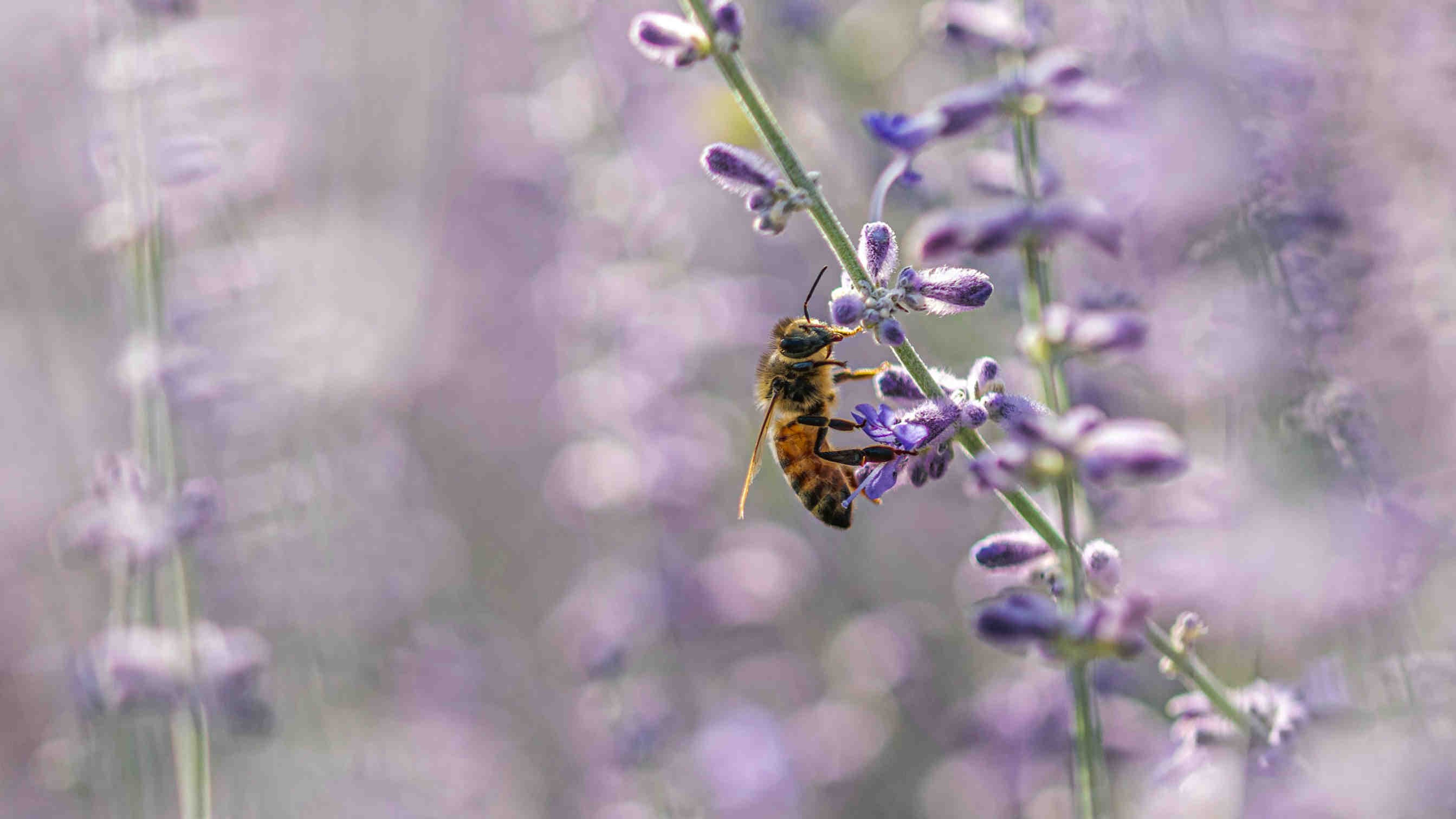
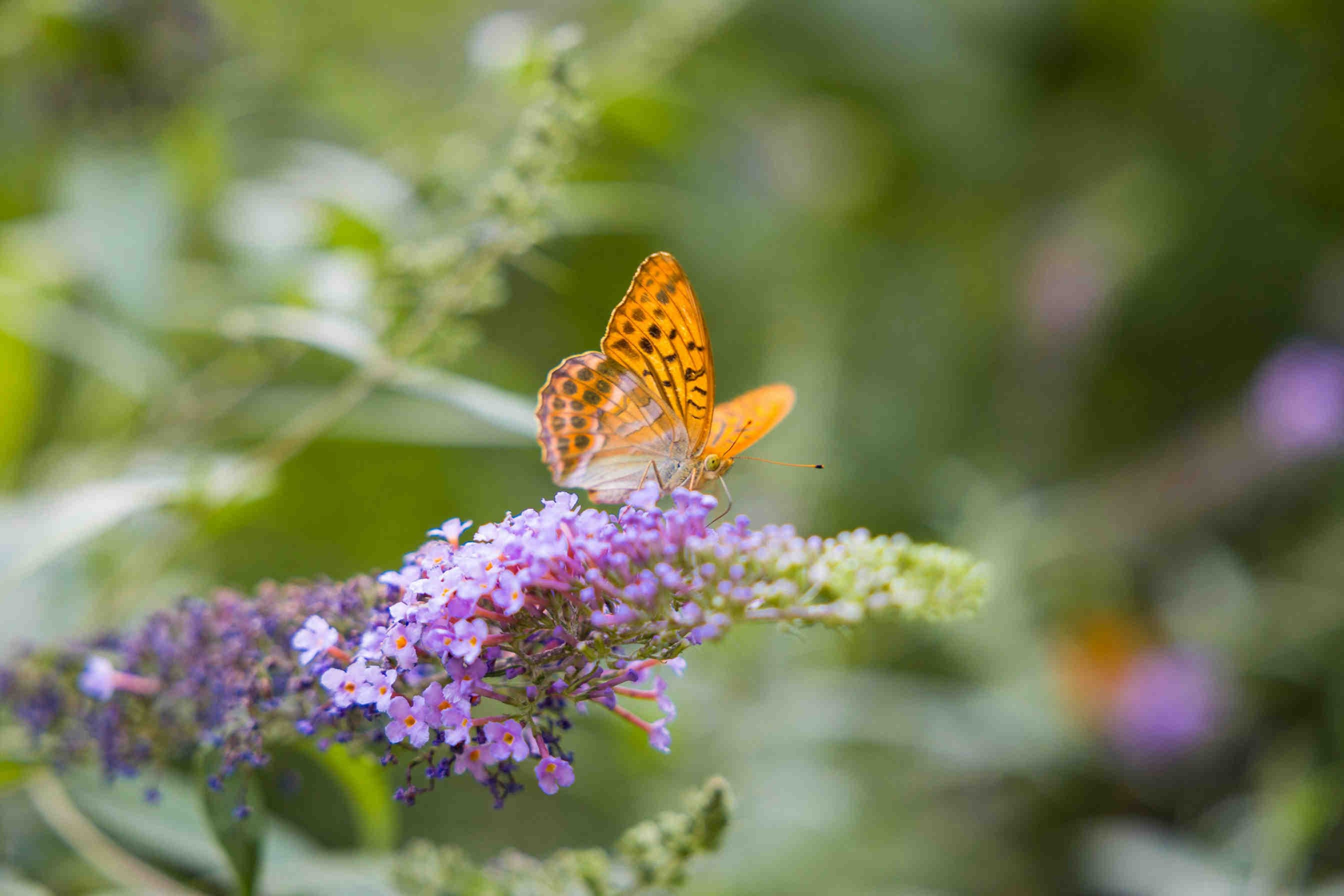
    The pollinators, such as bees and flies, are among the most important of the non-target organisms affected by insecticides. They play a critical role in agriculture: as we have written many times before, they enable the reproduction of many plants and thus the production of fruits and seeds that we eat. insecticides, in particular neonicotinoids, have been linked to severe damage to pollinators, causing disorientation, reduced reproductive capacity and the death of individual bees, but also entire colonies. The death of farmed bees has become a global phenomenon, with major consequences for agricultural production and food security. Something is being done to protect pollinators from the harmful effects of insecticides, but much more needs to be done to preserve both biodiversity and agricultural productivity.
    farfalla_buddleja
    XNatura

    Neonicotinoids, organophosphates, carbamates and pyrethroids

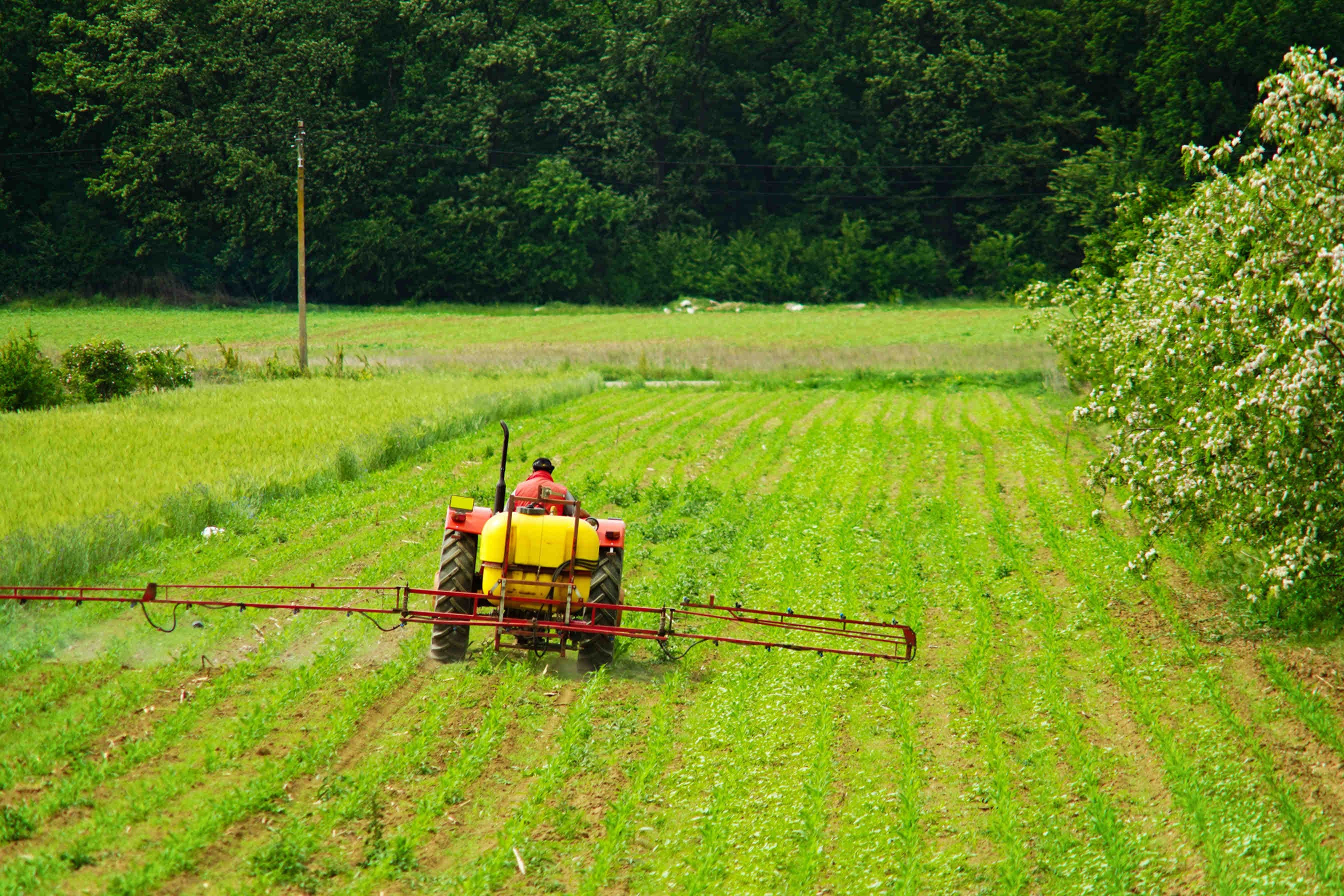
    Some classes of insecticides are particularly harmful to the environment and health. The neonicotinoids compromise the health of pollinators. The organophosphates, one of the most toxic classes, act on the nervous system and are also dangerous for humans: some nerve gases are actually organophosphates. The carbamates present similar problems, with neurotoxic effects even in small doses for mammals. The pyretroids, less toxic to mammals, can however bioaccumulate, causing problems for aquatic fauna. Awareness of the risks from the use of these insecticides is crucial to promote the responsible use of insecticides and reduce the impact on ecosystems.
    trattore_insetticidi
    3Bee

    A world without insecticides: reality or utopia?

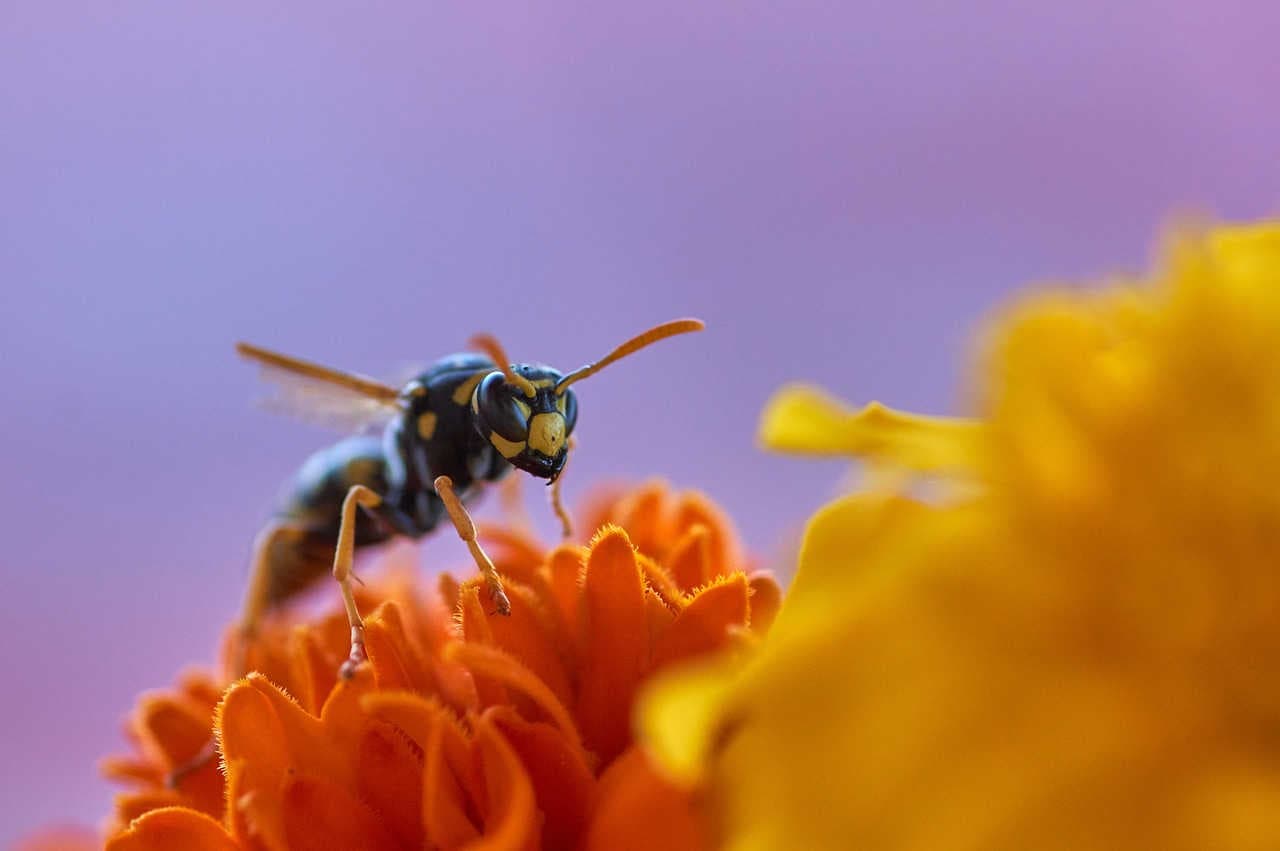
    The idea of completely eliminating insecticides is utopian, although interesting. Some crops could be cultivated with organic methods and alternative techniques such as crop rotation, the use of specific natural predators, such as ladybirds, or generalists, such as wasps, or biopesticides. However, the scale of modern agriculture requires protective measures that often cannot be completely replaced by natural methods. Even if a world without insecticides could improve the ecological balance, it would be difficult to maintain current food production. Rather than eliminating insecticides, it is necessary to invest in safer products and sustainable technologies.
    vespa

    Alternatives to insecticides

    The intensive use of synthetic insecticides has generated several environmental problems and some insects have become tolerant or resistant to them, i.e. they have developed biochemical mechanisms that allow them to survive exposure to the insecticide. These problems give rise to the need to find new molecules or effective alternatives. Among the alternatives, the most effective is biological pest control (other than organic farming), i.e. the use of natural antagonists such as predators or pests, or the use of traps with attractants and bioinsecticides, i.e. substances extracted from organisms such as fungus or plants that act as insecticides, as methods of crop defence. However, biopesticides are not as selective as they should be, and the combined use of all these systems is often resorted to in what is called integrated agriculture: in Italy it is mandatory in many regions on many crops.

    girasole

    The balance between food security and environmental impact

    Securing food security for a population of 8 billion people is a complex challenge because it is necessary to protect production, income for farmers and ensure food for all at an acceptable cost. However, it is crucial to minimise ecological impact and protect biodiversity, choosing less impactful alternatives where possible, such as biological control. Modern agriculture has a responsibility to provide sufficient food in a sustainable manner, reducing the use of harmful insecticides and promoting agronomic practices that are as environmentally friendly as possible. Research and innovation are needed to find insect control methods that are both effective and less impactful on the environment and biodiversity, contributing to an agriculture that feeds the world's population without sacrificing ecological health.

    paesaggio_agreste

    Sustainable research to improve insecticides

    First and foremost, we must bear in mind that insecticides have a major impact and should only be used when really necessary, preferring alternatives whenever possible. To address the challenges related to insecticides, it is crucial to incentivise research oriented towards sustainability rather than profit alone. Such an approach can lead to the development of innovative, less toxic and more specific products that are really safe to reduce negative effects on the environment. Creating environmentally friendly alternatives requires ambitious plans for a long-term vision that considers environmental well-being on a par with food safety. A commitment to scientific research, also supported by regulation and public investment, can be the key to finding and promoting solutions that meet agricultural needs while minimising environmental impact.

    Colza_nuvole
    26/11/2024Of 3Bee, Niccolò Patelli
    197 Views
    Newsletter
    newsletter
    Subscribe to the Blog about bees and biodiversity

    Frequently Asked Questions

    Do you have any doubts or other curiosities about this article? Here you will find some insights