The importance of insecticides in agricultural production
Disclaimer: this is an automated translation from Italian. Go to the original article.
Insecticides are chemicals designed to eliminate
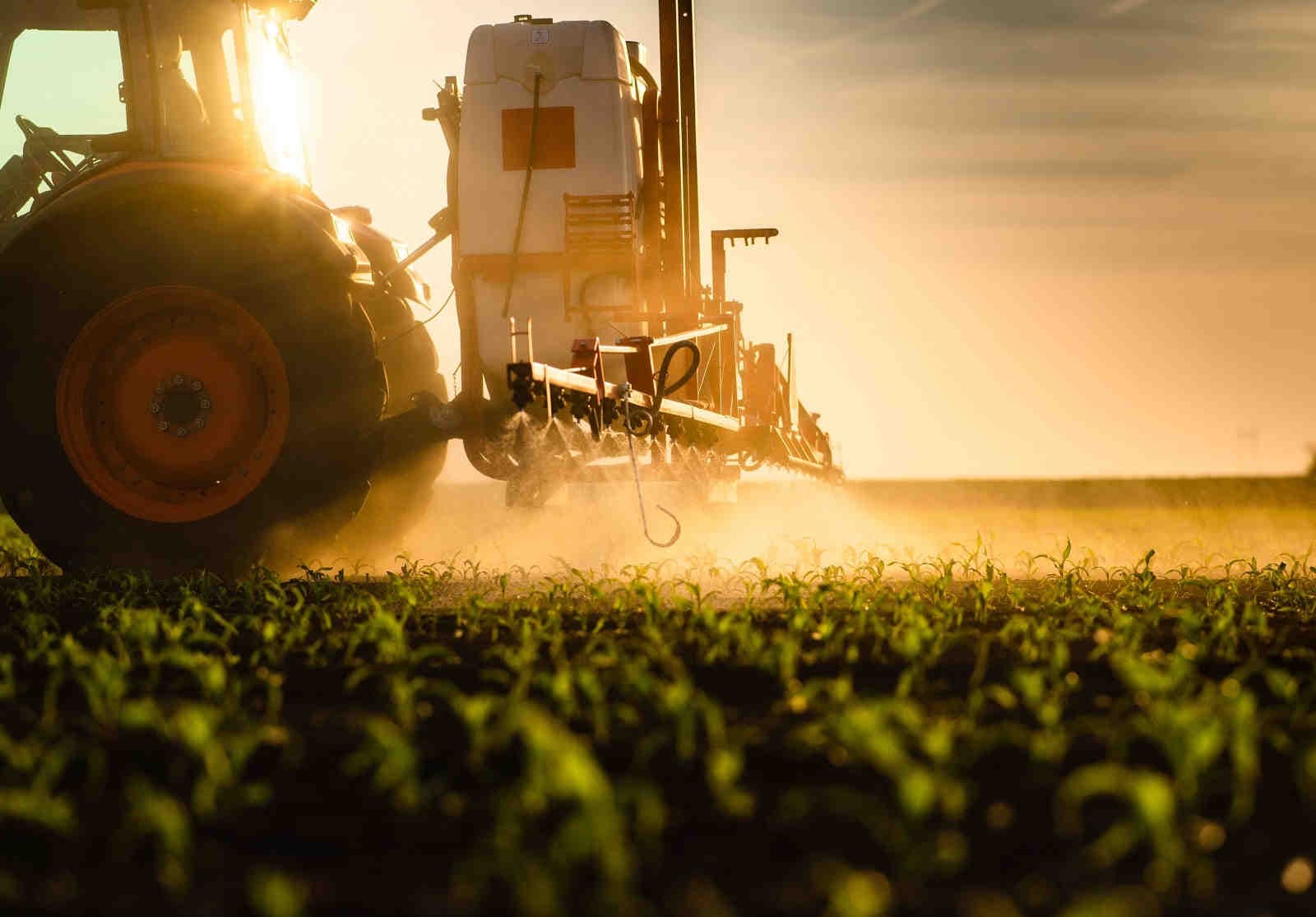
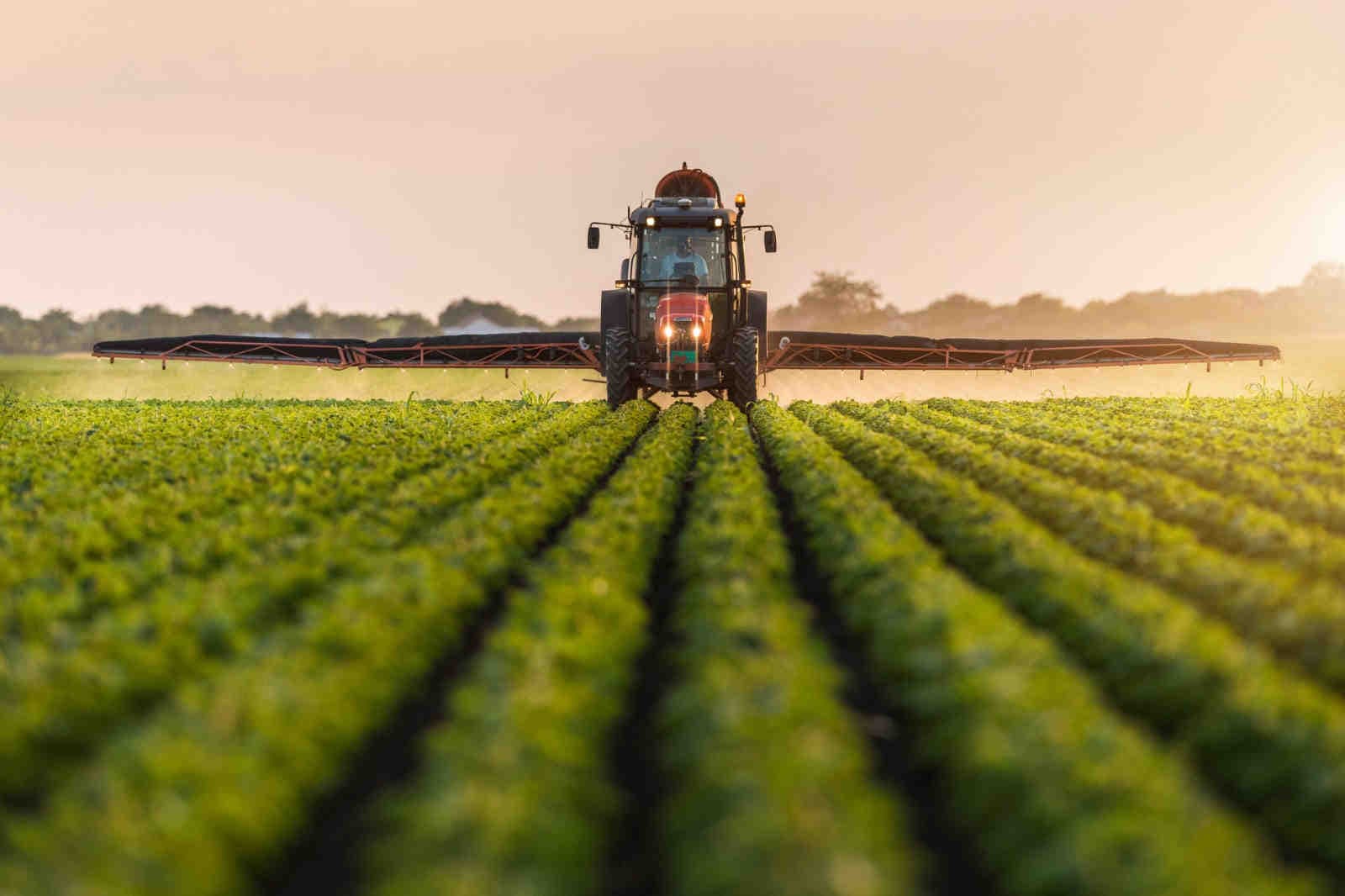
Since the Second World War, many chemical industries have driven the growth of the agricultural sector by increasing the production of insecticides. However, this has led to major problems, the effects of which are still evident today. Find out the benefits and problems of the intensive use of insecticides.
Read the articleDisclaimer: this is an automated translation from Italian. Go to the original article.
Insecticides are chemicals designed to eliminate
The


The
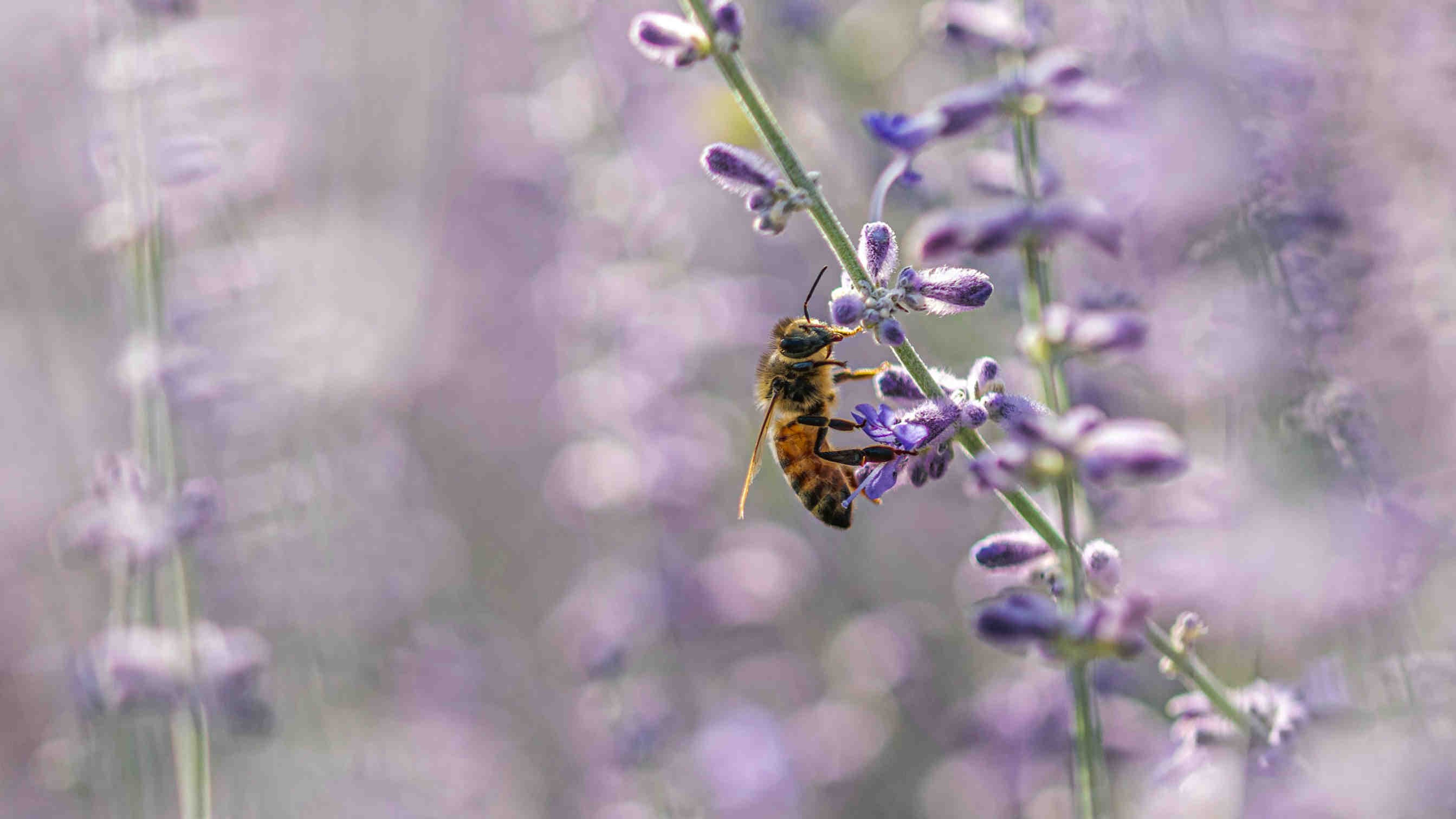
The pollinators, such as bees and flies, are among the most important of the non-target organisms affected by insecticides. They play a critical role in agriculture: as we have written many times before, they enable the reproduction of many plants and thus the production of fruits and seeds that we eat.


Some classes of insecticides are particularly harmful to the environment and health. The neonicotinoids compromise the health of pollinators. The organophosphates, one of the most toxic classes, act on the nervous system and are also dangerous for humans: some nerve gases are actually organophosphates. The carbamates present similar problems, with neurotoxic effects even in small doses for mammals. The pyretroids, less toxic to mammals, can however bioaccumulate, causing problems for aquatic fauna. Awareness of the
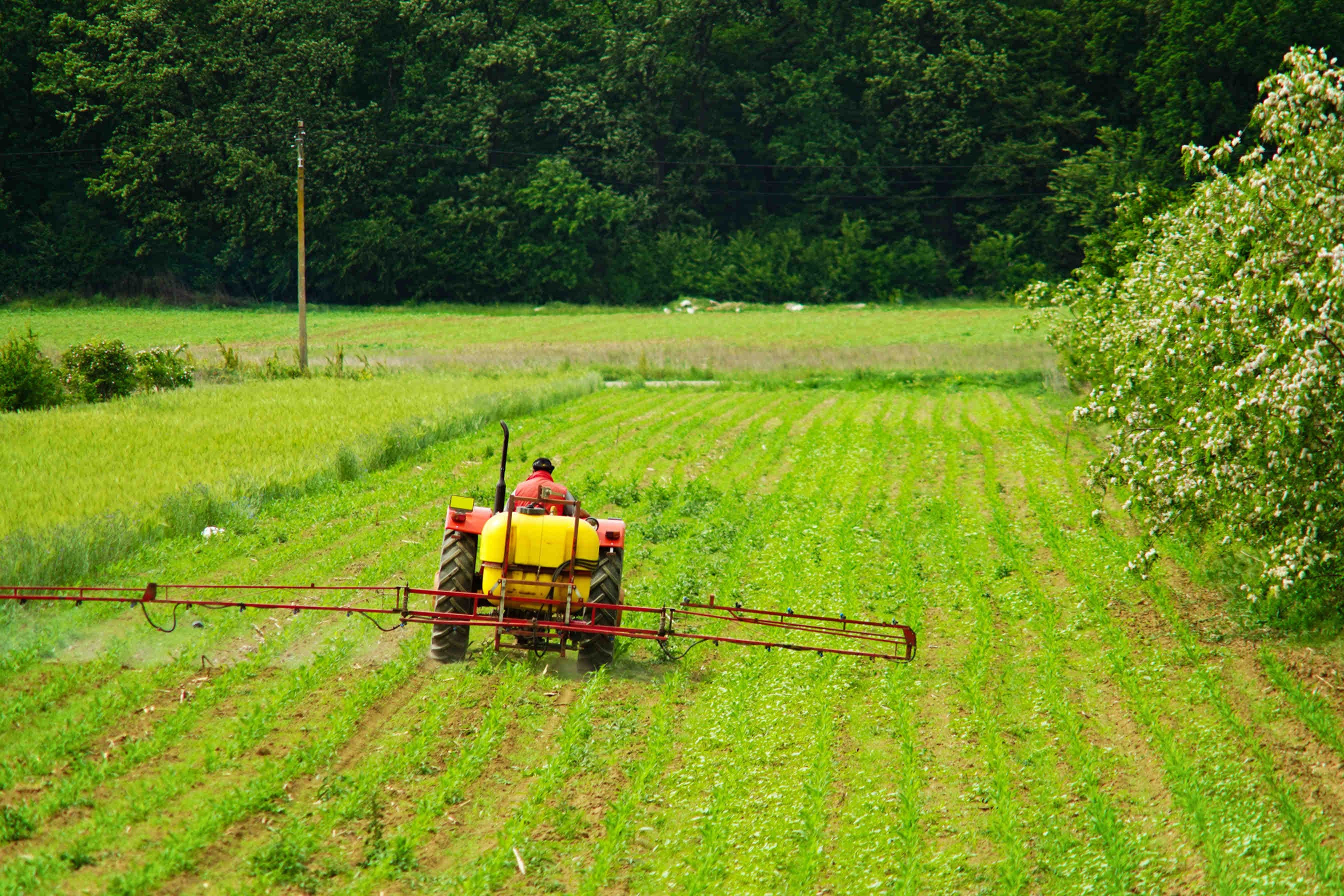

The idea of completely eliminating insecticides is utopian, although interesting. Some crops could be cultivated with organic methods and
The intensive use of synthetic insecticides has generated several


First and foremost, we must bear in mind that


Do you have any doubts or other curiosities about this article? Here you will find some insights