Goal! Even insects have fun playing
    GameWell-beingCriteriInvertebrati

    Goal! Even insects have fun playing

    Play is one of the most enigmatic and complex behaviours in the animal world. Although commonly associated with mammals and birds, new studies show that insects, particularly bumblebees, play and have fun like many other species. Find out more in this article.

    Read the article
    26/05/2024Of 3Bee, Chiara Pertile
    1285 Views
    26/05/2024Of 3Bee, Chiara Pertile
    1285 Views

    Play in the animal world

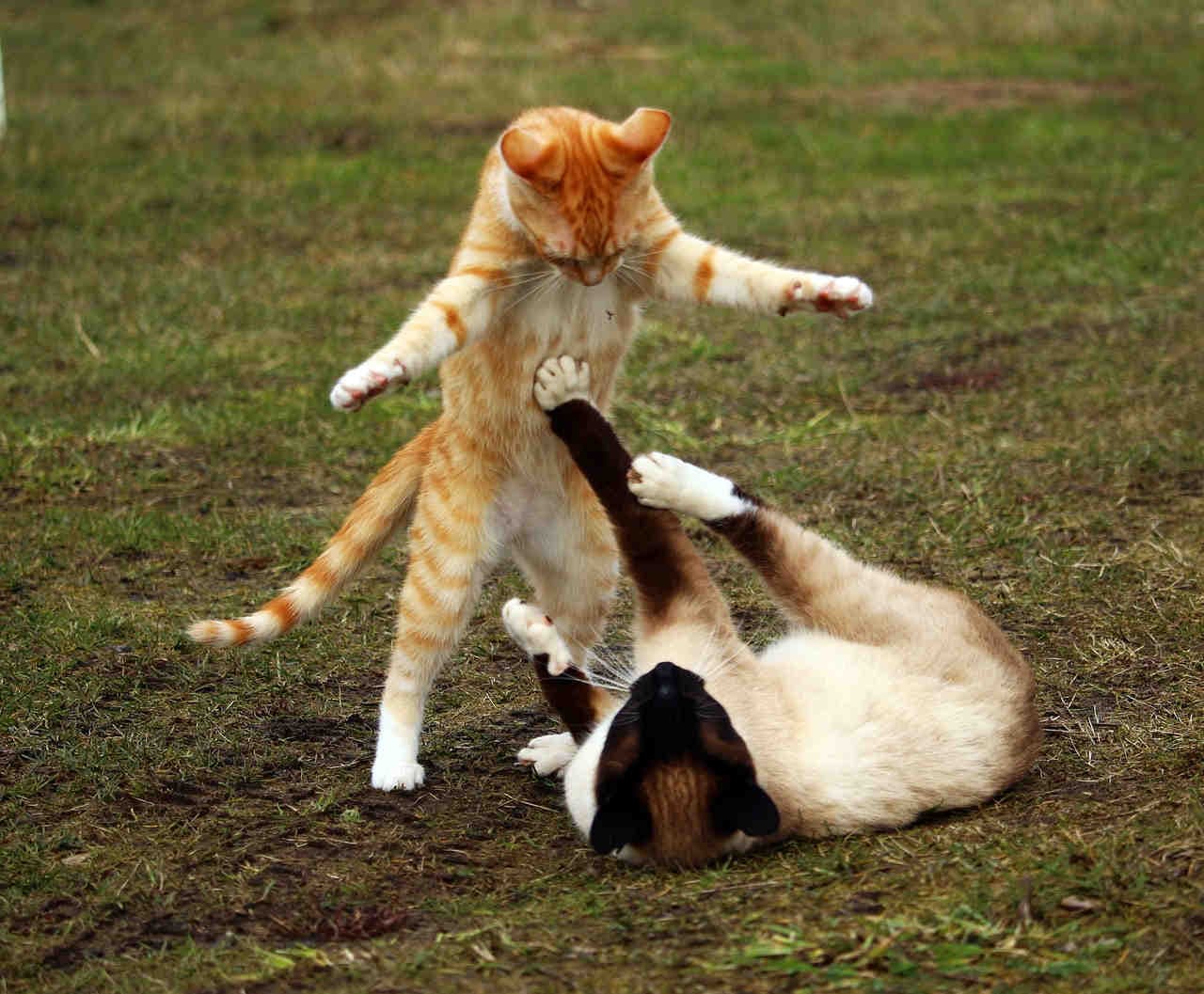
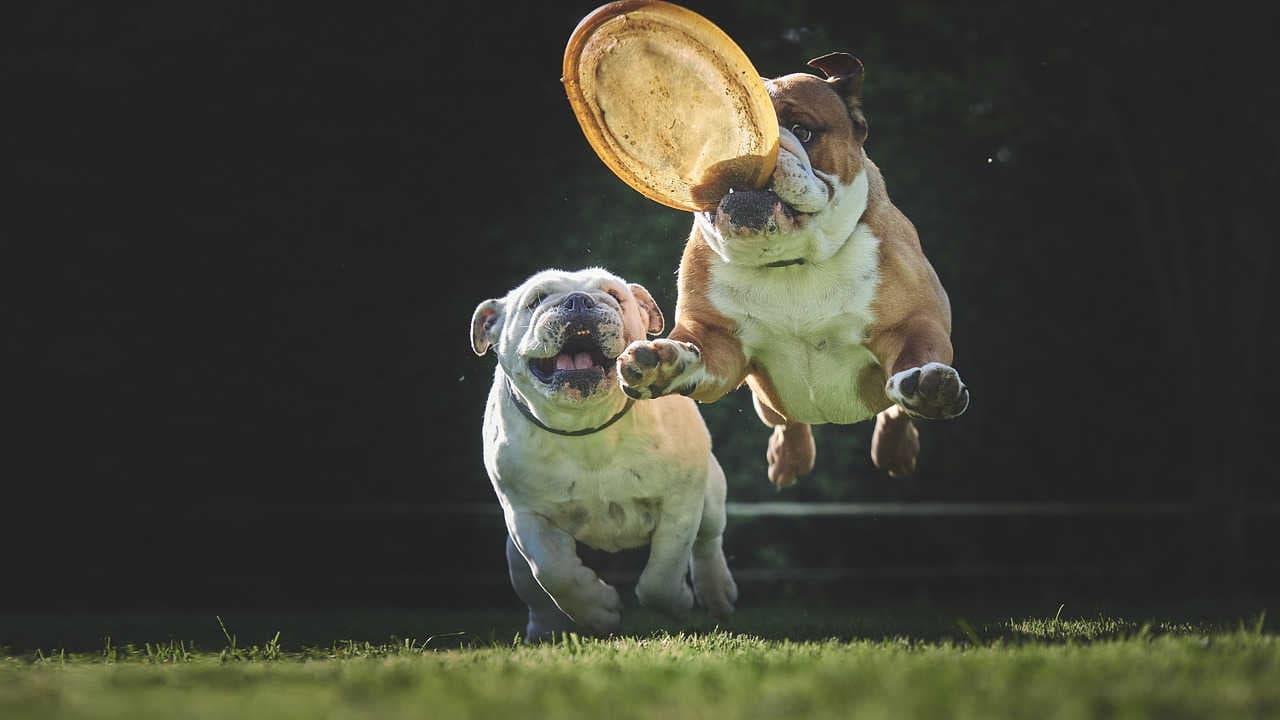
    Play behaviour, far from being exclusive to humans, is a widespread and very important phenomenon in the animal world. It is easily observed in puppies, often used as a learning tool, but is also found in adult animals, which sometimes appear to simply want to be entertained. Play has a very important evolutionary role: it contributes to the healthy development and maintenance of cognitive and motor skills of animals, is fundamental for the establishment and consolidation of social relationships within a group, helps train skills such as hunting, escape or fighting and can foster, for example, the acquisition of new foraging strategies. These behaviours have mainly been observed in mammals and birds, animals with high cognitive capacities, but growing interest and advancing research are slowly showing the scope of play in the entire animal kingdom.
    cani gioco

    Animal Welfare Indicator

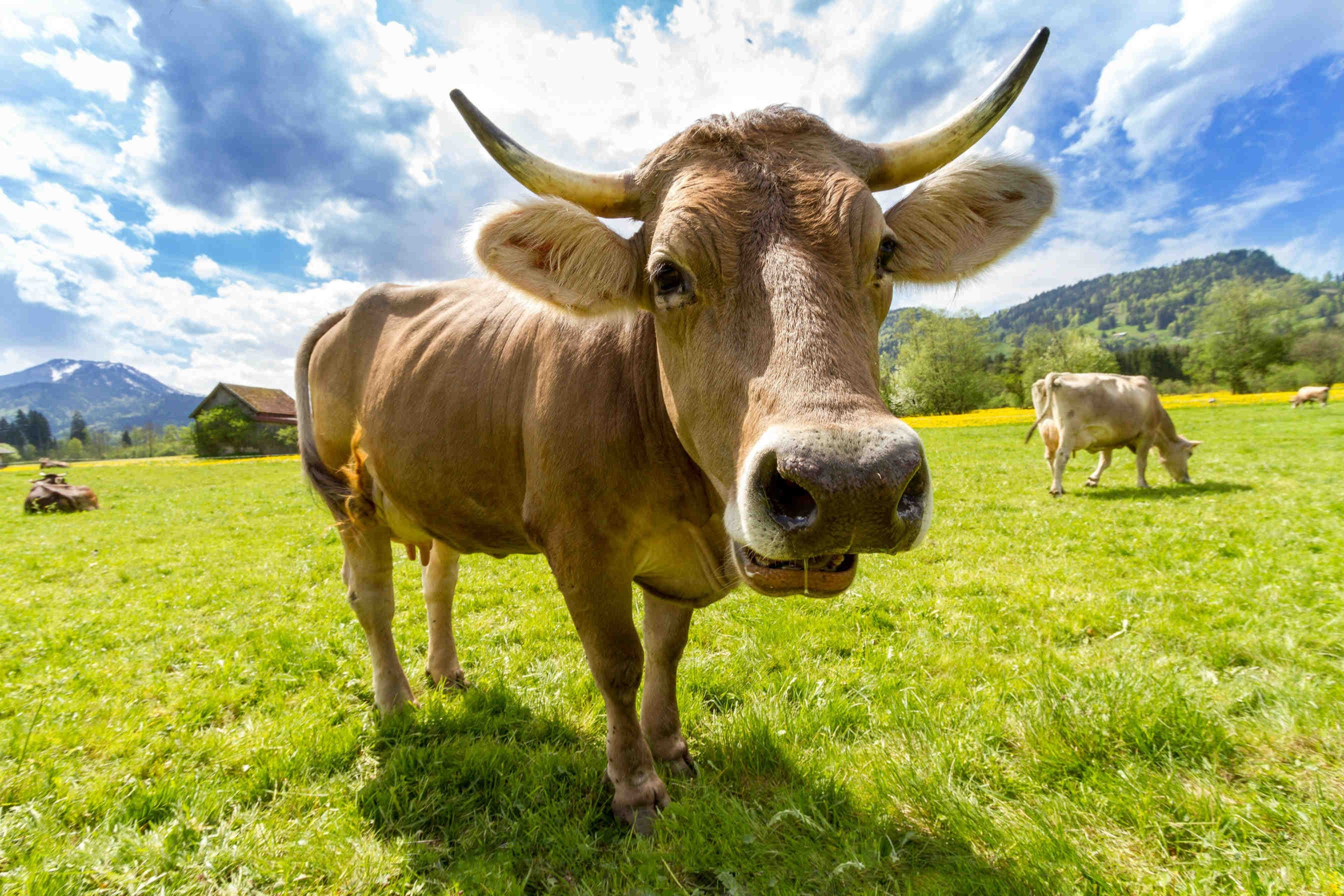
    Play in the animal world not only provides an opportunity for individual enjoyment and expression, but is also an indicator of their wellbeing. Indeed, when an animal plays, it is a sign that it does not feel any pain or suffering and that its cognitive, social and physical needs are being met. Numerous studies indeed demonstrate and analyse the complex and significant impact of play on animal welfare, both in the short and long term. For example, it has been shown that through play behaviour animals can learn new skills, develop adaptation strategies, alleviate their stress status and, in particular, improve their ability to respond to new and stressful situations.
    Benessere mucca
    XNatura

    The criteria of the game

    But when can a behaviour be defined as play? According to G. Burghardt, there are five criteria that define play:
    1. It lacks a defined function with respect to the context, playful behaviour is not aimed, for example, at obtaining food or shelter.
    2. It is voluntary, spontaneous and rewarding in itself, thus it is intrinsically motivated.
    3. It is unusual, "exaggerated" and involves amplified movements or behaviour compared to normal activities.
    4. It presents repeated patterns, but not stereotyped. Has a recurrent structure, but not rigid or repetitive.
    5. Occurs in a relaxed state. Under stressful conditions the animals either do not initiate a playful action or fail to interrupt it.
    Considering these criteria is very important in order not to confuse playful behaviour with other stress-related behaviour, such as the repetitive or oscillatory movements often observed in caged zoo animals.

    gatti gioco

    Play in invertebrates

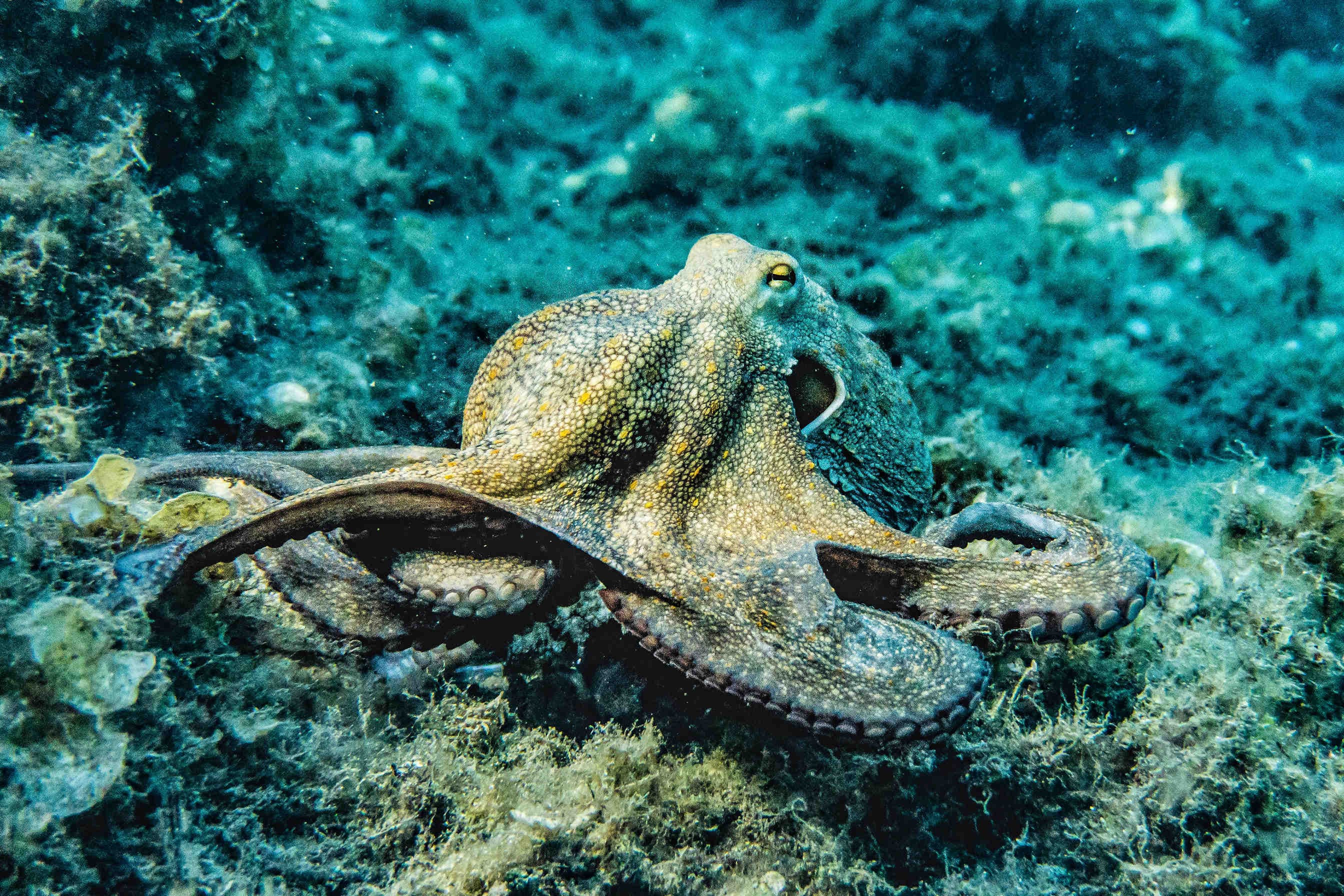
    Until recently, it was believed that play was a prerogative of animals considered 'superior', with high cognitive and social abilities. However, more and more research is showing the presence of play, according to the criteria listed above, also in fishes and reptiles. Indeed, there is evidence to suggest the presence of such behaviour in invertebrates, particularly among cephalopods, animals with an incredible capacity for learning and behavioural flexibility. In recent studies, researcher S. Zilinsky states that octopuses, when encountering a new object, display a range of behaviours that begin with exploration and continue with playful interactions via tentacles in order to push, pull, drag the new object. For example, a specimen of Octopus dofleini has been observed exhibiting similar sequences towards a ball, even using its siphon to make it remball and play with it.
    Polpo
    XNatura

    Bumblebees have fun

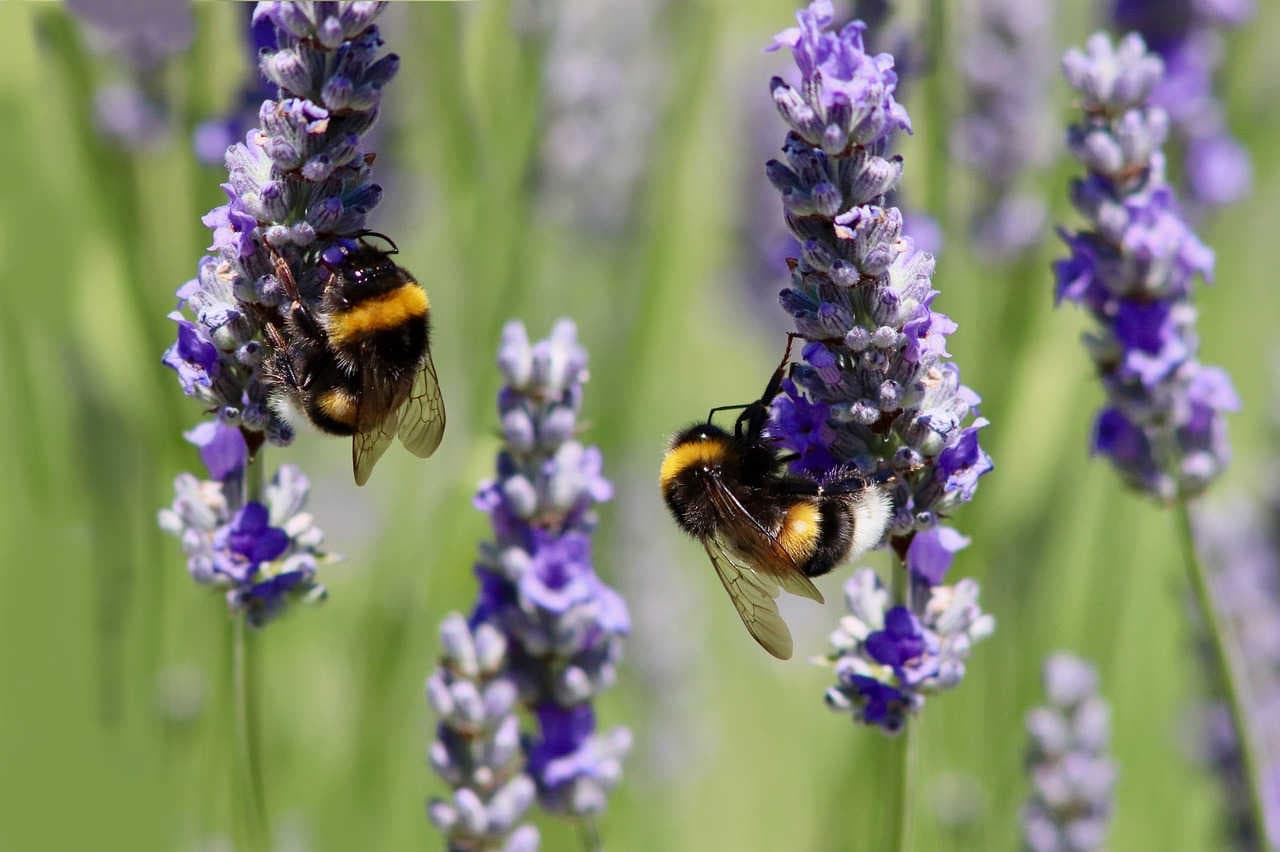
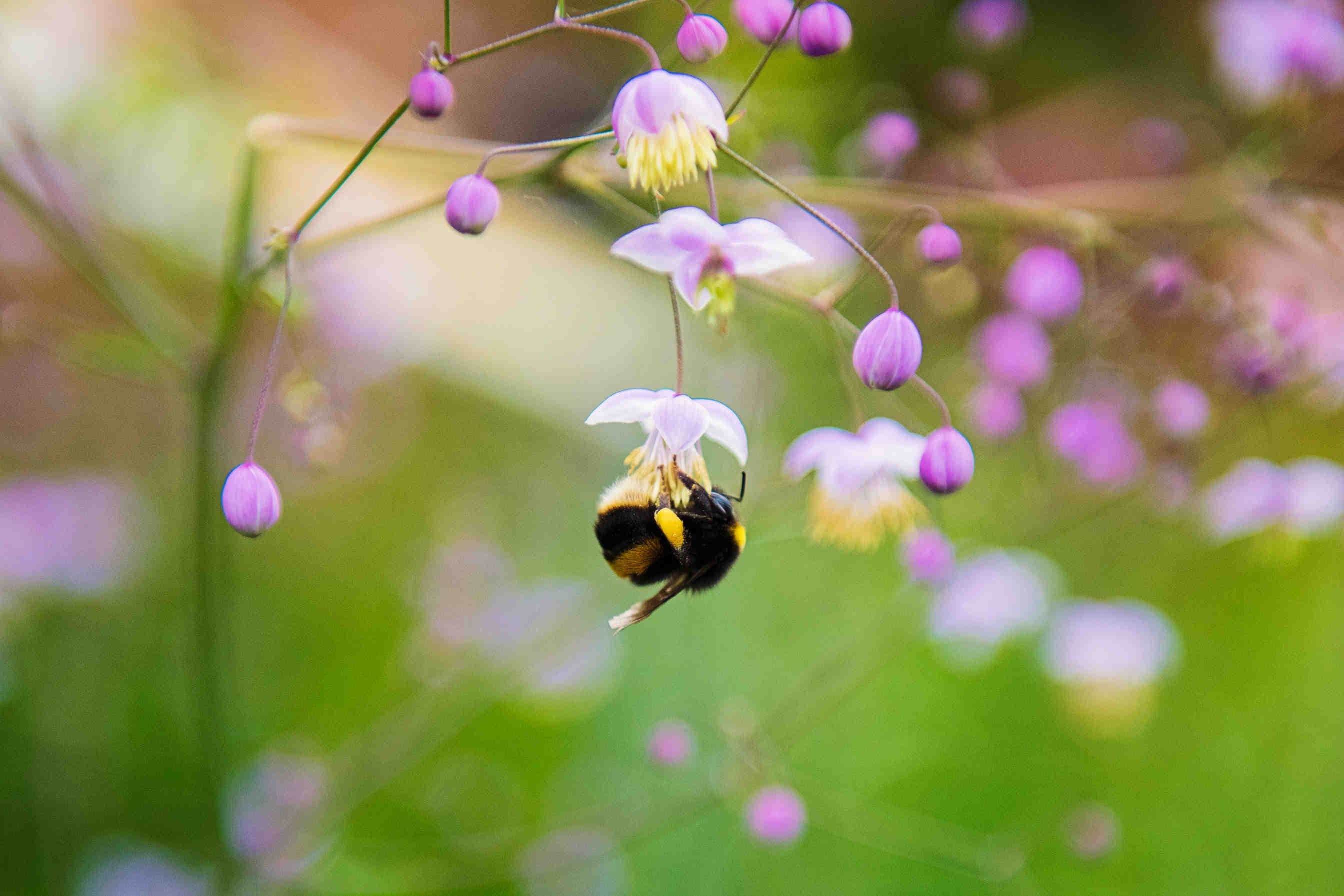
    The examples in the invertebrate world do not stop there. Groundbreaking research from Queen Mary University of London, published in Animal Behaviour, has shown that such playful behaviour may even be present in insects. Specifically, the researchers studied in a controlled environment the behaviour of 45 bumblebees (Bombus terrestris), among the pollinators most common hymenoptera in Italy. In a controlled arena, the scientists gave the bumblebees a free choice, without any reward or training, between a chamber with a sugary food prize and another where there were small coloured wooden balls. Incredibly, the pollinators chose the room with the balls, playing with them and rolling them around: some specimens even did this more than a hundred times, apparently showing a certain pleasure in this activity.
    bombo su fiore rosa
    3Bee

    The second test

    To further confirm this phenomenon, the scientists subjected another 42 bombs to two differently coloured rooms, one empty and the other containing balls. To verify that this was indeed behaviour for its own sake, the researchers decided to subject the animals to a second test: they emptied the rooms and observed their behaviour. Incredibly, the bombs continued to prefer the room, recognised by its colour, where they had played with the balls. The choice was completely arbitrary: the balls were not associated with rewards in food or future mating and the animals were in no way subjected to stressful conditions. This, according to the scientists, could mean that these animals exhibit very complex behaviour and may even play for fun.

    biglie

    A thing for small

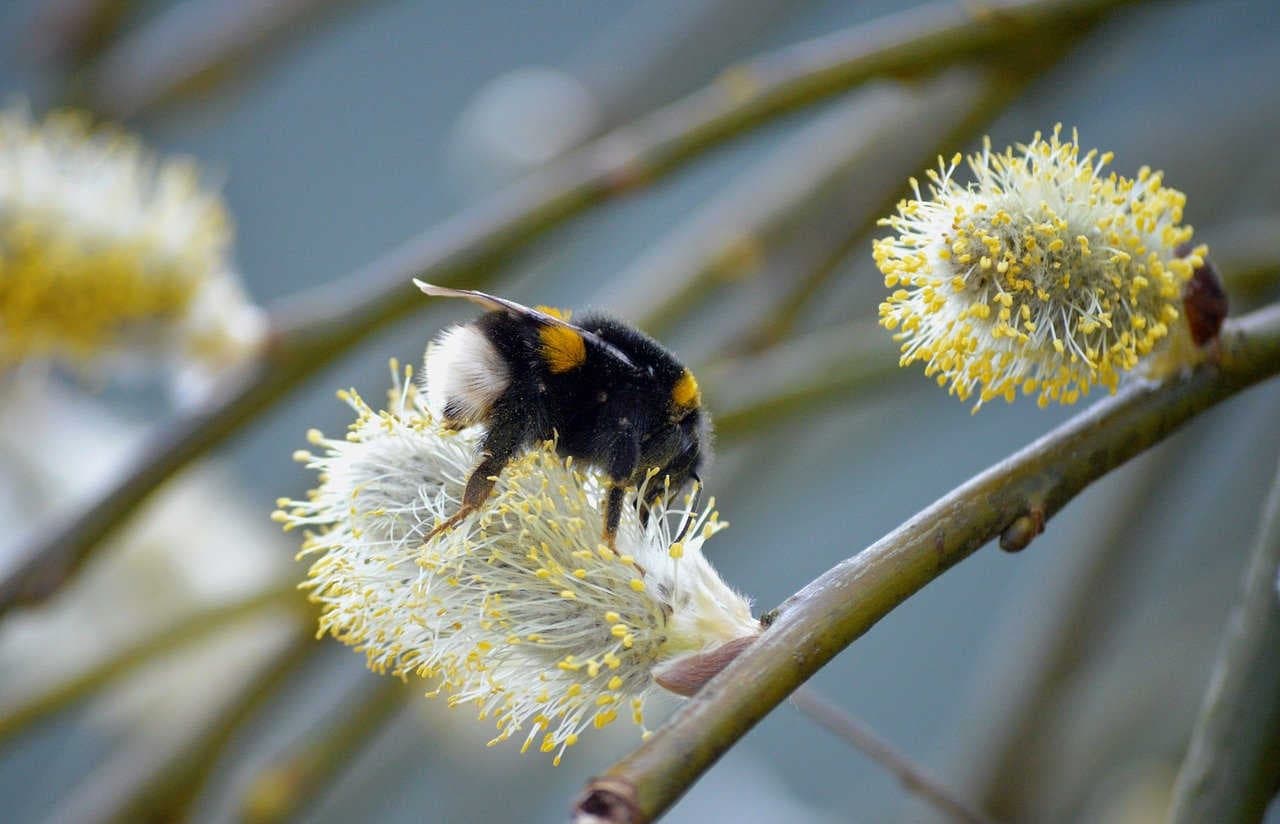
    Another extremely interesting element emerges from the study. Just as in mammals, there are substantial differences in the predilection to play between individuals. The researchers observed that younger bombs tend to play and roll balls more frequently than older individuals, and the same for males compared to females. An incredible observation that adds up to the fact that this experiment represents a turning point in ethological studies: it is in fact the first documented case of playful behaviour in insects. Far from being mere machines driven by instincts, insects - particularly social ones - are continuing to display a universe of new and surprising behaviour, opening up the possibility of reigniting the debate on emotions and consciousness in the invertebrate world.
    bombo su fiore bianco

    Bumblebees score goals

    Indeed, the same Queen Mary researchers recently demonstrated the presence of social learning in bumblebees, and not only that, they taught them to play football. The scientists, in order to test the presence of learning in bumblebees, trained a group of insects to move some marbles to the centre of a platform, where they received a sugary reward, all while being observed by their peers. After a few training sessions, amazingly, the observer bugs were able to perform the 'goal' gesture autonomously. In addition, the insects displayed a certain cunning: instead of going for the farthest balls - of the same colour as those used by the masters - they optimised their forces by going for the marbles closest to the goal. In short, not only do bumblebees play a fundamental role in the biodiversity of our planet as pollinators, but they can score goals!
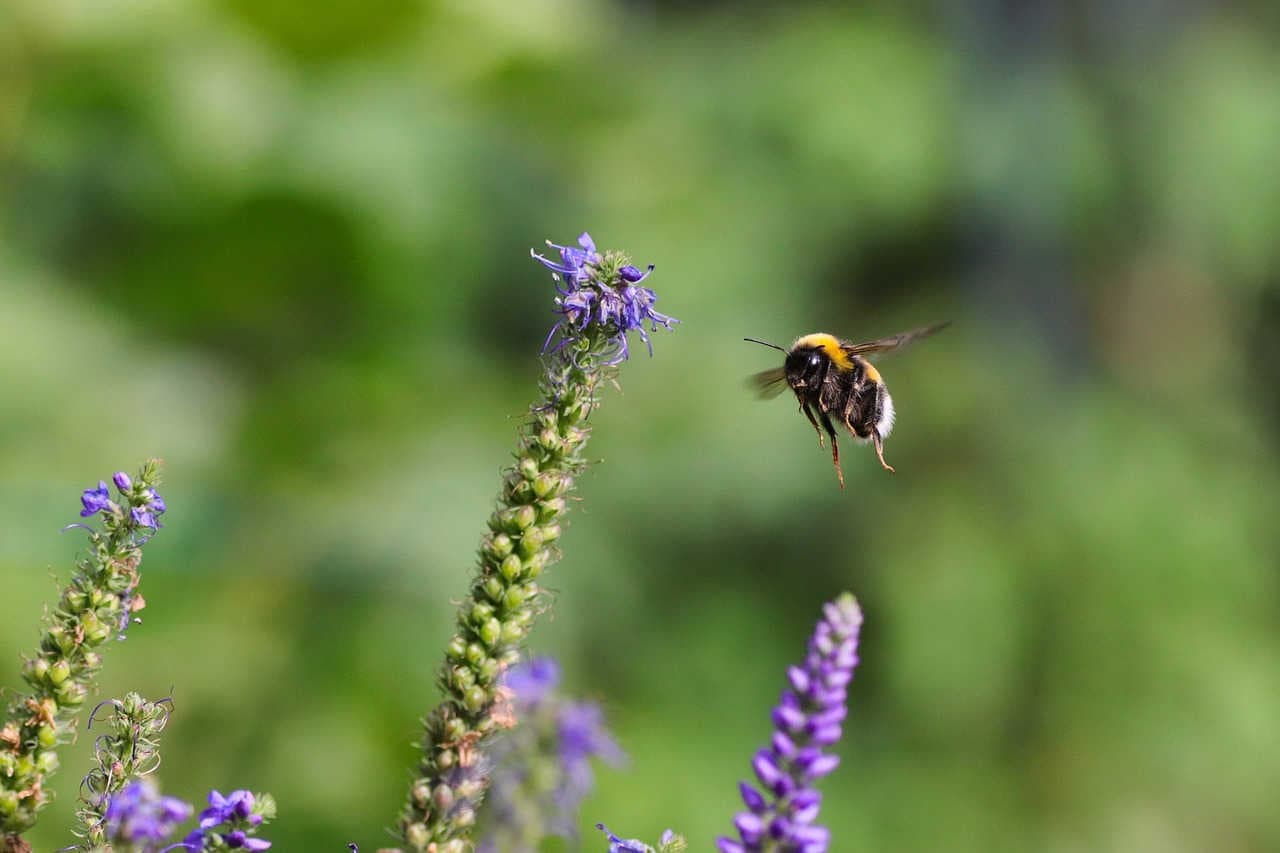
    bombo vola su lavanda

    Reducing difference to save diversity

    These kinds of studies, which highlight the behavioural and emotional complexity of the animal world, together with those demonstrating the ability of insects to feel pain, are narrowing the gap that humans have traditionally placed between themselves and other animals. The ethical implications of these new scientific discoveries cannot be ignored and we need to intensify our efforts to safeguard the incredible diversity of our planet. In fact, the debate on the cognitive and emotional capacities of insects is more topical than ever and could contribute significantly to the protection of these animals from all the threats that cause their decline and that particularly endanger the pollinators. Among many, an effective strategy to protect them is the constant monitoring and contribution to the creation of environments increasingly favourable to their survival, such as the Oasis 3Bee of Biodiversity.


    Gioco umani e animali
    26/05/2024Of 3Bee, Chiara Pertile
    1285 Views
    Newsletter
    newsletter
    Subscribe to the Blog about bees and biodiversity

    Frequently Asked Questions

    Do you have any doubts or other curiosities about this article? Here you will find some insights