Play in the animal world
Play behaviour, far from being exclusive to humans, is a widespread and very important phenomenon in the animal world. It is easily observed in puppies, often used as a

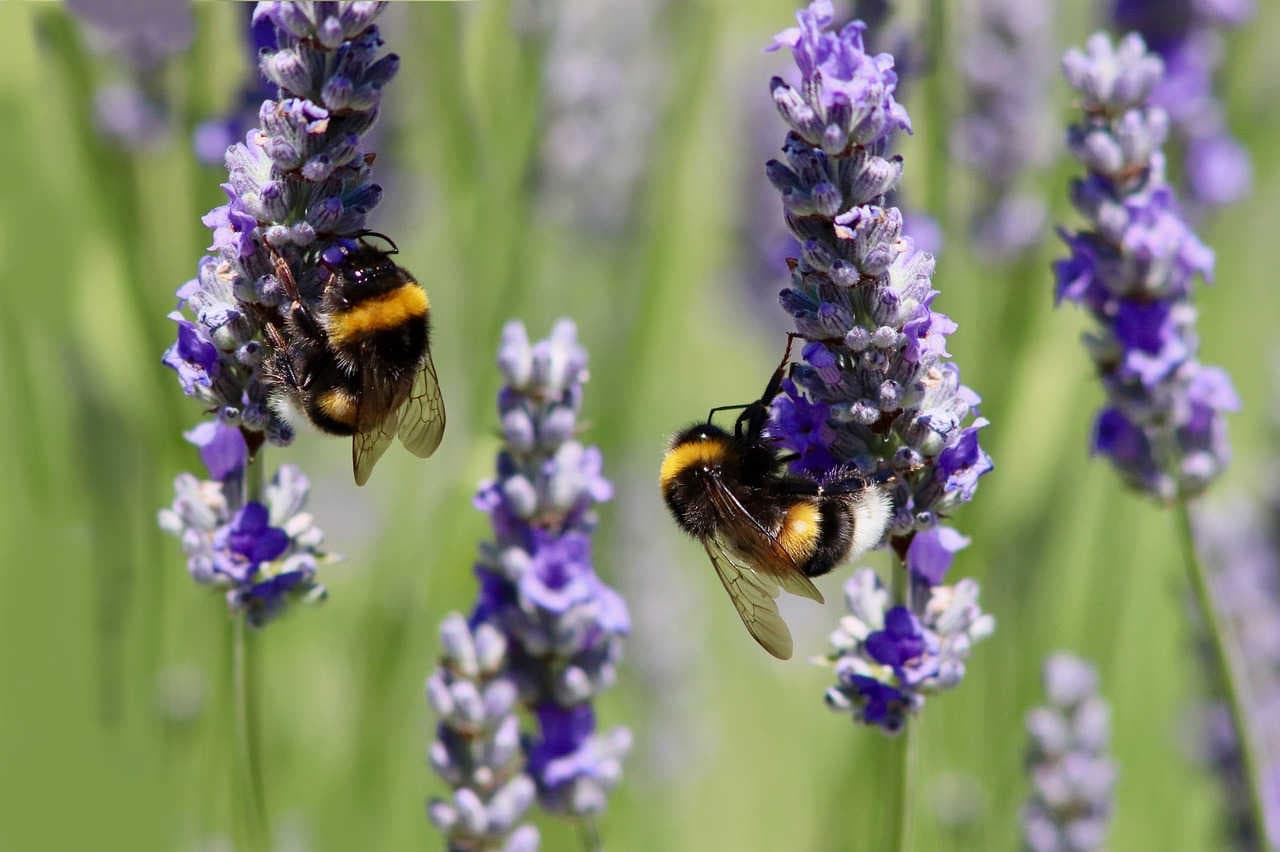
Play is one of the most enigmatic and complex behaviours in the animal world. Although commonly associated with mammals and birds, new studies show that insects, particularly bumblebees, play and have fun like many other species. Find out more in this article.
Read the articlePlay behaviour, far from being exclusive to humans, is a widespread and very important phenomenon in the animal world. It is easily observed in puppies, often used as a
Play in the animal world not only provides an opportunity for individual enjoyment and expression, but is also an indicator of their wellbeing. Indeed, when an animal plays, it is a sign that it

But when can a behaviour be defined as play? According to G. Burghardt, there are five criteria that define play:1.

Until recently, it was believed that play was a prerogative of animals considered 'superior', with high cognitive and social abilities. However, more and more research is showing the presence of play, according to the criteria listed above, also in fishes and reptiles. Indeed, there is evidence to suggest the presence of such behaviour in invertebrates, particularly among
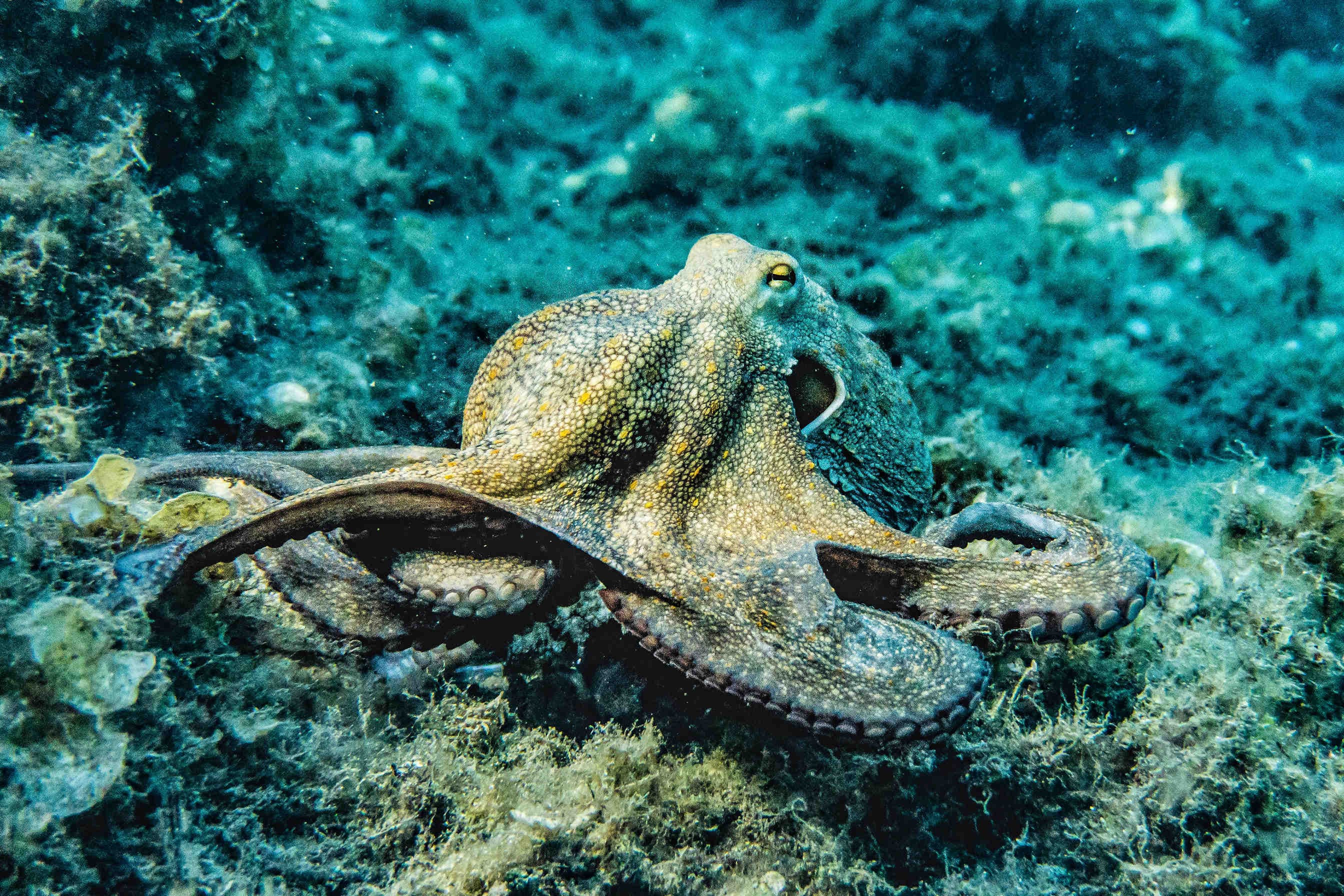

The examples in the invertebrate world do not stop there. Groundbreaking research from Queen Mary University of London, published in Animal Behaviour, has shown that such playful behaviour may even be present in
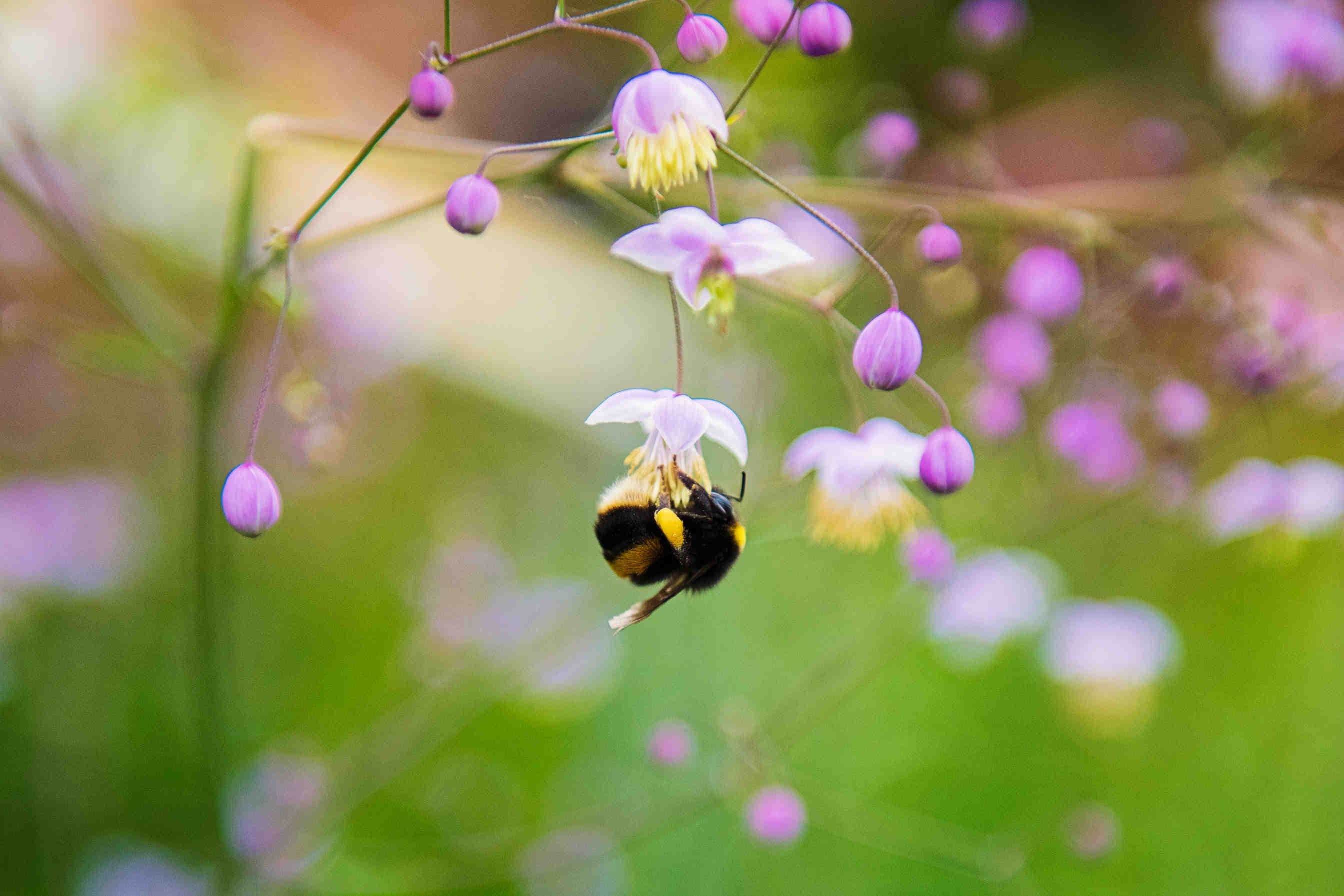

To further confirm this phenomenon, the scientists subjected another 42 bombs to two differently coloured rooms, one empty and the other containing balls. To verify that this was indeed behaviour for its own sake, the researchers decided to subject the animals to a second test: they emptied the rooms and observed their behaviour. Incredibly, the bombs continued to prefer the room, recognised by its colour, where they had played with the balls. The choice was completely arbitrary: the balls were not associated with rewards in food or future mating and the animals were in no way subjected to stressful conditions. This, according to the scientists, could mean that these animals exhibit

Another extremely interesting element emerges from the study. Just as in mammals, there are substantial
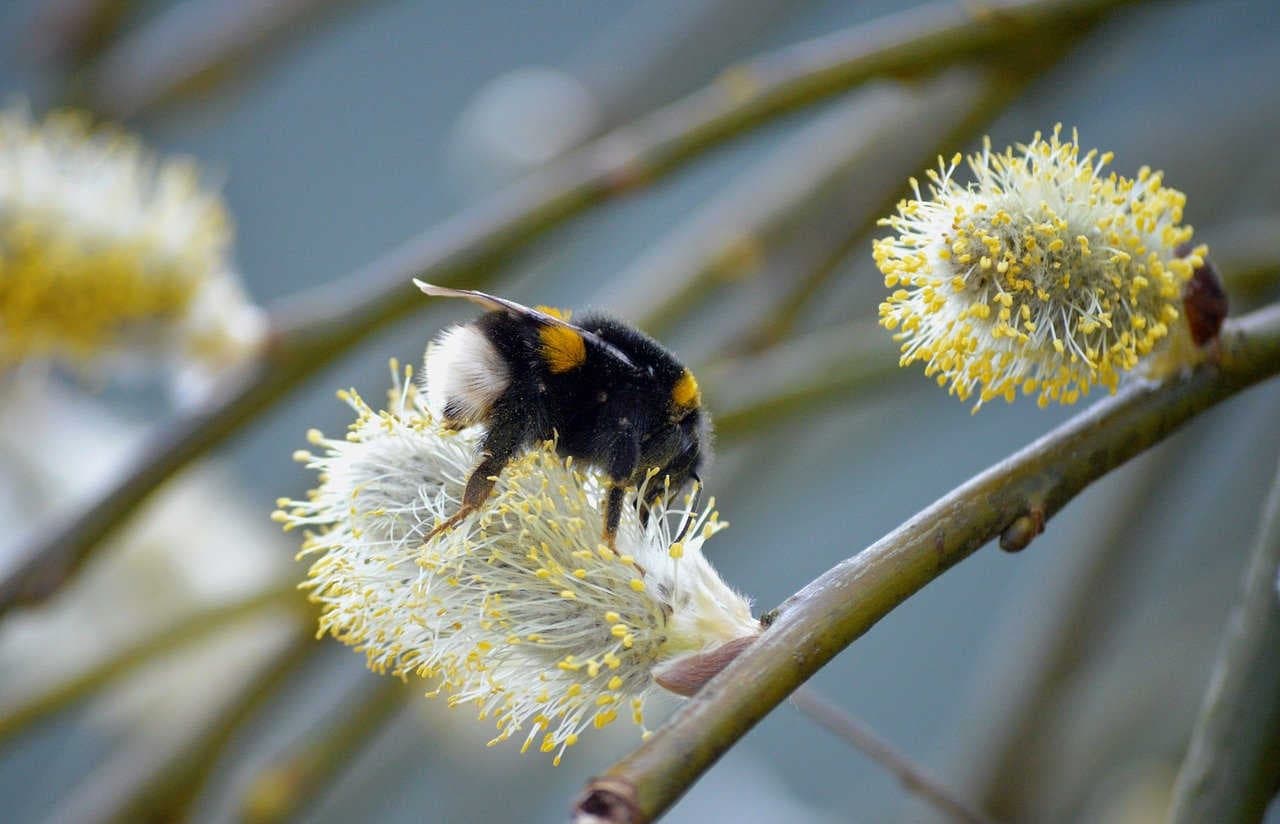
Indeed, the same Queen Mary researchers recently demonstrated the presence of social learning in bumblebees, and not only that, they taught them to play football. The scientists, in order to test the presence of learning in bumblebees, trained a group of insects to move some marbles to the centre of a platform, where they received a sugary reward, all while being observed by their peers. After a few training sessions, amazingly, the
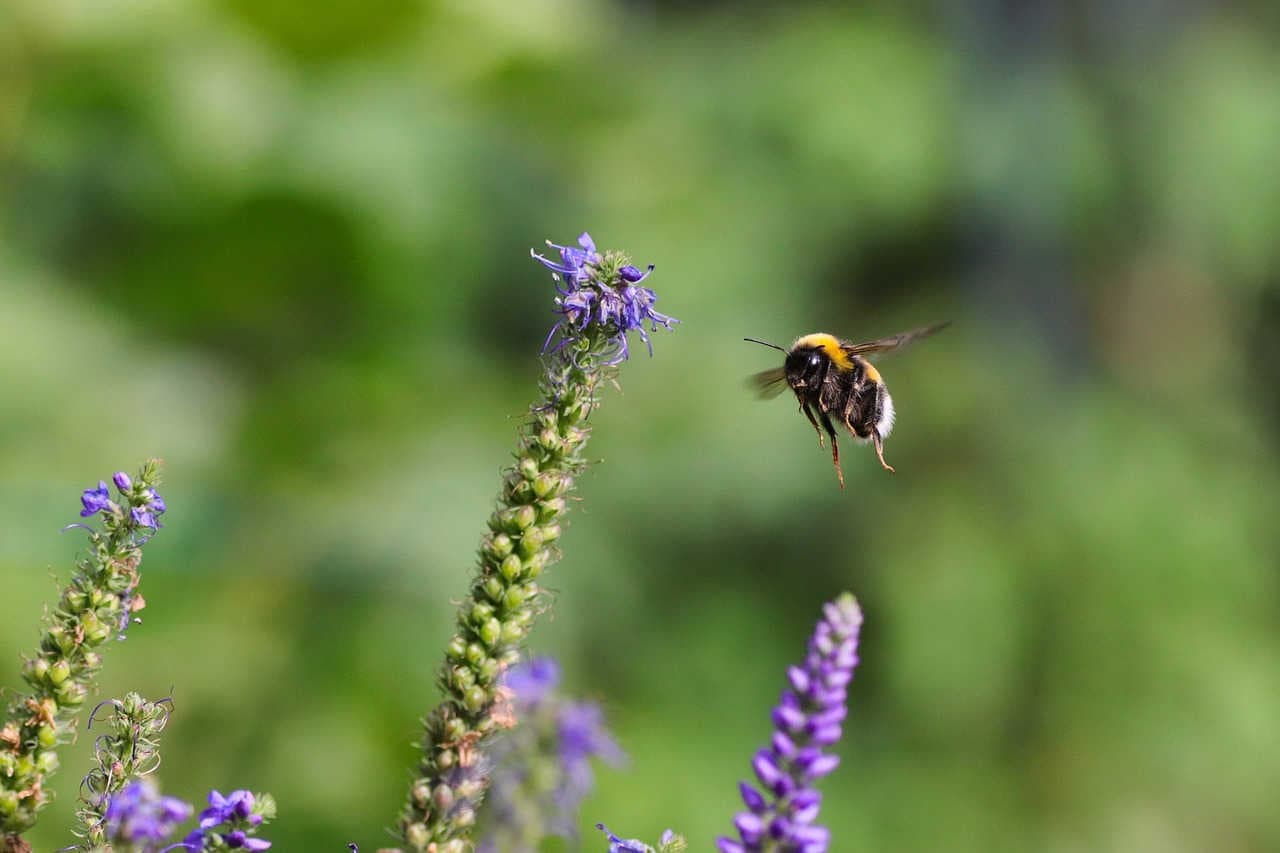
These kinds of studies, which highlight the behavioural and emotional complexity of the animal world, together with those demonstrating the ability of insects to feel pain, are narrowing the gap that humans have traditionally placed between themselves and other animals. The ethical implications of these new scientific discoveries cannot be ignored and we need to intensify our efforts to safeguard the incredible diversity of our planet. In fact, the debate on the cognitive and emotional capacities of insects is more topical than ever and could contribute significantly to the protection of these animals from all the threats that cause their decline and that particularly endanger the pollinators. Among many, an effective strategy to protect them is the constant monitoring and contribution to the creation of environments increasingly favourable to their survival, such as the Oasis 3Bee of Biodiversity.


Do you have any doubts or other curiosities about this article? Here you will find some insights