Beetles: jewels of nature
    ScarabsHabitatEcologyDung beetles

    Beetles: jewels of nature

    Beetles are fascinating insects often confused with coleopterans. Spread all over the world, they inhabit different environments and play crucial roles in the ecosystem. Discover the ecosystem services they offer, the most interesting species, and the curiosities that characterize them.

    Read the article
    24/01/2025Of 3Bee, Niccolò Patelli
    725 Views
    24/01/2025Of 3Bee, Niccolò Patelli
    725 Views

    Scarabs and their classification

    Disclaimer: this is an automated translation from Italian. Go to the original article.

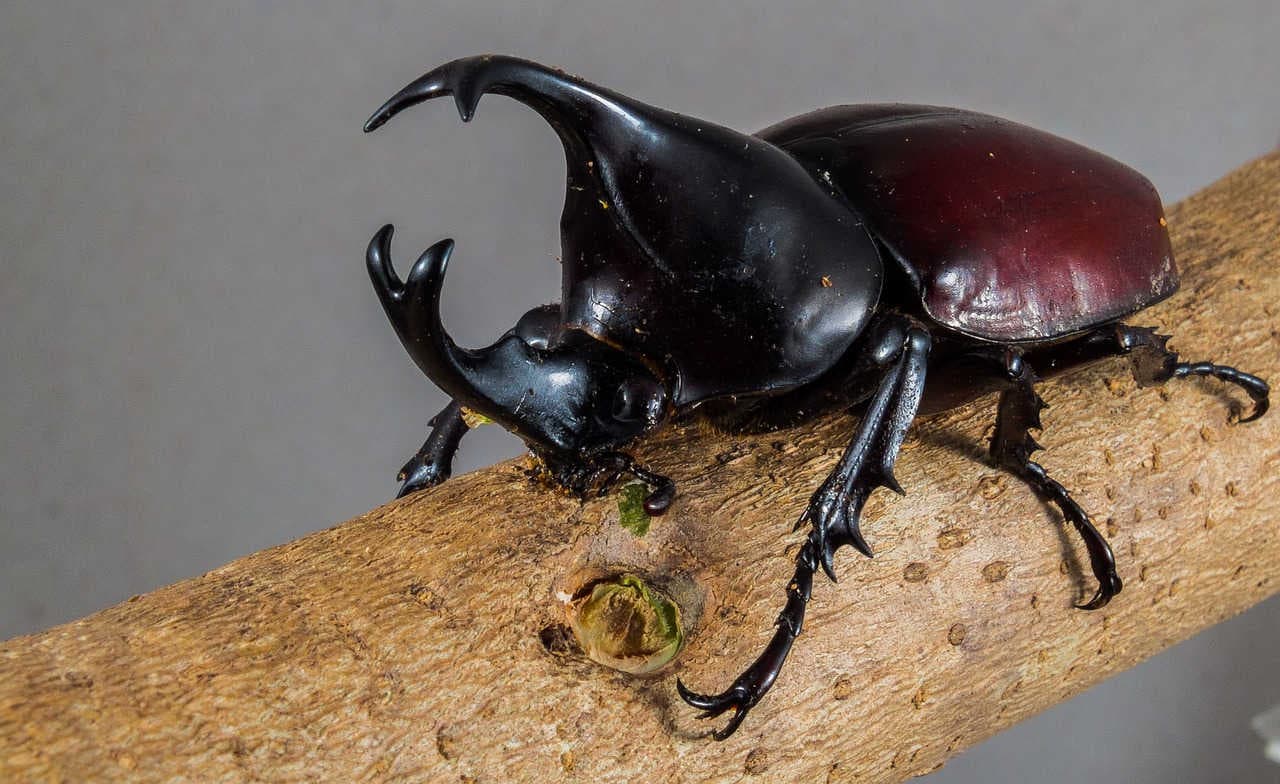
    The scarabs belong to the family Scarabaeidae, a group of beetles. Often, the term "scarab" is mistakenly used as a synonym for "beetle," but not all beetles are scarabs: for example, ladybugs are Coccinellidae and stag beetles are Lucanidae. Beetles are an order of insects, Coleoptera, one of the most biodiverse in the animal kingdom, with over 350,000 species. Scarabs are distinguished by specific characteristics, such as clubbed but not elbowed antennae, and many species are skilled at digging into the soil. The Scarabaeidae family includes several subfamilies, such as the Scarabaeinae (dung beetles), Cetoniinae (flower beetles) and Dynastinae, famous for their peculiar structures.
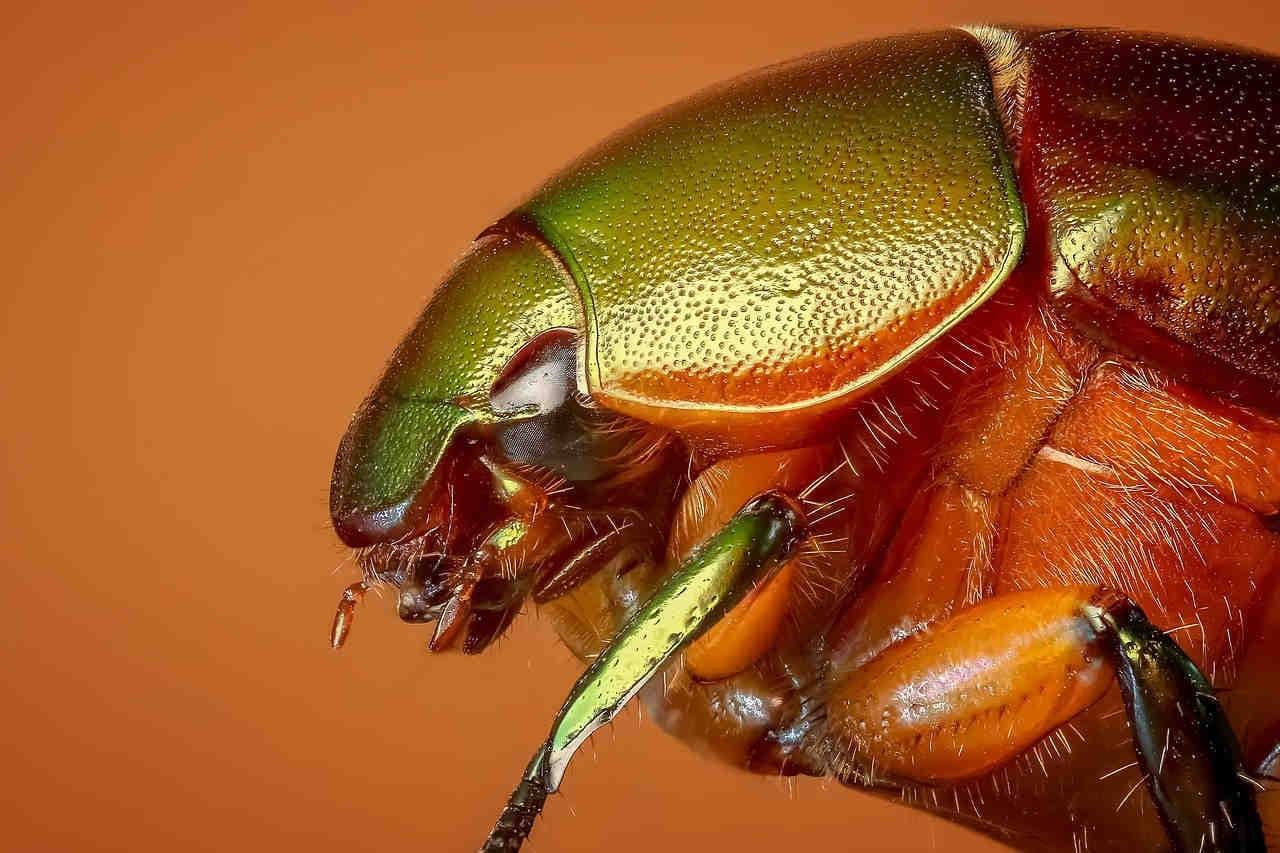
    Chrysina

    Beetles: habitat and worldwide distribution

    Beetles are found on almost every continent, except Antarctica. These insects are adapted to a wide range of habitats, from deserts to tropics, from rainforests to urban environments, where they are well represented. They prefer environments rich in organic matter, particularly for laying eggs because the larvae are detritivores and often endogean (they live within the soil), where they play the role of decomposers. In temperate climates, beetles tend to be active during the warmer months - like almost all insects “disappear” during the winter - while in tropical regions many species are active year-round. Dung beetles, in particular, are often found in grasslands and savannas where animals produce abundant droppings, a crucial resource for their life cycle.

    Scarabeo_rinoceronte
    XNatura

    Ecological roles of beetles

    Beetles play numerous roles in the ecosystems they inhabit, unexpected but extremely important. Many species are decomposers that contribute to the recycling of organic material, such as feces, plant debris, and even carcasses, facilitating nutrient recycling in the soil. Beetle larvae also improve soil structure by digging and making nutrients available, facilitating the penetration of air and water, and increasing soil fertility. Some beetles, like the Cetoniinae, are important pollinators and play a key role in maintaining plant biodiversity. Without these insects, many ecosystems would be less efficient and productive.
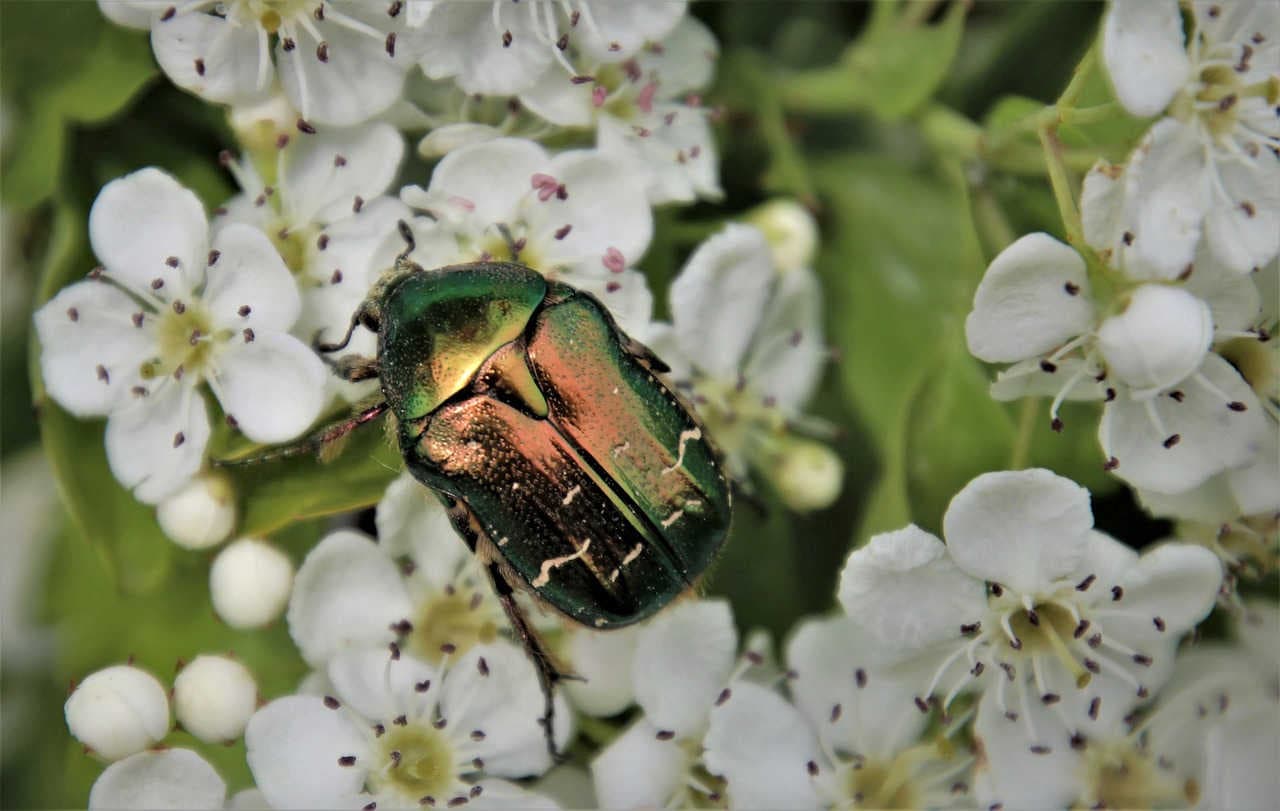
    Cetonia_aurata

    Dung beetles

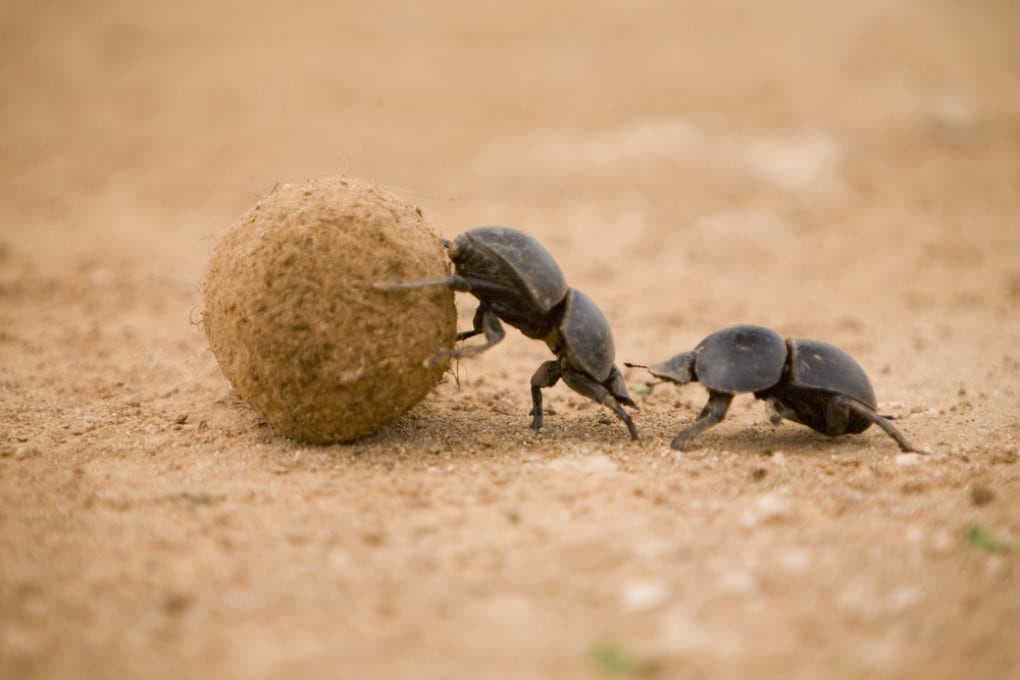
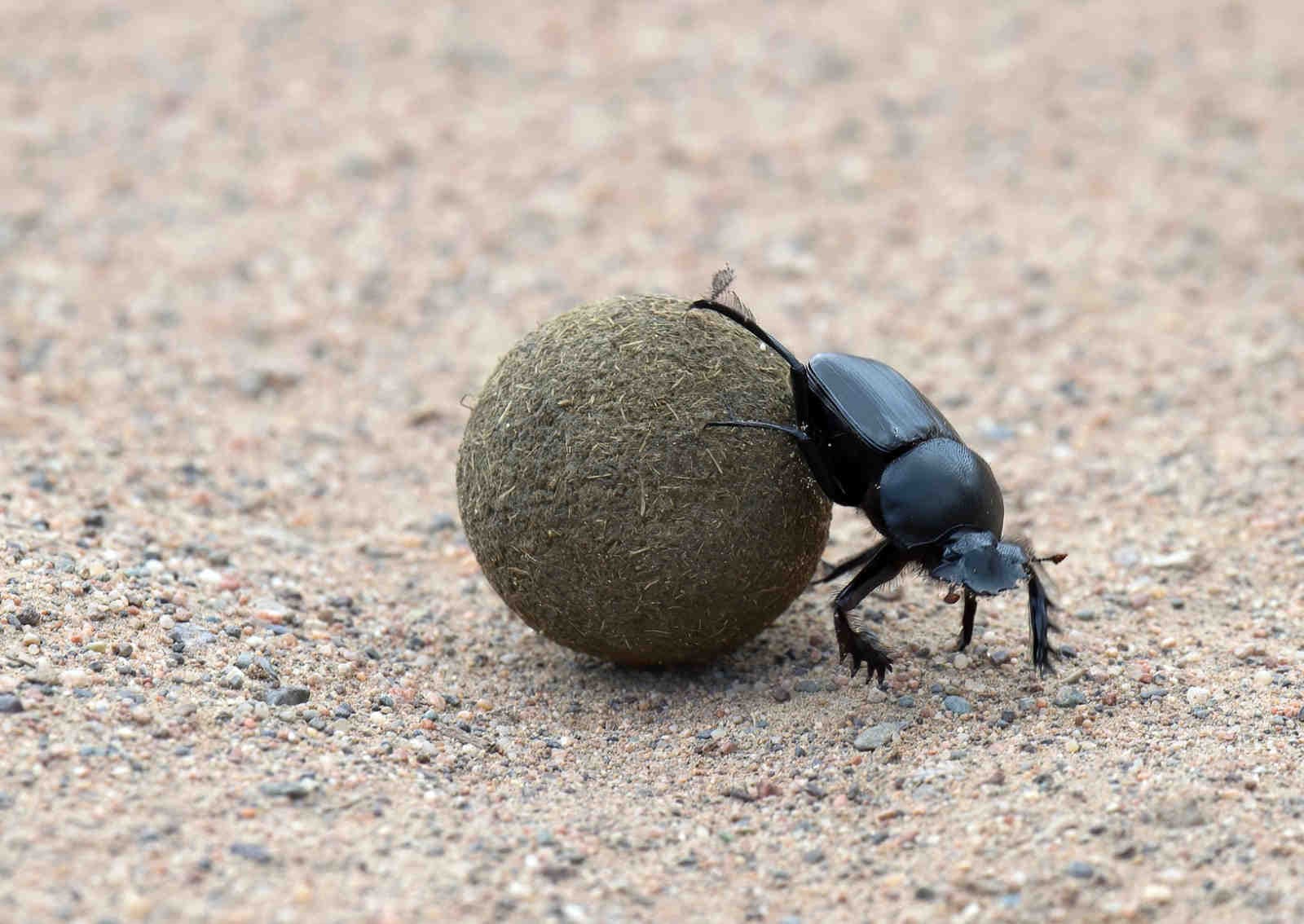
    Dung beetles, sometimes also called scarab beetles, feed on feces and play an essential role in nutrient recycling. Two significant examples are Scarabaeus sacer, the sacred beetle of ancient Egypt, and the genus Sisyphus, whose name derives from the myth of Sisyphus pushing a boulder up a long slope. They are famous for traveling considerable distances by rolling dung balls, which are then used as nourishment for the larvae. The larvae feed on feces, promoting decomposition and reducing the proliferation of parasites. The contribution of dung beetles is particularly important in extensive agricultural areas, where they contribute to the sustainable management of organic waste produced by livestock: however, the current agricultural model no longer provides dung beetles with the environment and resources for their sustenance, which has caused a significant decline in their numbers.
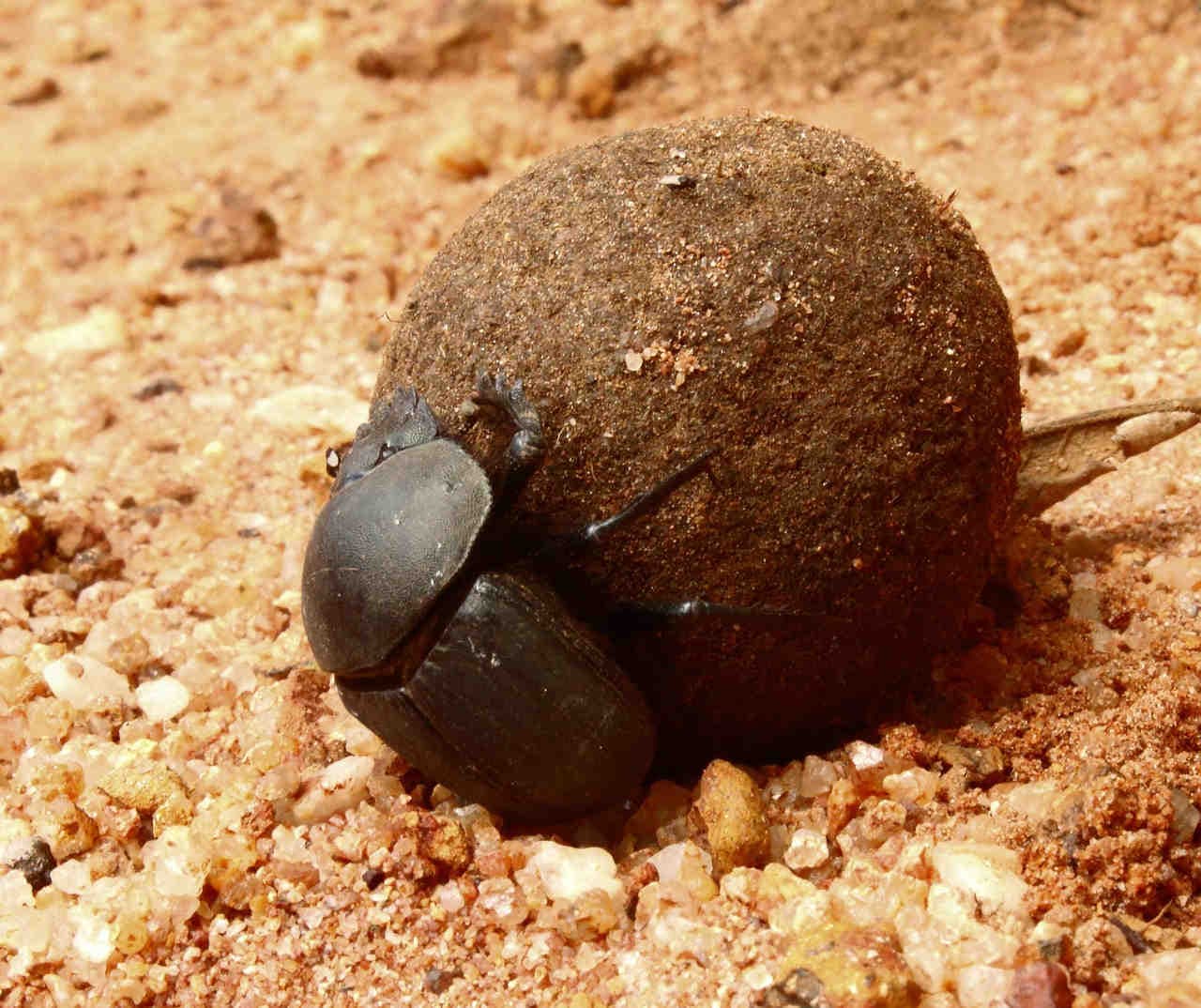

    Scarabeo_stercorario
    XNatura

    Star orientation in dung beetles

    Some dung beetles are known for their extraordinary ability to navigate using stars. One of the most studied species, Scarabaeus zambesianus, is even capable of using the Milky Way as a reference to move and follow a straight line. These beetles roll dung balls in precise directions to reach suitable egg-laying locations and avoid competition with other individuals. Scientific experiments have shown that the beetles can maintain direction at night, as long as they can see the starry sky. This behavior represents one of the most amazing examples of animal orientation.

    Scarabaeus
    3Bee

    Pollinating beetles and their ecological role

    In addition to the more well-known bees and butterflies, some beetles are also important pollinators. Among the most well-known species are Cetonia aurata, the rose chafer or golden beetle, which feeds on nectar and pollen, and Oxythyrea funesta, very common in European meadows, from the plains to the hills. Pollinating beetles facilitate the reproduction of many plants, especially those that produce large and robust flowers, with which they have evolved. Their contribution is vital for maintaining biodiversity, especially in complex ecosystems like tropical forests.
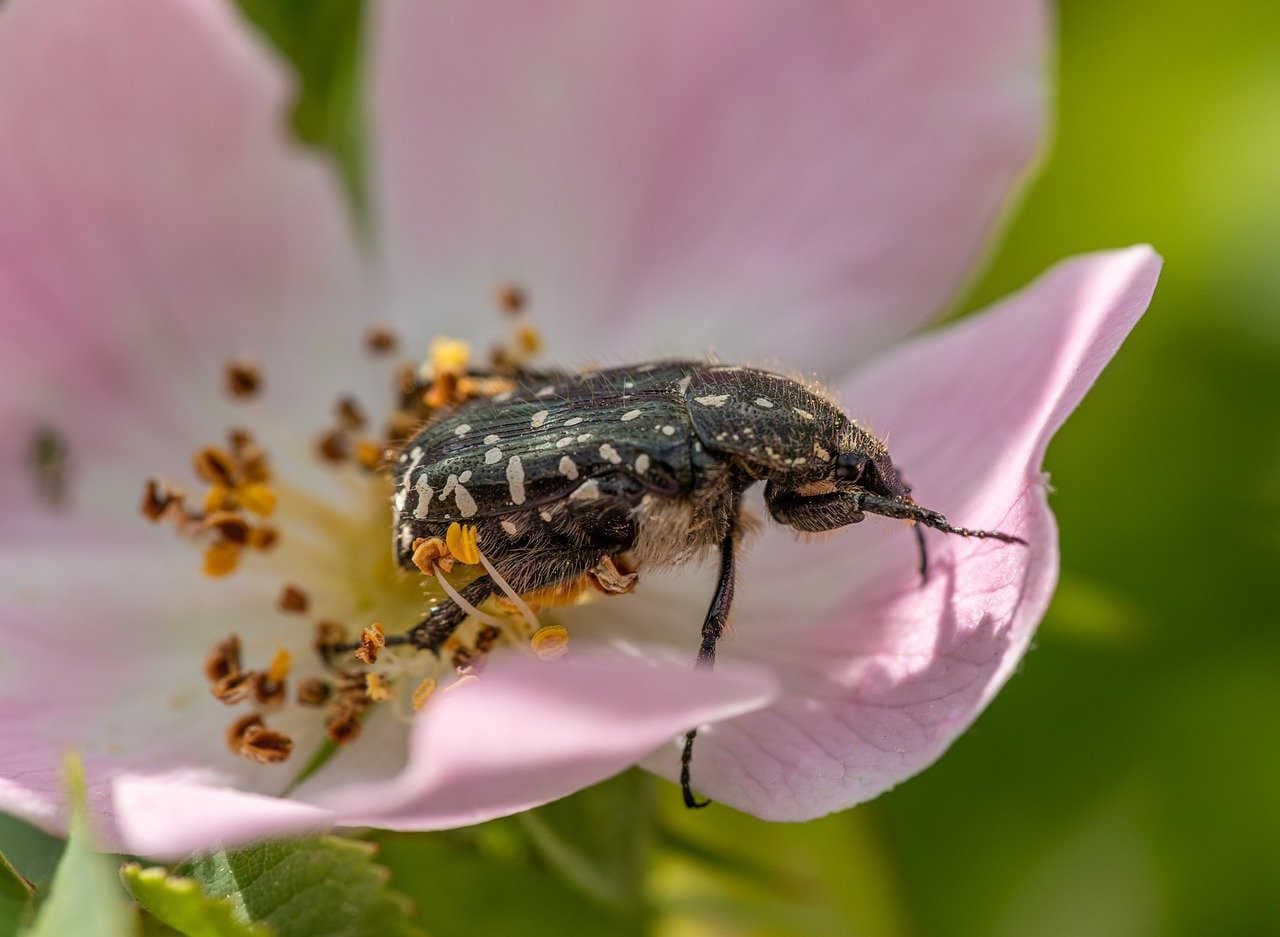
    Oxythyrea_funesta

    Problematic beetles for humans

    Despite the many benefits, some beetle species can cause significant damage to agriculture and horticulture. An example is Melolontha melolontha, known as the cockchafer, a very common and locally numerous beetle whose larvae feed on the roots of cultivated plants, sometimes damaging crops. Other beetles attack ornamental or fruit trees, such as Popillia japonica, a pest native to Japan but now widespread in many parts of the world, causing extensive damage by defoliating plants. In some regions, controlling beetle infestations has become a priority for preserving the agricultural economy.
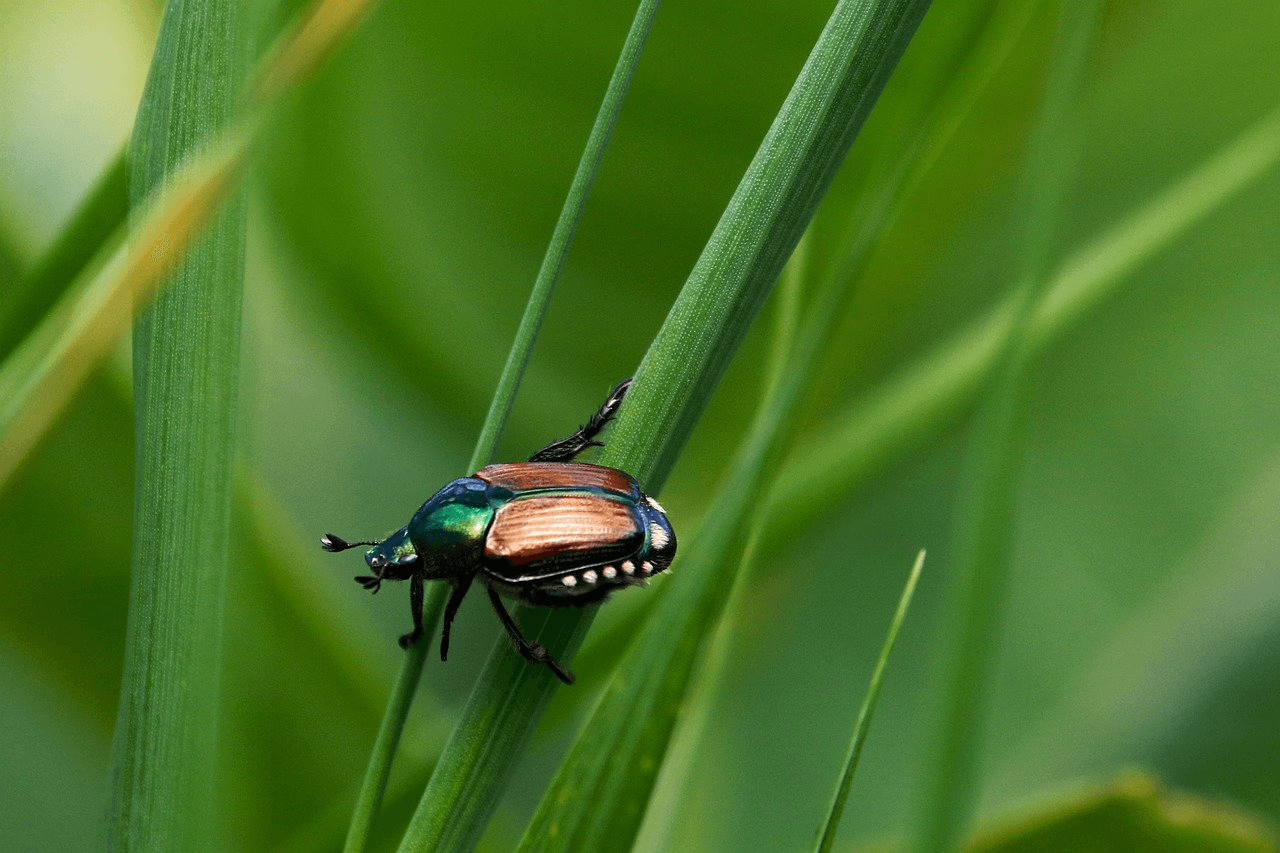
    Popilia_japonica

    Five facts about beetles

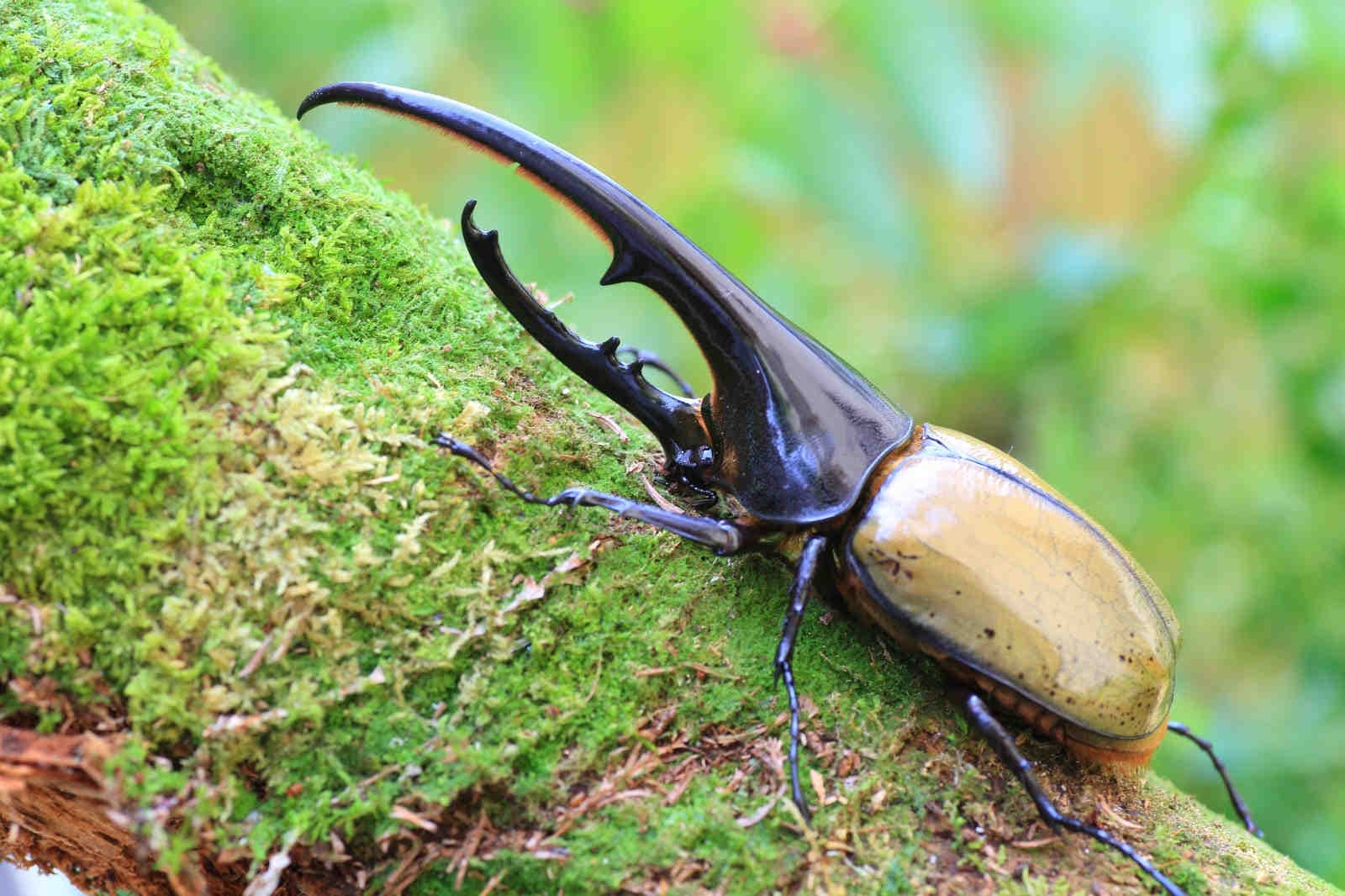
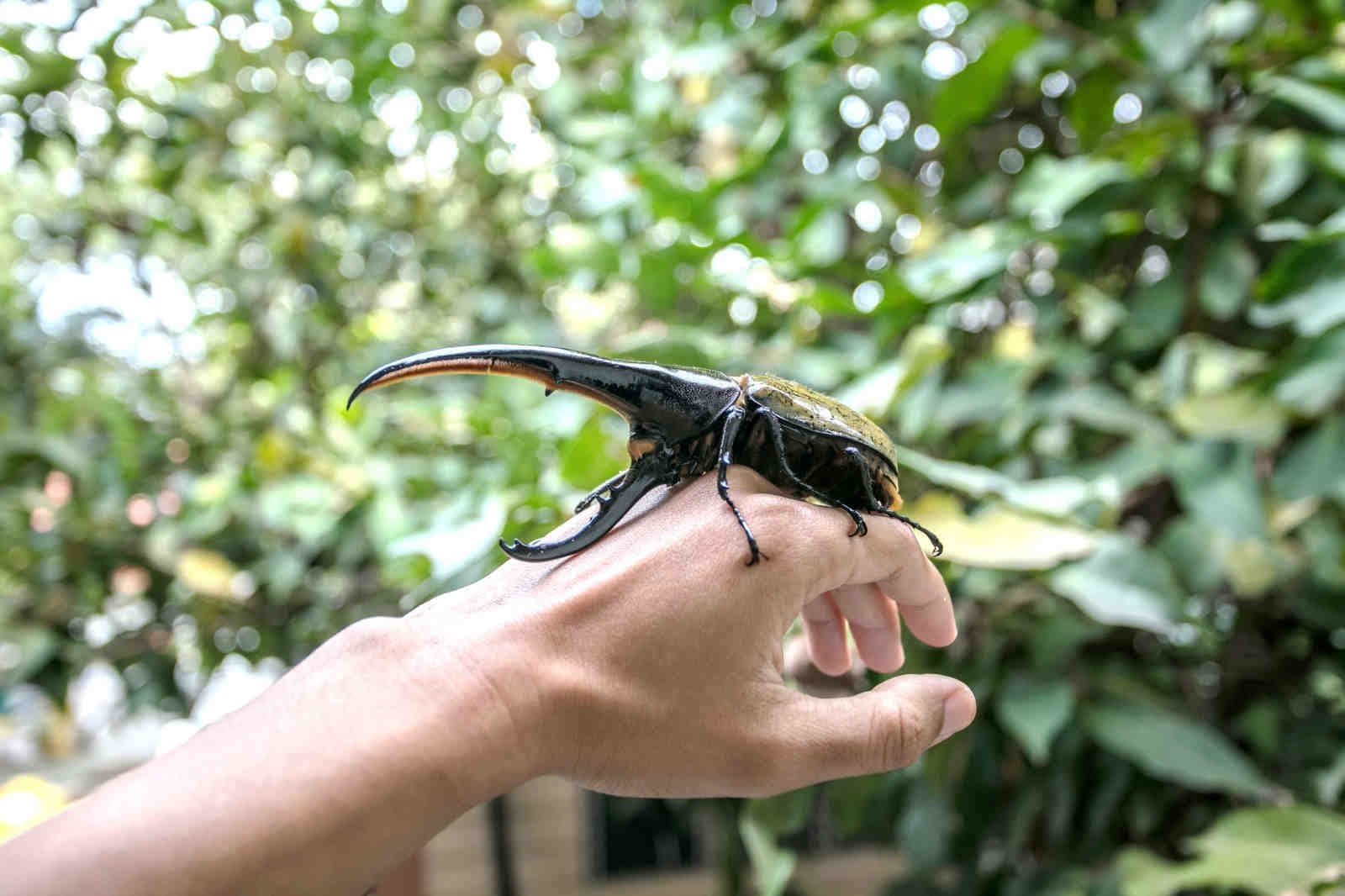
    Beetles are insects full of peculiarities that make them fascinating. In ancient Egypt, the Scarabaeus sacer was revered as sacred and, as we have seen, it is able to navigate via the Milky Way. Among the most fascinating are the Rutelinae, also called "jewel beetles" due to their metallic and iridescent colors. These colors are a true communication tool, as is the case with butterflies, and they represent the first example of circular polarization of light discovered in nature. Another iconic example is the famous Dynastes hercules, one of the largest beetles in the world, capable of reaching 17 centimeters in length thanks to its characteristic horn. Another unique species is the Goliathus goliatus, massive with distinctive markings, one of the largest beetles by mass. Each species tells a story of adaptation and contributes to showing the extraordinary diversity of beetles.

    Dynastes_hercules

    Common beetles in Europe

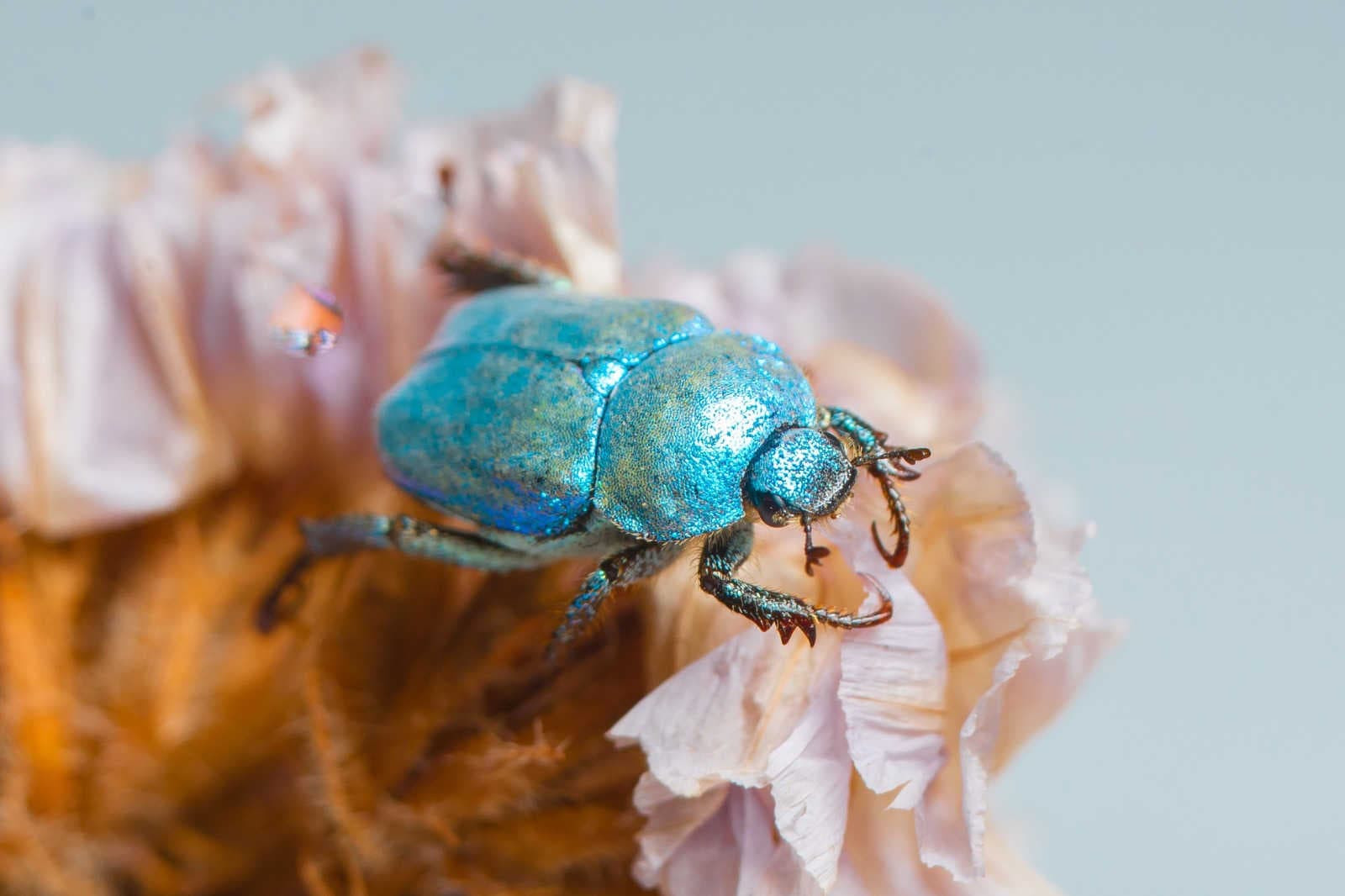
    In Europe, numerous beetle species can be found. Among the most widespread urban species is Cetonia aurata, easily observable in gardens. Osmoderma eremita, on the other hand, is now a rare beetle, classified as "threatened with extinction" and included in the IUCN Red Lists. It was once common in the plains, where it lived in the hollows of elms used as anchors for vines, but today it survives in a few parts of Europe. Another species is Hoplia cerulea, a small beetle with a brilliant blue coloration that prefers meadows and open environments and is particularly appreciated for its beauty. Like all insects, beetles also suffer from problems such as climate change, habitat reduction, pollution, and the introduction of alien species that compete with native species, all of which contribute to their decline.

    Hoplia_coerulea

    The wonder of beetles, a window on biodiversity

    Beetles are one of the most fascinating and variable insect families, adapted to many different conditions and lifestyles: knowing their biology can make us appreciate even more their role in the environment. Their ability to navigate using the stars is surprising and fascinating, and their contribution to nutrient recycling is extremely valuable. Beetles offer a perfect example of how even seemingly small and insignificant organisms can have a significant impact on ecosystems and their well-being. Studying these insects allows us to better understand the complexity of nature and teaches us to respect and protect biodiversity in all its forms.

    Dynastes_hercules
    24/01/2025Of 3Bee, Niccolò Patelli
    725 Views
    Newsletter
    newsletter
    Subscribe to the Blog about bees and biodiversity

    Frequently Asked Questions

    Do you have any doubts or other curiosities about this article? Here you will find some insights