Scarabs and their classification
Disclaimer: this is an automated translation from Italian. Go to the original article.
The
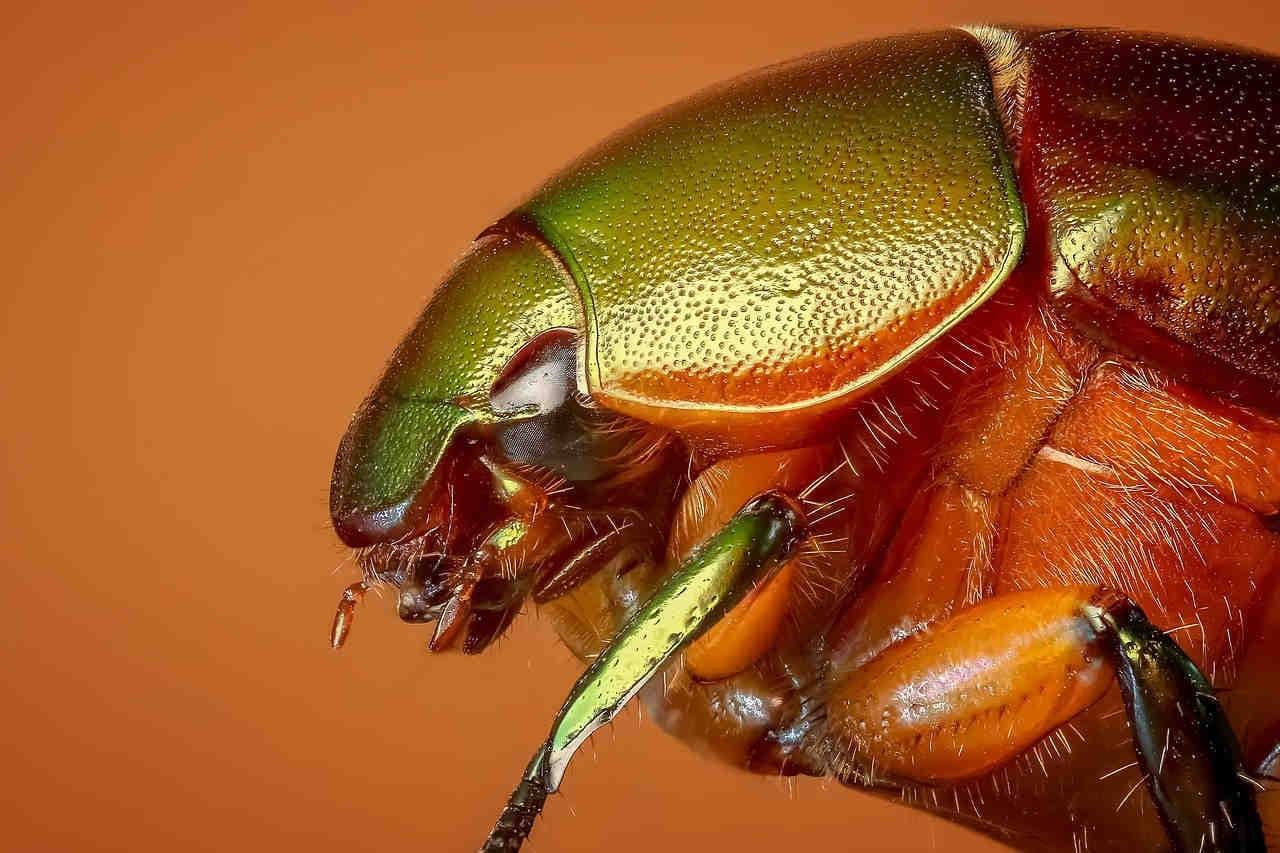
Beetles are fascinating insects often confused with coleopterans. Spread all over the world, they inhabit different environments and play crucial roles in the ecosystem. Discover the ecosystem services they offer, the most interesting species, and the curiosities that characterize them.
Read the articleDisclaimer: this is an automated translation from Italian. Go to the original article.
The
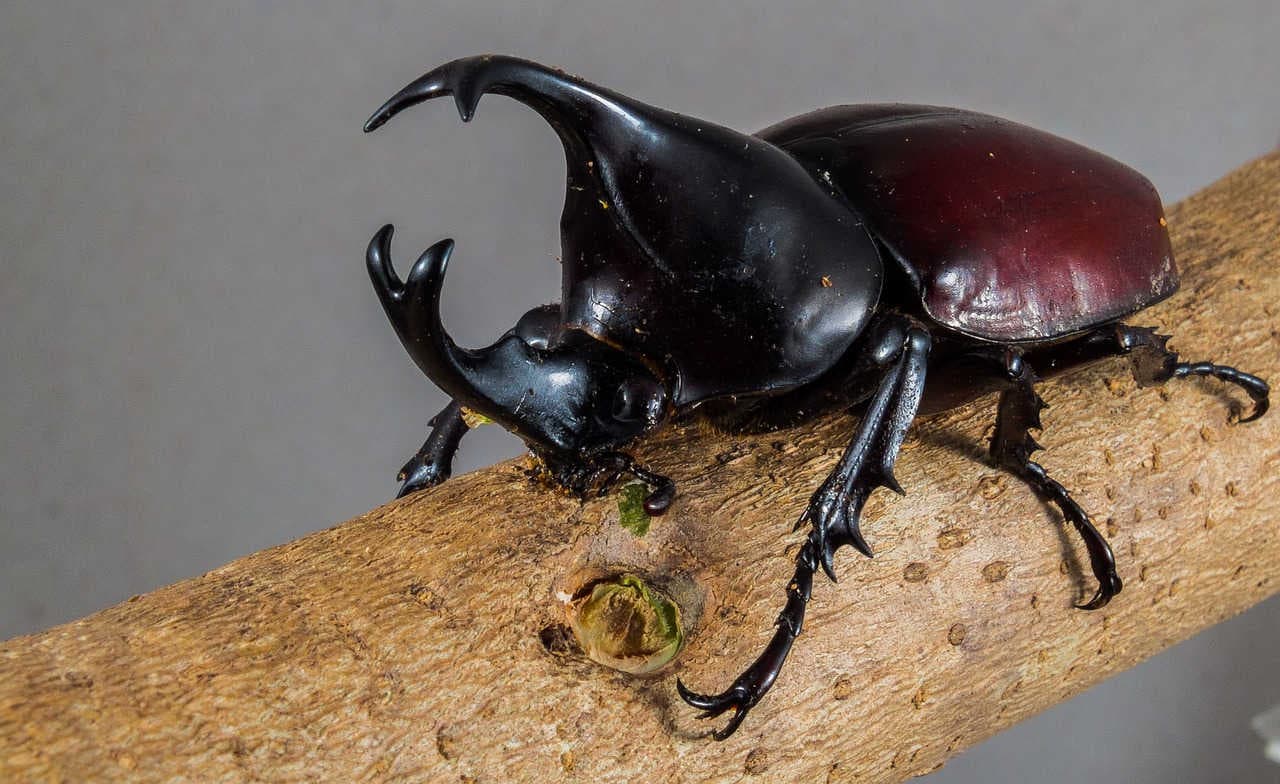

Beetles play numerous roles in the ecosystems they inhabit, unexpected but extremely important. Many species are decomposers that contribute to the recycling of organic material, such as feces, plant debris, and even carcasses, facilitating nutrient recycling in the soil. Beetle larvae also improve soil structure by digging and making nutrients available, facilitating the penetration of air and water, and increasing soil fertility. Some beetles, like the Cetoniinae, are important pollinators and play a key role in maintaining plant biodiversity. Without these insects, many ecosystems would be less efficient and productive.
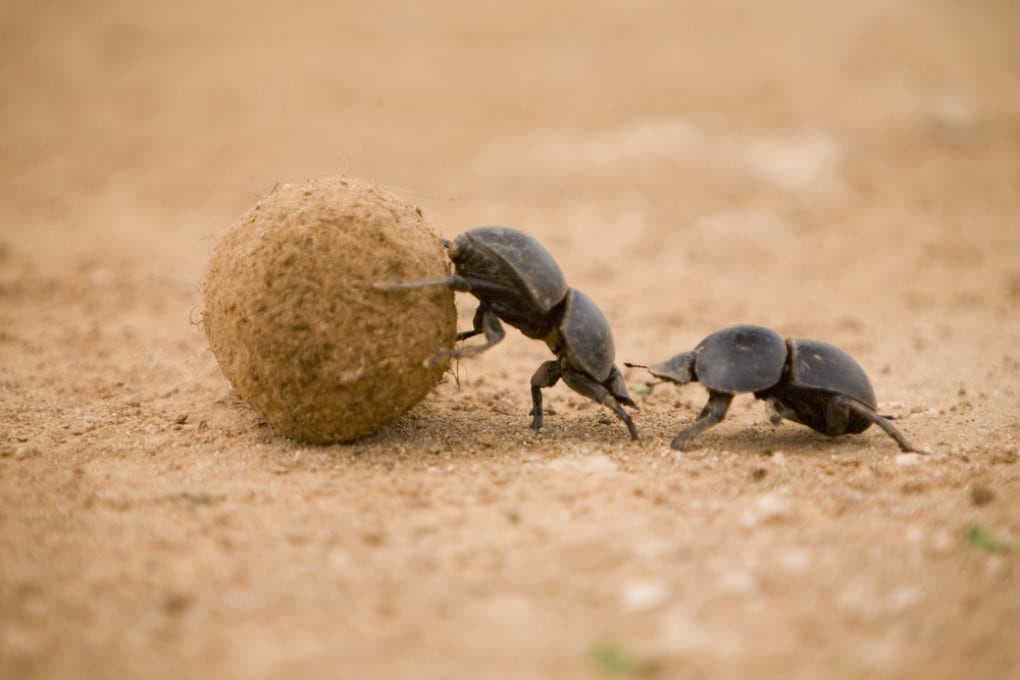
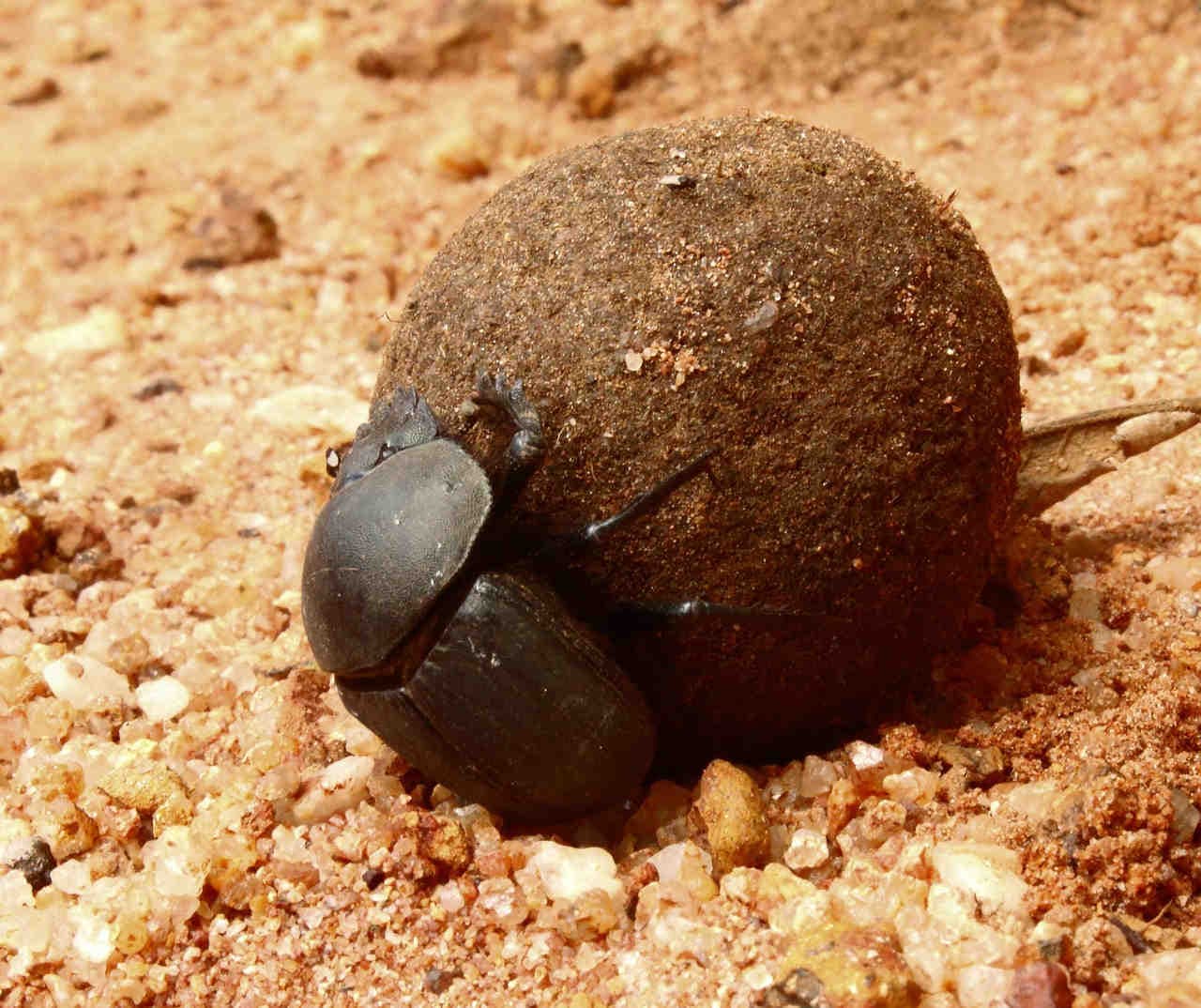
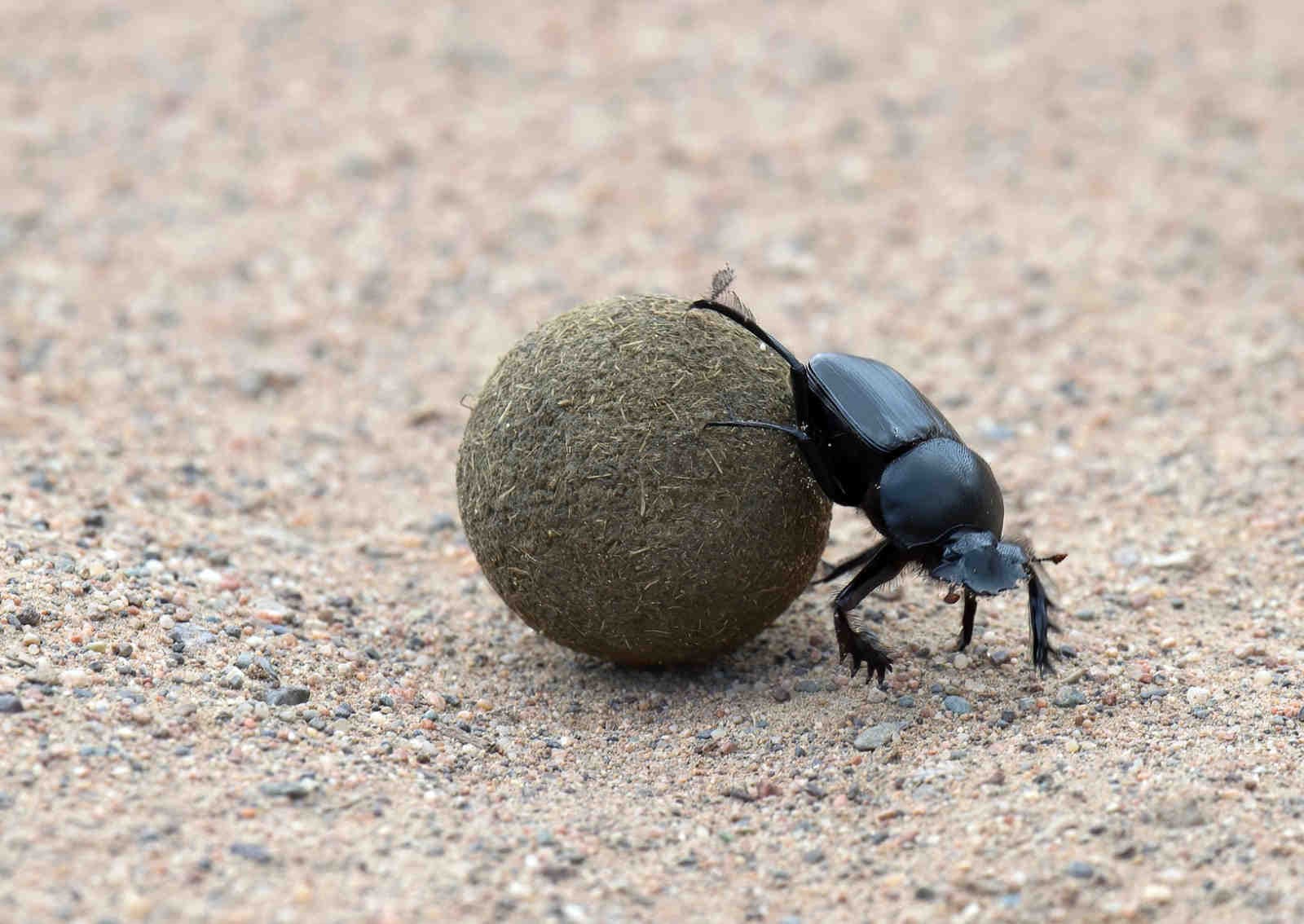
Dung beetles, sometimes also called scarab beetles, feed on feces and play an essential role in nutrient recycling. Two significant examples are Scarabaeus sacer, the sacred beetle of ancient Egypt, and the genus Sisyphus, whose name derives from the myth of Sisyphus pushing a boulder up a long slope. They are famous for traveling considerable distances by rolling dung balls, which are then used as nourishment for the larvae. The larvae feed on feces, promoting decomposition and reducing the proliferation of parasites. The contribution of dung beetles is particularly important in extensive agricultural areas, where they contribute to the sustainable management of organic waste produced by livestock: however, the current agricultural model no longer provides dung beetles with the environment and resources for their sustenance, which has caused a significant decline in their numbers.

Some

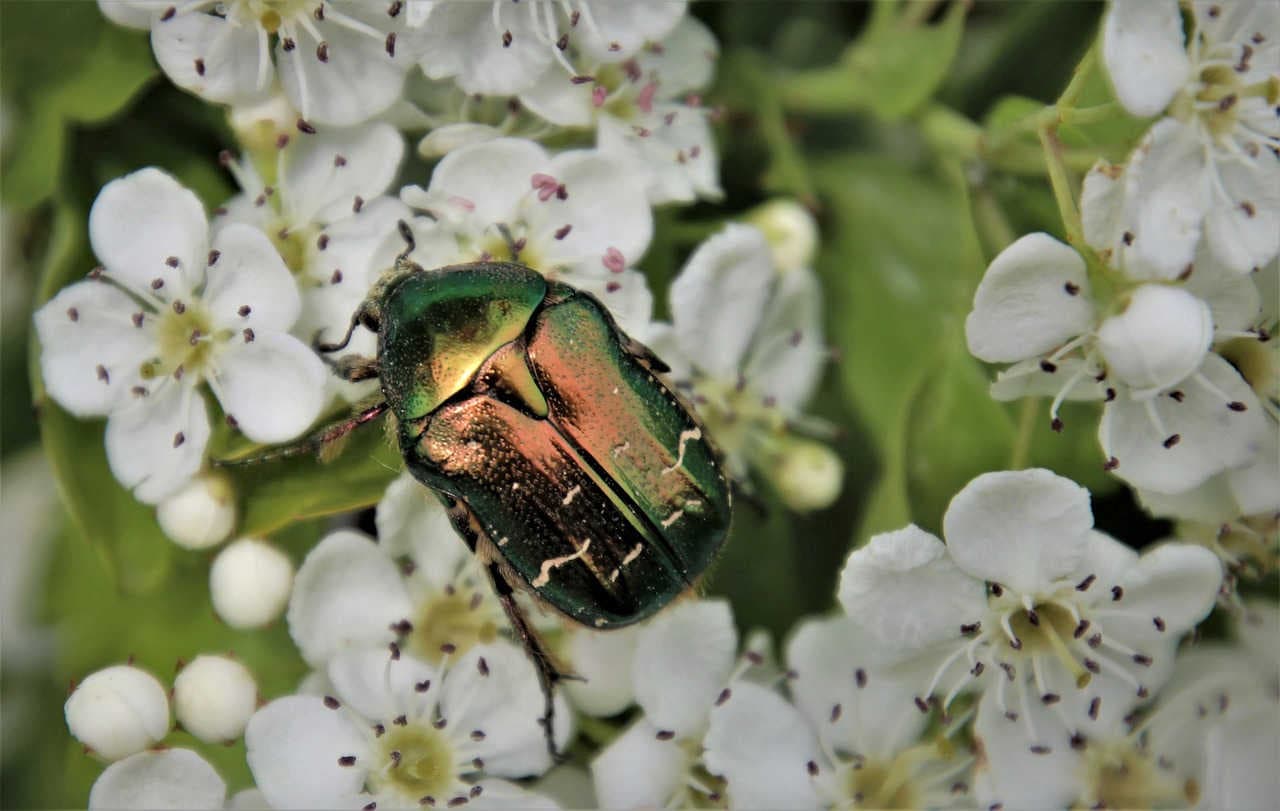
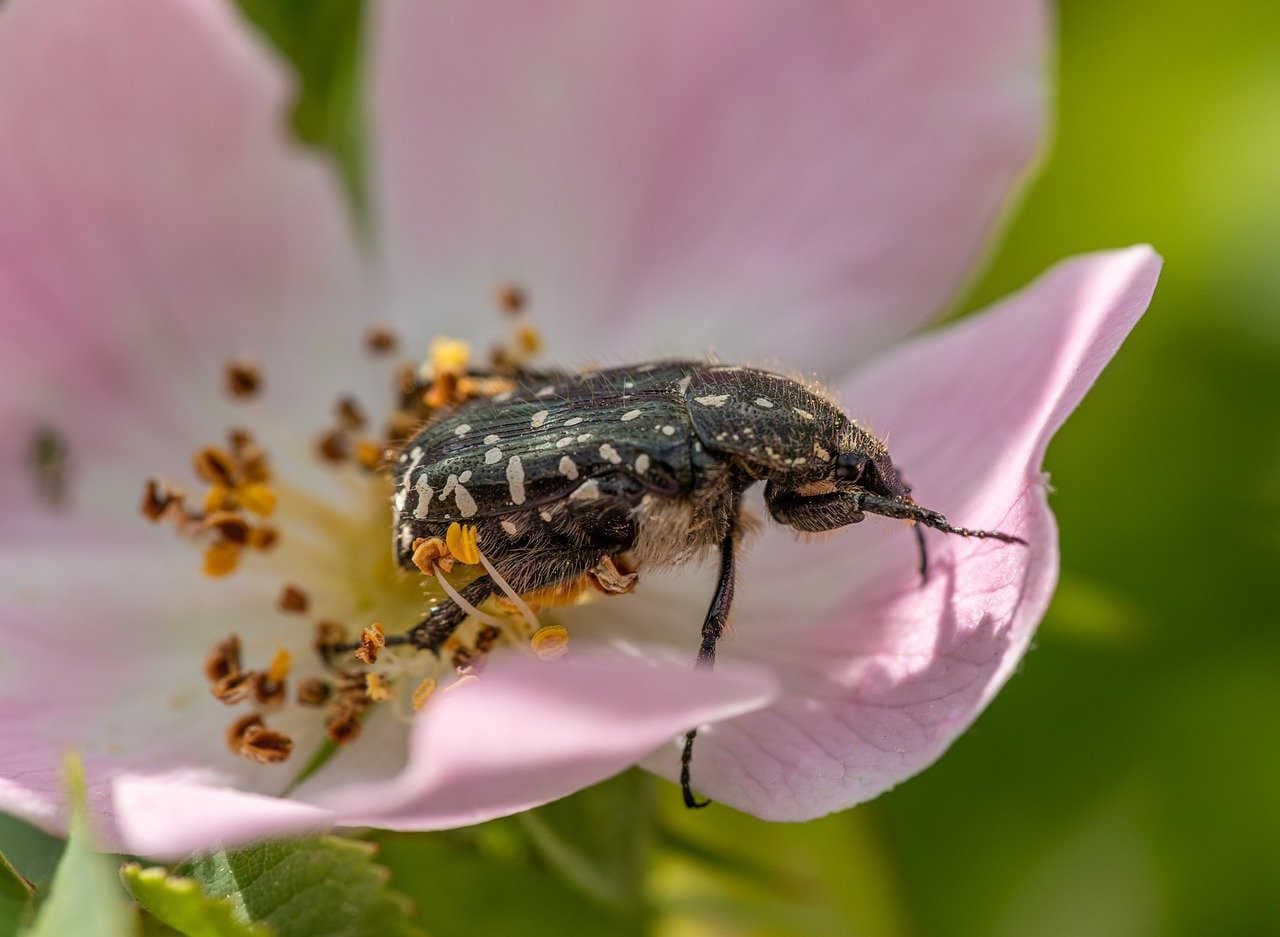
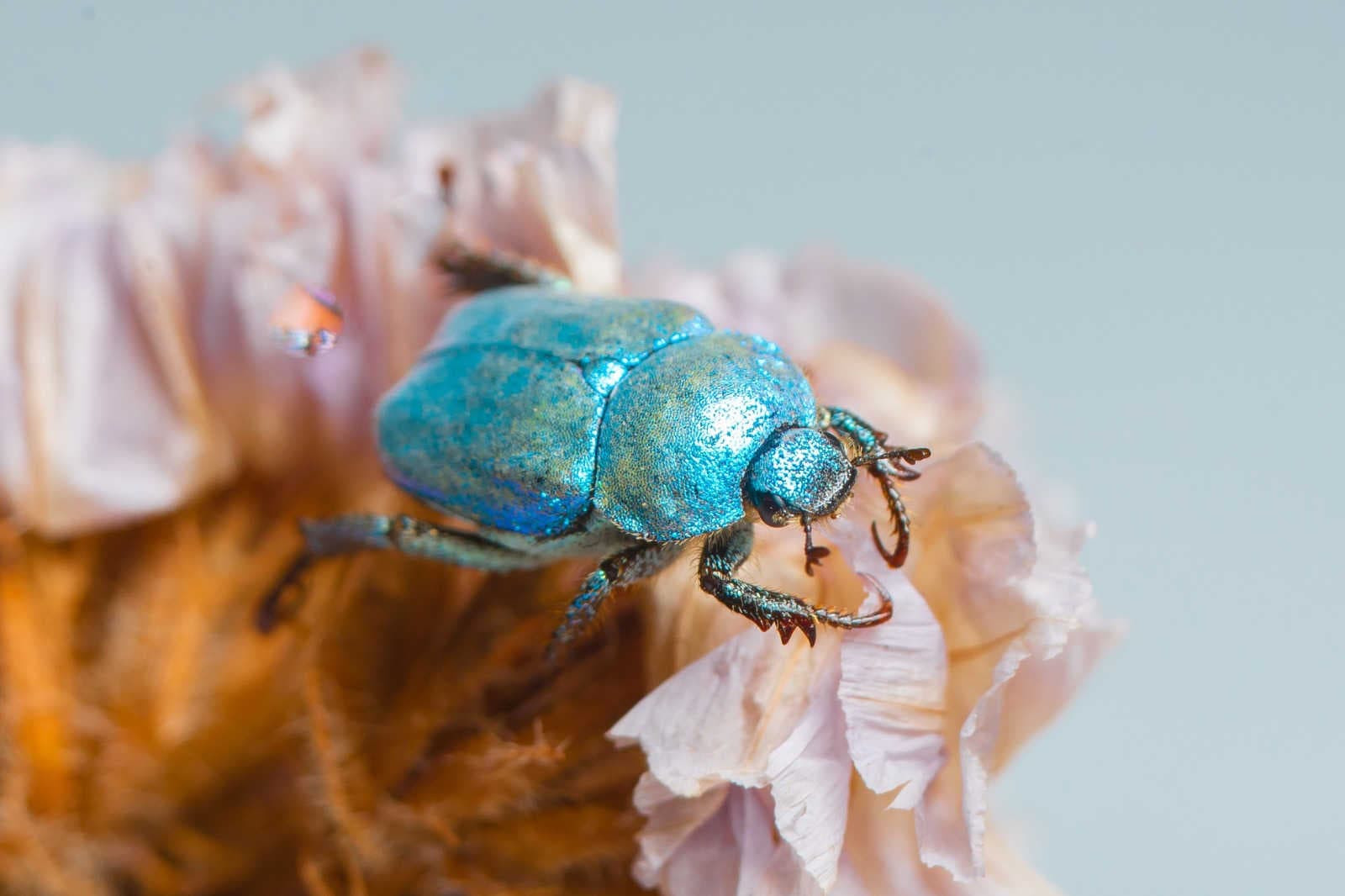
In addition to the more well-known bees and butterflies, some beetles are also important pollinators. Among the most well-known species are Cetonia aurata, the rose chafer or golden beetle, which feeds on nectar and pollen, and Oxythyrea funesta, very common in European meadows, from the plains to the hills. Pollinating beetles facilitate the reproduction of many plants, especially those that produce large and robust flowers, with which they have evolved. Their contribution is vital for maintaining biodiversity, especially in complex ecosystems like tropical forests.
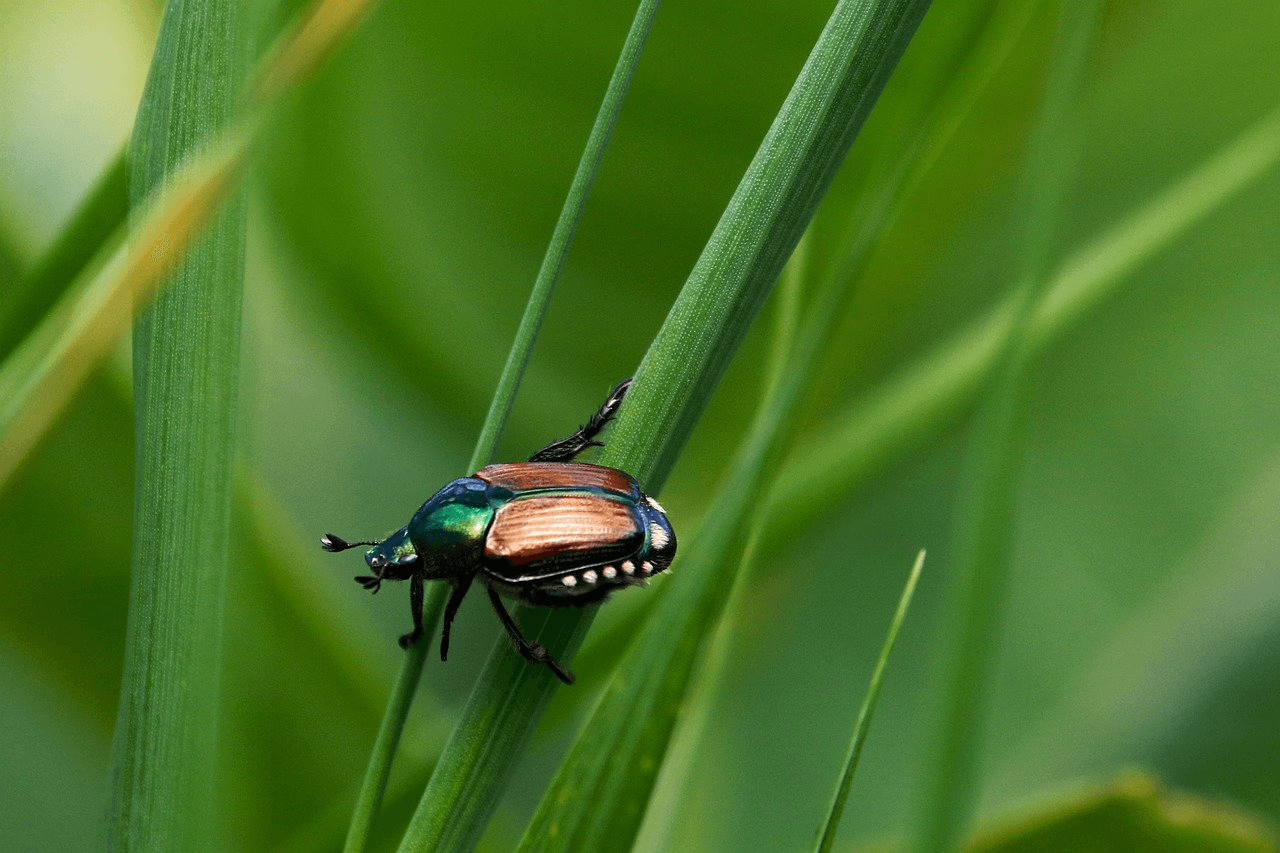
Despite the many benefits, some beetle species can cause significant
In

Do you have any doubts or other curiosities about this article? Here you will find some insights