The decline of insects in Europe
    DeclinoStudiesEuropeItaly

    The decline of insects in Europe

    The decline in insect biomass is a phenomenon that is causing growing concern among scholars and conservationists. Insects, often overlooked but crucial to the balance of ecosystems, are disappearing at an alarming rate in many parts of the world.

    Read the article
    20/04/2024Of 3Bee, Niccolò Patelli
    1969 Views
    20/04/2024Of 3Bee, Niccolò Patelli
    1969 Views

    Insects are in decline

    On the one hand, thinking about the phrase 'there are fewer insects in the world' also brings to mind positive things. Fewer mosquitoes, fewer flies and cockroaches, less nuisance in general. Unfortunately, this is not the case at all: the insects that are most annoying to us humans often fare far too well, as do the unwelcome insects in agriculture, from the Chinese bedbug (Halyomorpha halys) to the Japanese beetle (Popilia japonica), via all the other pests of the plants we grow. The decline is global and mainly affects those species that are most susceptible to changes in climate and environment, but which, overall, make up the majority of insects. Considering, then, that insects are at the base of trophic chains and perform very important ecosystem services, the drastic decline we are witnessing is likely to have very important repercussions.
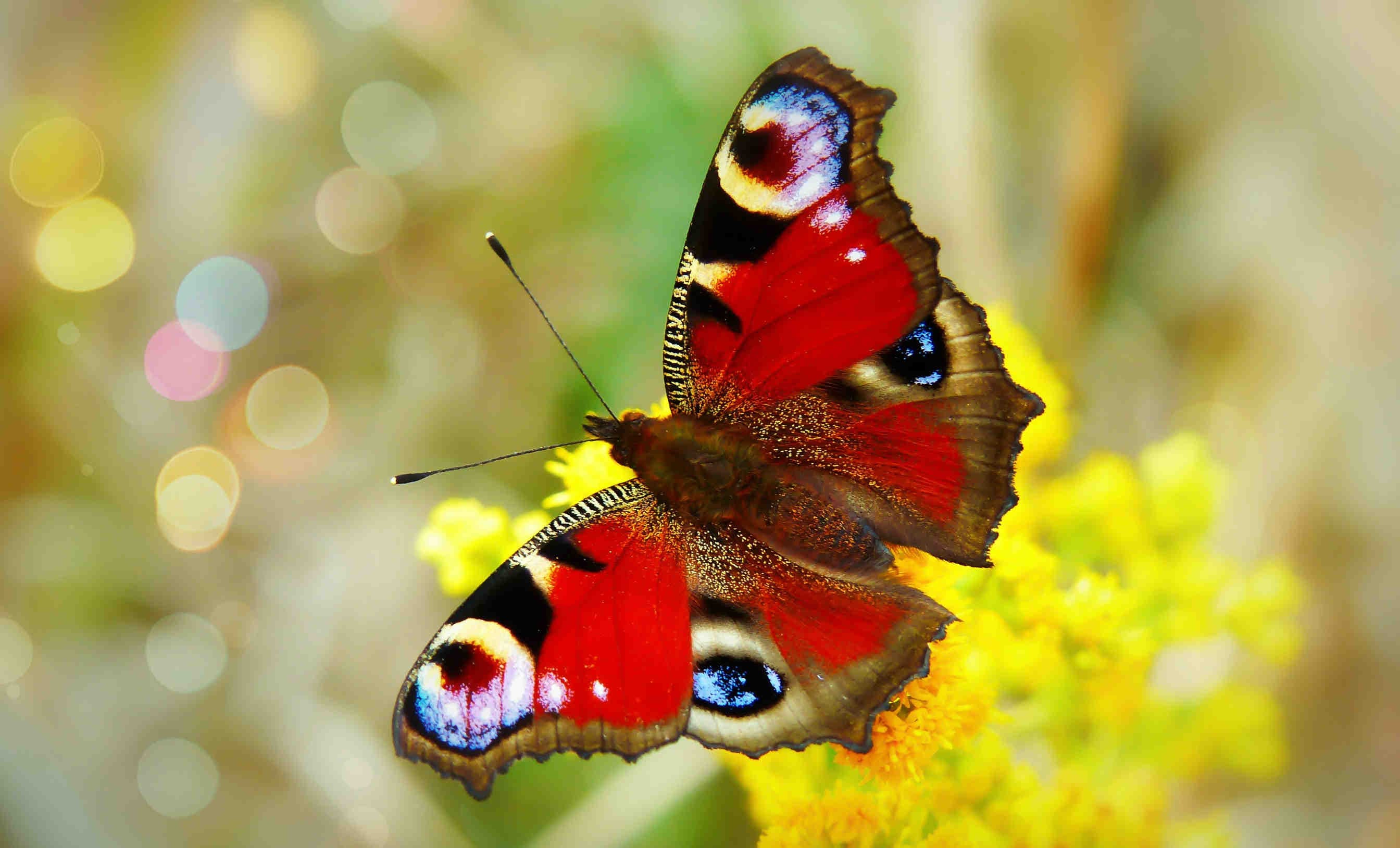
    Inachis_io

    Studies from around the world

    There are many studies in different parts of the world attesting to the generalised decline of insects. In a nutshell, with the exception of a few species that tend to be very adaptable, the decline affects all species without great distinction and, in practice, there are fewer individuals. For example, a study talks about how climate change has caused a consistent and progressive decline in biodiversity in the forests of Costa Rica, particularly from 2005 onwards, while a similar study attests to an alarming decline in Puerto Rico.
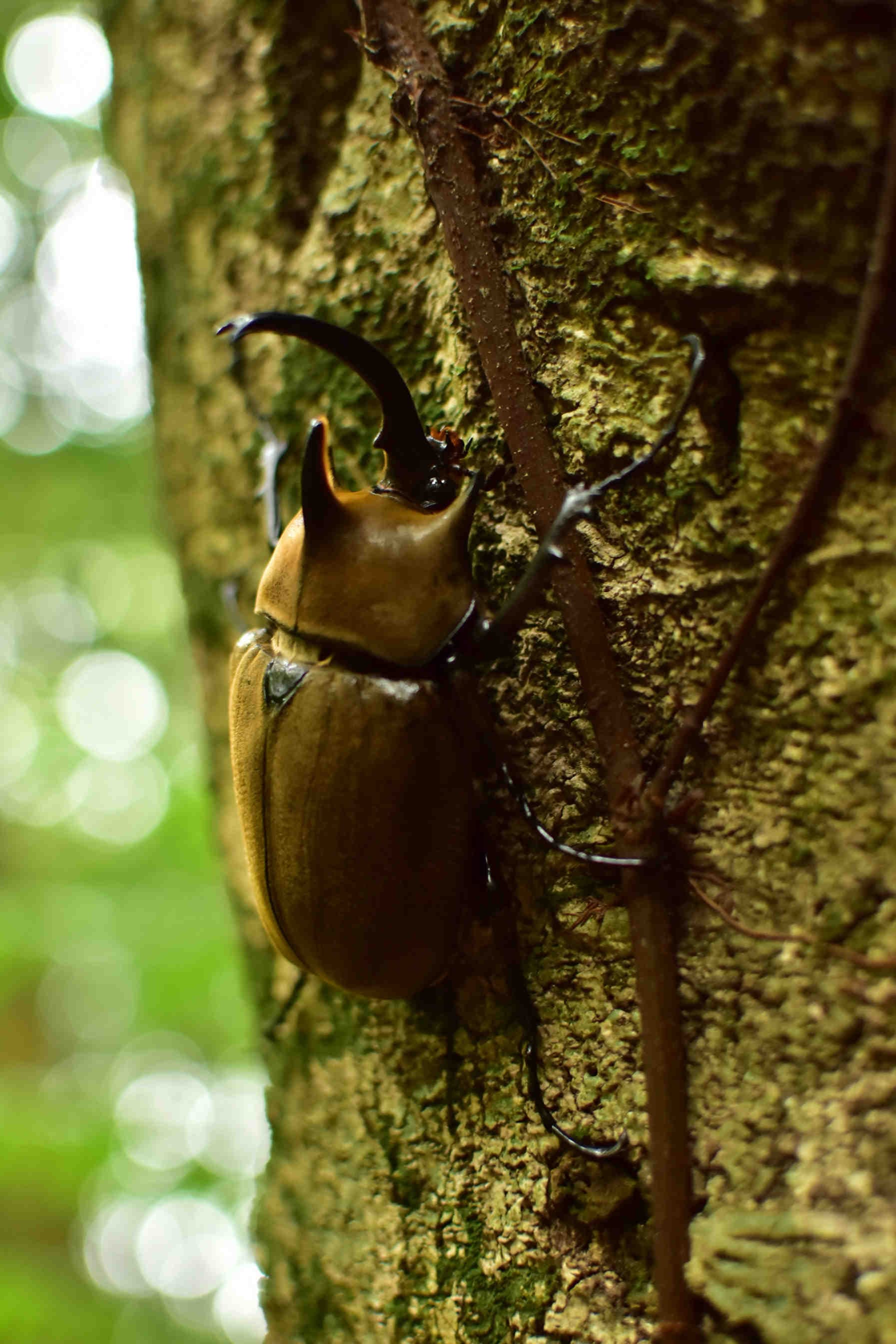

    Megasoma
    XNatura

    Insects: the decline in Europe

    The decline has, however, been seen in many other parts of the world. The limitation is precisely the availability of data, as it is very complex to maintain constant data since the 1970s or 1980s in order to clearly show this decline in biomass (in short, the overall weight of insects in a certain area). One of the most important and influential studies on this issue comes from Germany and shows that the biomass has dropped by 76% overall, reaching more than 80% in the middle months of summer. This figure is alarming and shows that the problem is serious and deep-rooted and also that the causes go back to the last century.

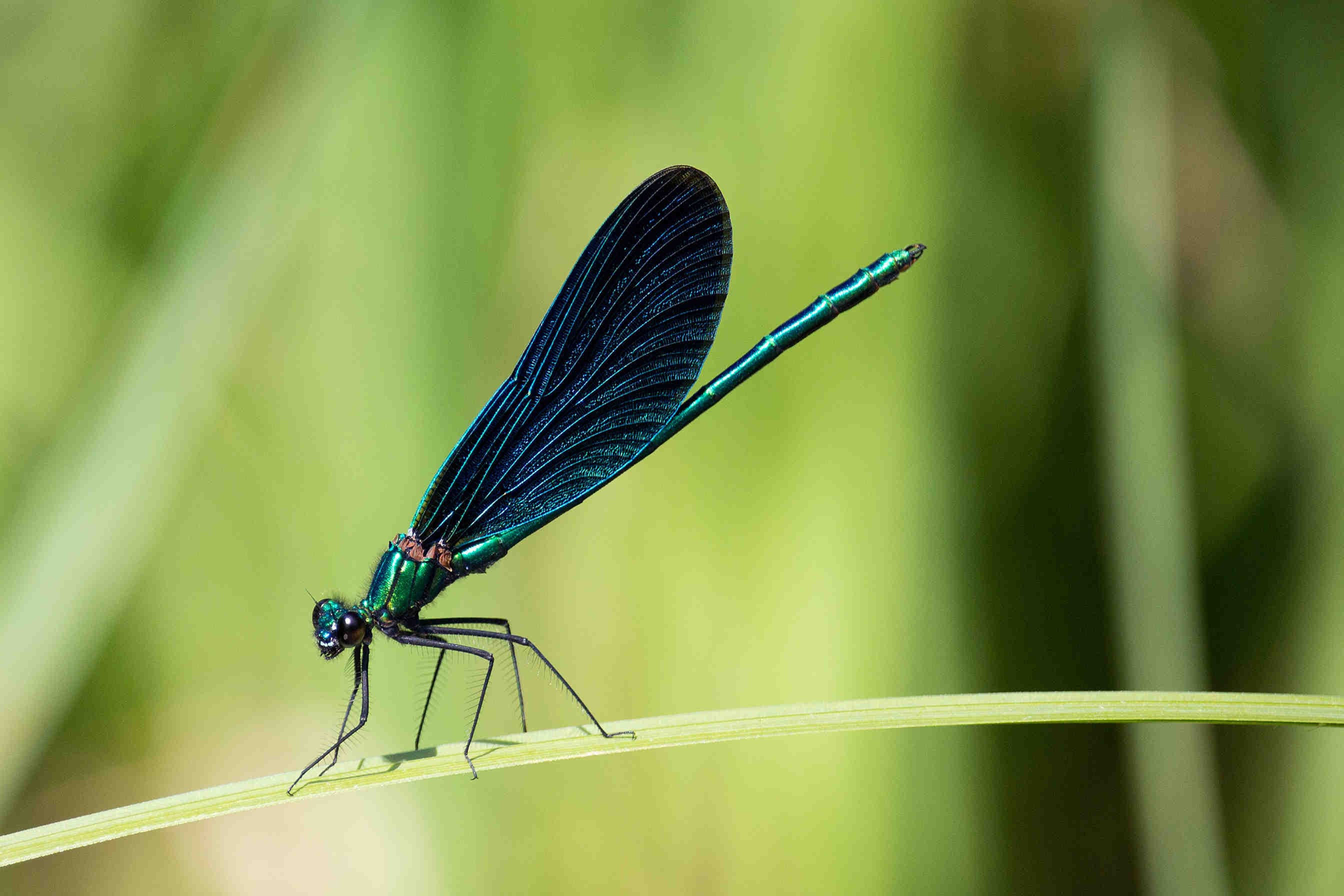
    Damigella

    The insect situation in Italy

    The greatest difficulty in this type of study is to obtain a consistent and long-lasting set of data. The studies mentioned above were carried out on continuous data collected over 30 years or more: finding similar data is obviously complex and also requires a lot of foresight, as the problem was much less apparent in the 1990s. In our country, for example, there are studies that demonstrate the decline and even disappearance of specific insects in specific areas, such as the urban area of Rome, and although they are less extensive than others, they are no less important because conservation often starts in urban areas.
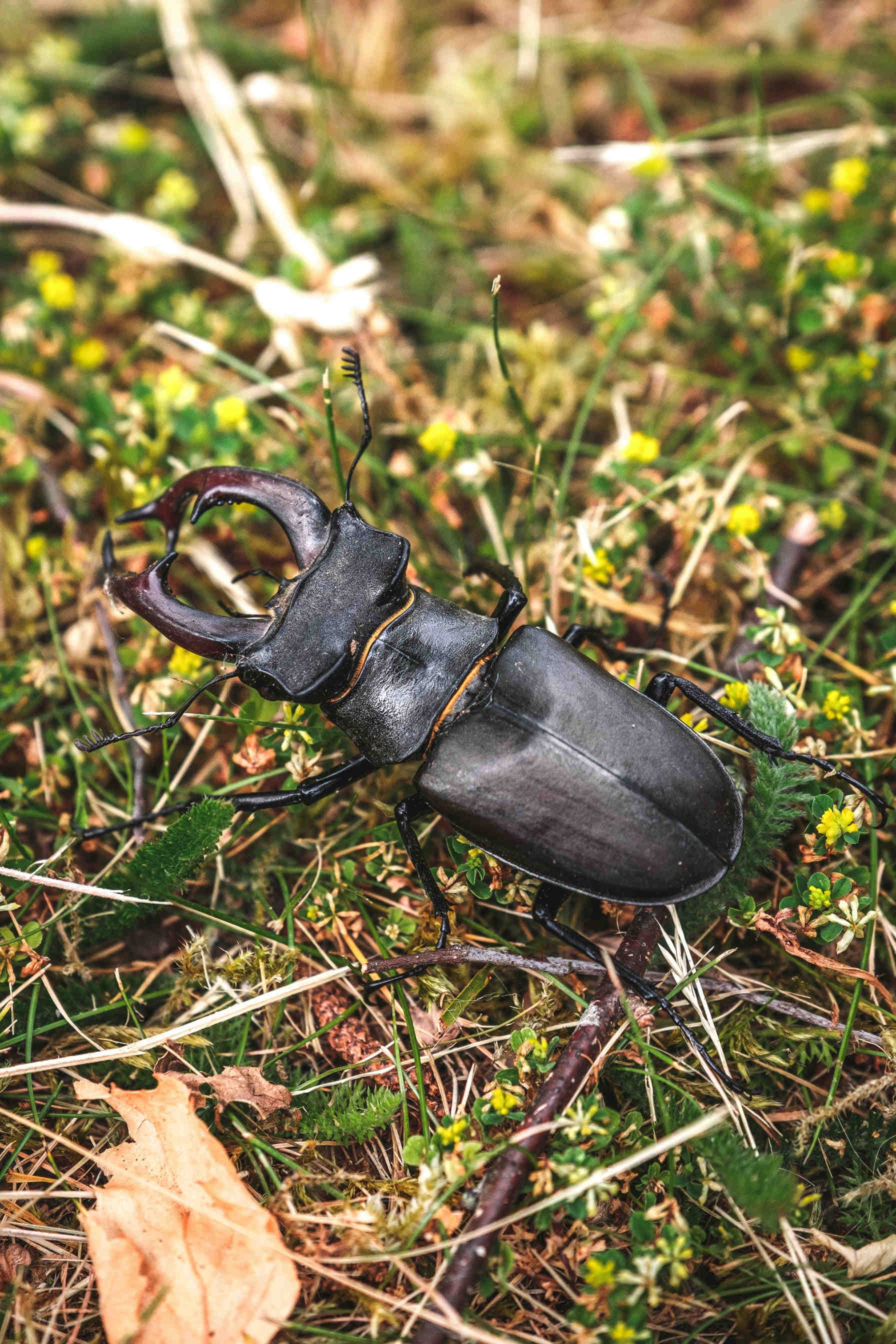
    The insect situation in Italy
    XNatura

    The windscreen effect

    One thing we can all realise, however, is what is called the 'windshield effect'. Driving a car or motorbike in the 80s or 90s (but also before), you would find your windshield or motorbike helmet covered in dead insects from the impact with the vehicle or helmet, but the same obviously applies to the headlights or bumper. Since the beginning of the 2000s, however, this has happened less and less and there is less and less need to wash the glass when driving. It may seem like a harmless and relatively unimportant thing, or even a good thing... however, thanks to a study on the amount of insects found on car windshields, it has been shown that the cale was 80%!
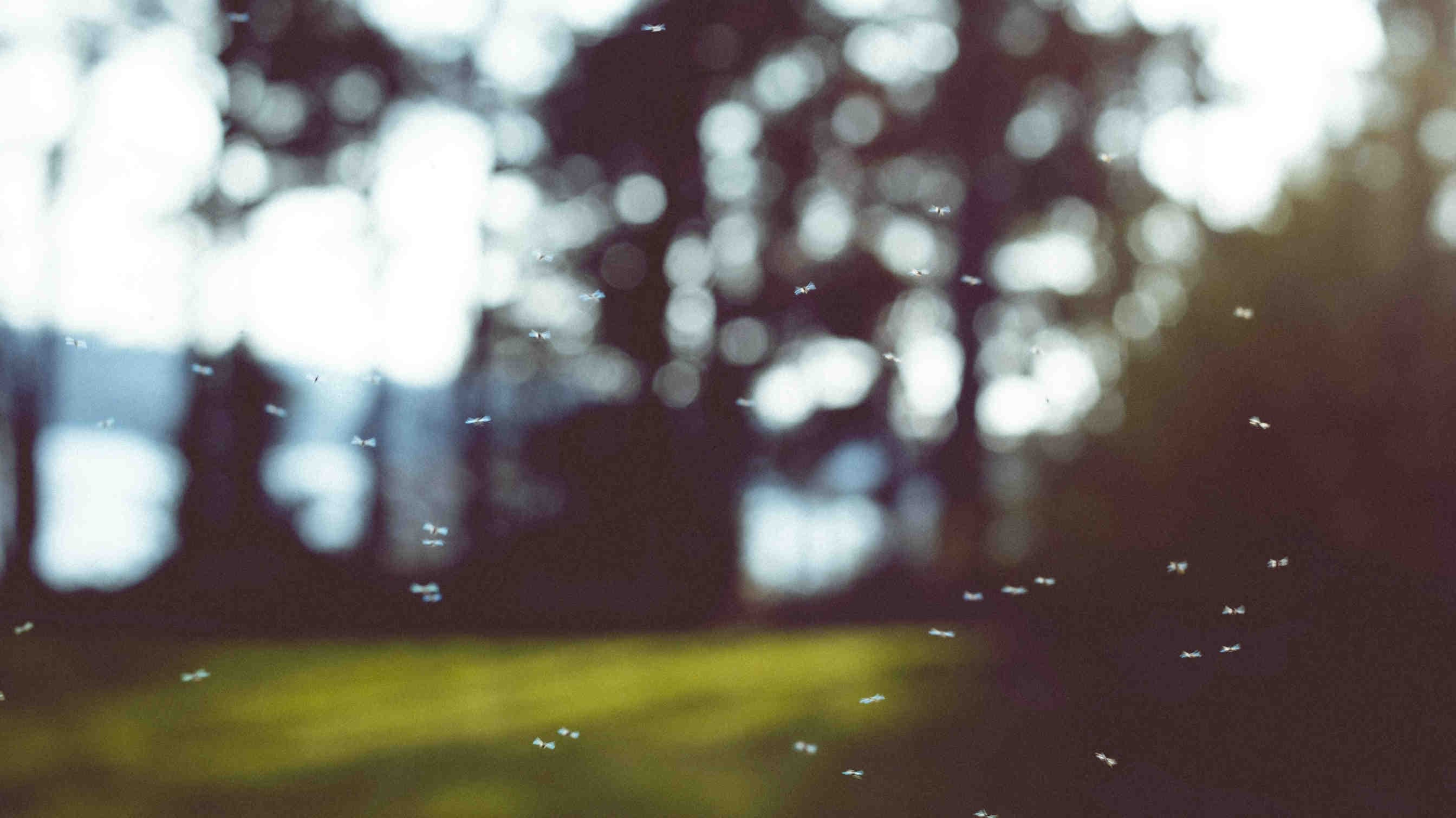
    Sciame di insetti
    3Bee

    A complex set of causes

    Once this decline has been demonstrated, to remedy it, one must first understand what it is caused by: the answer is not a single cause, but a set of various concauses that, together, contribute to the global insect population decline. As is to be expected, climate change is a crucial driver in the decline of insects in all its components (changes in rainfall patterns, droughts, floods, global warming, etc.), as it disrupts all the balances and rhythms that regulate the seasons and thus development and food supply. Agriculture is another important component, contributing pesticides and herbicides, as well as fertilisers and deforestation, often going so far as to irreparably contaminate entire areas. Finally, the growth of cities, the introduction of pest species and the pollution caused by human activities are the final parts of this mosaic of causes.
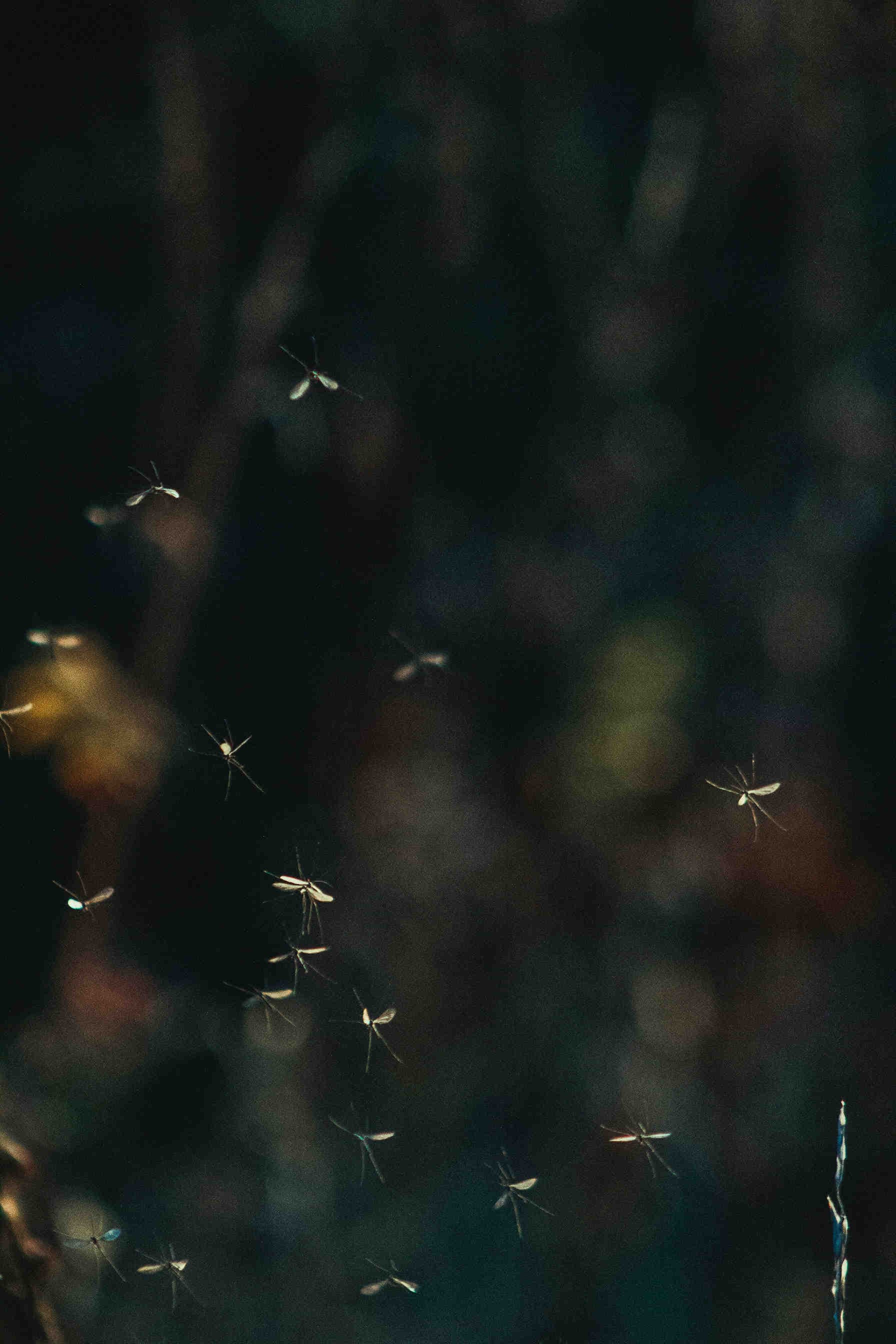
    Effimere

    What consequences

    insects form the basis of almost all trophic chains, being primary consumers of plants and organic residues and thus providing a kind of base for every other predator. Insects are themselves predators and contribute to the control of other harmful insects. Insects are widespread in every terrestrial environment outside the oceans and polar ice caps: their decline is causing, in cascade, the decline of many other species, including insectivorous birds, which in turn cause the decline of all their predators. The decline of insects has a major impact on ecosystem services: we depend almost entirely on them for the pollination of a very large number of wild and cultivated plants, including about 75% of cultivated plant species for food.

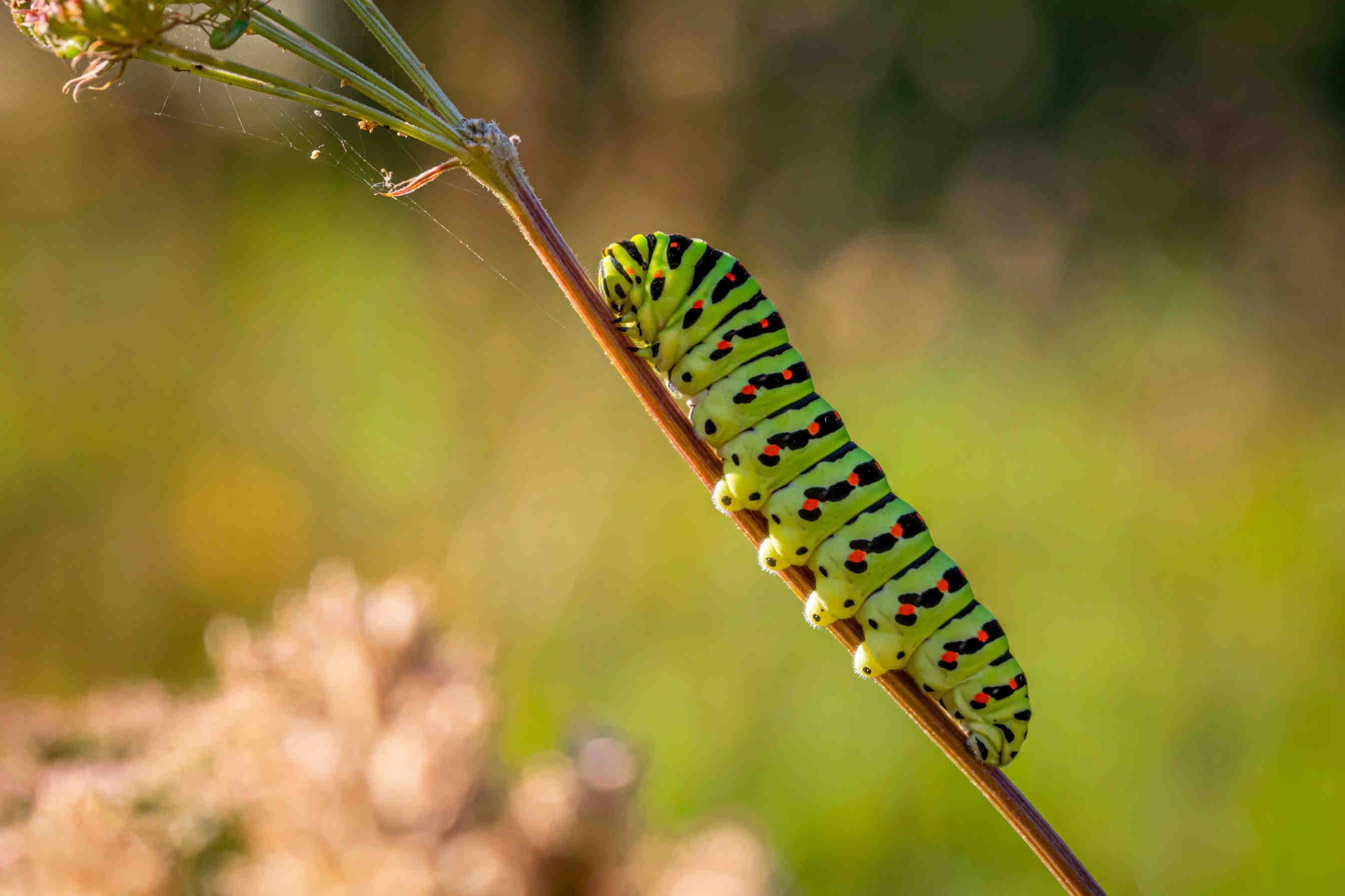
    bruco_di_macaone

    The decline of pollinators

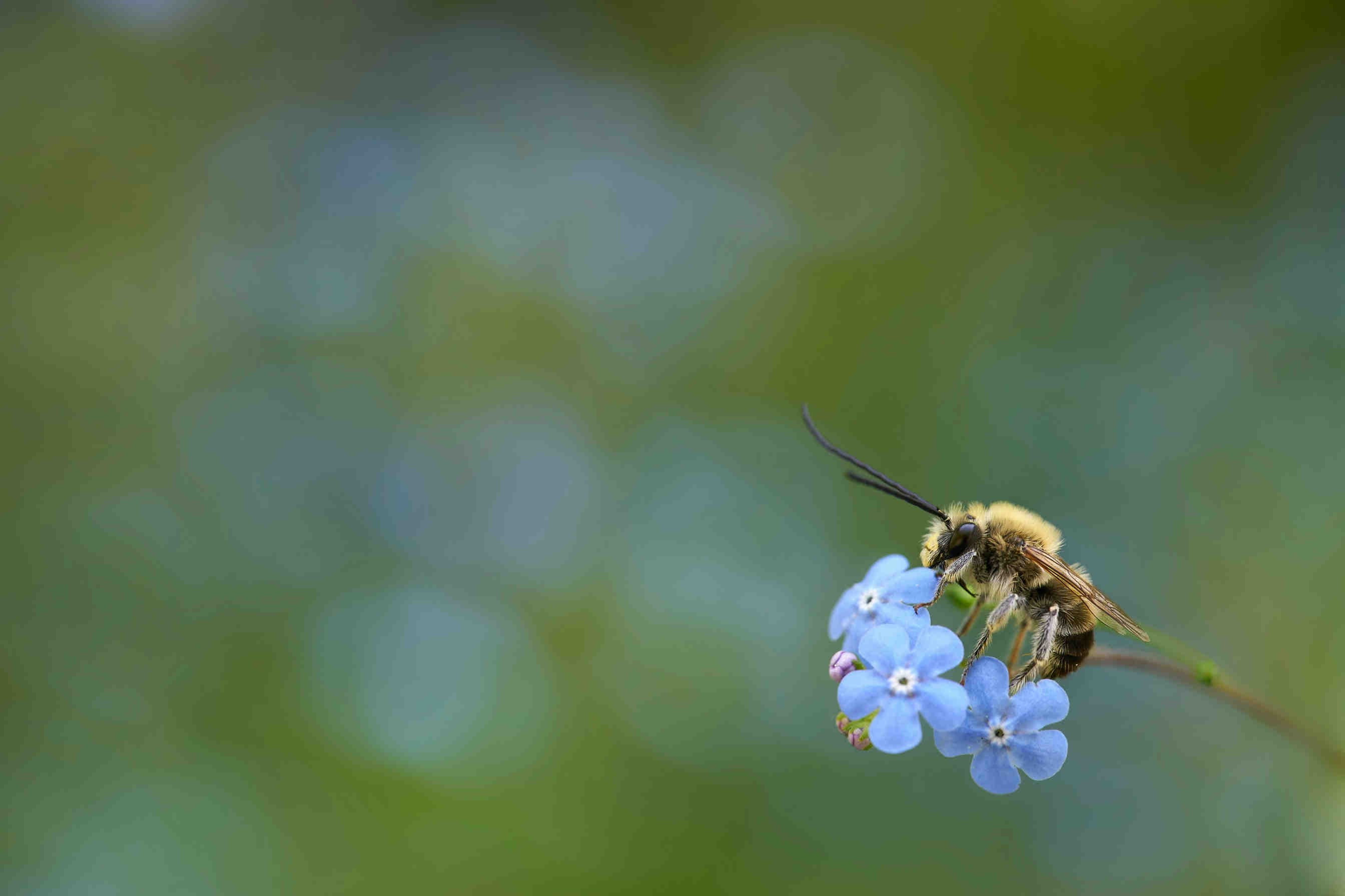
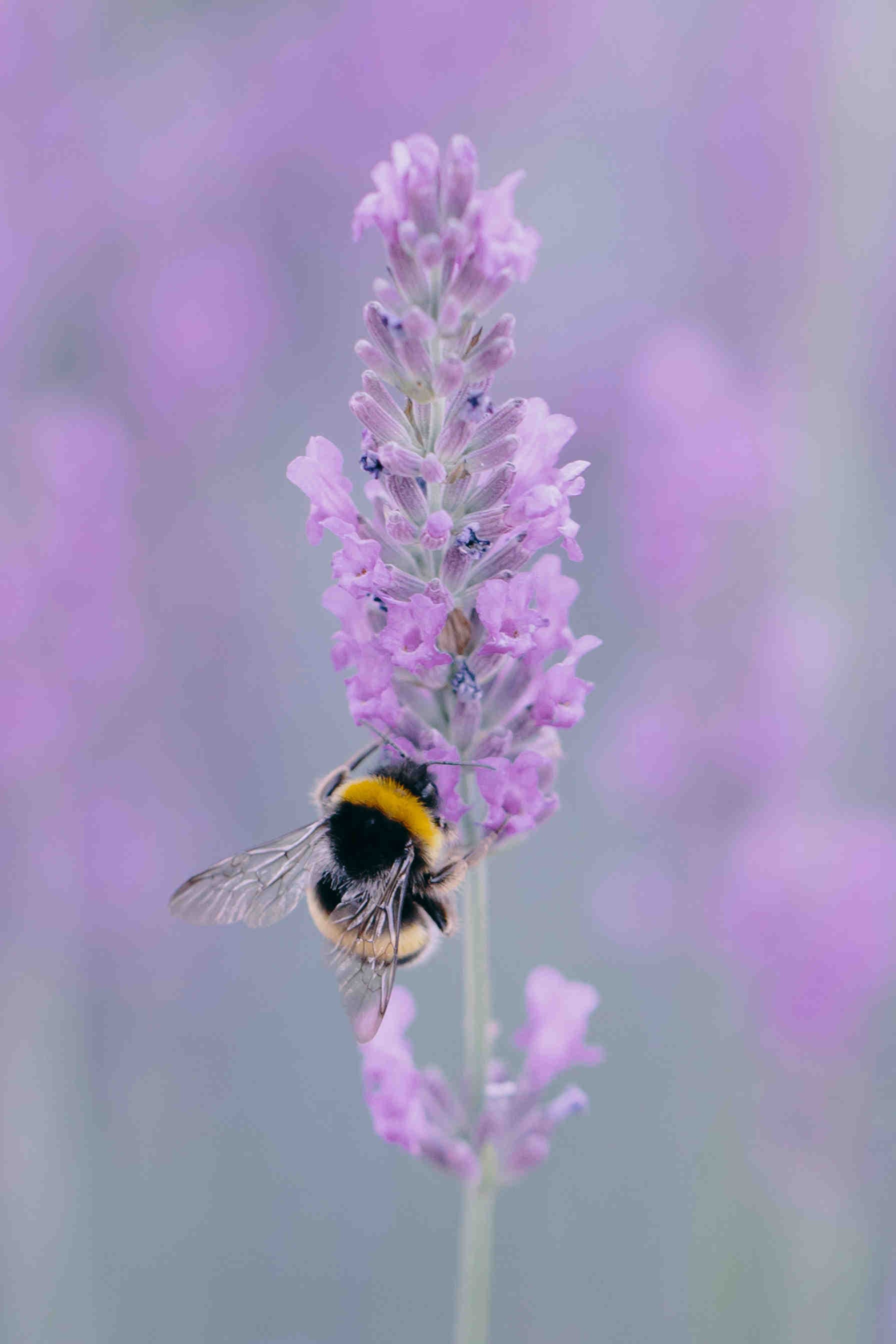
    Among insects, the decline in the number of pollinators and the resulting loss of biodiversity is a problem for us and our cultivated plants, but also for a huge number of wild plant species. In the specific case of pollinators, the climate change also affects them by causing changes in the development period of plants and insects. Another factor is the decline in the amount of nectar that plants are able to provide and thus pollinators that depend on them find themselves in a food shortage. Finally, in many areas, the flowers are contaminated with pesticide residues: even when they do not immediately kill pollinators, they can cause long-term effects, including disorientation of bees and bees that then struggle to regain the colony and reduced egg production.
    ape_selvatica

    What needs to be done?

    Intervening is essential and must be done as soon as possible. When dealing with such a vast topic, it is extremely complex to design a strategy that is unambiguous and effective. Certainly, it is necessary to prevent the loss of habitat and to contain the effects of climate change as much as possible by promoting strategies to reduce emissions of harmful substances and to adapt to the inevitable consequences it already entails. A change in agricultural practices is also necessary, but in this case it is even more complex because sufficient food production must be ensured at the same time.

    Carabide

    What can we do?

    However, there are some things that anyone can do. First of all, adopt a lifestyle that is as sustainable as possible, adopting the necessary behaviours if we don't already have them, for example by preferring environmentally friendly foods or avoiding cars when there are alternatives. We can also help to safeguard the habitat of pollinators by supporting the oases of 3Bee biodiversity, ecosystems born and bred from scratch on sad soils: monocultures, motorway margins, in grey cities, in industrial hubs. Everywhere there is poverty of biodiversity. Our oases consist of nectariferous trees and shrubs, stable meadows and pollinator refuges. Thanks to advanced biomonitoring systems, they are mapped annually.
    bombo
    20/04/2024Of 3Bee, Niccolò Patelli
    1969 Views
    Newsletter
    newsletter
    Subscribe to the Blog about bees and biodiversity

    Frequently Asked Questions

    Do you have any doubts or other curiosities about this article? Here you will find some insights