Companies and climate risk assessment
    RischiPhysical risksTransitionBiodiversity

    Companies and climate risk assessment

    The topic of climate risk is of fundamental importance for companies, which have to assess it and adopt adaptation measures accordingly. Find out what the European regulations in this area are and how companies can effectively manage these risks.

    Read the article
    11/07/2024Of 3Bee, Lisa Santillo
    451 Views
    11/07/2024Of 3Bee, Lisa Santillo
    451 Views

    What are corporate climate risks?

    The climate risks for companies represent the possible negative consequences of climate change. They are divided into physical and transitional risks. physical risks include damage to infrastructure caused by extreme weather events such as drought, water shortages, heat waves, heavy rainfall and sea level rise. The transition risks, on the other hand, stem from decarbonisation policies, which entail stricter rules and regulations on issues such as emissions and the promotion of sustainable technologies. Companies must therefore be prepared to identify and manage these risks to ensure the sustainability of their operations.
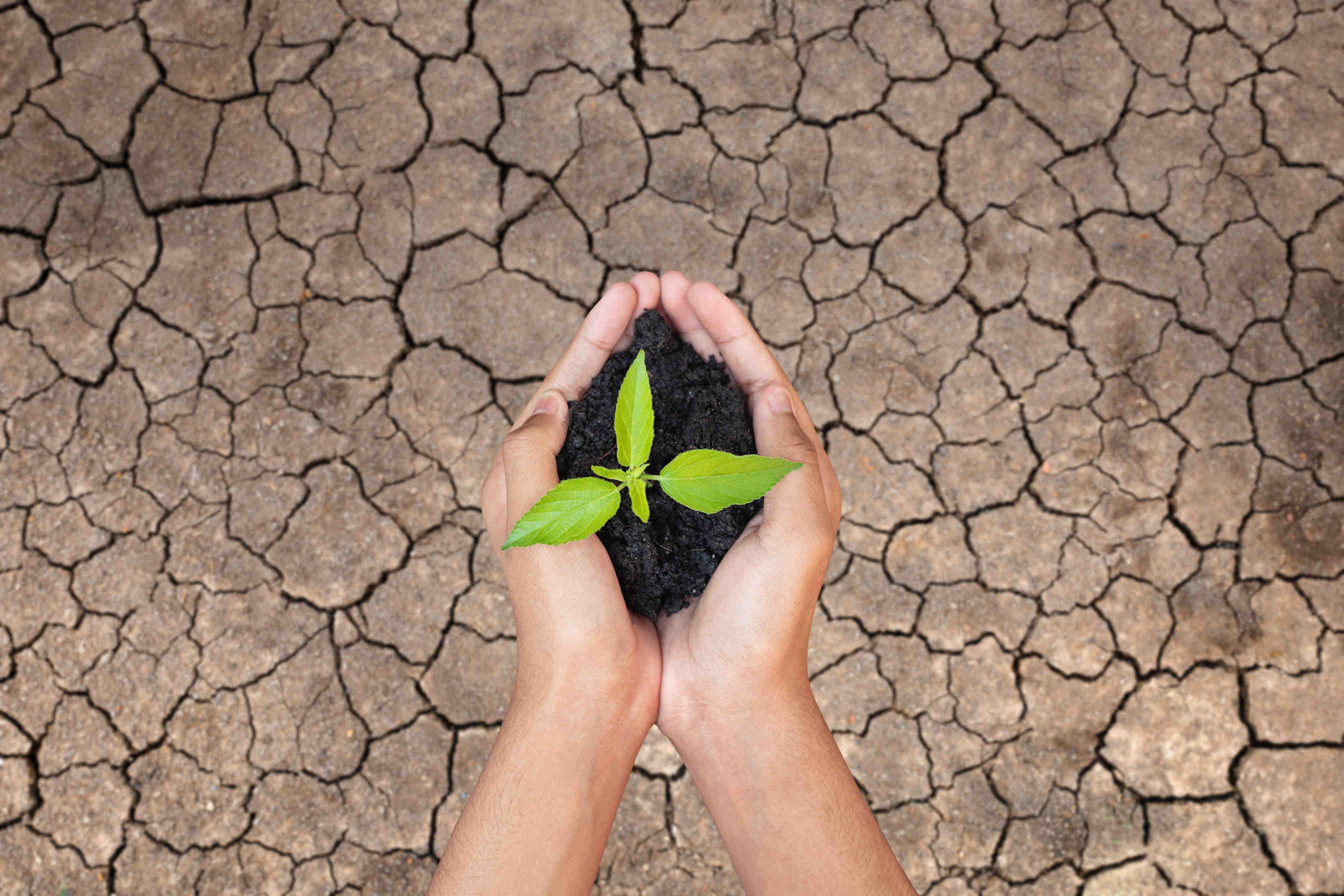
    climate change

    What are the physical climate risks for companies?

    The physical risks to companies include possible damage to buildings and infrastructure caused by extreme weather events such as droughts, water shortages, heat floods, heavy rainfall and rising sea levels. These events, unfortunately, are becoming more frequent and intense due to climate change. Companies must conduct detailed assessments of physical risks to protect their assets and ensure business continuity. Adopting prevention and adaptation measures can significantly reduce the costs associated with these extreme weather events.

    goccia
    XNatura

    What are transitional climate risks?

    The transition risks arise from decarbonisation policies and the difficulty of anticipating stricter regulatory and market changes regarding issues such as emissions, promotion of sustainable technologies and energy efficiency. Companies must adapt to these regulations in order to remain competitive and compliant, avoiding penalties and improving their environmental reputation. Careful planning and the adoption of sustainable strategies are crucial to mitigate transition risks and take advantage of the opportunities offered by the green economy. The same risk categories are applicable to the diversity loss, which is closely related to climate change.

    cuore verde

    What is the link between climate change and biodiversity?

    As mentioned, climate change and the loss of biodiversity are closely related. Global warming and extreme weather events, such as droughts and fires, are destroying natural habitats and endangering many animal and plant species. According to the Royal Society, climate change is altering rainfall patterns, intensifying extreme weather events and acidifying oceans, putting pressure on species already threatened by other human activities. In addition, the World Economic Forum notes that nearly 80 per cent of species are threatened by human activities, and more than 1 million species are threatened with extinction. However, biodiversity can also help mitigate climate change, as highlighted by a study published in ScienceDaily according to which animal species - and in particular wildlife - contribute significantly to the regulation of ecosystems.

    farfalla
    XNatura

    What does the CSRD provide for?

    The European Corporate Sustainability Reporting Directive (CSRD) requires large companies to use the European Sustainability Reporting Standards (ESRS) to report their sustainability disclosures. The ESRS standard "S1 Climate Change" sets out detailed requirements for the reporting of physical and transition risks and their management. This approach allows companies to be transparent to stakeholders about the climate risks faced and the measures taken. CSRD compliance therefore not only improves transparency but also contributes to more responsible and sustainable management of climate risks.

    CSRD
    3Bee

    What are IFRS standards?

    The IFRS Foundation has developed the "IFRS Sustainability Disclosure Standards", including IFRS S1 and IFRS S2, which require detailed reporting of physical and transitional climate risks. These standards, based on the guidelines of the Task Force on Climate-related Financial Disclosures (TCFD), aim to harmonise corporate reporting internationally, promoting transparency. The adoption of IFRS standards helps companies improve their communication with investors and stakeholders, facilitating a better understanding of climate risks and the management strategies adopted.
    clima

    What is the EU taxonomy and what does it require from companies?

    The EU taxonomy requires large companies to classify economic activities that contribute significantly to European environmental objectives, including adaptation to climate change. Compliance with the taxonomy requires a major climate risk and vulnerability assessment, as defined in Regulation (EU) 2021/2139 of 4 June 2021. Companies must ensure that their economic activities do not cause significant damage and meet the climate adaptation requirements. Risk assessment and the implementation of adaptation measures are crucial for the long-term sustainability of business activities and their resilience to climate change.

    UE

    How to measure corporate impact on biodiversity?

    3Bee, with its monitoring platform compliant with the CSRD directive and the ESRS and GRI reporting standards, makes it possible to assess the impact of companies on biodiversity in a simple and straightforward manner. Here, data collected through the analysis of satellite images and IoT bioacoustic devices placed in the field are aggregated and synthesised into indices that provide an estimate of the impact of farm sites on local biodiversity. The 3Bee approach for biodiversity assessment, regeneration and monitoring is based on the guidelines of the verified XNatura Protocol. In a single monitoring platform, 3Bee enables companies to obtain transparent and objective data on the biodiversity impact of all company sites and the supply chain. Want to learn more? Request your demo now.

    11/07/2024Of 3Bee, Lisa Santillo
    451 Views
    Newsletter
    newsletter
    Subscribe to the Blog about bees and biodiversity

    Frequently Asked Questions

    Do you have any doubts or other curiosities about this article? Here you will find some insights