Climate Change: first threat to biodiversity in 2050
    BiodiversityThree levelsThreatsSuolo

    Climate Change: first threat to biodiversity in 2050

    According to a recent multi-model study, the climate crisis is likely to be the leading cause of biodiversity loss by the middle of the 21st century. Read more about the causes of biodiversity loss.

    Read the article
    15/06/2024Of 3Bee, Chiara Pertile
    669 Views
    15/06/2024Of 3Bee, Chiara Pertile
    669 Views

    Biodiversity in danger

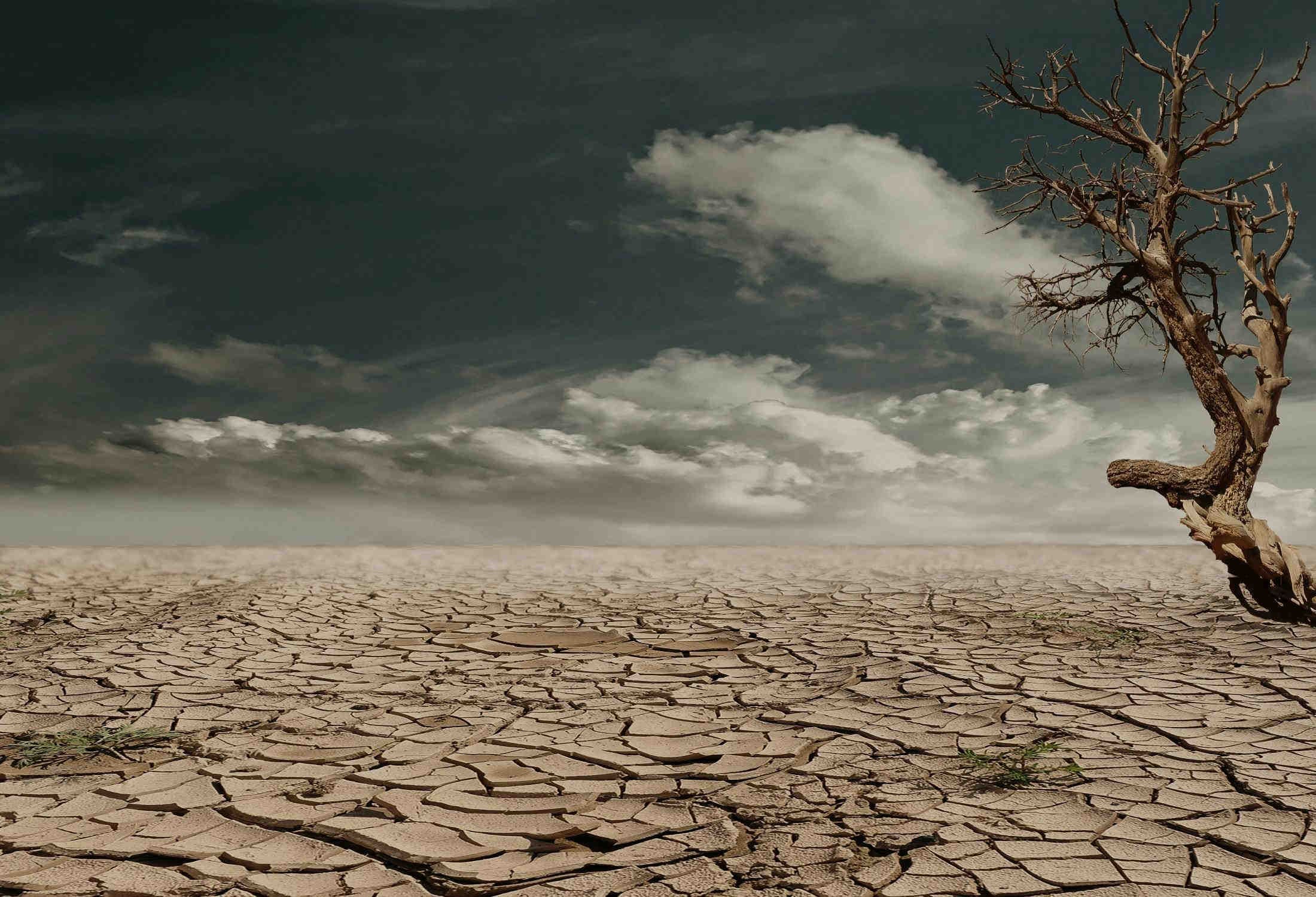
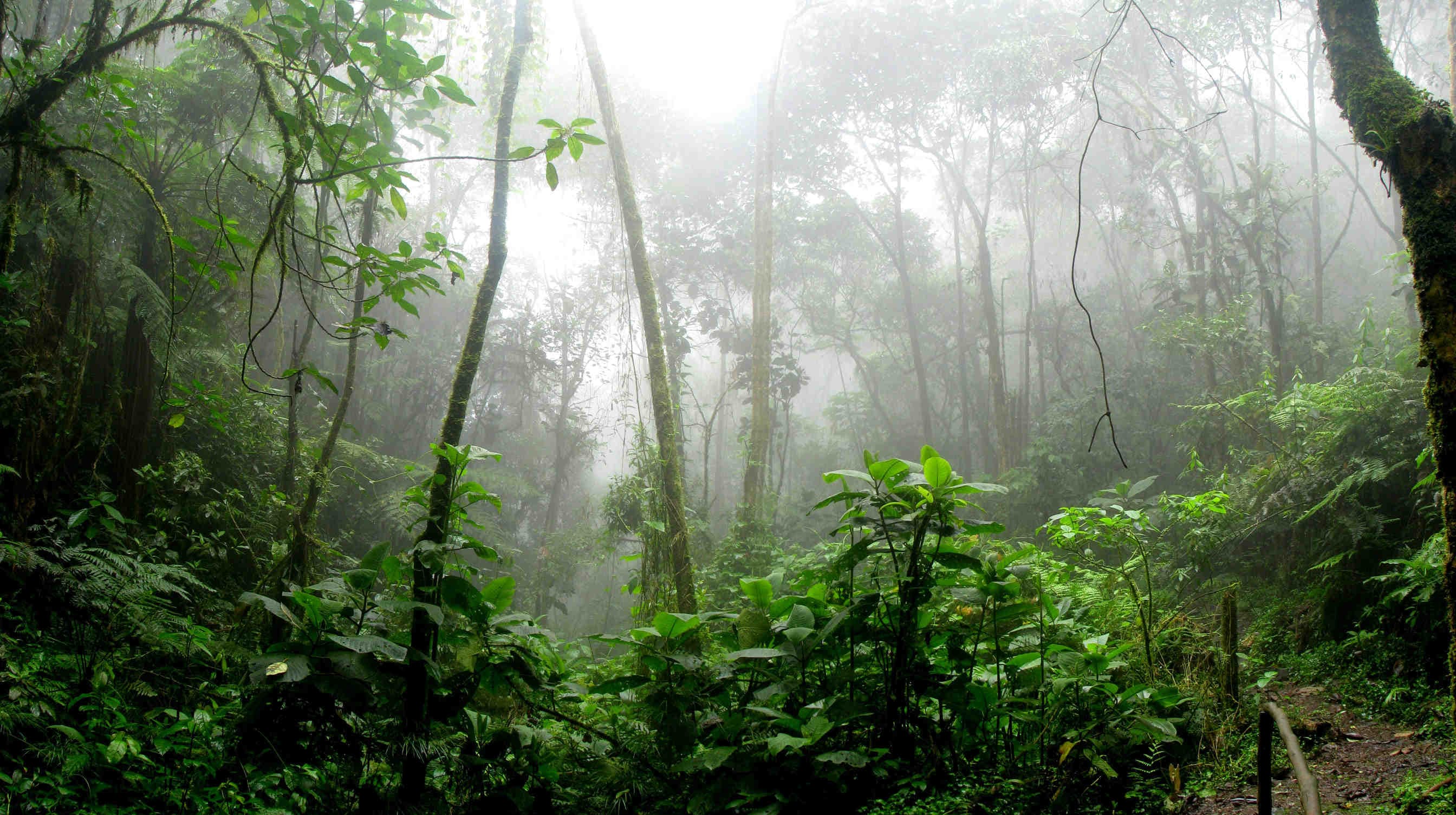
    The destruction and disappearance of ecosystems today constitute an unprecedented global catastrophe. Human activity has accelerated the rate of extinction of species from one hundred to one thousand times the natural rate, leading to the disappearance of approximately fifty species per day, according to scholars. According to the WWF's 2023 report, in a decade or so, anthropogenic impact has in fact caused around 12.5 per cent of the Atlantic rainforest, more than 50 per cent of coral reefs and around 20 per cent of the Amazon rainforest to disappear. Even Italy, a country where ecological diversity reaches the highest level in Europe, has not been exempt from this decline: about 68% of Italian ecosystems are endangered, representing a great threat to the biodiversity of our planet.
    foresta pluviale

    The three levels of biodiversity

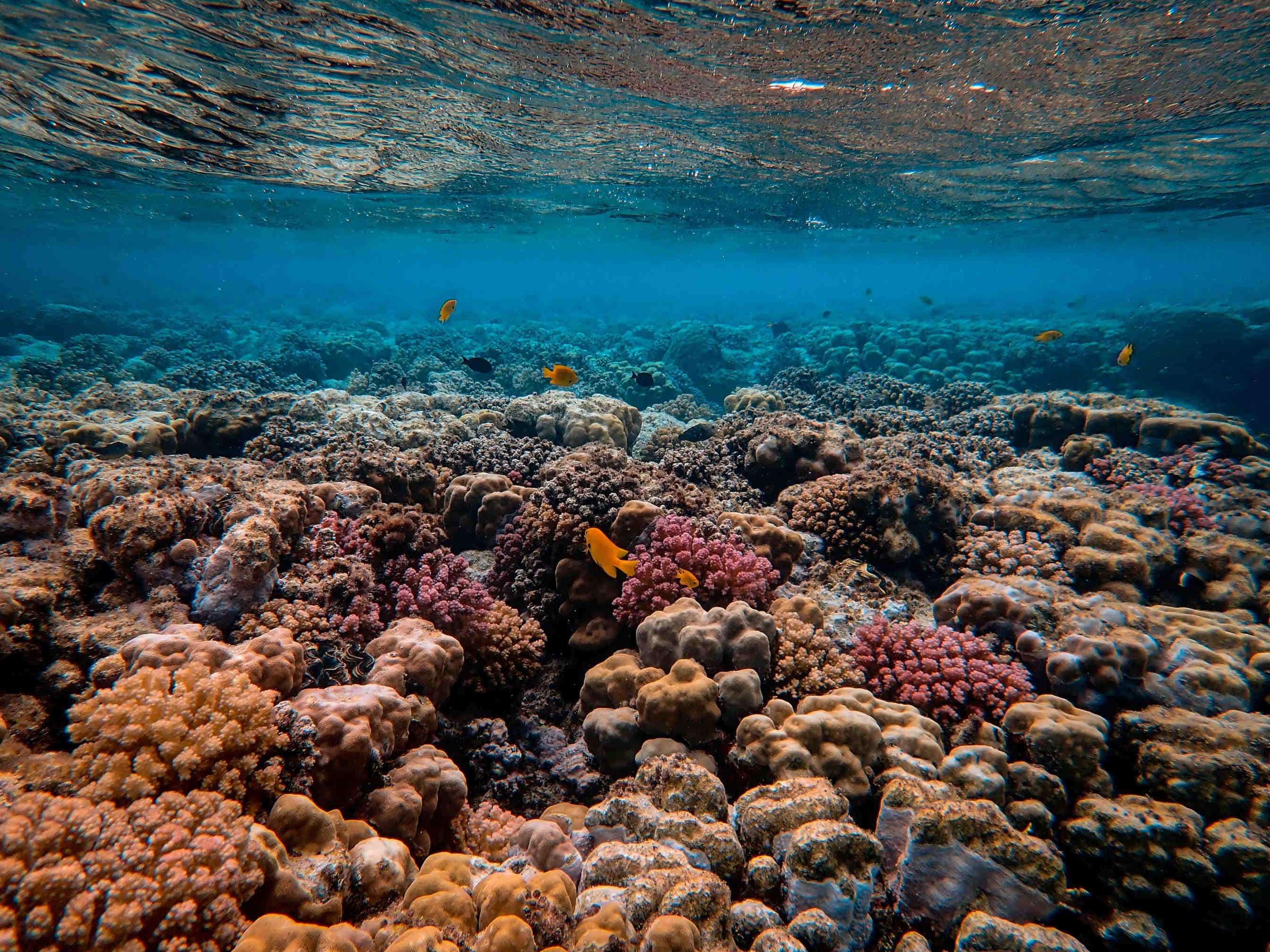
    But what is biodiversity? Biodiversity consists of three interconnected levels that are fundamental to our planet: genetic variability, species diversity and ecosystem diversity. Genetic variability represents the variety of genes present in a species, which is fundamental for the adaptability of organisms to the environment. The diversity of species, on the other hand, is essential for productivity, ecological balance and resistance to possible crises or disturbances in ecosystems. For example, pollinating animals play a crucial role in the survival of wild and cultivated plants by spreading seeds in nature; while other species, such as corals, provide shelter and habitat for numerous marine species. Finally, the third level of ecosystem diversity ensures the proper functioning of matter and energy flows, which are indispensable for the maintenance of life on Earth.

    coralli
    XNatura

    The dangers to biodiversity

    According to Legambiente's report of 2023 'Biodiversity at Risk', the main causes of biodiversity loss are multiple and interconnected. Of these, at least six can be identified: the main one is the destruction and fragmentation of natural habitats, due to the expansion of the human population and its activities, such as agriculture and urbanisation; the second is climate change, which, with the rise in global temperatures and the increase in extreme weather phenomena, causes the alteration of habitats and puts species at risk; the third is pollution, in particular the use of pesticides and fertilisers; the fourth is the introduction of invasive alien species and the fifth is the over-exploitation of natural resources, in which the legal and illegal trade of wild species is also included. Finally, human activities can favour the spread of pathogenic organisms that greatly impact the health of other organisms.
    perdita biodiversità

    Land use

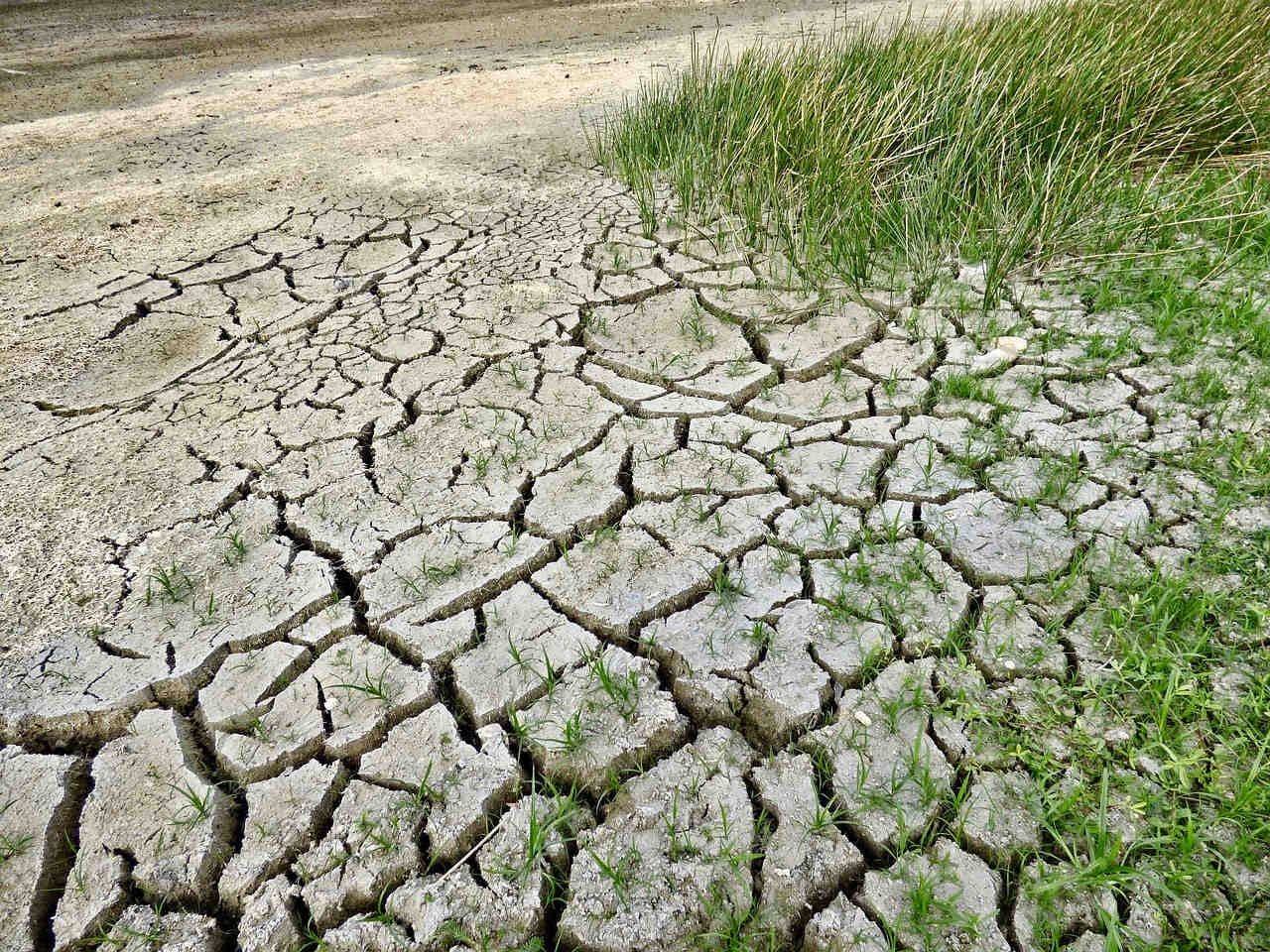
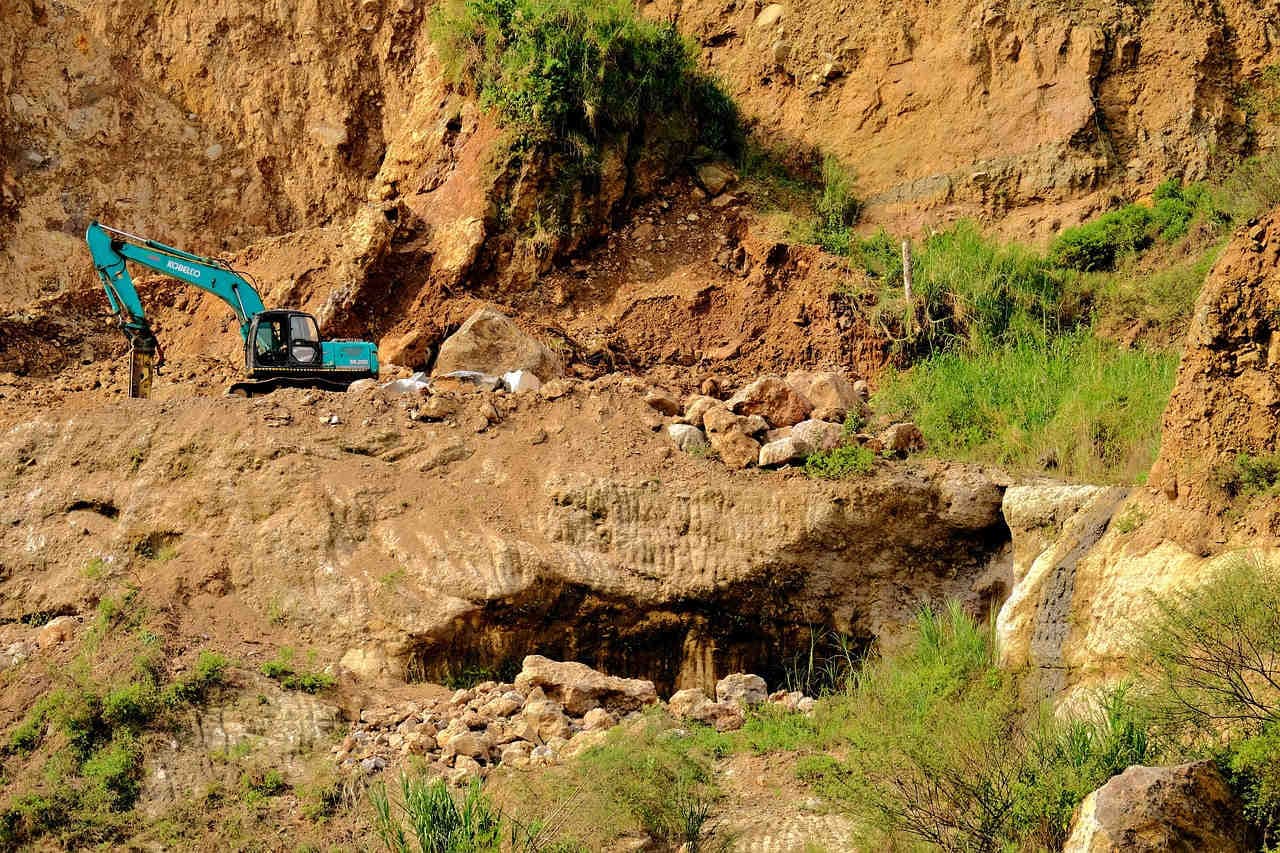
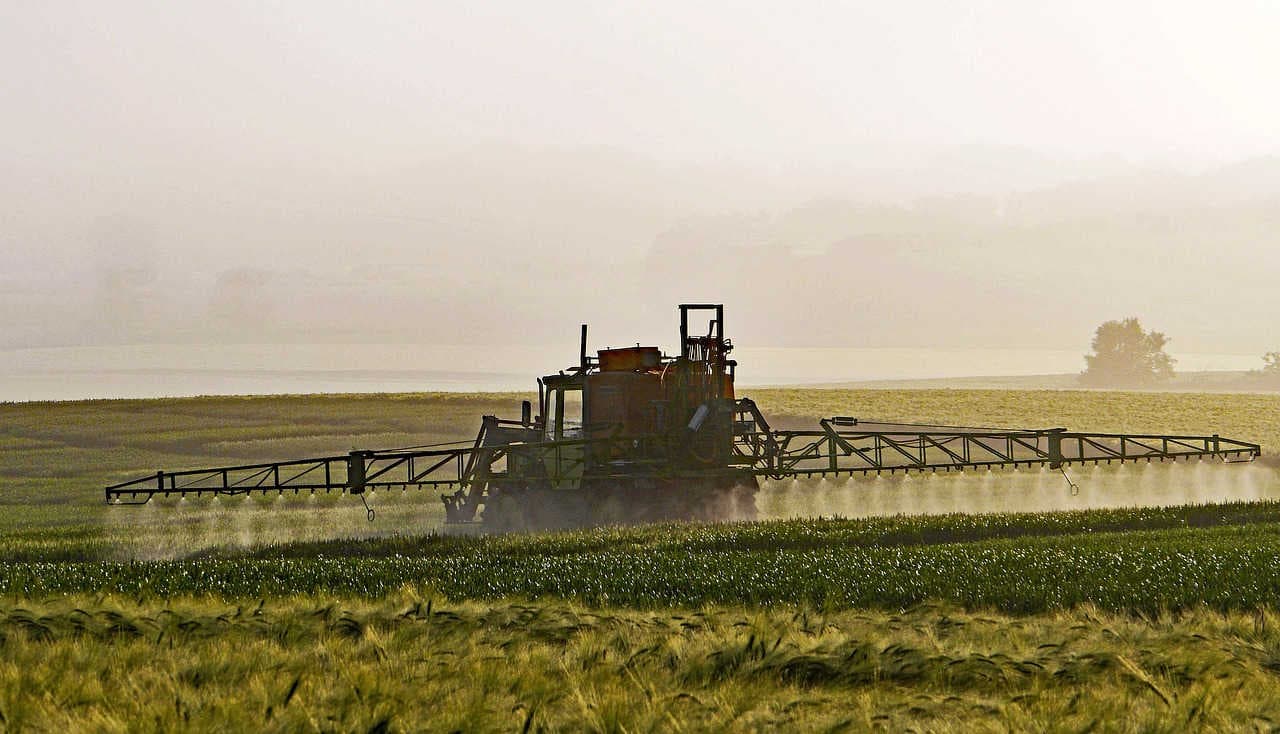
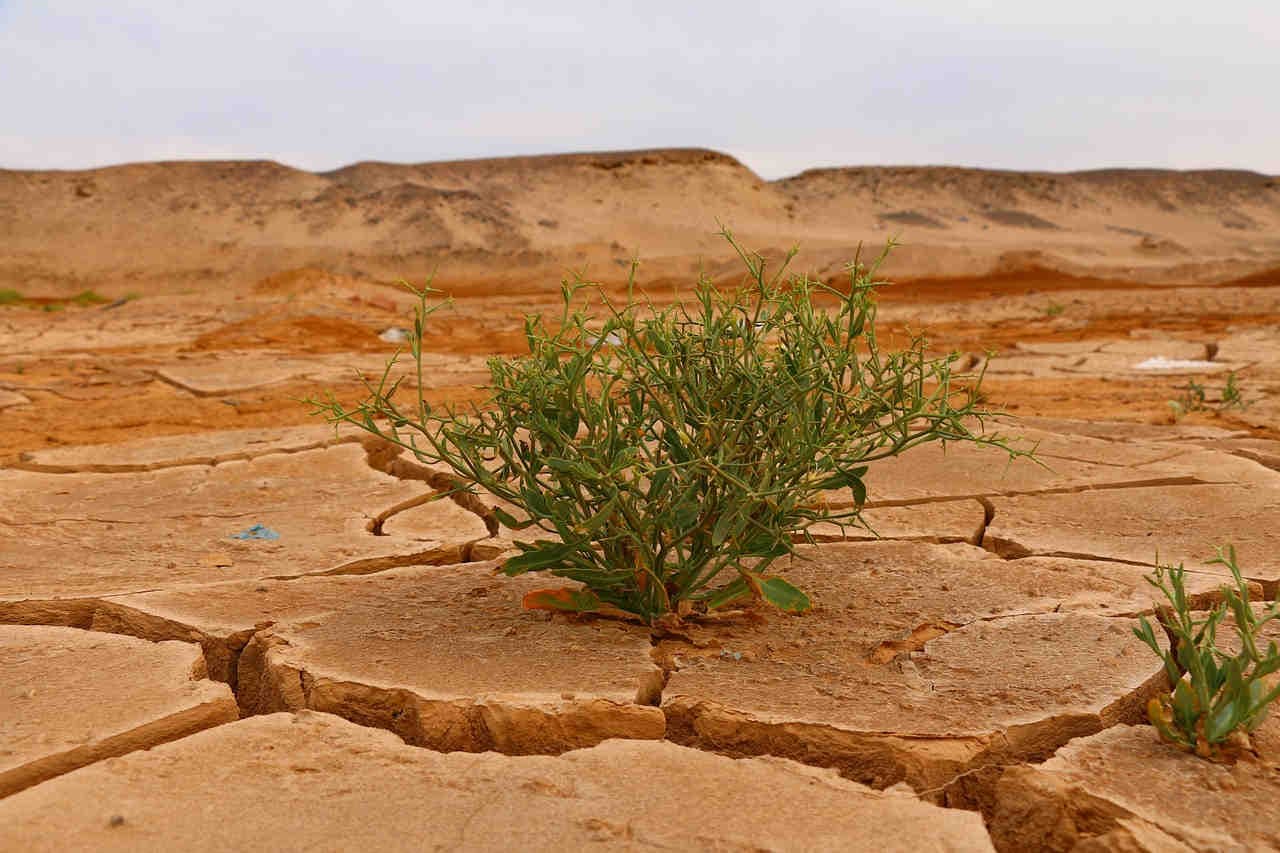
    Although it is often led to believe that climate change is the main threat to biodiversity, this is currently not the case: habitat fragmentation, in particular intensive land use, is considered by many to be the main cause of biodiversity loss. In fact, soil plays a fundamental role in ecological balance: it is crucial for the growth of vegetation, for filtering and retaining the flow of water to aquifers and watercourses, it reduces the risk of flooding, and it regulates energy flows to and from the atmosphere, mitigating the climate. It is home to many living species and holds about a quarter of the biodiversity of our entire planet. Human activity has destroyed the soil and its richness through soil erosion and the contamination of vegetation with pesticides and chemical fertilisers, widely used in agriculture. According to estimates, Italy loses 2.2 square metres of soil every second.
    sfruttamento suolo
    XNatura

    The multi-model study

    The IPBES, the Intergovernmental Platform on Biodiversity and Ecosystem Services of the World Biodiversity Council, argues that land use and conversion is the most important factor in biodiversity loss. But to what extent, and more importantly, will this be the case forever? To answer these questions, a large group of researchers from several universities, including La Sapienza in Rome and the German Centre for Integrative Biodiversity Research (iDiv), has developed the first multi-model study, the most comprehensive with indicators to date, to analyse past trends and create future projections on the influence of factors such as land use change and the climate crisis on global biodiversity and ecosystem services.
    sfruttamento suolo
    3Bee

    The main cause of biodiversity loss

    To do so, the study 'Global trends and scenarios for terrestrial biodiversity and ecosystem services from 1900 to 2050', published in Science, compared thirteen models to calculate the effects of land use and climate change over the 20th century on four biodiversity parameters (global species richness, local species richness, biodiversity integrity and average extent of species habitats) and nine ecosystem services. According to the results, global biodiversity may have decreased by 2 to 11% due to land use change alone. Furthermore, the study shows a reversal in ecosystem services: from 1900 to 2015, provisioning services, such as food and timber production, multiplied, while some services regulating ecological balances, such as pollination, decreased moderately leading to a progressive loss of global biodiversity.
    impoverimento suolo

    Climate Change

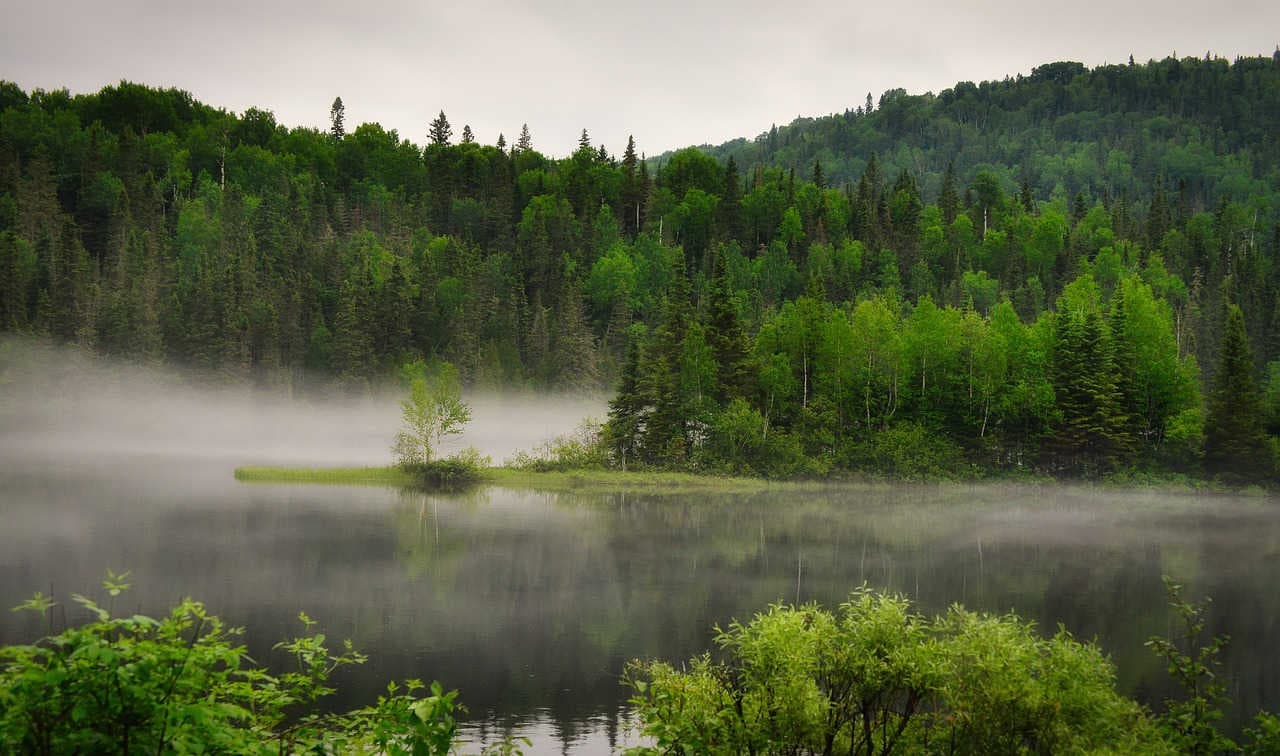
    In addition to past analyses, researchers have calculated how biodiversity and ecosystem services might behave in the future. According to the projections, although land use remains a determining factor, by 2050 climate change could become the primary driver of global biodiversity loss, especially if greenhouse gas emissions are not stopped. According to scholars, even in the best and most sustainable scenario, where global warming does not exceed the 2 °C threshold and more sustainable land use practices are implemented, biodiversity could still continue to decline.
    natura

    Rethinking environmental protection actions

    Although the projections expressed by the study are not definitive predictions of the future, it is crucial to draw conclusions from what emerges from them: even in the best of all possible scenarios, biodiversity is at risk and it is important to think of alternatives to avoid such a trend. Therefore, it is essential to reconsider government policies to pursue more ambitious goals for the protection of our planet. One example would be working to increase the regulatory ecosystem services of our planet, such as pollination. 3Bee has for years been developing strategies to protect and regenerate biodiversity by safeguarding and creating ecological corridors for pollinators. Want to know how you can play your part? Go to the Oases of Biodiversity.
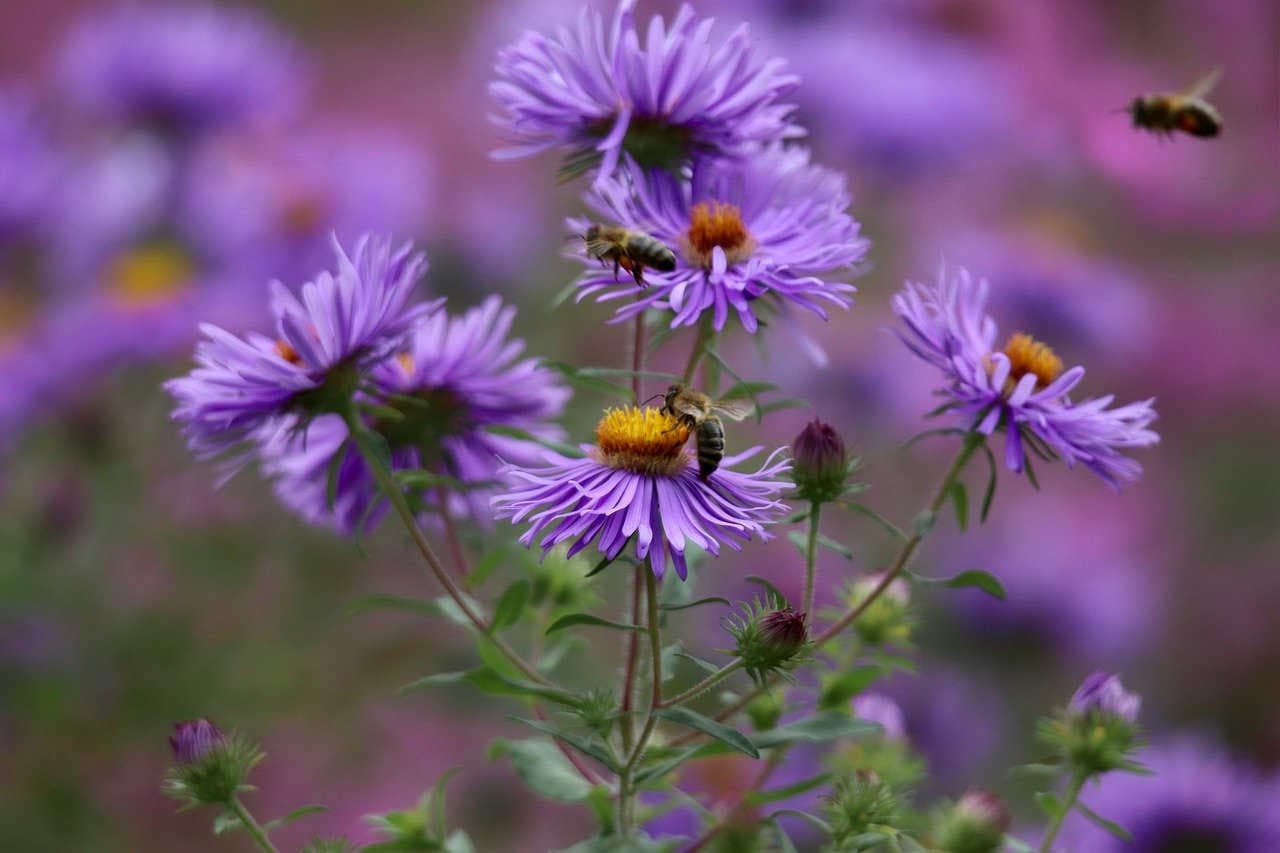
    fiori impollinatori
    15/06/2024Of 3Bee, Chiara Pertile
    669 Views
    Newsletter
    newsletter
    Subscribe to the Blog about bees and biodiversity

    Frequently Asked Questions

    Do you have any doubts or other curiosities about this article? Here you will find some insights