Can bumblebees cooperate?
    CooperationAnimaleBehaviourIntentionality

    Can bumblebees cooperate?

    A study reveals that cooperation between bumblebees goes beyond the mere sum of individual efforts. In fact, these pollinating insects seem to be able to learn to coordinate and collaborate in order to achieve a common goal, such as moving a brick to obtain a reward.

    Read the article
    07/07/2024Of 3Bee, Chiara Pertile
    161 Views
    07/07/2024Of 3Bee, Chiara Pertile
    161 Views

    Cooperation in kind

    In the biological universe, the concepts of struggle and competition have long dominated the view of evolution. Ever since Charles Darwin's theories, often misunderstood or dogmatised by his successors, life has been described as a struggle of the fittest, in a race for adaptation and reproductive success. However, behind this veil of competition, a more complex and fascinating reality of what life is and how natural selection acts is revealed. In fact, altruism and cooperation seem to be pervasive phenomena in the animal universe. Co-operation, in particular, represents a fundamental aspect of social behaviour, observable when two or more individuals co-ordinate their actions to achieve outcomes that provide common benefits.
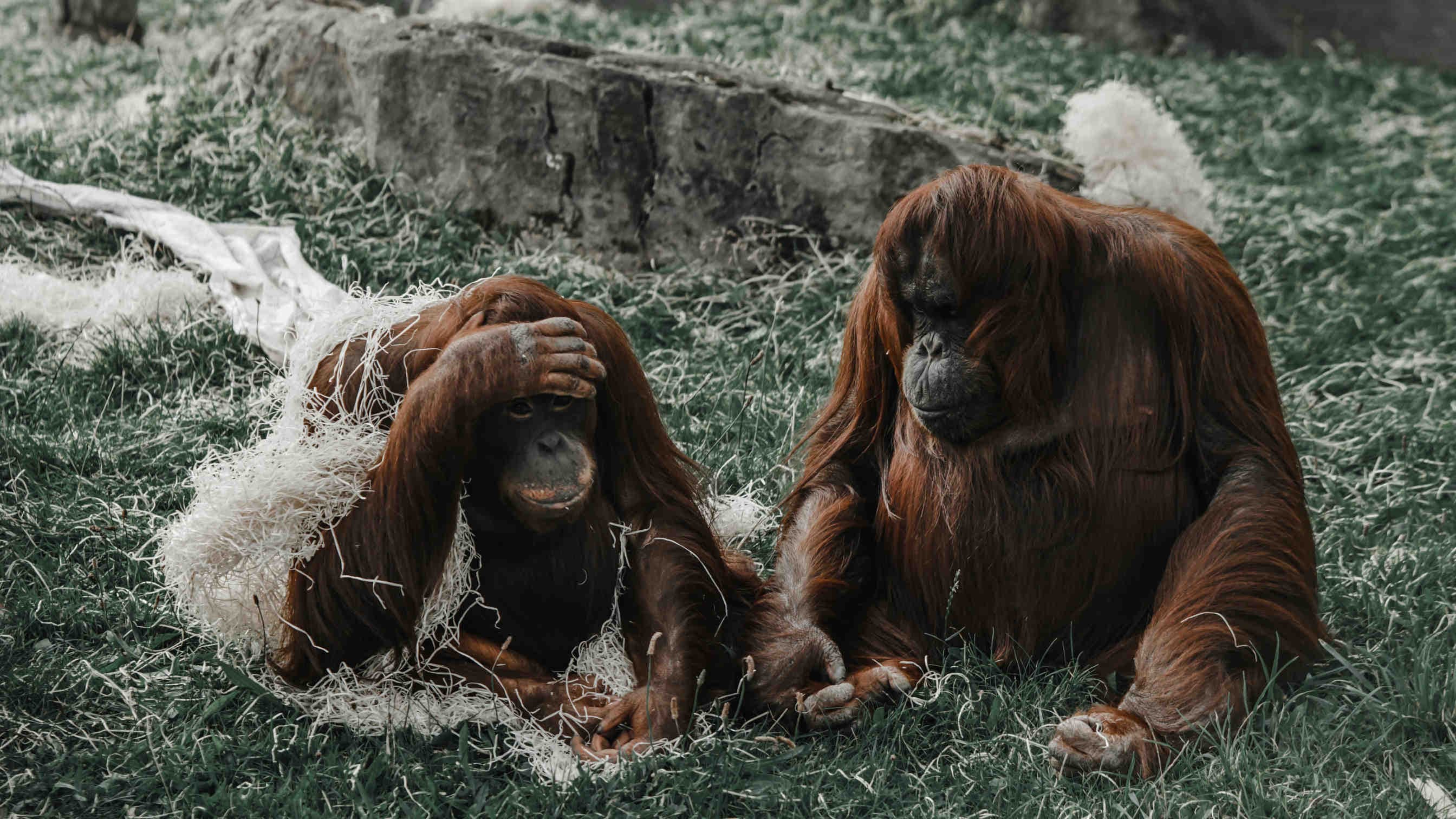
    oranghi

    Animal co-operation and cognitive mechanisms

    Co-operation is a widespread phenomenon in the animal world and has been observed in many species, such as in primates and cetaceans, but also in fish and social insects. Understanding the cognitive mechanisms underlying animal cooperation is now a central topic in biological studies: until recently, it was believed that cooperation was an exception and was restricted to animals closest to humans. However, advances in observation techniques and ethological analysis are leading to a greater understanding of how and why animals cooperate, as well as the complex cognitive capacities that facilitate such behaviour. One of the central questions in these studies, however, concerns the possibility of studying whether or not animals understand the cooperative nature of a task and to what extent, or whether their cooperative actions are simply a by-product of unconscious individual efforts.

    delfini
    XNatura

    The different types of cooperative behaviour

    Recently, researchers Alicia P. Melis and Shona Duguid attempted to define when cooperative behaviour can be considered intentional or unintentional. In particular, they distinguish four different types of cooperative behaviour: cooperative actions as a by-product, when joint actions are not intentionally coordinated but occur as a result of individual actions; socially influenced cooperation, when joint actions are influenced by the behaviour of others, but there is no intentional coordination; actively coordinated cooperation, when animals intentionally coordinate with others to achieve a shared goal and demonstrate some understanding of the partner's role; finally, cooperation with shared intentionality, when joint actions are supported by cognitive abilities motivated by shared representations of the common goal.

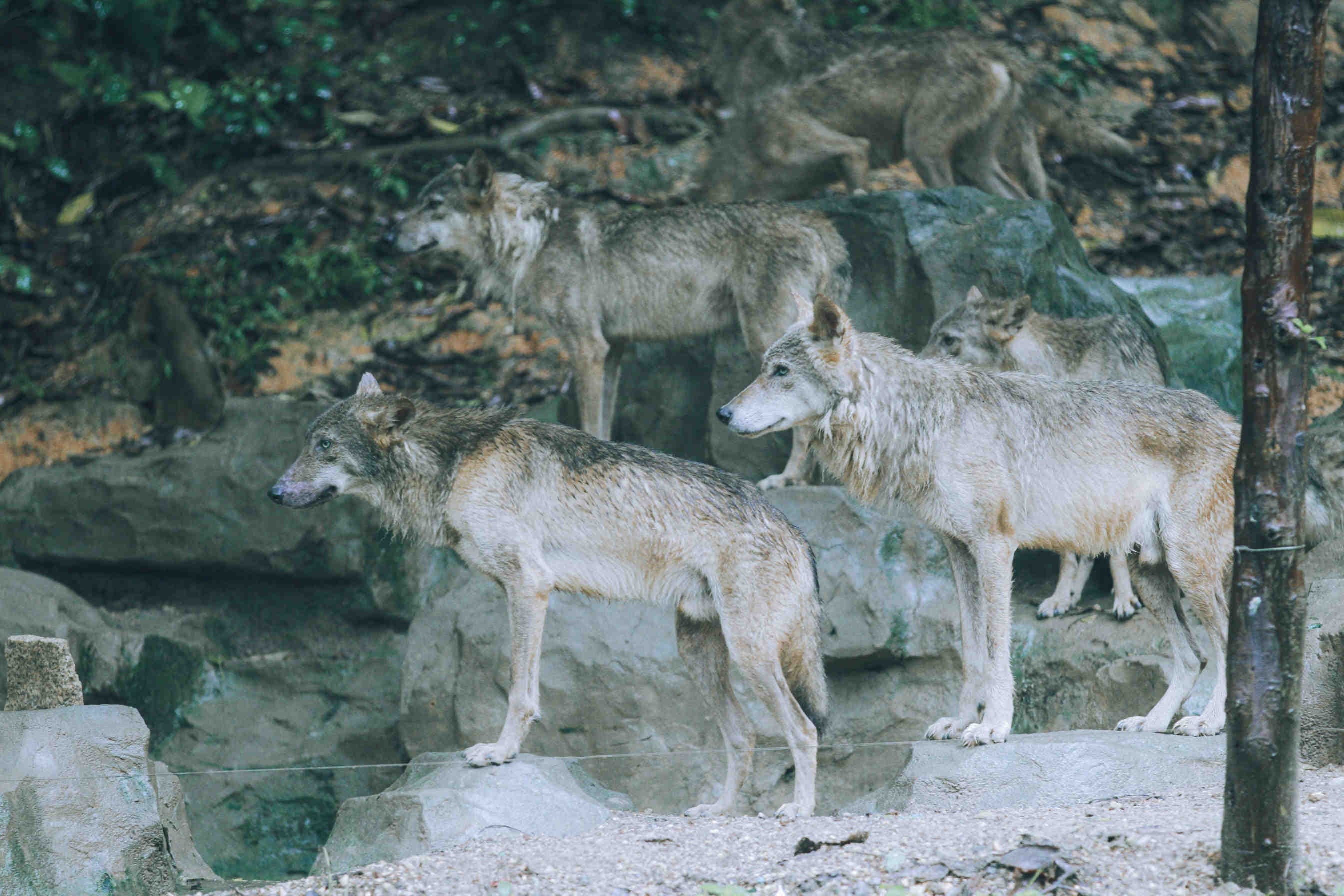
    lupi

    Coordination or intentionality

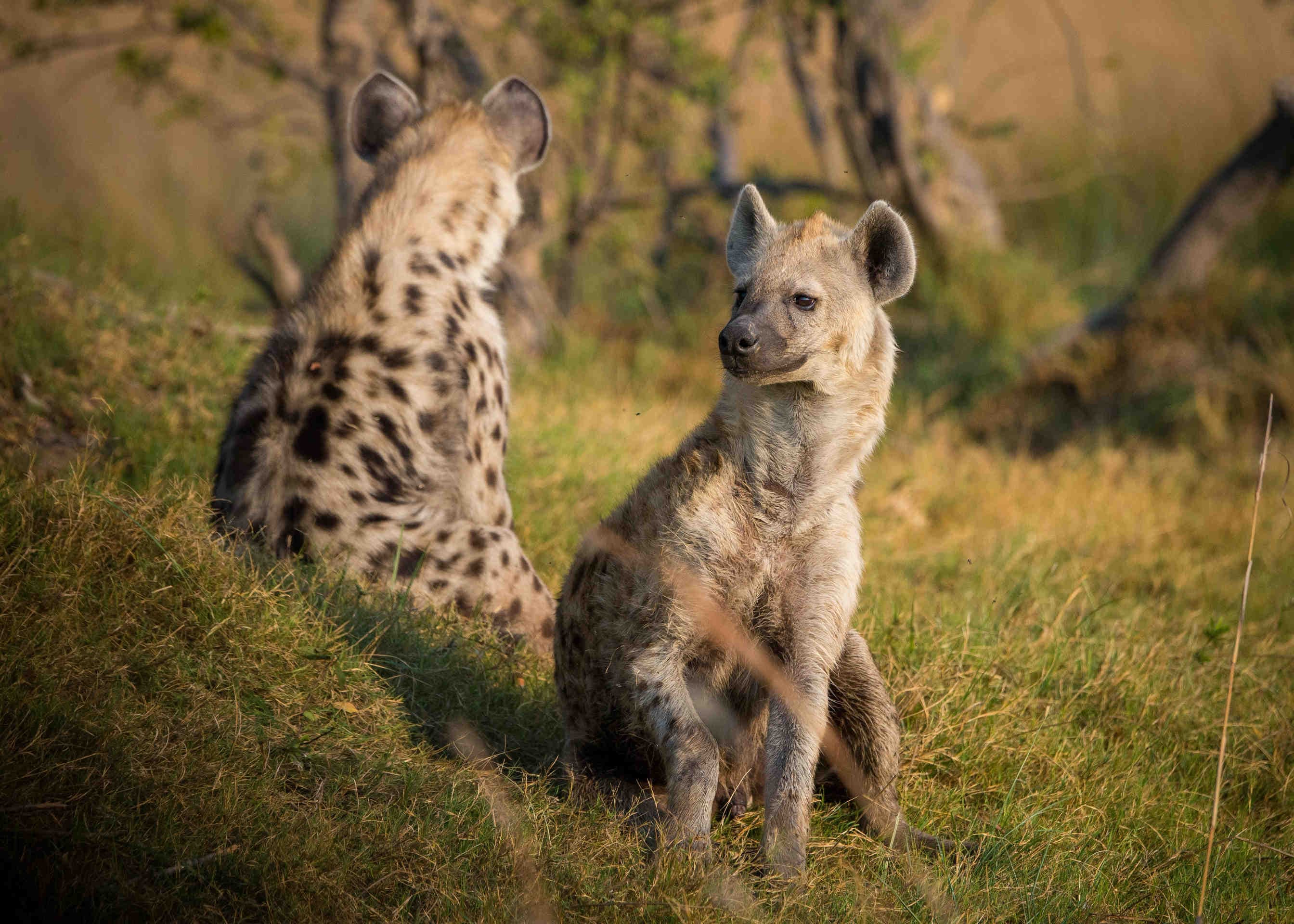
    While cooperation with shared intentionality is considered a distinctive and unique mark of the human species, demonstrated as early as three years of age, actively coordinated cooperation has been observed in several animal species, such as chimpanzees (Pan troglodytes), dolphins (Tursiops truncatus), the orangutans (Pongo pygmaeus), the cebuses (Cebus apella) Asian elephants (Elephas maximus), wolves (Canis lupus), spotted hyenas (Crocuta crocuta) and keas (Nestor notabilis). These animals would not only be able to understand their partner's role, but are also able to wait for it, to communicate with it in order to carry out joint action or to provide instrumental aid.

    iene
    XNatura

    Cooperation in insects

    In the world of insects, by contrast, evidence supporting the presence of actively cooperative behaviour is limited. It is still unknown whether these animals are able to understand to some extent the role of partners in joint actions or whether their cooperation is simply a by-product of individual actions. One of the few studies to ask this question was recently published in Proceedings of the Royal Society B: Biological Sciences with the title 'Evidence for socially influenced and potentially actively coordinated cooperation by bumblebees'. , examining as a case study the behaviour of bumblebees (Bombus terrestris) in two different cooperative foraging tasks.

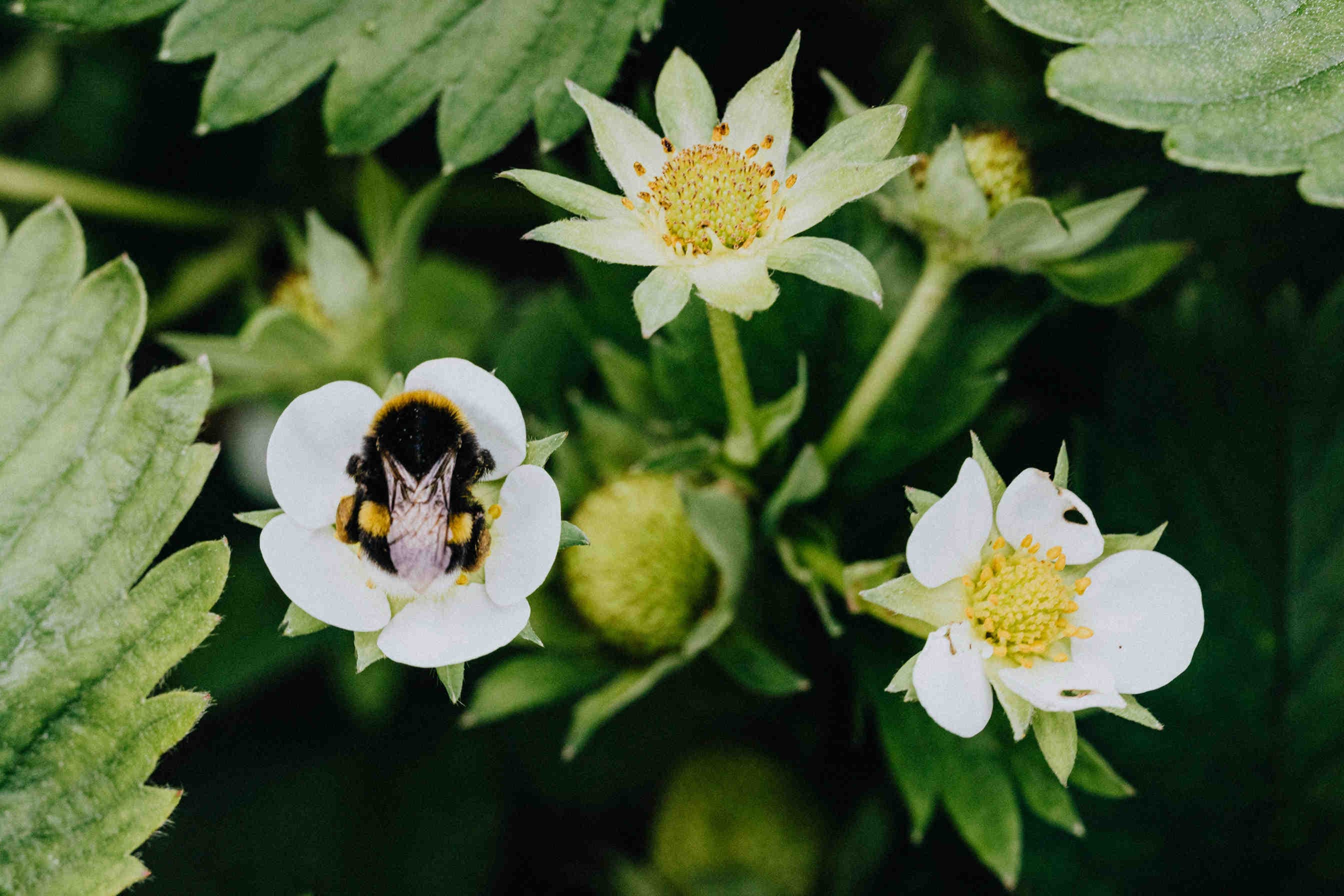
    bombo
    3Bee

    Homework for bumblebees

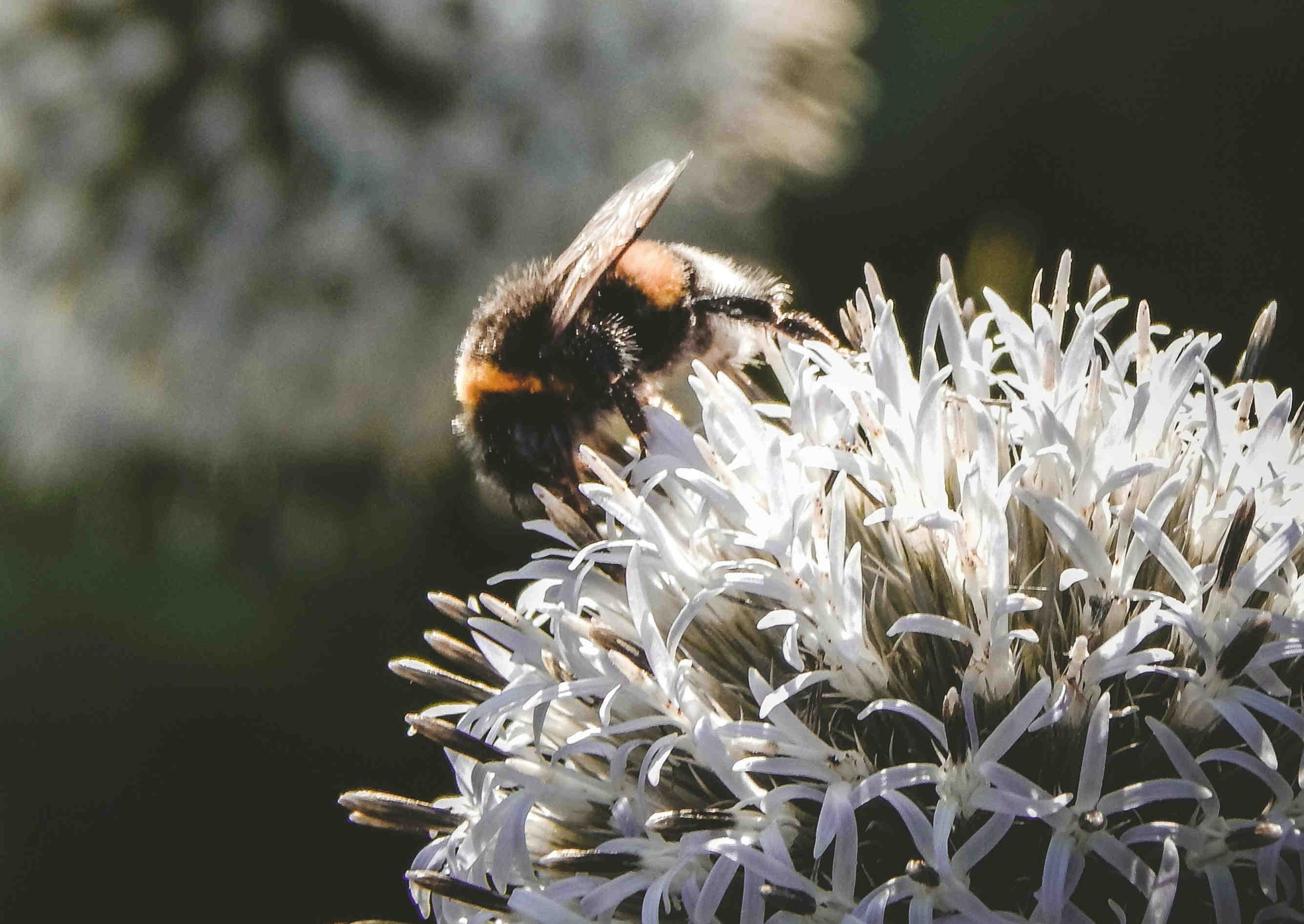
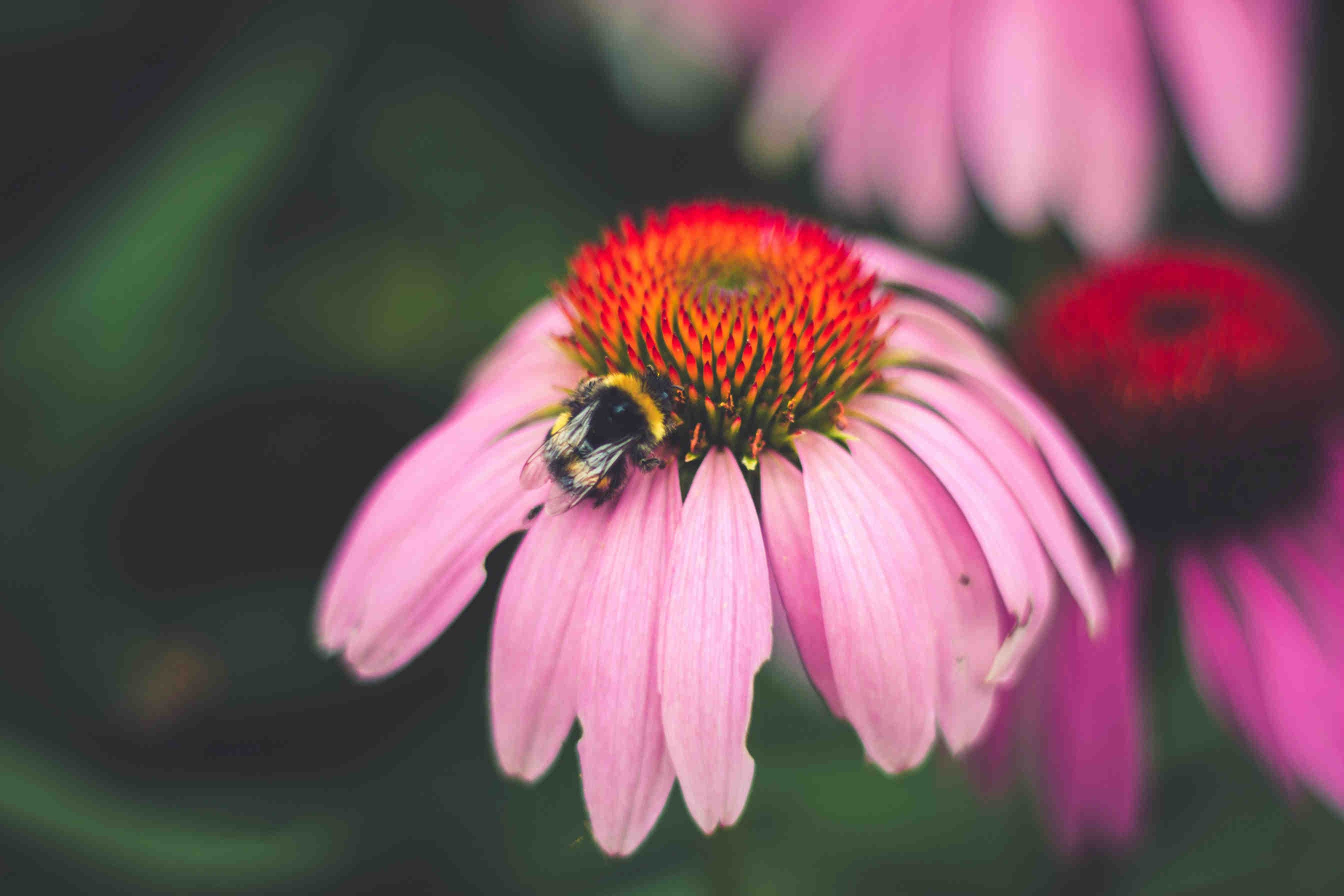
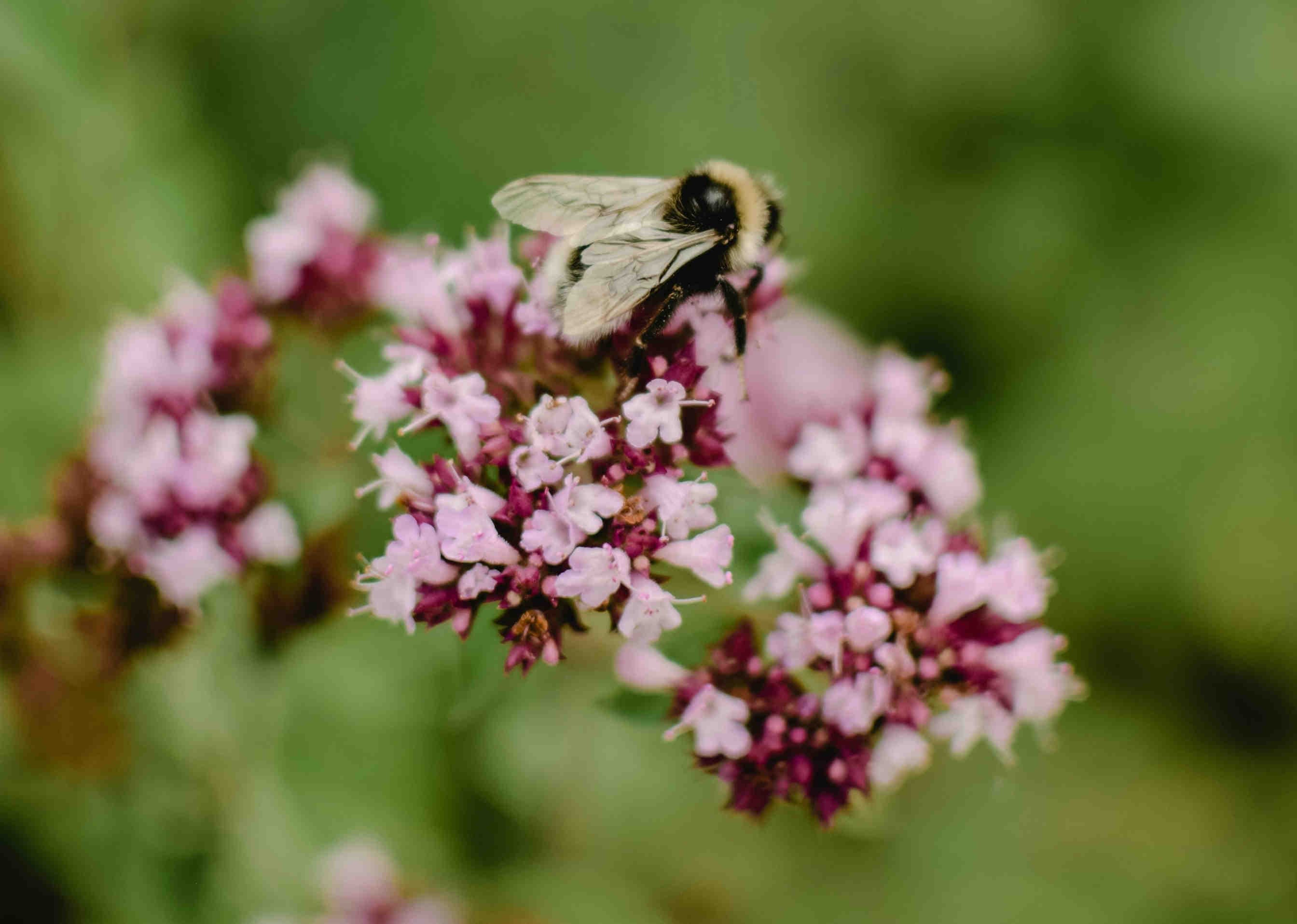
    In this groundbreaking study, the researchers trained some bombs to perform two different tasks that required the support of a companion. The first experiment involved the insects coordinating to push together a brick into the centre of an arena to release access to a sugary substance they are fond of; in the second, the pairs of bumblebees had the objective of simultaneously reaching out and touching a wall at the end of a double, transparent tunnel in order to open it and always obtain a sugary reward. In both cases, the bumblebees proved to be capable of coordinated action, but what kind?

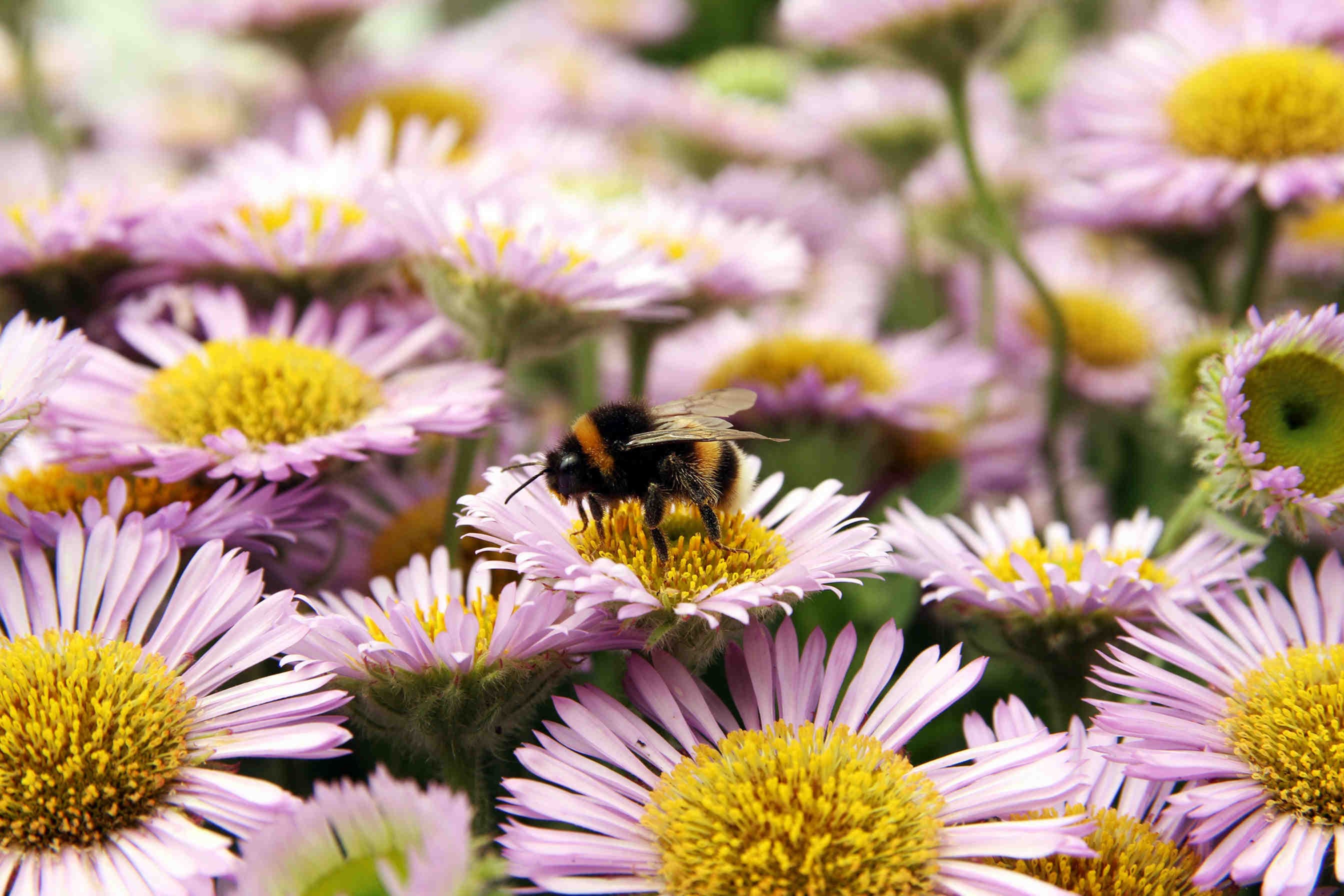
    bombi

    Waiting for the other

    During the experiments and by analysing the behaviour of the individual pollinators, the scholars observed that the actions performed to solve the assigned tasks were influenced by the presence of one's partner. In the two different tasks, the little pollinators actually seemed to wait for their partner before performing the action. In fact, in the first experiment, the bumblebees pushed the brick more when in the presence and especially when their partner did too. In the second experiment, on the other hand, when one of the two insects was away from the door, the other stood, turned towards it and only moved back towards the target when it saw its partner moving in the right direction. Co-operation in these cases is thus not merely the sum of the individuals' efforts, but appears to be the result of actively co-ordinated action.

    Waiting for the other

    The incredible research on insect behaviour

    Although the tendency of bombs to turn around as if looking for their mate might lead one to think that they perform cooperative actions with some intentionality, according to Ollie J. Loukola - one of the study's lead authors - further evidence is needed to affirm that bumblebees understand their partner's role. Nevertheless, this research is extremely important as it contributes to a broader understanding of the behaviour and evolution of cooperation, particularly in the insect world. Studies of this kind may not only provide a new conceptual framework for analysing the evolution of learning and social intelligence, but may also have applications in areas such as technology, robotics and medicine.

    bombi

    Safeguarding pollinators

    Recent evidence on the great behavioural variety and complexity of bumblebees, such as the ability of social learning and the presence of behaviours that can be traced back to play, together with the demonstrated ability of insects to feel pain, should put us in a position to rethink the difference between humans and insects, drawing ethical and practical consequences. Indeed, it is important to take joint and intentional actions to actively safeguard and protect these species, reducing the threats that cause their inexorable decline and that are particularly straining the existence of pollinators. One possibility, which has long been proposed by 3Bee, is the creation of environments favourable to the survival of these animals such as the 3Bee Biodiversity Oases, urban and agroforestry habitats built to ensure nourishment and monitoring pollinating insects, organisms essential for the ecological stability of our planet.

    fiori
    07/07/2024Of 3Bee, Chiara Pertile
    161 Views
    Newsletter
    newsletter
    Subscribe to the Blog about bees and biodiversity

    Frequently Asked Questions

    Do you have any doubts or other curiosities about this article? Here you will find some insights