Vespa soror, a new alien insect in Europe
    Alien speciesVespa velutinaVespa sororIdentification

    Vespa soror, a new alien insect in Europe

    The arrival of Vespa soror in Spain, a new Asian predator, presents a new challenge in managing invasive species in Europe. Discover the potential ecological impacts on ecosystems and other species and the strategies to prevent its spread.

    Read the article
    13/12/2024Of 3Bee, Niccolò Patelli
    1144 Views
    13/12/2024Of 3Bee, Niccolò Patelli
    1144 Views

    Alien species, a threat to biodiversity

    Disclaimer: this is an automated translation from Italian. Go to the original article.

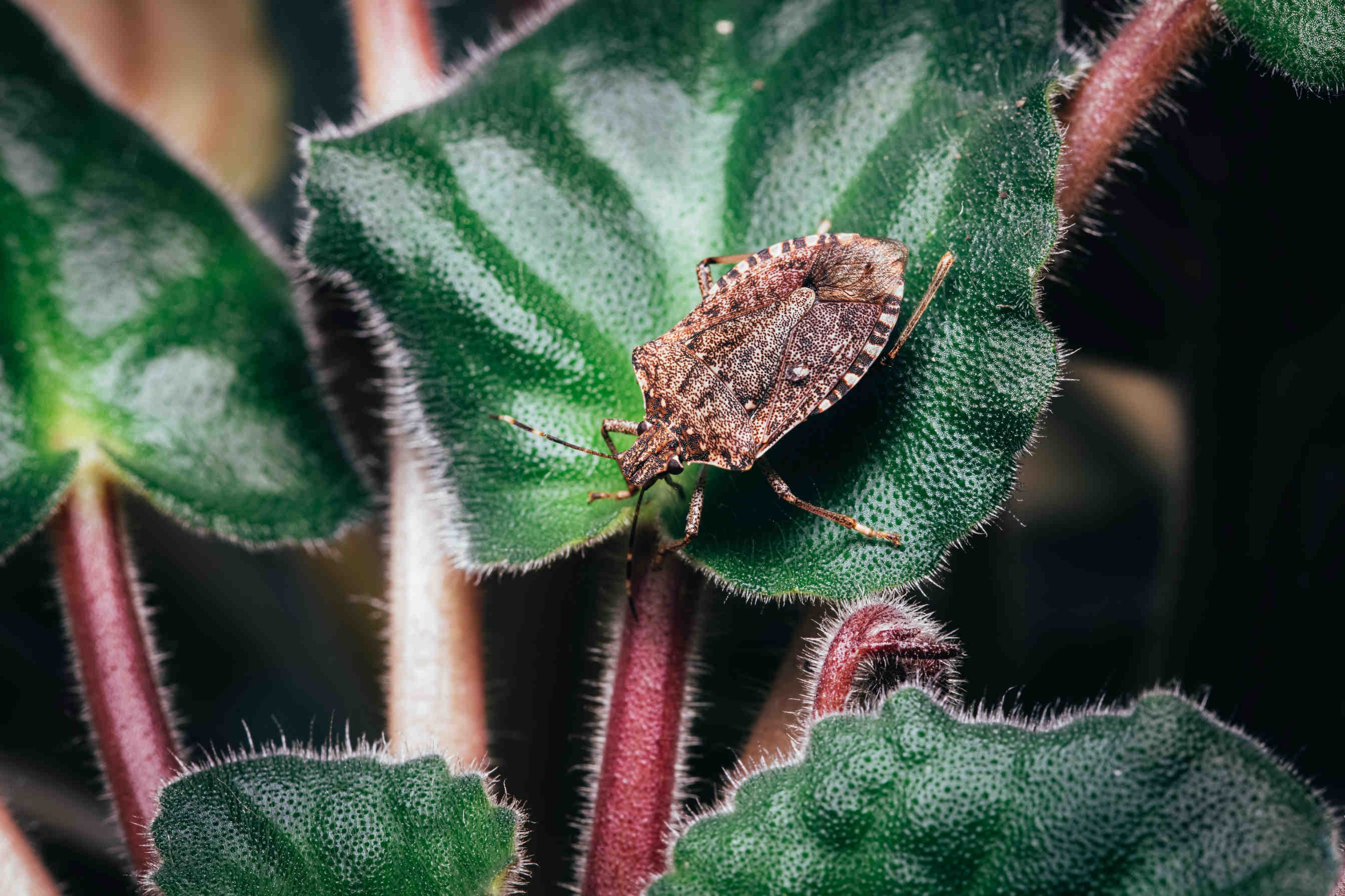
    Alien species, exotic, invasive, are organisms introduced outside their natural range, often due to human activities, and compete with native species by preying on them, taking resources, or transmitting diseases, inevitably causing the decline of animals and plants. Alien insects are particularly problematic: the Asian hornet (Vespa velutina), the red palm weevil (Rhynchophorus ferrugineus), the brown marmorated stink bug (Halyomorpha halys) and the Asian tiger mosquito (Aedes albopictus) are among the most known in Europe and damage crops, threaten forests, and transmit diseases. Their spread is favored by global trade and climate change, which create suitable conditions for their settlement. The result is a significant risk of losing biodiversity, altering ecosystems, and endangering the status of native species, also favoring the decline of insects.
    cimice_asiatica

    Vespa velutina, the Asian hornet in Europe

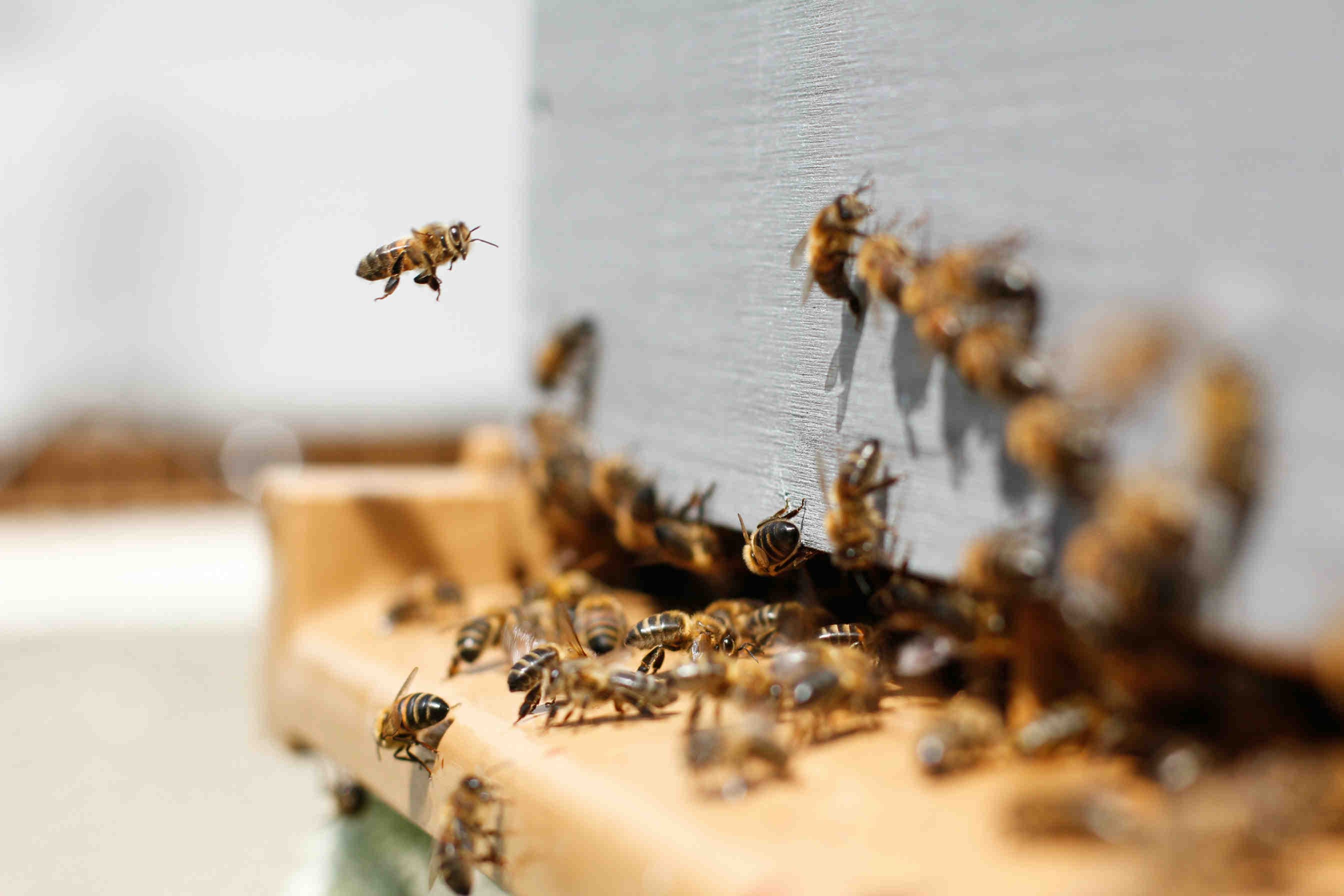
    A well-known case is of Vespa velutina, commonly known as the Asian hornet. It is native to Southeast Asia and was first introduced in Europe in France in 2004, probably through the transport of goods. From there, it spread to Spain (2010), Italy (2012), and other European countries. It has a carnivorous diet and, in particular, a preference for honeybees, which makes it especially harmful to beekeeping. It attacks hives to feed and causes many bee losses and increases the entire colony's stress levels. This results in serious consequences for beekeepers, compromising both the health of the hives and their productivity, up to completely nullifying them in the worst cases. V. velutina's ability to build nests in both urban and rural environments facilitates its proliferation and increases its danger to humans, while the lack of natural predators magnifies its impact.

    vespa_velutina
    XNatura

    Vespa soror: a new invader in Europe

    We already talked about other alien species . Vespa soror is another Asian species, it was found in Spain, in El Campo, Granda, in the Asturias region, in northern Spain. Four specimens were captured between March 2022 and October 2023 using traps designed specifically to monitor V. velutina, with which it has much in common. Native to Southeast Asia, V. soror is a highly adaptable predator that threatens honeybees and other insects. Finding it in commercial traps suggests accidental spread, possibly introduced accidentally with containers or other materials from its origin areas, but also signals the effectiveness of surveillance systems. Early identification of the arrival of alien organisms is crucial to prevent further ecological damage, followed by operational monitoring to limit its spread as much as possible, aiming at eradication.

    Vespa_soror

    How to distinguish Vespa soror from other wasps

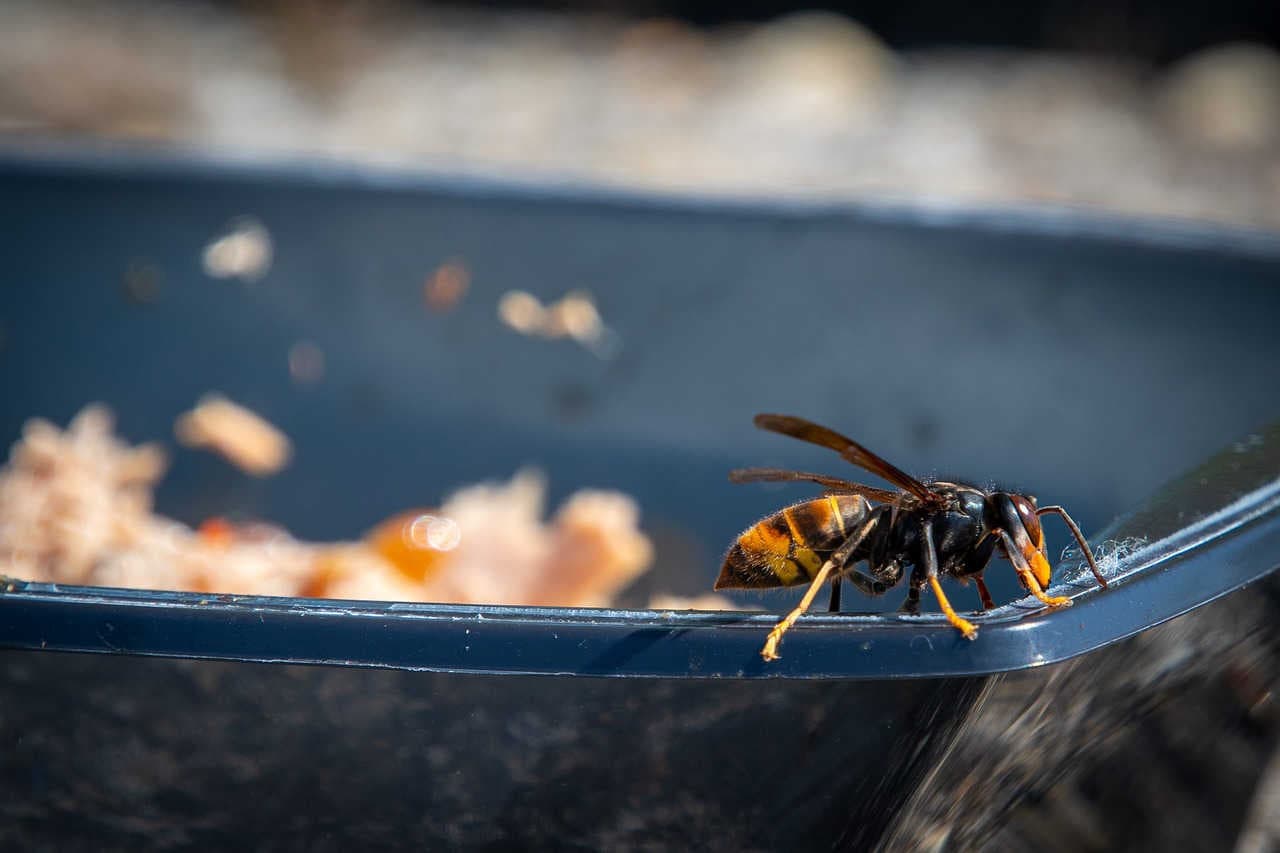
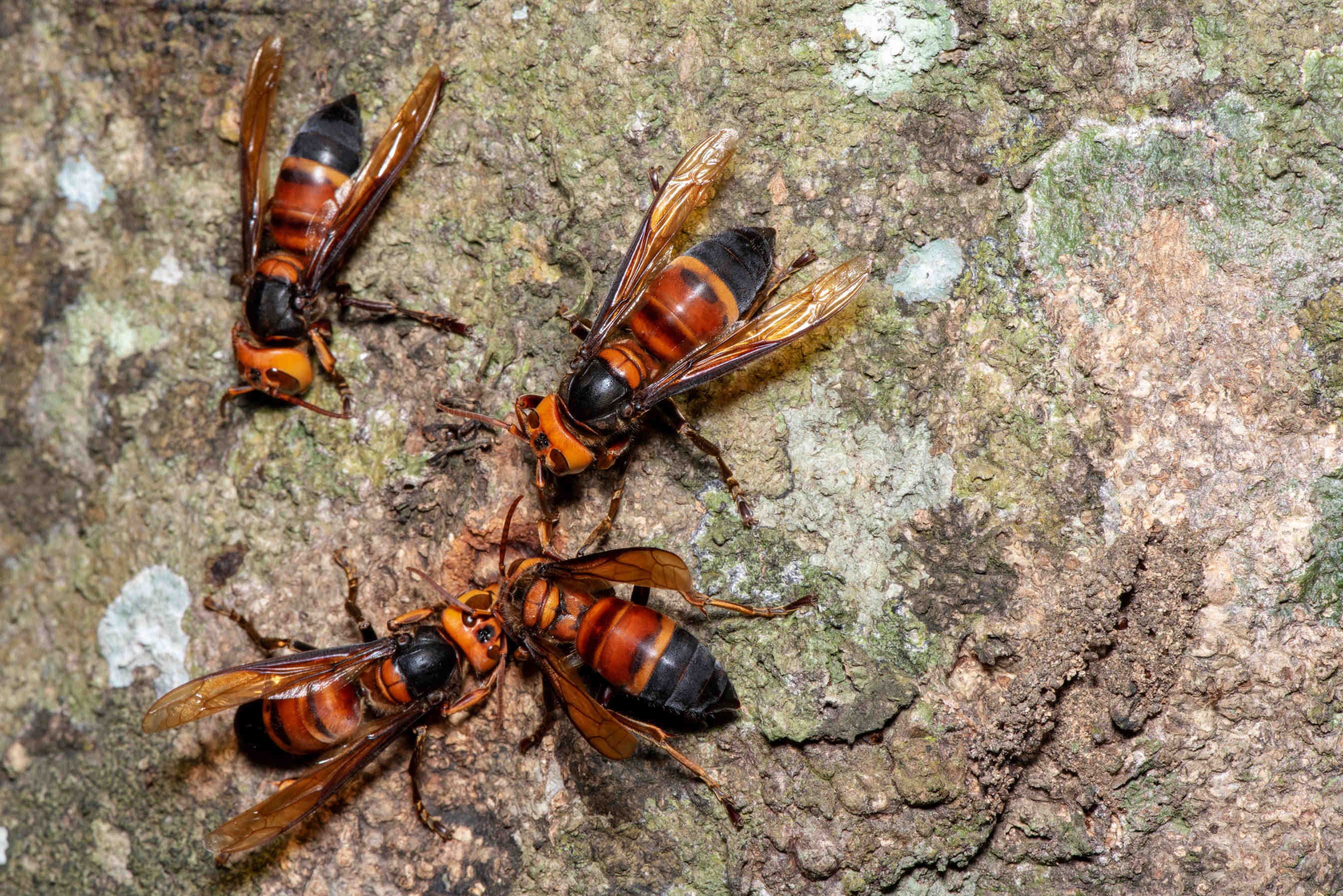
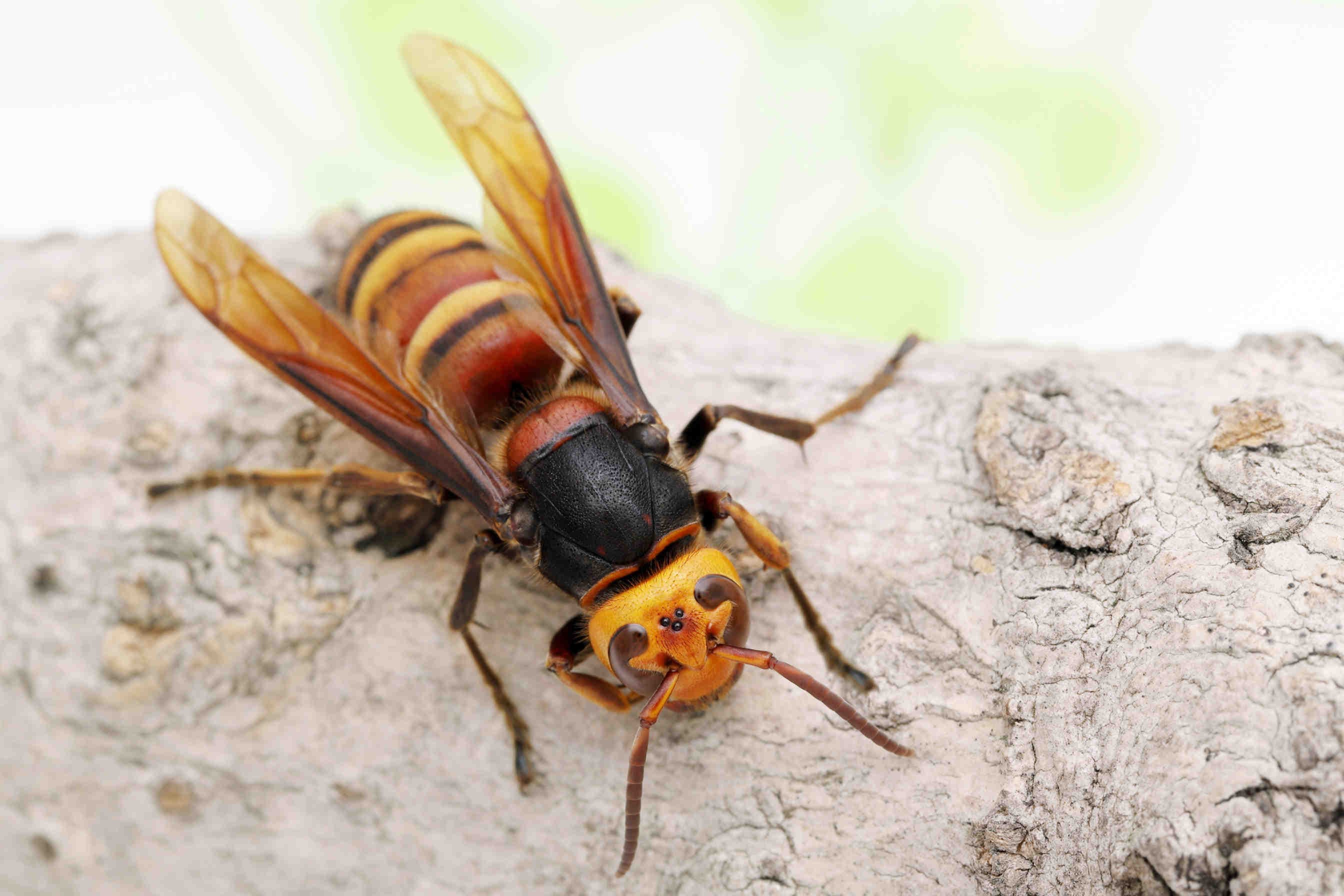
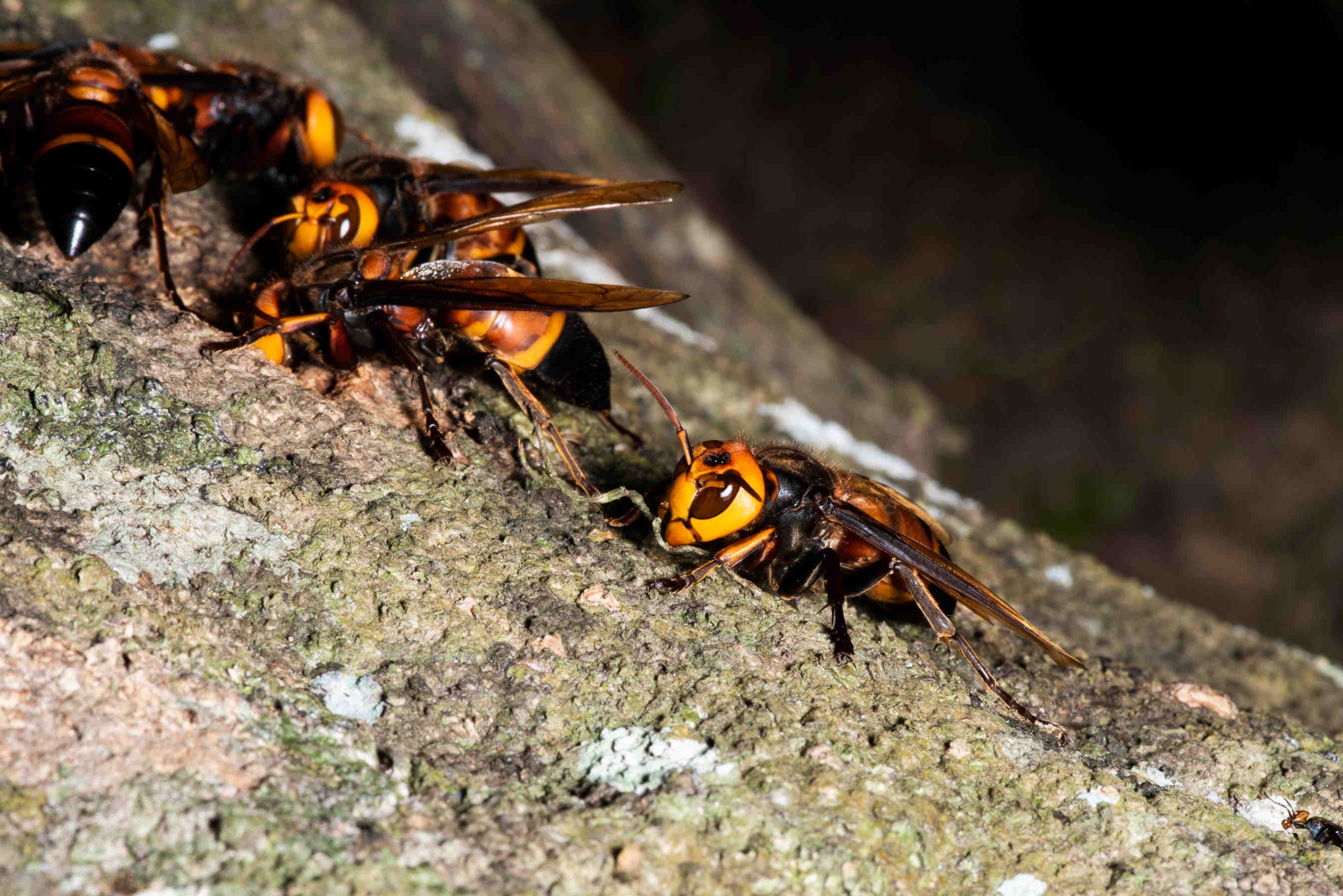
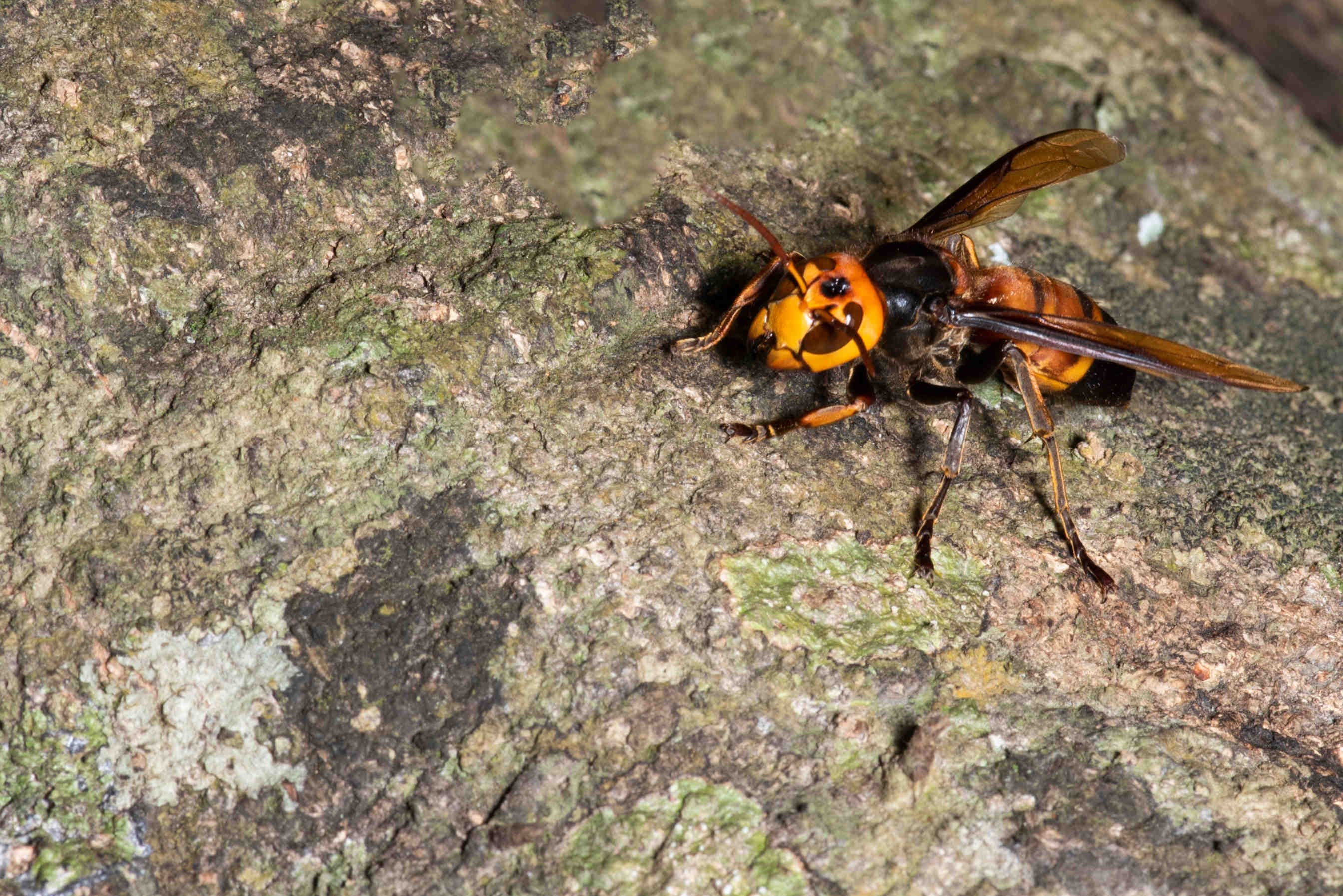
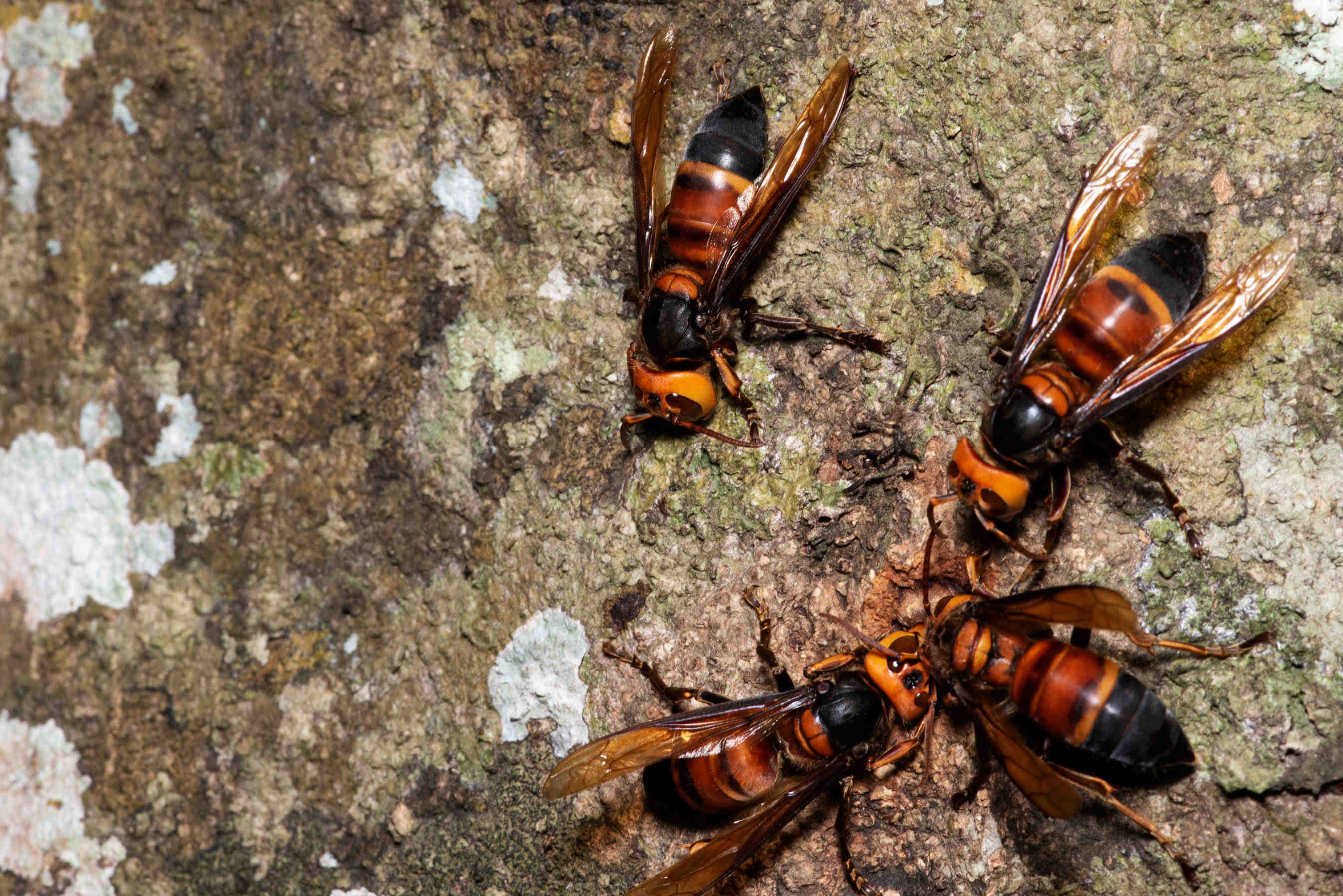
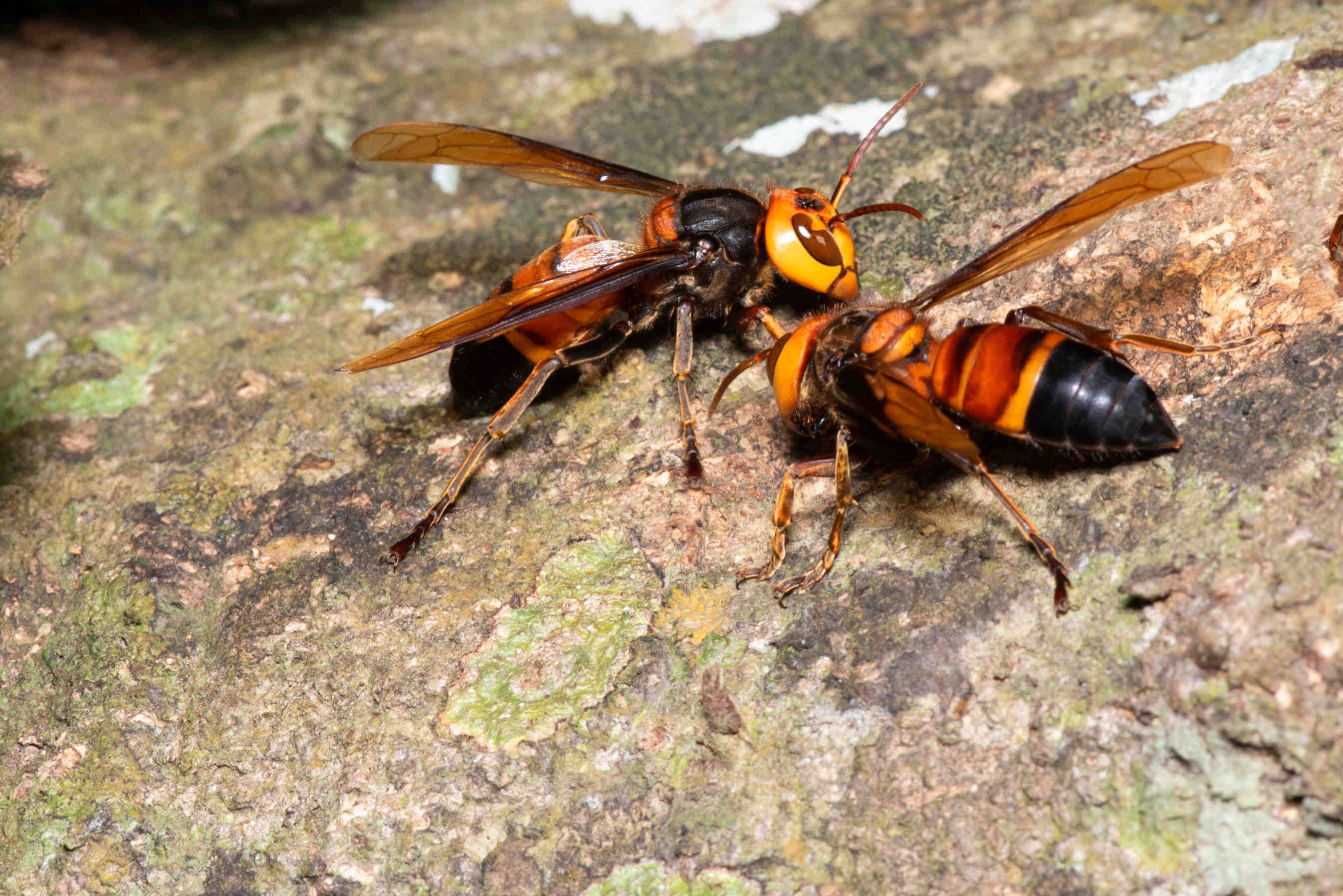
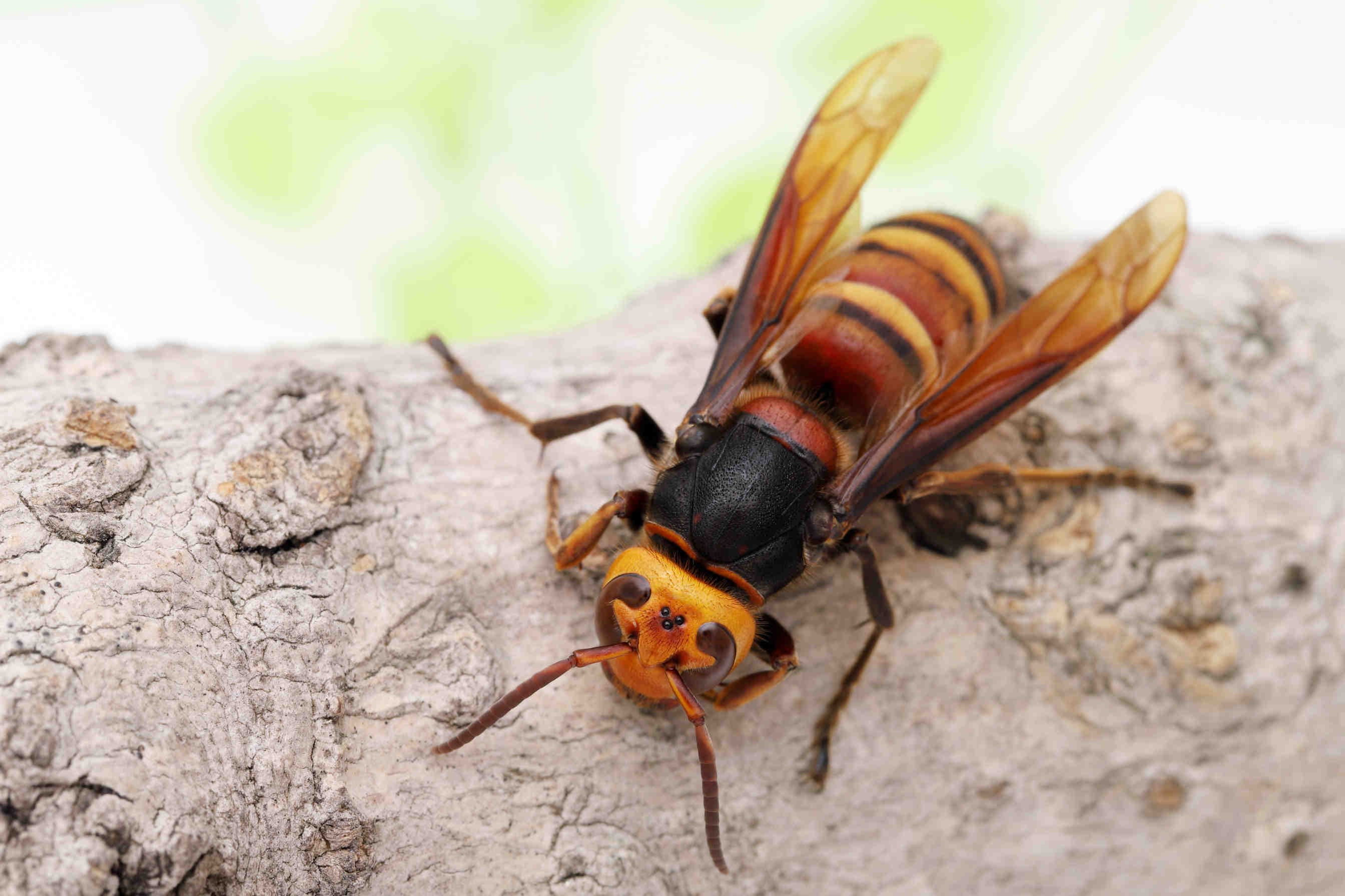
    Vespa soror is distinguished from other species by its large size, with queens exceeding 3 cm in length. Unlike V. velutina, which has a predominantly black abdomen with a terminal yellow band, V. soror has an abdomen with prominent orange segments. Compared to Vespa crabro (European hornet), the most common species in Europe, V. soror is darker and lacks the characteristic yellow spots on the head. It differs from Vespa orientalis, another native species in Europe, by the absence of a reddish color and yellow band on the abdomen. Compared to Vespula (common wasps), which are smaller and slimmer, and Polistes (paper wasps, important allies in agriculture), with a slimmer body and longer wings than the body, Vespa soror appears much more massive and aggressive. Accurate identification is crucial for adopting appropriate control strategies.

    Vespa_soror
    XNatura

    The ecological impact of Vespa soror

    The predation of honeybees by Vespa soror could have devastating consequences because, as has already happened with V. velutina, our bees are unable to adopt the defense systems that Asian bees have evolved over time, co-evolving with V. soror. Bees are fundamental for pollination, a crucial process for the reproduction of many plants and global food security. The reduction of bee populations, already under pressure from climate change, pesticides and further pressure from V. velutina, can compromise plant biodiversity and ecological balances and cause significant damage to beekeepers and farmers. The control of V. soror requires targeted strategies to avoid long-term impacts on European ecosystems.

    Vespa_soror
    3Bee

    Health risks posed by Vespa soror

    Like Vespa velutina, Vespa soror also represents a relatively moderate risk to human health. Its stings are painful and can cause severe allergic reactions or anaphylactic shock, just like the more common European hornet, honeybee, or other wasp species. However, V. soror's tendency to nest near inhabited areas, at least in its regions of origin, could increase the likelihood of accidental encounters. Managing this species is therefore crucial not only to protect biodiversity but also to ensure the safety of human communities. Developing an effective network for monitoring, containment, and raising awareness is of primary importance to reduce risks to ecosystems and potential risks to humans.

    Vespa_soror

    A threat to native fauna

    As mentioned earlier, alien insects, in their attempt to find space in the new range, often compete with native species for resources, mainly food and habitat. This competition, especially if associated with direct predation, can lead to the decline of native populations. In the case of Vespa soror, the competition for resources with species like Vespa crabro should be relatively contained, but the impact in terms of predation is significant and its prey includes not only honeybees but also other beneficial insects, posing a substantial potential to alter local food webs. Additionally, the presence of V. soror can interfere with biological control mechanisms, reducing the effectiveness of ecosystems in maintaining a natural balance.

    Vespa_soror

    Strategies to contain the expansion of Vespa soror

    As already mentioned, containing the spread of Vespa soror requires integrated management strategies combining monitoring, active control, and awareness, similar to what is detailed here about alien pollinators. Monitoring can be carried out using specific traps, like those used for Vespa velutina, to promptly identify new outbreaks. Direct interventions, like nest removal and the use of selective baits, are crucial to reduce the population. It is essential to raise awareness among local communities, particularly beekeepers and farmers, on the importance of reporting sightings. Additionally, developing quarantine protocols and strengthening regulations on international trade can limit the accidental introduction of new specimens.

    Vespa_soror

    A challenge for global conservation

    The introduction of alien species like Vespa soror represents a significant threat to biodiversity and species conservation. These organisms alter ecological balances, often causing major problems for native or farmed species, as in the case of the honeybee. Managing alien species requires an integrated approach, which must include prevention to limit the introduction of new species, monitoring to prevent any habitat expansions, and public education, including implementing citizen science programs. Investing in up-to-date control strategies tailored to the invasive organisms and strengthening international cooperation to tackle this growing emergency is essential. Protecting ecosystems and biodiversity is an indispensable priority to ensure the sustainability of the planet.

    Ape
    13/12/2024Of 3Bee, Niccolò Patelli
    1144 Views
    Newsletter
    newsletter
    Subscribe to the Blog about bees and biodiversity

    Frequently Asked Questions

    Do you have any doubts or other curiosities about this article? Here you will find some insights