Indicator birds
Honeybirds (Indicator indicator), also known as greater indicators or golanera indicators, are a fascinating, grey-olivorous species of
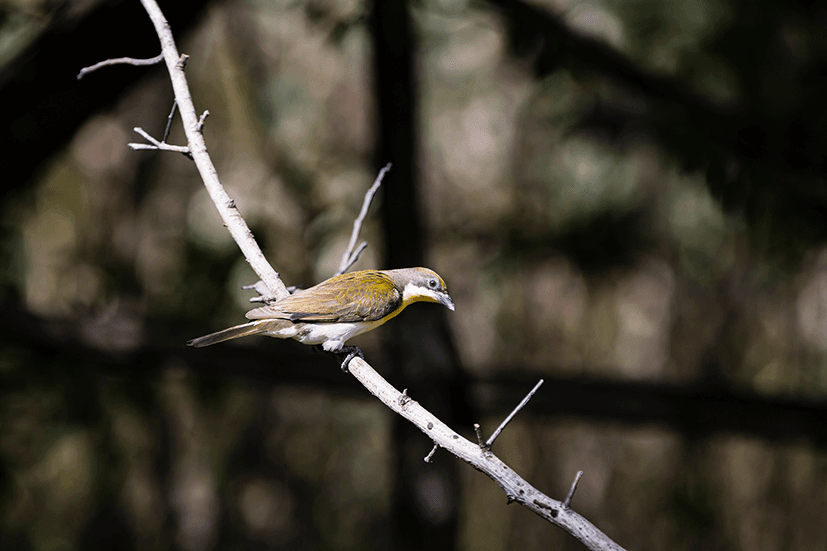

Indicator indicator birds prove to respond effectively to the local dialects of the human populations with which they co-operate in the search for wild bee colonies. Learn more about one of the rare cases of cultural co-evolution between species in this article.
Read the articleHoneybirds (Indicator indicator), also known as greater indicators or golanera indicators, are a fascinating, grey-olivorous species of
The major indicators are also known for a
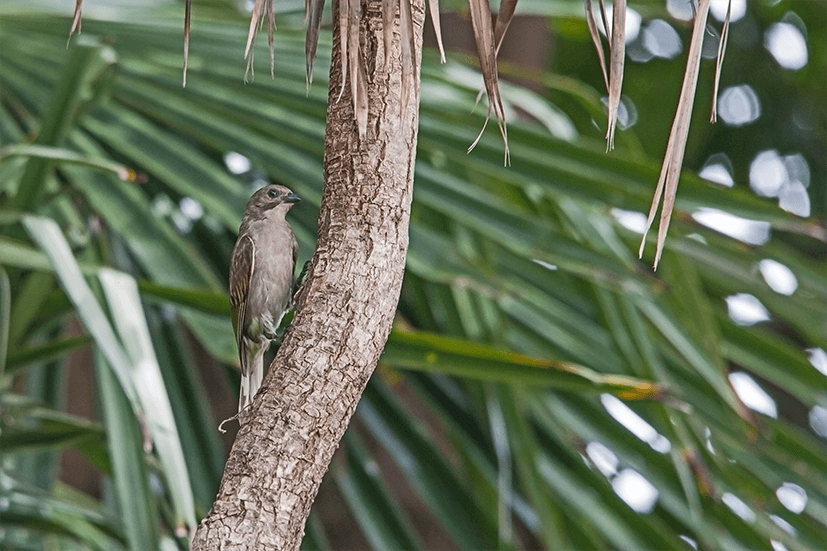

In addition to humans, these birds also have another fascinating ally: the honey badger (Mellivora capensis), also known as
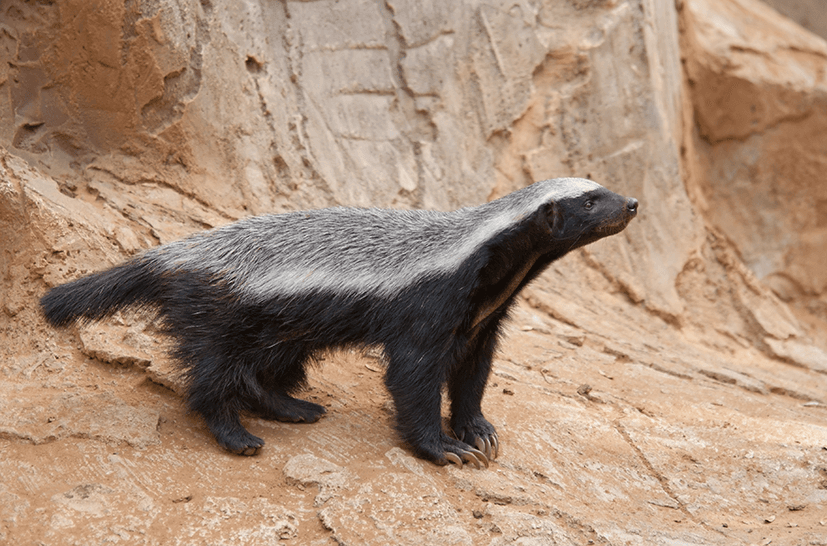
Recently, it seems that these small birds have developed a predilection for an even more powerful ally:


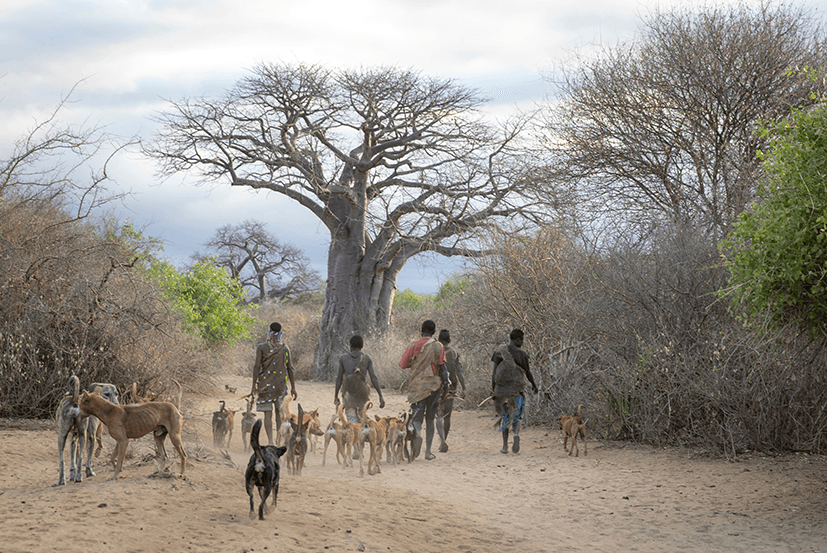
However, it is not only the indicator birds that are attracting the attention of the Hadza people. A 2016 research by the University of Cambridge led by Claire Spottiswoode showed that the cooperation between these two species occurs through a two-way


Have honey indicator birds learnt these vocal signals and are they able to recognise their allies among those in their range? This was Dr Spottiswoode's main question that emerged from the 2016 study and is now being answered. In a very recent study published in Science, the researcher, together with anthropologist Brian M. Wood, investigated whether honeybirds showed a greater likelihood of responding to local dialect cues than those of another human culture or arbitrary vocal gestures. Incredibly, through field research experiments, it emerged that honeybirds in the Yao area were
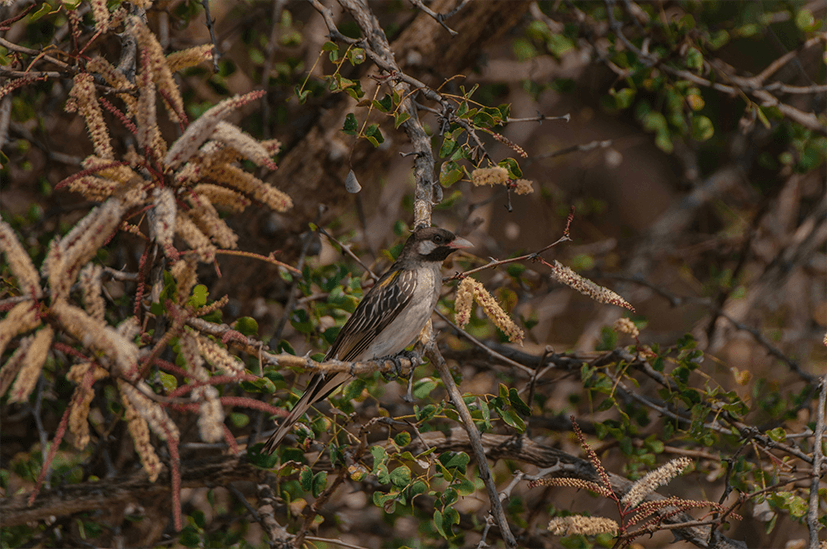
The results of the research suggest an extraordinary evolutionary phenomenon: the geographical variation and correlation between stimulus and response in
Ancient and deep


Do you have any doubts or other curiosities about this article? Here you will find some insights