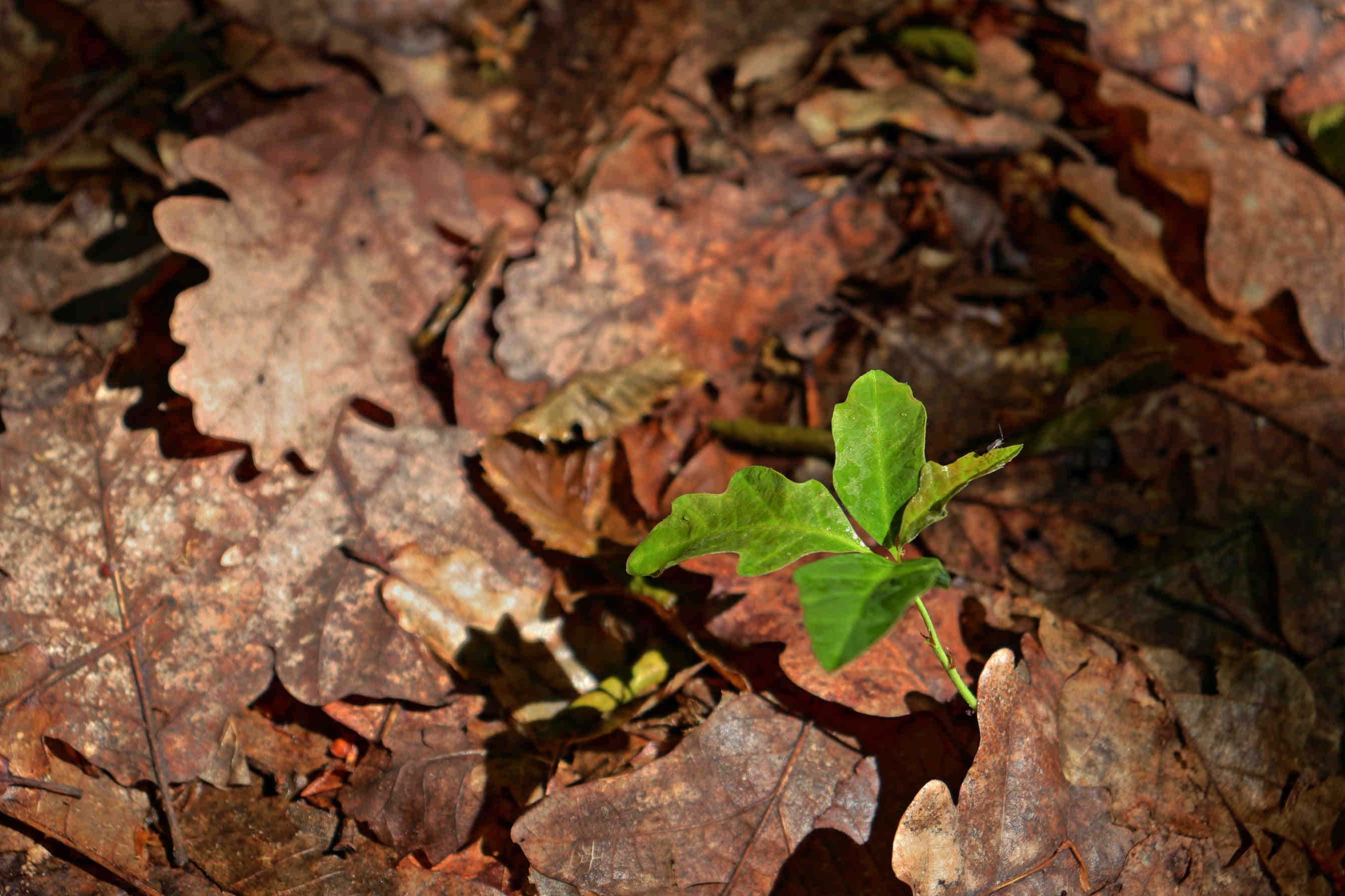
Nature Positive: regenerating nature for the future
    Climate crisisNature PositiveDifferencesRestore

    Nature Positive: regenerating nature for the future

    The concept of Nature Positive represents a turning point in environmental thinking: conserving is no longer enough, we must regenerate. Discover the meaning of Nature Positive, the strategies, the stakeholders involved, and the useful metrics to guide a true ecological transition.

    Read the article
    24/04/2025Of 3Bee, Niccolò Patelli
    2329 Views
    24/04/2025Of 3Bee, Niccolò Patelli
    2329 Views

    Understanding and addressing the climate crisis

    The climate and environmental crisis is one of the major global challenges today, but addressing it does not mean succumbing to catastrophism. The effects of climate change, biodiversity loss, and ecosystem degradation are now evident. Some damages are irreversible, but we can still reverse the course on many fronts. To do this, a change of perspective is needed: it is not enough to reduce or compensate for damage; we must actively improve the state of nature. In this context, there is a need to identify innovative solutions that go beyond mere emission compensation or passive conservation. This is where the Nature Positive paradigm comes into play, a concrete and proactive vision to tackle future challenges.
    alberi

    Nature Positive: beyond sustainability

    The term Nature Positive indicates an approach that not only avoids harming nature and compensates for damages already done, but also commits to restoring, regenerating, and improving it over time. It is a vision that not only aims to stop the ongoing crisis but also aims to reverse biodiversity loss by promoting initiatives that have a positive impact on ecosystems. In practice, it means that every activity, whether economic, urban, or agricultural, should be conducted in a way that contributes to a net increase of natural capital rather than its erosion. This concept is based on the awareness that humans depend on healthy natural systems for their well-being, food security, climate stability, and health. The Nature Positive strategy is focused on active regeneration, integrating nature as an ally, not just a resource to be protected.
    Nature Positive
    XNatura

    The differences between Net Zero, Sustainability, and Nature Positive

    For decades, the concept of “sustainability” has guided environmental policies, pushing companies and governments to reduce the impact of their activities. With the introduction of Net Zero targets, priority has been given to climate neutrality, aiming to balance greenhouse gas emissions with equivalent absorptions, a goal that concerns almost all sectors, from agriculture to aviation. However, both approaches, while fundamental, risk being reactive: they focus on damage containment. The Nature Positive paradigm, on the other hand, stands out for its proactive nature: it not only aims to minimize impact but also to create net ecological value. In other words, it's no longer just about 'doing less harm', but about 'doing better'. It’s an evolution that implies a deep cultural shift, moving the focus from mere compensation to concrete regeneration of ecosystems.

    sostenibilità

    Prevent, reduce, restore

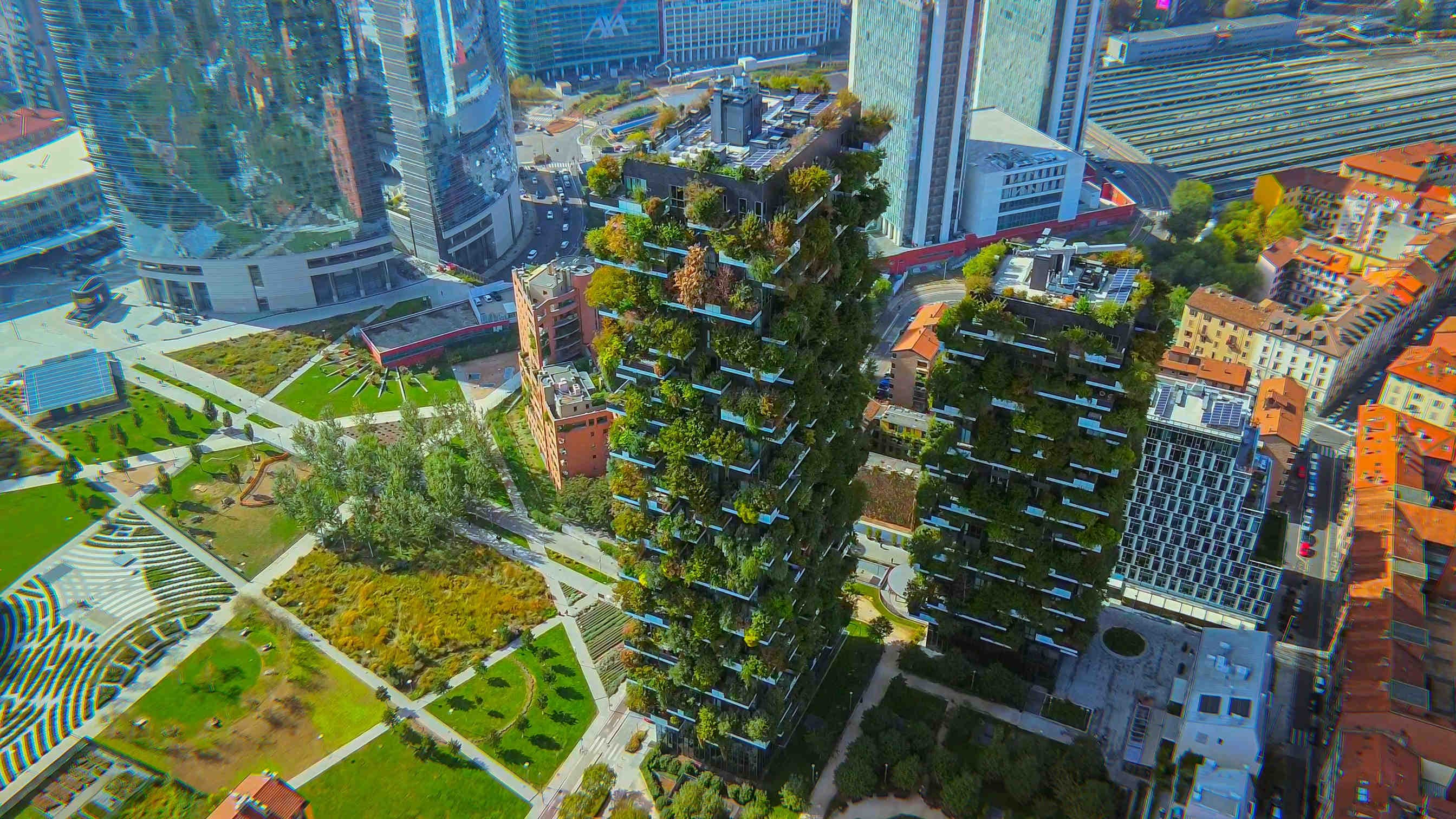
    The path towards a Nature Positive future is based on three fundamental actions: prevent, reduce, and restore. Prevent means avoiding negative impacts, for example by designing and using infrastructures that adhere to the standards of Nature-Based Solutions, such as ecological corridors. Reduce involves limiting as much as possible the negative effects of human activities and improving the energy efficiency of structures and processes, thereby adopting more environmentally friendly practices. Restore, finally, is the most ambitious and, in some ways, revolutionary action: it means restoring degraded habitats, reintroducing locally extinct species, rewilding compromised landscapes. These three principles must be applied in this order and subsequently also together, to build coherent and truly effective strategies.
    bosco verticale
    XNatura

    Biodiversity, the network that sustains life

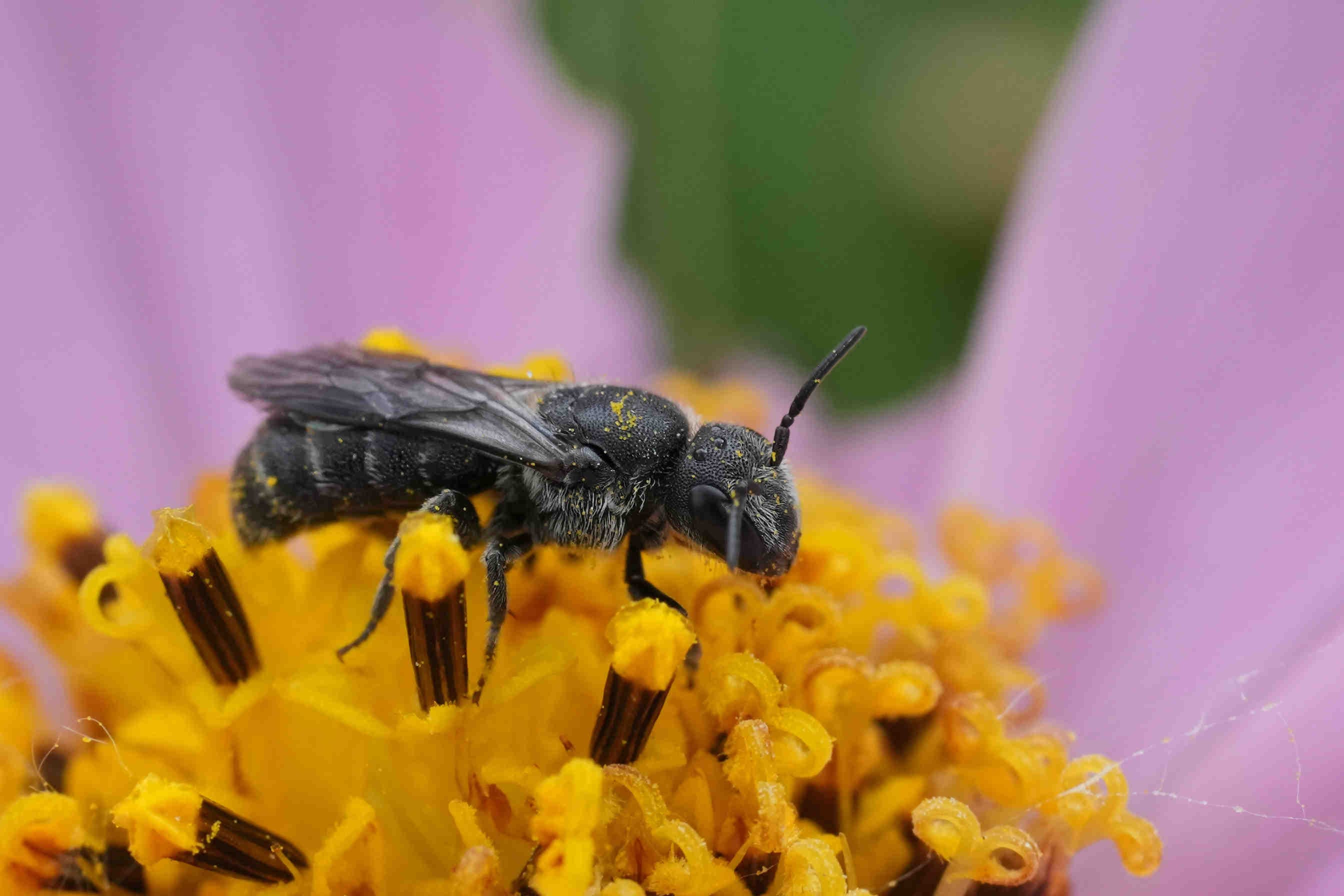
    Biodiversity is not just about nature conservation, but it is the foundation of ecosystem resilience and, consequently, human well-being. Every species, from microorganisms to the largest animals, contributes in its own way to maintaining the balance of natural systems, from the sea to the land. Biodiversity regulates the water cycle, soil fertility, crop pollination, and provides natural barriers against diseases. A Nature Positive world is one that not only recognizes this value but acts both to protect and amplify it. Regenerating nature allows for the strengthening and expansion of this network of interdependent relationships, improving the quality of life for all ecosystems and the life forms that inhabit them, including humans.

    wild bee
    3Bee

    A collective and shared commitment

    To transition to a Nature Positive world, active participation is necessary from everyone, including citizens, businesses, and institutions. Businesses play a central role in rethinking their value chains to reduce the direct and indirect impacts of production and distribution activities, following ESG themes. Institutions must create coherent policies and incentives capable of stimulating the ecological transition sustainably for businesses and citizens. In turn, citizens can make an impact through their daily choices by opting for responsible consumption and civic engagement. No sector is excluded: urban planning, energy, agriculture, fashion, and finance must evolve toward regenerative models. Only through a joint action is it possible to build a future where nature is not only preserved but also strengthened.

    new york

    Nature Positive: concrete applications

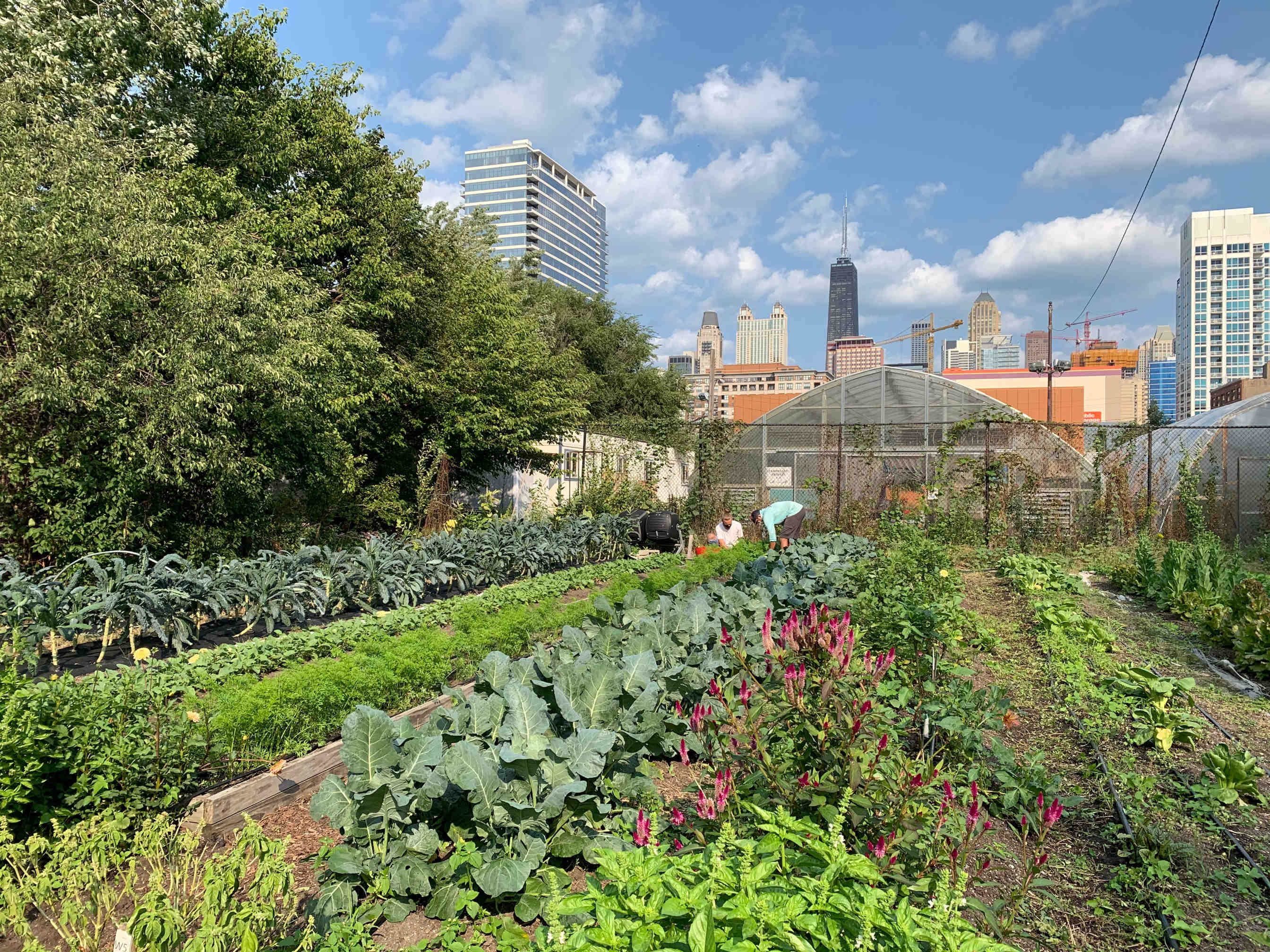
    Concrete applications of this approach can be found in Nature-Based Solutions, strategies that use natural processes to address environmental and social challenges. Regenerative agriculture also improves soil health, strengthens biodiversity, and contributes to carbon sequestration by using practices that limit tillage and conserve organic matter in the soil. Well-executed reforestation projects can restore habitats and ecological connections on a large scale. The sustainable management of rural and mountain areas, based on traditional practices, local knowledge, but always with an eye towards the future and renaturation, also represents an effective model of the Nature Positive approach. These solutions, in addition to being sustainable, generate long-lasting economic and social benefits.

    Orti urbani chicago

    How to measure the transition

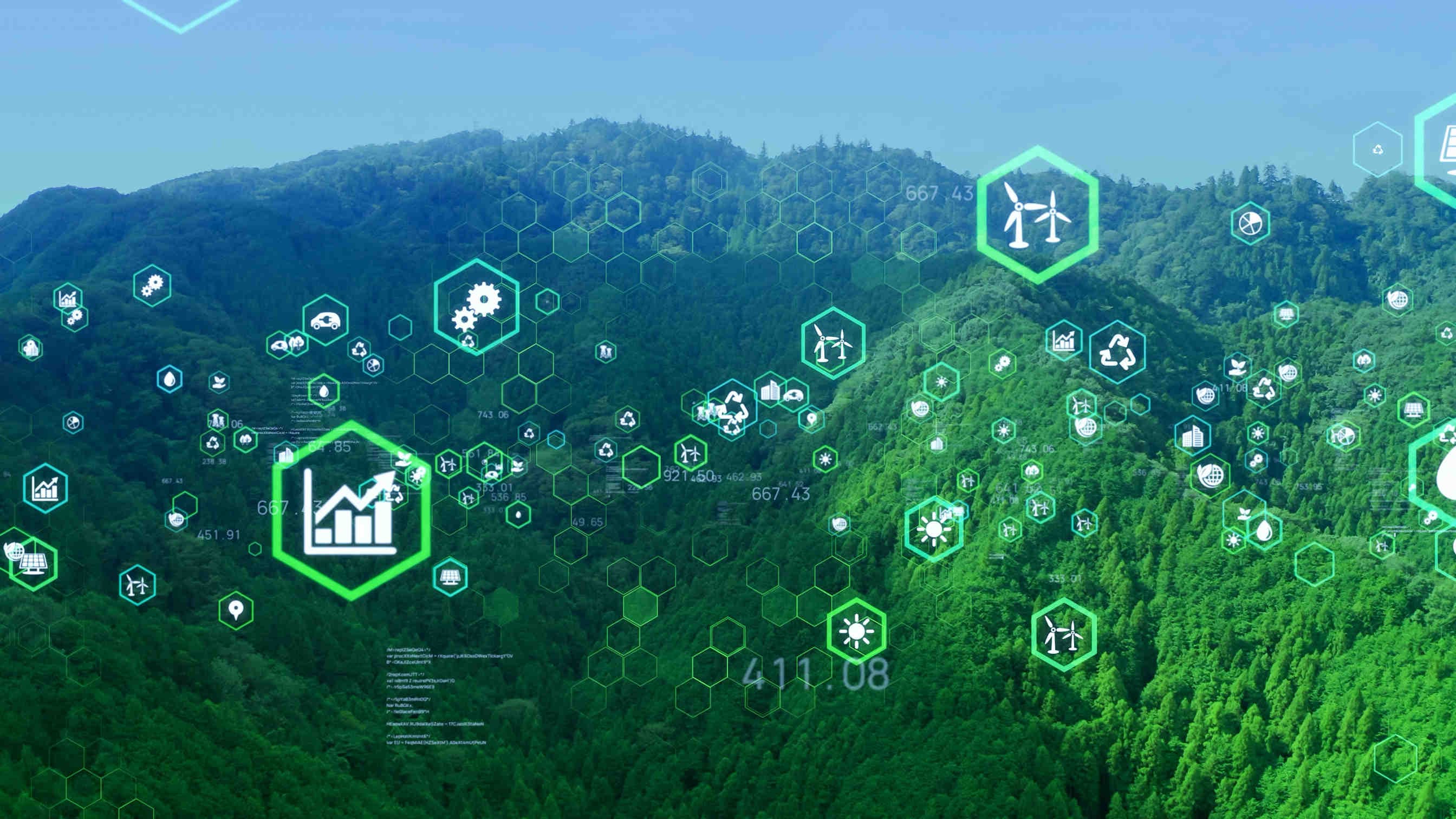
    To ensure that the declared actions are truly effective and to compare the benefits of different actions and projects, reliable and standardized metrics are needed. Frameworks like Biodiversity Net Gain (BNG), introduced in the UK, allow the calculation of a project's impact on biodiversity, useful for calculating and setting a minimum improvement as well. Initiatives like Science-Based Targets for Nature (SBTN) help companies set environmental targets consistent with scientific evidence and are compatible within the context of the new sustainability reporting. The Natural Capital Protocol enables the integration of nature's value into economic decision-making processes. These tools are essential to make change traceable, verifiable, and replicable, preventing the term Nature Positive from becoming just a label.
    Indici di sostenibilità

    The issues between greenwashing and regulatory gaps

    Although many projects seem to be driven by good intentions, greenwashing is a practice that is often implemented. For this reason, the European Union has adopted a new directive to limit it, because without shared criteria and control mechanisms, many initiatives may end up being just slogans without real benefits for nature. Moreover, in many countries, there is still no clear regulatory framework that mandates the evaluation and the improvement of biodiversity. The challenge is to build and use common, reliable, scientifically based standards that allow distinguishing virtuous practices from opportunistic ones. The credibility of the Nature Positive concept also depends on its ability to be measurable, verifiable, and integrable into public policies and markets.
    panchina parco urbano

    Towards a Nature Positive Future

    Reducing environmental impact is essential, but it is not enough to recover the damage caused by human activities. The current situation requires a radical change: it is necessary to move from passive protection to active regeneration of ecosystems and natural resources. This means returning space and functionality to nature, even in anthropized contexts. From cities to agricultural landscapes, it is necessary to reintegrate natural elements, rethink spaces, and steer development towards coexistence with ecosystems. Nature Positive is therefore a call to action, but also a positive vision of a world in which humans and nature can grow together sustainably, in balance, and with mutual benefits.

    quercia
    24/04/2025Of 3Bee, Niccolò Patelli
    2329 Views
    Newsletter
    newsletter
    Subscribe to the Blog about bees and biodiversity

    Frequently Asked Questions

    Do you have any doubts or other curiosities about this article? Here you will find some insights