Nests on fire: temperatures put bumblebees to the test
    TemperatureRischioAlarmSurvival

    Nests on fire: temperatures put bumblebees to the test

    Bumblebees, pollinating insects crucial to the balance of biodiversity, are at risk from rising temperatures in their nests, as they behave like superorganisms. A recent study exposes the risks of climate change on these animals and for biodiversity.

    Read the article
    17/06/2024Of 3Bee, Chiara Pertile
    242 Views
    17/06/2024Of 3Bee, Chiara Pertile
    242 Views

    Rising temperatures

    One of the consequences of the ongoing environmental and climate crisis is the rise in average global temperatures. According to the 2023 report by Copernicus, last year was the second warmest on record, with a global average temperature close to the 1.5°C limit. This rise in temperatures has dramatic effects on biodiversity: many species, unable to adapt to such rapid environmental changes, become increasingly vulnerable and at risk of extinction. Indeed, rising temperatures can cause severe habitat loss, facilitate the spread of invasive species, cause ocean acidification and alter entire ecosystems. These changes can trigger dramatic cascading effects on a global scale, leading to a significant loss of biodiversity.
    bombus terrestris fiore

    The risk to pollinators

    Among the most endangered species are also the pollinators, organisms that are essential for our very survival and for maintaining the ecosystem services of our planet. Indeed, animals such as bees, wasps, bumblebees, butterflies and many others play a very important role in the spread and reproduction of plant species, promoting the transport of pollen between one plant and another. In addition to contributing to the balance of our planet and to the safeguarding of biodiversity, they are also crucial for humans: some 35% of agriculture depends on the activities of pollinators. Yet the decline of these animals seems to be constant: destruction, degradation and fragmentation of habitats, pollution by physical and chemical agents, the spread of invasive alien species and climate change are the main factors in their disappearance. Among these, temperatures are, however, the main threat to many of these species.

    impollinatori fiore blu
    XNatura

    Bumblebee alarm

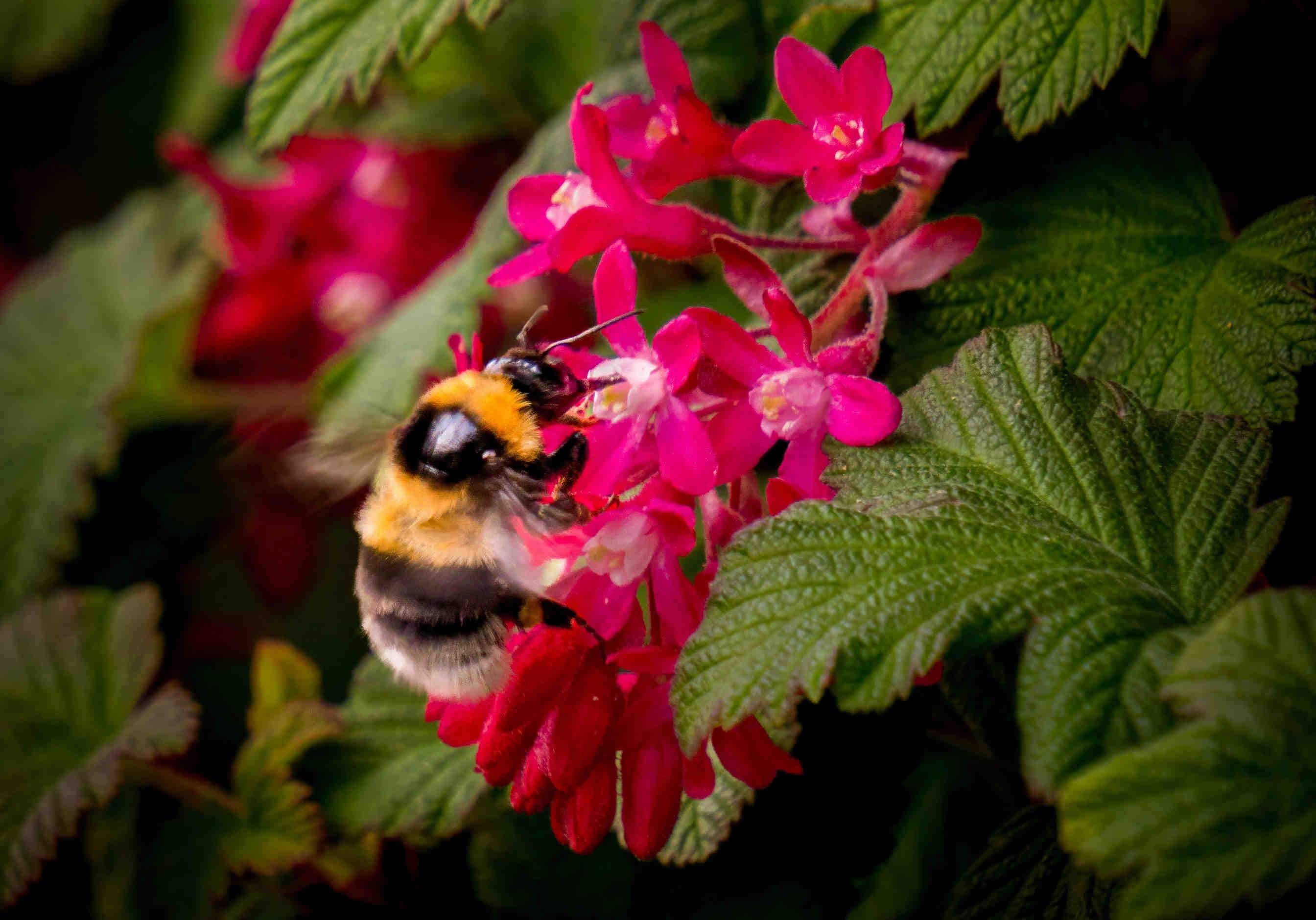
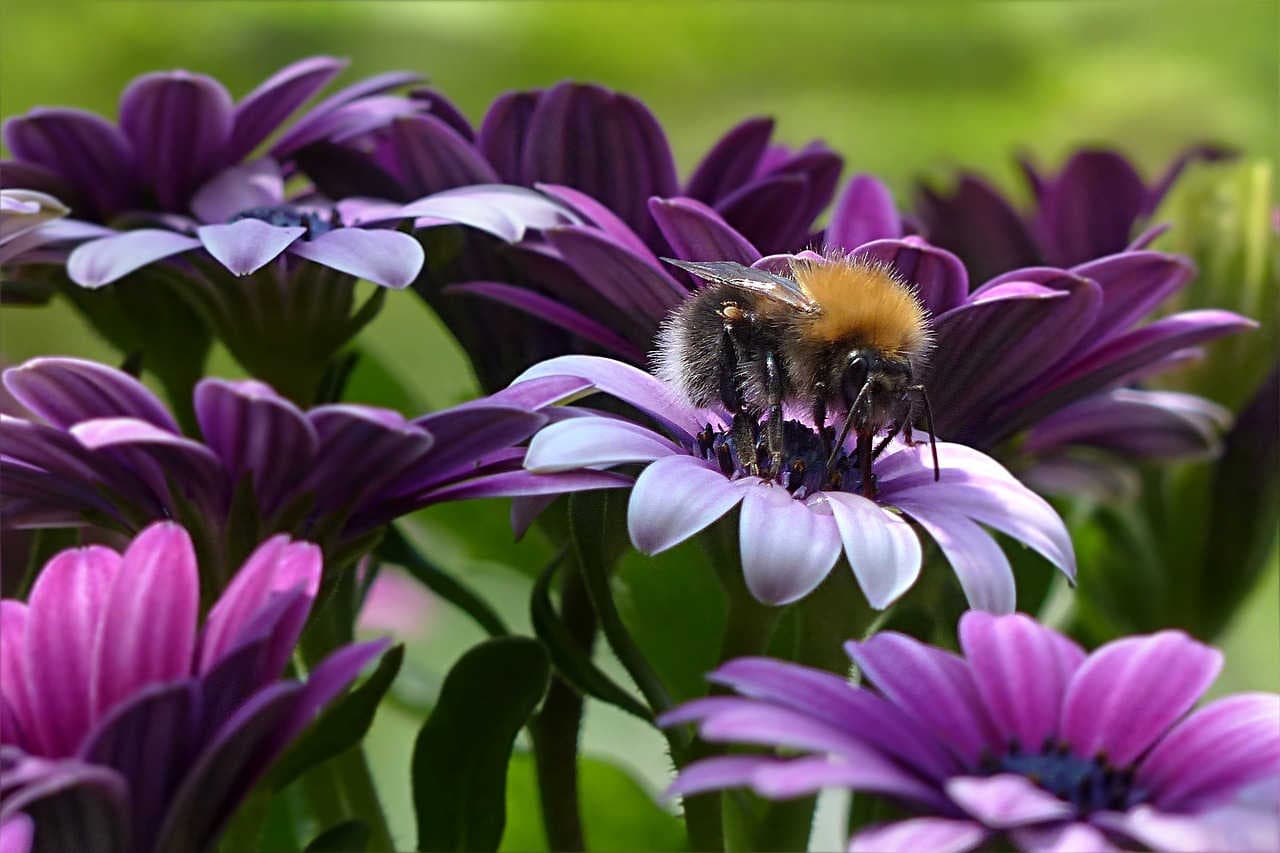
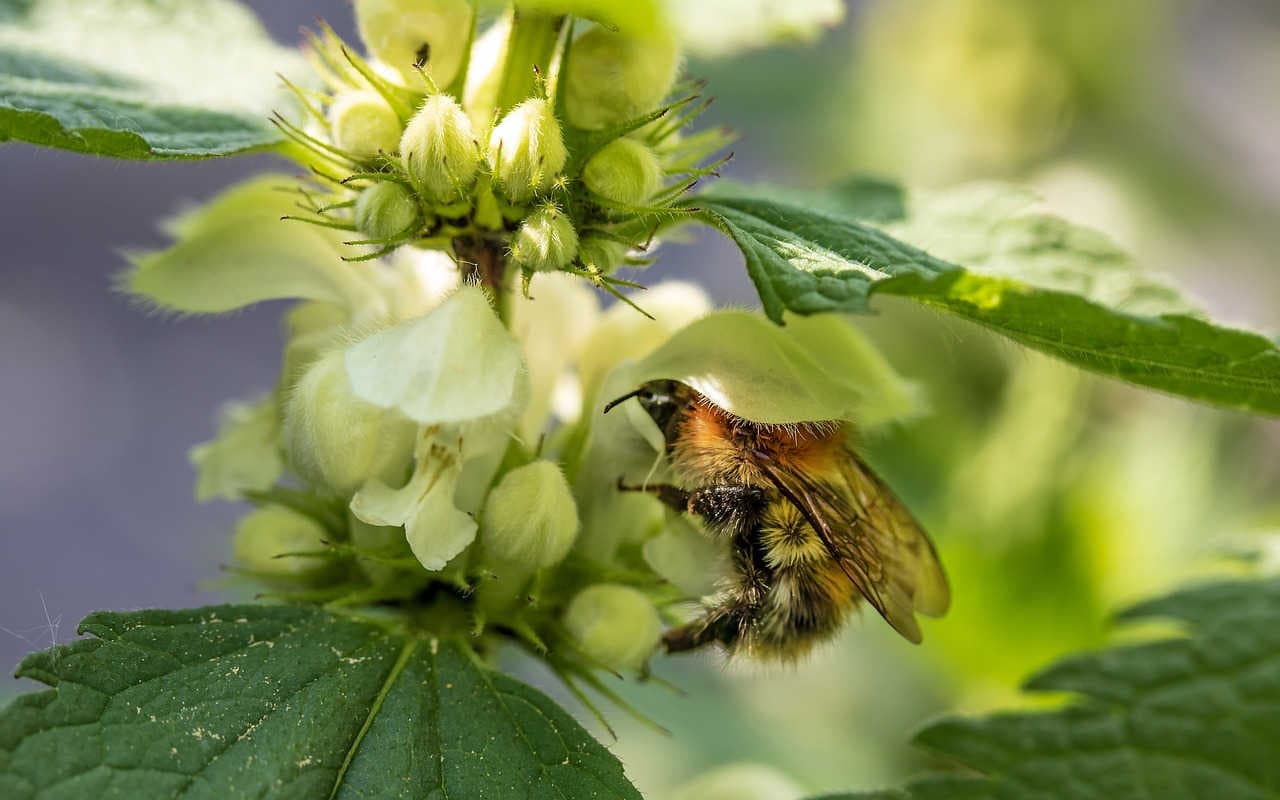
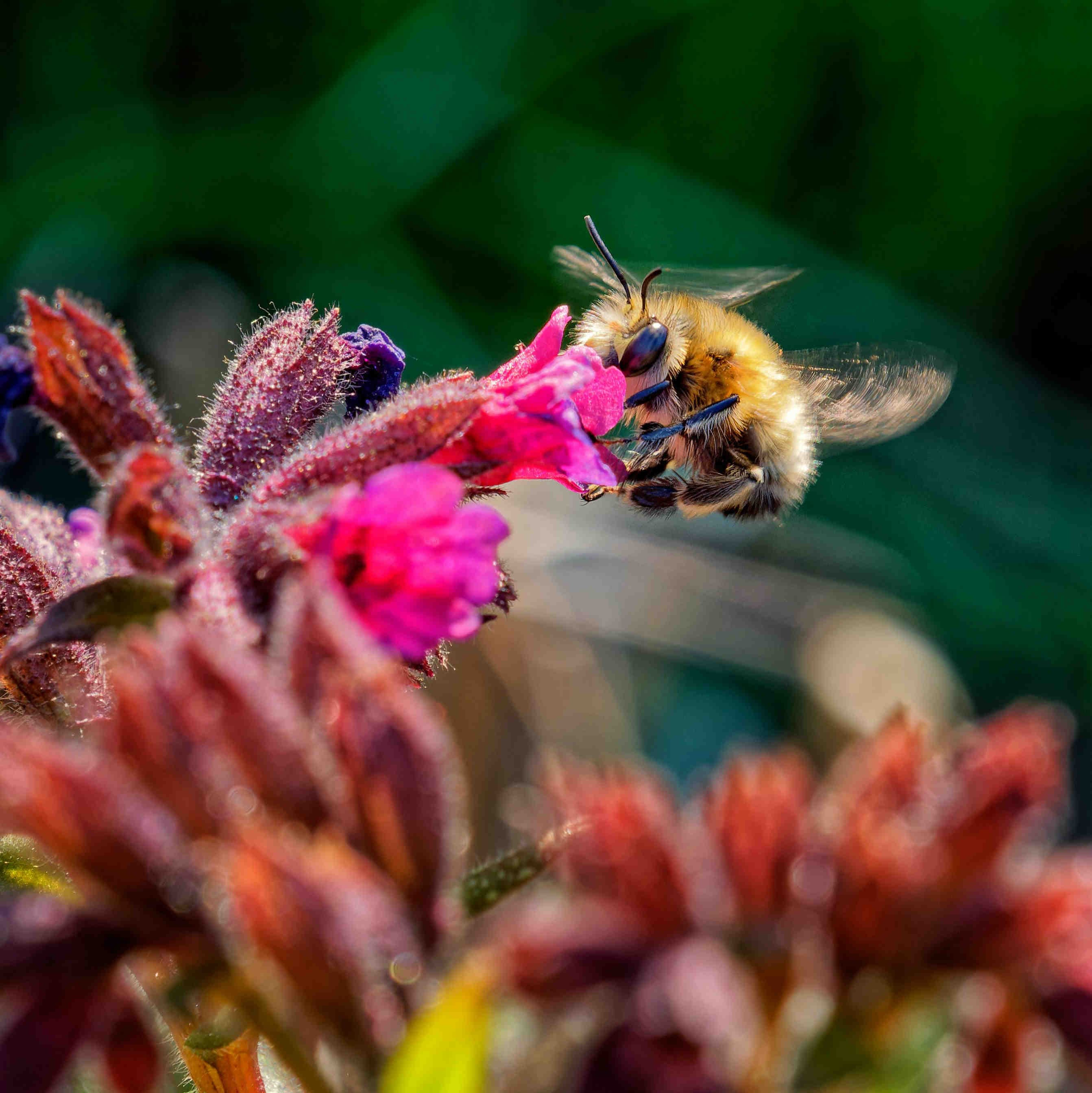
    Among the various causes, rising temperatures seem to be the main enemy for these species. Raising the alarm is the new international study 'Thermodynamics, thermal performance and climate change: temperature regimes for bumblebee (Bombus spp.) colonies as examples of superorganisms, published in Frontiers in Bee Science. According to the scientists, rising global temperatures are putting a particular strain on many species of bumblebees, the chubby-looking hymenopteran species that belong to the same family as bees. Bumblebees, unlike other species, are much more impactful on the spread of pollen: through their mouthparts, they 'shake' the flowers and this allows the release of large quantities of pollen. In addition to their important role as pollinators, these animals exhibit incredible social behaviour: for example, it has been observed that bumblebees have the ability to learn from their fellows.

    Bombo su fiore rosa

    Approved temperatures

    Bumblebees are apparently very resilient animals: they are able to fly at temperatures of 3-4 °C and it has even been discovered that the queen bee of the species Bombus impatiens is able to survive for more than ten days underwater. Yet despite these great individual capabilities, a study published in Nature states that over 75% of European bumblebees could be at risk in the next 40-60 years. Why? According to the aforementioned study published in Frontiers, the reason has to do with the high temperatures and thermal stress afflicting the colonies of these species. In fact, according to scientist Peter Kevan, lead author of the article, "The decline in populations and ranges of several bumblebee species can be explained by problems with overheating of nests and brood".

    bombus terrestris
    XNatura

    The results

    Reviewing one hundred and eighty years of literature, Kevan and colleagues found that colonies of bumblebees are able to survive up to 36 °C, and develop in optimal fashion around 28 °C - 32 °C, although this factor may vary depending on species and environmental conditions. Despite their high thermoregulatory capacity, high temperatures would, according to the study, compromise the speed and frequency of the activities of these animals, affecting the brood in particular: high temperatures would in fact impair the colony's thermoregulation (metabolic and behavioural), affecting in particular the queen's reproductive activities and capacity.

    bombo su fiore
    3Bee

    Synergistic colonies

    One of the most interesting aspects to emerge from the study concerns the possibility and necessity of analysing the decline of certain pollinators, such as bumblebees, as superorganisms. Indeed, bumblebees are eusocial insects, i.e. they live synergistically in highly organised and cooperative 'societies', with a strict division of roles and a common care of their offspring. In these animals, it is only the queen female, fertilised by the males, that reproduces. Since the early years of the discovery of Charles Darwin's theory, the role of reproductive castes in these insects has been a major problem for the author and for the validity of evolutionary theory itself: how can one explain the conservation and adaptation of a trait that benefits the reproductive capacity of a single individual??

    Synergistic colonies

    Superorganism as selective unit

    According to some scholars, one should in fact treat these insects and their social organisation as a single reproductive unit subject to natural selection. Well, P. Kevan's study confirms precisely this view: it is the entire colony, rather than individual residents, that is subject to Darwinian selection, as a superorganism. An important characteristic of the superorganism "colony-bumblebee" is the ability of the entire colony to maintain its temperature within a range where metabolic rates are minimal and activity can be maintained.

    Superorganism as selective unit

    Monitoring bumblebees

    To reduce the inexorable decline of bumblebees, the scientists therefore propose further research into an as yet too unknown aspect of the ecology of these animals: the morphology of the nest, its material properties, its average temperature and its thermoregulation. It is possible, in fact, that some species of bumblebees adopt different strategies in the choice of nest shape and location to allow for greater cooling. What is certain is that it is increasingly important to constantly monitor these animals, trying to understand their health status and habits within each brood.

    bombo su fiore

    Regenerating biodiversity through technology

    3Bee is a naturetech company that has been monitoring, protecting and regenerating biodiversity for years through the development of new innovative technologies. Its methodology uses innovative tools to monitorpollinators, crucial bioindicators of environmental health and at the heart of ecosystem service regulation. The sensors and algorithms created by 3Bee collect measurable data on the health of pollinators and their habitats, making it available to all. This is the context for the 3Bee Oases of Biodiversity: areas dedicated to the protection of local biodiversity and pollinators, monitored along the lines of the XNatura Protocol. As a scientific partner, 3Bee supports organisations and companies in the development of a biodiversity and climate strategy, based on three pillars: monitoring, regeneration and training.

    campo fiori biodiversità
    17/06/2024Of 3Bee, Chiara Pertile
    242 Views
    Newsletter
    newsletter
    Subscribe to the Blog about bees and biodiversity

    Frequently Asked Questions

    Do you have any doubts or other curiosities about this article? Here you will find some insights