Why do animals become extinct? The main causes
    ExtinctionNatural causesDefaunationH.I.P.P.O.

    Why do animals become extinct? The main causes

    Species extinction is a natural phenomenon that has always been present in the history of our planet, but today, with the impact of human activities, it is occurring at an unprecedented rate, threatening the balance of ecosystems and global biodiversity.

    Read the article
    08/12/2024Of 3Bee, Chiara Pertile
    2194 Views
    08/12/2024Of 3Bee, Chiara Pertile
    2194 Views

    Extinction as an evolutionary process

    Disclaimer: this is an automated translation from Italian. Go to the original article.
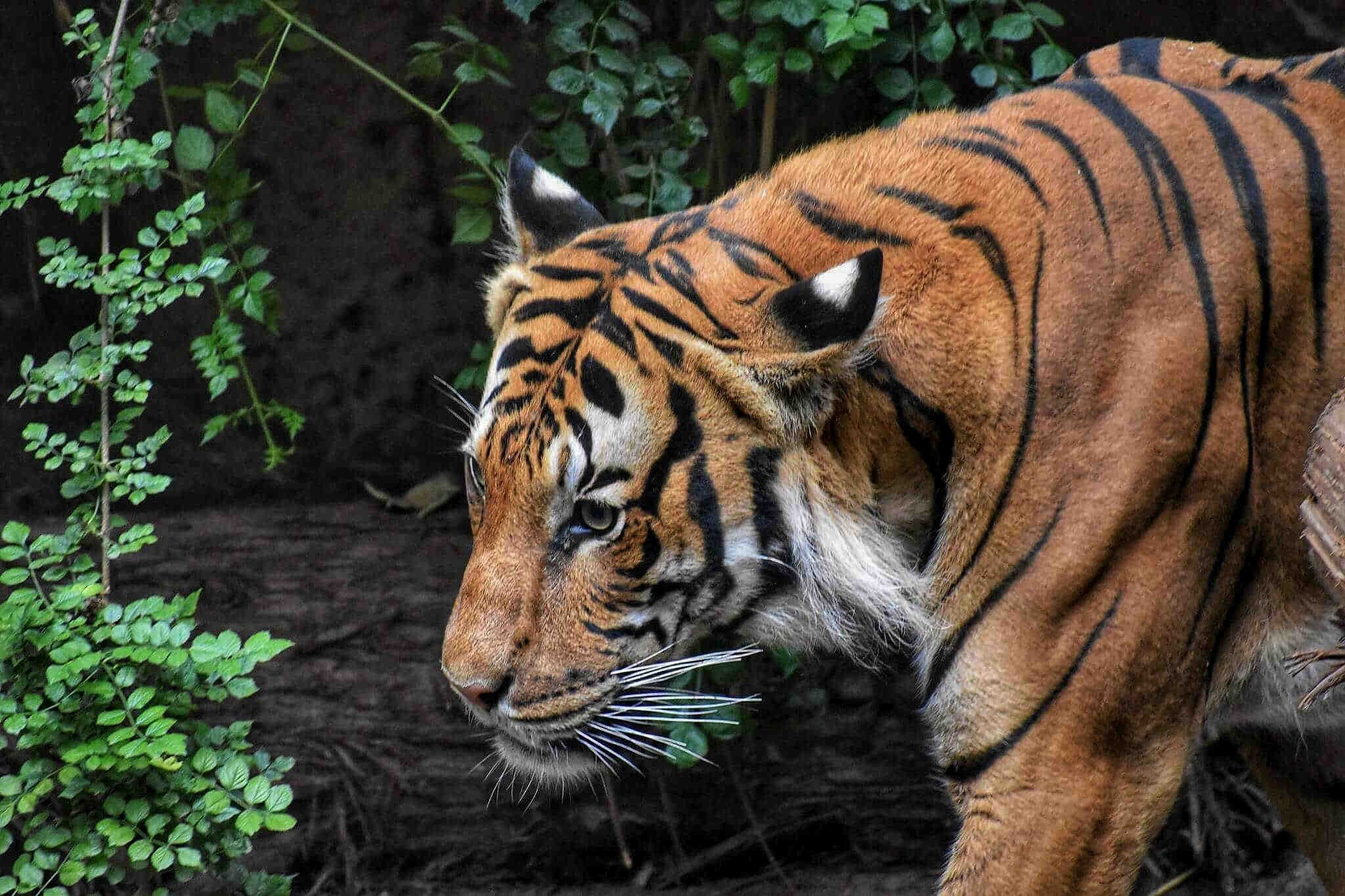
    Extinction is a central phenomenon in evolution. Biologically speaking, it occurs when a species ceases to exist due to environmental changes, competition with other species, or natural disasters. In the face of significant changes, species have three possible responses: adapt, migrate to more favorable environments, or become extinct. The latter, even when involving multiple species at once, should not necessarily be seen as the end of life on Earth. As the cinematic metaphor of Ricomincio da tre reminds us, even in nature, extinction can be seen as a starting point: the ecological voids created by the disappearance of certain species pave the way for new evolutionary opportunities, favoring the rise of organisms better suited to new environmental conditions.

    tigre

    The natural causes of species extinction

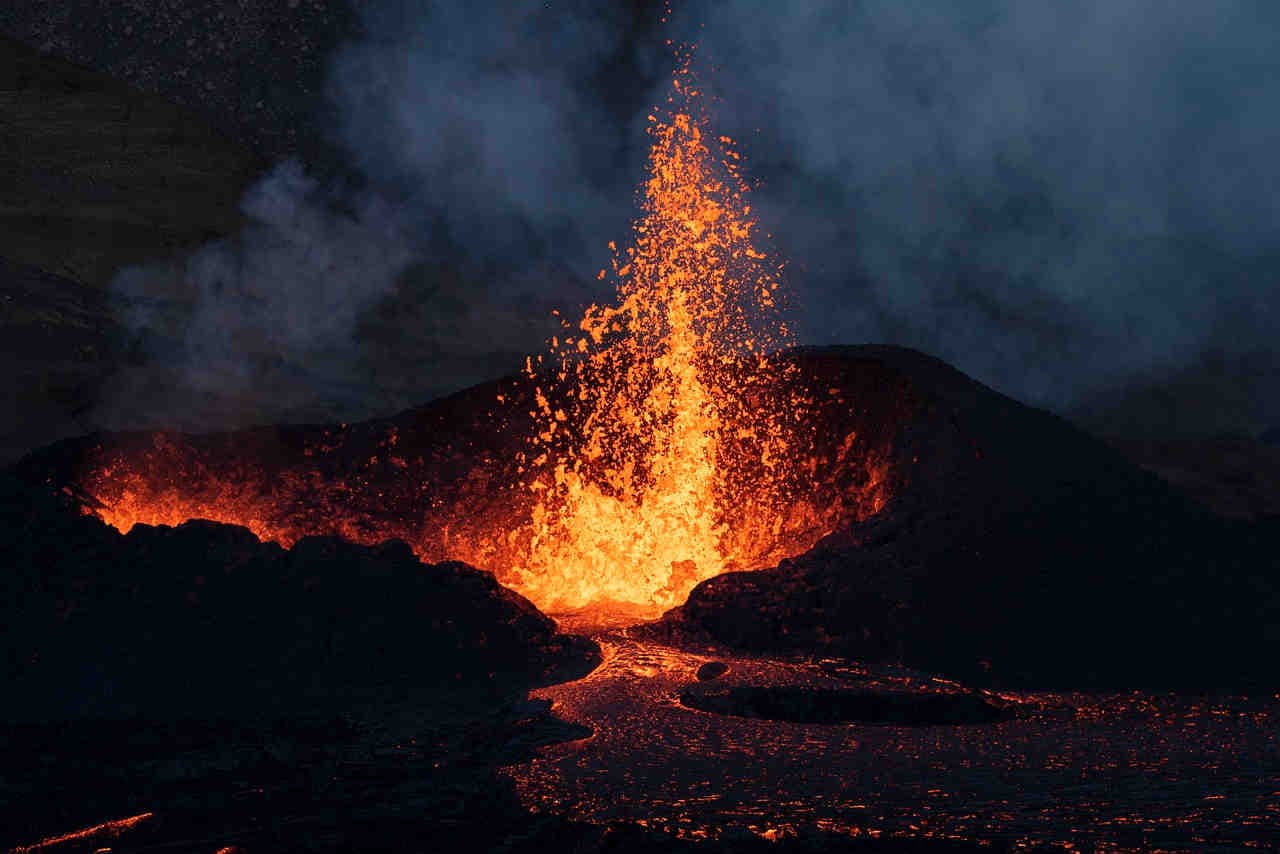
    Extinctions have shaped the history of life on Earth, and it is estimated that over 99% of all species that ever existed, equivalent to more than 5 billion, are now extinct. The main natural causes of extinction include species' inability to adapt to climate changes, competition with other species, predation, and catastrophic events such as volcanic eruptions, ocean acidification, or meteorite impacts. These processes can manifest gradually, with a slow numerical decline that reduces genetic variability and compromises reproductive capacity, or occur more rapidly, as in the five major mass extinctions. Often, as the fossil record documents, extinctions are the result of a combination of different environmental, biological, and geological factors. Even when an extinction is sudden, we must consider that it usually refers to a period estimated between 10,000 and 100,000 years.
    vulcano eruzione
    XNatura

    Defaunation and the sixth mass extinction

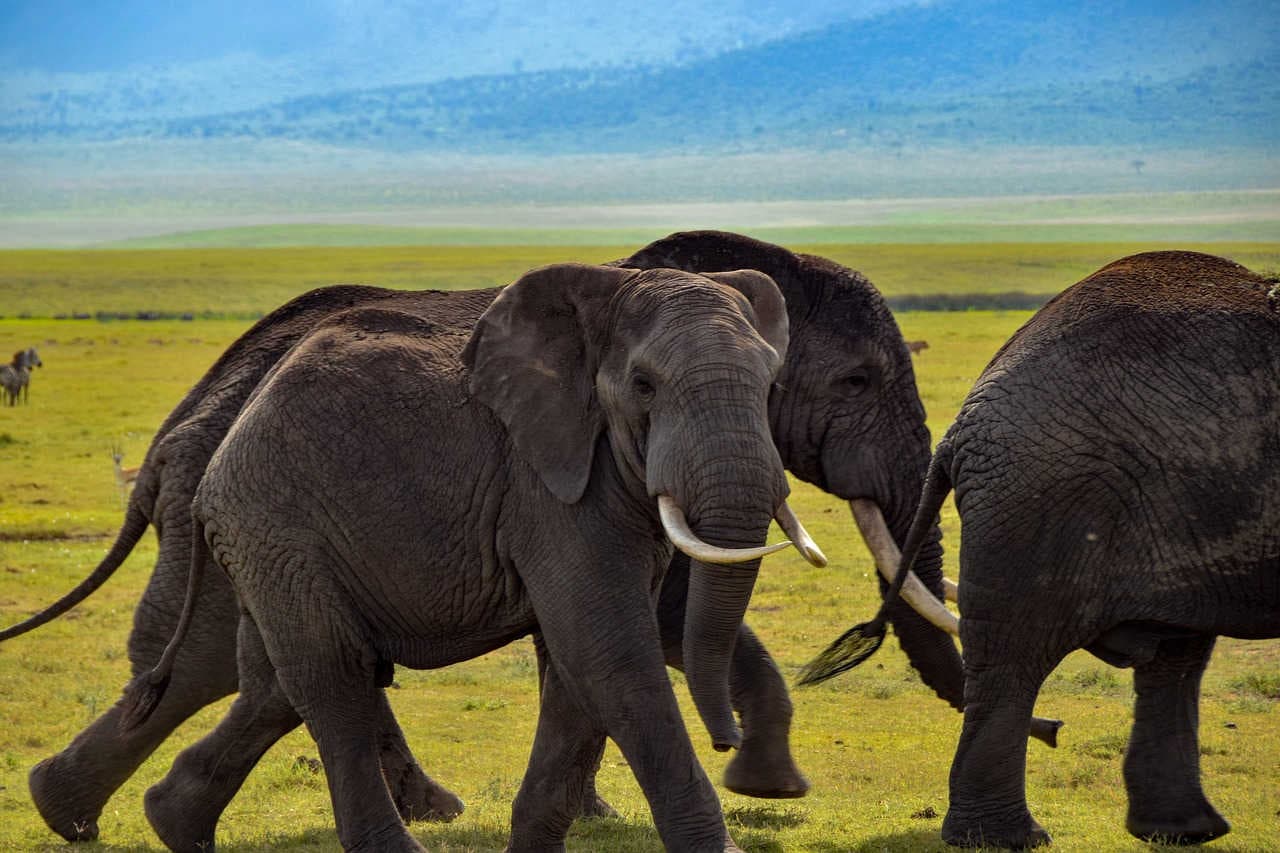
    Today, in the era of the debated Anthropocene, we are witnessing a significant loss of biodiversity, both animal and plant. According to some authors, we are experiencing a real sixth mass extinction. But if extinction is a natural phenomenon, why is it so worrying? As Telmo Pievani points out in an interview, "The fifth mass extinction, which involved almost all dinosaurs 66 million years ago, was completed in 300 thousand years. The current extinction, comparable to that, is occurring in just a few centuries." The anthropic impact, the main cause of the great loss of biodiversity we are experiencing, seems to have effects even more devastating than those caused by an asteroid. In an article published in 2017, Rodolfo Dirzo describes the current situation with the term “defaunation”: among the 27,600 vertebrate species analyzed in the study, 32% of them (8,851 out of 27,600) are dramatically declining.
    elefanti

    The anthropic causes of species extinction

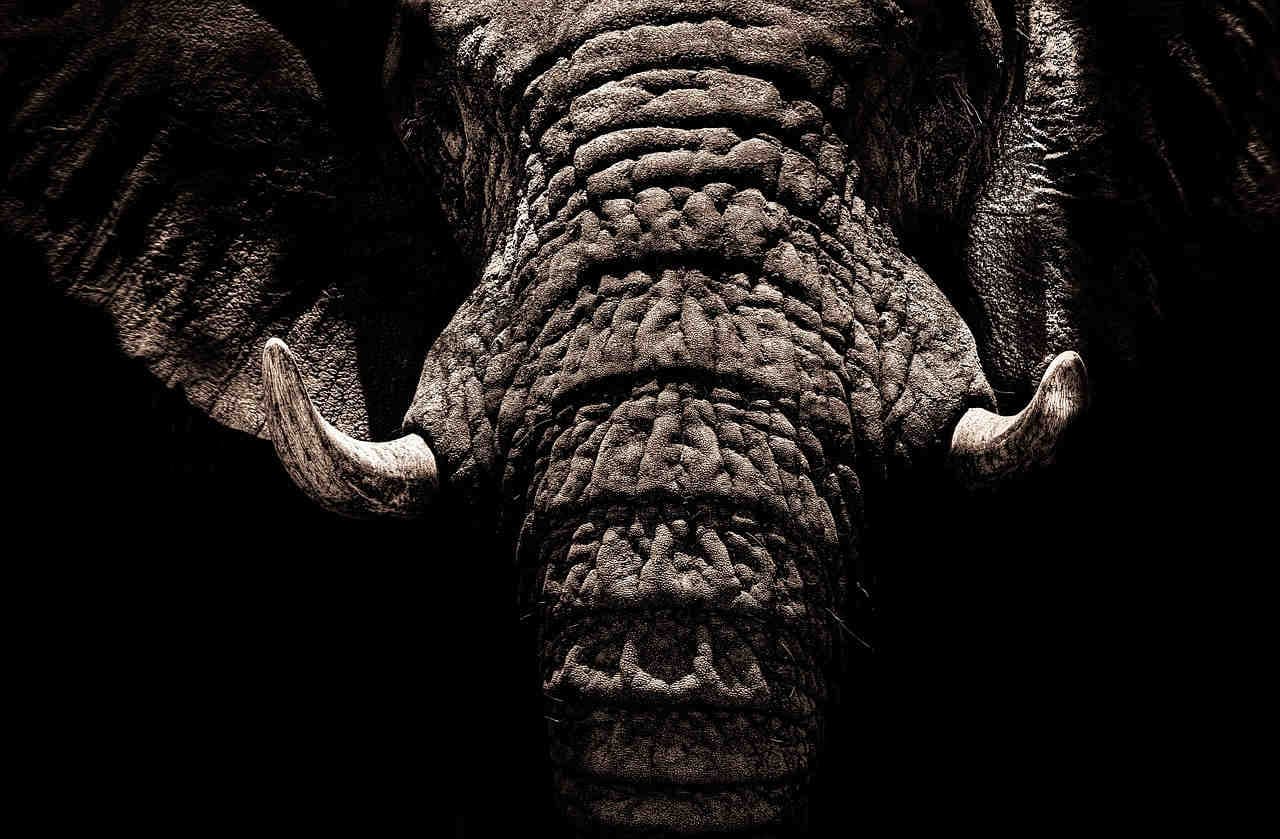
    Which anthropic activities are accelerating the loss of biodiversity? According to scientist Edward O. Wilson, the main causes of the sixth mass extinction can be summarized in the English acronym H.I.P.P.O.: Habitat destruction (destruction and fragmentation of habitats), such as deforestation and intensive agriculture; Invasive species (invasive species), often introduced by humans, that compete with native species or alter their habitats; Population (human population growth), which increases pressure on resources and takes space away from wildlife; Pollution (pollution), such as plastic, pesticides, and heavy metals; Overexploitation (overexploitation), such as intensive fishing and illegal hunting. To these factors, according to philosopher Telmo Pievani, we must also add climate change, an additional transversal anthropic impact that amplifies ecosystem destruction and alters species' biological cycles.
    Elefante
    XNatura

    The consequences of species loss on ecosystems

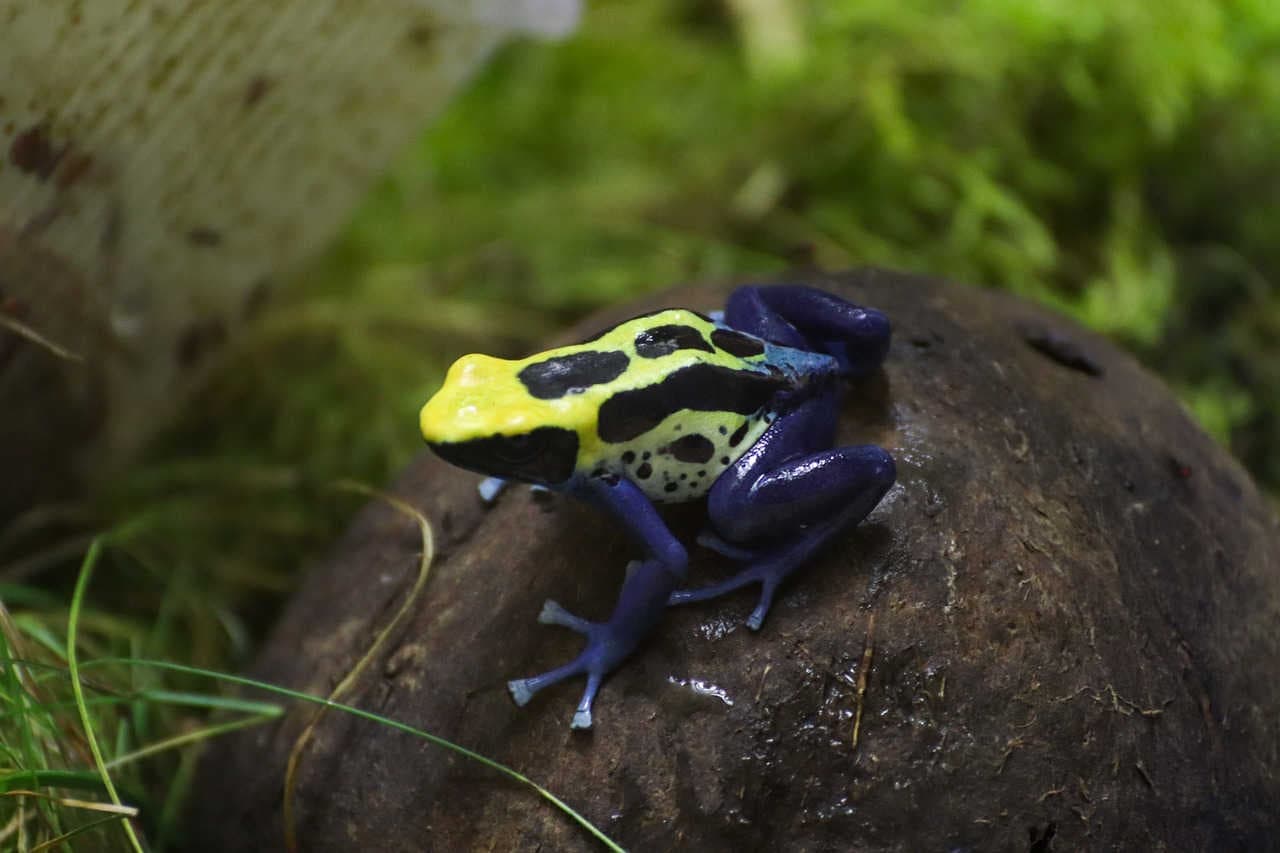
    The extinction of a species, whether natural or caused by humans, profoundly affects ecosystems. Under natural conditions, the disappearance of a species can benefit others, which occupy its ecological niches. This is the case, for example, of the expansion of mammals after the extinction of dinosaurs. However, when key species such as pollinators or predators are lost, the ecosystems risk suffering irreparable damage. The loss of these species can disrupt food chains, lead to ecological collapse, and alter the functioning of entire habitats. Especially when an extinction is suddenly caused by human activities such as deforestation, the overall effects on an ecosystem's biodiversity can be dramatic.
    rana
    3Bee

    How to safeguard animals and biodiversity

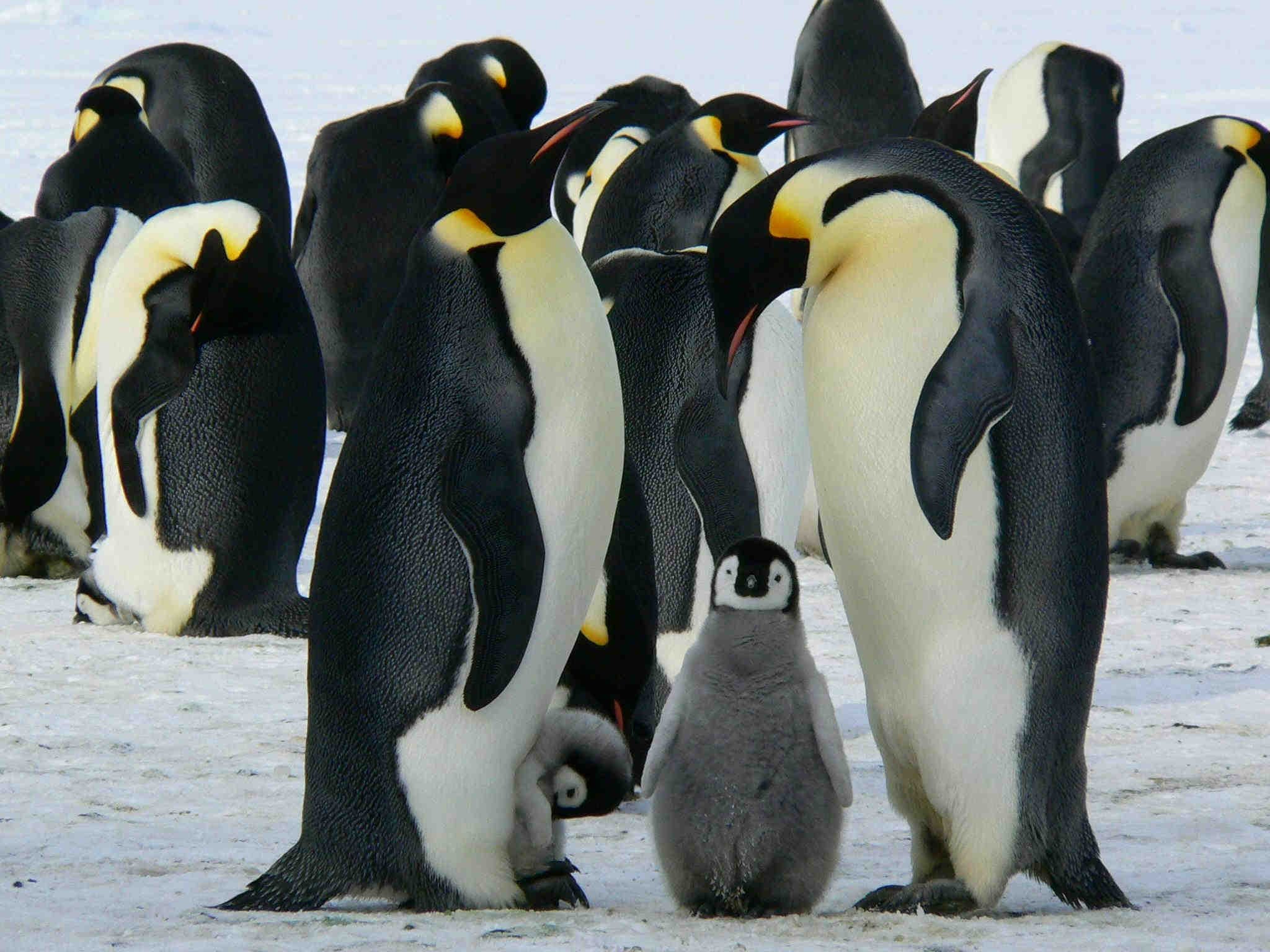
    According to the Living Planet Report 2024, in the last 50 years (1970–2020), the average size of wildlife populations has collapsed by 73%. To counter this crisis and the resulting loss of biodiversity, decisive interventions are required to protect threatened species. Conservation policies, such as establishing nature reserves, restoring habitats, and banning harmful activities such as illegal hunting, are essential tools. However, raising public awareness also plays a key role: promoting awareness of the importance of biodiversity can lead to the cultural and behavioral changes necessary to reduce human impact on ecosystems and ensure a more stable future for the biosphere. For these reasons, 3Bee is developing various educational, but also monitoring, protection, and regeneration of biodiversity projects, such as the 3Bee Oases.
    pinguini imperiali
    08/12/2024Of 3Bee, Chiara Pertile
    2194 Views
    Newsletter
    newsletter
    Subscribe to the Blog about bees and biodiversity

    Frequently Asked Questions

    Do you have any doubts or other curiosities about this article? Here you will find some insights