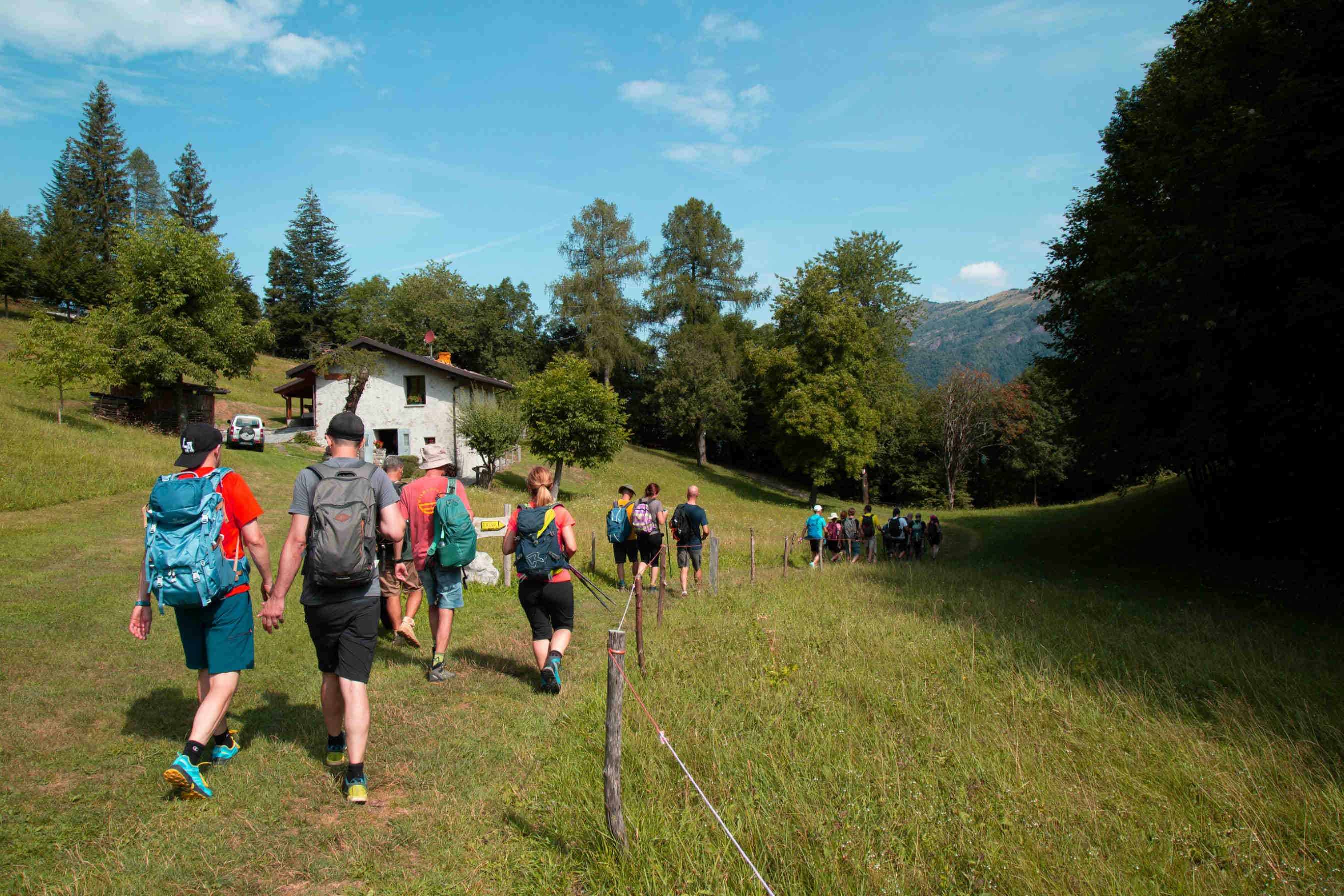
What are ecosystem services: the intrinsic value of nature
    BiodiversityServicesCapitalMaterial goods

    What are ecosystem services: the intrinsic value of nature

    Ecosystem services are defined as the various benefits provided by nature to humankind. But what exactly are they and why are they so important for nature and humans? Let's find out in this article.

    Read the article
    07/01/2025Of 3Bee, Marta Depetris
    365 Views
    07/01/2025Of 3Bee, Marta Depetris
    365 Views

    The value of natural biodiversity

    Disclaimer: this is an automated translation from Italian. Go to the original article.

    We often don't notice, but we are surrounded by biodiversity. This term does not have a single definition, but we can identify three main types of biodiversity: taxonomic, consisting of the variety of living species on our planet; genetic, which represents the genetic heritage present in every organism; ecosystemic, constituted by the vast range of habitats on Earth. Conserving biodiversity is crucial for our health and that of the planet we live on. Every animal and plant species has and fulfills a specific role in its environment, helping the ecosystem maintain its vital balances. Biodiversity, in addition to having intrinsic value, is also essential because it is a source of goods, resources, and services for humans: the so-called ecosystem services.
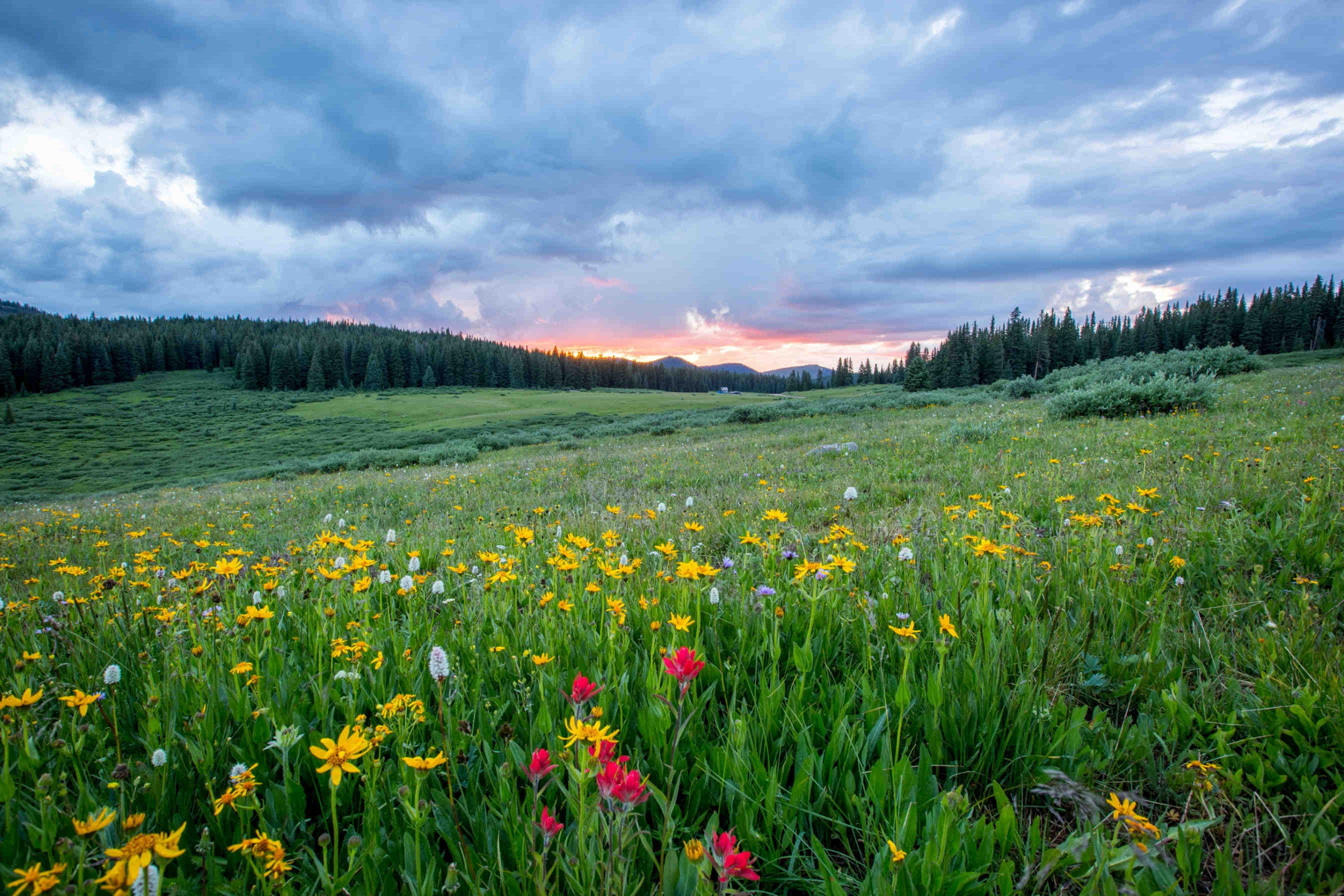
    The value of natural biodiversity

    What are ecosystem services

    Ecosystem services are defined by the Millennium Ecosystem Assessment (MEA) as the different benefits provided by nature to humankind. They can be identified with all the different components, processes, and functions they perform, which provide a direct or indirect benefit to humans. The MEA divides these services into four categories: provisioning services, regulating services, cultural services, and supporting services. These range from the production of food and water to climate regulation, including aesthetic, recreational, and spiritual values. Humans are fundamentally dependent on the flow of ecosystem services, and understanding their importance helps us better appreciate the deep connection between natural ecosystems and human well-being, guiding national and international policies to act for the conservation of these vital processes.

    What are ecosystem services
    XNatura

    Natural Capital

    The term Natural Capital refers to the set of natural resources, from living organisms to abiotic resources such as air, water, soil, and geological resources, that contribute to the production of goods and services, both direct and indirect, for humans and are necessary for the survival of the environment from which they are produced. It is precisely from this Natural Capital that various ecosystem services are generated. To encourage proper management, an economic value is assigned to the various ecosystem services, with the aim of representing the physical, monetary, and well-being value that biodiversity provides to humanity, with the intent of guiding policy makers' decisions.

    Natural Capital

    Provisioning ecosystem services

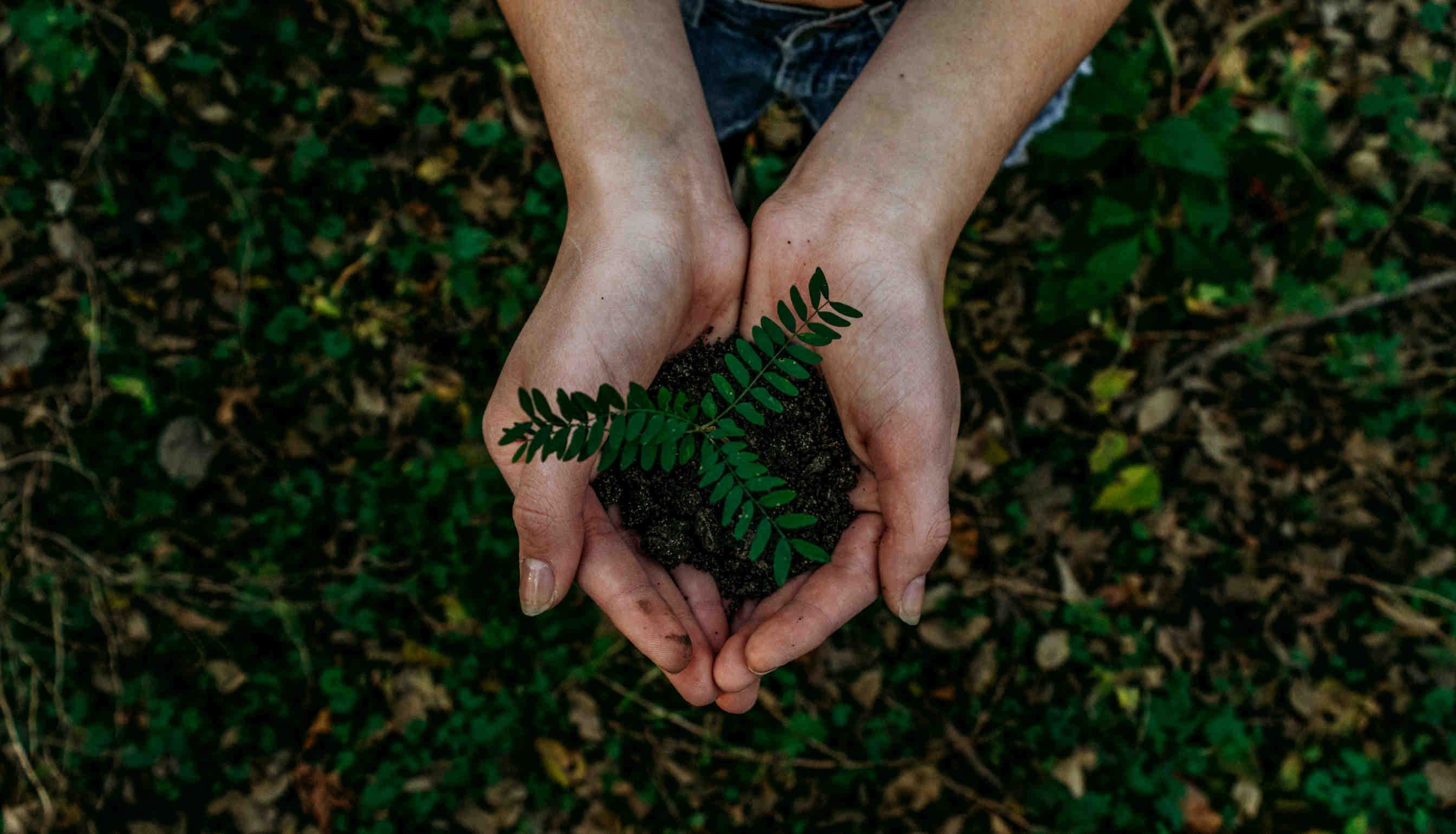
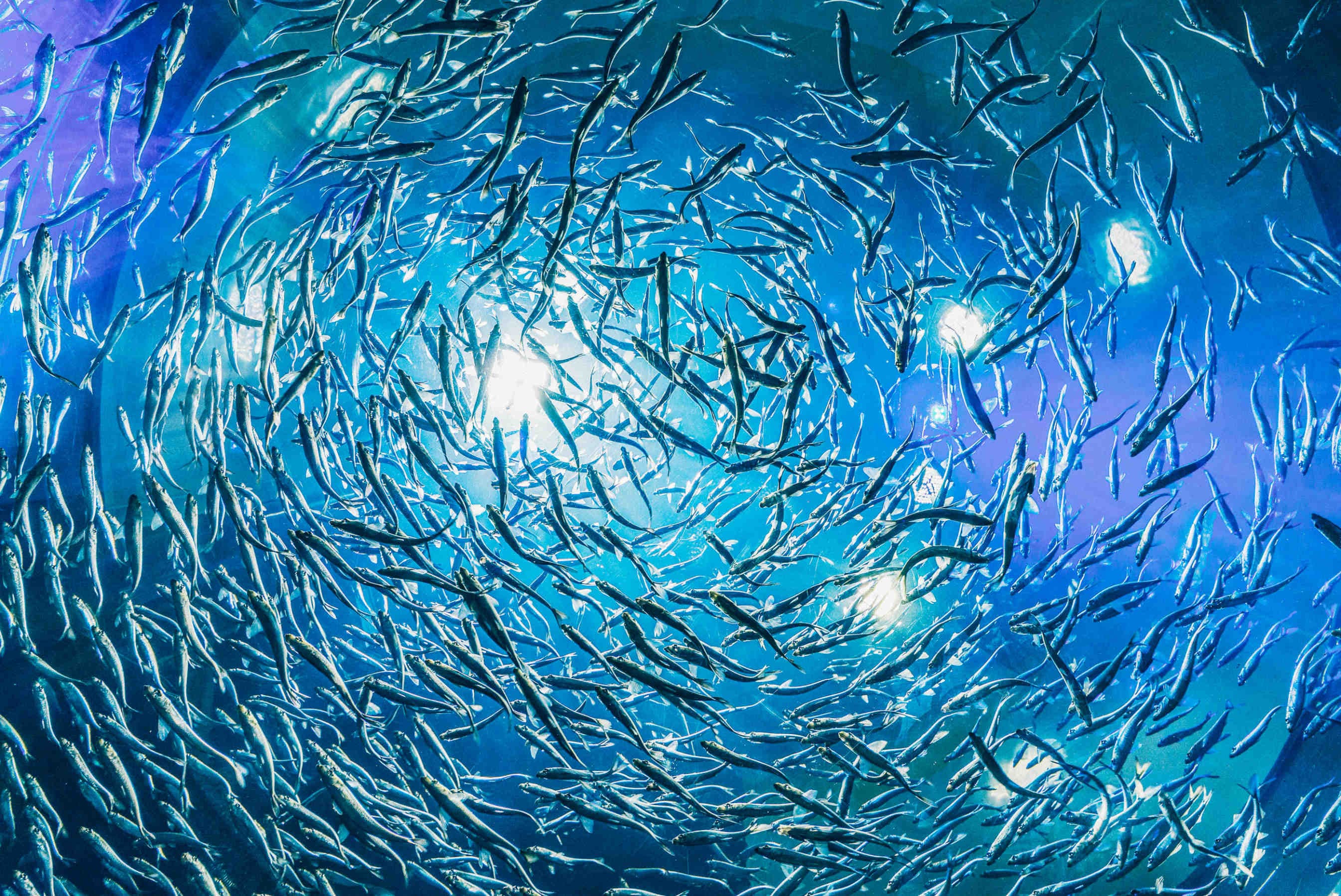
    Ecosystem services of provisioning provide material goods that we can consider vital for humans, such as food, fresh water, timber, fibers, and energy resources. An example is forests that offer building materials, natural fibers, and even compounds used to produce medicines. Other services include the oceans and farmlands, which provide food such as fish and agriculture-related products. Sustainably managing these services is essential to ensure a sufficient supply of resources for humankind, both locally and globally.

    Provisioning ecosystem services
    XNatura

    Ecosystem regulation services

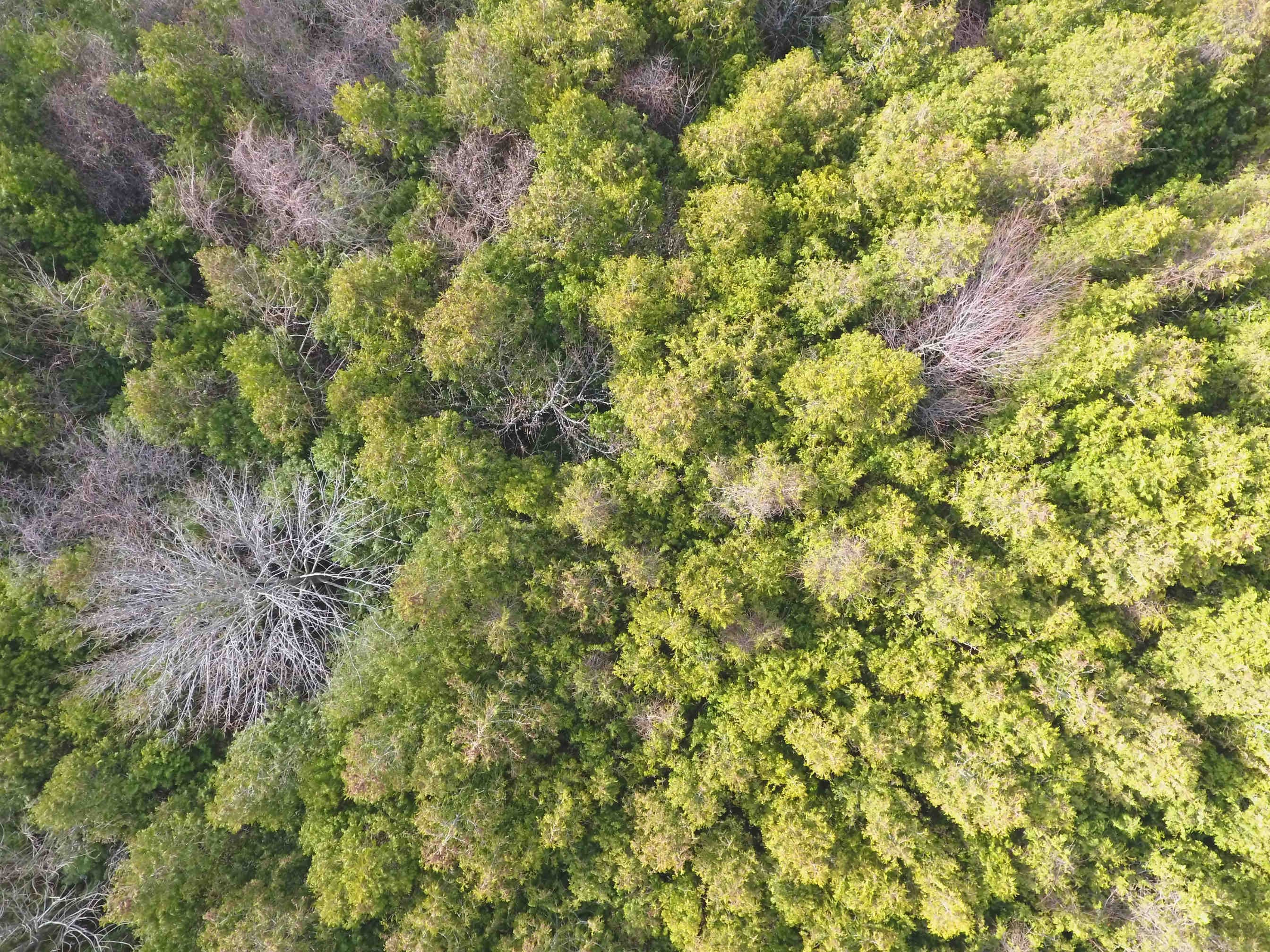
    The ecosystem services of regulation include natural processes that contribute to maintaining environmental balance, such as climate, water, and air quality regulation and soil erosion. We can therefore include all those mitigation services provided by physical and biological processes that naturally occur within an ecosystem. An example can be forests which, thanks to their ability to absorb CO2, contribute to the mitigation of climate change. Degraded habitats or those deprived of much of their biodiversity decrease their ability to provide these fundamental functions.

    Ecosystem regulation services
    3Bee

    Supporting Ecosystem Services

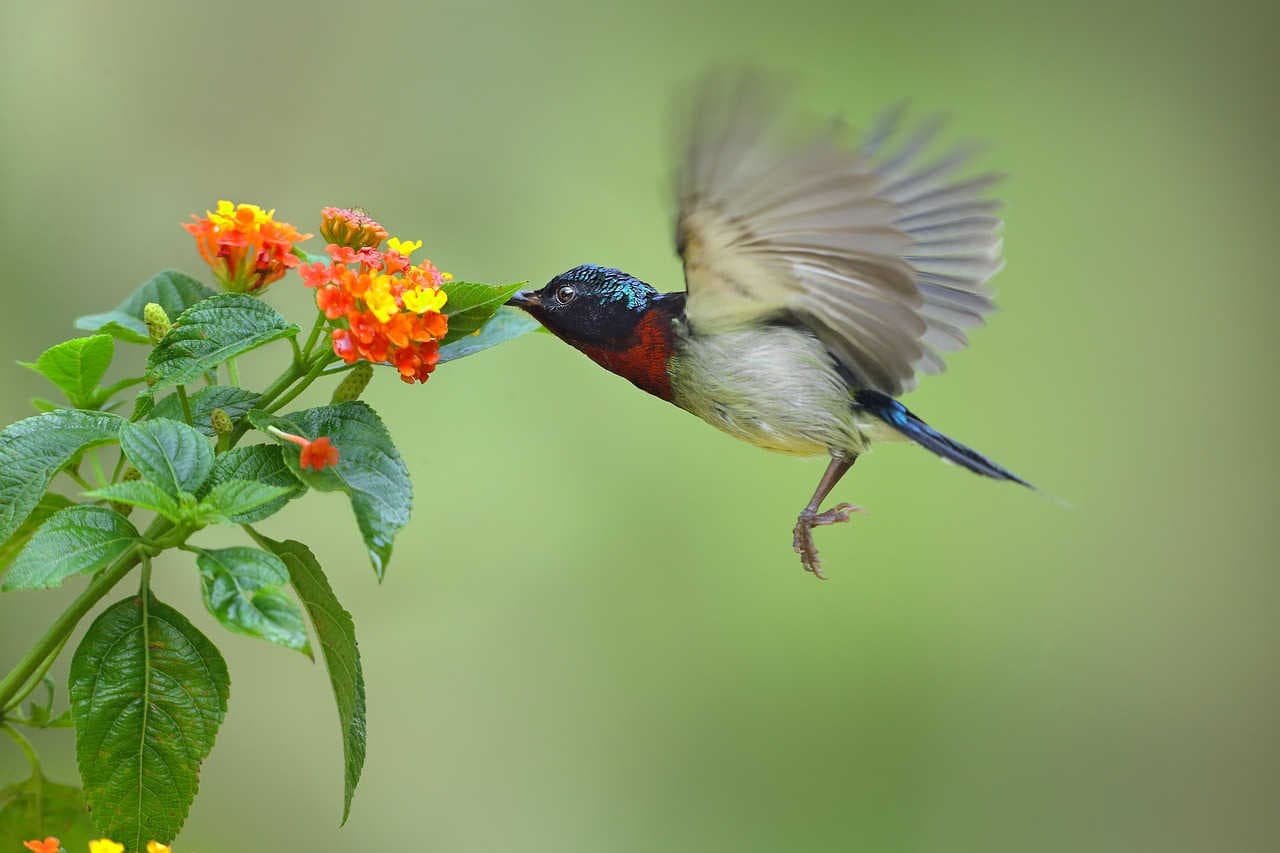
    We can consider ecosystem support services as the foundation of other services. They are fundamental for the proper functioning of ecosystems and for all other services they provide. This category can include processes such as nutrient cycling, soil formation, and pollination. The latter is often carried out by some animals, such as insects, ensuring the reproduction of more than 87% of wild plants and 70% of crops. These processes support the proper functioning of the ecosystems themselves, on which the health of the Earth and humans depends.
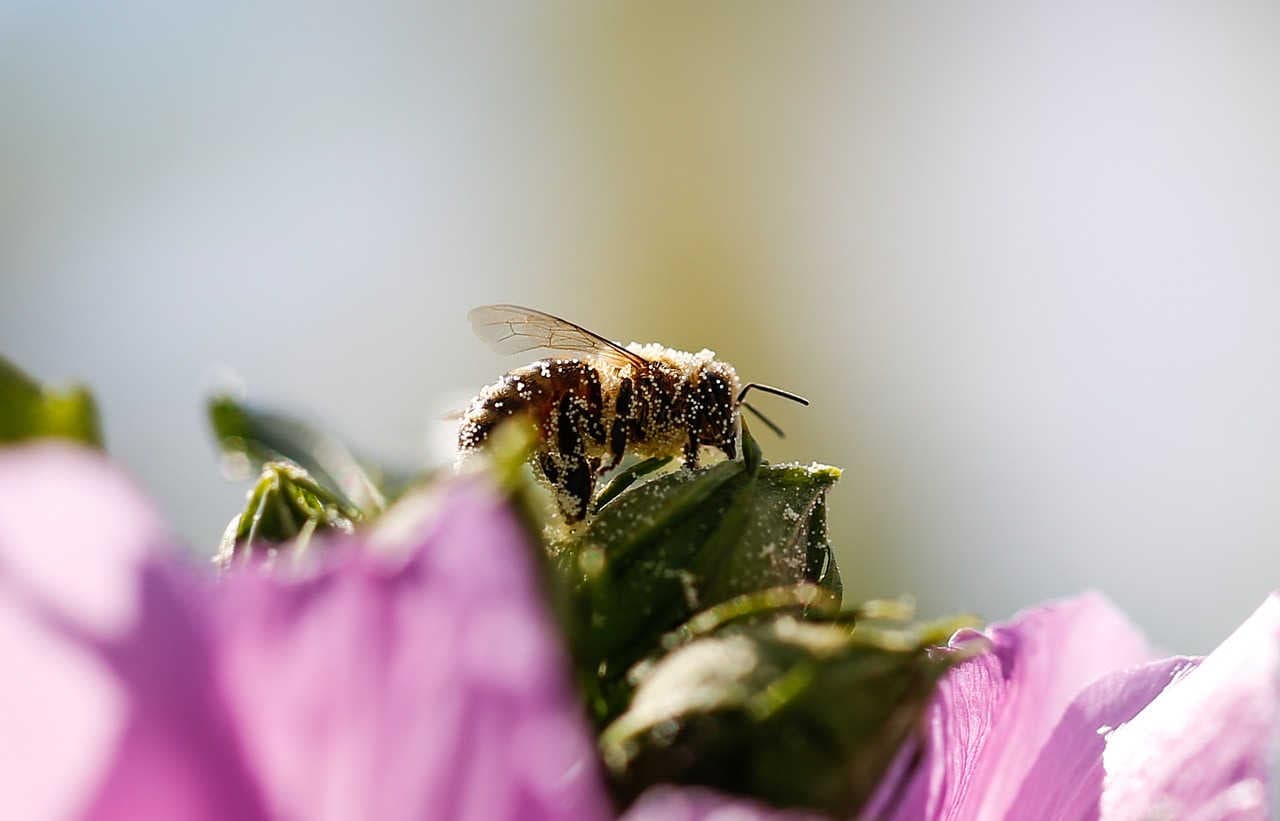
    Supporting Ecosystem Services

    Cultural ecosystem services

    Certainly among those most difficult to perceive, cultural ecosystem services include the intangible benefits that nature offers, such as mental well-being, spiritual connection, and aesthetic value. Landscapes and natural parks, streams, forests, in addition to material goods, can also offer spaces for relaxation, recreation, and creativity. Moreover, some natural habitats can be places of spiritual importance and profound historical significance or have a strong scientific and educational value due to the species of flora and fauna they host. These services can greatly improve quality of life and the increasing urbanization and environmental degradation pose significant threats to enjoying these benefits.

    Cultural ecosystem services

    Policies and strategies for conservation

    It is well known that in areas with the greatest biodiversity loss there is also a more rapid simultaneous decline of many ecosystem services. These places often coincide with areas with higher population density and greater poverty. This continuous loss of Natural Capital has dramatic repercussions on these populations and on the proper functioning of ecosystems. For this reason, targeted strategies are needed to address these threats. One of the tools implemented is payments for ecosystem services (PES) that encourage sustainable practices by providing financial compensation to those who promote conservation and improvement of ecosystems. Policies such as the 2030 Biodiversity Strategy, which includes among its objectives the restoration of biodiversity and combating habitat degradation, can certainly contribute to an improvement of ecosystem services.

    Policies and strategies for conservation

    Towards a more sustainable future

    One of the fundamental tools for continuing to benefit from the benefits provided by ecosystem services is to proceed with their mapping. This process is carried out at the European level to ensure a uniform approach in the restoration and enhancement of these services. Through different phases, the identification of the services, the assessment of their conservation status, and finally the evaluation of the service itself are carried out. In Italy, the status of ecosystem services is quite diverse but characterized by a low level of natural capital in coastal areas, inland waters, intensively cultivated plains, and urban areas. Despite some positive signals, unfortunately, there is still a general negative trend: continuous land overexploitation, reduced protected areas (21% of the land surface and about 19% of the marine surface), and the presence of more and more alien species.

    Towards a more sustainable future

    Nature: an indispensable partner for survival

    The good health of ecosystems is crucial for the ecosystem services that are a necessary condition for human well-being. Adopting an approach that considers not only the economic value but also the social and cultural value of ecosystem services is vital for our future. This, however, implies a transformation of our mindset, leading to the perception of nature not merely as a resource to exploit but as an essential partner for our survival. In this process, environmental education plays a crucial role, becoming one of the essential tools to raise awareness about the conservation of biodiversity and ecosystems, enhancing the services derived from them.

    Nature: an indispensable partner for survival
    07/01/2025Of 3Bee, Marta Depetris
    365 Views
    Newsletter
    newsletter
    Subscribe to the Blog about bees and biodiversity

    Frequently Asked Questions

    Do you have any doubts or other curiosities about this article? Here you will find some insights