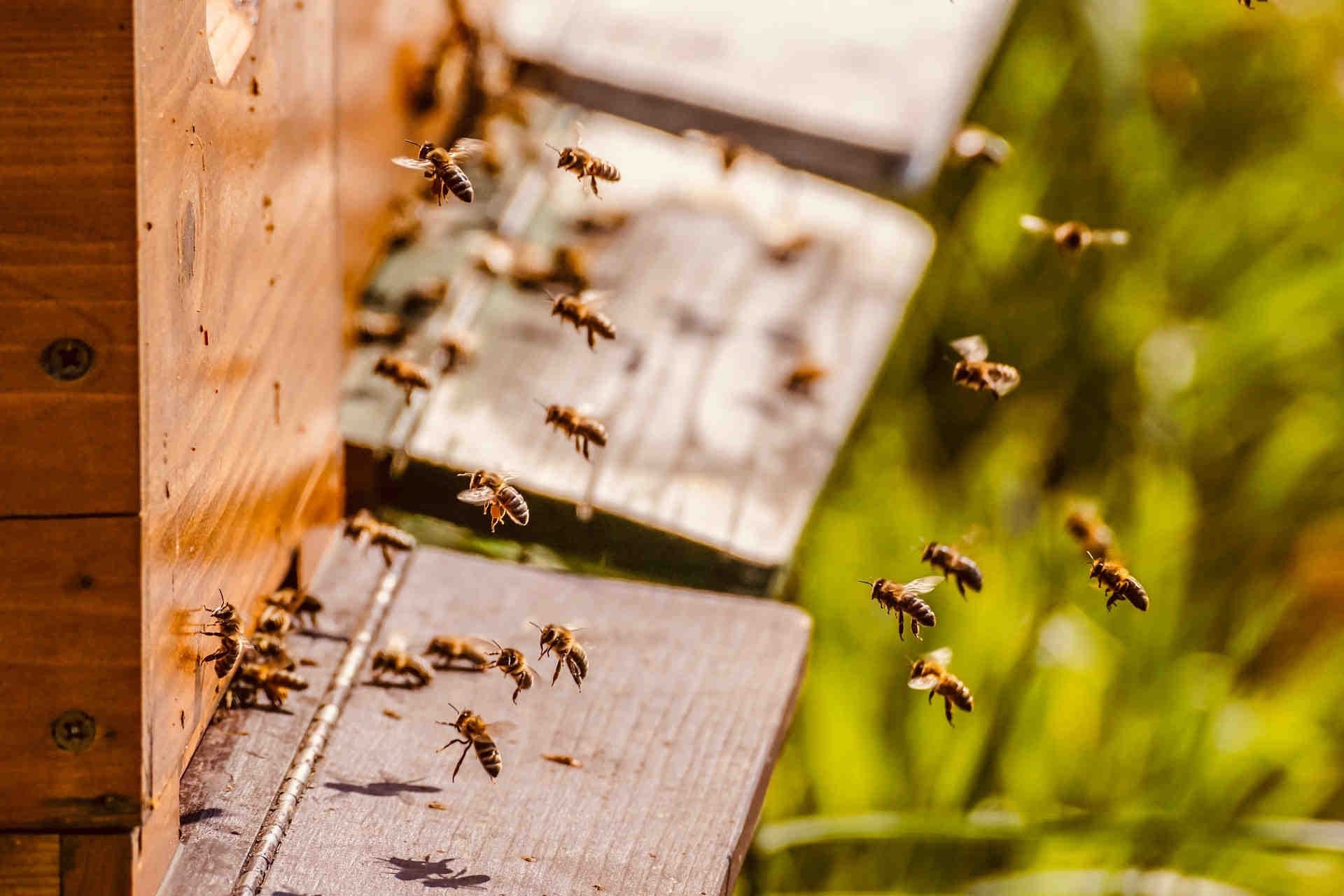
A predator from the Orient
It must first be remembered that the wasp velutina is not native to our continent. It is in fact called an 'alien species' or Chinese wasp, and its appearance in Europe has not gone unnoticed. This
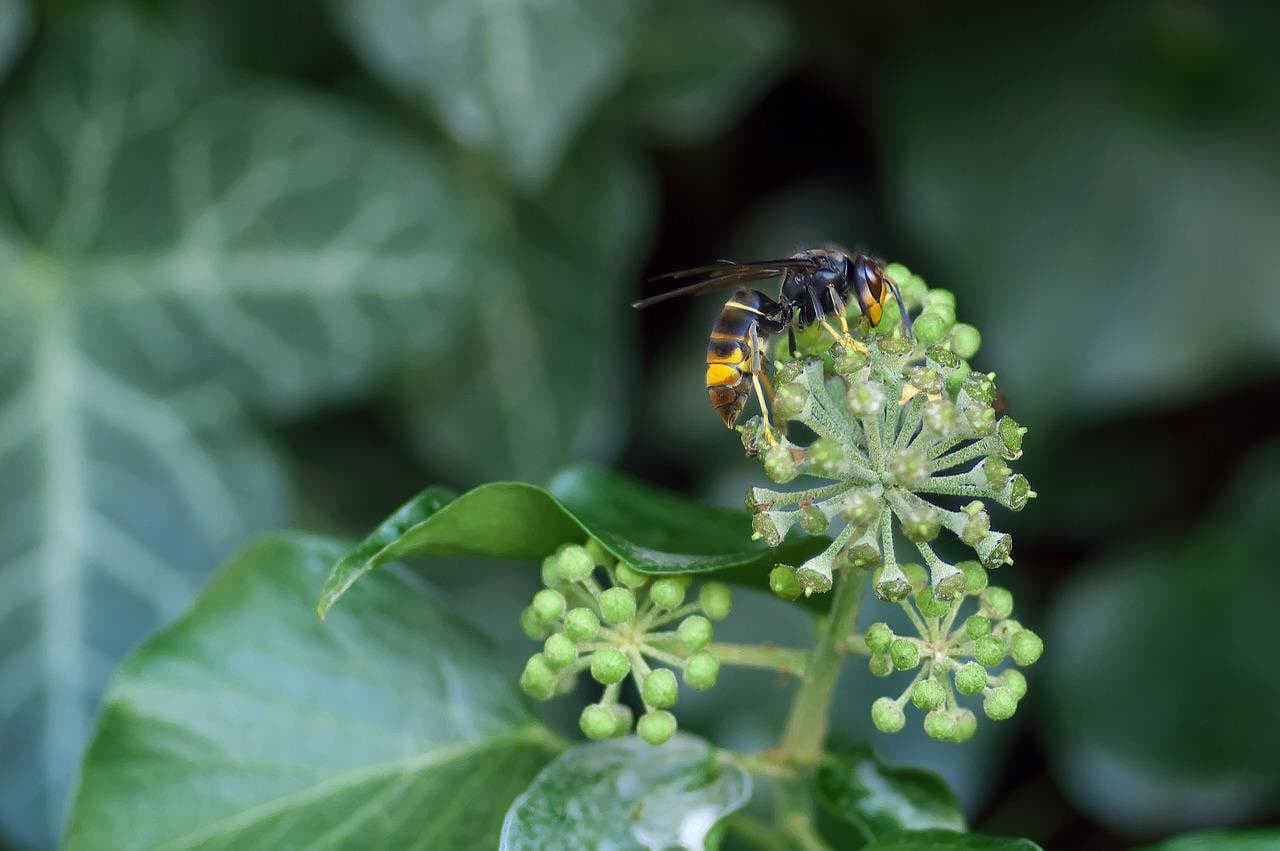
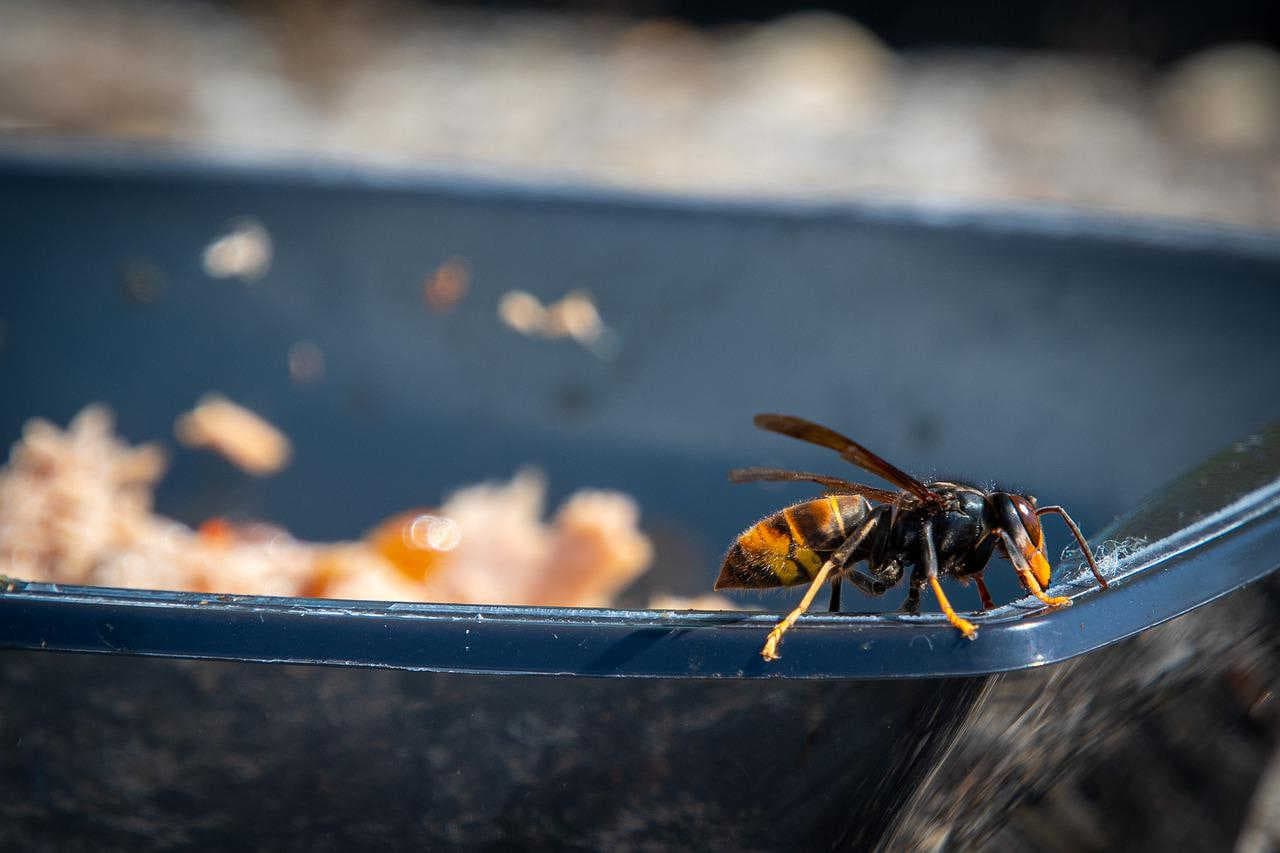
The Wasp Velutina is one of the insects that is causing most alarm on our continent. The latest finding was in Hamburg, which could mean that the Asian hornet is spreading faster than expected and in less favourable climatic areas. Why is it so dangerous?
Read the articleIt must first be remembered that the wasp velutina is not native to our continent. It is in fact called an 'alien species' or Chinese wasp, and its appearance in Europe has not gone unnoticed. This
Essential for proper surveillance is knowing how to recognise the wasp velutina, without confusing it with its European 'relative', the wasp crabro, our hornet. The velutina species introduced into Europe is called
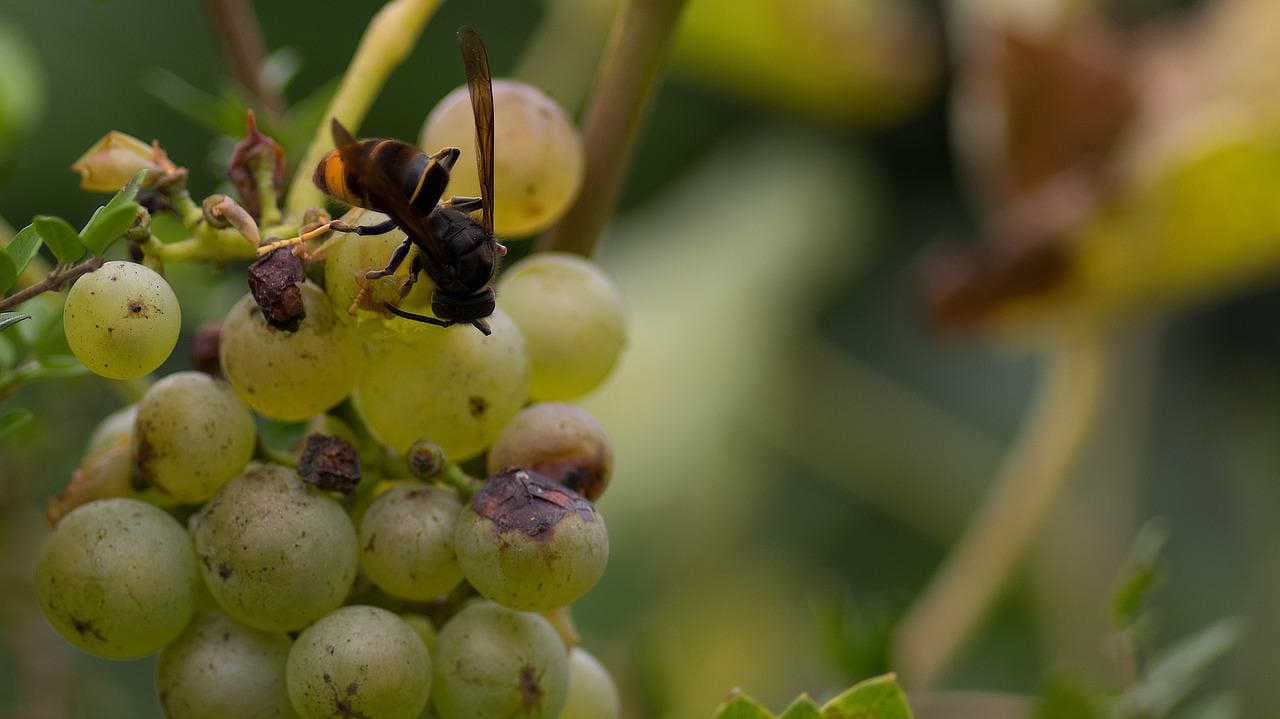

Knowing the biological cycle of these insects is extremely important in order to understand how to operate in order to limit the damage they could create in the apiary (and beyond).
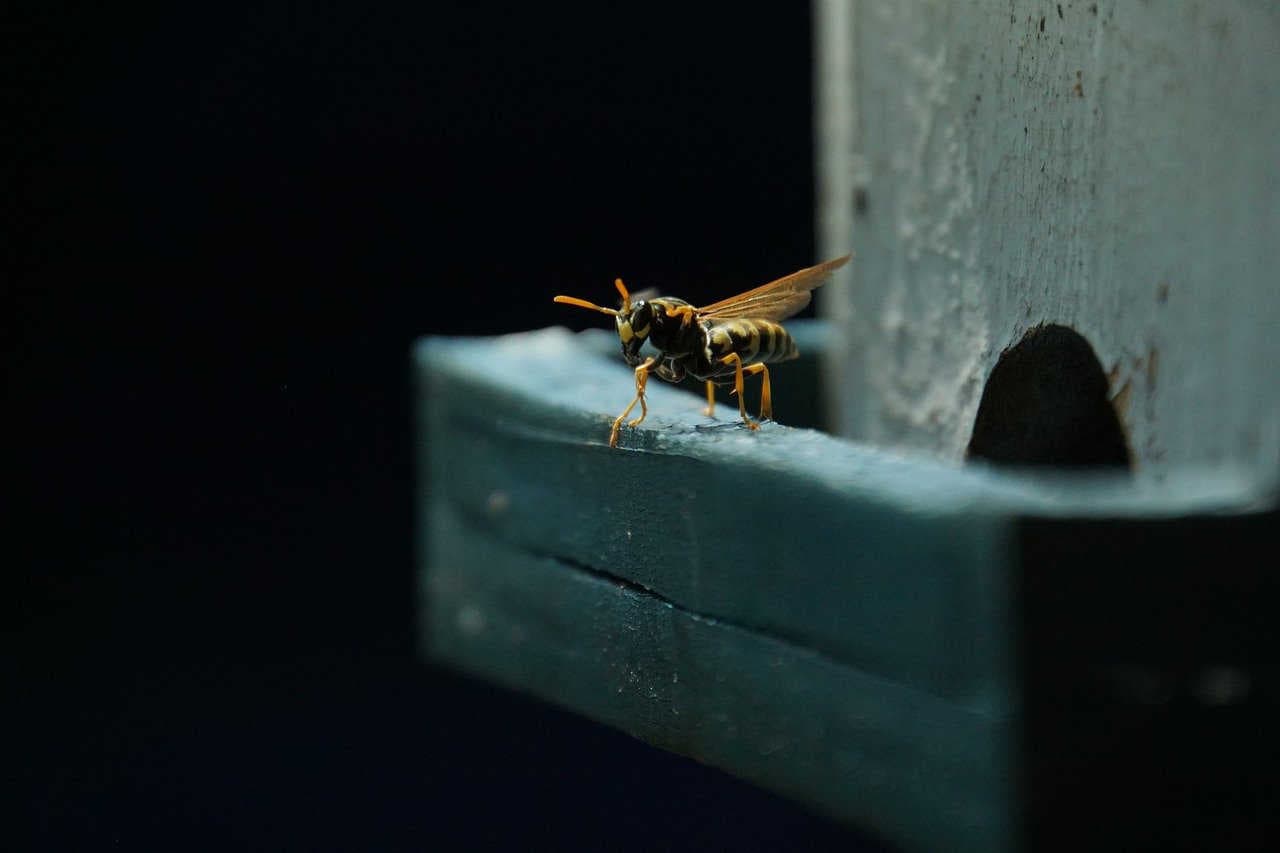


The need to fight these Asian hornets is clear, especially bearing in mind that our honey bees have not developed any defence mechanism against them. In South-East Asia, on the other hand, the native bees
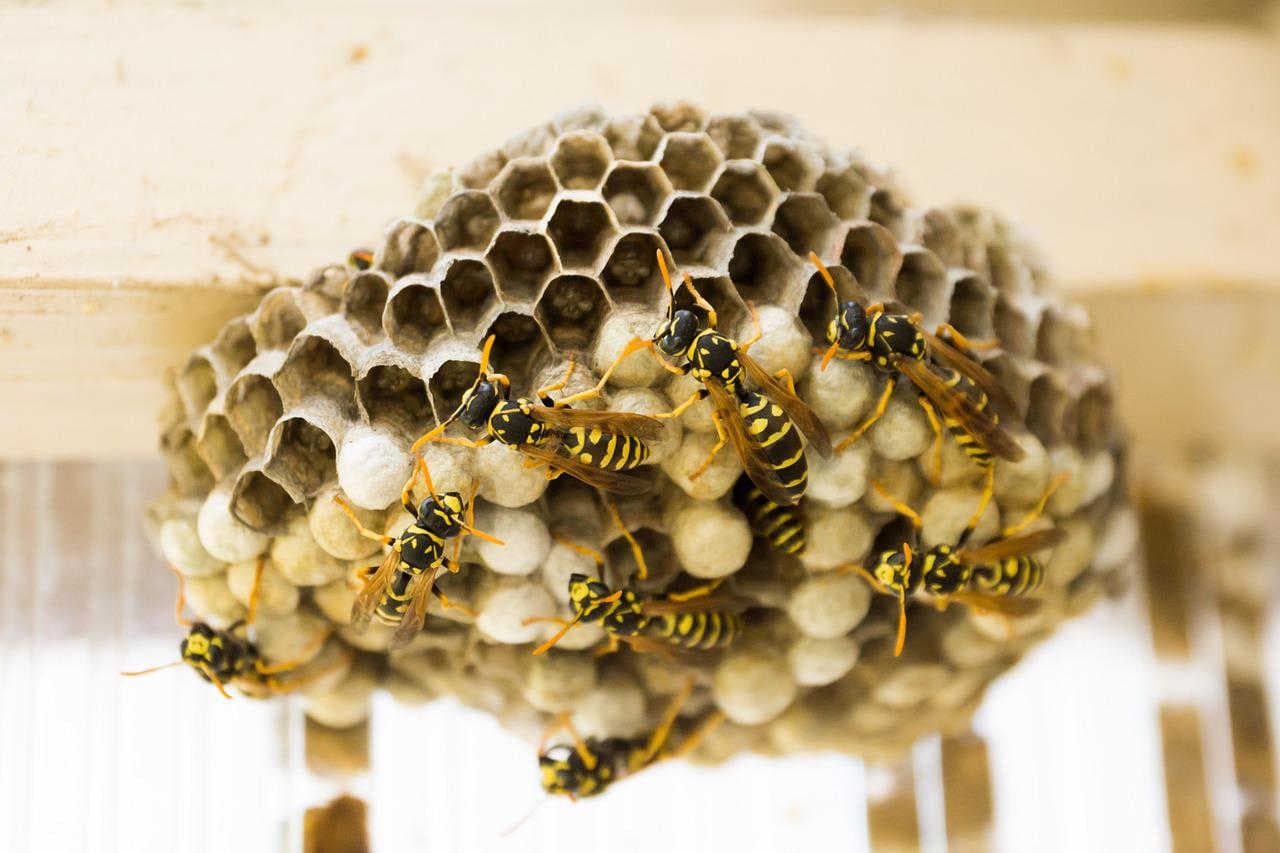

The scientific community, on the other hand, is focusing on the possibility of implementing biological control techniques, basically by introducing
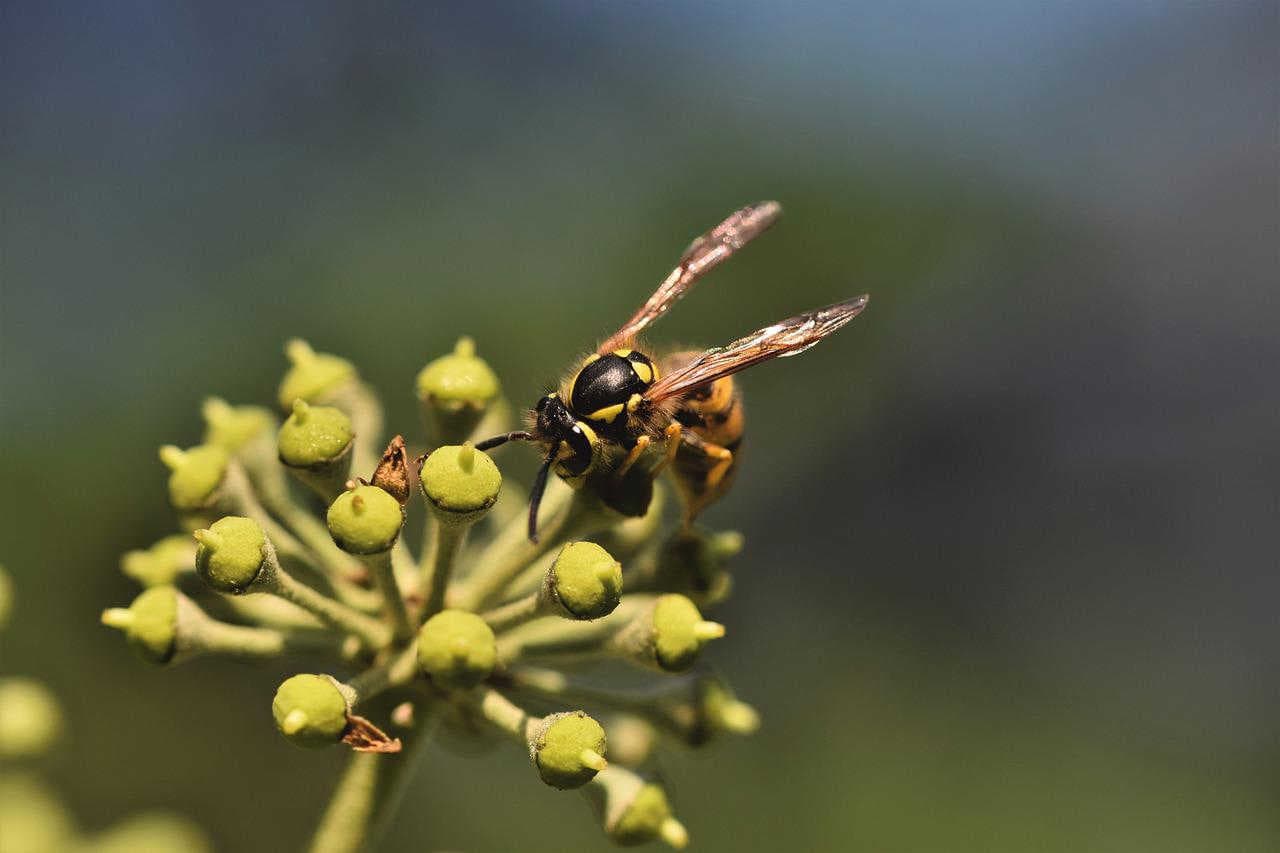
However, it is also important to monitor one's own hives. Proper control of the health and development of one's colonies is essential to ensure their survival and production levels. By using a