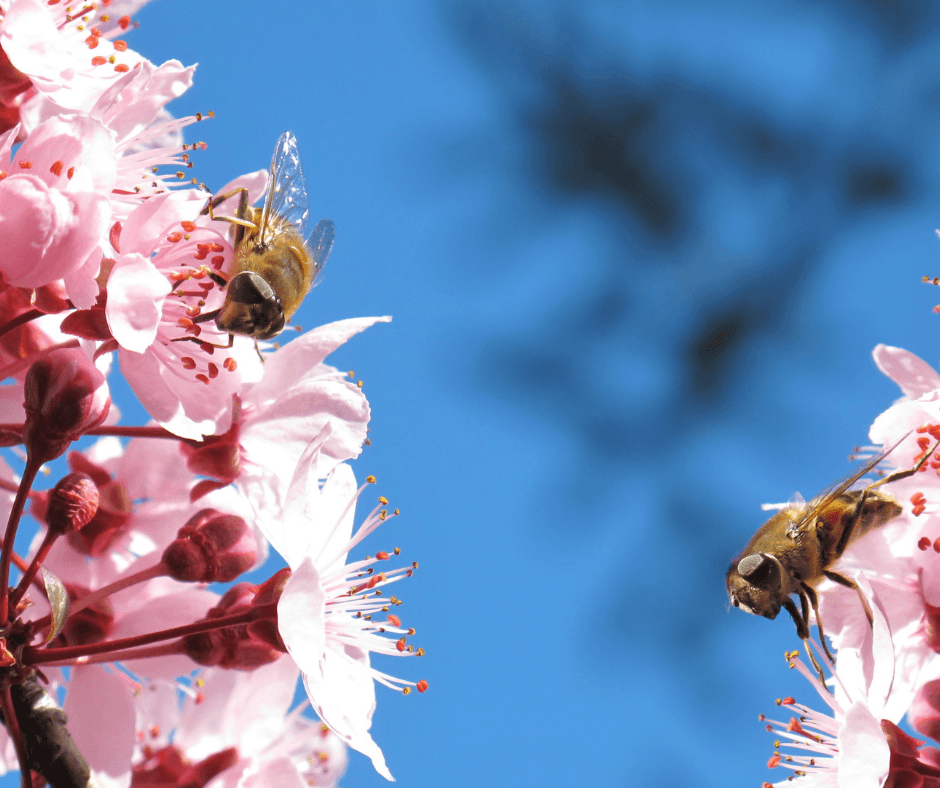
Differences between honey bees and solitary bees
    Ape melliferaSocialityOrganisationThe beehive

    Differences between honey bees and solitary bees

    Do you know the differences between honey bees and wild bees? The most famous are certainly honeybees, but they are not the only ones. There are many wild or solitary bees that fly from flower to flower in search of pollen and nectar. Let us see the differences together!

    Read the article
    30/09/2021Of 3Bee, Elena Fraccaro
    4050 Views
    30/09/2021Of 3Bee, Elena Fraccaro
    4050 Views

    Honeybees

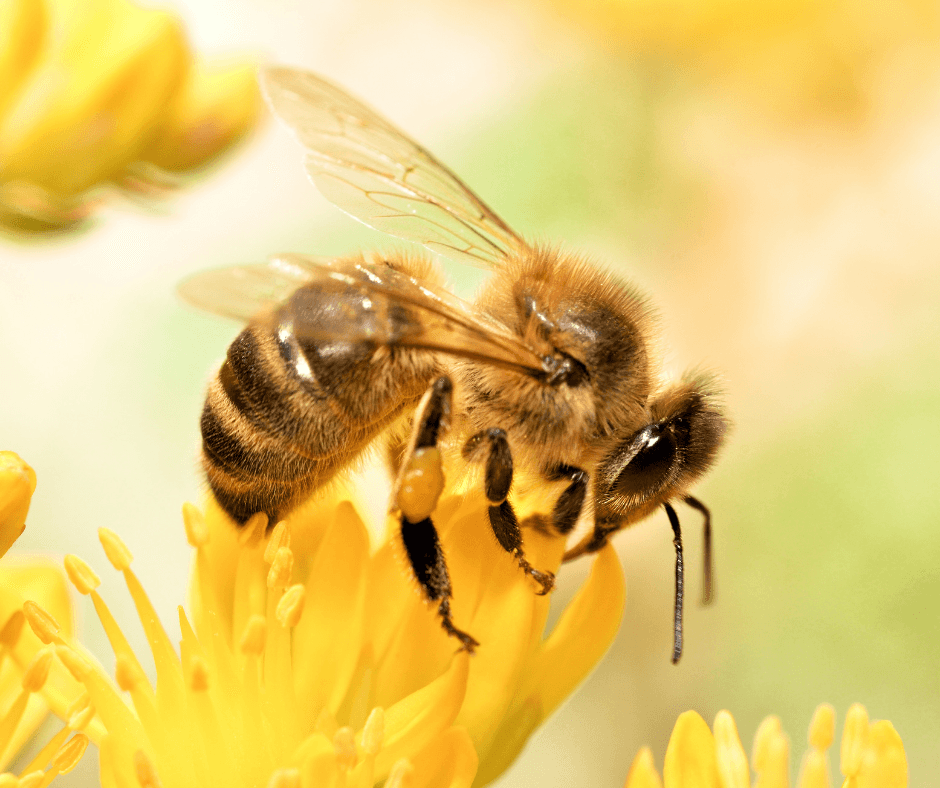
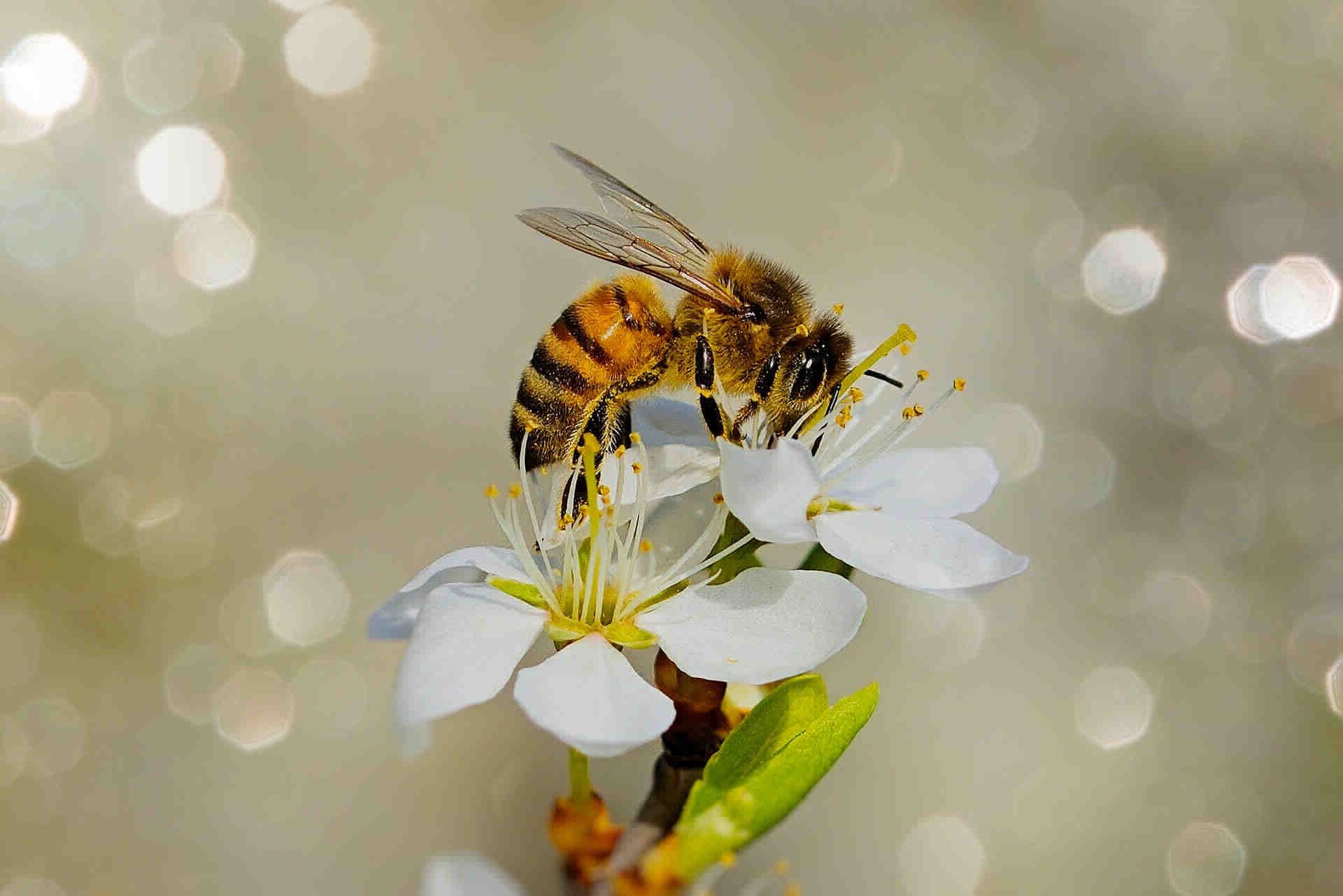
    The most widespread honey bees in Italy are the famous ligustiche. We can say that the Ligustica bees are the autochthonous Italian bees and are also the most widely bred in our peninsula. However, there are also other subspecies that are bred by our beekeepers. Examples include the Carnica bee, the black bee and the Sicilian black bee. These honey bees differ in many aspects, such as genetics, colour, size and behaviour. However, they also have many aspects in common, such as being gregarious, forming a hive and producing honey. It is precisely these traits that differentiate them most from solitary bees.
    Honeybees

    Natura gregaria

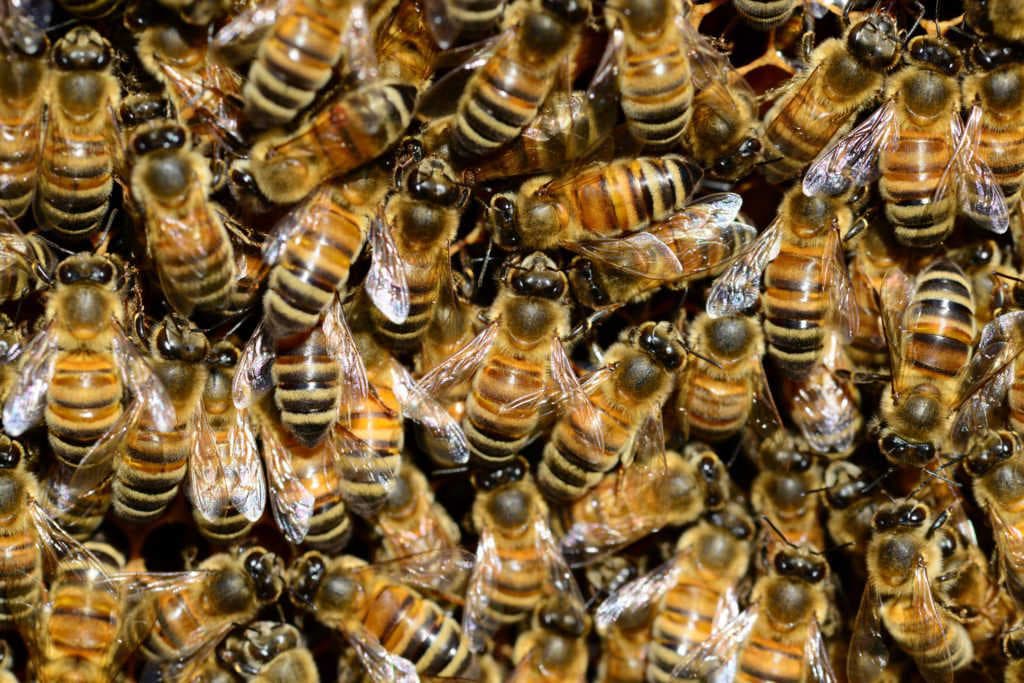
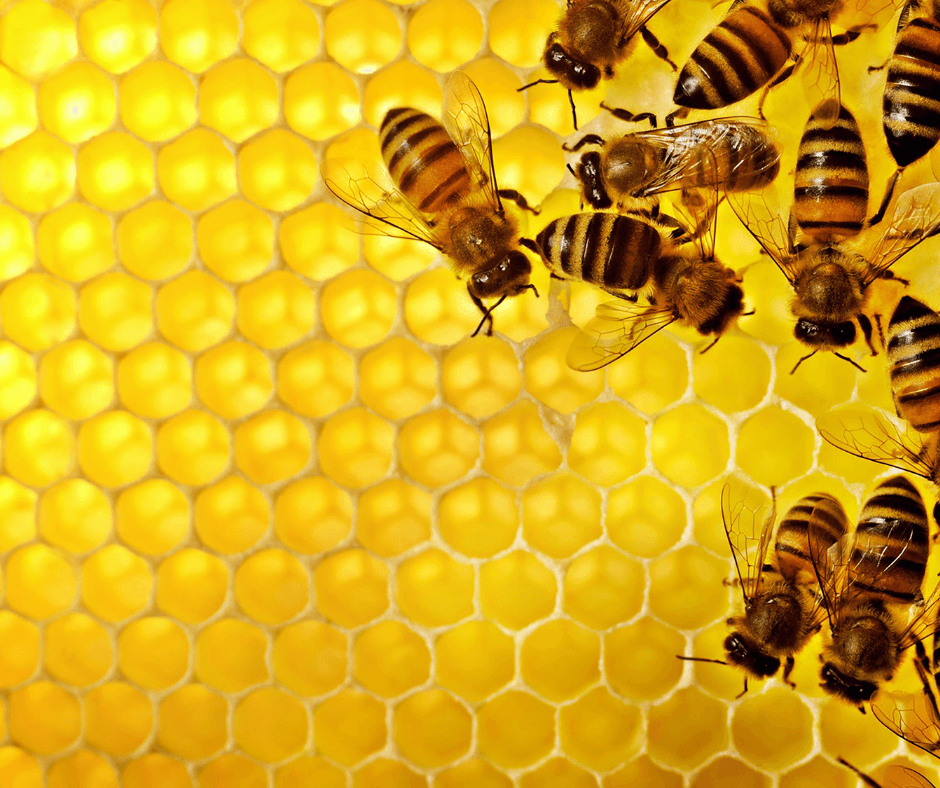
    Honey bees are gregarious, social. They therefore form a hive with a well-defined hierarchical structure. This is very significant and has prompted scholars to speak of a super hive organism. The individual bee loses importance in comparison to the entire family and its well-being. It is the survival of the hive and its proper functioning that really count. The hive is then a true construction made by the bees themselves. Using honey, they produce wax flakes that they then shape to build the cells of the combs.

    Natura gregaria
    XNatura

    A precise structure

    The hive is subdivided into 3 castes: queen bee, worker bees and flies. The queen bee is the only fertile female bee within the hive, i.e. the only one capable of laying eggs. From fertilised eggs will be born worker bees, while from unfertilised eggs will be born drones. All worker bees are sterile and play precise roles according to their age or the specific needs of the hive. Drones, the male bees, are bred during the warm season to allow the fertilisation of new queen bees.
    A precise structure

    Life cycle of the hive

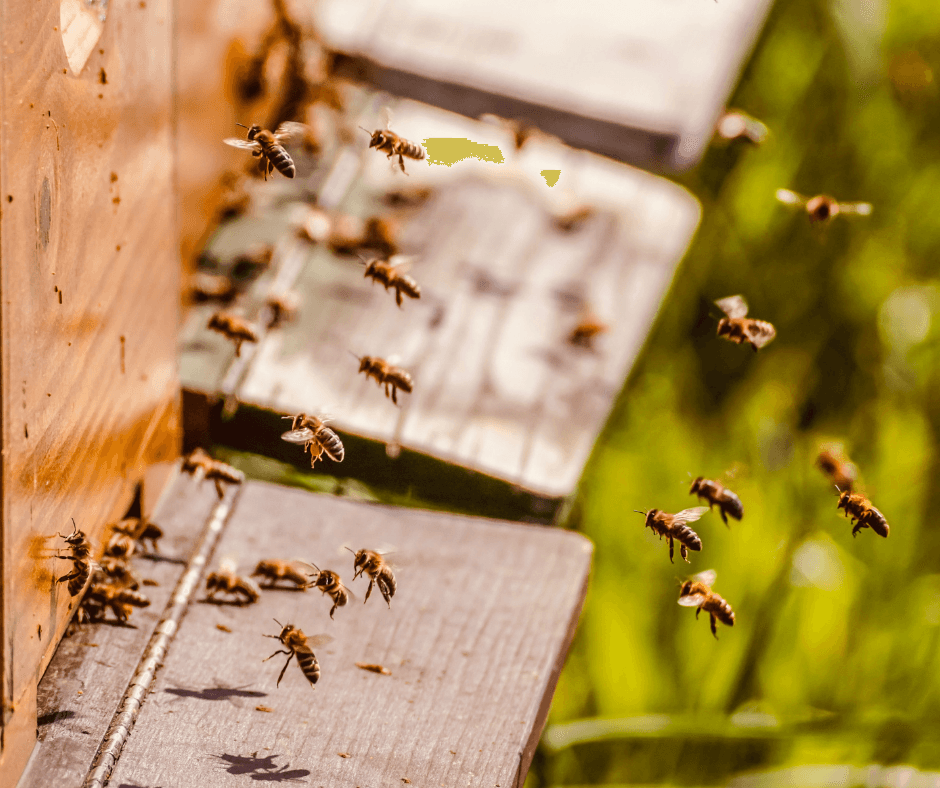
    The life cycle of the beehive is very special and unique. During the spring season, the hive prepares for the production season. The queen resumes with oviposition and new bees and drones are bred. The egg development time depends on which bee will be born: 16 days for a new queen, 21 days for worker bees and 24 days for drones. With the arrival of spring, the family grows dramatically, to as many as 60,000! This entire workforce is employed in the collection of pollen and nectar. This nourishment serves both to breed the new recruits and for future winter supplies. With the arrival of autumn, the number of bees decreases, the drones are removed from the hive and activity gradually slows down. With the arrival of cold weather, the queen stops laying and the family enters a dormant phase.
    Life cycle of the hive
    XNatura

    Honey production

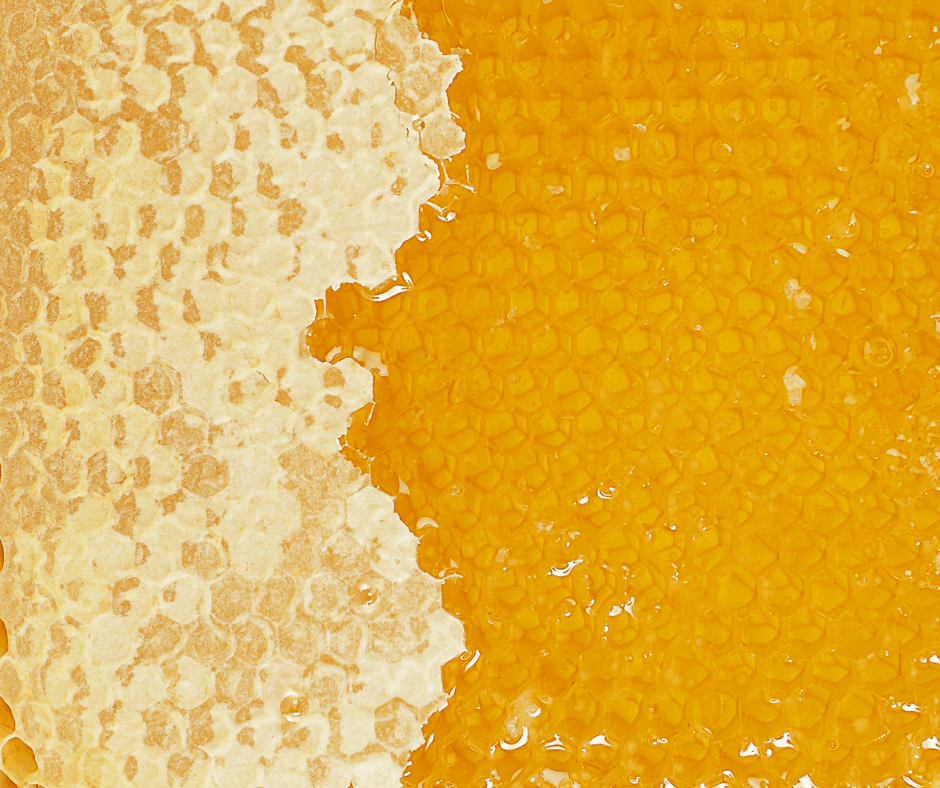
    Bees are most famous for the production of honey. They are in fact the only insects that produce a food that can be consumed by man. Honey is produced from the nectar collected from flowers and deposited by bees in the cells that make up the honeycombs of the hive. This honey is then dehumidified by the bees themselves until the right level of moisture is reached. At that point, the cell is sealed with a strange wax seal, waiting to be reopened to collect the honey.

    Honey production
    3Bee

    The beekeeper's intervention

    It can be said that honeybees are no longer present in nature. Essentially, the presence and intervention of the beekeeper is fundamental. The beekeeper takes care of the hive in every season of the year. He is in charge of the anti-varroa treatments, which are indispensable for the bees' survival. In situations of scarcity of food sources, the beekeeper intervenes to prevent the death of the entire colony. The beekeeper therefore intervenes in all abnormal or dangerous situations for the hive, becoming an indispensable figure for the survival of honeybees and their well-being.
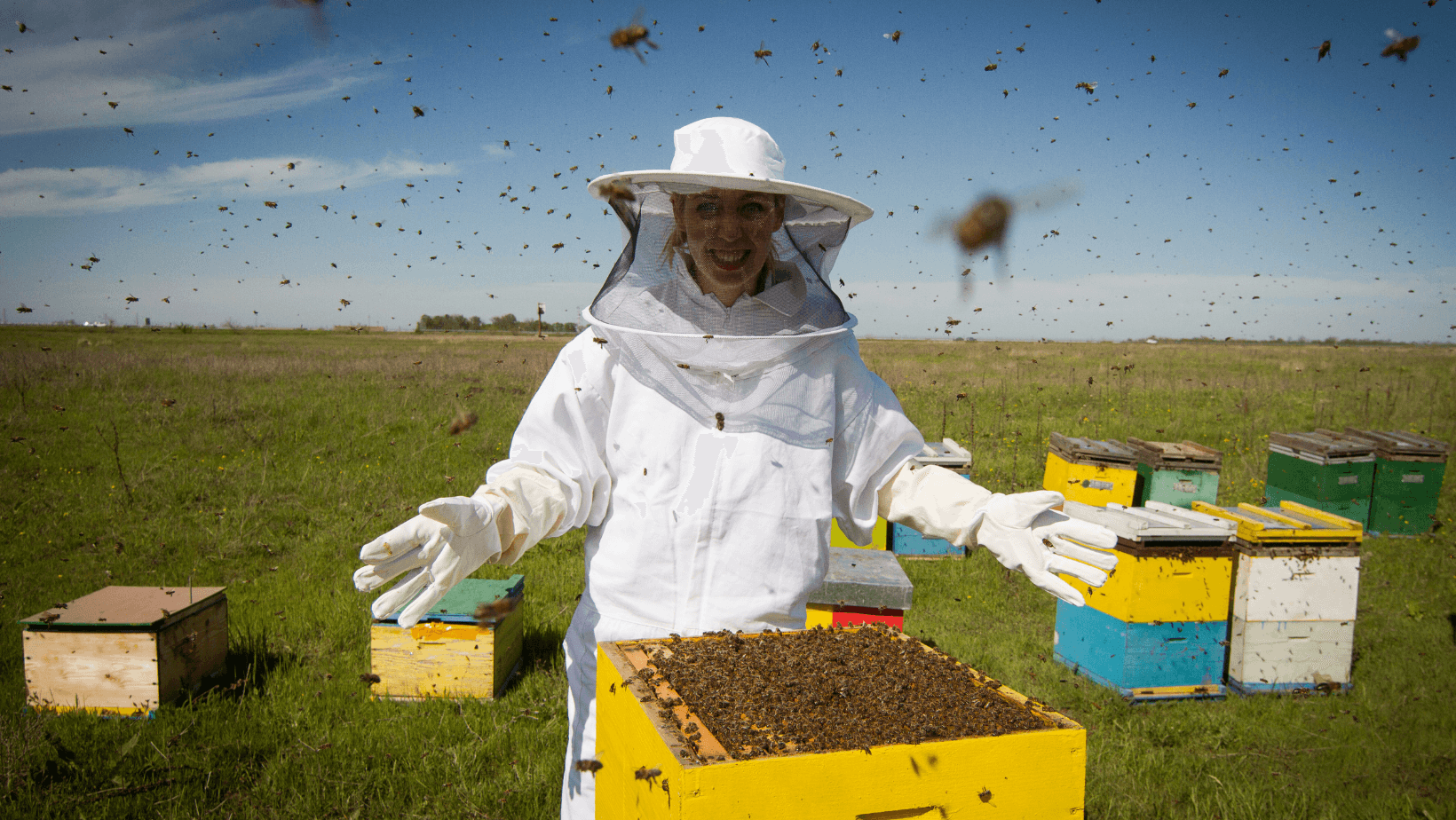
    The beekeeper's intervention

    The solitary bees

    The honey bees differ greatly from honey bees, even though they belong to the same superfamily. This term is used to identify all species of Apoidea with the exception of the honey bee, which is our honey bee. As the name suggests, most of these bees are solitary, although some examples of social organisation are known. This, however, does not reach the levels of complexity and size of honeybees. Some solitary bees, in fact, live in small aggregations and may form small communities.

    The solitary bees

    Nest construction

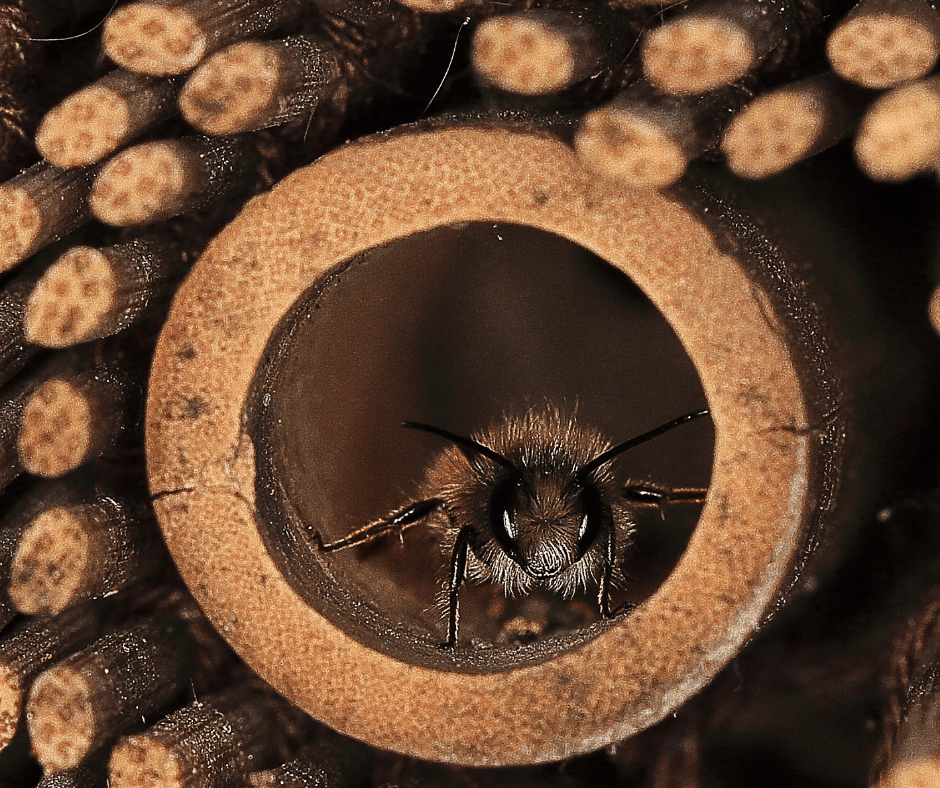
    Another big difference is the nest in which they lay their eggs and raise their future bees. In this case we are talking about real nests and not hives. Many solitary bees nest in holes in wood, also made by other insects or by themselves. Others, however, dig tunnels in the ground. Generally, each female can build several nests. The time it takes for the egg to mature into an adult varies from species to species. Some, in fact, hatch during the same season, while others spend the winter inside the nest and emerge in the spring.
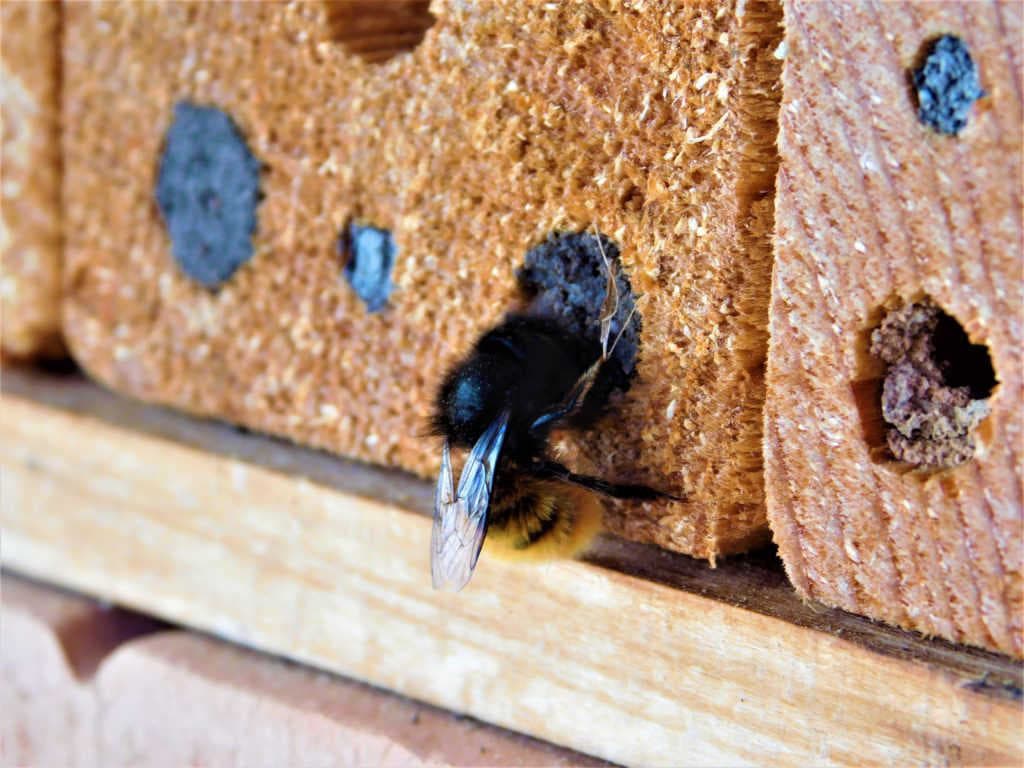
    Nest construction

    Not just a queen

    As we have said, a female can build and populate several nests. This is also a peculiar aspect of these bees. Each female is in fact fertile and can therefore lay eggs and give birth to new bees. Although in some cases we may witness the sharing of the same nest, each bee is responsible for feeding its own larvae. Once they have completed their task, at the end of the fine season, the bees die, leaving the larvae in the nest to face the winter.
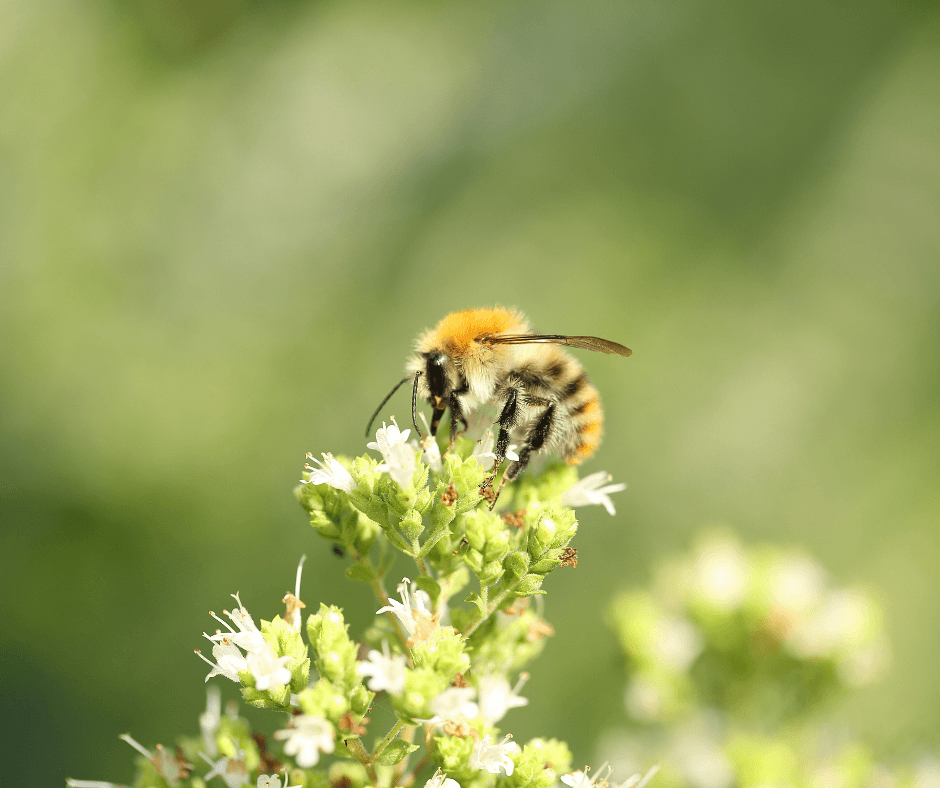
    Not just a queen

    Nourishment and pollination

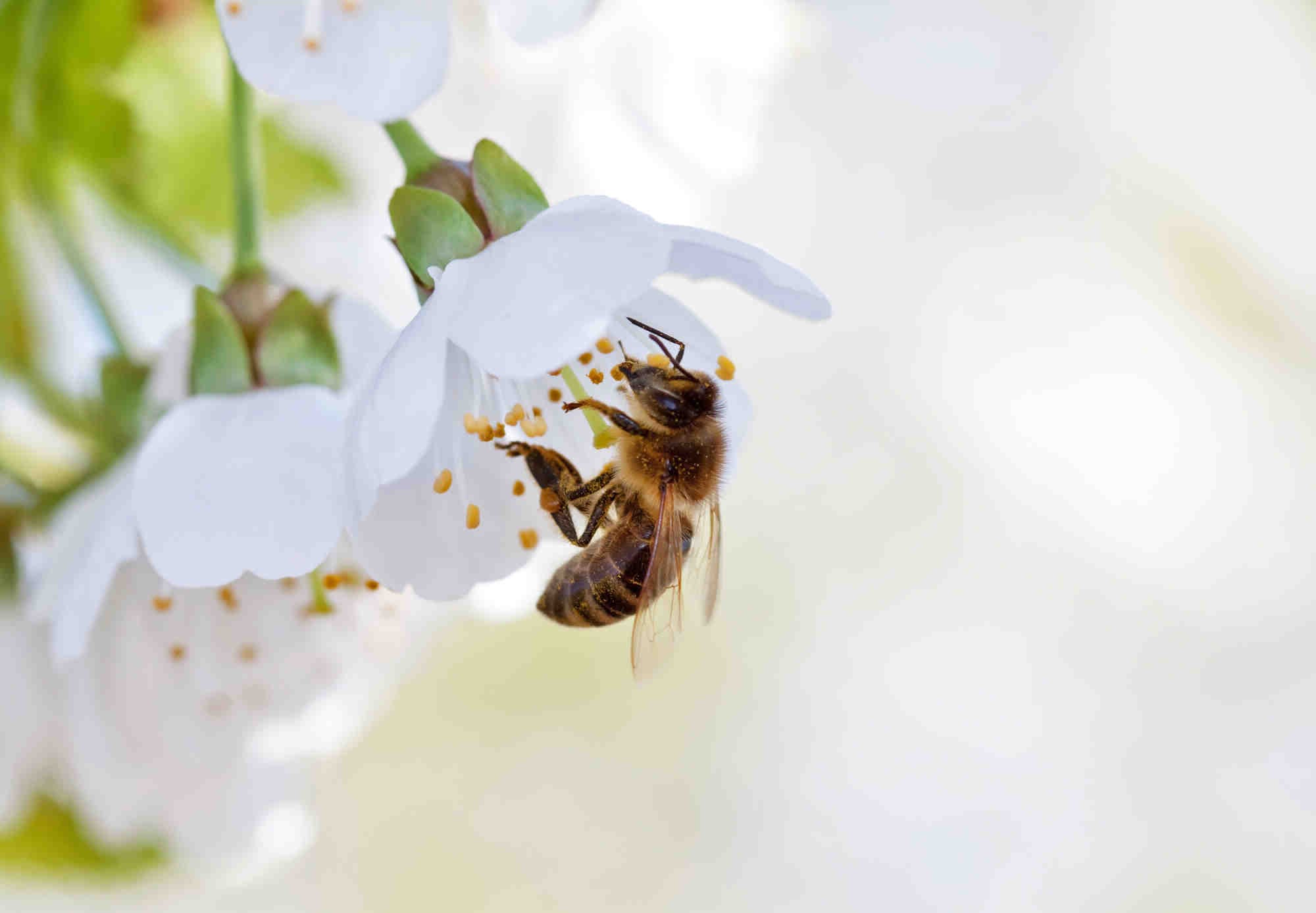
    Like honeybees, solitary bees also feed on pollen and nectar. Unlike the latter, however, they only visit certain species or genera of plants. This happens because the ligule of solitary bees have different lengths depending on the species in question. Another reason for this 'selection' is found, for example, in a more developed view in some species than in others. This enables them to fly at dawn and before dusk to forage for flowers that open at these particular times of day. This is why the pollination activity of solitary bees is complementary to that of honey bees. Visiting only certain species of flowers, however, also makes them much more delicate and fragile than honey bees.

    Nourishment and pollination

    The Osmia Rufa, a solitary bee

    Among the most famous solitary bees is the Osmia Rufa, of the megachilidae family. This osmia, generally 10-12 mm long, has a reddish-brown body covered in thick black hair. Widespread throughout Europe, the Osmia Rufa has very bizarre tastes as to where it builds its nests. Want to know just a few examples? Among the various peculiar places, there are also Motorcycle locks and exhaust pipes!
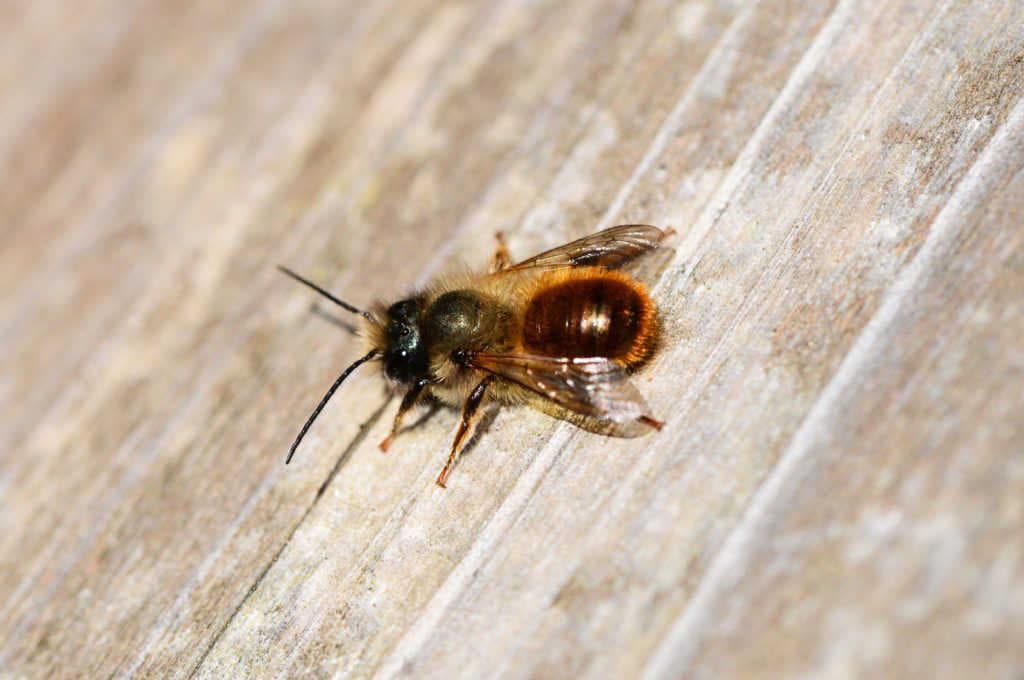
    The Osmia Rufa, a solitary bee

    3Bee's initiatives

    Pollinators are many and varied. However, there are common enemies: climate change, the abuse of agro-medicines and habitat depletion, to name but a few, are factors that are endangering the biodiversity of pollinators. We at 3Bee have been committed to the study and protection of all pollinators for years. For solitary bees, we have launched MyPolly, the sustainable little house for Osmie Rufe. It can be installed in the garden or on the balcony: the solitary bees are harmless and do not sting. Finally, 2018 saw the birth of the first study project on the honey bee as a bio-indicator, the project is called "Adopt a 3Bee Hive. Using sophisticated systems, we can monitor and study the behaviour of the hive and correlate it with the health of the surrounding biodiversity.
    3Bee's initiatives
    30/09/2021Of 3Bee, Elena Fraccaro
    4050 Views
    Newsletter
    newsletter
    Subscribe to the Blog about bees and biodiversity