The Bee Castes: The Worker Bee
    IntroductionDevelopmentTypesType 2

    The Bee Castes: The Worker Bee

    In the previous articles, we took a closer look at the queen bee and the drones, but there are still many types of bees missing. Foragers, explorers, feeders, scavengers... How do they differ from each other? Actually, they are all part of the worker bee macrocategory! Find out more.

    Read the article
    18/01/2019Of 3Bee, Elena Fraccaro
    3592 Views
    18/01/2019Of 3Bee, Elena Fraccaro
    3592 Views

    The worker bee

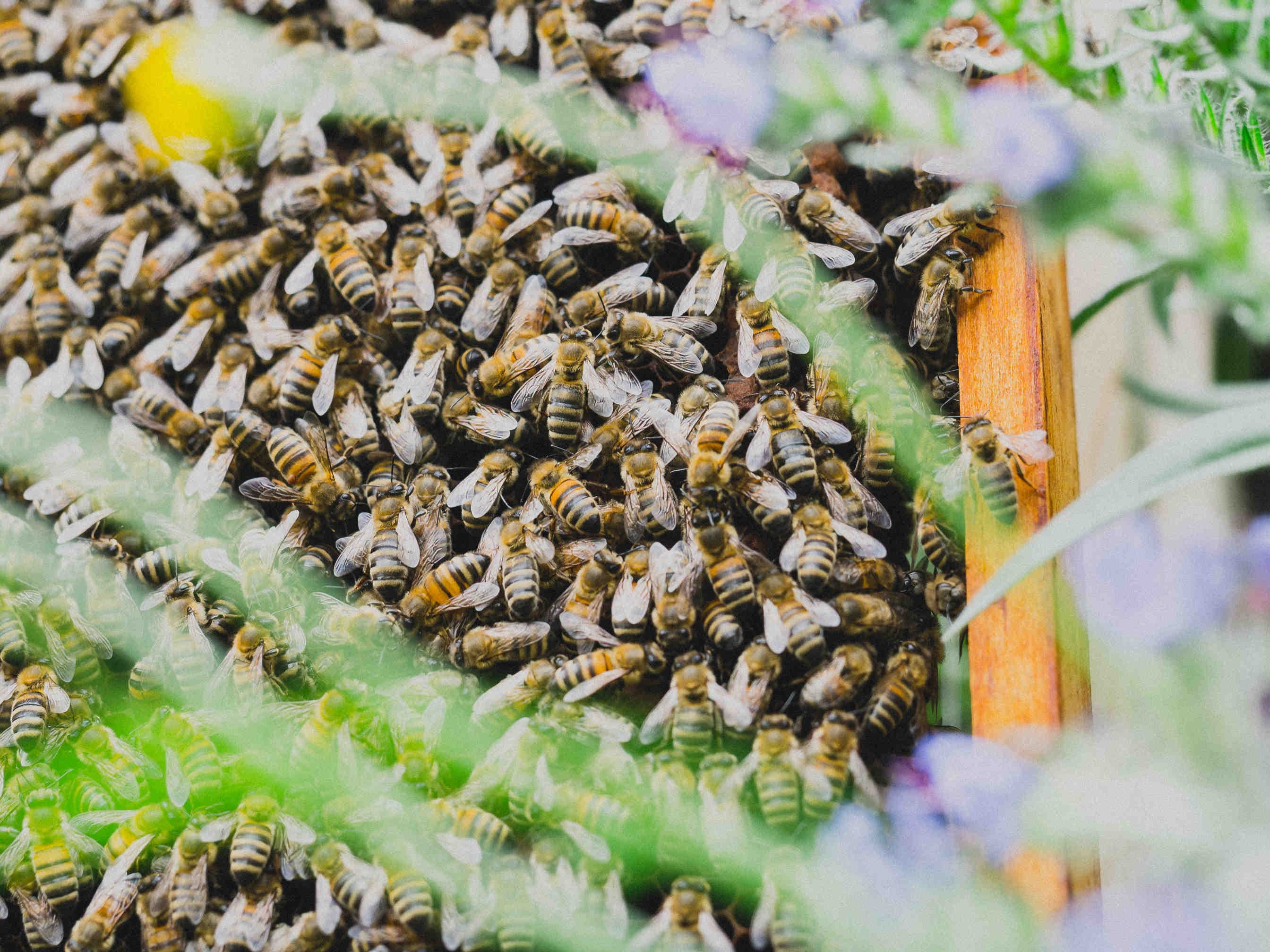
    Worker bees make up the majority of the hive population and perform all those jobs necessary for the colony's survival. They are all female bees, but unlike the queen they are not fecund. In fact, the development of their reproductive apparatus is inhibited by the special pheromones produced by the queen and the brood itself. The average lifespan of a worker varies according to the season in which it is born. A winter worker can live up to 6 months, while those born during the busiest times of the year live a maximum of 30-40 days.

    The worker bee

    Development cycle

    The development cycle of the worker is intermediate between that of the queen and the drones. It lasts 21 days, the first 3 of which she spends in egg form, before becoming a larva on the 4th day and a pupa on the 9th, which develops inside the operculated cell. Speaking of the queen bee, we have seen that it is fed throughout its life with royal jelly. This is the element that allows her different development. For the first few days of life as larvae, in fact, all are fed with royal jelly. Later, those destined to become workers will be fed honey and pollen, while those that will be queens will continue to receive the 'royal nourishment'. The worker bee lives an average of 40-45 days during the summer nectar collection period and up to 6 months during the cold period.

    Development cycle
    XNatura

    Cleaning bee, nurse bee, wax bee: the tasks

    The worker bee is not born with a specific task to perform throughout its existence. Depending on its age and the needs of the hive, it can perform various tasks. Cleaner bee: as soon as she is born, she is responsible for cleaning the combs and the hive for the first 3 days. Her task will also be to prepare the cells for the new brood, coating them with propolis. Nurse Bee: takes care of feeding the larvae. At first it only provides for those that can be fed with honey and pollen, as the glands that produce royal jelly are not yet developed. Only when these are operational can the bee feed the younger larvae and those laid in the royal cells. Wax bee: once the glands that allow it to produce wax are operational, the construction and repair of the honeycombs will be its only task.

    Cleaning bee, nurse bee, wax bee: the tasks

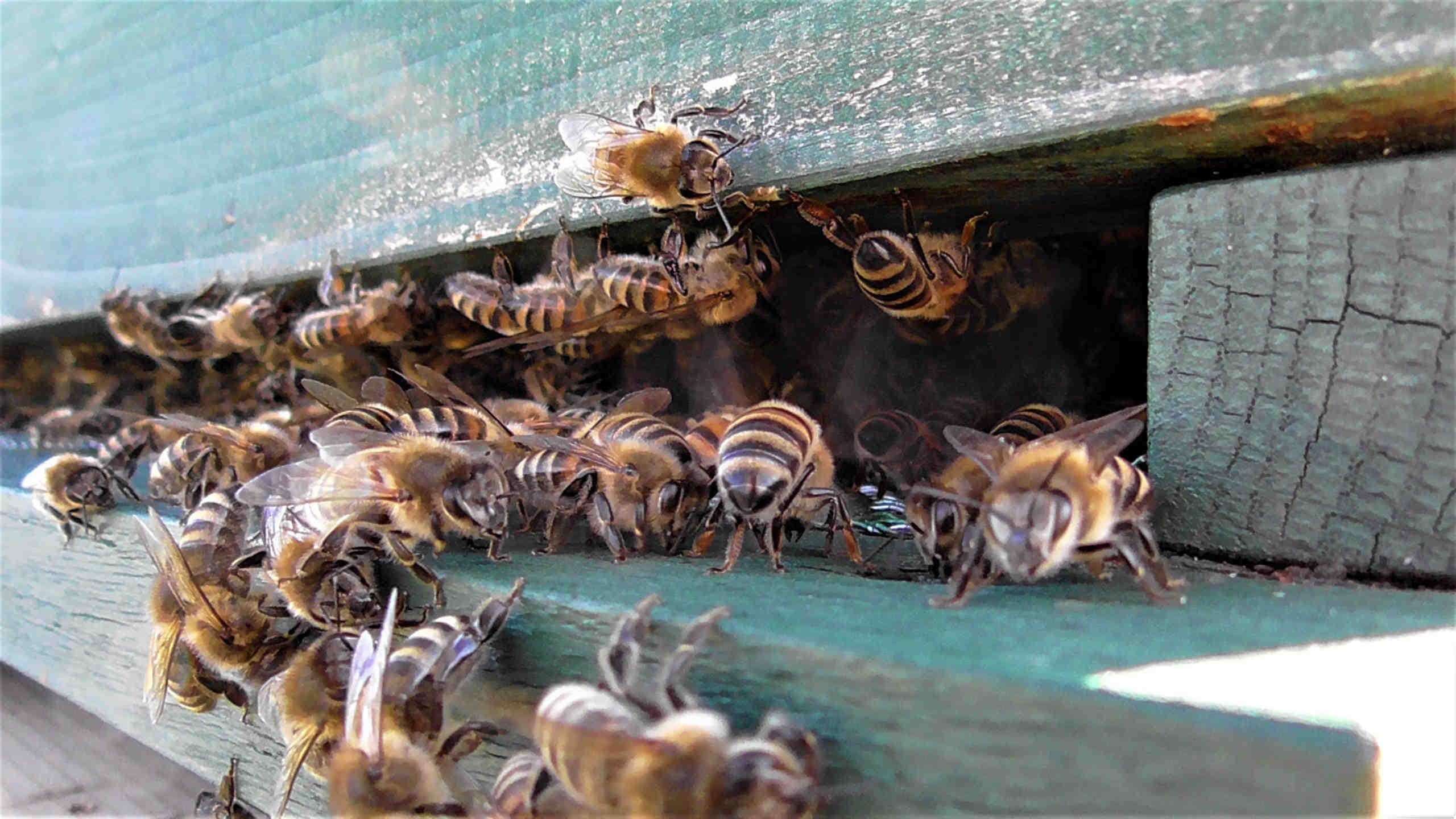
    Undertaker, storekeeper and guardian

    Bean bee: eliminating dead bees within the hive is essential to maintain a high level of hygiene in the colony and this is its task. Beak bees have approximately 12.5 days to live. Storage bee: receives the nectar and pollen collected by its mates and then stores it inside the combs. Guardian bee: its objective is to defend the family from external aggressors and bees from other hives. Visually distinguishing the workers from the drones and the queen is fairly easy. They are in fact the smallest within the hive (one weighs about 100mg), have a shorter abdomen and a more developed mouthparts.

    Undertaker, storekeeper and guardian
    XNatura

    Fan and forager

    Ventilator bee: this task is carried out for as long as the bee spends inside the hive, i.e. until its 21st day of life. By ventilating, the bees maintain a stable temperature inside the hive and allow the nectar stored in the combs to dehydrate. Forager bee: after the 21st day of life, the bee finally leaves the hive to take care of the collection of nectar, pollen, propolis and water, all necessary substances for the survival of the hive. These are all tasks that a bee performs throughout its life, although this division is not so strict. Depending on the needs of the hive, a bee may perform one role rather than another, even if it does not correspond to its age. In order to understand what the family actually needs, in fact, bees carry out constant patrols within the colony. In this way they always know what is needed.

    3Bee

    Peculiarities of the worker bee

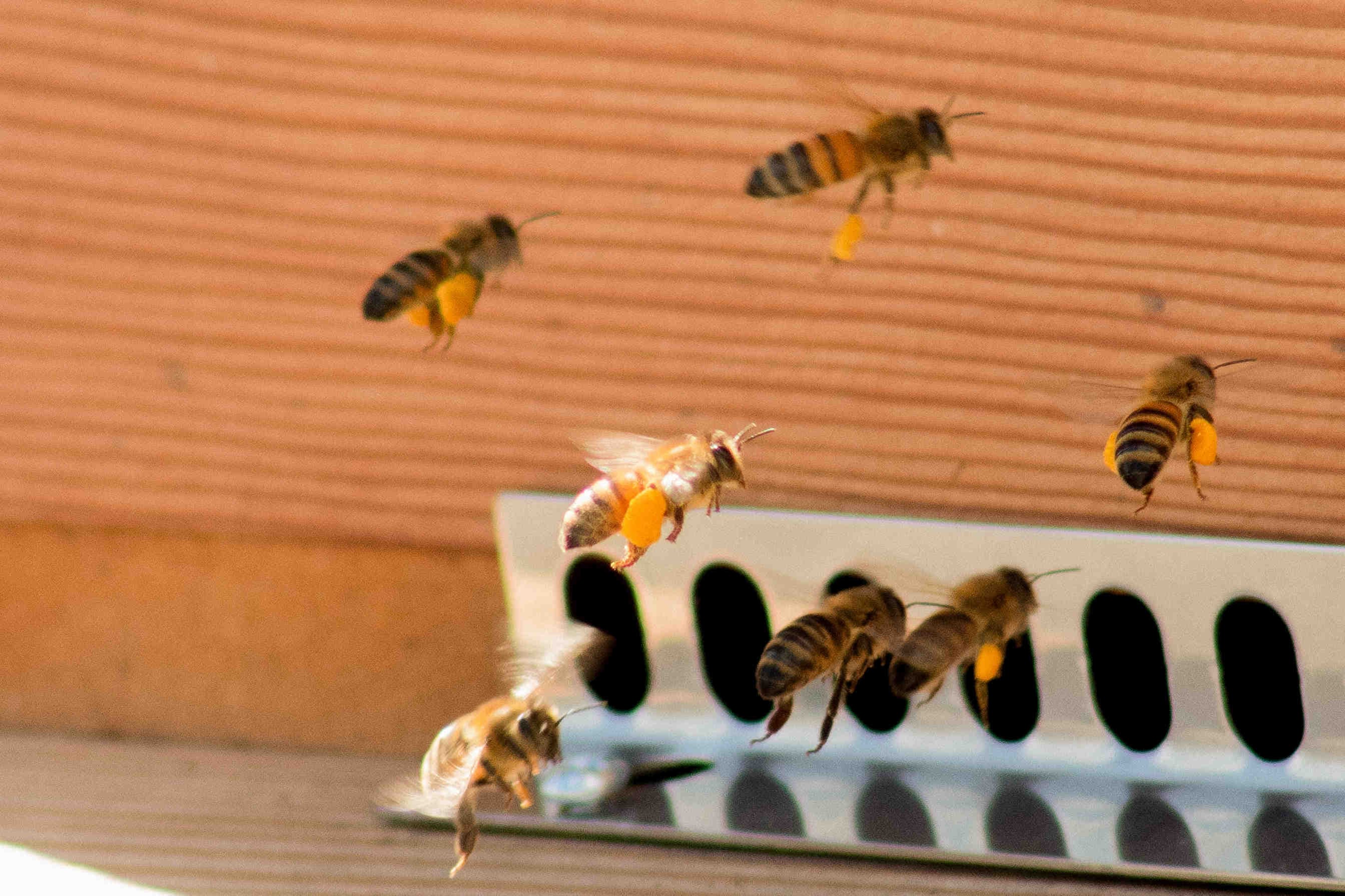
    First and foremost, the workers possess the honey bag, where they accumulate the collected nectar for easy transport within the hive. Moreover, the third pair of legs possesses a special device that facilitates the accumulation of pollen. The basket, this is its name, allows the pollen or propolis to be stored, facilitating its transfer. The worker also possesses glands that secrete very important pheromones for the entire family. We certainly remember the Nasonov's gland, located on the abdomen. It is very important because it allows the production of the typical odour of a colony. The substances secreted by it are used not only to orientate mates towards the hive, but also to unequivocally mark the "places of swarming" and to promote the aggregation of the swarm and the glomere.
    Peculiarities of the worker bee

    Communication methods

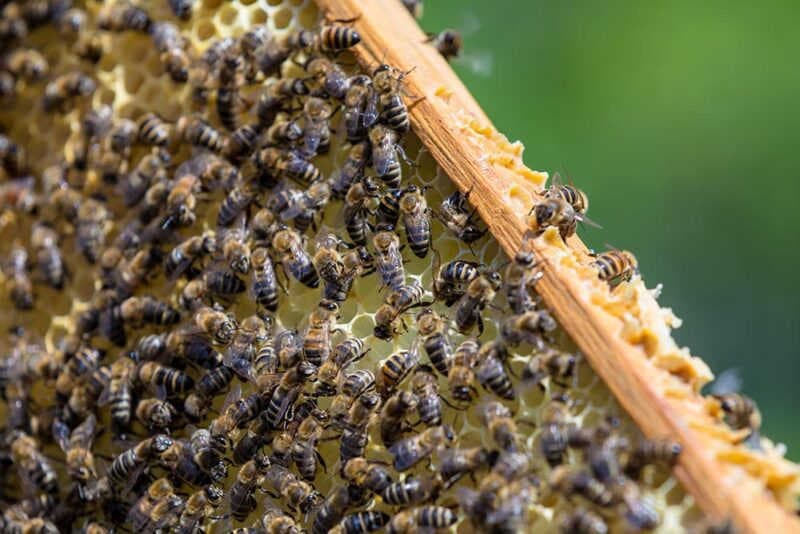
    Another aspect that has aroused great interest and curiosity is the method that foragers adopt to communicate to their mates where a food source is located. Thanks to studies by Von Frisch, we now know that bees convey this important information by dancing. Depending on the proximity or otherwise of the food source, they will perform either the circular dance or the dance of the abdomen, with which they also indicate the direction to take to find the designated food source.
    Communication methods

    Le fucaiole

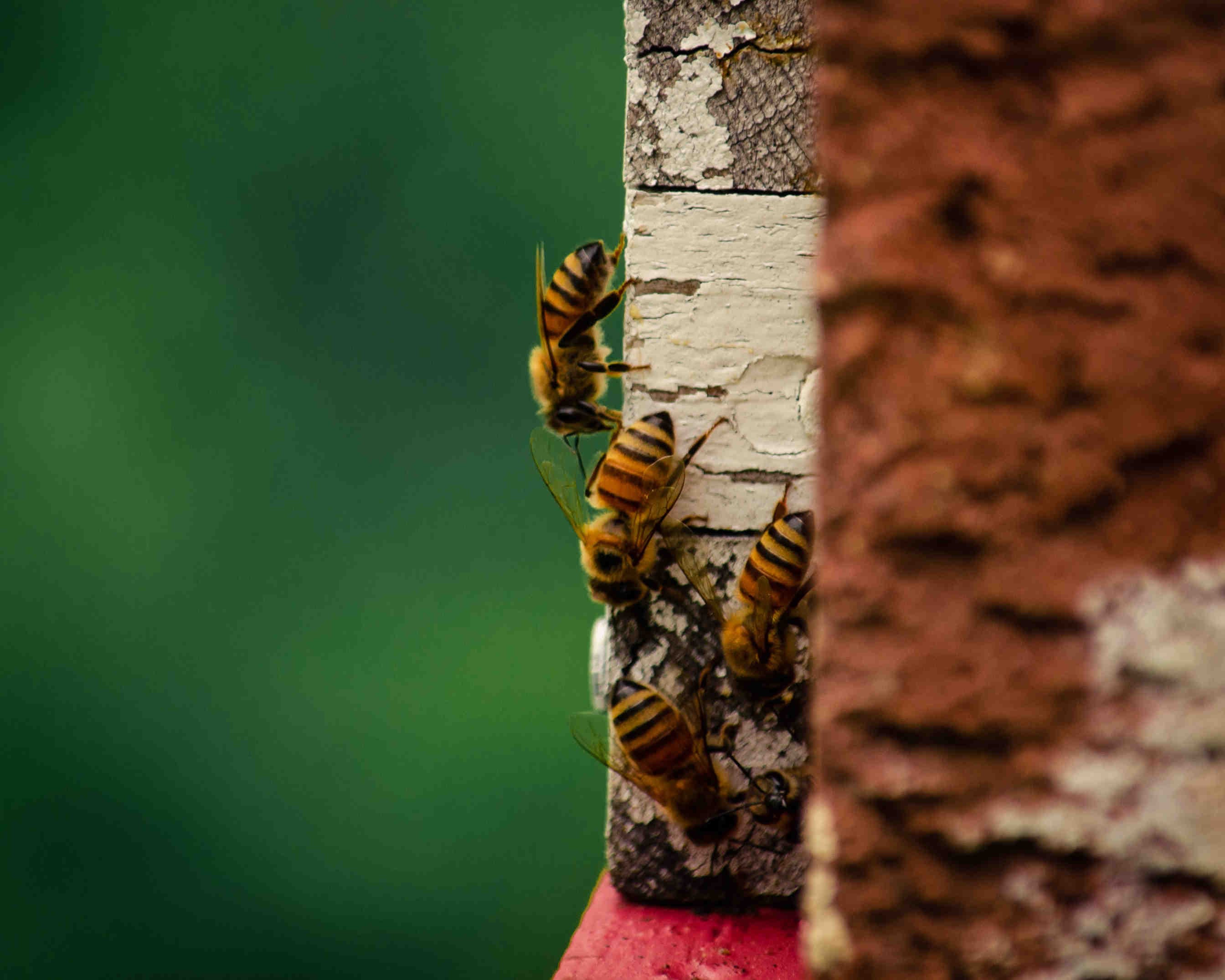
    We have seen that the workers are not fertile and this happens because the presence of the queen and the brood inhibits the development of their ovaries. We know, however, that one can also find oneself in situation of orphanhood, in which the queen is no longer present in the colony. What happens in such cases? If the family fails to rear a new queen, the pheromones that inhibit the development of the ovaries of the female workers will gradually diminish and a few workers within the colony will begin to lay eggs. However, as they have never mated, they will only lay unfertilised eggs from which only drones will be born. This is a very dangerous situation for the survival of the hive. Without the beekeeper's intervention, the colony is doomed to succumb.
    Le fucaiole

    Monitor a beehive in real time with 3Bee systems

    Life within anapis mellifera family is perfectly organised and extremely fascinating. Following its development and growth up close is an experience that not everyone can enjoy, but there is a way to get close to these wonderful insects even without being a beekeeper. By adopting a beehive monitored with 3Bee devices you will be able to monitor the growth and development of the colony from your smartphone and by following the beekeeper's notes you will be able to get closer to this incredible world and learn more about its dynamics. At the end of the beekeeping season, you will also receive the fruit of your bees' hard work. By adopting a hive, you not only choose which apiary to support, but also which honey to receive directly to your home. Find out how!

    Monitor a beehive in real time with 3Bee systems
    18/01/2019Of 3Bee, Elena Fraccaro
    3592 Views
    Newsletter
    newsletter
    Subscribe to the Blog about bees and biodiversity