The evolution of flowers towards self-pollination
    FlowersPollinatorsStudioDeclino

    The evolution of flowers towards self-pollination

    The evolution of flowers towards self-pollination represents a plant survival strategy in response to the decrease in pollinating insects. Learn more in this article about the implications of this phenomenon for biodiversity and the ecosystem.

    Read the article
    16/01/2024Of 3Bee, Elena Fraccaro
    401 Views
    16/01/2024Of 3Bee, Elena Fraccaro
    401 Views

    Why are some flowers shrinking?

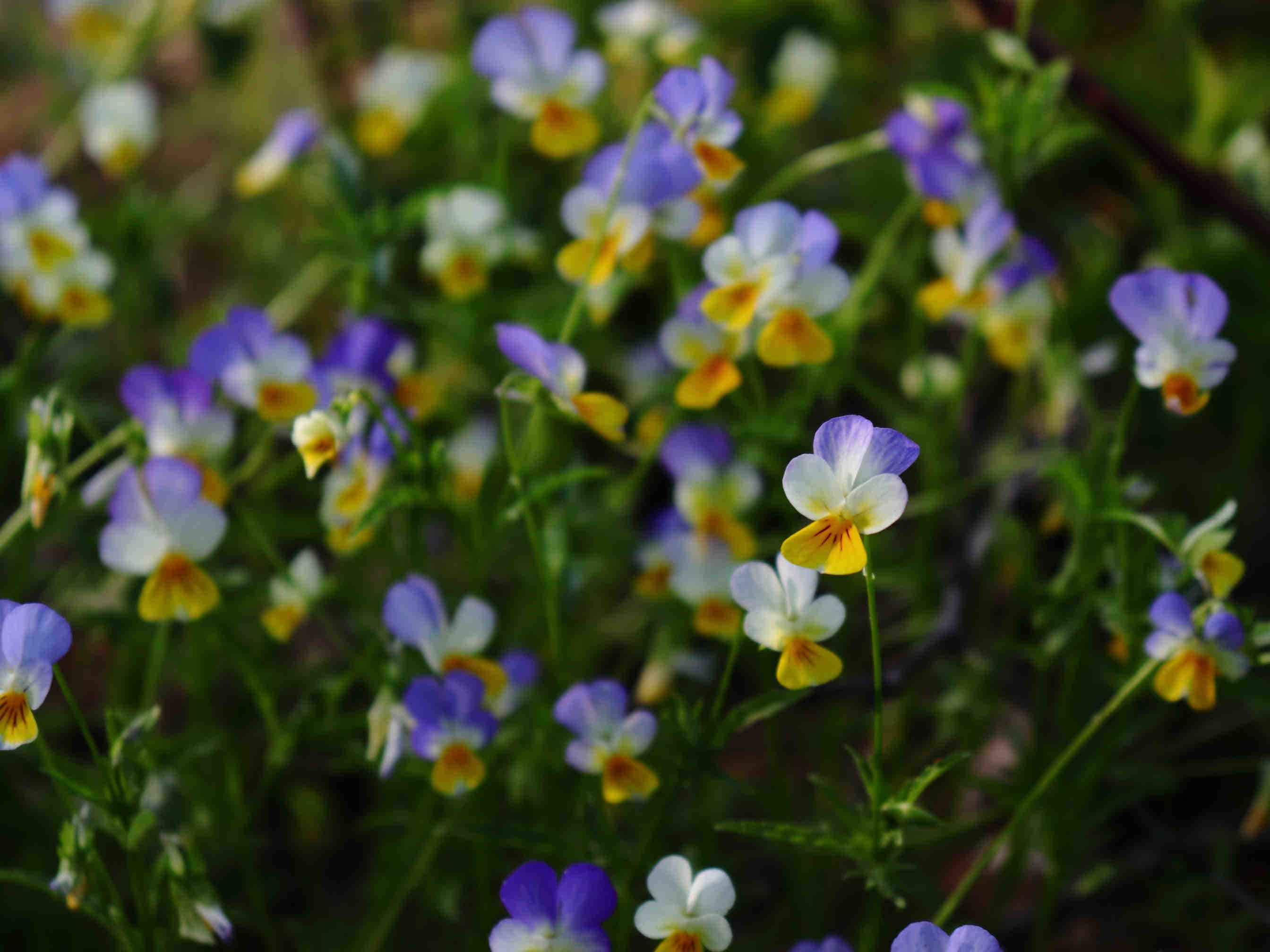
    A recent study has shown that field violets grown in the Paris area are 10% smaller and produce about 20% less nectar than 50 years ago. This phenomenon can be interpreted as a plant survival strategy in response to the decrease in pollinating insects. Among the study's authors is Pierre-Olivier Cheptou, a researcher at the French National Centre for Scientific Research, who says that plants are evolving to favour the strategy of self-pollination, which allows them to reproduce independently. This phenomenon could, however, limit their ability to adapt to future environmental changes, with consequent repercussions on biodiversity and the ecological resilience of plant species themselves.
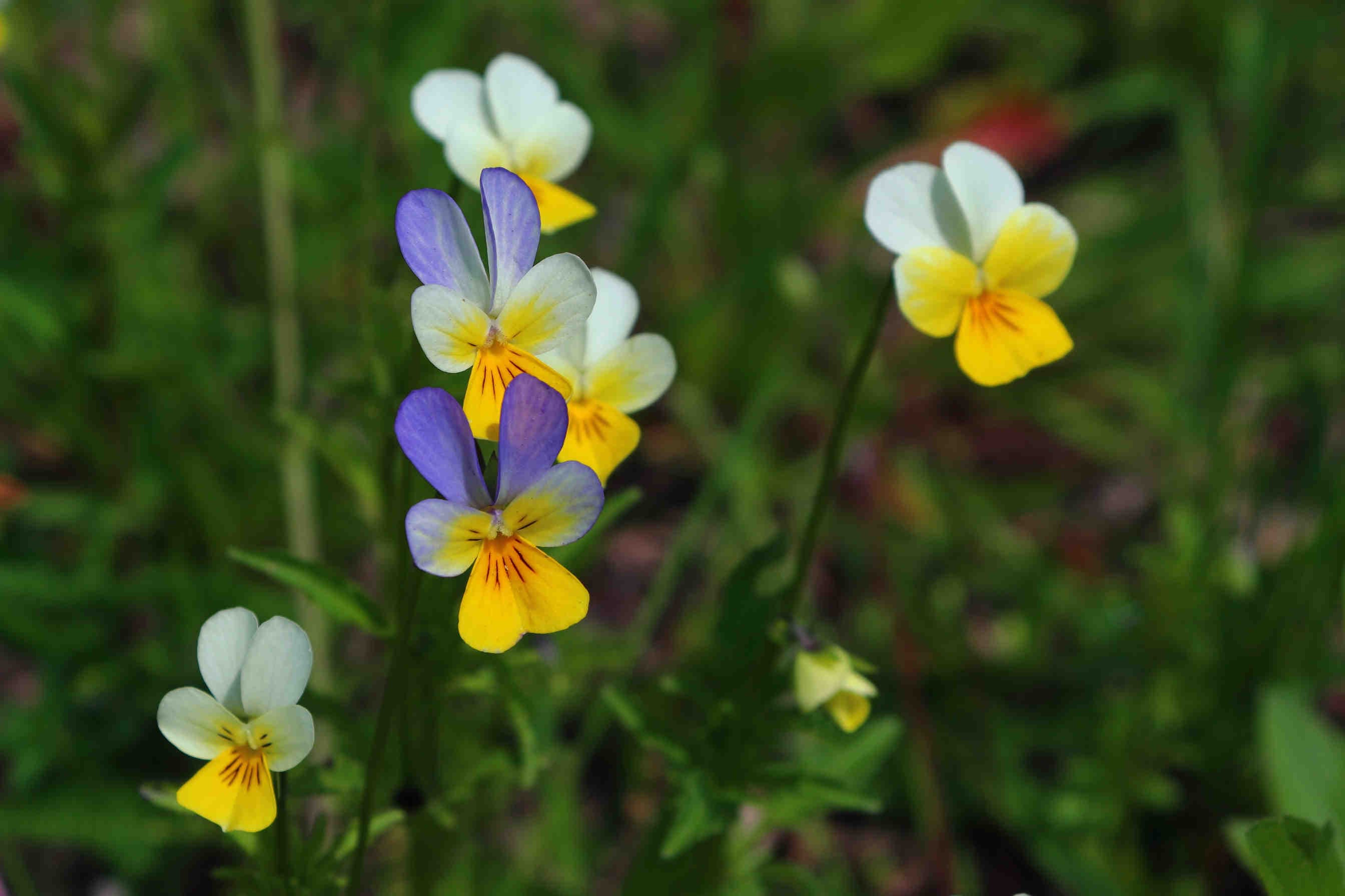
    viola dei campi

    The relationship between plants and pollinating insects

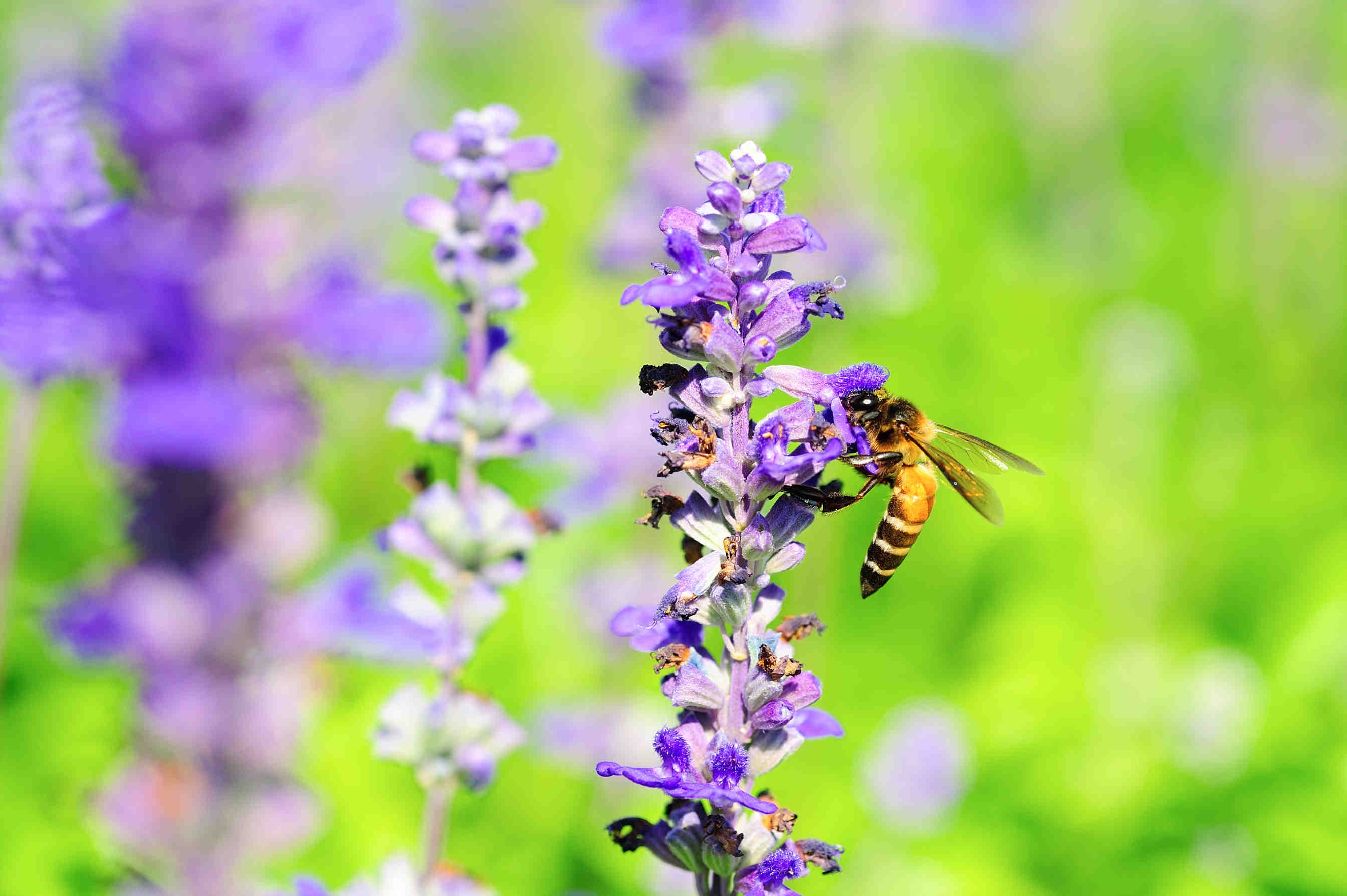
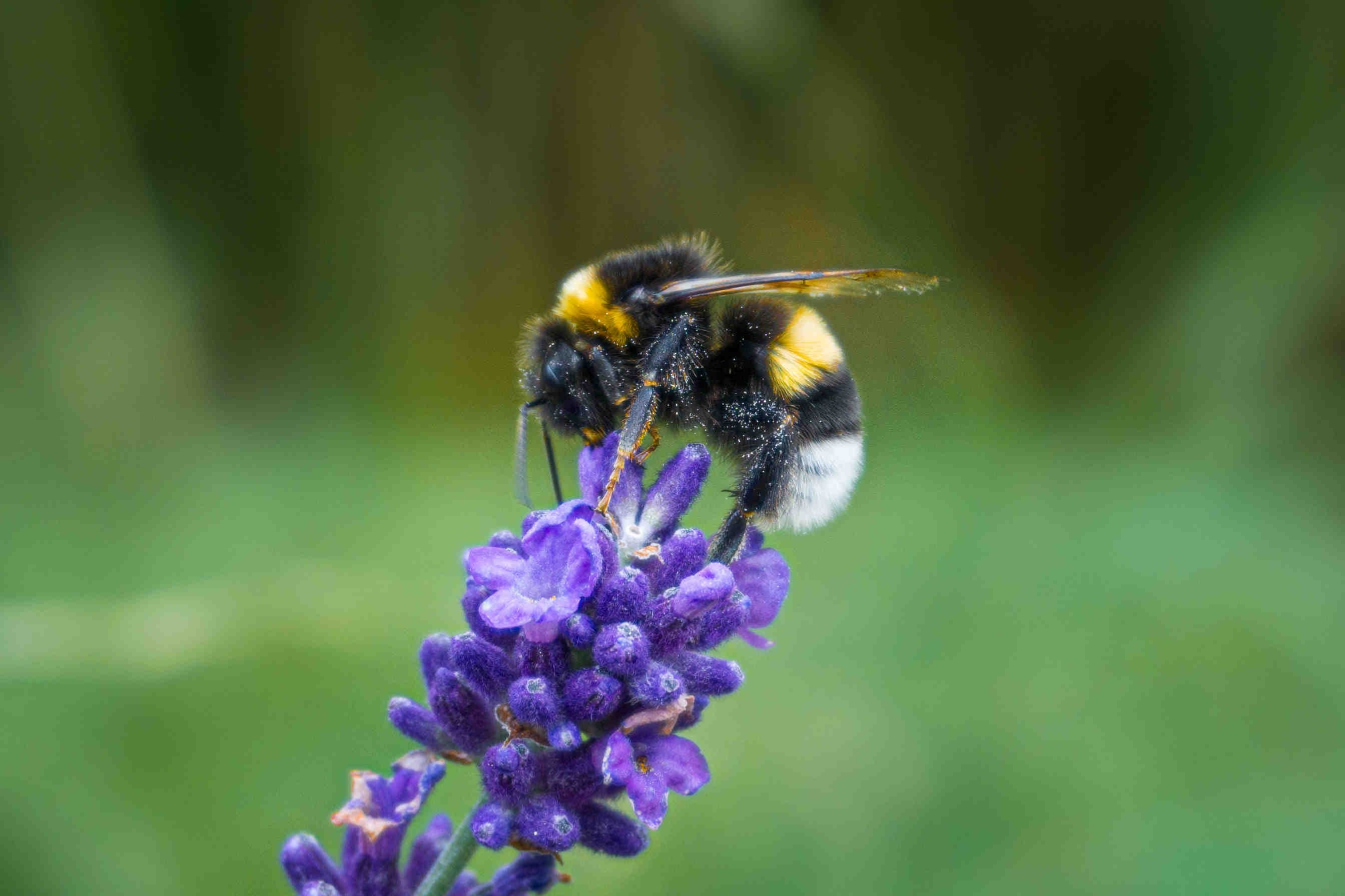
    The reciprocal relationship between plants and pollinating insects is well known, but in light of this study, it should be considered that some plants will tend to produce less nectar. This means less food available for pollinating insects and thus an acceleration of their decline. The lead author of the study, Samson Acoca-Pidolle, PhD student at the University of Montpellier, pointed out that the results of the study show the gradual disappearance of the reciprocal relationship between plants and pollinators. A surprise for the researchers, who did not expect such a rapid evolution of these plants. The declining situation of pollinating insects can be seen in several studies, conducted throughout Europe. For example, a study on German nature reserves found that from 1989 to 2016, the total weight of insects caught in traps decreased by 75%.

    ape nettare
    XNatura

    The study and method of resurrection ecology

    The study conducted by Samson Acoca-Pidolle and his colleagues showed that the effects on the decline of pollinating insects are not easily reversible, as plants have already begun the process of change. It is therefore urgent to adopt conservation measures to halt and reverse the decline of pollinators. The method used in the study is called 'resurrection ecology' and consists of germinating ancestral plants of field pansies from seeds collected in the 1990s and 2000s stored in national botanical conservatories. The team of researchers involved compared how four populations of field violets (Viola arvensis) changed during the study period. As can be seen from the study published in the journal New Phytologist, apart from the size changes of the flowers, no other changes were found in other parts of the plant such as, for example, leaf size.

    bombo

    The decline of pollinators: a global phenomenon

    Further research has shown that the percentage of Field Violets performing self-pollination has increased by 25 per cent in the last 20 years. As stated by Dr. Philip Donkersley, of the University of Lancaster, the fact that these flowers are changing their strategy in response to the diminution of pollinating insects is quite surprising. Indeed, research has shown how a plant can undo thousands of years of evolution in response to a phenomenon that has only existed for 50 years. Most of the research was conducted in Europe and North America, but we know that the decline of pollinators is a global phenomenon. These results may just be the tip of the iceberg of this phenomenon: areas with greater plant diversity are likely to have many more examples of wild plants changing their pollination strategies in response to a lack of pollinators.
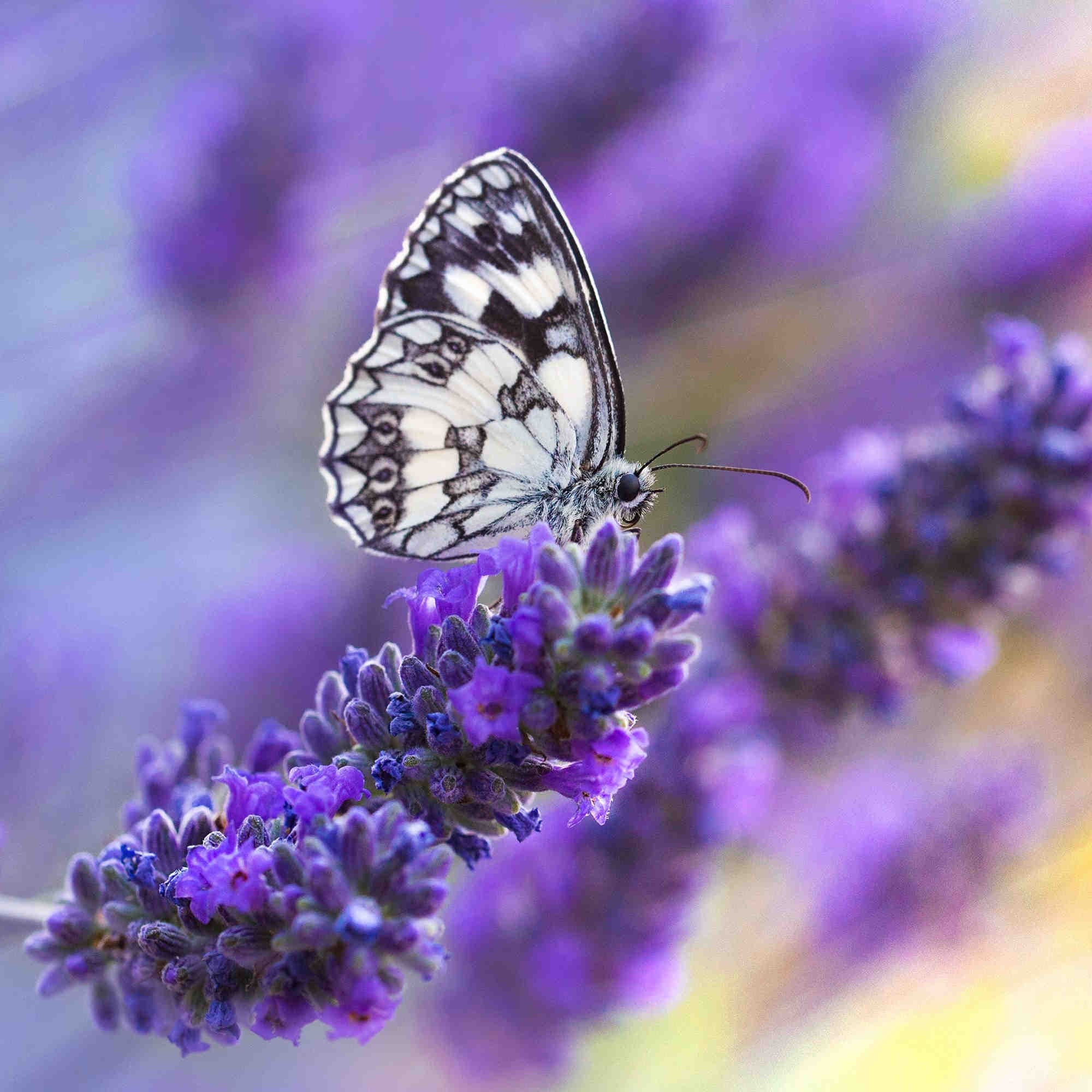
    farfalla
    XNatura

    Conservation actions to protect pollinators

    Other studies have shown that plants that are unable to self-pollinate behave in the opposite way, producing more pollen when pollinating insects are scarce. The sharp decline in the population of pollinating insects (∼20-40%) has therefore created an alarming situation for global biodiversity. This is why conservation measures and ad hoc policies are urgently required: we must reduce the use of pesticides, address issues such as climate change and the loss of habitat, and provide support to native pollinator species by restoring their natural habitats. Concrete actions to be taken include the Biodiversity Oases of 3Bee: urban and agroforestry habitats created in areas of low biodiversity that aim to recreate grazing areas for pollinating insects. Places where technology and nature come together, to take a first step towards climate resilience.
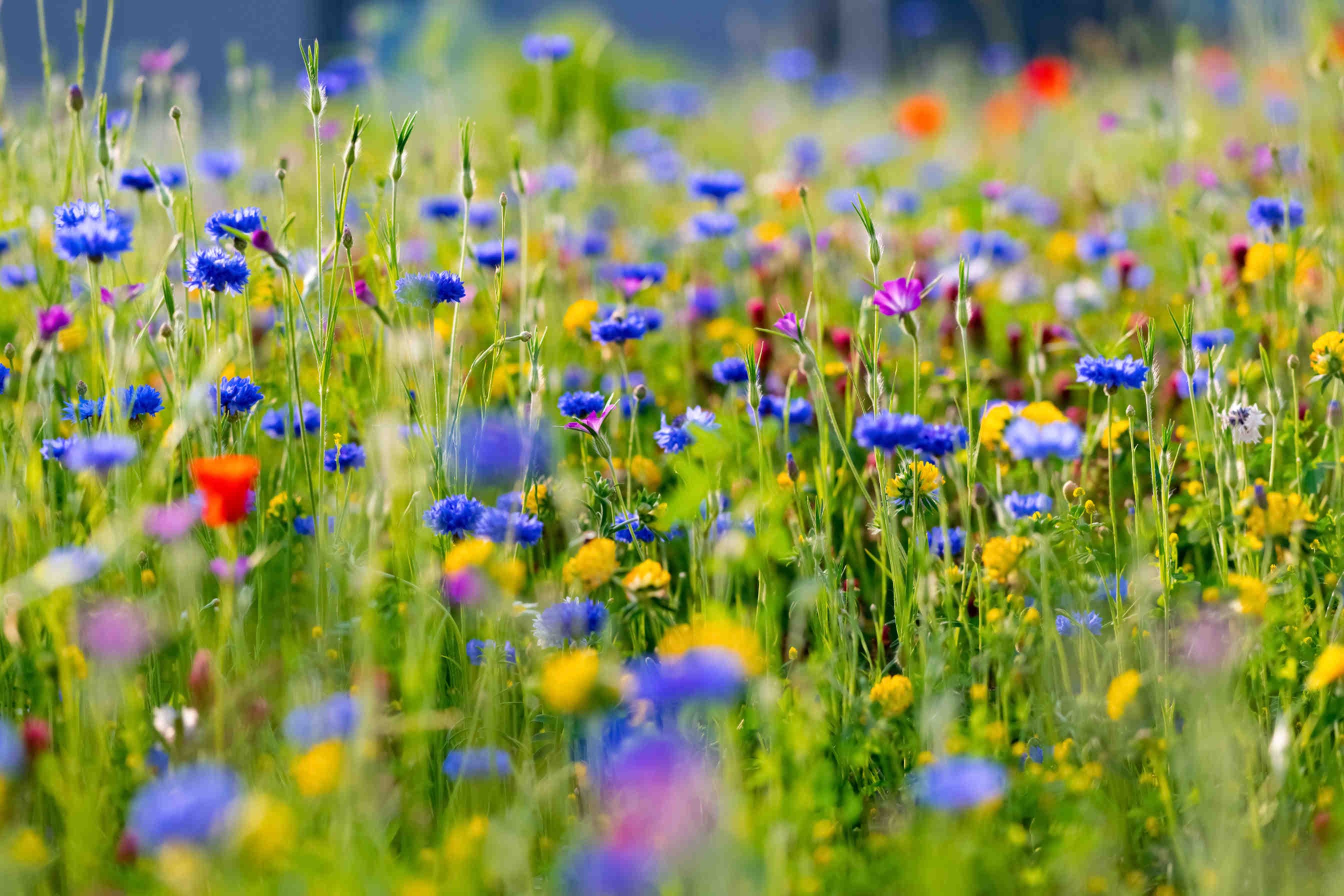
    Oasi 3Bee
    3Bee
    16/01/2024Of 3Bee, Elena Fraccaro
    401 Views
    Newsletter
    newsletter
    Subscribe to the Blog about bees and biodiversity

    Frequently Asked Questions

    Do you have any doubts or other curiosities about this article? Here you will find some insights