Reduced mowing: an opportunity for urban pollinators
    Reduced mowingMeadowEffectsVegetal

    Reduced mowing: an opportunity for urban pollinators

    How urban green space management involving reduced frequency of cutting city lawns can become a valuable tool for safeguarding the biodiversity of plants and pollinators.

    Read the article
    20/06/2024Of 3Bee, Anna Beretta
    601 Views
    20/06/2024Of 3Bee, Anna Beretta
    601 Views

    What is reduced mowing?

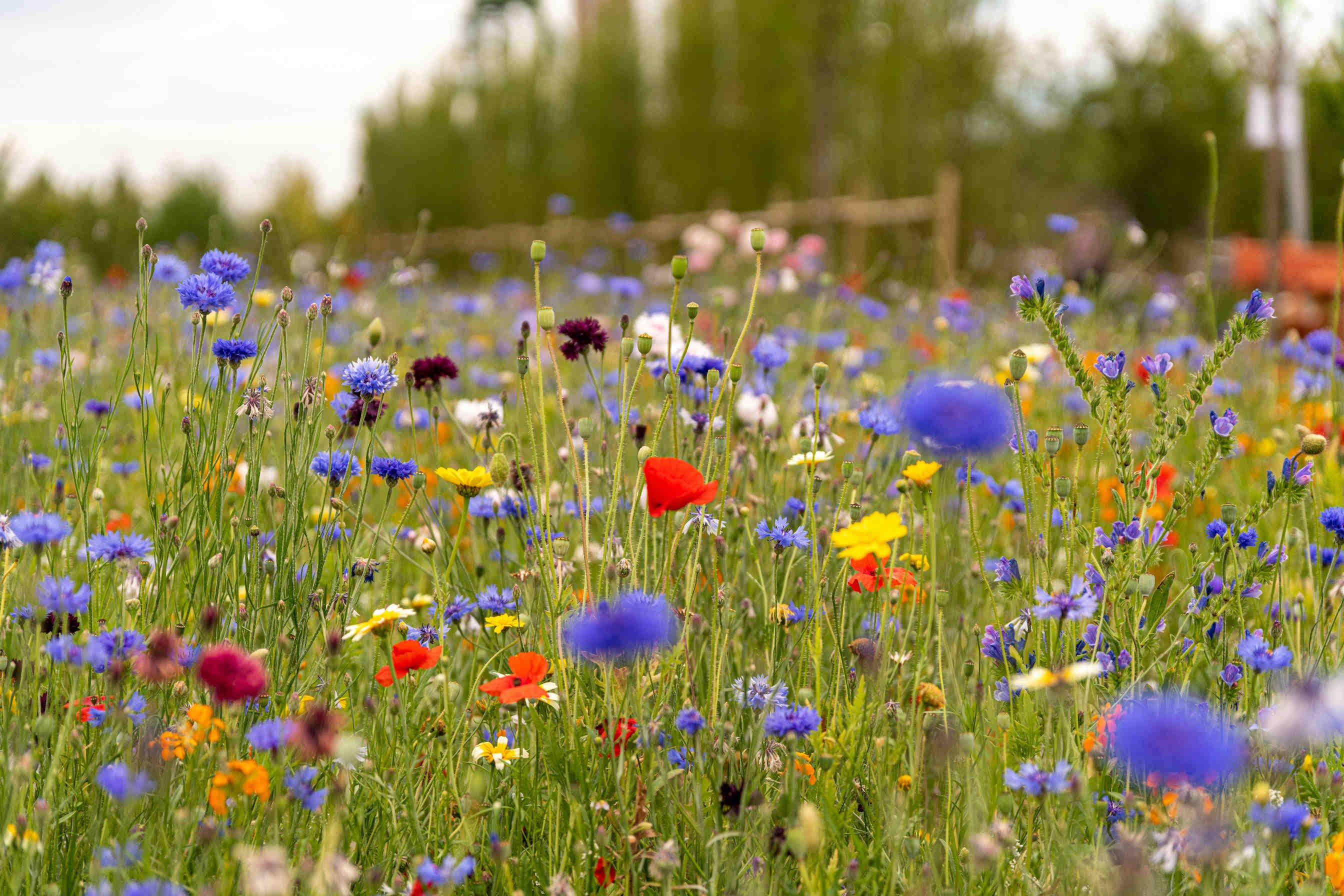
    In several European cities and, recently, in some Italian cities such as Milan, Bergamo and Padua, people are choosing to change the way they manage their urban greenery and, more specifically, that of our lawns by changing the way we use mowers. With the practice of reduced mowing and differentiated mowing, certain portions of city lawns are intended to be mowed at a reduced frequency, or to be mowed later in the season to allow the plants to complete their growing cycle. The objective is to allow wild herbaceous plants to grow freely, allowing them to flourish, fruit and spread their seeds, ensuring the maintenance of a rich and varied plant community that will populate the lawn the following year.
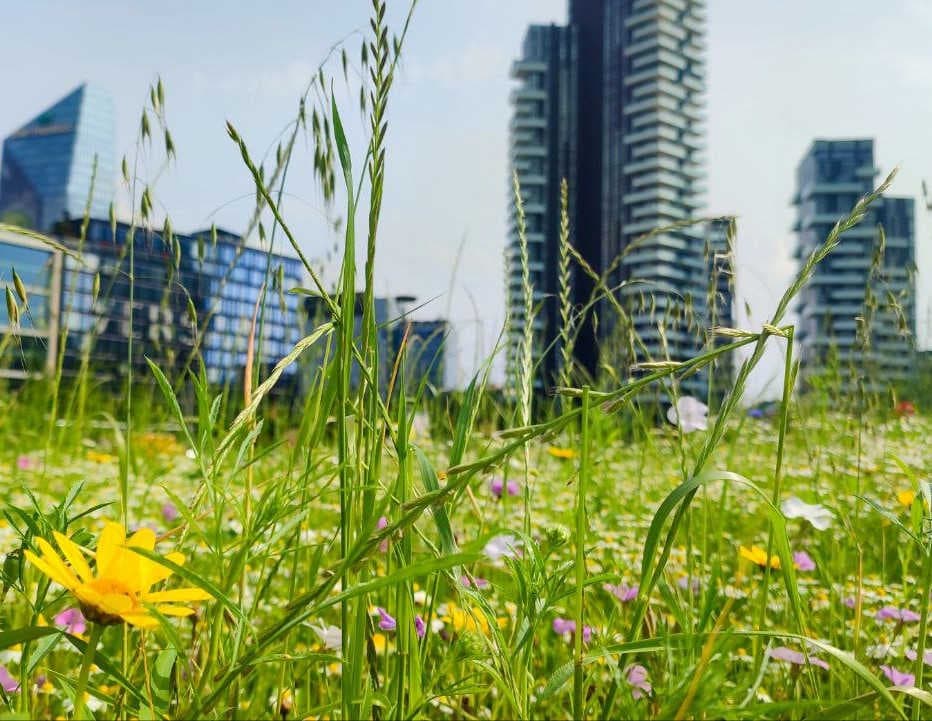
    Milano

    Why we mow the lawn

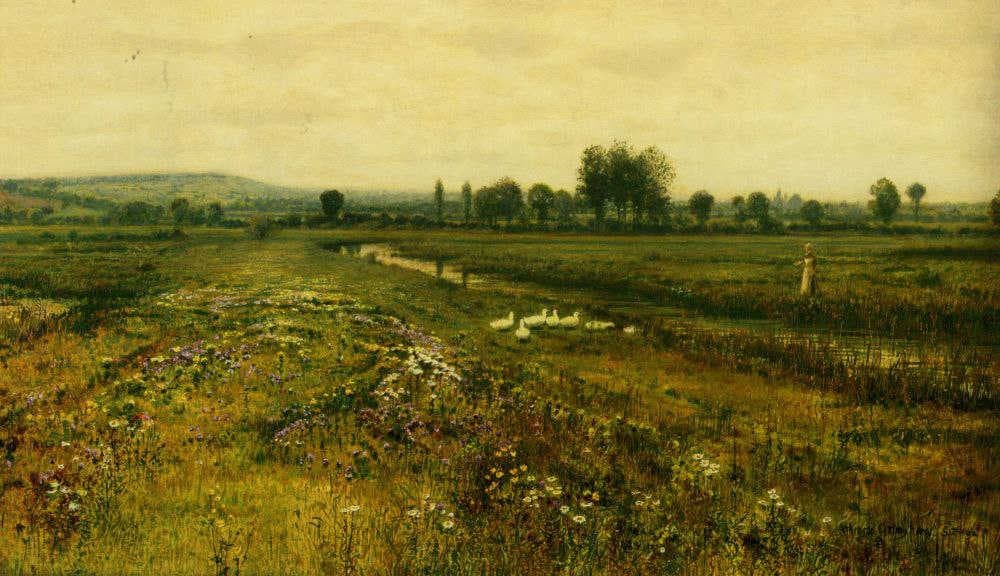
    The country vs. city dichotomy that we may have sometimes found ourselves reasoning with tends to relegate nature to bucolic extra-urban environments and to keep as far away from our homes as possible, all that cluttered nature made up of dust, leaves, dry stems, pollen and, unfailingly, insects. Although this mentality is clearly changing, just think of urban gardens or 'greentecture' green architecture that increasingly contribute to tinting city environments green, the intensive management of urban lawns, with application of fertilisers, irrigation systems and frequent mowing remains a paradigm. An example of this need for tidiness and cleanliness is a globally widespread social construct. However, a growing body of evidence is demonstrating the negative ecological and environmental effects of this practice and prompting us to imagine alternative scenarios.
    campagna
    XNatura

    The negative effects of frequent mowing

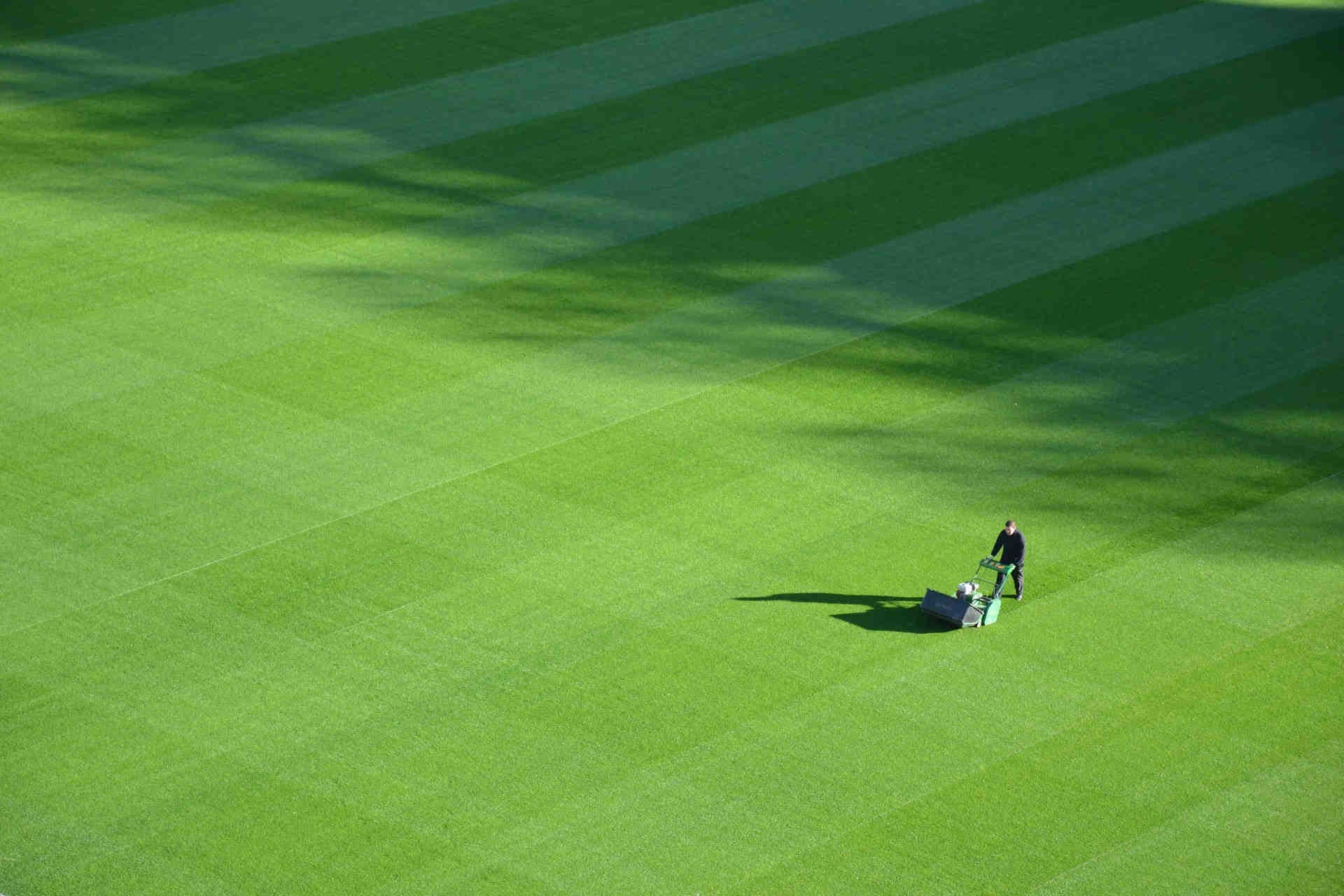
    The first negative consequence of frequent mowing is the depletion of the composition of the vegetation, i.e. the reduction of plant species present. By cutting the plants that would grow taller and preventing them from completing their growth cycle, only low-growing herbaceous plants are favoured. This impoverishes the plant biodiversity of the meadow ecosystem, which brings with it a further negative consequence: the reduction of floral resources used as nourishment by pollinators. The depletion of plant species resulting from frequent mowing produces a cascading effect within the plant and animal communities, reducing the resilience of the ecosystem and providing opportunities for colonisation by undesirable and infesting species because they are faster growing, effectively rendering mowing, which would aim to combat precisely the "weeds", futile.
    prato sfalciato

    Mowing less enriches the plant community

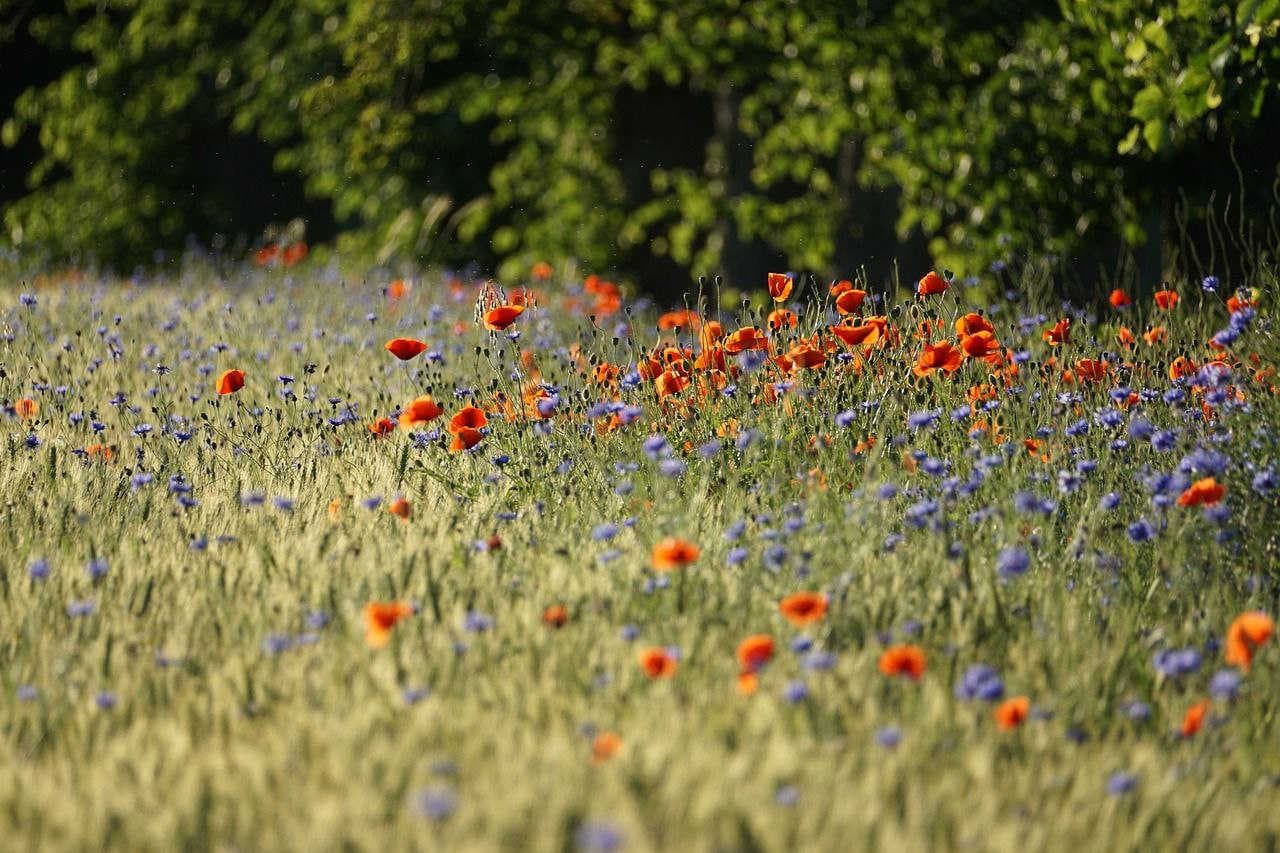
    A study conducted by the University of Rennes in 2018 showed that a reduction in the frequency of mowing induces a considerable increase in the diversity of the plant community that makes up the urban lawn. The study was conducted in Rennes in Brittany, where a "differentiated management" approach to urban green spaces (including lawns) has been adopted since the 1990s. This means that the management of each site varies according to the use made of it by the citizens. In this way, more frequently used locations are mowed more frequently than less frequently used areas where the lawn can be left to grow undisturbed. The study compared three different types of mowing: high (15-20 mowings per year), medium (7-9 mowings per year) and low management (1 mowing event per year), showing that only in the third case does a functionally rich ecosystem and plant diversity result.
    meadow
    XNatura

    ... expands the menu of pollinators...

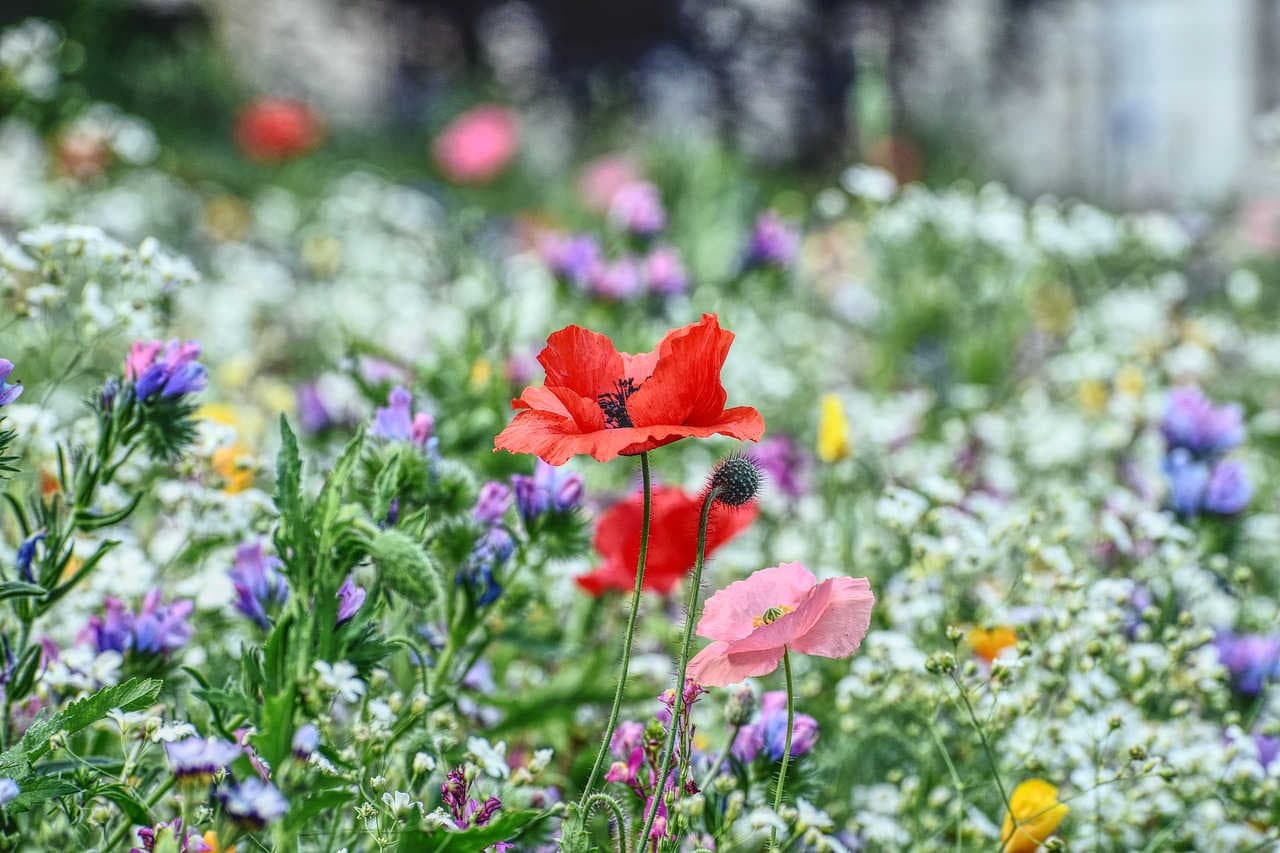
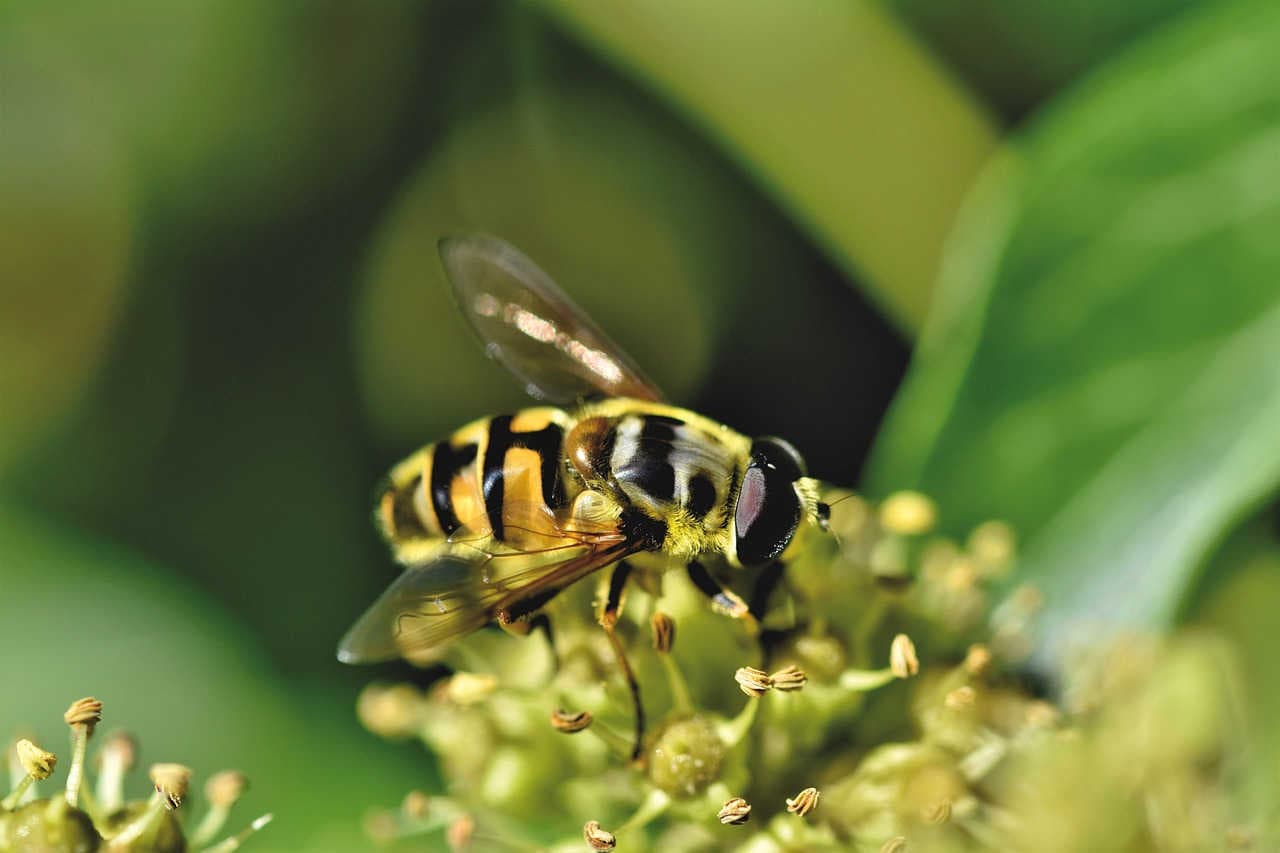
    By enriching the plant component of the lawn ecosystem, reduced mowing is also beneficial to the biodiversity of pollinators by making available a greater quantity and diversity of flower resources that can be used as a source of food. Indeed, the greater the diversity of the types of flowers present, the greater the variety of pollinators that can visit them, and this depends on the structures of the flowers themselves and the accessibility of their nectar. Depending on the shape of the mouthparts of each pollinator, there will be flowers that are more or less accessible: bees with a long oligula can access flowers with very deep nectaries while bees with a short oligula can only reach shallow nectaries. Butterflies, thanks to their elongated and flexible spiritromba can easily reach the innermost parts of the flower, but the sirphids, with their short labellum can only feed on flowers whose nectar is located further out.
    Myathropa florea
    3Bee

    ... creates niches for nesting and development...

    In addition to producing a considerable variety of resources from a nutritional point of view, a meadow left undisturbed can also provide housing resources for pollinating insects. In fact, a lawn that is left undisturbed can become an ideal place for pollinators that nest in the soil, such as most species of wild beetles. And then a meadow with high grass is an ideal resource for numerous species of flyflies. From a study published in March 2024, it was seen that the taller the grass of a meadow, the more the richness and relative abundance of the species of butterflies that inhabit it, in highly urbanised areas. This is due to the fact that these insects lay their eggs on certain plants that are typical of our meadows. An example of this is the lasiommata megra. As beautiful as it is common, this species of butterfly uses various species of grasses as nourishing plants, which are precisely the main constituents of our grassy lawns.
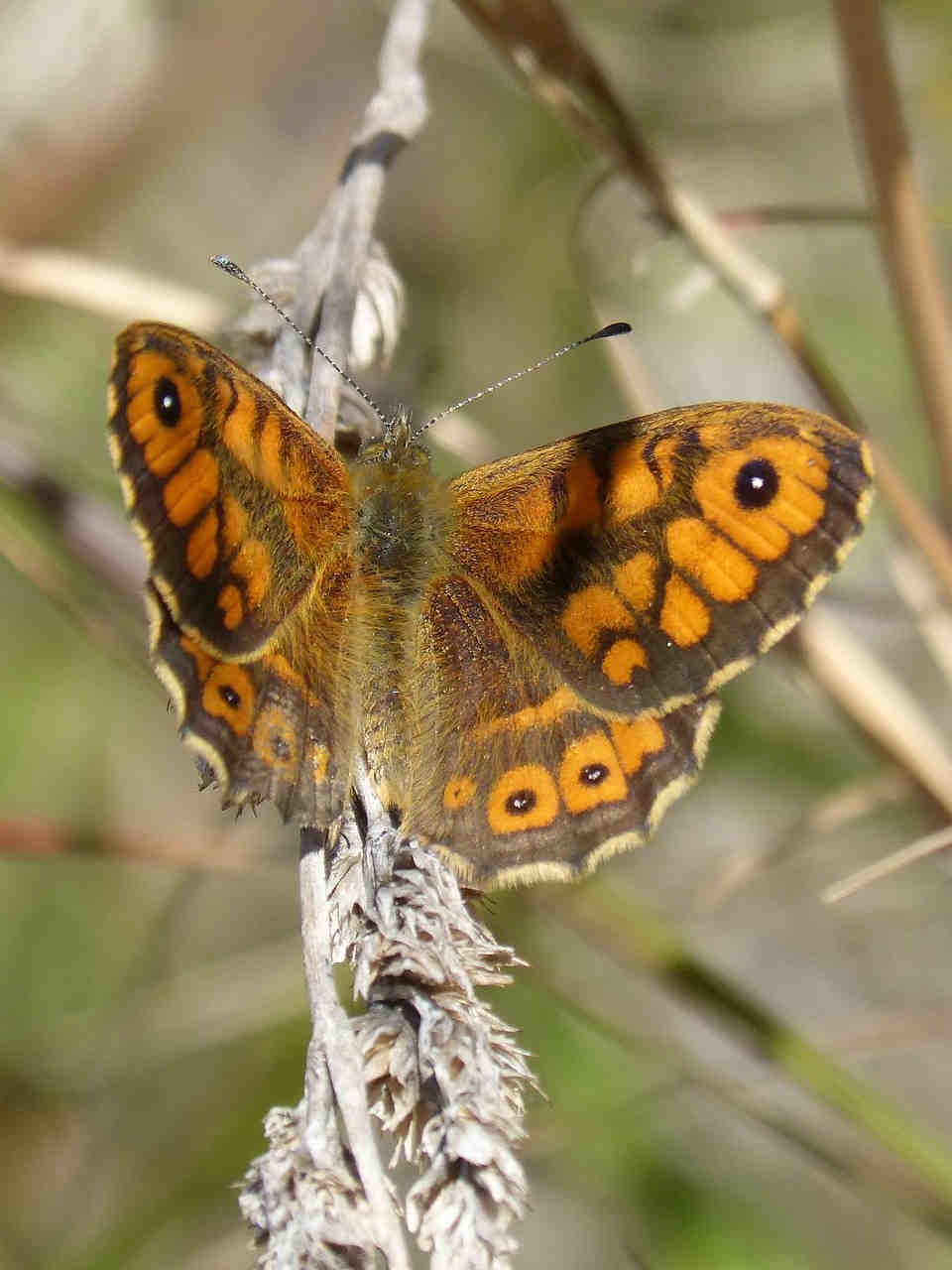
    Lasiommata_megera

    ... and brings several benefits to humans as well

    More urban greenery also means more livability for us Homo sapiens city dwellers. Increased green space helps reduce the effects of heat islands by absorbing, in part, solar radiation and reducing temperature. In addition, more plant mass sequesters more CO2 and improves air quality both by producing oxygen and by operating a filtering effect on air pollutants such as atmospheric particulate matter. Last but not least, the increase in plant and animal species associated with a more relaxed management of urban greenery gives us the opportunity to observe biodiversity. Our cities can turn into open-air laboratories where we can discover ourselves naturalists intent on finding seedlings in the cracks of pavements or contemplating swarms of insects dancing between flowers. To feel more and more a part of that nature from which, in the cities, we feel so distant.

    green cities

    No mow may: the initiative in favour of untidy lawns

    As of 2019 in England, the Plantlife association has formed a movement called "No mow may" that urges the citizenry to not mow lawns in May, for the protection of biodiversity and the well-being of citizens. The initiative invites the managers of green spaces to join in by registering their lawn and ... to do absolutely nothing, letting the grass and flowers grow! According to the association, the 20 million gardens in the UK, if managed in such a way as to provide space for native flora and wildlife, would bring enormous benefits for nature, communities and the climate.

    no mow

    What if we do NOT have lawns to NOT cut?

    What to do if we live in a third-floor flat and can only see the lawns from a distance? One answer is to plant! On balconies, terraces or window sills, we can contribute supermarket-bought basil or sow some marigold. We adorn our balconies with jasmine and put cornflowers and chicory in planters. Native field plants with different flowering times will grow luxuriantly, provide food for the pollinators throughout the season, and bring us daily smiles of satisfaction. Other responses are conserve and regenerate, actions promoted in the Biodiversity 3Bee Oases: ecosystems created by regenerating defaced areas where, through the planting of native plant species, it has been possible to bring biodiversity back to city areas. 3Bee is also able to analyse the benefits of reduced mowing by analysing, through technology, the amount and species of pollinators it attracts.

    piantare
    20/06/2024Of 3Bee, Anna Beretta
    601 Views
    Newsletter
    newsletter
    Subscribe to the Blog about bees and biodiversity

    Frequently Asked Questions

    Do you have any doubts or other curiosities about this article? Here you will find some insights