Peach tree: characteristics, curiosities, and ecological role
    Peach TreeLife cycleDistributionEcological role

    Peach tree: characteristics, curiosities, and ecological role

    The peach tree (Prunus persica) is a plant native to China, valued for its fruits and spring blossoms. In this article, we will explore the main characteristics of the peach tree, its life cycle, and the essential role it plays in the natural ecosystem.

    Read the article
    06/04/2025Of 3Bee, Lisa Santillo
    690 Views
    06/04/2025Of 3Bee, Lisa Santillo
    690 Views

    Peach Tree: Main Characteristics

    Disclaimer: this is an automated translation from Italian. Go to the original article.

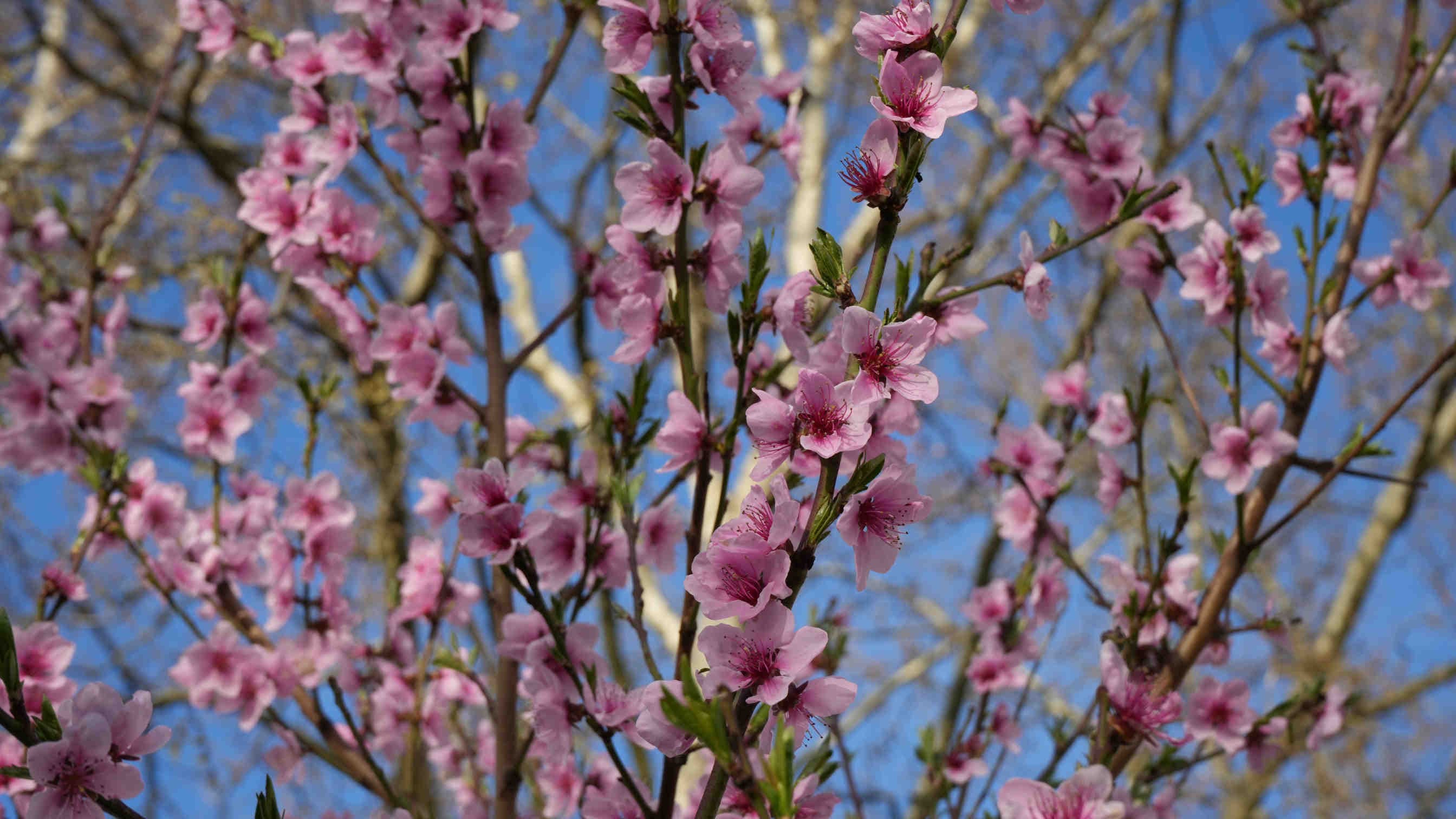
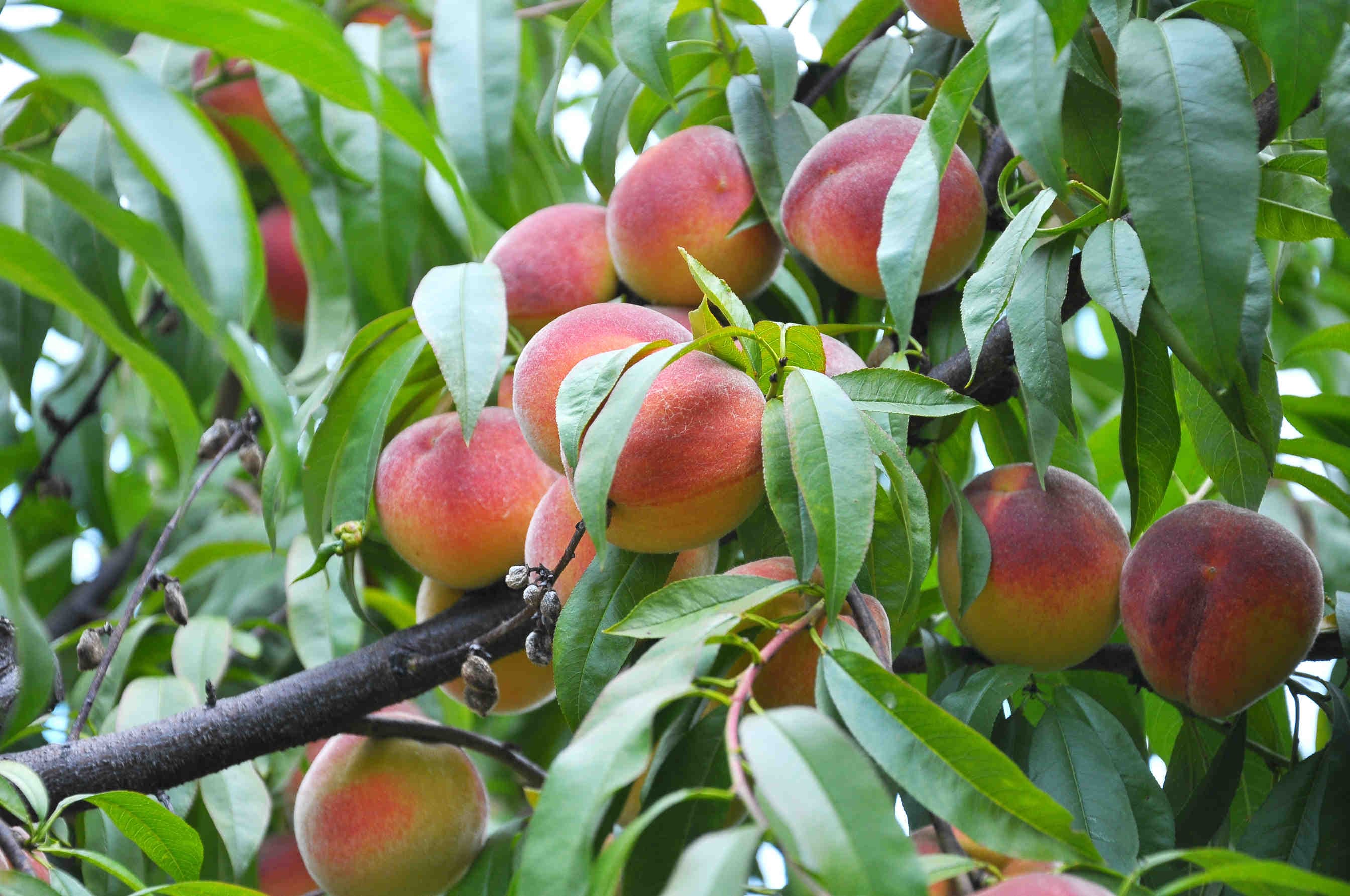
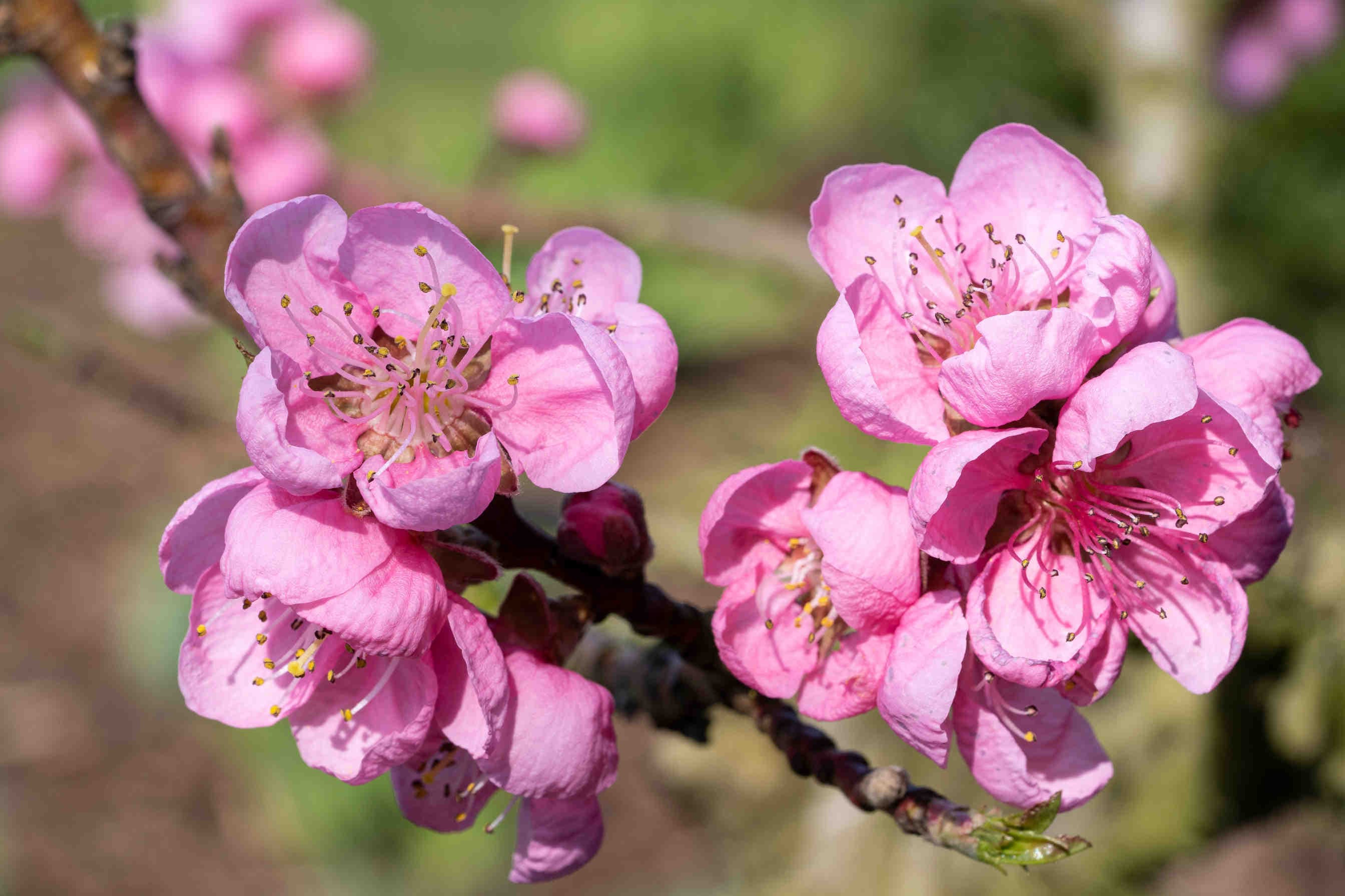
    The peach tree (Prunus persica) is a plant belonging to the Rosaceae family, originating from East Asia, particularly China. It is distinguished by its shrub or tree-like form, with lanceolate leaves and five-petaled flowers that bloom in spring, before the leaves appear. The fruits of the peach tree, known as peaches, have sweet and juicy flesh, protected by a fuzzy skin that makes them easily recognizable. Peach plants can vary greatly in size and appearance, depending on the variety. The leaves, generally a deep green color, turn shades of red to orange in autumn, giving the plant a decorative appearance even in the colder months. The peach tree is also capable of withstanding harsh climates, although fruit production is optimal in environments with hot summers and mild winters.
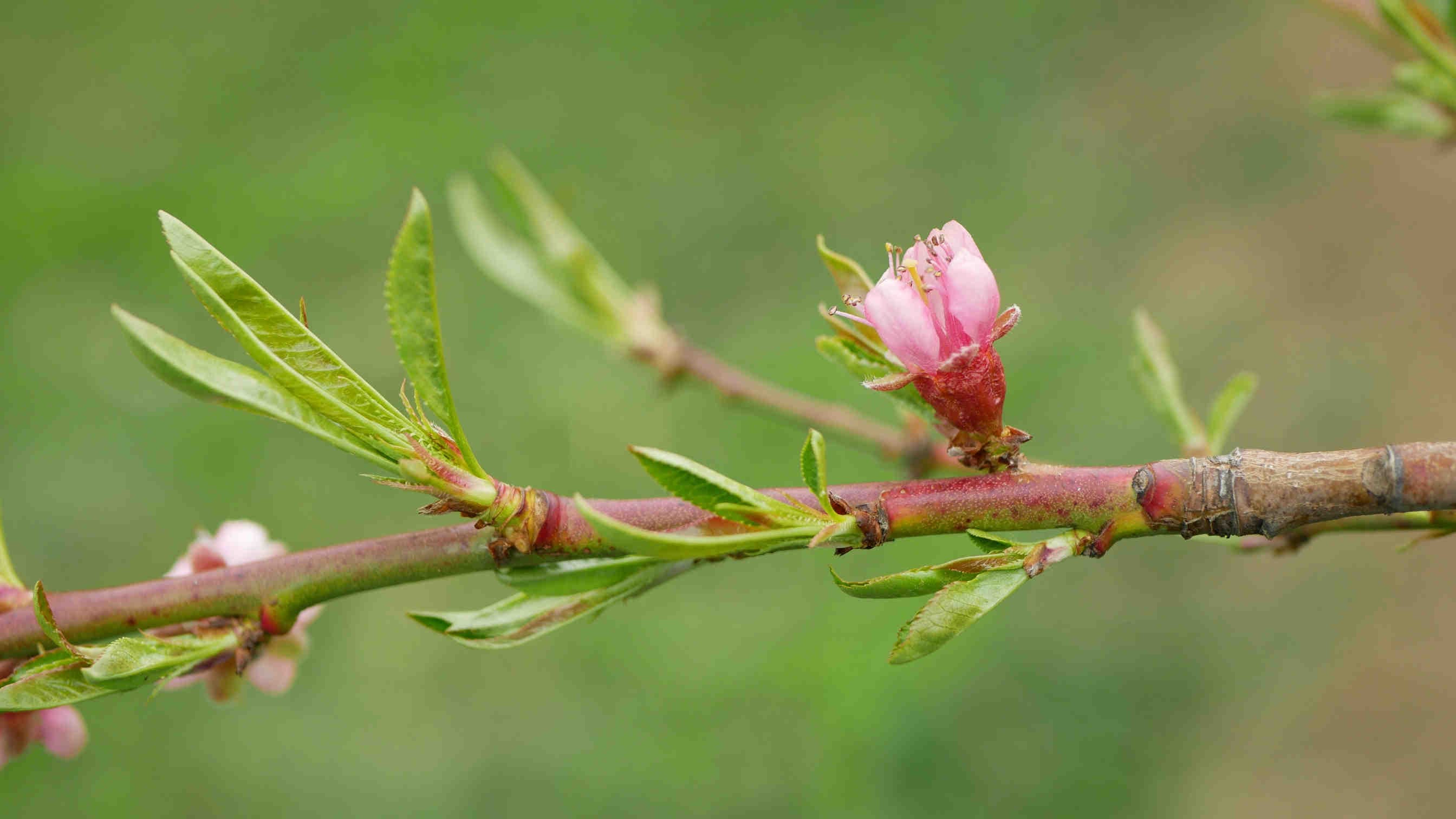
    pesco fiore ramo foglie

    Life cycle of the peach tree

    The life cycle of the peach tree in nature begins with seed germination, which occurs after the winter dormancy period. Once germinated, the young tree grows rapidly, developing leaves and flowers that prepare it for fruiting. Flowering occurs in spring, while fruits develop and mature during summer. Fruits are harvested in late summer or early fall, depending on the variety. If left to grow without human intervention, the peach tree in nature can live for several years, although fruit production decreases with the age of the tree. The wild peach tree has a shorter lifespan compared to fruit cultivars but plays a fundamental role in the ecosystem, as we will see in the following paragraphs. Its growth is closely linked to climatic conditions; it favors temperate environments but adapts to various types of soil, provided they are well-drained.

    pesche frutti
    XNatura

    Geographical distribution of the peach

    The peach tree has Asian origins, but over the centuries it has spread to numerous regions of the world, thanks also to its high adaptability. Today it is widespread throughout the Mediterranean basin, in most of the United States, in India, in China, and in other temperate areas. In its wild forms, the peach tree grows in mountainous regions and hilly areas. Its spread has been favored by its ability to adapt to different soils, even though it requires good sun exposure. In nature, the peach tree is mostly found in areas less exploited by humans, where it grows spontaneously. Wild peach varieties are found mainly in China and other areas of Central Asia, but today the plant is also present in many natural areas of Europe, North America, and South America.

    pesco pianta fiori

    The ecological role of the peach tree

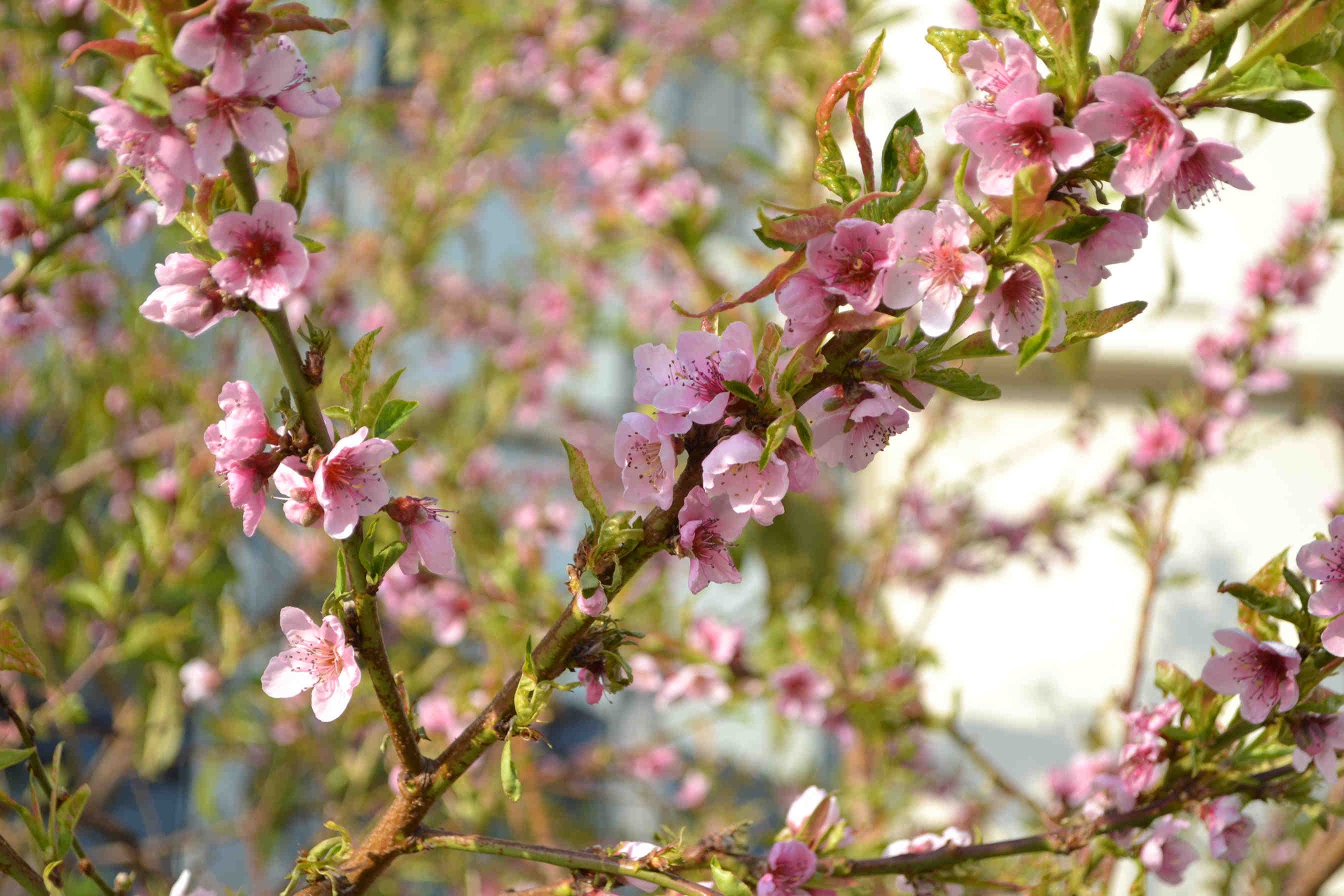
    The peach tree is not just a fruit plant, but also plays a fundamental ecological role. Its roots help prevent soil erosion, stabilizing the ground, especially in sloped areas. Wild peach orchards provide shelter and nourishment to various animals, such as insects, birds, and small mammals, while its fruits, rich in sugars, offer a source of energy for many species. Furthermore, the peach tree is a pioneer plant that, due to its ability to easily penetrate the soil, can colonize damaged lands and improve their structure, thus creating a favorable environment for the growth of other plants. In this way, it promotes the regeneration of damaged ecosystems. Finally, its spring blooming attracts numerous pollinators, such as bees and butterflies, which contribute to the pollination of other plants, thus promoting biodiversity.

    fiori di pesco
    XNatura

    Peach tree: meaning of the name, symbolism and curiosities

    The name "peach tree" derives from the Latin persica, meaning "of Persia", as it was once thought the plant originated from that region. However, we now know that the peach tree comes from China. The plant has a long symbolic tradition in different cultures: in China, the peach tree is associated with longevity and prosperity, while in Greece and Rome it represented beauty and fertility. An interesting aspect of the peach tree is that, despite being very popular as a fruit-bearing plant, it is also known for its aesthetic value. Its intense pink spring blooms are highly appreciated in gardens and parks. Additionally, in some Asian cultures, the fruits of the peach tree are used in ceremonies and rituals to symbolize renewal and vitality.

    app biodiversa 3bee
    3Bee

    Biodiversa: the 3Bee game app to monitor biodiversity

    Biodiversa is the free game app for monitoring biodiversity and protecting ecosystems that allows you to easily "collect" and identify plants encountered during a walk outdoors. An ambitious citizen science project aimed at creating a cooperative archive dedicated to the flora in Europe, involving player users with cataloging challenges of species, some of which are rare or endangered. Available for iOS and Android, Biodiversa has a dynamic similar to that of some well-known free-to-play video games that encourage you to move and travel in the real world to "collect" characters. From April 1, 2025, the "Biodiversa Heroes" prize contest starts again: every new and different plant photographed and captured earns a point and climbs the leaderboard to try to win fantastic prizes. The goal is to reward the most "biodiverse" nature explorers.

    06/04/2025Of 3Bee, Lisa Santillo
    690 Views
    Newsletter
    newsletter
    Subscribe to the Blog about bees and biodiversity

    Frequently Asked Questions

    Do you have any doubts or other curiosities about this article? Here you will find some insights