What is the One Health approach
Disclaimer: this is an automated translation from Italian. Go to the original article.
The

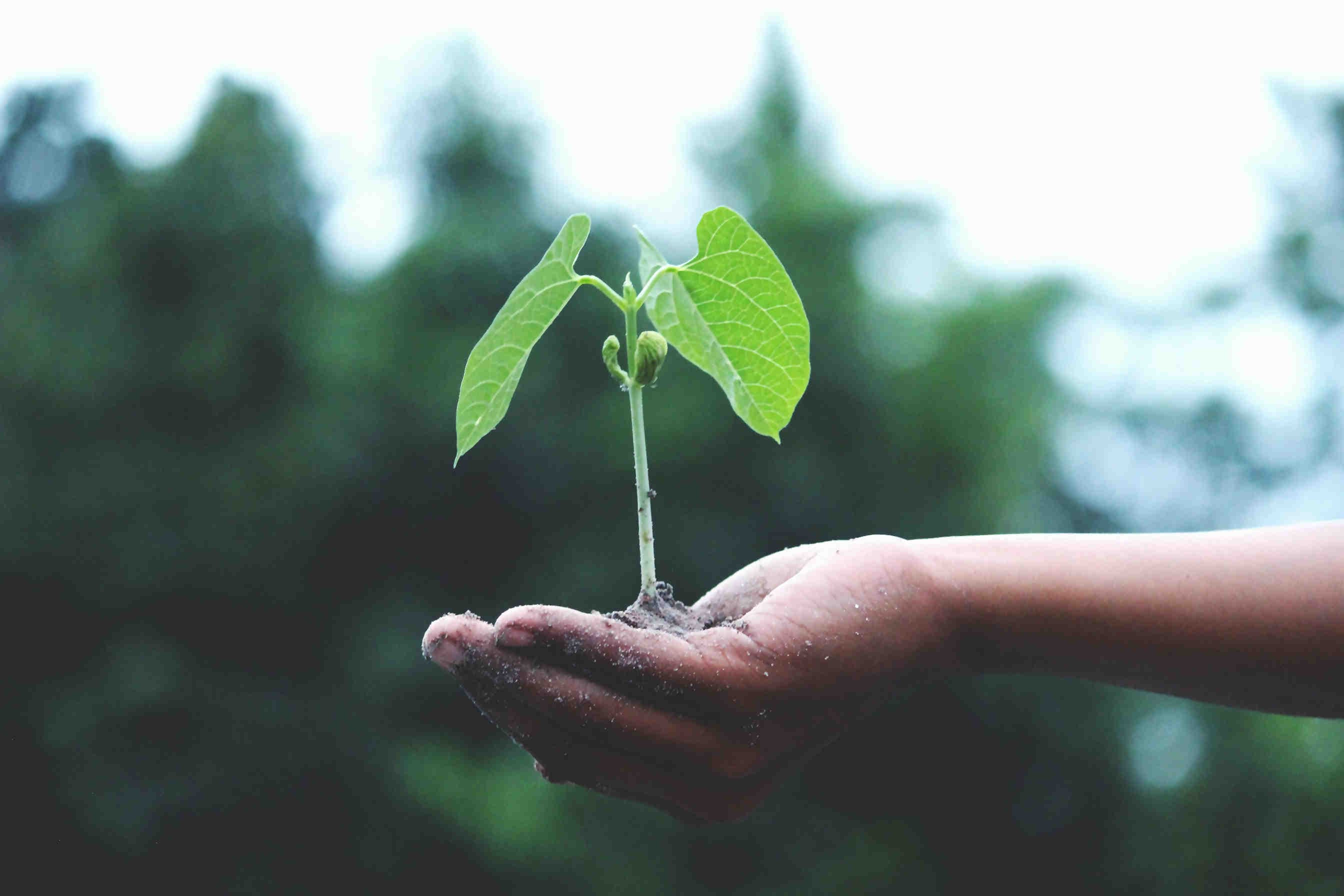
The 'One Health' approach recognises the interconnectedness of human, animal and environmental health. It is an integrated strategy that addresses major global health issues, from climate change to the protection of pollinators, to achieve sustainable development goals.
Read the articleDisclaimer: this is an automated translation from Italian. Go to the original article.
The
The One Health approach is based on a few key principles that emphasise the interconnection between human, animal and environmental health. One of the fundamentals is

The climate changes pose a serious threat to global health. Rising temperatures and precipitation promote the spread of vector-borne diseases, such as malaria and dengue fever, with over 700,000 deaths annually. Some 2 billion people lack access to safe drinking water, and 770 million go hungry. The increasingly frequent environmental catastrophes worsen food insecurity, malnutrition and diseases transmitted by contaminated water and food. Finally, heat waves are particularly deadly: among the over-65s, deaths have increased by 70 per cent in 20 years. Without timely action, an increase of 250,000 deaths per year is expected by 2030 due to climate change. Acting One Health here means reducing emissions, protecting ecosystems and ensuring equitable access to health services. Health, in this perspective, is no longer just an individual issue.

According to the article Honeybees and the One Health Approach, published in 2024, one of the main aspects that the One Health approach has to consider is the protection of pollinating insects. Bees (Apis mellifera), along with other wild pollinators such as bumblebees and coleoptera, are crucial for the reproduction of about 87.5% of flowering plants and global agricultural production. However, these insects are vulnerable to multiple factors, including indiscriminate use of pesticides, loss of habitat and floral diversity due to intensive agriculture, and climate change. The One Health approach must recognise the interconnection between pollinator health, the environment and humans, highlighting the urgency of sustainable agricultural policies and habitat conservation practices. Protecting pollinators not only protects biodiversity, but contributes directly to global food security and human health.
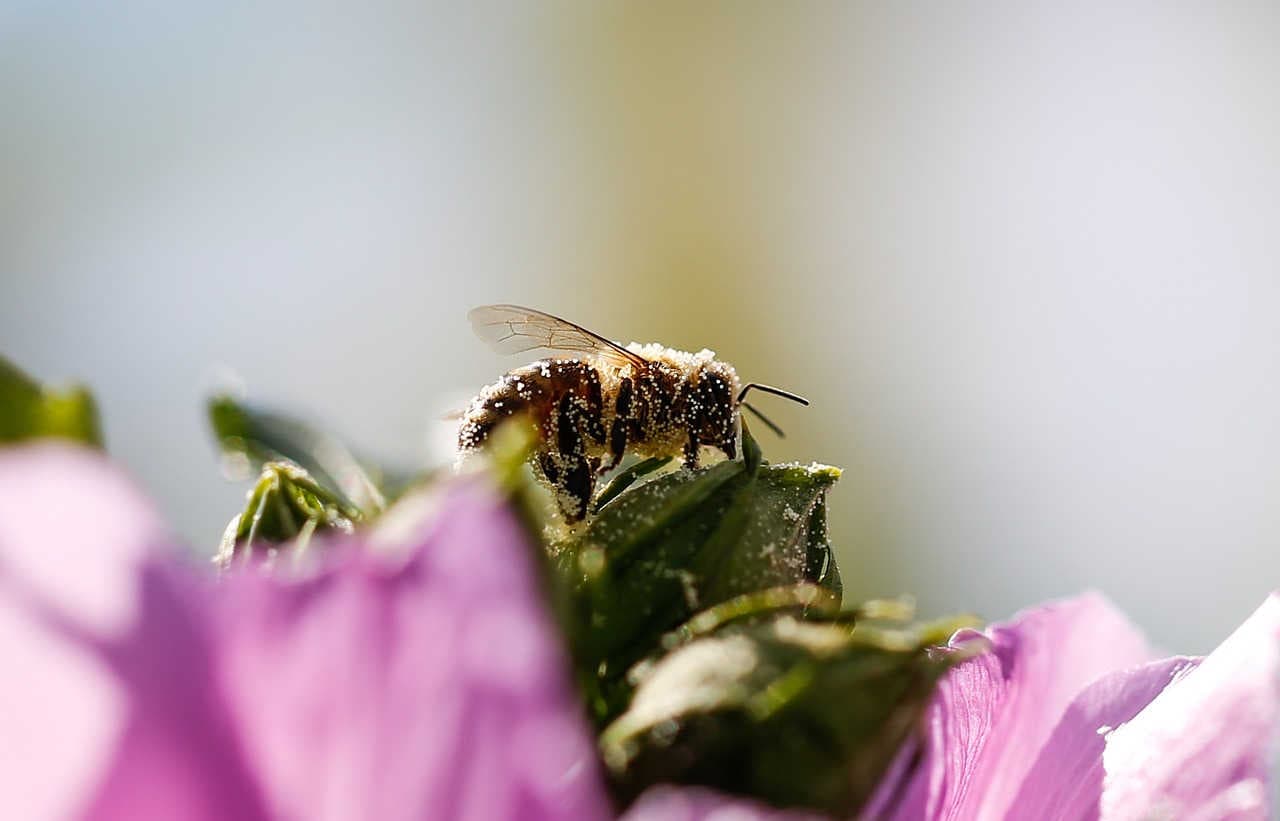
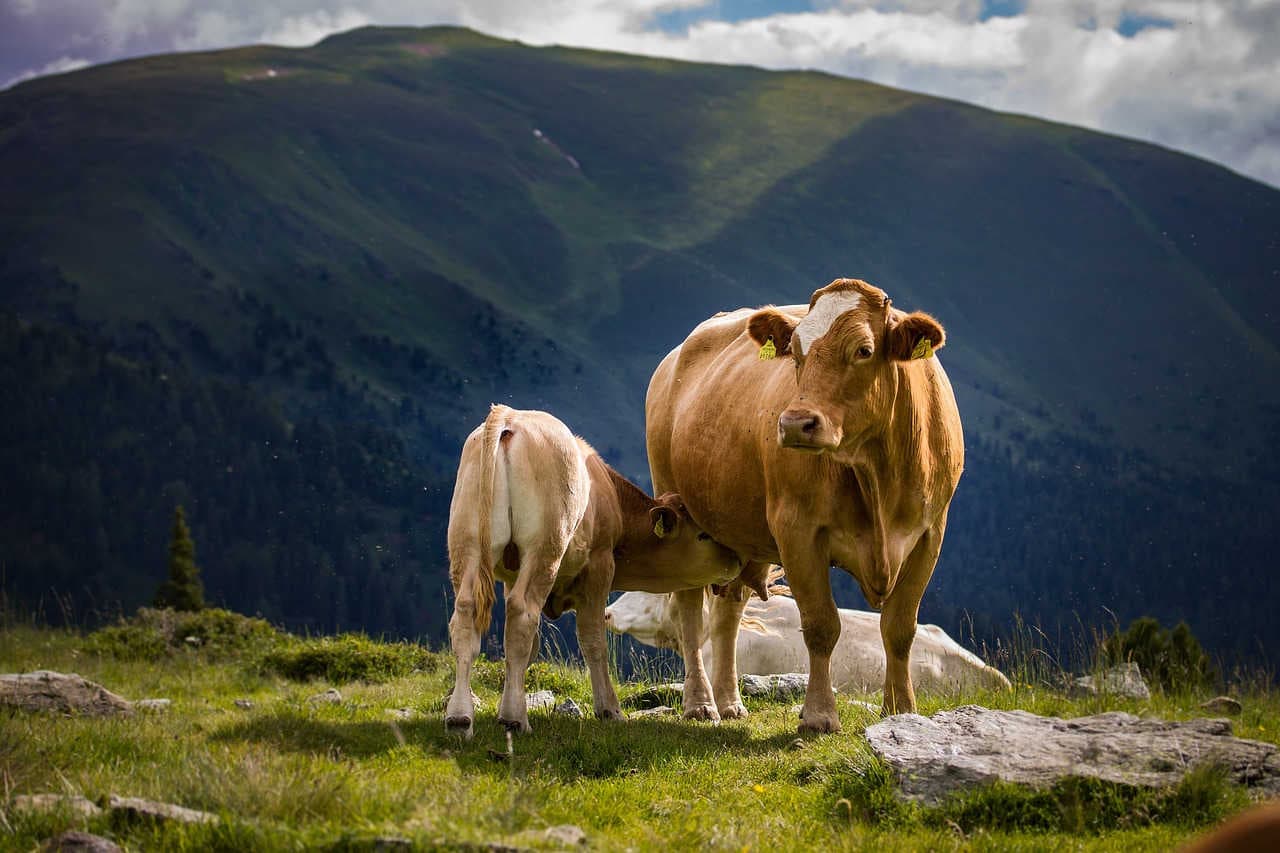
The protection of pollinators fits into one of the main pillars of the One Health approach: animal welfare. The protection of animal welfare is indeed essential to safeguard the balance of global health, as poor animal conditions can have direct consequences on human health. However, anthropogenic environments such as intensive livestock farms often fail to meet the animal protection and welfare standards set by regulations, thus becoming potential reservoirs of pathogens and favouring the risk of spillover from animals to humans. Moreover, the overuse of antibiotics in these contexts also increases our antimicrobial resistance, a serious threat to public health. Ensuring animal protection and welfare, both for pollinators and farm animals, is essential to reduce health risks and is an ethical imperative, especially in light of recent findings on animal consciousness.

The One Health approach shows that human, animal and environmental health are deeply interconnected, and that only by addressing global challenges in an integrated manner can we hope to improve the overall well-being of the planet. Protecting pollinators, ensuring animal welfare and combating climate change are not only ecological, but also health and ethical issues. Therefore, it is essential to reconsider government policies to pursue more ambitious goals for the


Do you have any doubts or other curiosities about this article? Here you will find some insights