Materiality Analysis and Biodiversity: A Key Topic for Corporate Reporting
    ReportingMaterialityESRS StandardsBiodiversity

    Materiality Analysis and Biodiversity: A Key Topic for Corporate Reporting

    Biodiversity is increasingly relevant for companies, but how do you know if it's material for your business? Materiality analysis helps assess risks and opportunities related to nature, in line with the double materiality required by the CSRD. Let's explore how to apply it to biodiversity.

    Read the article
    04/03/2025Of 3Bee, Angelina Tortora
    122 Views
    04/03/2025Of 3Bee, Angelina Tortora
    122 Views

    How to define material topics for corporate reporting

    Disclaimer: this is an automated translation from Italian. Go to the original article.

    For a company, identifying material topics means identifying the environmental, social, and economic aspects that influence its business and its stakeholders. This is achieved through a structured analysis, which integrates data, stakeholder engagement, and evaluation of risks and opportunities. With the introduction of the CSRD Directive, materiality is divided into two dimensions: financial, which considers the economic impacts on the business, and impact, which assesses the effects of the company on the environment and society. This dual perspective is also essential to understand if biodiversity is a significant topic in corporate reporting.

    bombo

    The materiality analysis process

    We know that to define their material themes, a company must conduct a materiality analysis, identifying the most relevant environmental, social, and economic aspects for its business and stakeholders. This process involves the collection of internal and external data, stakeholder engagement through interviews or surveys, and the evaluation of risks and opportunities related to each topic. In the context of double materiality required by the CSRD Directive, the company must consider both financial impacts (financial materiality) and the effects of its activities on the environment and society (impact materiality). Therefore, this process must also be applied to the topic of biodiversity to understand whether this is a truly relevant issue for the company.

    fiori biodiversità
    XNatura

    The ESRS standards and the TNFD framework

    Currently, EFRAG is working on developing sector standards to help companies identify the most relevant topics for their sector, but such standards have not yet been issued. However, although they do not impose specific sectoral obligations, the ESRS refer to an international framework, the Taskforce on Nature-related Financial Disclosures (TNFD), which aims to provide guidelines regarding the targets that companies can set for biodiversity conservation.

    farfalla

    Priority sectors for biodiversity according to the TNFD

    The TNFD has identified a list of priority sectors for which biodiversity is a significant issue. Among these are: agriculture and livestock, forestry; construction and engineering, oil and gas (from midstream phase to services); energy production and utilities; water and waste services; food and beverage; paper and wood products; construction materials, chemicals; coal extraction, mining activities; pharmaceutical and biotechnological; textiles, accessories, footwear and jewelry, tobacco and transport. This list highlights how the majority of productive sectors are closely linked to biodiversity, with few exceptions in the tertiary sector.

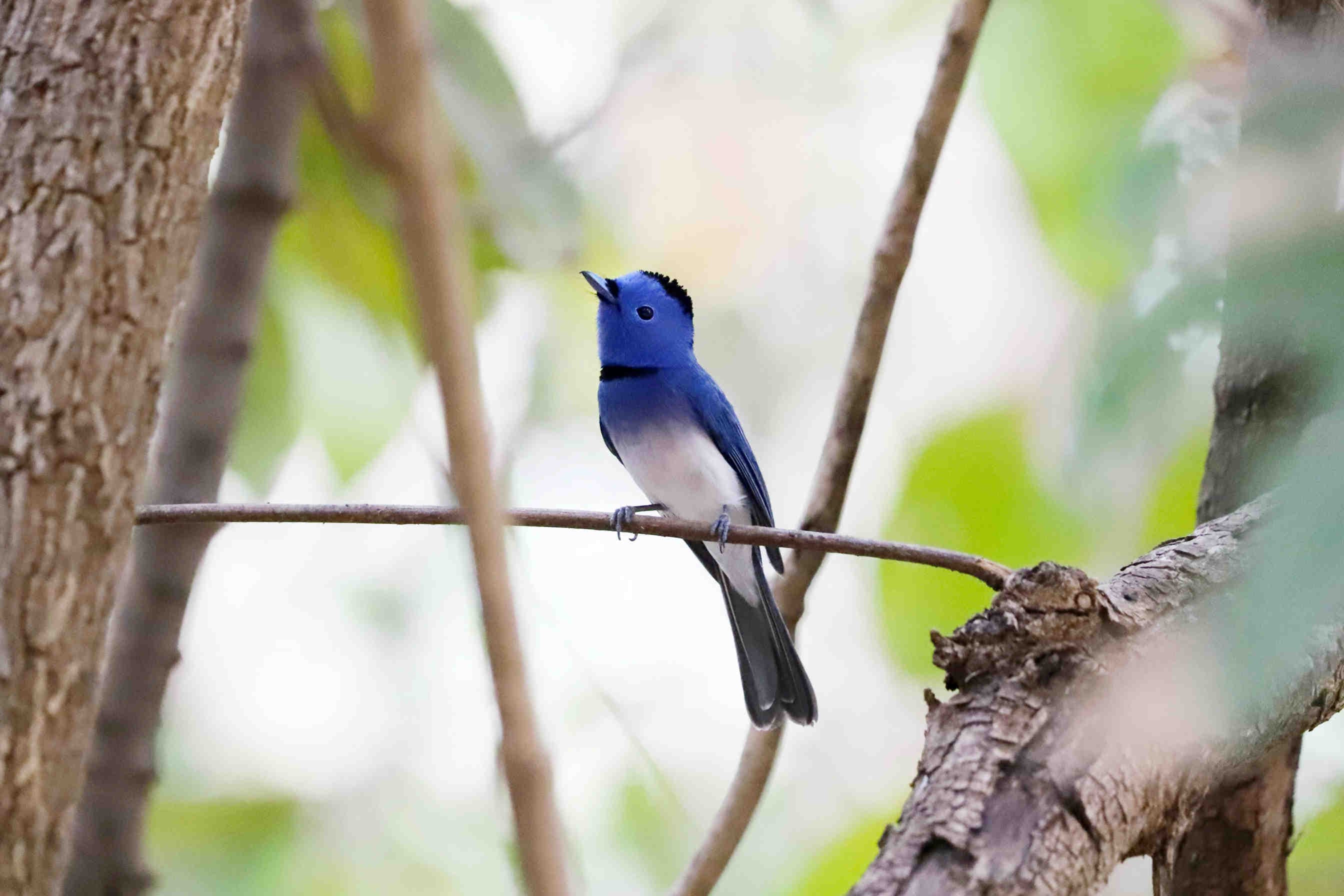
    volatile
    XNatura

    Materiality: evaluating drivers of biodiversity loss

    The materiality assessment also considers the company's contribution to the main drivers of biodiversity loss, as defined by the IPBES: climate change, land use change, direct resource exploitation, invasive alien species, and pollution. However, since the information provided in the sustainability statement, included in the management report, is subject to an assurance process, although initially limited, the materiality analysis must also meet clear and verifiable criteria. This is crucial to reduce the risk of a company excluding relevant topics, such as biodiversity, when they should actually be considered central.

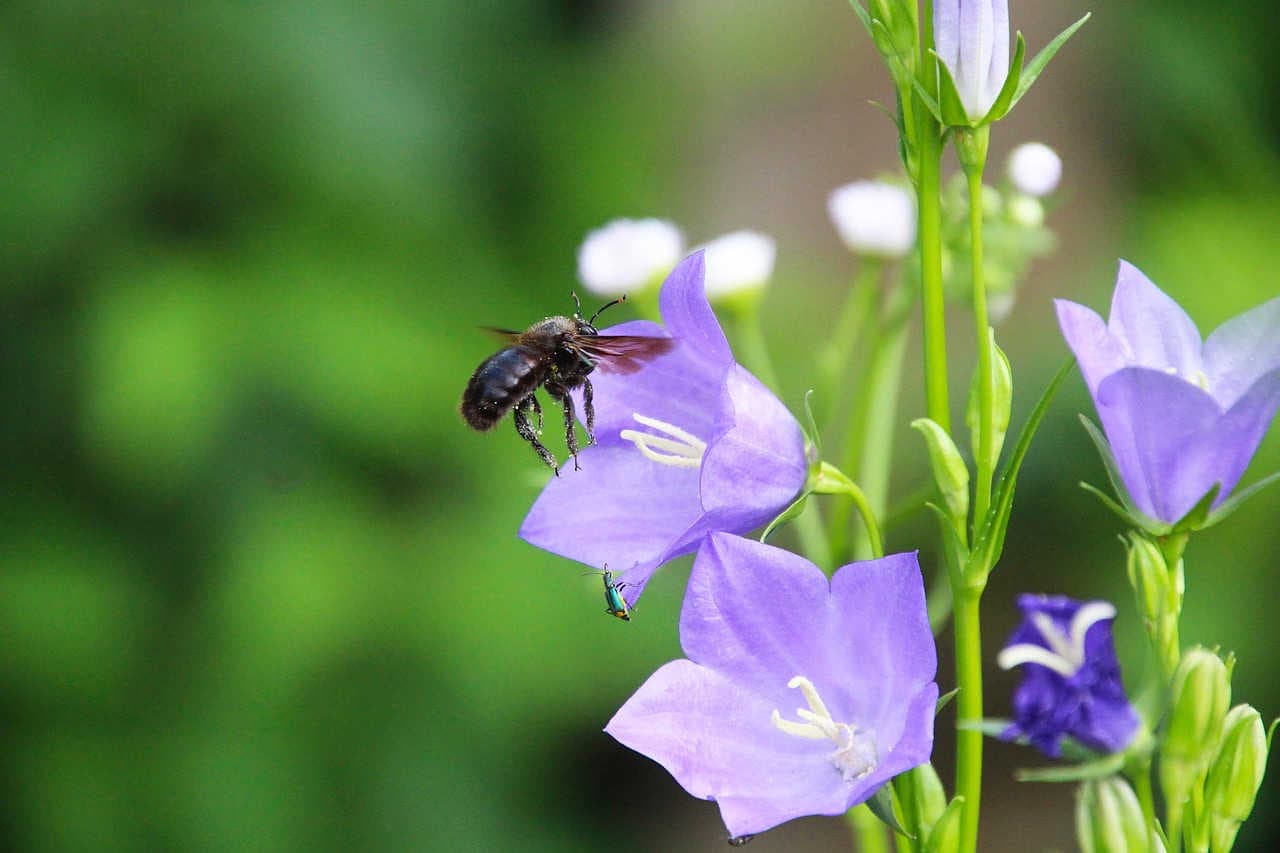
    impollinatore
    3Bee

    3Bee's expansion into international markets

    This article was created as part of the "Biodiversity services EU expansion" project (CUP: E43D22000480009) under the call of the Lombardy Region "PR FESR 2021-2027 – LINEA INTERNAZIONALIZZAZIONE 21-27", aimed at supporting the internationalization of Italian companies. 3Bee is the naturetech company that develops innovative technologies for monitoring, protecting, and regenerating biodiversity, supporting companies in defining personalized climate strategies based on the analysis of their impacts and dependencies on nature. With a consolidated portfolio in Italy, Germany, and France and significant partnerships, 3Bee continues its expansion into international markets to create a tangible impact through technology.

    04/03/2025Of 3Bee, Angelina Tortora
    122 Views
    Newsletter
    newsletter
    Subscribe to the Blog about bees and biodiversity

    Frequently Asked Questions

    Do you have any doubts or other curiosities about this article? Here you will find some insights