Common Carnation: Characteristics, Life Cycle, and Curiosities
    Common carnationLife cycleDistributionEcological role

    Common Carnation: Characteristics, Life Cycle, and Curiosities

    The common carnation (Dianthus caryophyllus) is a plant symbolizing beauty and tradition, known for its colorful flowers and intense fragrance. Discover in this article the main characteristics of this plant, its life cycle, and curiosities related to its meaning.

    Read the article
    27/03/2025Of 3Bee, Lisa Santillo
    1163 Views
    27/03/2025Of 3Bee, Lisa Santillo
    1163 Views

    Common carnation: main characteristics

    Disclaimer: this is an automated translation from Italian. Go to the original article.

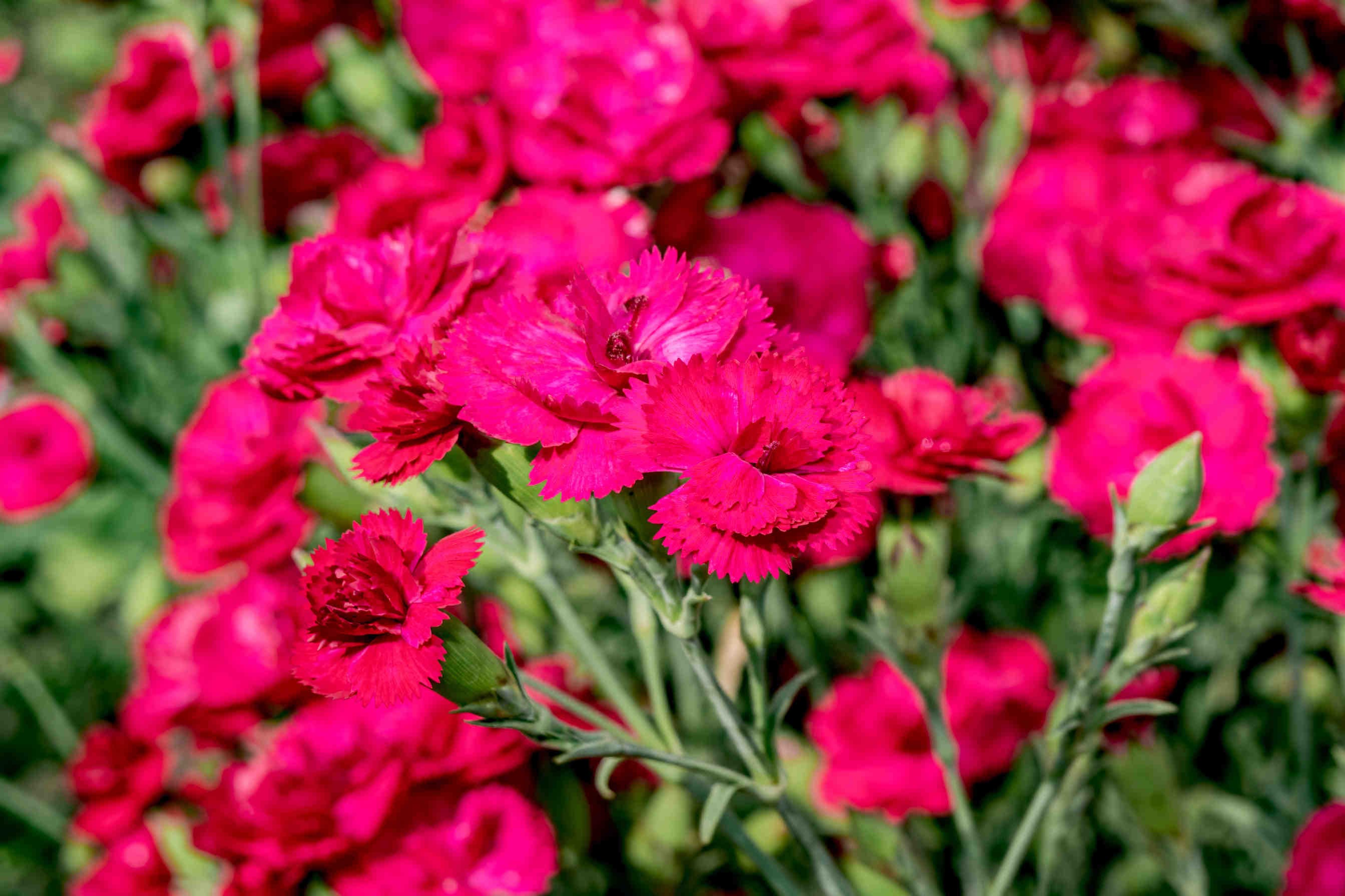
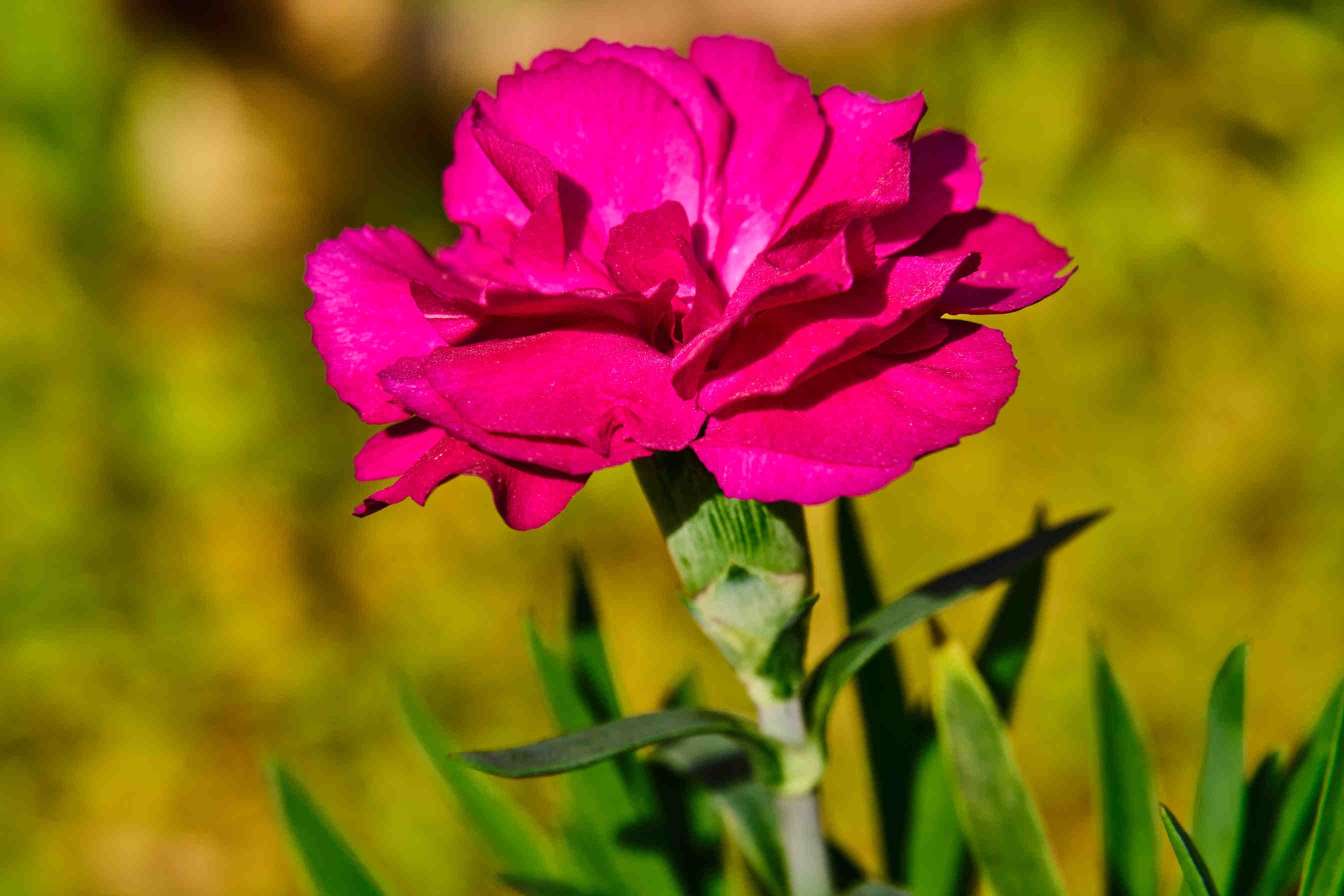
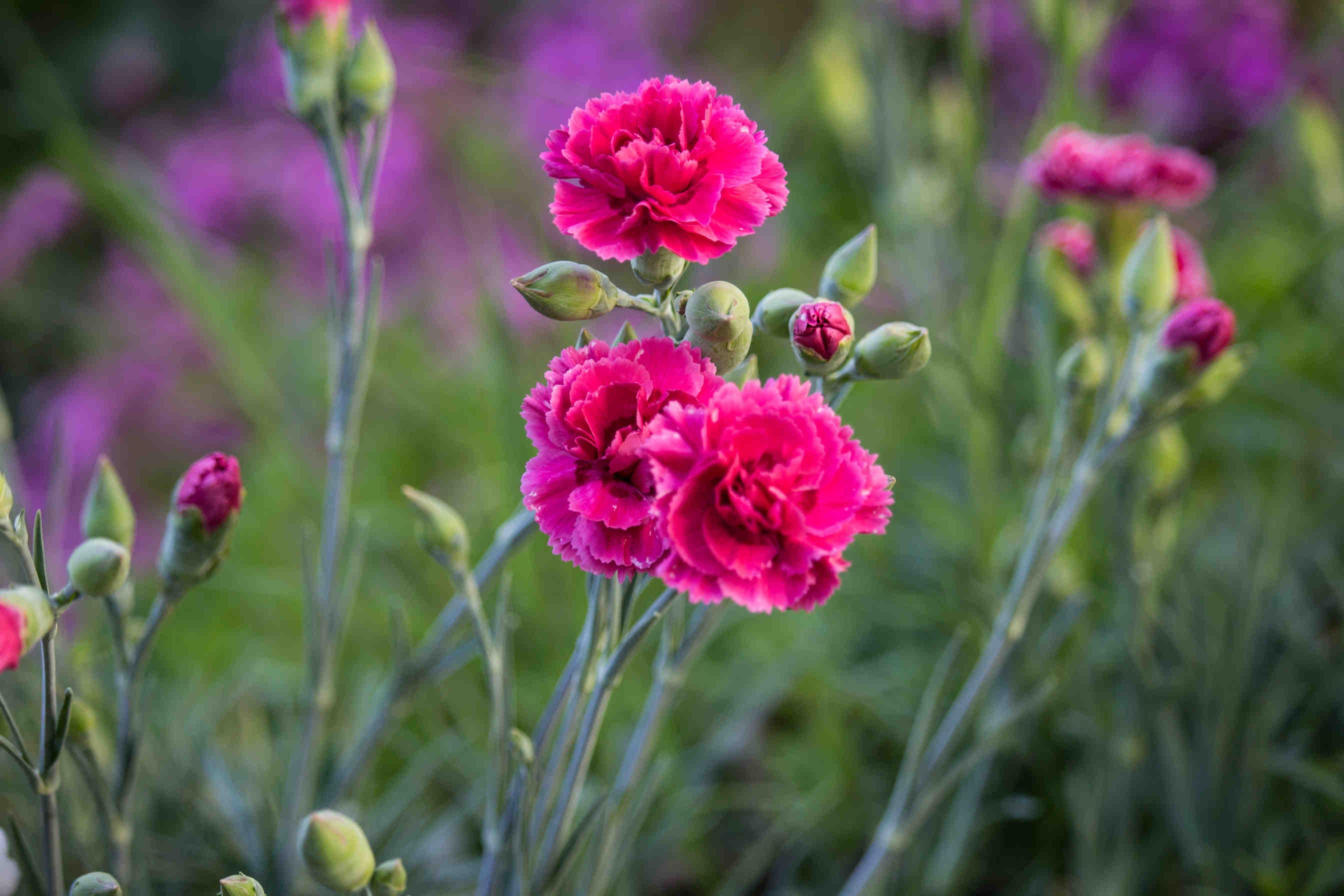
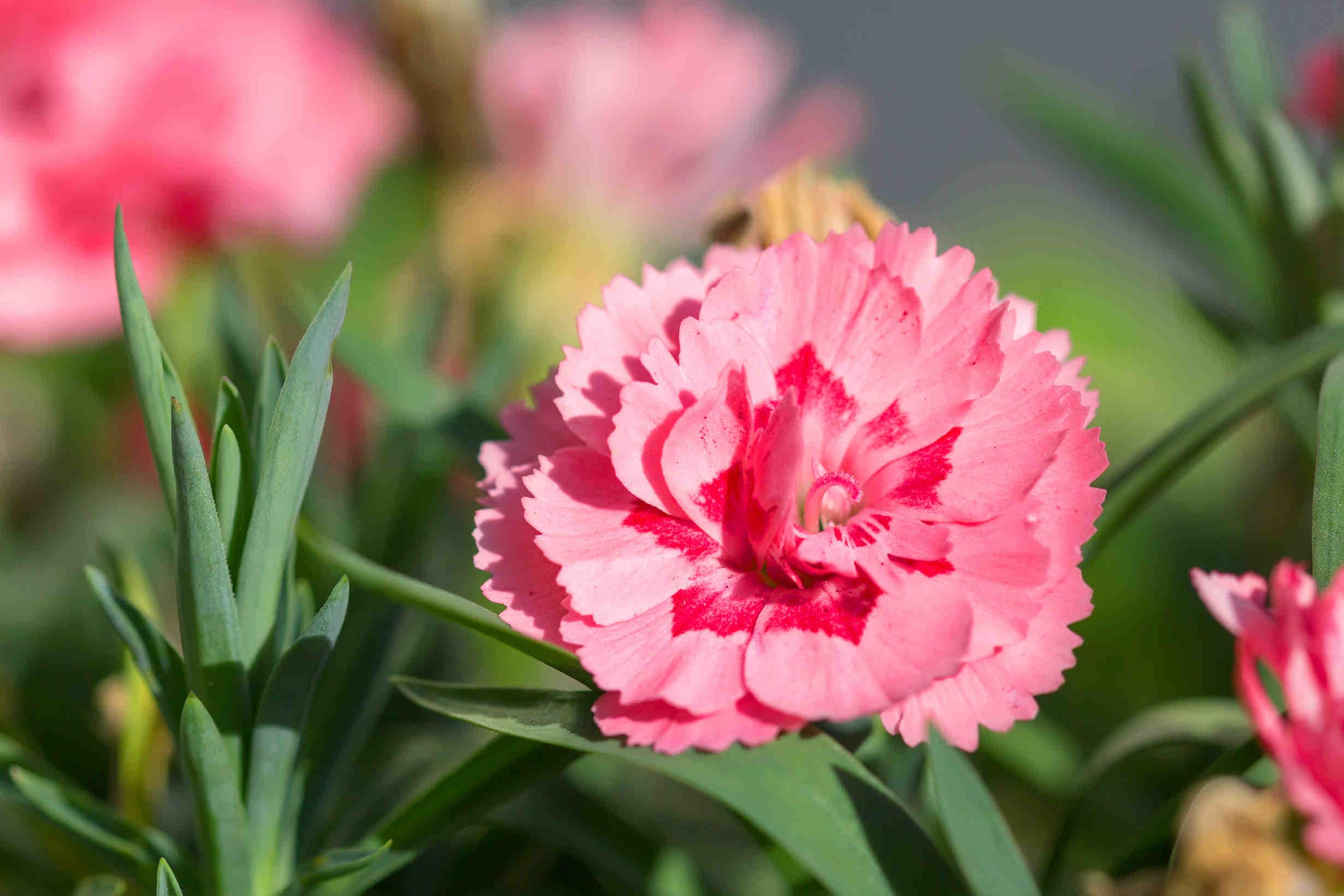
    The common carnation is an herbaceous plant belonging to the Caryophyllaceae family, with flowers that can be of various colors, from white to red, including pink and yellow. Its leaves are thin and lanceolate, while the stem, which can reach up to 80 cm in height, is erect and robust. The flowers of the common carnation are characterized by wavy petals and a very distinctive fragrance, which makes them appreciated also as ornamental plants. The common carnation grows well in well-drained and sunny soils, preferring a temperate climate. The flowering duration varies depending on climatic conditions but generally occurs in spring and summer, with abundant blooms that attract pollinating insects.
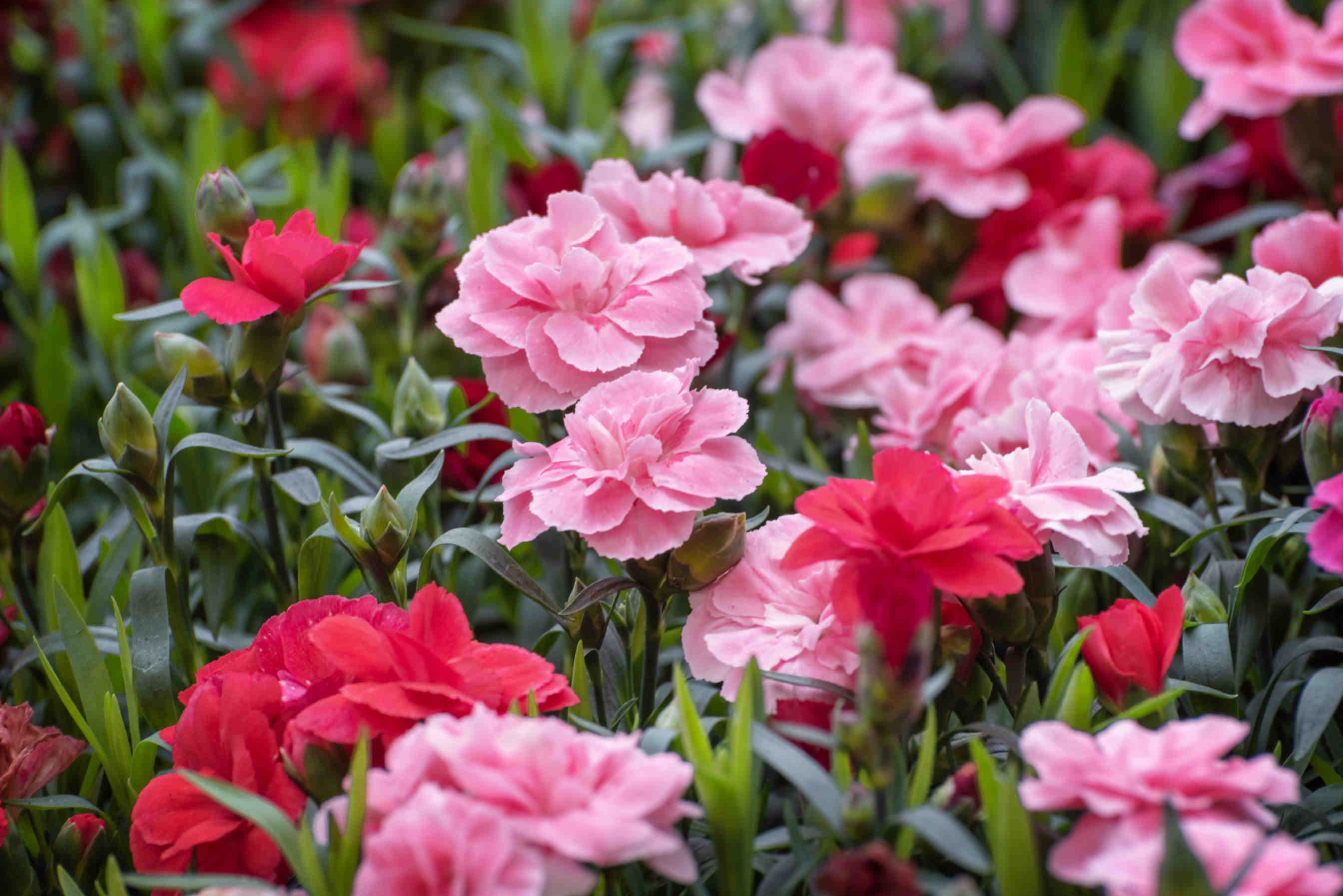
    garofano

    Life cycle of the common carnation

    The life cycle of the common carnation follows the typical stages of many herbaceous plants. It begins with the planting of the seeds, which germinate after about two weeks, in suitable temperature conditions (between 18 and 22°C). During the first months, the plant develops a robust root system and the first leaves, marking its vegetative phase. When spring arrives, the carnation enters the flowering phase, with the production of flowers that can last from weeks to months, depending on the variety and growing conditions. After flowering, the plant produces seeds, thus completing its reproductive cycle. In optimal conditions, the common carnation can live for several years.

    garofano fiore
    XNatura

    Geographical distribution of the common carnation

    The common carnation is a plant that grows spontaneously in many regions of Europe and Western Asia, preferring well-drained soils and sunny areas, such as prairies, hilly areas, and mountain slopes. The plant is often found in natural environments, such as rocks, cliffs, and uncultivated lands, where it finds the ideal conditions to thrive. Although its spread has also been facilitated by humans, the common carnation has managed to colonize numerous natural habitats spontaneously, adapting to various soil types, as long as they are rich in limestone. In Italy, for example, it can be found in some coastal and mountainous areas, while in other European regions it grows abundantly along roads and in woodland clearings.

    fiori garofano comune

    The ecological role of the common carnation

    The common carnation plays a fundamental role in the natural ecosystem. As a wild plant, it contributes to the biodiversity of many areas, serving as a resource for numerous pollinating insects, such as bees and butterflies. These insects, attracted by nectar-rich flowers, are essential for the pollination process, which helps the reproduction of other plants nearby, promoting the conservation of local flora. The common carnation is also known for its resistance to harsh climatic conditions. In fact, it grows spontaneously in arid or rocky environments where many other plants struggle to develop. Its ability to adapt to calcareous and well-drained soils allows it to survive in places where moisture is scarce and competition with other species is high. This makes it a plant of great ecological value in natural environments, where it supports plant and animal diversity, also promoting soil stability.

    garofano rosa
    XNatura

    Common carnation: name meaning, symbolism, curiosities

    The name "carnation" derives from the Greek "Dianthus," meaning "flower of God," a reference to the beauty and perfection of its flowers. In many cultures, the carnation is a symbol of love, passion, and affection, which is why it is often chosen for floral arrangements on special occasions, such as Valentine's Day. In the language of flowers, the carnation can also represent regret or incredulity, depending on the color of the flower. In some cases, the red carnation is linked to the representation of important historical events, such as the celebrations of the Carnation Revolution in Portugal in 1974. Another curious aspect concerns the history of the carnation in art, where it has been depicted in countless paintings and sculptures as a symbol of eternal beauty.

    app Biodiversa
    3Bee

    Biodiversa: the 3Bee game app to monitor biodiversity

    Biodiversa is the free game app for monitoring biodiversity and protecting ecosystems that allows you to "collect" and easily identify plants encountered during an outdoor walk. An ambitious citizen science project aimed at creating a cooperative archive dedicated to the flora of Europe by engaging player users with species cataloging challenges, some of which are rare or endangered. Available for iOS and Android, Biodiversa has dynamics similar to well-known free-to-play video games that encourage movement and traveling in the real world to "collect" characters. Additionally, starting April 1, 2025, the "Biodiversa Heroes" contest resumes: every new and different plant photographed and captured earns a point and rises in the leaderboard, to try to win fantastic prizes. The goal is to reward the most "biodiverse" nature explorers.

    27/03/2025Of 3Bee, Lisa Santillo
    1163 Views
    Newsletter
    newsletter
    Subscribe to the Blog about bees and biodiversity

    Frequently Asked Questions

    Do you have any doubts or other curiosities about this article? Here you will find some insights