What is nature?
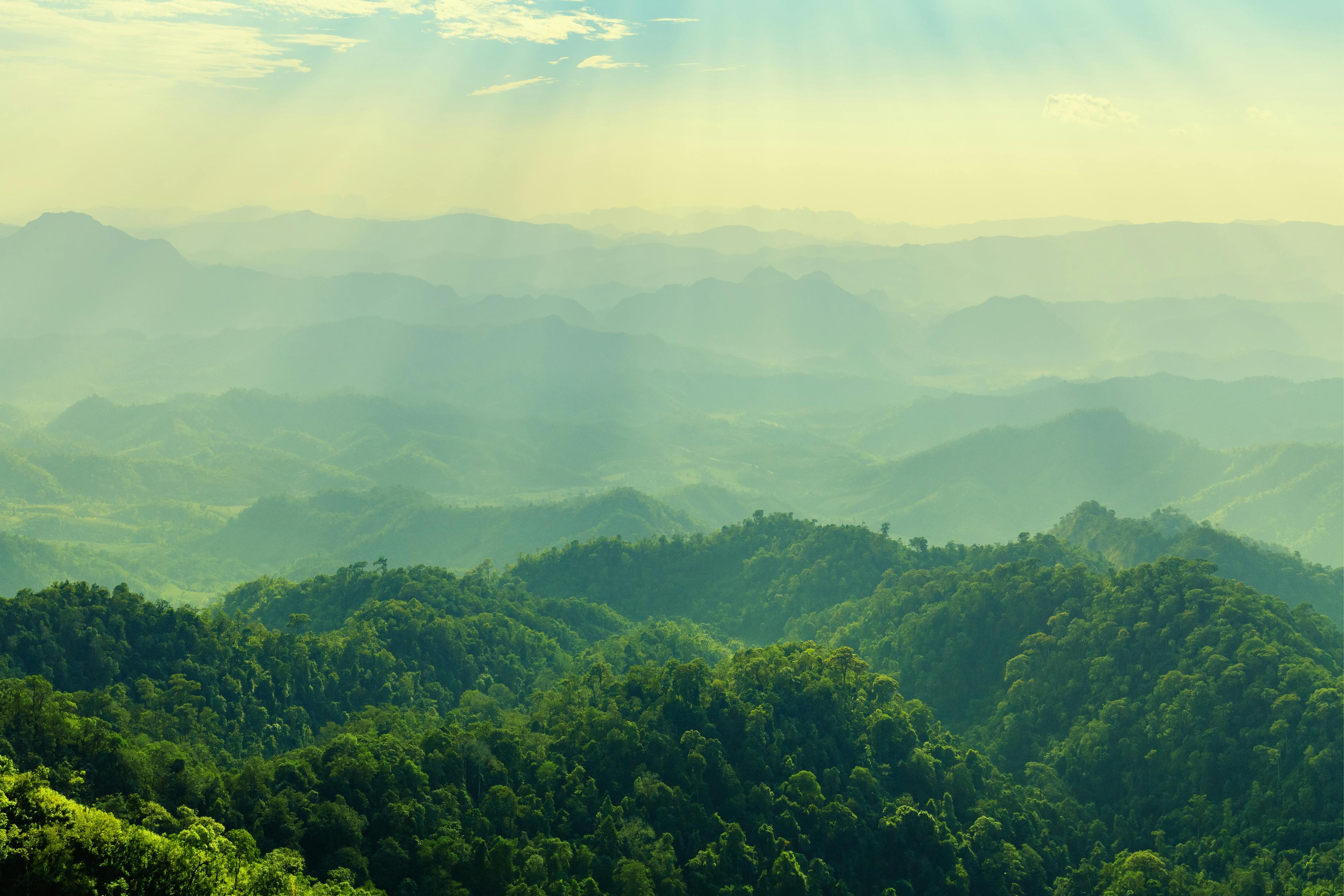
The term 'nature' has ancient origins: it derives from the Latin natura, meaning 'that which is about to be born', and is a translation of the Greek physis (φύσις), referring to the physical world and natural processes. Nature comprises the totality of living beings, both animal and plant, and inanimate elements that follow specific laws and processes. It is therefore not limited to flora and fauna, but also includes meteorological and geological phenomena and the dynamics that govern our planet. The concept of nature is closely related to that of the environment. Natural environments include ecosystems such as forests, deserts, oceans and mountains, i.e. places not artificially created by humans. However, in a world increasingly altered by human activities, few pristine spaces exist. We often also call natural landscapes where human intervention has been limited and where biodiversity manages to maintain a certain balance.