The Red Dwarf Bee arrives in Europe: an invasive species
    Red dwarf beeApis floreaWhat it isInvasive species

    The Red Dwarf Bee arrives in Europe: an invasive species

    The Red Dwarf Bee (Apis florea), an invasive species native to Asia, was recently discovered for the first time in Europe, in Malta. This discovery has scientists worried about the potential risks to biodiversity and the health of Europe's native bees. Read more in this article.

    Read the article
    03/09/2024Of 3Bee, Lisa Santillo
    781 Views
    03/09/2024Of 3Bee, Lisa Santillo
    781 Views

    First red dwarf bee colony discovered in Europe

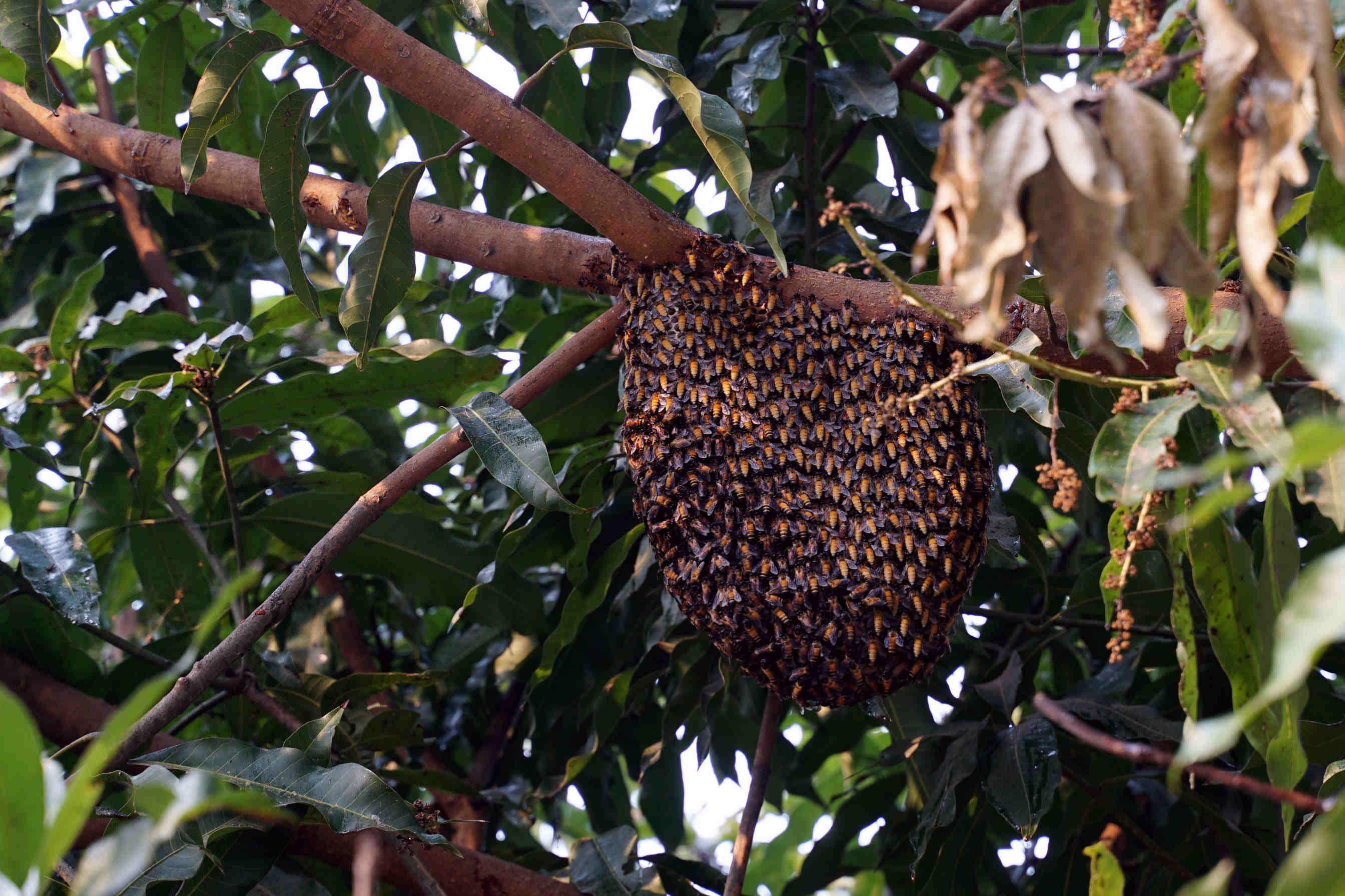
    Recently, a colony of Apis florea, a species of bee native to Asia, particularly Southeast Asia, was discovered in Malta. This is the first colony to be found on European soil and immediately alarmed experts, as the presence of this species could threaten native bees and destabilise local ecosystems and biodiversity not only on the island of Malta, but throughout the Mediterranean. Should this invasive species become established in the Mediterranean, the Asian Red Dwarf Bee could compete with local species for resources and introduce dangerous pathogens to which European bees are susceptible. In addition, global warming is making Mediterranean habitats increasingly suitable for species such as Apis florea, increasing the risk of its stable spread in the region.
    ape nana rossa

    Detection and containment of Apis florea

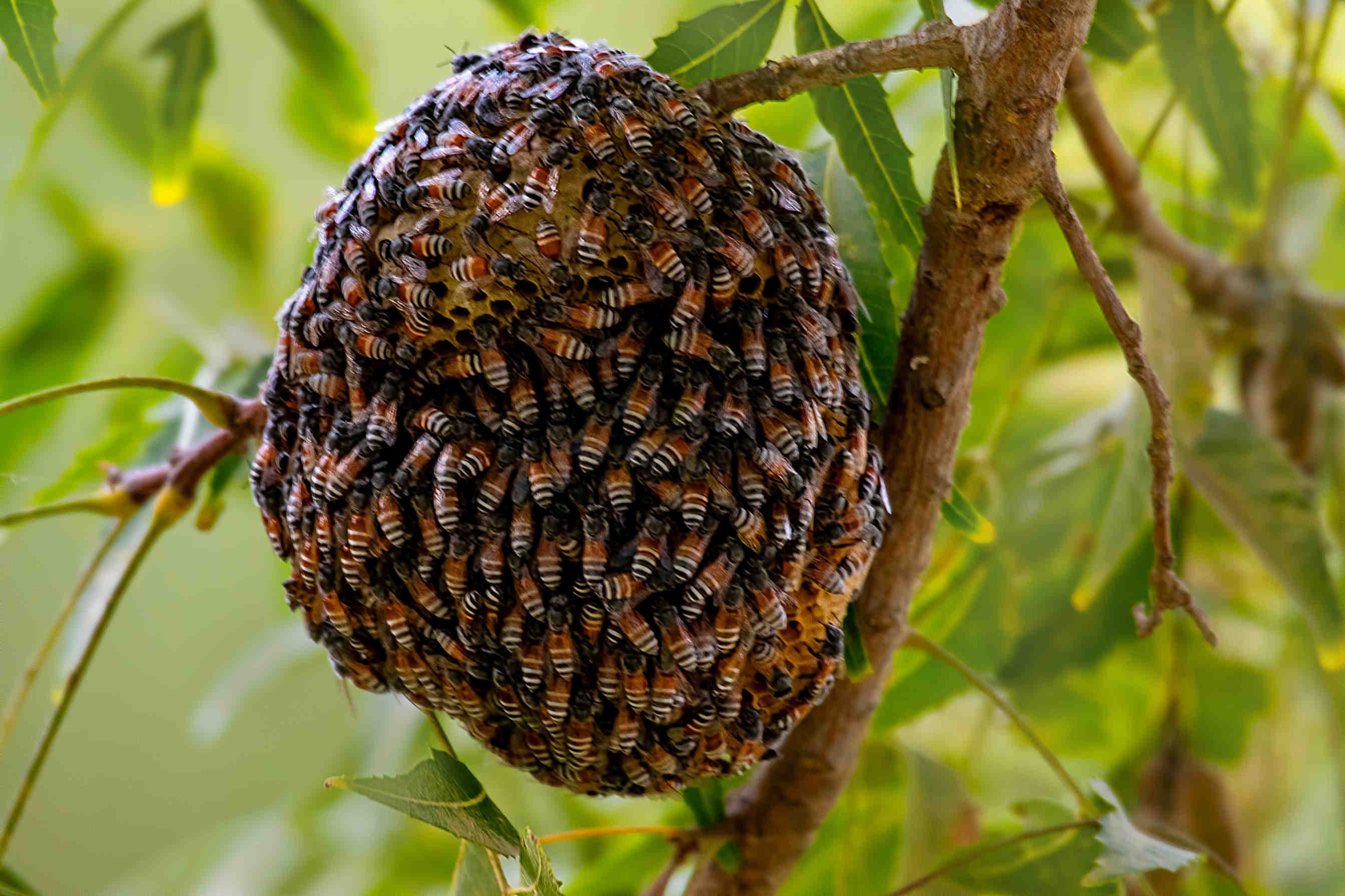
    As reported in the article published in the Journal of Apicultural Research, the colony of red dwarf bees was discovered in Malta, near the port of Birżebbuġa, and consisted of around 2,000 adults. To confirm that it was indeed Apis florea, a DNA testing was carried out and the colony was neutralised. However, there is a possibility that some red dwarf bees may have left the original colony to establish new ones. If this were to happen, and if the 'escaped' bees managed to survive thanks to the mild climate of the island of Malta, this species could become to all intents and purposes invasive, and even spread to other parts of the Mediterranean. Experts have therefore advised people to monitor the situation and promptly report any sightings of non-native honey bees immediately in order to contain the phenomenon.
    apis florea
    XNatura

    What is the Red Dwarf Bee (Apis florea)

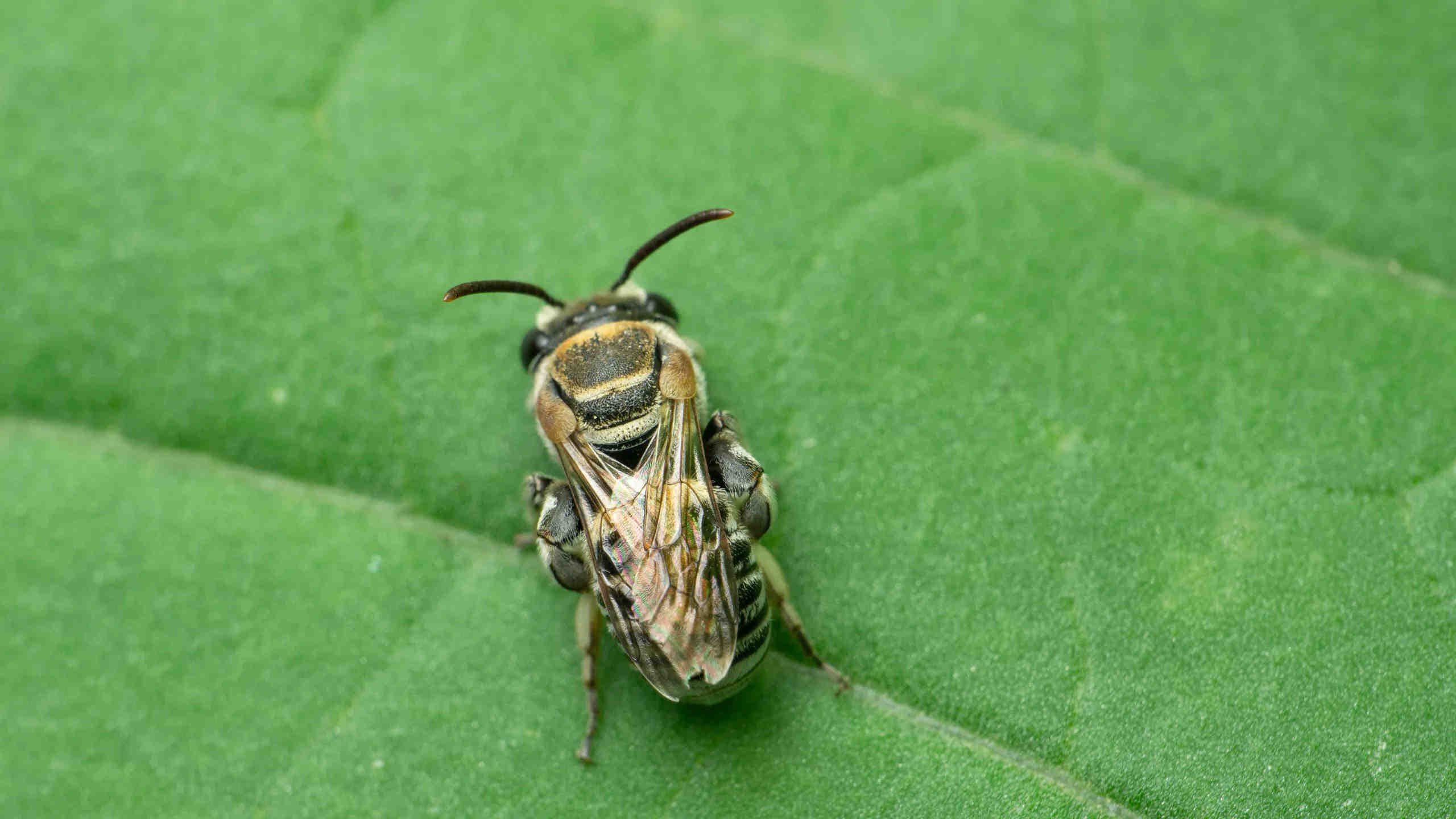
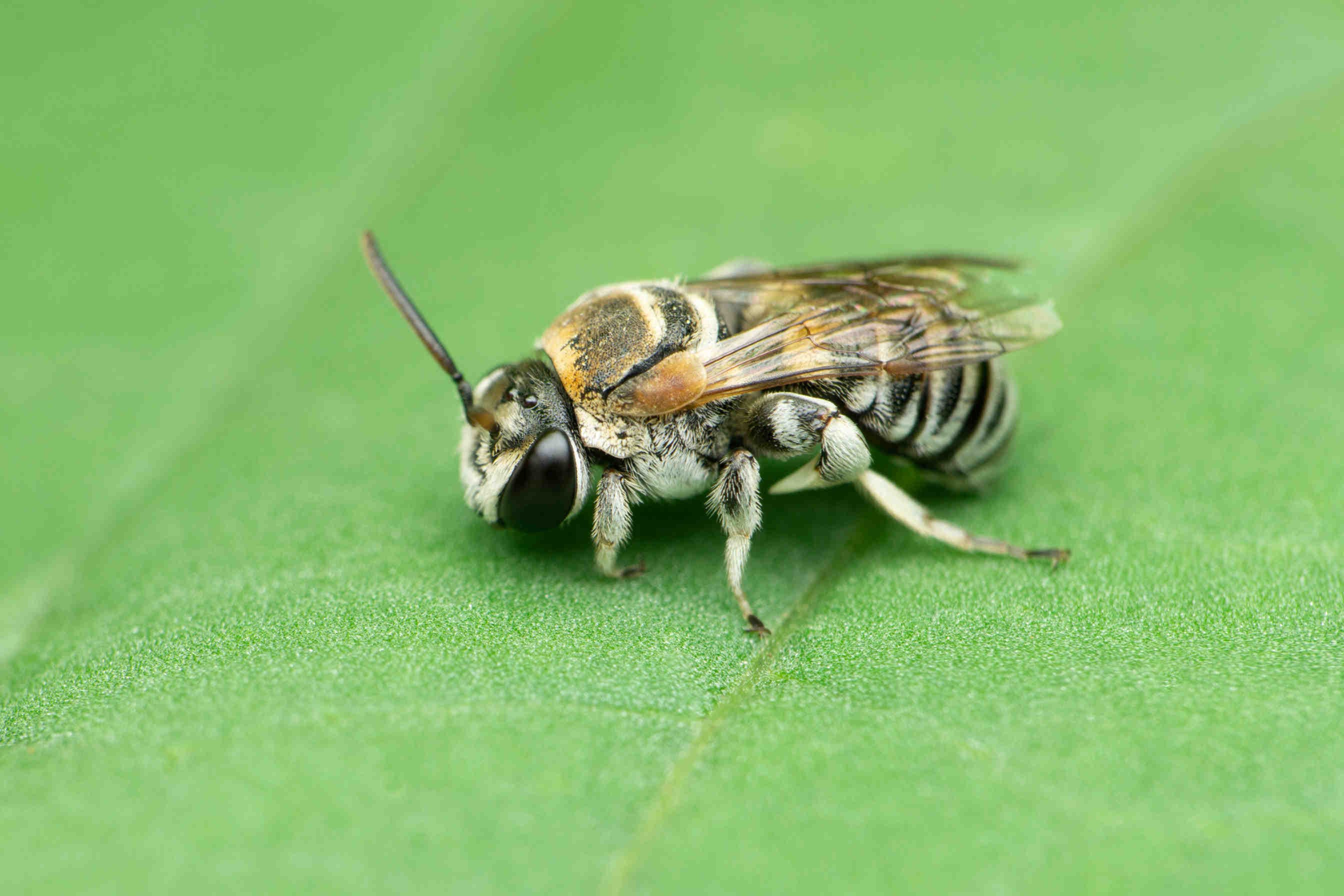
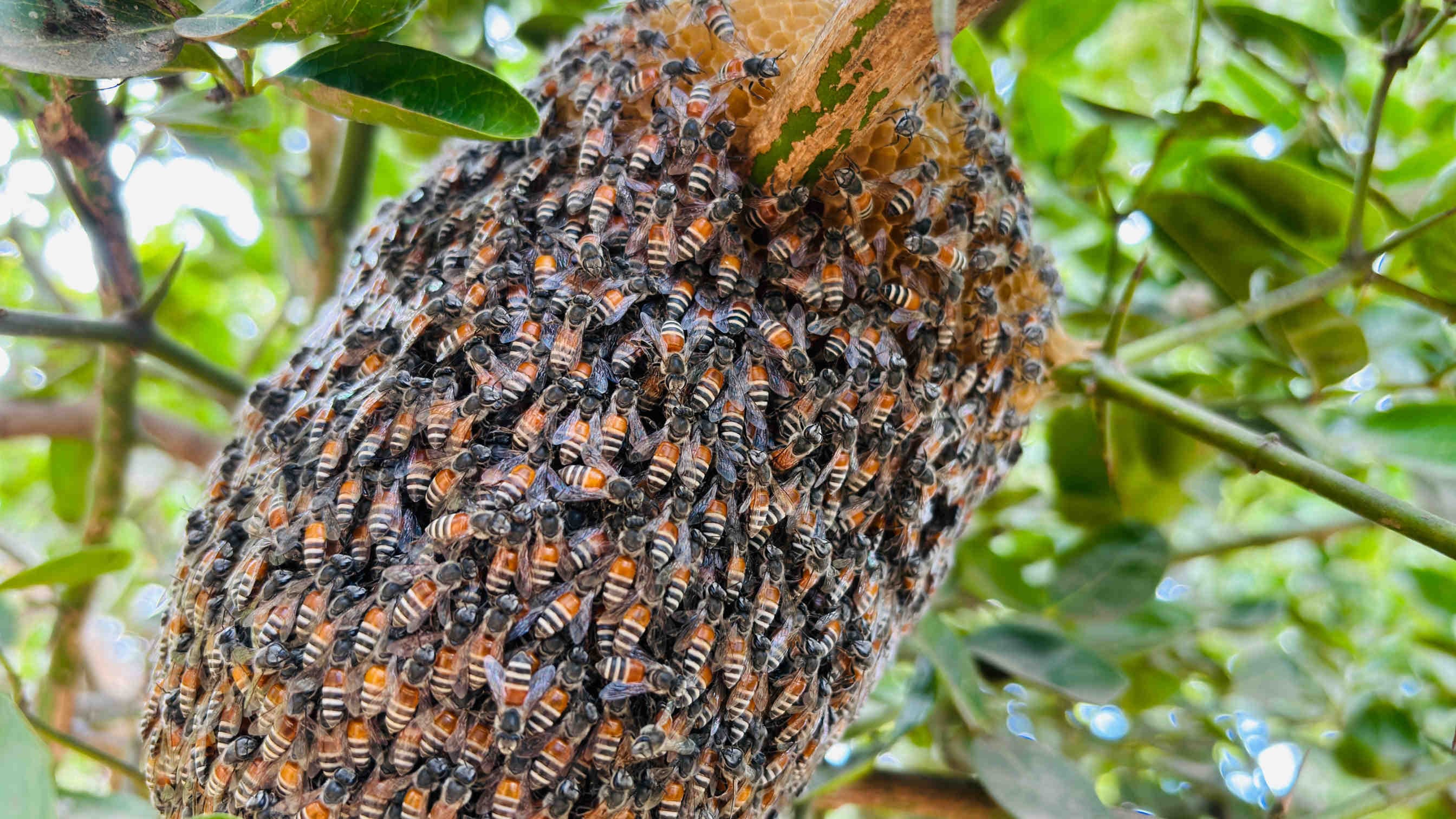
    The Red Dwarf Bee (Apis florea) is a small species of honeybee, native to Southeast Asia. Adults measure about 7-10 mm and are therefore much smaller than the western honey bee (Apis mellifera), and use different defensive strategies. The red dwarf bee builds its nests outdoors, often on the branches of evergreen trees, and produces limited amounts of honey compared to other honey bees. Although it has a stinger, its tame behaviour means it poses no danger to humans, and its effectiveness in pollination has made it a valuable ally to farmers in Southeast Asia, where it is also marketed for this purpose. Apis florea is highly adaptable to tropical and subtropical climates, and its ability to survive in more temperate environments is facilitated by global warming.

    nana rossa ape

    The impact of invasive species on European ecosystems

    The impact of invasive species such as Apis florea is a major threat to European ecosystems. In the absence of natural predators in new environments, these species can quickly establish and dominate, threatening native species and altering the ecological balance. The spread of such species leads to a reduction in biodiversity and the destabilisation of ecological networks. An emblematic example of this phenomenon is the Asian wasp (Vespa velutina), which has caused severe damage to bee populations in Europe. The management of invasive species requires timely intervention and continuous monitoring strategies to prevent irreversible damage to ecosystems, and protect biodiversity and essential ecosystem services.
    apis florea albero
    XNatura

    Red Dwarf Bee in the Gulf of Aqaba: a 15-year-old case

    A case of the spread of Apis florea outside its native habitats occurred about fifteen years ago in the Gulf of Aqaba, on the Red Sea. The Red Dwarf Bee was accidentally introduced, probably via a merchant ship, and rapidly colonised the cities of Aqaba in Jordan and Eilat in Israel. This invasion mainly inconvenienced to the tourists in the area, as in such an arid environment the worker bees were constantly in search of fresh water, mainly found in swimming pools and drinks (especially sugary ones) in the resorts in the area. The same containment procedure recently that was recently used at the port of Malta has therefore been activated but, to date, there is no certainty that it has been eradicated and the reporting channels are still active. Even in Genoa in 2022 there was a report on this, which was handled as effectively as in Malta.

    3Bee
    03/09/2024Of 3Bee, Lisa Santillo
    781 Views
    Newsletter
    newsletter
    Subscribe to the Blog about bees and biodiversity

    Frequently Asked Questions

    Do you have any doubts or other curiosities about this article? Here you will find some insights