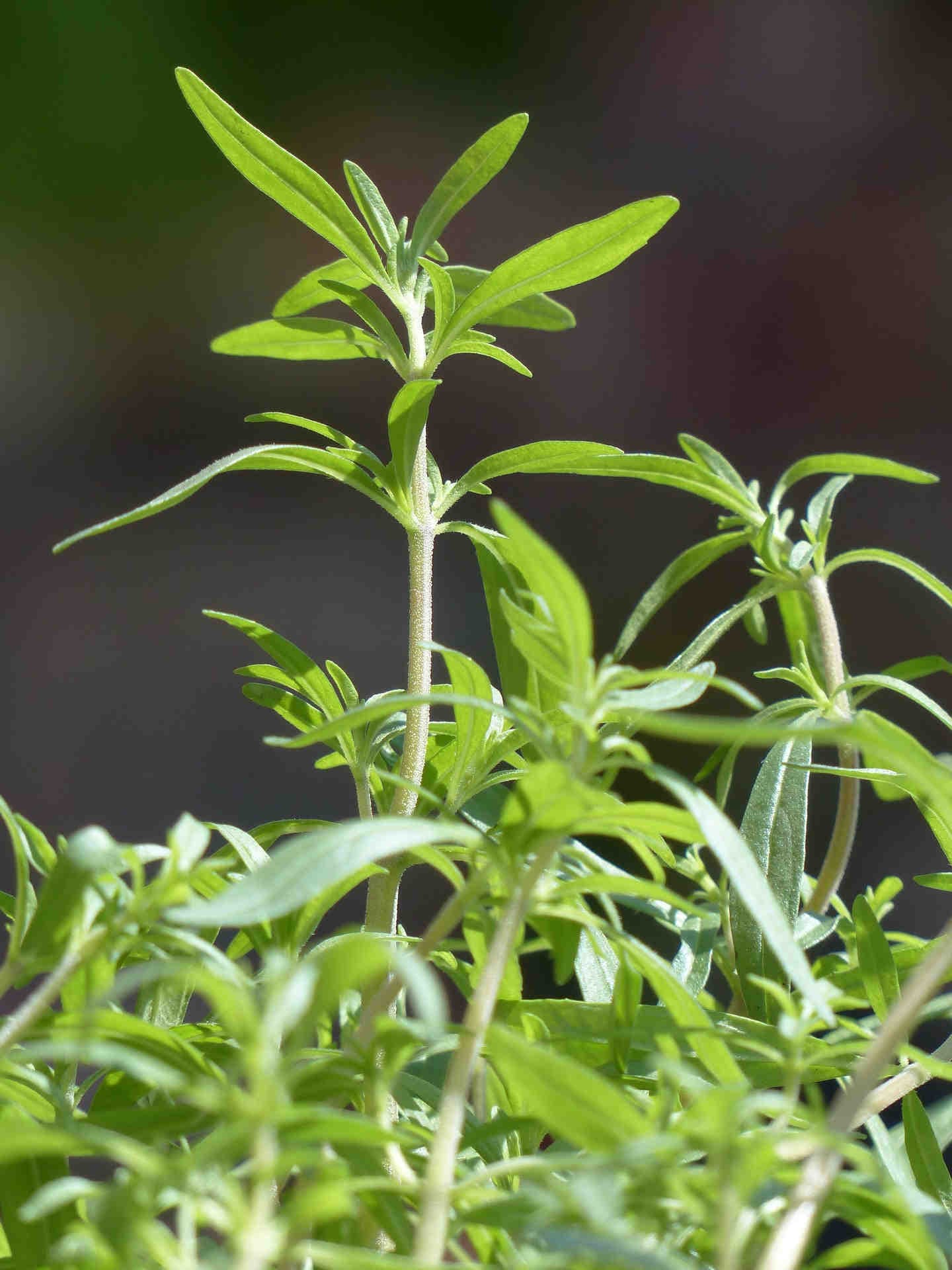
Summer savory honey: properties of a rare honey
    3Bee approachPlantMieleFeature

    Summer savory honey: properties of a rare honey

    At 3Bee, honey is a symbol of the hard work of pollination done by bees and the realisation of their contribution to the ecosystem. Our projects support biodiversity and through our growers ensure a healthy environment for pollinators.

    Read the article
    11/07/2022Of 3Bee, Elena Fraccaro
    1278 Views
    11/07/2022Of 3Bee, Elena Fraccaro
    1278 Views

    3Bee's approach to biodiversity protection
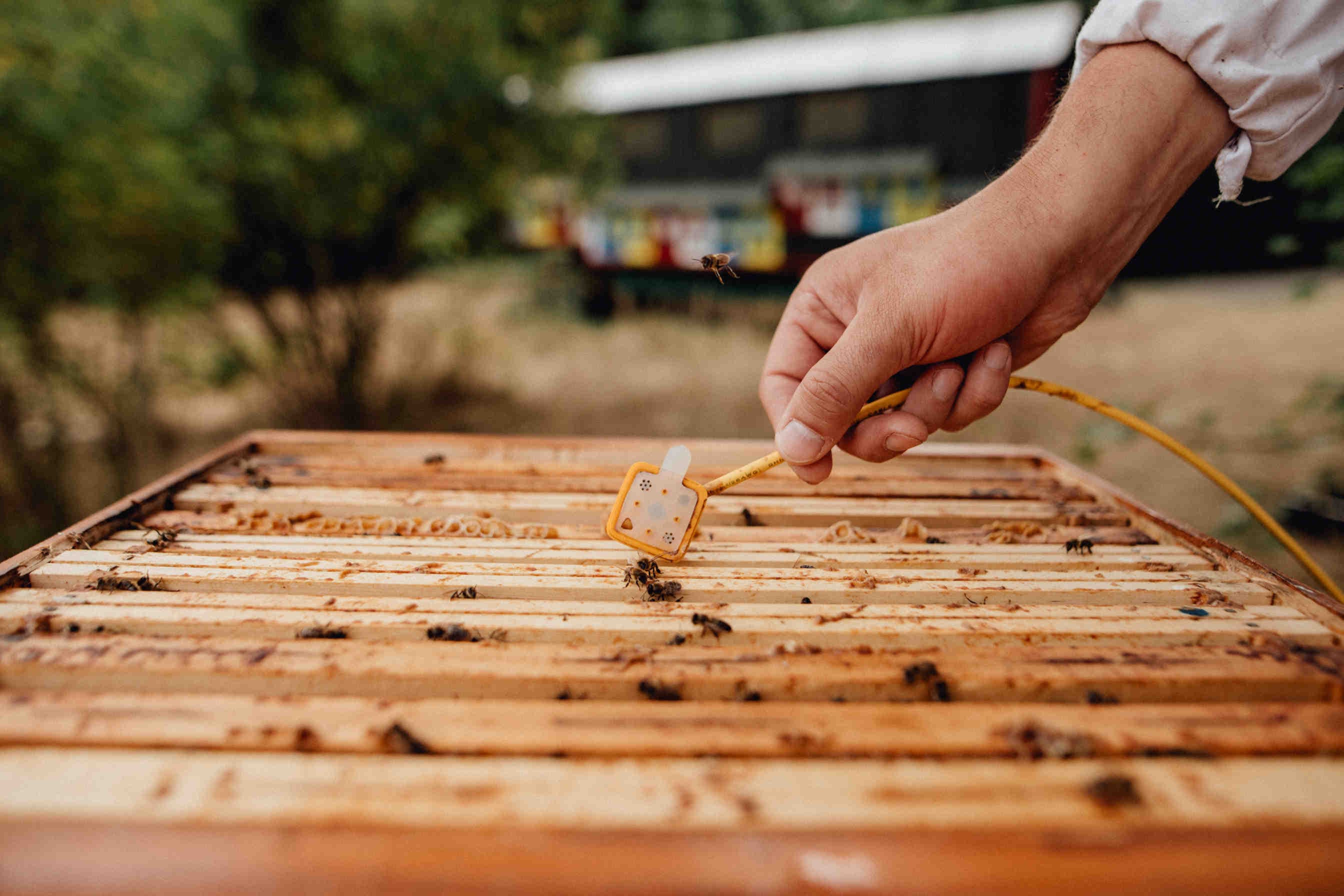
    3Bee is the Nature Tech company that develops technologies for the protection of biodiversity. 3Bee Hive-Tech is 3Bee's first system for analysing the health and 'starvation' status of honeybees, environmental pests par excellence. Over time, we have developed other technologies to study and monitor all the pollinating insects and created more than 200 Oases of Biodiversity with thousands of nectariferous plants to provide them with nourishment. In this way, we want to create a virtuous circle: our beekeepers are transformed by necessity into Oasis growers and promoters of environmental biodiversity. We do not encourage massive production and intensive breeding, which have a negative impact on biodiversity and pollinators. We do, however, recognise the value of honey as a valuable symbol of the biodiversity of an environment and a tool for disseminating the commitment and protection of an area, to be consumed sparingly and with respect for the life cycle of these insects.

    3Bee Hive-Tech

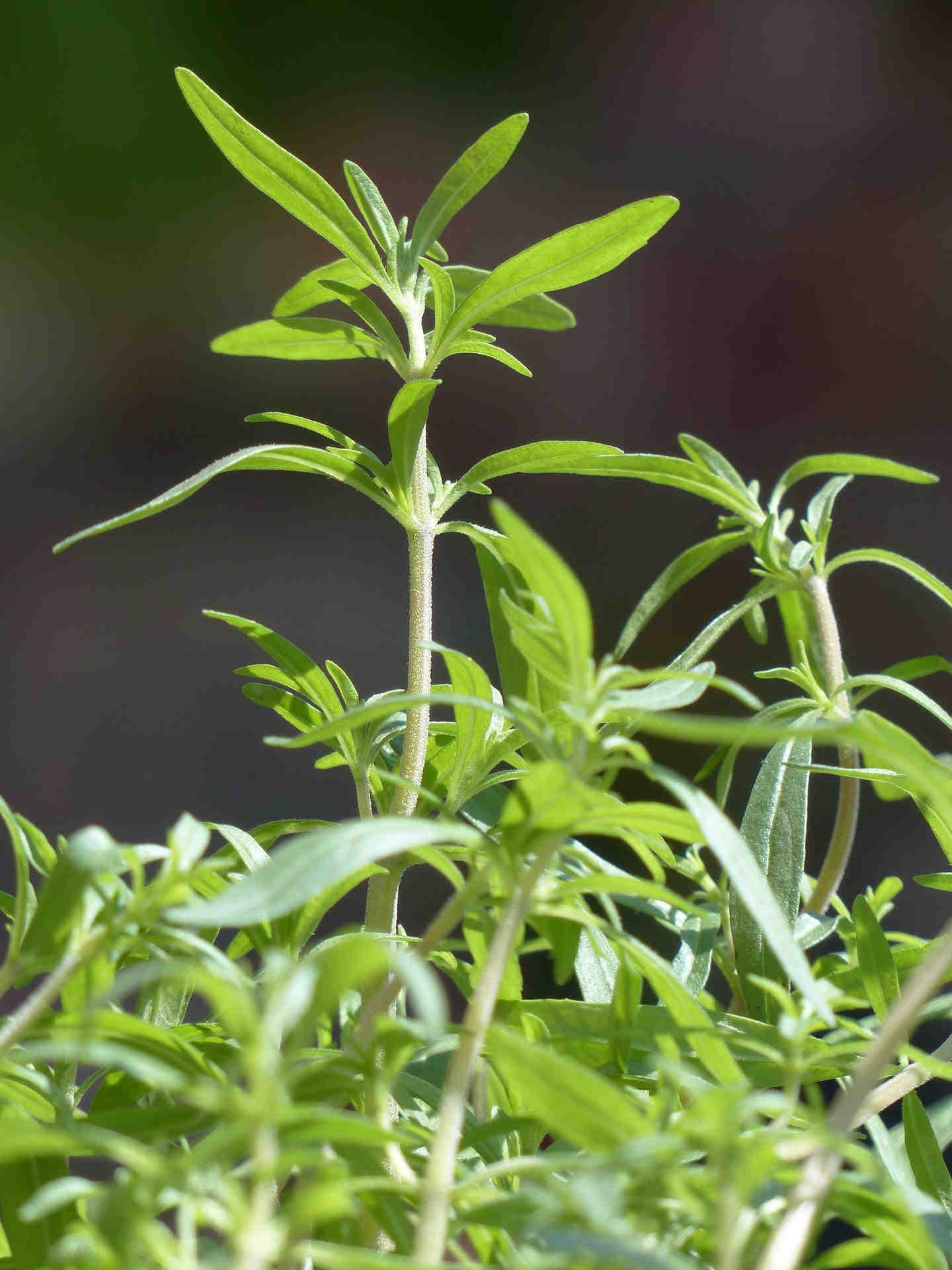
    Santoreggia honey: what is it and where does it come from?

    The Santoreggia is an annual plant and belongs to the Labiatae family. To the eye it presents itself with branched stems, while the leaves have a light, deep green down. The very beautiful flowers are white and pink in colour and small in size. The characteristic feature of this plant is the intense fragrance of the leaves, which is very reminiscent of Thyme. In fact, Santoreggia is very similar to Thyme, from which bees produce a special and very rare honey. Widespread in mountain meadows, this plant flowers between July and September.

    Santoreggia honey: what is it and where does it come from?
    XNatura

    Summer savory honey: taste and properties

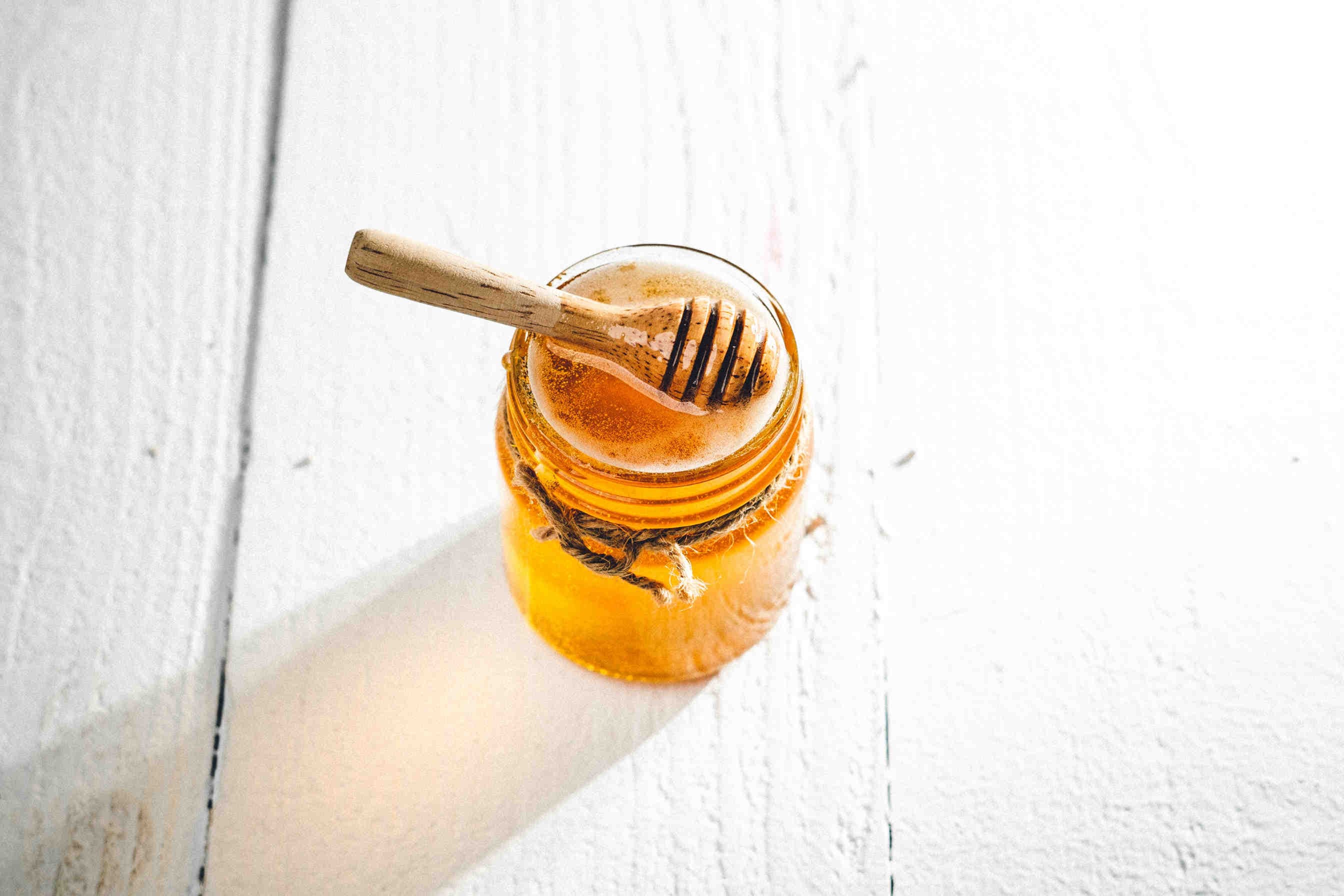
    The Santoreggia honey has a light amber colour with green reflections. Smell and taste are very strong and persistent. taste it and may often remind one of the smell of wet earth or notes of coffee. A rare honey very special and rich in properties. These include antiseptic, anti-inflammatory and antioxidant properties. A perfect ally against coughs and flu-like conditions.

    Why is Santoreggia honey rare?

    Like the honey of Stregonia, Santoreggia honey is also among the honeys of excellence in Abruzzo. Its production is limited and conditioned by the rains of July; if there is no rain and there are periods of drought, the production of this honey is jeopardised, which is why it is considered a niche and rare honey. Excellence and rare honeys are not lacking on Adopt a beehive. More well-known honeys can be found, such as the acacia honey, or the Sulla honey and many others.

    Why is Santoreggia honey rare?
    XNatura

    Support a local beekeeper and his bees

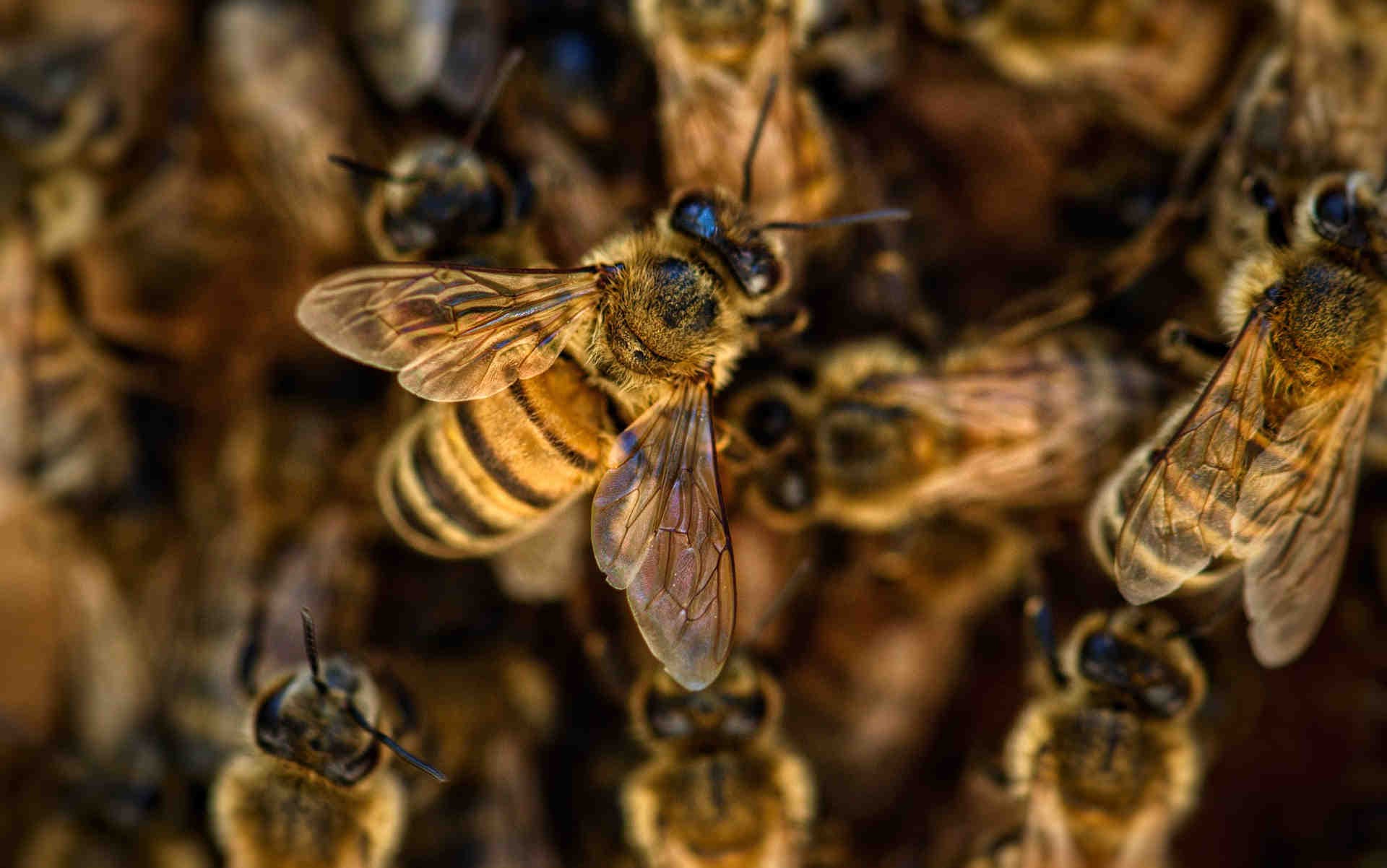
    Adopting a beehive is a far-reaching action. With a single adoption, millions of bees are protected. How? With the use of technology! This is made available to beekeepers who install remote monitoring systems on their hives, to keep track of the family's weight, temperature, external and internal humidity at all times. In this way, they take care of the bees' wellbeing, intervening promptly if necessary, so as to avoid damage and bee deaths. Discover the local 3Bee beekeepers and protect the bees.
    Support a local beekeeper and his bees
    3Bee

    The importance of honey

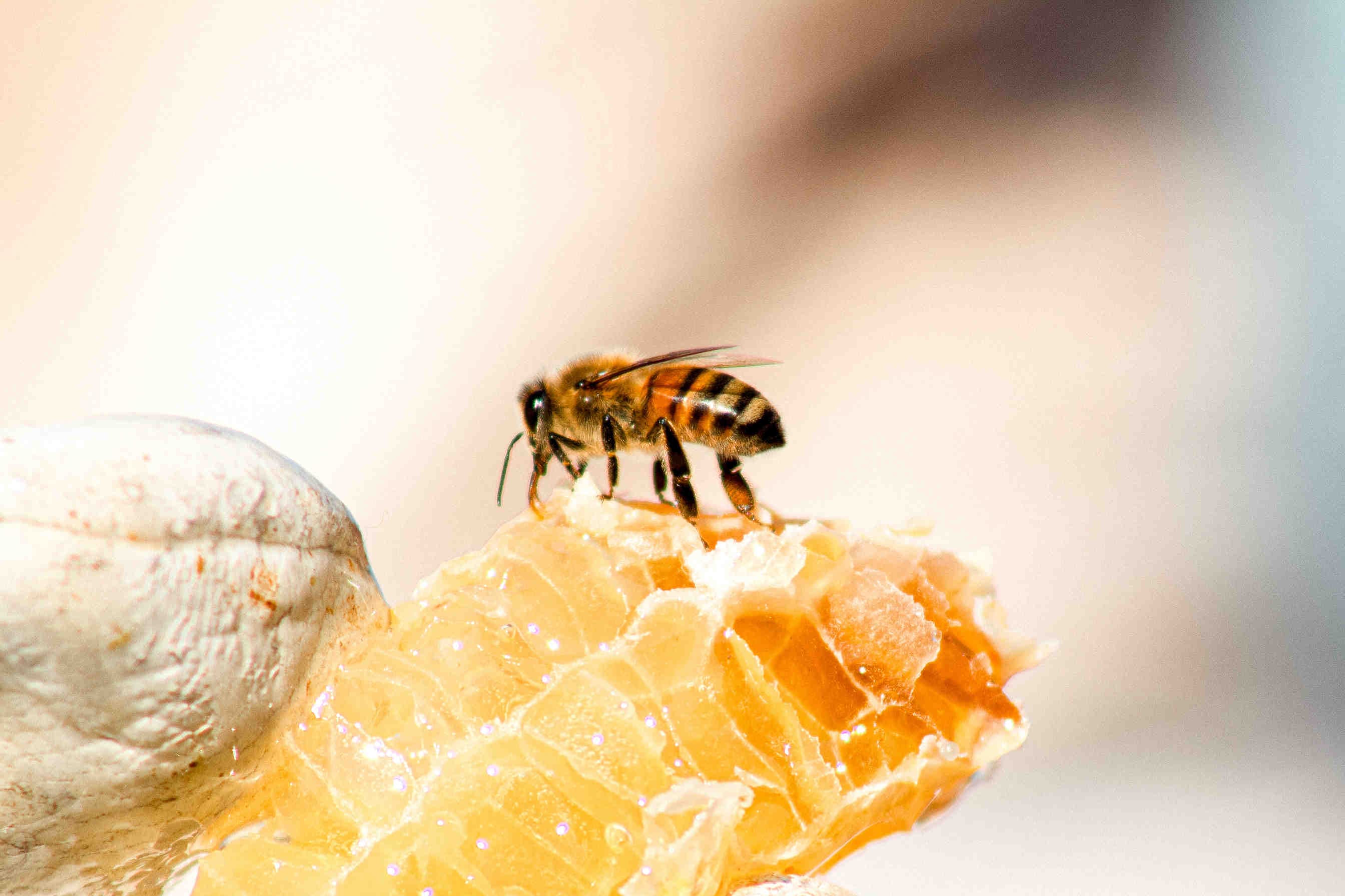
    The information contained in this blog concerns the importance of honey as the fruit of the tireless work of bees that transforms the collected nectar (including extra-floral nectar and honeydew) into a precious food product that encompasses the biodiversity with all the countless facets present in the hive's surroundings. On an environmental level, honey is the symbol of the pollination activity of the bee, which flies from flower to flower to collect the nectar and, in so doing, transports the pollen, becoming the vector for the pollination and reproduction of tens of thousands of plant species. Honey is still a little-known product, often devalued in its quality or sold as a panacea for all ills. Like all foods, however, it must be consumed with moderation and care as it contains a high content of simple sugars. But it is not in its basic values that its most important quality lies.
    The importance of honey

    The importance for the environment

    We want to promote and spread a deeper knowledge about the crucial role of bees for the preservation of our ecosystem and for the continuation of scientific research directed towards the identification of more sustainable agricultural practices aiming at the regeneration of entire areas. The choice of honey goes far beyond what is written on the label. The true value of honey is linked to its method of production, whether it is respectful of bees and the ecosystems in which they live. Favouring non-intensive beekeeping practices and promoting the best actions to support the health of the hive are the cornerstones of our activity. The beekeeper for us is not a breeder, but a true 'Grower': he cultivates, cares for and nurtures true oases of biodiversity, paying attention not only to bees, but also to ecosystems and their balance.
    The importance for the environment
    11/07/2022Of 3Bee, Elena Fraccaro
    1278 Views
    Newsletter
    newsletter
    Subscribe to the Blog about bees and biodiversity