Sulla Honey: Properties, Benefits, Tasting
    3Bee approachGrass OnPropertiesBenefici

    Sulla Honey: Properties, Benefits, Tasting

    At 3Bee, honey is a symbol of the hard work of pollination performed by bees and the realisation of their contribution to the ecosystem. Our projects support biodiversity and through our growers ensure a healthy environment for pollinators.

    Read the article
    05/04/2019Of 3Bee, Elena Fraccaro
    11257 Views
    05/04/2019Of 3Bee, Elena Fraccaro
    11257 Views

    3Bee's approach to biodiversity protection
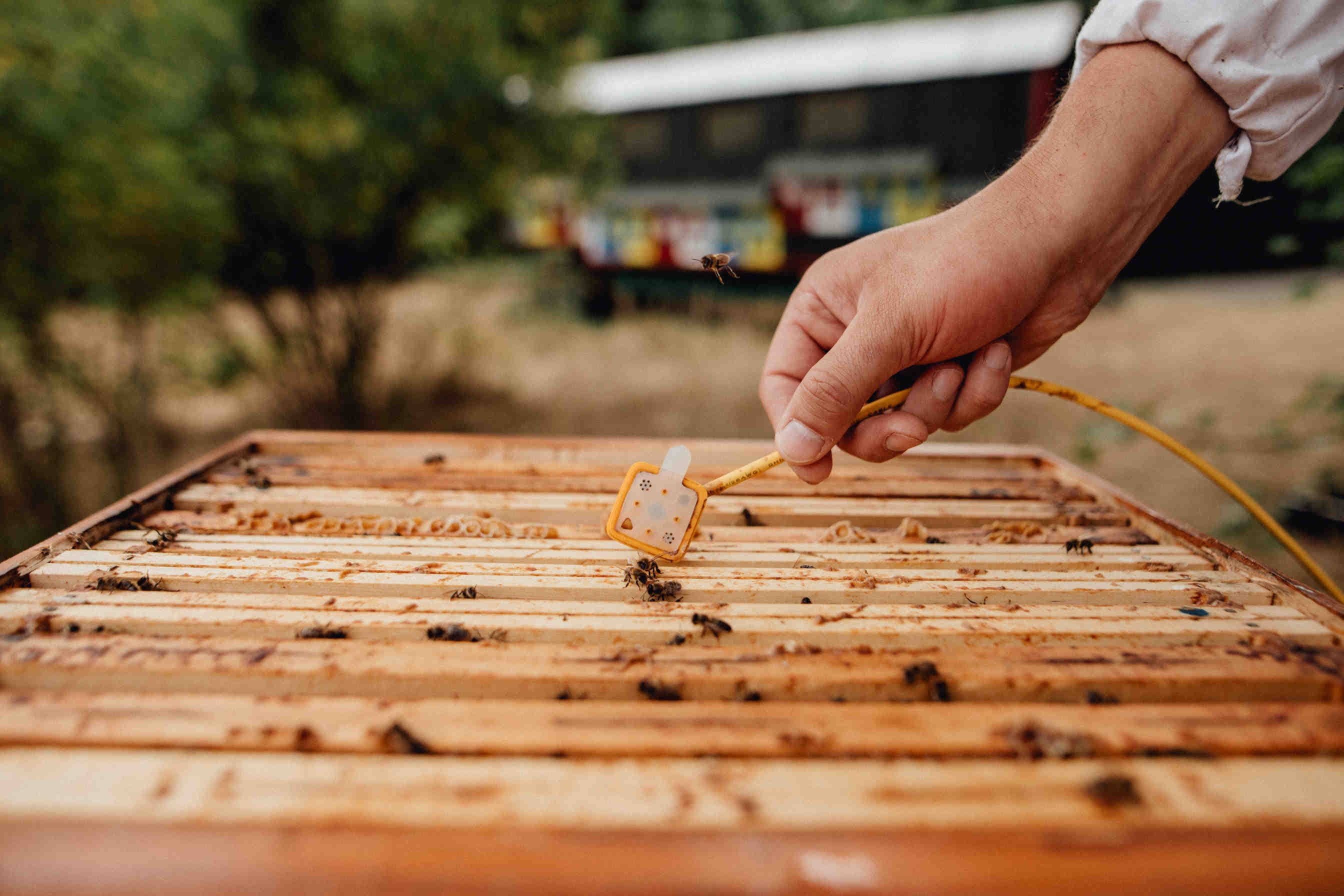
    3Bee is the Nature Tech company that develops technologies for the protection of biodiversity. 3Bee Hive-Tech is 3Bee's first system for analysing the health and 'starvation' status of honeybees, environmental pests par excellence. Over time, we have developed other technologies to study and monitor all the pollinating insects and created more than 200 Oases of Biodiversity with thousands of nectariferous plants to provide them with nourishment. Thus, we want to create a virtuous circle: our beekeepers are transformed by necessity into Oasis growers and promoters of environmental biodiversity. We do not encourage massive production and intensive breeding, which have a negative impact on biodiversity and pollinators. We do, however, recognise the value of honey as a valuable symbol of the biodiversity of an environment and a tool for disseminating the commitment and protection of an area, to be consumed sparingly and with respect for the life cycle of these insects.

    3Bee Hive-Tech

    Sulla honey: what is it and where does it come from?

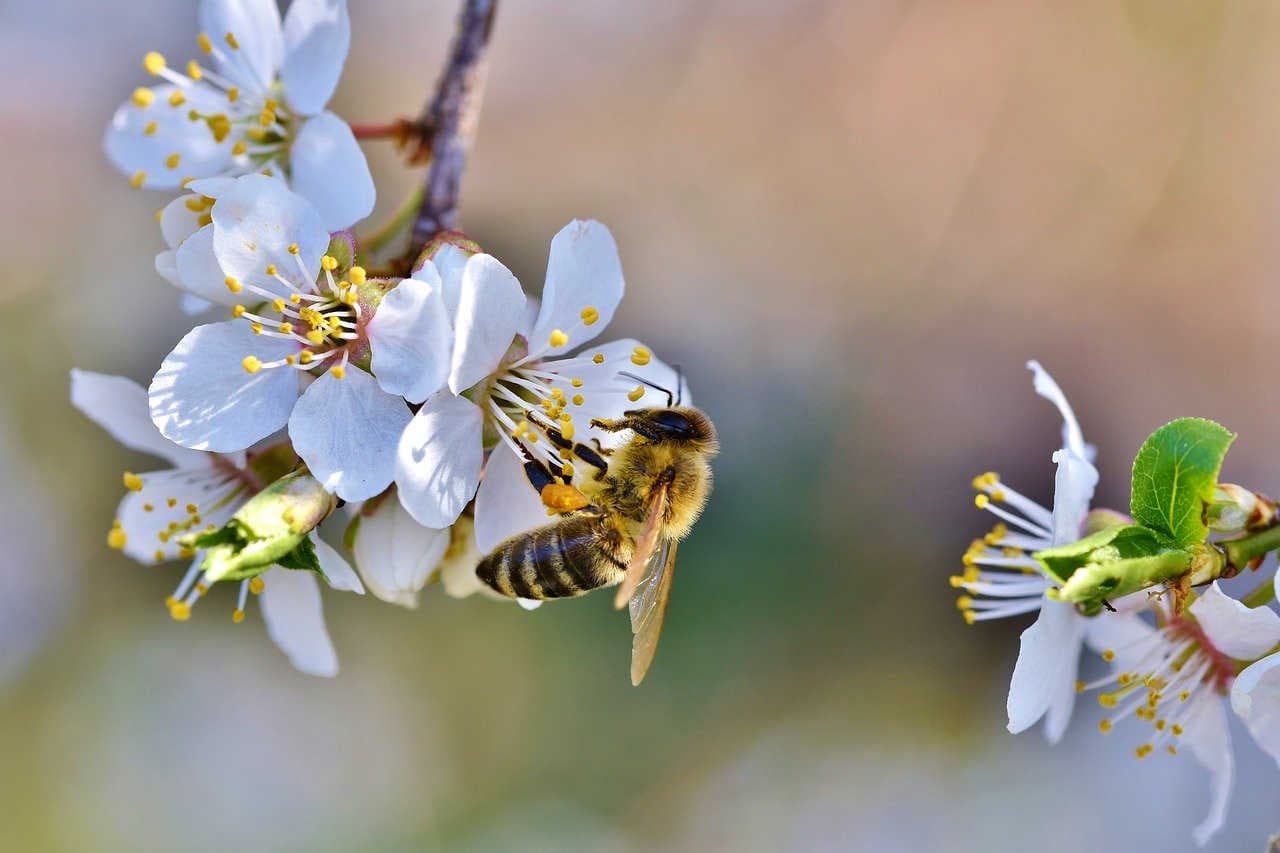
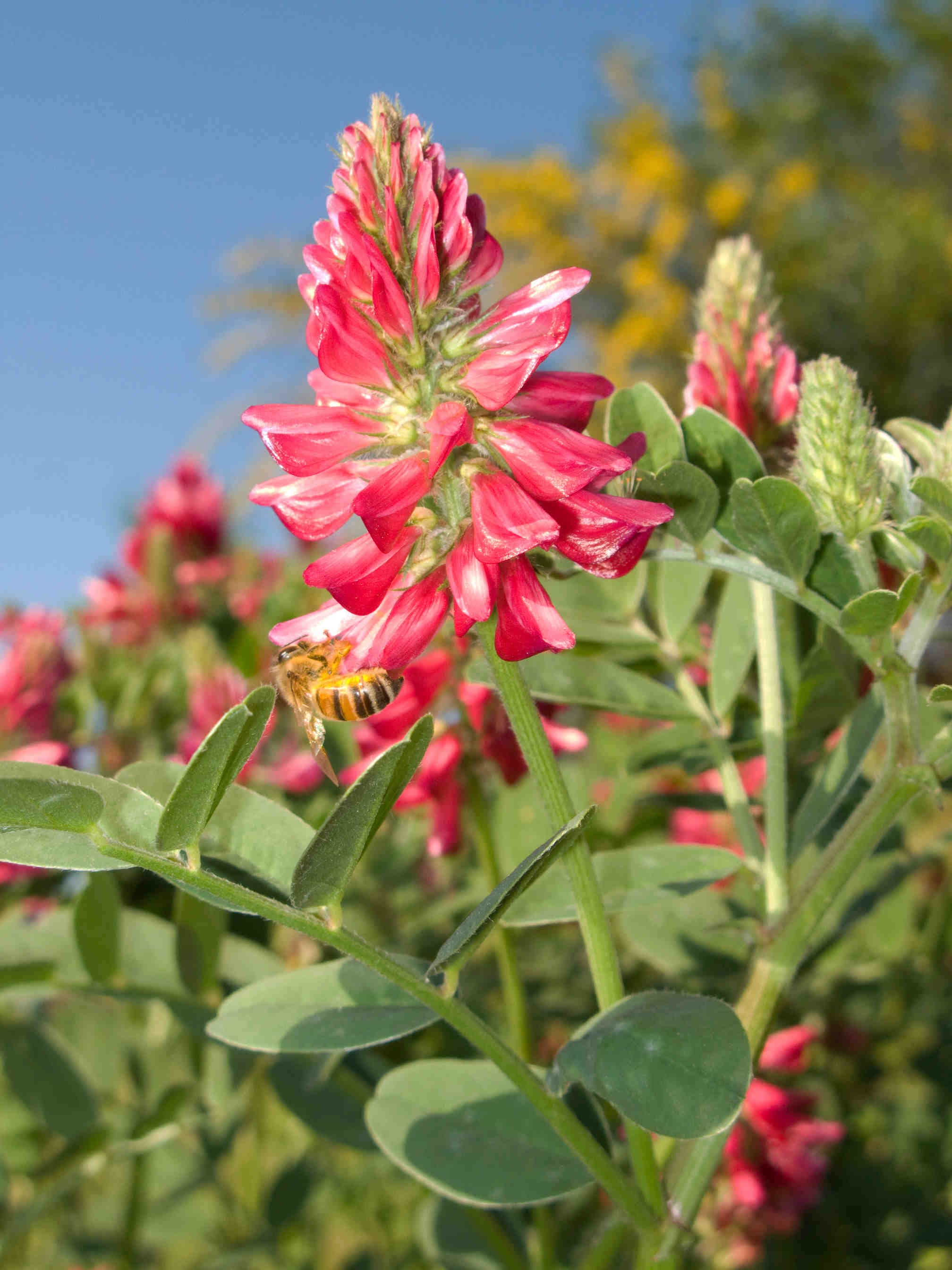
    Sulla honey is derived from the flowering Sulla grass. Sulla, or Sulla grass, is a leguminous plant belonging to the Fabaceae family. It is widespread in the western Mediterranean basin. In our peninsula, it is present in the central-southern regions because it is a plant that, although it grows well in clay soils and is not afraid of drought, it is not resistant to excessively cold temperatures. In fact, it dies at temperatures below 6-8°C below zero. However, it has many properties that make it particularly valued by farmers and breeders. It is an excellent forage plant, rich in protein and therefore particularly nutritious for livestock. Its flowers are prized, in fact in many places the sulla is cultivated as a decorative plant.

    XNatura

    Sulla honey: properties and nutritional values

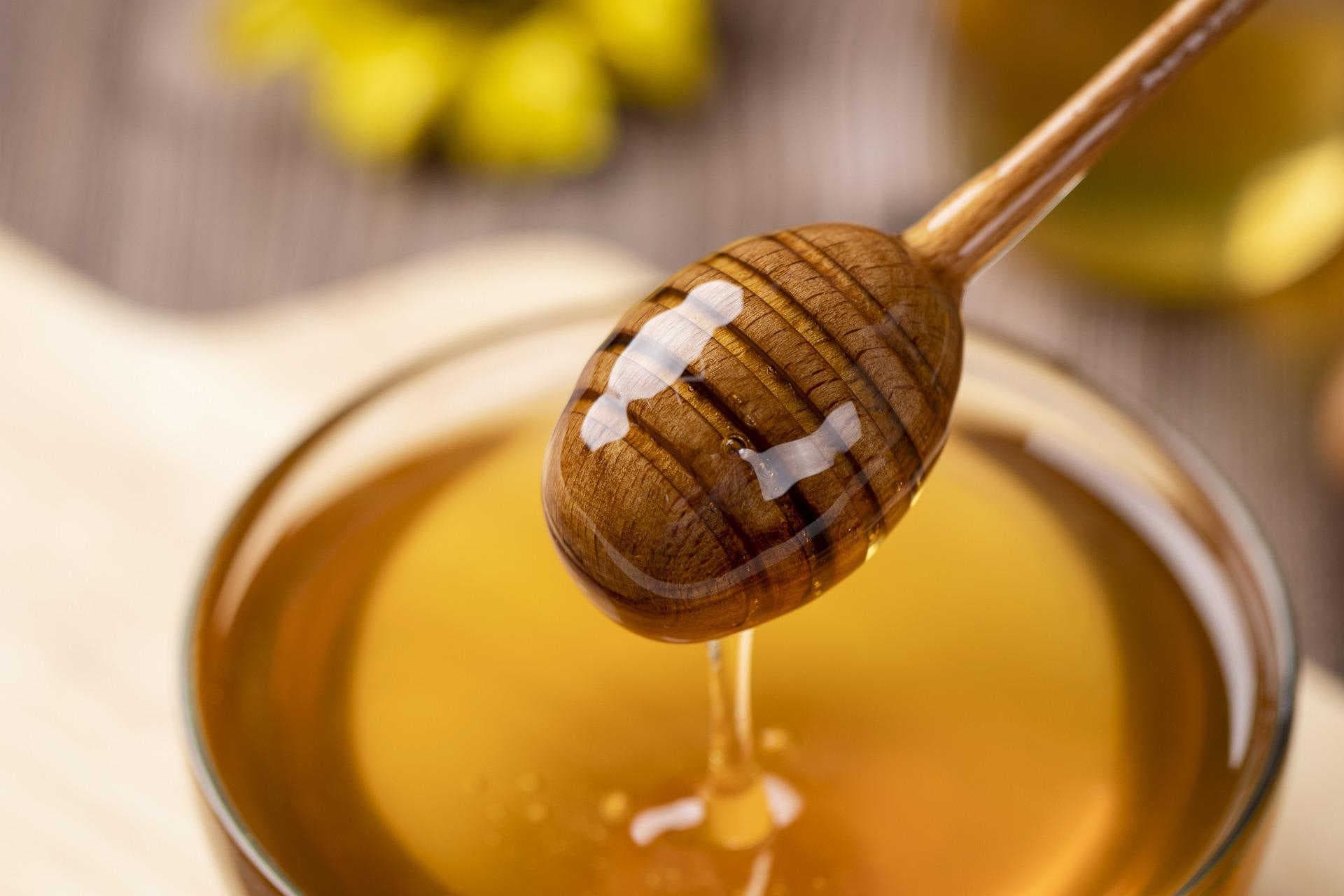
    Sulla honey is a calorie-dense product and a natural sweetener with several properties. It provides over 60 kcal per 20 g (one tablespoon), most of which is provided by simple sugars such as glucose, fructose and sucrose. Lipids are contained in marginal quantities or are completely absent. Lactose, cholesterol, gluten and histamine are absent. Mineral salts such as zinc, iron, copper, magnesium and manganese are present. Vitamins such as: vitamin A, vitamin C and some of the B complex. Many use Sulla honey as a substitute sweetener for table sugar. For the same portion size, honey contains about 33% fewer carbohydrates and calories.
    Sulla honey: properties and nutritional values

    Sulla honey: benefits and how to use it?

    Honey from sulla has a lower sweetening power than honeys such as acacia or milliflower honeys and has a very high concentration of fructose. Rich in iron, copper, zinc, magnesium and manganese make it an excellent ally for athletes and sportsmen. Vitamins A, C and some of the B group are present. Sulla honey brings numerous benefits to our organism. It has a depurative and detoxifying effect, as well as being a valuable source of easily assimilated energy. It is also recognised for its diuretic and laxative effects and its application to pimples and acne is recommended. Finally, like all other types of honey, it is particularly suitable for soothing sore throat and coughs.
    Sulla honey: benefits and how to use it?
    XNatura

    Sulla honey: contraindications

    Sulla honey has no particular controindications, but in the case of diabetics or other illnesses, it is advisable to consult your doctor. Its delicate flavour makes Sulla honey a precious ingredient in many recipes. It is often used in the preparation of sweets, such as nougat, and is much appreciated as a natural sweetener in herbal teas and drinks. Its combination with certain types of cheese, such as goat's milk cheese and ricotta, is certainly interesting. To be able to fully enjoy the benefits of sulla honey and, in general, any type of honey, one must make sure that one is consuming a genuine product, raw, not subjected to industrial processing. Only then can it retain all its beneficial characteristics and properties.

    Sulla honey: contraindications
    3Bee

    Sulla honey: how to taste it?

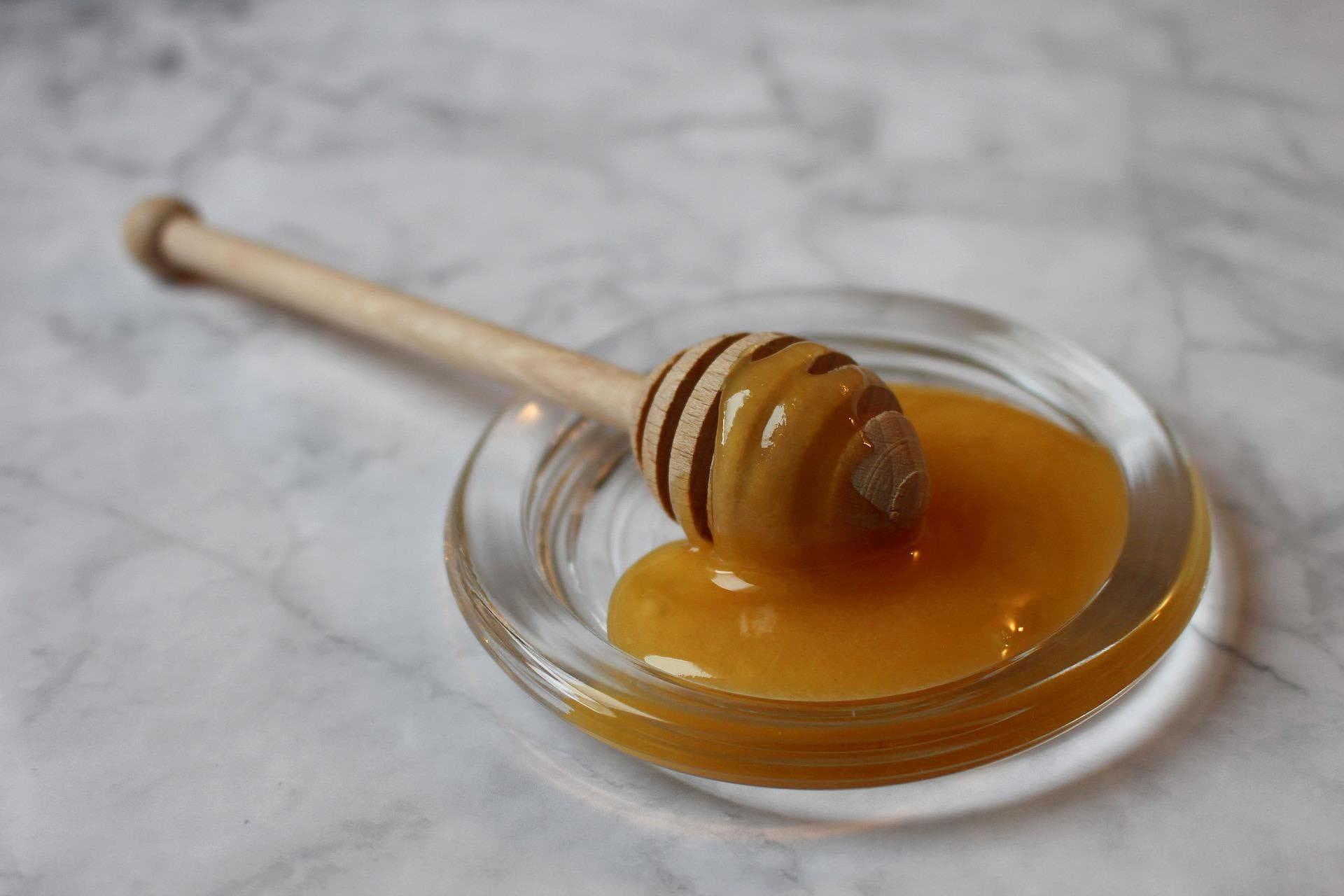
    Honey from sulla is a rapid crystallisation, forming medium to fine crystals. When still in the liquid state, it has a colour ranging from transparent to straw yellow, then turning to beige-white when crystallised. It should be remembered that crystallisation is a natural process that affects honey and proves its genuineness as it is not subjected to industrial processing. Some types of honey, due to their composition, do not tend to crystallise, while for others it may be a more or less rapid process.

    It has a very delicate flavour, with vegetal notes or fruity components. Honey produced in southern Italian regions may also have a citrus aroma, due to the numerous citrus cultivations in the region.

    The importance of honey

    The information contained in this blog concerns the importance of honey as the fruit of the tireless work of the bees that transform the collected nectar (including extra-floral nectar and honeydew) into a precious food product that encompasses the biodiversity with all the countless facets present in the hive's surroundings. On an environmental level, honey is the symbol of the pollination activity of the bee, which flies from flower to flower to collect the nectar and, in so doing, transports the pollen, becoming the vector for the pollination and reproduction of tens of thousands of plant species. honey is still a little-known product, often devalued in its quality or sold as a panacea for all ills. Like all foods, however, it must be consumed with moderation and care as it contains a high content of simple sugars. But it is not in its basic values that its most important quality lies.
    The importance of honey

    Importance for the environment

    The aim of this blog is to promote and disseminate a deeper understanding of the crucial role of bees for the preservation of our ecosystem and for the continuation of scientific research directed towards the identification of more sustainable agricultural practices aiming at the regeneration of entire areas. The choice of honey goes far beyond what is written on the label. The true value of honey is linked to its method of production, whether it respects bees and the ecosystems they inhabit. Encouraging non-intensive beekeeping practices and promoting the best actions to support the health of the hive are the cornerstones of our activity. The beekeeper for us is not a breeder, but a true "Grower": he cultivates, cares for and feeds real oases of biodiversity, paying attention not only to bees, but also to ecosystems and their balance.

    Importance for the environment
    05/04/2019Of 3Bee, Elena Fraccaro
    11257 Views
    Newsletter
    newsletter
    Subscribe to the Blog about bees and biodiversity

    Frequently Asked Questions

    Do you have any doubts or other curiosities about this article? Here you will find some insights