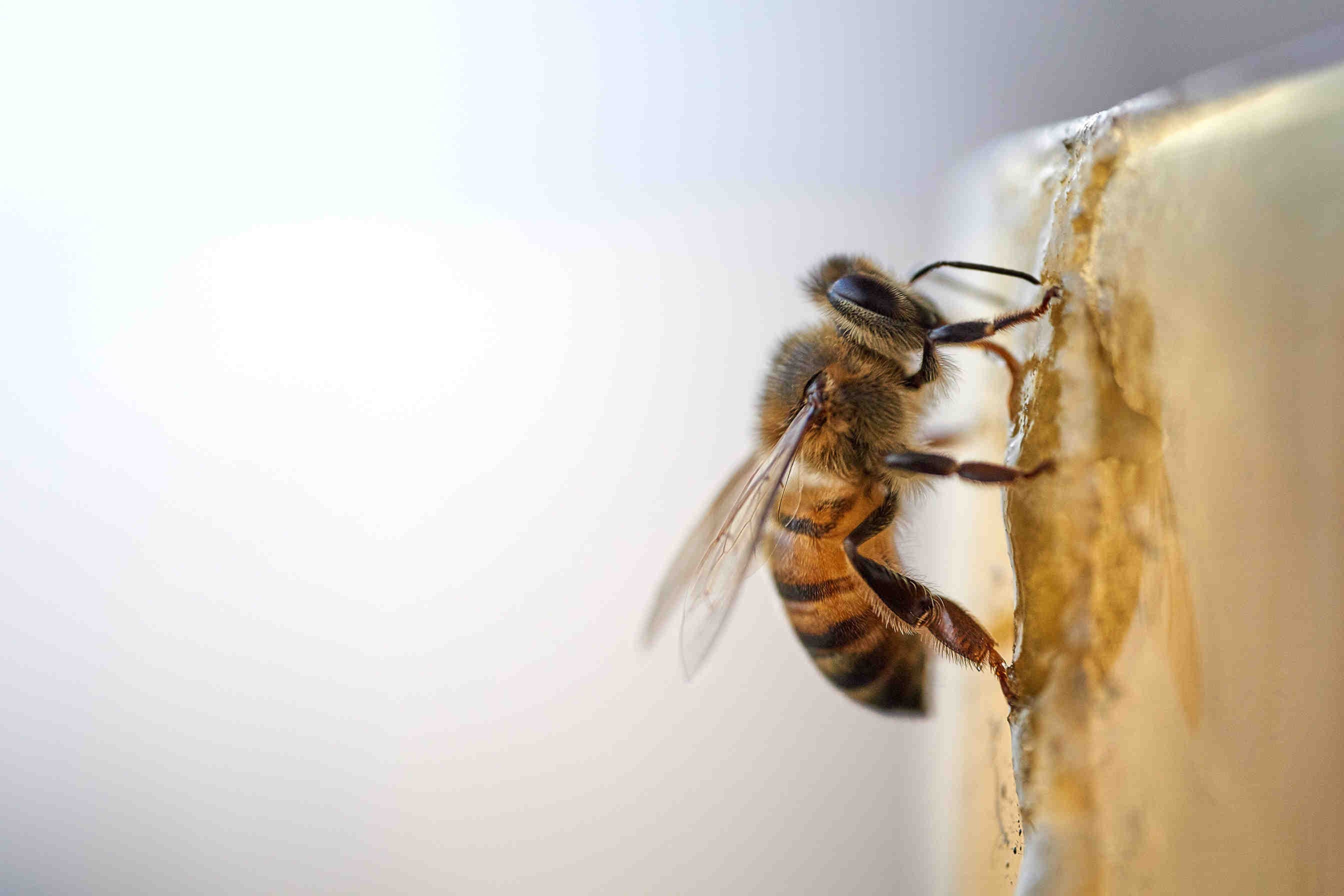
Drought emergency: a problem for pollinators
For more than 10 days now, bees and pollinators, especially in Lombardy, Piedmont and Emilia, have been suffering one of the most worrying
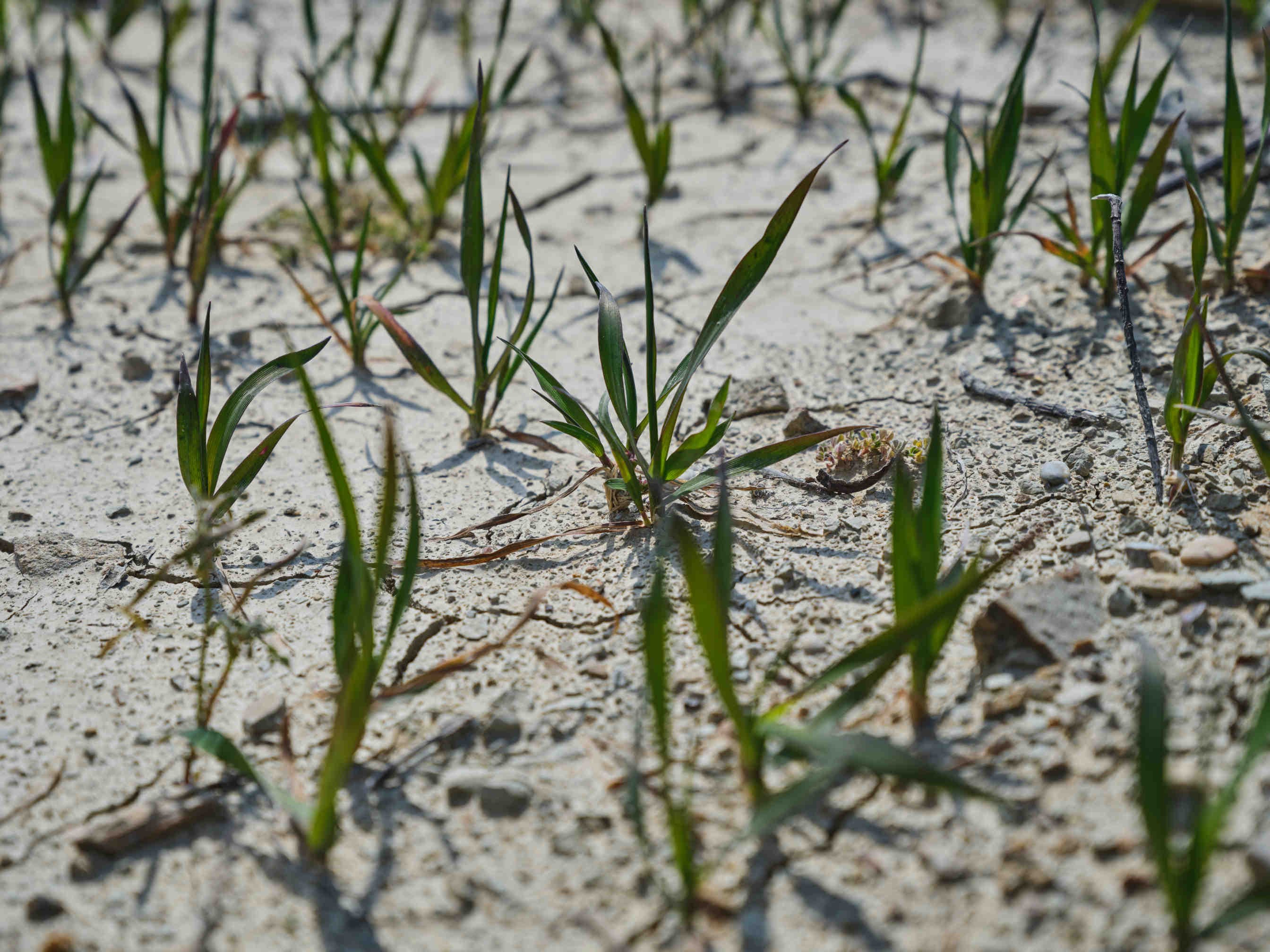
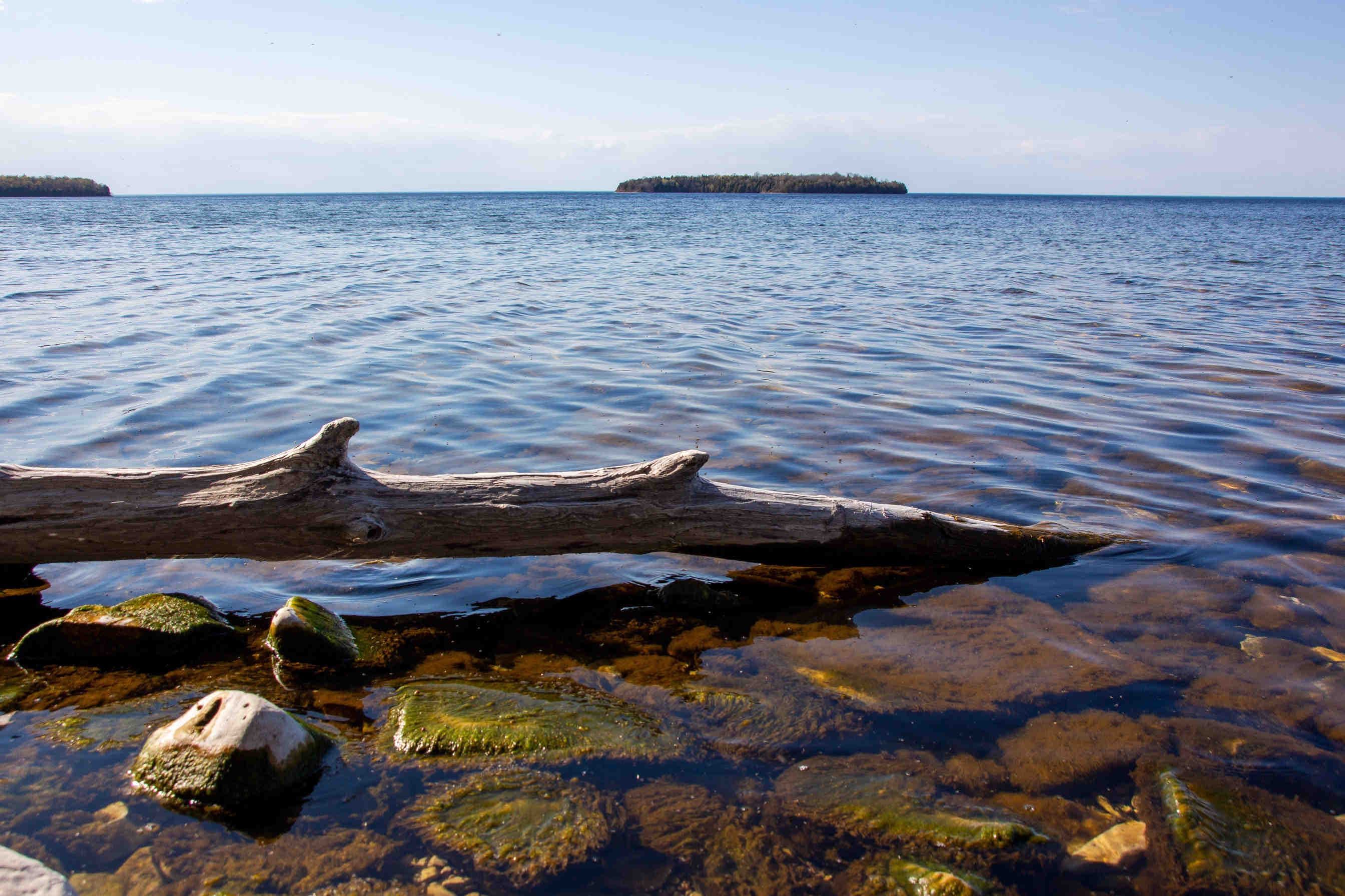
A phenomenon that is affecting us closely: the drought emergency. Pollinators are also suffering: nutritional problems for bees, meaning less pollen and nectar for them. How can we help them in this emergency situation?
Read the articleFor more than 10 days now, bees and pollinators, especially in Lombardy, Piedmont and Emilia, have been suffering one of the most worrying
Try not to plant seeds you do not know and carefully select seeds of plants for pollinators. Seed planting campaigns are a marketing gimmick that serve no purpose except to salve our consciences and make us all feel better. Certainly offering plants and flowers is a good practice, but we are talking about massive redevelopment. Seeds are useful if you have a green thumb, but then choose well-grown, nectar-rich plants to put on your balcony and in your garden. The best way to help pollinators and especially bees is education. If we learn how our ecosystems work as a community, we can upgrade our environment where we live.
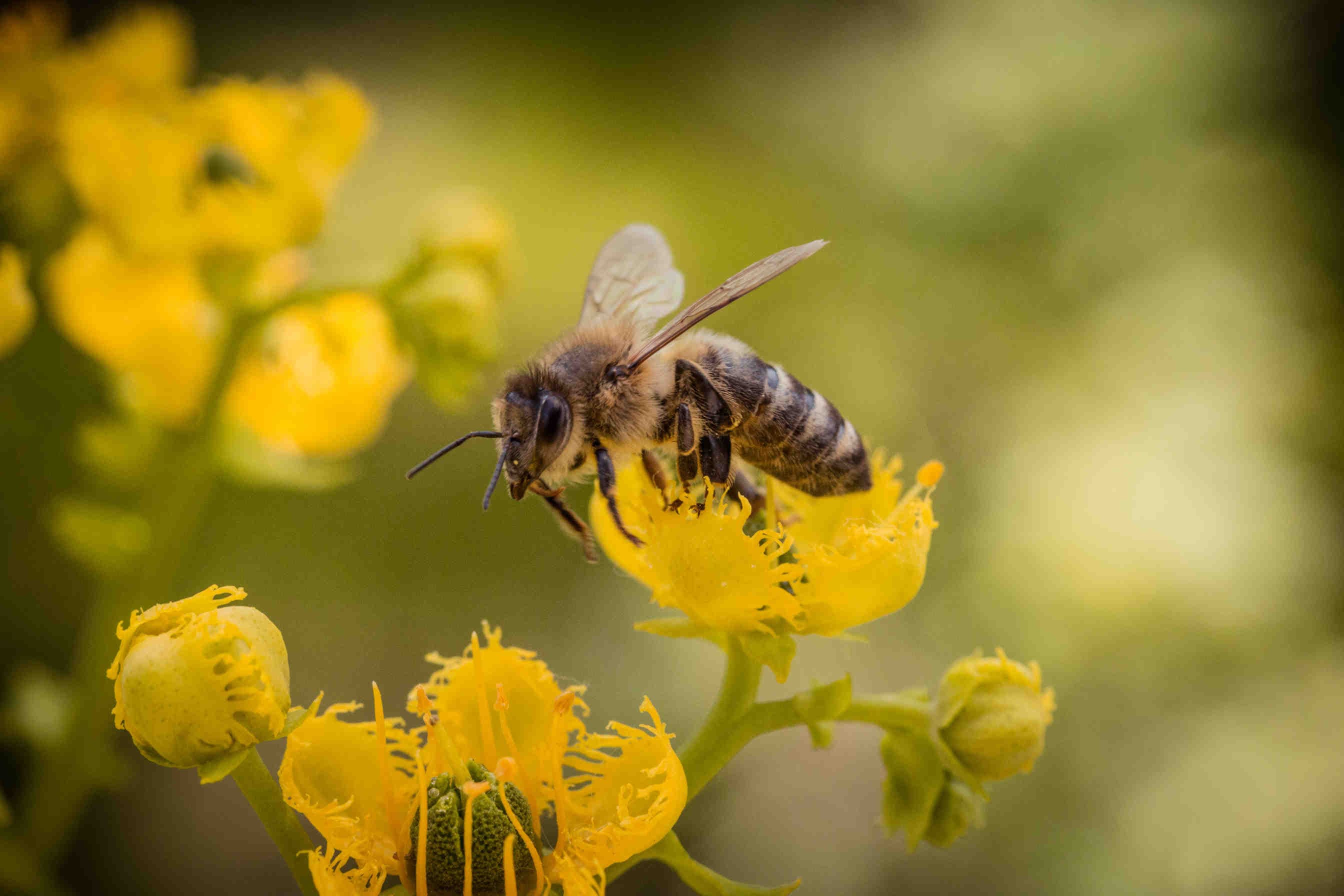

The scarcity of rain and precipitation lead to major consequences: the decrease in flowering and thus the inability of flowers to produce pollen and nectar for bees. Strong is the