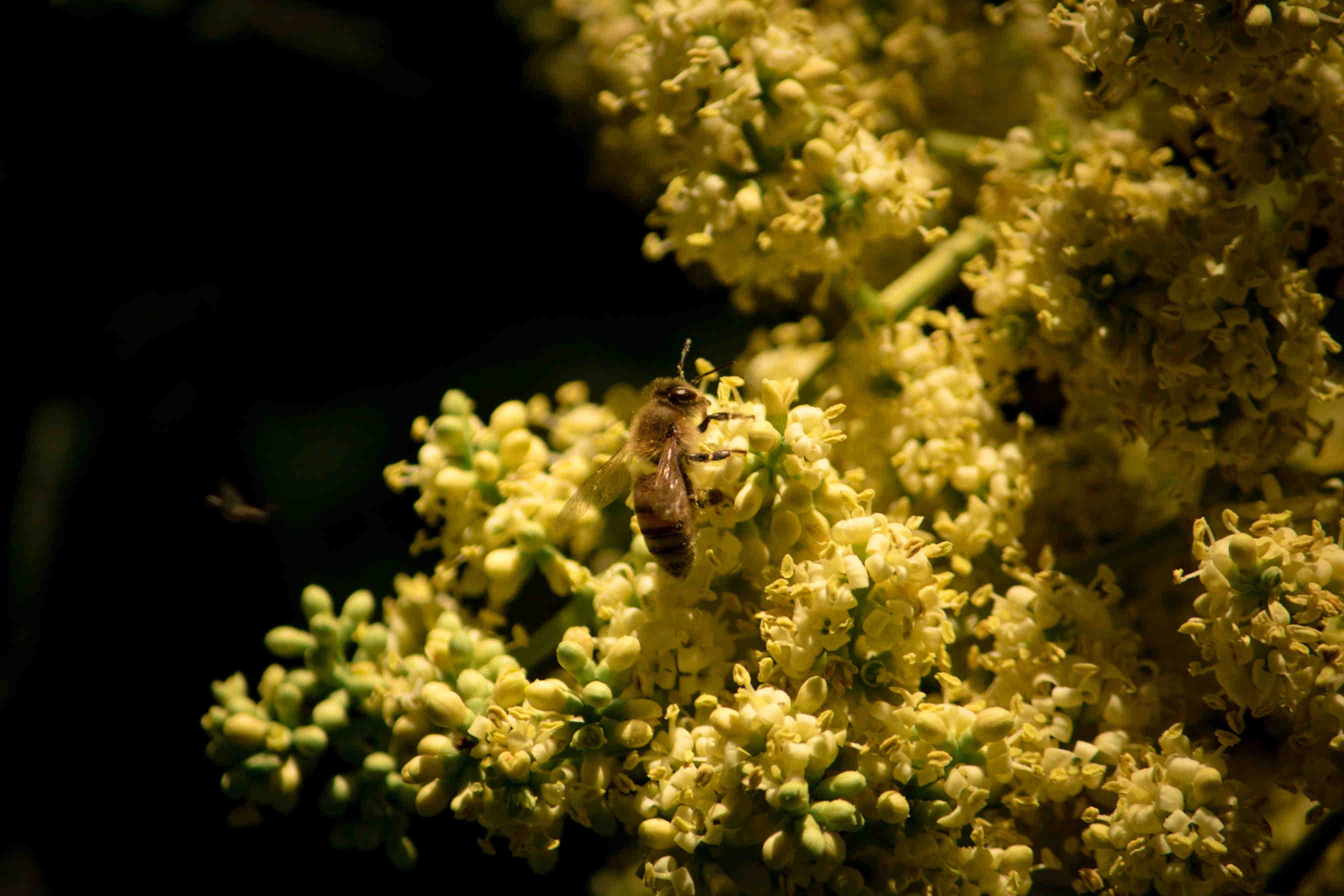
Acacia Honey: Properties and Benefits
    3Bee approachRobiniaFeaturesProperties

    Acacia Honey: Properties and Benefits

    At 3Bee, honey is a symbol of the hard work of pollination performed by bees and the realisation of their contribution to the ecosystem. Our projects support biodiversity and through our growers ensure a healthy environment for pollinators.

    Read the article
    27/04/2018Of 3Bee, Elena Fraccaro
    6184 Views
    27/04/2018Of 3Bee, Elena Fraccaro
    6184 Views

    3Bee's approach to biodiversity protection
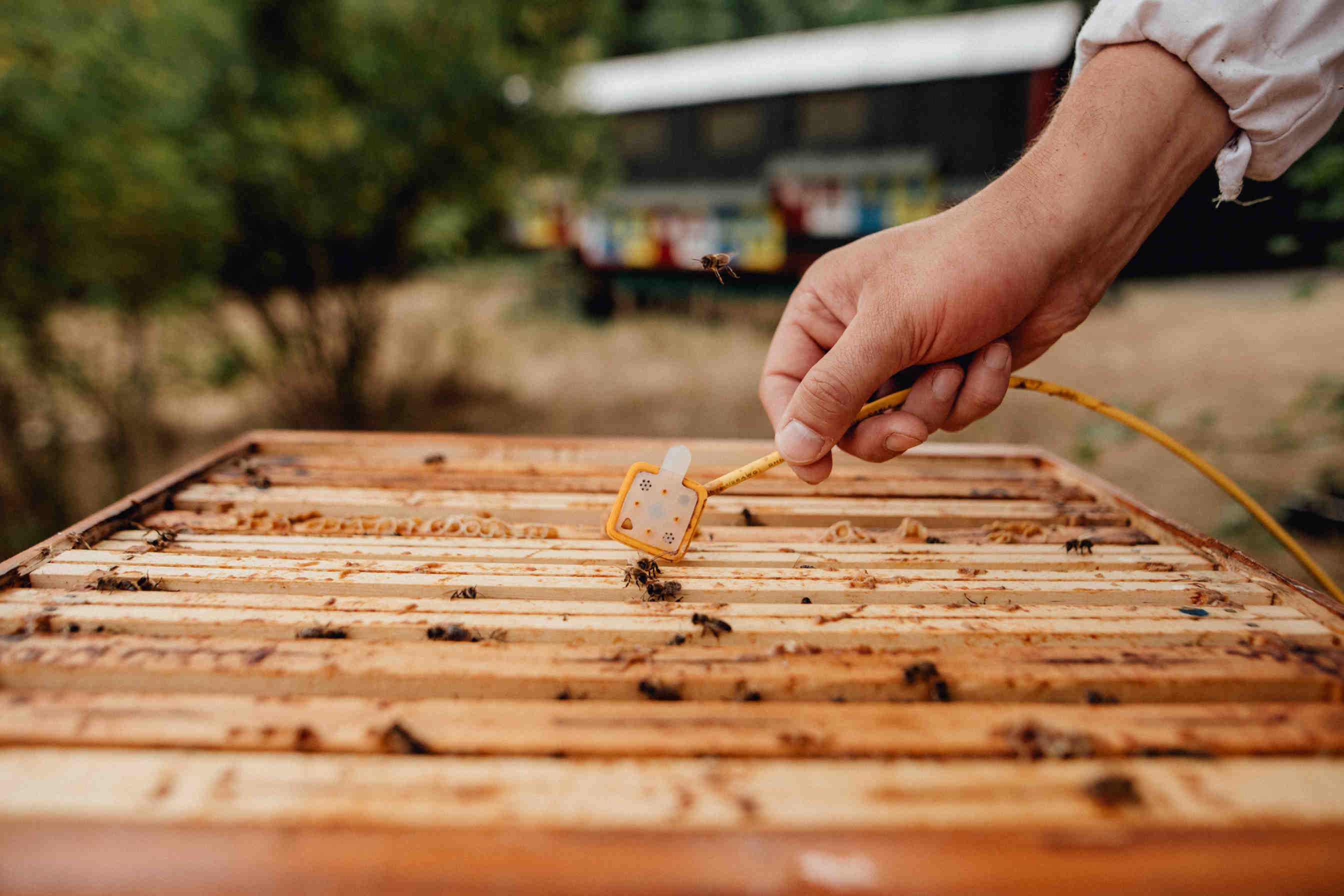
    3Bee is the Nature Tech company that develops technologies for the protection of biodiversity. 3Bee Hive-Tech is 3Bee's first system for analysing the health and 'starvation' status of honeybees, environmental pests par excellence. Over time, we have developed other technologies to study and monitor all the pollinating insects and created more than 200 Oases of Biodiversity with thousands of nectariferous plants to provide them with nourishment. In this way, we want to create a virtuous circle: our beekeepers are transformed by necessity into Oasis growers and promoters of environmental biodiversity. We do not encourage massive production and intensive breeding, which have a negative impact on biodiversity and pollinators. We do, however, recognise the value of honey as a valuable symbol of the biodiversity of an environment and a tool for disseminating the commitment and protection of an area, to be consumed sparingly and with respect for the life cycle of these insects.

    3Bee Hive-Tech

    Acacia honey: what is it and where does it come from?

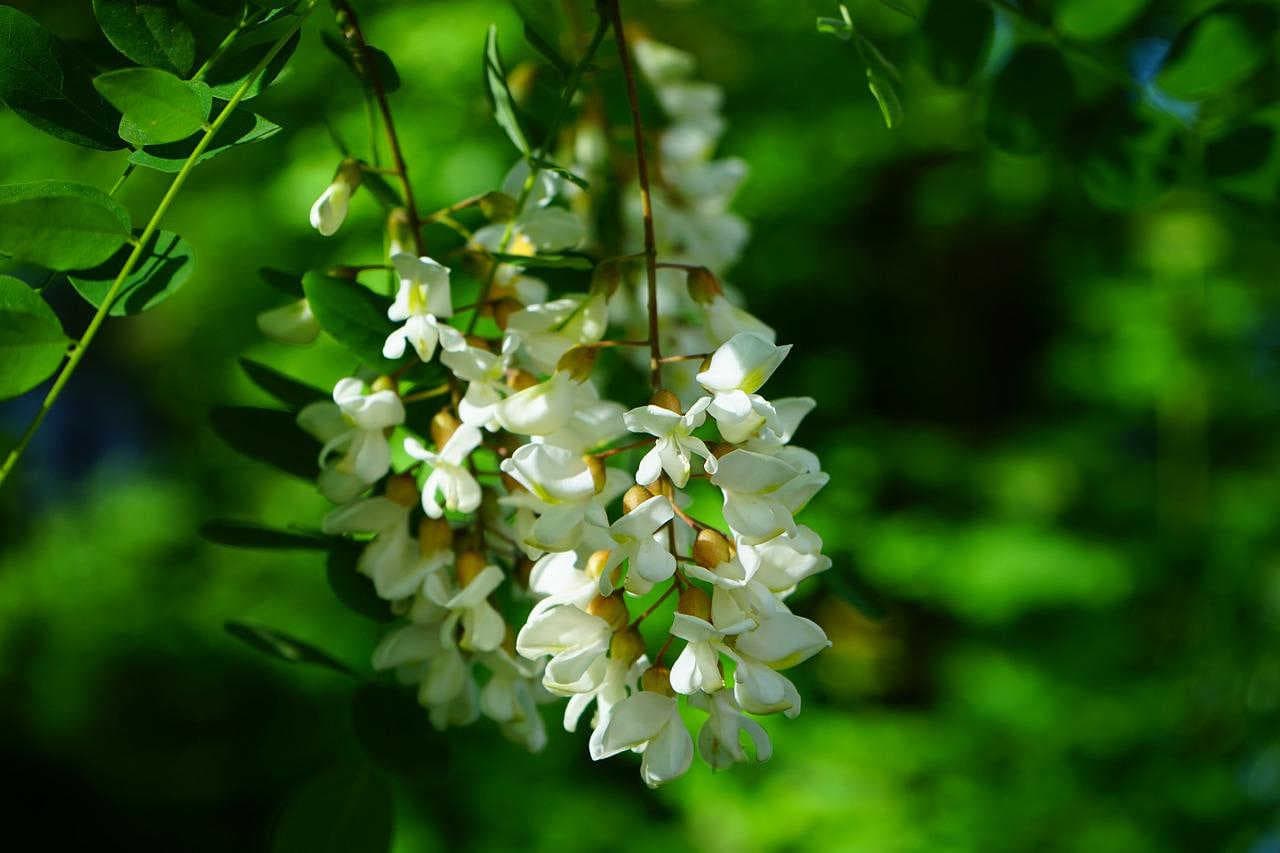
    Acacia honey is a monofloral type of honey and is obtained from the Robinia pseudoacacia, also known simply as Robinia, a plant widespread in Piedmont, Lombardy, Veneto and Tuscany. It can grow up to 25 metres in height and is easily recognisable by its typical white or cream-coloured flowers, which have a classic cluster shape. They are characterised above all by the very sweet and pleasant scent. The locust tree is native to North America, later imported to Europe in 1601 by the botanist Jean Robin, from whom it takes its name. As it is a fast-growing specimen that adapts well to different environmental conditions, it can threaten the survival and spread of native plants in many areas. Its flowers generally bloom during the month of May and it represents the first major and long-awaited flowering from which monofloral honey can be obtained.
    Acacia honey: what is it and where does it come from?
    XNatura

    Acacia honey: benefits and how to use it

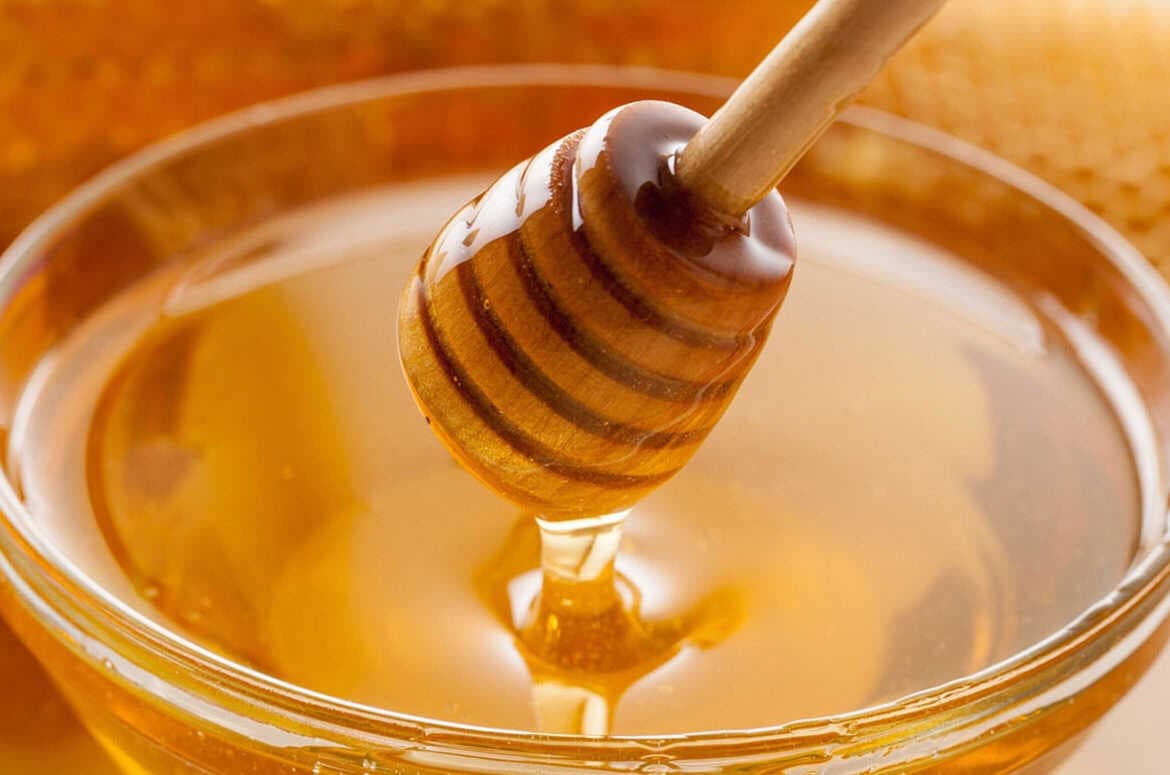
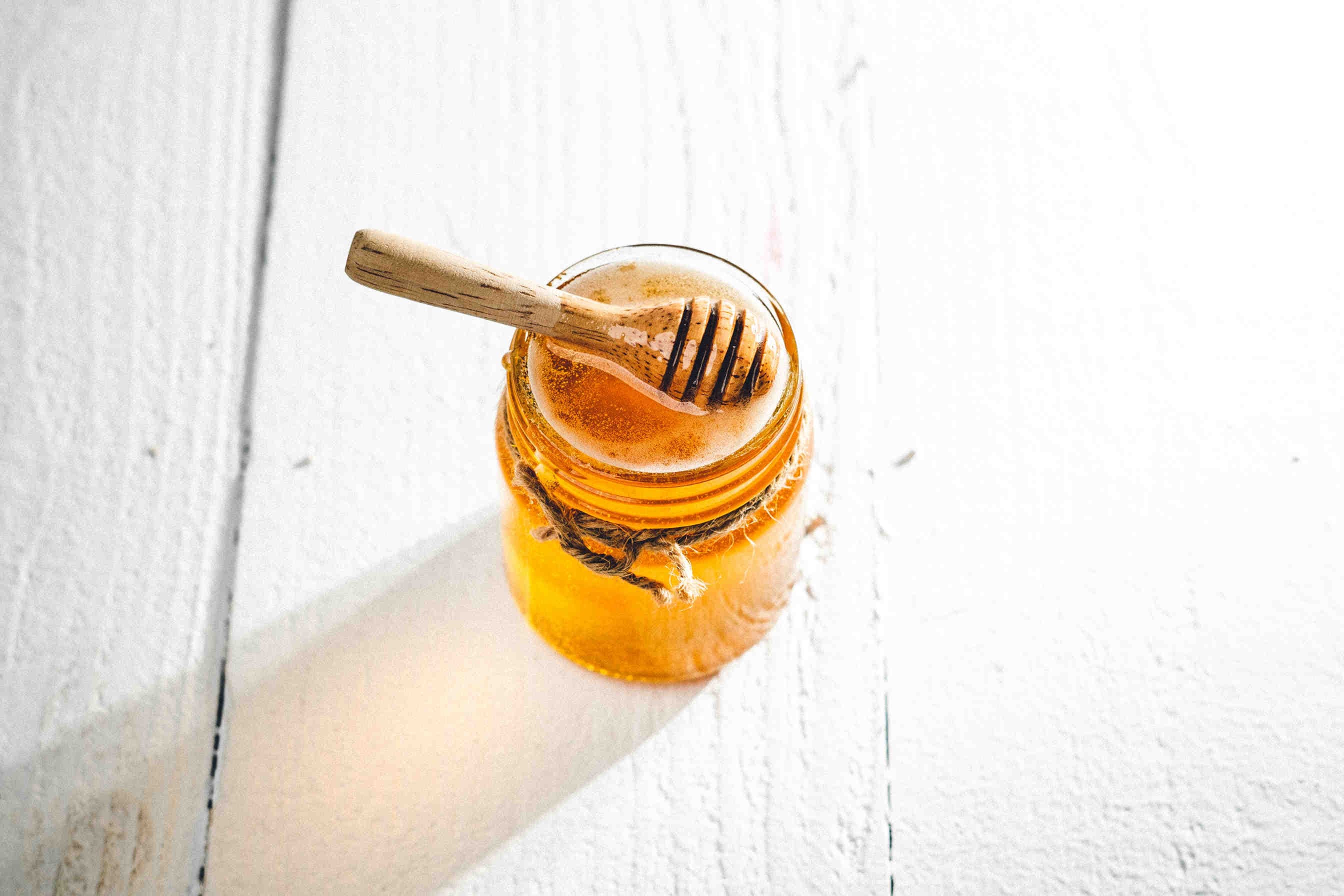
    Acacia honey is well known and appreciated for its benefits and characteristics. Acacia honey is all the more clear and colourless the purer it is, i.e. produced mainly from the nectar of the acacia tree. It has neither a particularly strong or marked odour or taste. This is why it is very popular with children . It is very useful for the gastrointestinal tract and stomach, with antibacterial and anti-inflammatory properties. In the kitchen, its uses are many: from tarts, cakes or biscuits to bread or savoury recipes.
    Acacia honey: benefits and how to use it

    Acacia honey: properties and nutritional values

    Acacia honey, as well as honey in general, has numerous beneficial properties. It is an excellent source of energy, for athletes and non-athletes alike, and is also useful as a restorative due not only to its caloric intake, but also as a source of vitamins, proteins and minerals. It is often used as a sweetener precisely because of its delicate flavour and, thanks to the large amount of fructose it contains, can also be used by diabetics. The caloric intake of Acacia honey is about 300 klcal. It is rich in fructose, dextrose and mineral salts.

    XNatura

    Acacia honey: contraindications

    Acacia honey has no particular controindications and can also be used by diabetics, as it does not require insulin to be metabolised (however, we recommend consulting your doctor). Acacia honey has detoxifying effects on the liver, is useful for counteracting stomach acidity and promoting intestinal balance. Like all honey, it is a powerful antibacterial and is very useful for soothing coughs and sore throats. However, if you are intolerant or allergic, it is always best to consult your doctor before taking it.

    Acacia honey: contraindications
    3Bee

    Acacia honey: where to buy it?

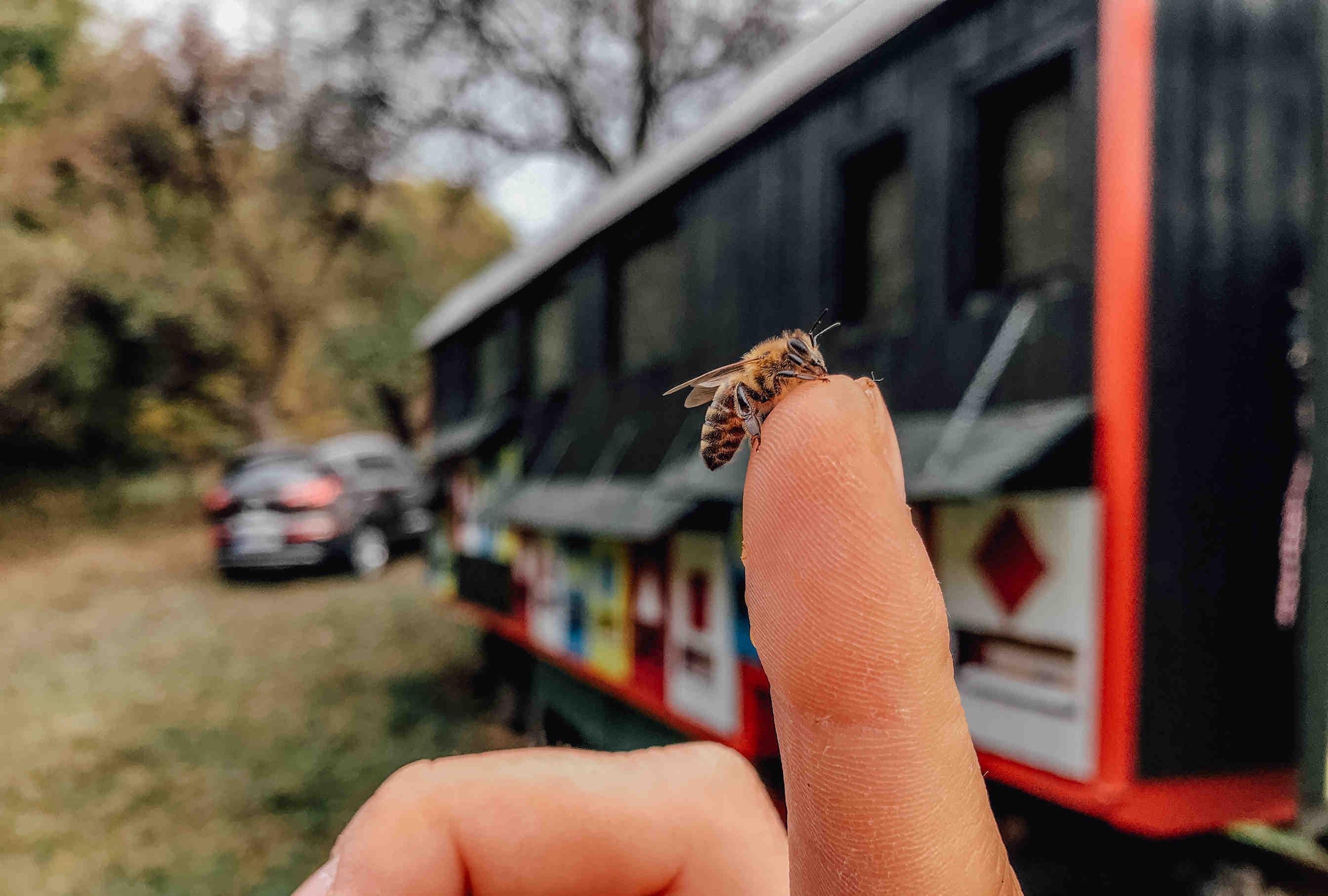
    3Bee gives you the opportunity to consume Italian honey whose origin is controlled thanks to beehive monitoring systems. Through the project "Adopt a Beehive" , everyone can immerse themselves in the world of bees through technology. This allows us to protect them and monitor their health, displaying important data for the wellbeing of bees. There are several 3Bee beekeepers where you can buy Acacia honey: from Apicoltura Allegri Luca in Liguria, from Azienda Agricola Pelullo Gianluca in Campania, or Apicoltura biologica Castello
    Acacia honey: where to buy it?

    Acacia Honey: Symbology

    The Robinia, the tree that produces the nectar that will become Acacia honey, represents hope. It symbolises hope and the continuation of life after death. Robinia pseudoacacia, commonly called Robinia or Acacia, is a plant that comes in both shrub and tree form. The bark appears dark and is furrowed longitudinally by small, sinuous furrows. It is native to North America and naturalised in Europe and other continents. Considered sacred by the Egyptians and Arab populations, it symbolises hope and the continuation of life after death. It symbolises the persistence of the indestructible energy of life. This tree is a symbol of the plant world. In this context, it represents the idea of immortality.

    Acacia honey: how to recognise it by its smell

    Acacia honey has a characteristic odour, which is often described as delicate, light and floral. The smell of acacia honey may vary slightly depending on the region of production and the specific characteristics of the soil, but in general it is considered very pleasant and sweet. Acacia honey is known for its delicate and subtle aroma, with light floral notes that may remind one of the scent of acacia flowers. It does not smell as strong or pungent as some other types of honey, but is rather refined and subtle in its aroma. When tasting or using acacia honey, the smell may add a pleasant aromatic dimension to the overall sensory experience. However, it is important to note that the smell of acacia honey may vary slightly depending on the source and storage conditions, and may be influenced by factors such as the age of the honey and the type of container in which it is stored.

    The importance of honey

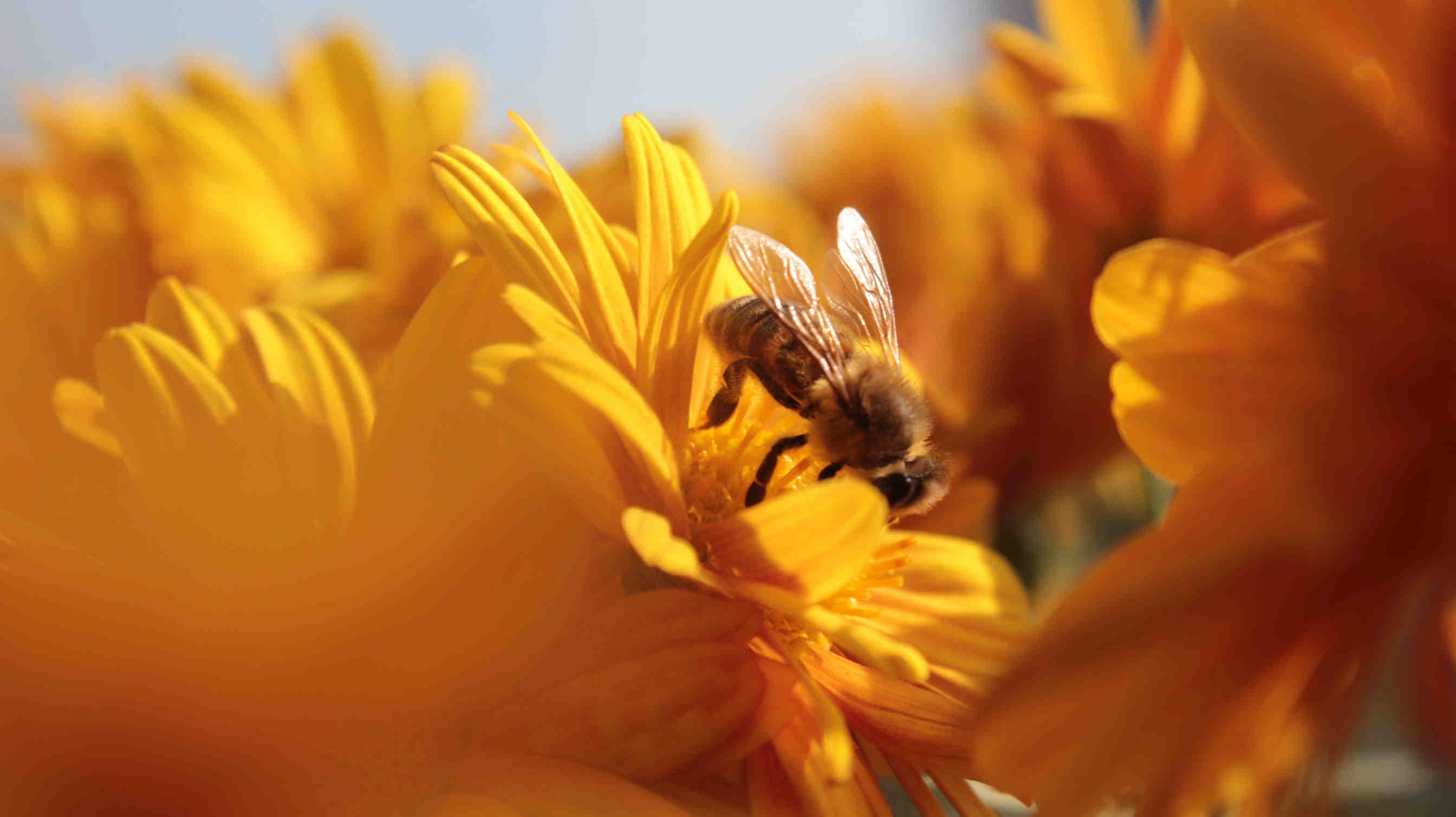
    The information contained in this blog is about the importance of honey as the fruit of the tireless work of bees that transform the collected nectar (including extra-floral nectar and honeydew) into a precious food product that encompasses the biodiversity with all the countless facets present in the hive's surroundings. At an environmental level, honey is the symbol of the bee's pollination activity, flying from flower to flower to collect nectar and, in so doing, transporting the pollen, becoming the vector for the pollination and reproduction of tens of thousands of plant species. honey is still a little-known product, often devalued in its quality or sold as a panacea for all ills. Like all foods, however, it must be consumed with moderation and care as it contains a high content of simple sugars. But it is not in its basic values that its most important quality lies.

    importanza del miele 3bee

    Positive effects on the environment

    The aim is to promote and disseminate a deeper understanding of the crucial role of bees for the preservation of our ecosystem and for the continuation of scientific research directed towards the identification of more sustainable agricultural practices aiming at the regeneration of entire areas. The choice of honey goes far beyond what is written on the label. The true value of honey is linked to its method of production, whether it respects bees and the ecosystems they inhabit. Favouring non-intensive beekeeping practices and promoting the best actions to support the health of the hive are the cornerstones of our activity. The beekeeper for us is not a breeder, but a true 'Grower': he cultivates, cares for and feeds true oases of biodiversity, paying attention not only to bees, but also to ecosystems and their balance.
    impollinatori 3bee
    27/04/2018Of 3Bee, Elena Fraccaro
    6184 Views
    Newsletter
    newsletter
    Subscribe to the Blog about bees and biodiversity

    Frequently Asked Questions

    Do you have any doubts or other curiosities about this article? Here you will find some insights