Can one still speak of the Anthropocene?
    AnthropoceneGolden nailStartAcceleration

    Can one still speak of the Anthropocene?

    The scientific commission responsible for the recognition of time units within our geological period has recently refused to adopt the term Anthropocene to define the current epoch. However, we still live in an era in which mankind has an enormous impact on the planet.

    Read the article
    28/04/2024Of 3Bee, Chiara Pertile
    422 Views
    28/04/2024Of 3Bee, Chiara Pertile
    422 Views

    The scientists' decision

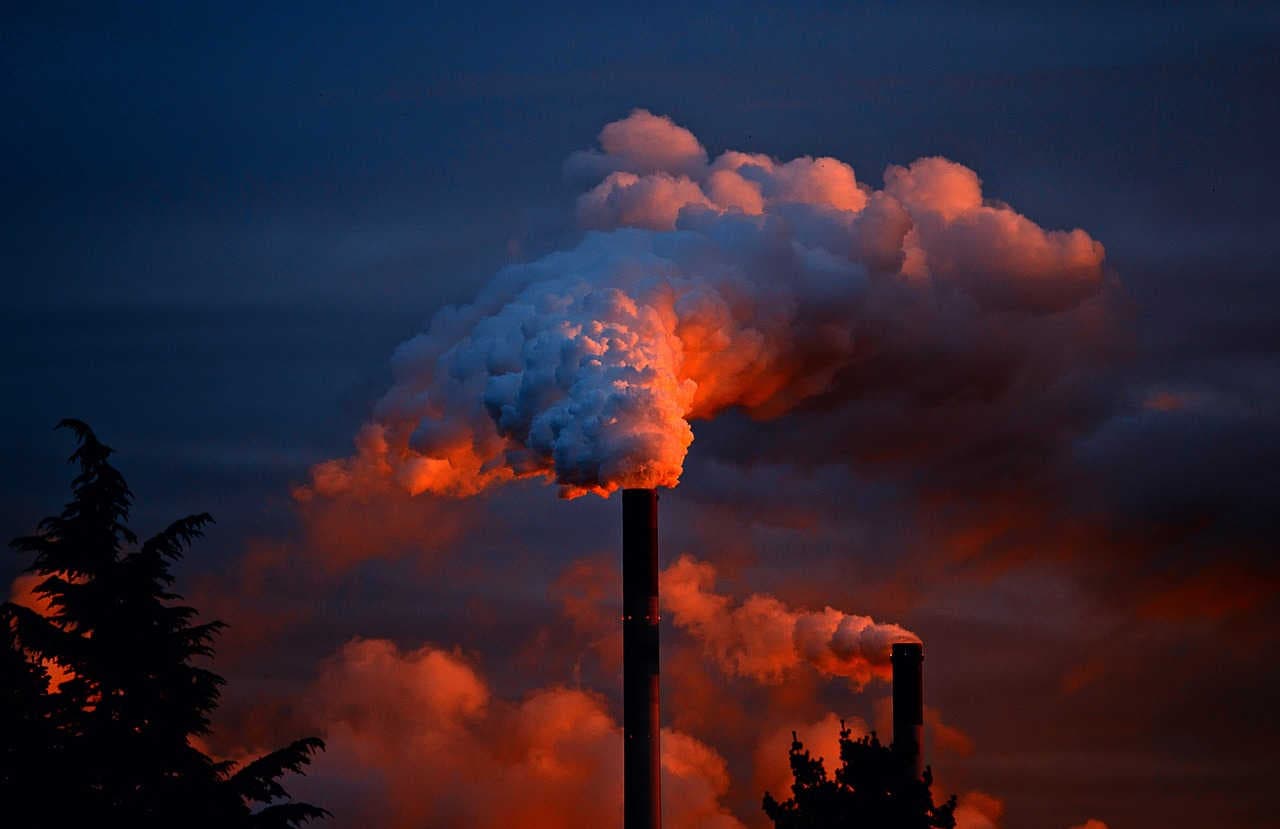
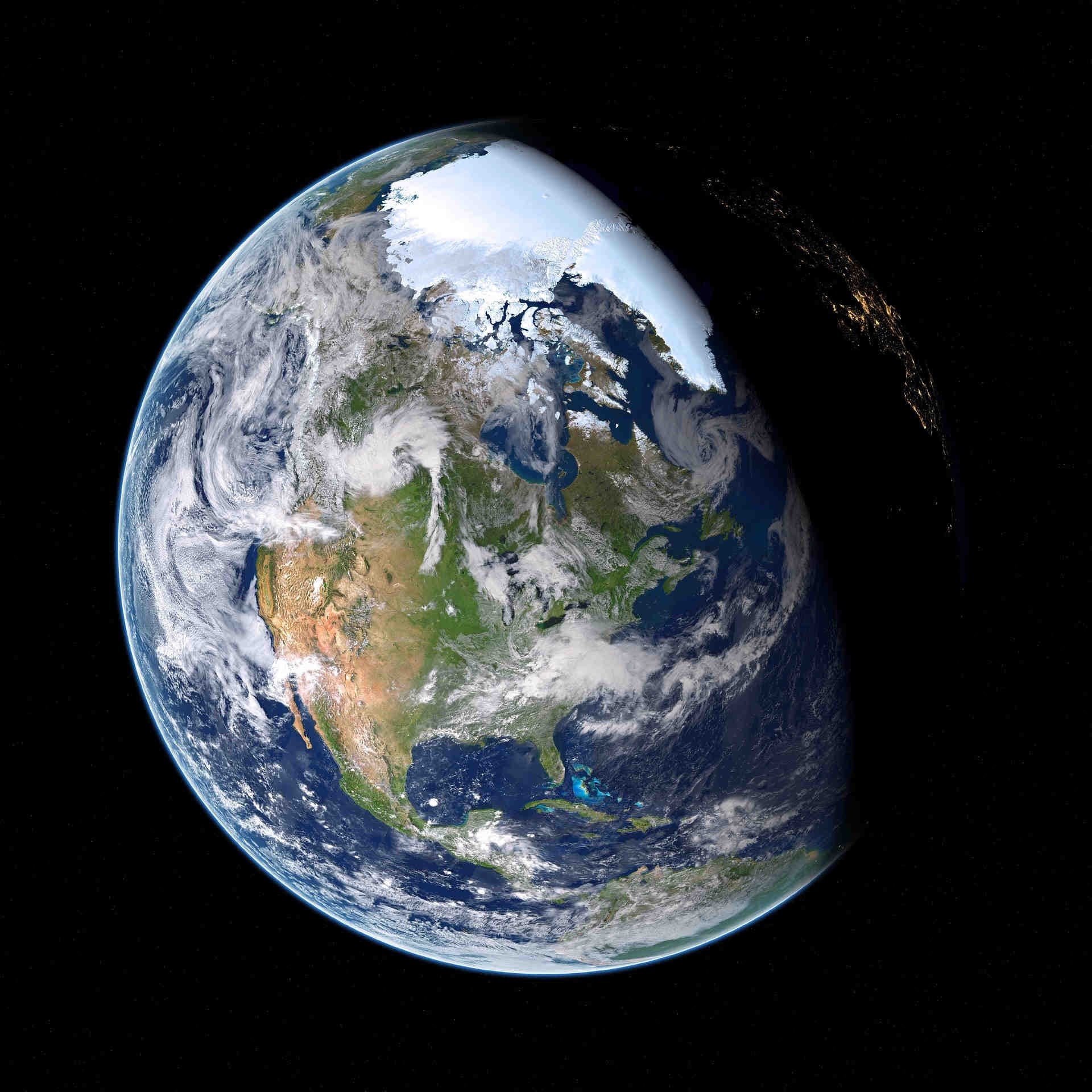
    Welcome to the Anthropocene! It was the year 2000 when the Nobel Prize winner in chemistry Paul Crutzen (known for his studies on the weakening of the stratospheric ozone layer) proposed this term in a very famous essay to denote the geological epoch currently underway. An epoch characterised by the impacting influence of human societies on climate, ecosystems and the environment, and in which human activity is one of the main causes of the rapid decline of biodiversity and the rise of the earth's temperature. After more than a decade of study and debate, on 24 March 2024 the Subcommission on Quarternary Stratigraphy, the commission responsible for the recognition of time units in our most recent geological period, however, rejected the proposal, stating that the addition of an epoch - and thus the end of the Holocene - is not supported by the standards used so far to define them.
    pianeta terra

    Finding the Golden Nail

    Let us go back, however. Starting with the proposed introduction of the term Anthropocene (from the Greek words anthropos and kainos, meaning 'human being' and 'recent') as a new geological epoch, a lengthy debate arose over which event to use tomark the beginning of this new period. In order to define a new geological epoch, geologists need traces, called 'golden spikes', i.e. large-scale events affecting the sedimentary stratification of our planet through biotic, geochemical or climatic changes. However, finding the 'golden nail', in technical jargon GPPS (global boundary stratotype sections and points), has never been easy for the Anthropocene, and this has led to many years of debate and proposals by scientists.

    siccità
    XNatura

    The beginning of the Anthropocene

    One of the most discussed proposals for the beginning of the Antropocene is to make it coincide with the rIndustrial Revolution, starting in the 18th century. This historical moment is significant because it marked the beginning of a major increase in emissions of carbon dioxide, methane and other pollutants into the atmosphere by mankind, thus contributing to anthropogenic impacts on our environment. According to other scientists, the beginning should instead coincide with 1945, the year in which the first atomic bomb was dropped on the cities of Hiroshima and Nagasaki, creating radioactive particles that can be traced on the planet. Despite these schools of thought, the official group working on issues related to the Anthropocene - the Anthropocene Working Group - has proposed 1952 as the official starting date, using the radioactive fallout of the first hydrogen bomb test as a marker.

    inizio antropocene

    The Great Acceleration

    The beginning of the Anthropocene in 1952 was also proposed and motivated by the 'Great Acceleration', identified by climate scientist Will Steffen. This period, which began around the 1950s, is characterised by asignificant increase in global human activity, with rapid growth in world population, urbanisation, industrialisation, consumption of natural resources and greenhouse gas emissions. During this period, radioisotopes such as plutonium, resulting from the hydrogen bomb tests carried out, left obvious traces in the soil, particularly in Lake Crawford in Canada, which has been officially identified as the golden nail for the beginning of the Anthropocene.

    nube
    XNatura

    Debates on the Anthropocene

    However, not everyone agrees with this definition, one example being ecologist Erle C. Ellis who decided to leave the Anthropocene Working Group precisely because he was convinced that the proposal to define the Anthropocene by such a recent and catastrophic event risked limiting the heuristic power of this concept by not offering a broader scientific and public understanding of the human impact on the environment. As stated in fact on Le Scienze, the ecologist argues that marking the beginning of the Anthropocene in the nuclear fallout 'risked sowing confusion about the deep history of how humans are transforming the Earth, from climate change to biodiversity loss, from plastic pollution to tropical deforestation'.

    climate change
    3Bee

    The Neolithic Revolution

    Indeed, it would seem that the impact of humans on nature has much deeper and more ancient roots. One of the most fascinating proposals regarding the Anthropocene concerns the possibility of coinciding its beginning with the Neolithic revolution. In 2003, the palaeoclimatologist W. Ruddiman noted that as early as 8000-6000 years ago, coinciding with thedevelopment and expansion of agriculture, it is possible to trace a rise in greenhouse gases such as methane and carbon dioxide, which had been decreasing until then. Indeed, we have to think that the advent of agriculture led humans to clear forests to create fields, releasing CO2. This view is certainly debatable and not relatable to the impact of the hydrogen bomb, yet it tells us something more about our relationship with nature and our evolutionary history, offering a new key to understanding the Anthropocene.

    campo di grano

    Niche manufacturers

    Since its appearance, Homo sapiens has in fact characterised itself as a perfect 'niche builder', an animal capable of modifying its environment to make it more 'habitable' and 'suitable' for its survival. An environment that, subsequently, modified ourselves. According to the theory of niche construction, in fact, the metabolic and behavioural activities of organisms can - through environmental modification and a subsequent alteration of selective pressures - generate a series of cascading effects on themselves. In the case of the human, it is likely that it is precisely the ability to modify the environment that has created a series of disruptive evolutionary feedbacks that have characterised us as a species and led to our evolutionary success, our planetary spread and, consequently, the current environmental and climate crisis, so much so that it has been interpreted by some authors asa gigantic anthropic niche construction process.

    campo

    The human era is still in progress

    Although the geological evidence is not sufficient to indicate, at least for now and formally, the end of the Holocene epoch - a period that began 11.7 thousand years ago - the debate is not over. In fact, there are scientific discussions about the "Anthropocene event", and scientists themselves emphasise theimportance of highlighting and studying how human societies have and are changing the planet. Indeed, the rejection of the term Anthropocene as an epoch does not mean denying the impact of anthropogenic activities on the environment. We still live in an epoch in which the human species has occupied more than a third of the landmass with pastures, crops and cities, and in which there is a very strong anthropogenic pressure on the planet, where we are considered the main cause of the alteration of the atmospheric ozone layer and also the main culprits of the climate and environmental crisis currently underway.

    paesaggio

    We will hear more about the Anthropocene

    Discussions on the Anthropocene are not yet over and will continue to be useful in stimulating debate on the 'nature of the human transformation of the planet', as Ellis puts it. Indeed, if we have been able to have such a disruptive impact on the environment in the last few thousand years, it is increasingly important to think about how our actions can have a positive impact on it. Some alternatives for rethinking the relationship between humans and the environment seem to be materialising today, through projects for the conservation and preservation of biodiversity, such as the Biodiversity Oases of 3Bee, urban and agroforestry habitats built for the pollinating insects, organisms essential for the ecological stability of our planet.

    uomo natura
    28/04/2024Of 3Bee, Chiara Pertile
    422 Views
    Newsletter
    newsletter
    Subscribe to the Blog about bees and biodiversity

    Frequently Asked Questions

    Do you have any doubts or other curiosities about this article? Here you will find some insights