Urban agriculture: food, community, and resilience
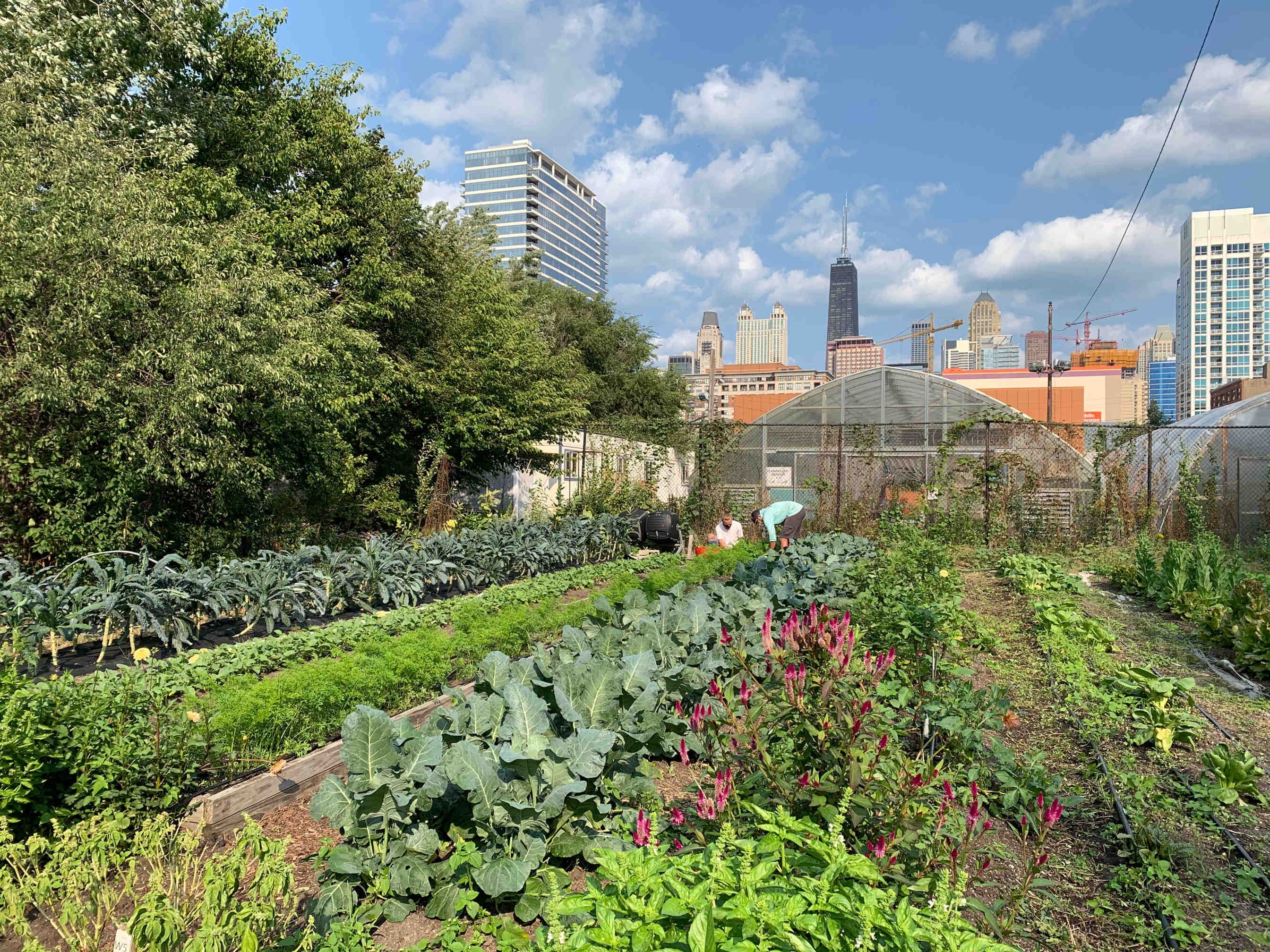
Urban agriculture represents a form of NbS that combines sustainability, participation, and self-sufficiency. The habit of growing fruits and vegetables within the city has been common in Italy for a long time, but in other areas, it is an innovative practice. On roofs, balconies, abandoned areas, or public spaces, urban agriculture reduces dependence on industrial supply chains and the carbon footprint, while also promoting a healthier diet. Urban or post-industrial lands are often polluted, but they can be improved using compost and other common practices in gardens. Shared gardens strengthen social bonds, promote environmental education, and encourage healthy lifestyles. Moreover, these practices improve soil quality, reduce pollution, and transform neglected areas into productive and welcoming spaces. Urban agriculture proves to be a multifunctional solution, capable of regenerating the urban fabric and strengthening community resilience.