Nature-Based Solutions for the Sustainable Future of Cities
    NbSCitiesGreen roofsPermeable soils

    Nature-Based Solutions for the Sustainable Future of Cities

    Nature-Based Solutions (NbS) offer concrete strategies to tackle urban environmental challenges. Discover how NbS can contribute to water management, urban climate mitigation, and citizen well-being, and how they can be implemented in urban contexts.

    Read the article
    17/04/2025Of 3Bee, Niccolò Patelli
    309 Views
    17/04/2025Of 3Bee, Niccolò Patelli
    309 Views

    What are Nature-Based Solutions

    Disclaimer: this is an automated translation from Italian. Go to the original article.

    Nature-Based Solutions (NbS) are solutions inspired by natural processes to address environmental, social, and economic issues. NbS leverage the capabilities of nature to enhance human life quality and the resilience of ecosystems, utilizing elements such as forests, waterways, soil, and biodiversity that integrate into the landscape and urban fabric, improving it. NbS are also defined as natural or artificial systems that use and reinforce chemical, physical, and microbiological processes to achieve multiple and lasting benefits, combining environmental sustainability, social well-being, and economic development. NbS are extremely useful solutions for adapting to climate change, protecting biodiversity, reducing hydrogeological risk, and enhancing the livability of urban spaces.

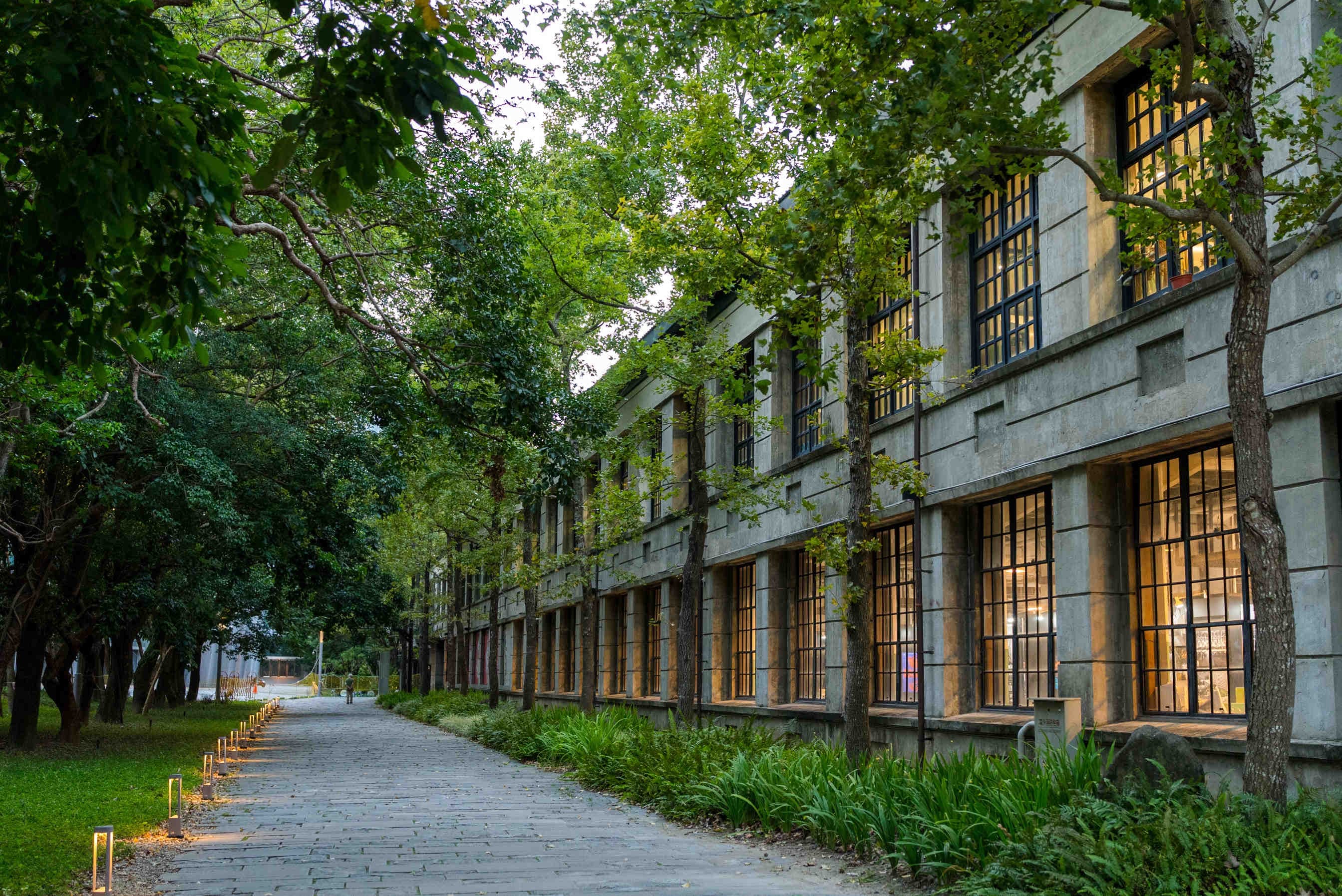
    Taiwan

    NbS in cities: natural solutions for complex challenges

    In urban areas, NbS represent a powerful tool to counteract heat islands, air pollution, and the effects of extreme weather events, all factors to which cities are particularly vulnerable. The concept of NBS is closely linked to other concepts such as sustainability, resilience, ecosystem services, the interaction between humans and the environment, and green (and blue, i.e., waterways) infrastructure. However, NbS represent a development approach that is more efficient and economically advantageous than traditional ones. NbS allow for the integration of green solutions - such as urban vegetation, permeable surfaces, and artificial wetlands - which improve air quality, reduce the impact of heavy rains, and offer regenerating spaces for citizens. Moreover, they contribute to people's psychophysical well-being, fostering social cohesion and promoting healthier and more sustainable lifestyles.

    viale alberato
    XNatura

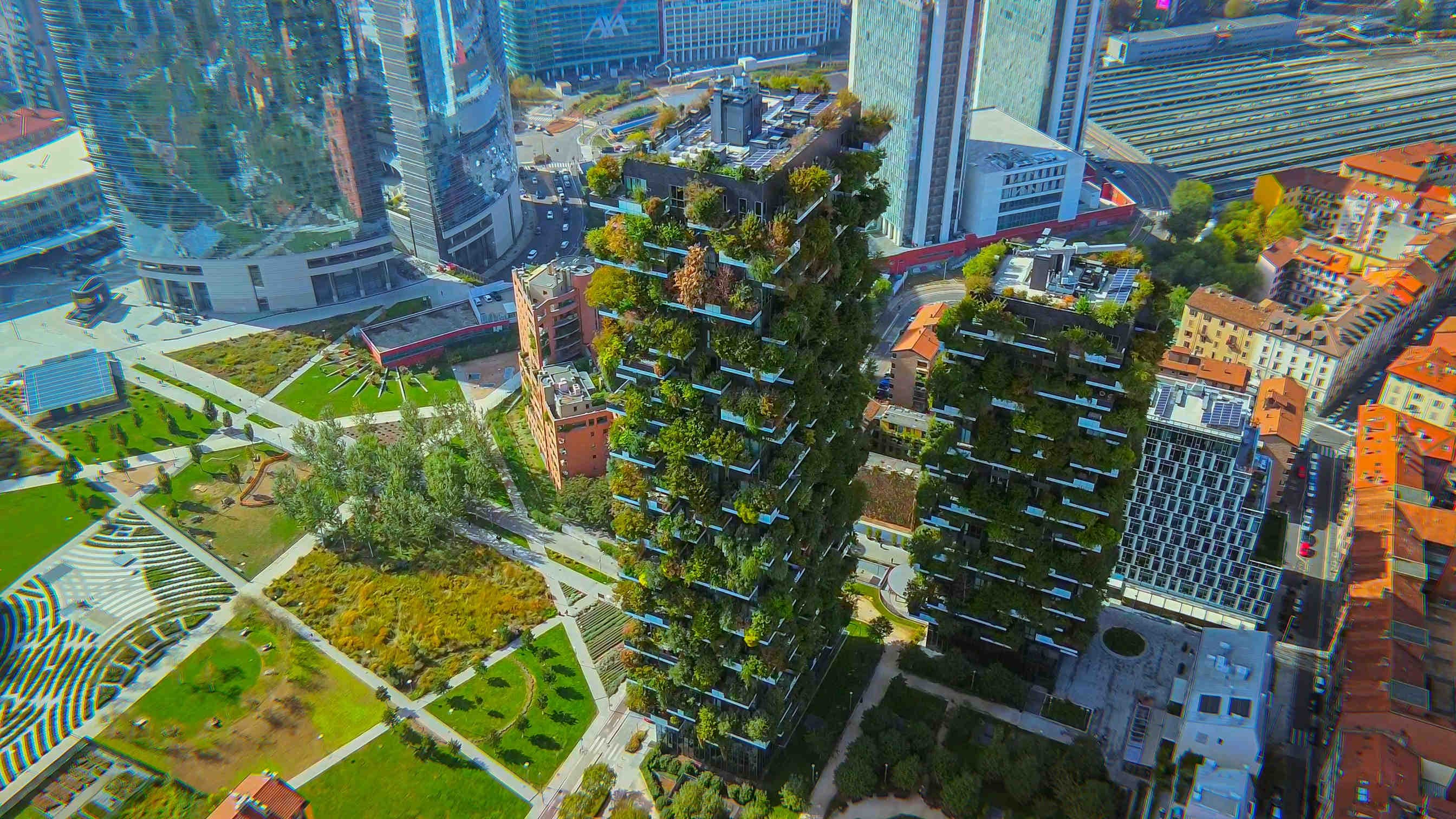
    Green roofs and walls for the urban climate

    Green roofs and walls are vegetalized architectural elements that transform built surfaces into active ecosystems. Green roofs are divided into extensive, low maintenance, and intensive, thicker and cultivable. Green walls include plants rooted in vertical substrates that are artificially irrigated. Both solutions help reduce the heat island effect, improve the thermal insulation of buildings, and retain rainwater, reducing the risk of flooding. Furthermore, they absorb CO₂ and fine dust, enhancing air quality. These systems provide economic, environmental, and psychological benefits, improving the quality of the urban environment. Studies show that the use of green roofs and walls at the urban level can lead to a substantial annual reduction in energy consumption, with a decrease in heating and cooling consumption by up to 65.51% and 71.72%, respectively, by 2100.

    bosco verticale

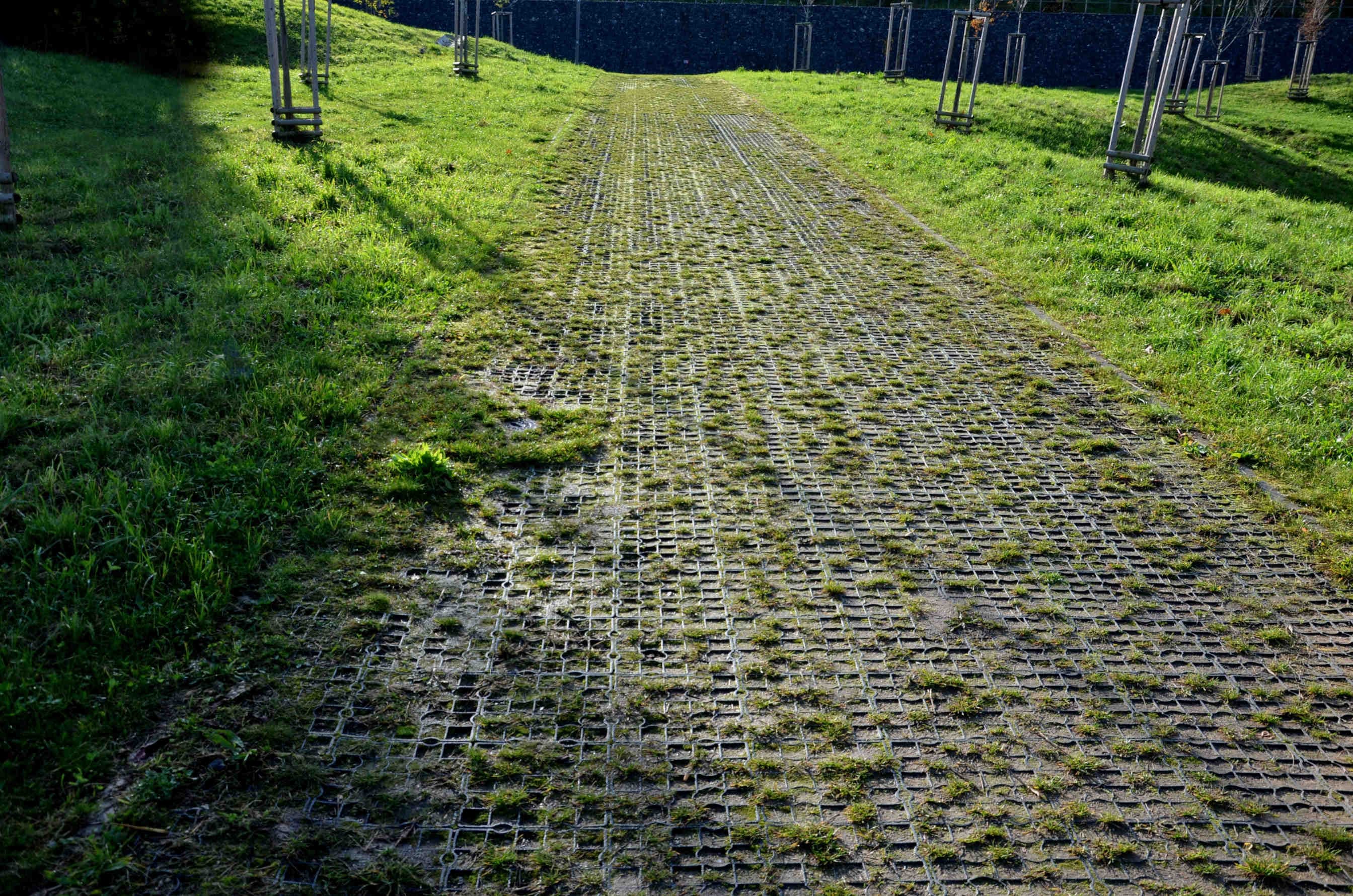
    Permeable soils: from gray paving to green paving

    One of the most effective interventions to increase urban resilience is the conversion of impermeable surfaces into permeable soils. Cities are often covered with asphalt and concrete that prevent rainwater infiltration, causing flooding and overloading sewer systems. Soil is a fundamental resource for rainwater management and for mitigating the heat island effect. Urban permeable soils are made with earth and other porous plant materials or with permeable joints that allow water to penetrate the ground, simultaneously recharging aquifers and preventing erosion. These solutions can be applied to sidewalks, parking lots, squares, and school courtyards, integrating vegetation to amplify their benefits. The transition to permeable paving represents a functional, aesthetic, and sustainable solution for water resource management in urban areas.

    suoli drenanti
    XNatura

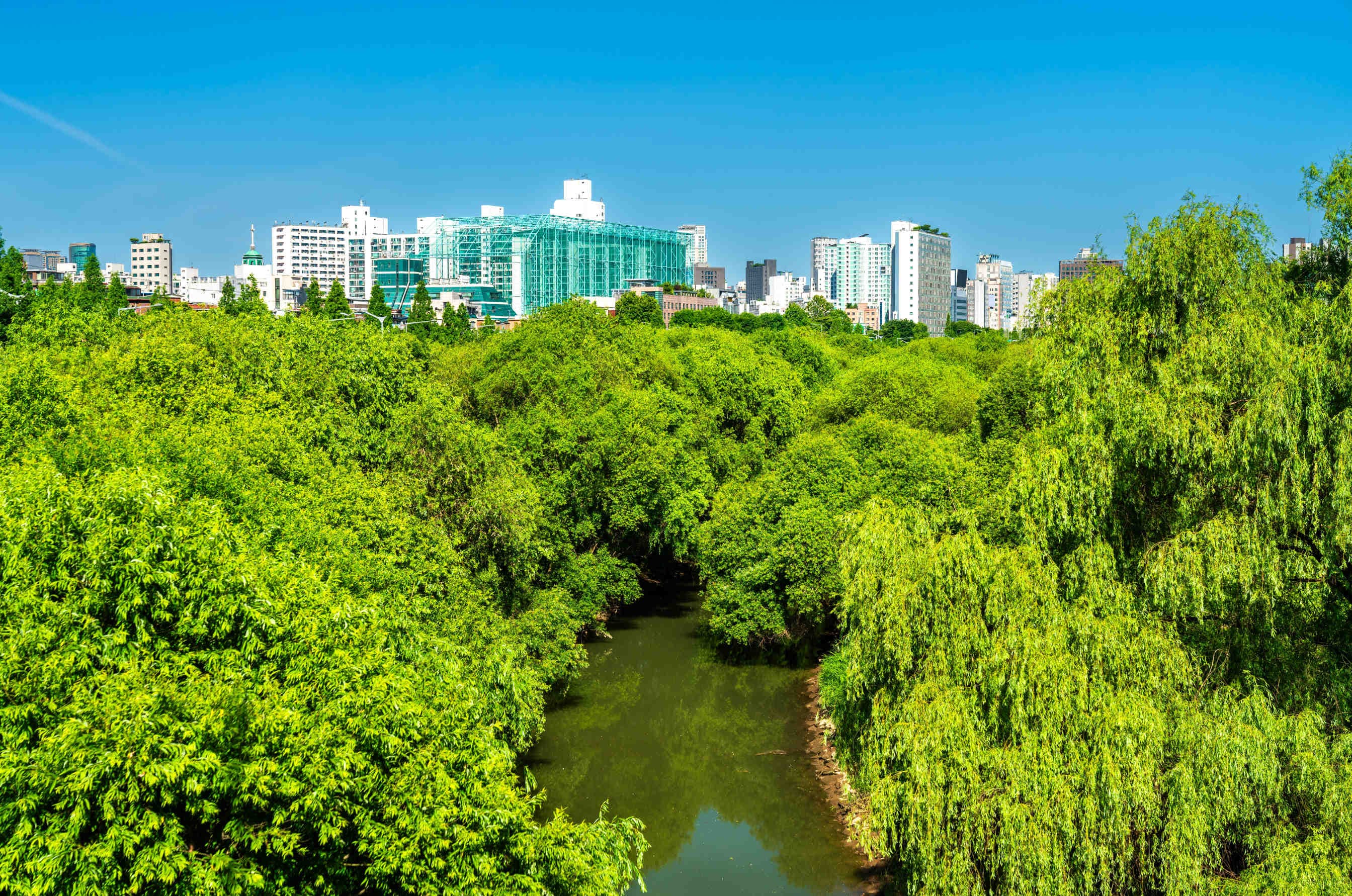
    Urban renaturation for rivers and industrial areas

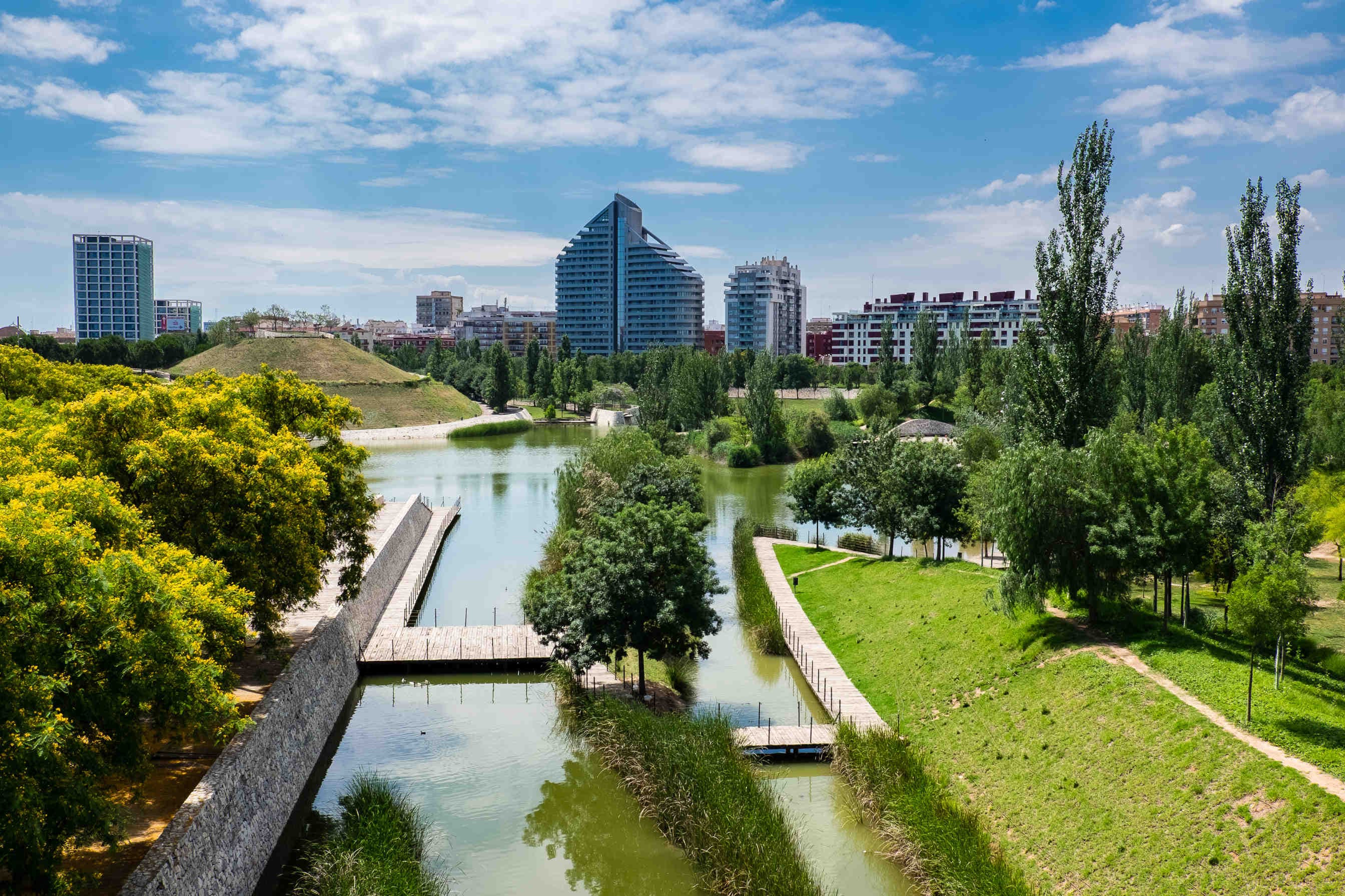
    The renaturation of watercourses and disused industrial areas is a key strategy for the ecological restoration of cities. Restoring the natural course of rivers, removing artificial banks, and reconnecting floodplains help reduce hydraulic risk and promote biodiversity: an example is the Turia Garden in the city of Valencia. Similarly, the regeneration of former industrial areas through the creation of parks, wetlands, or urban forests transforms degraded spaces into vital environments. These interventions improve soil and air quality, promote urban biodiversity and ecosystem services, and also enable the social reclaim of spaces and reactivate economic and cultural dynamics. Renaturation is also an educational tool and a way to restore nature to a central role in the design of the cities of today and tomorrow.

    Valencia
    3Bee

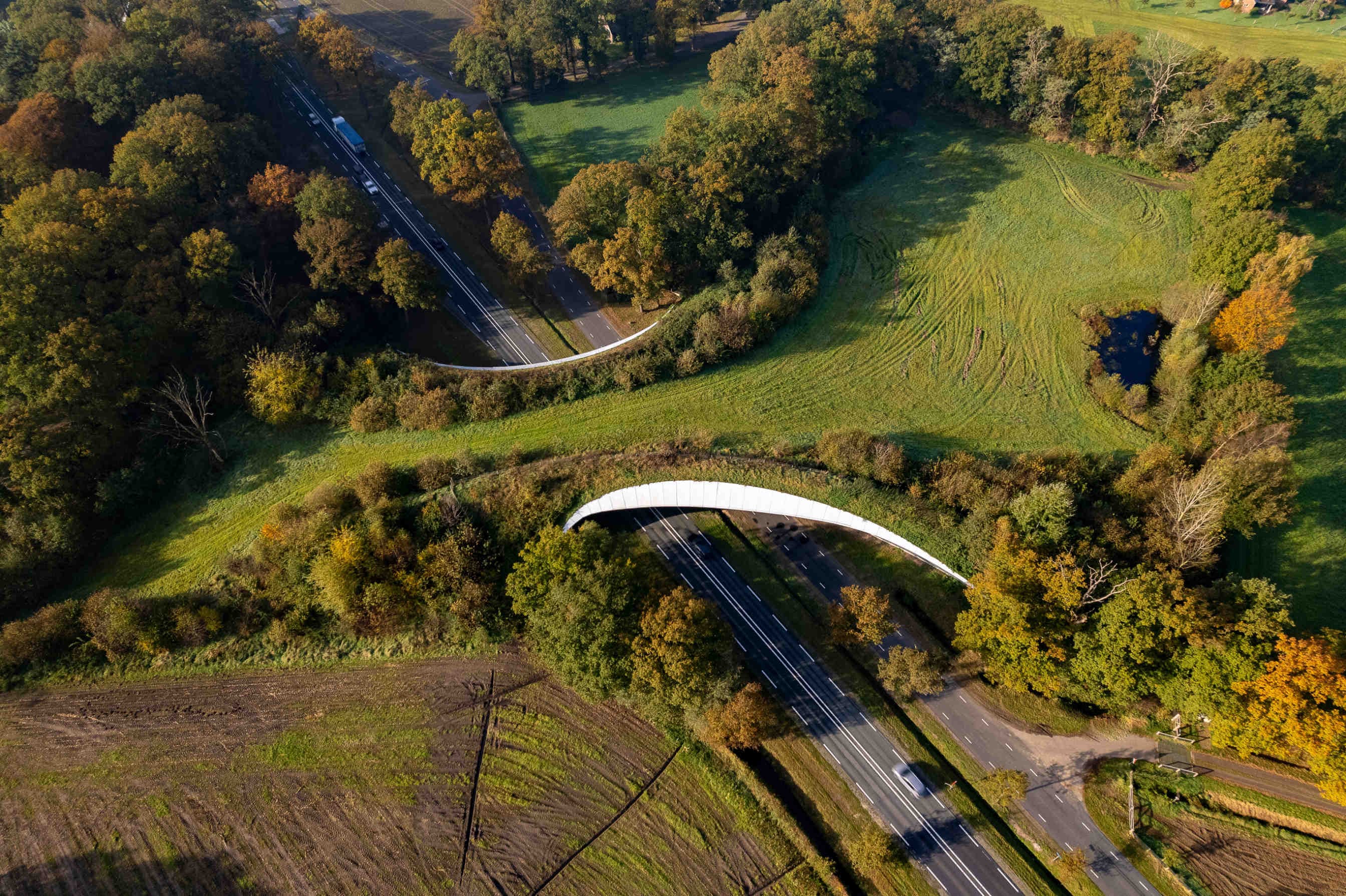
    Ecological corridors to connect urban green

    Ecological corridors allow for the connection of different natural areas that would otherwise be interrupted and interspersed with physical barriers. Urban and peri-urban green areas are often isolated by roads, squares, and buildings that limit the mobility of animals and plants. To address this issue, it is possible to build green corridors which, in addition to their ecological role, can serve as public spaces for gentle mobility and citizen well-being. A pioneering example is the city of Tallinn in Estonia, which has developed a system of green corridors connecting parks, urban forests, and agricultural areas, maintaining ecological continuity and offering pedestrian and cycling paths. These green infrastructures strengthen urban resilience, mitigate climate impacts, and promote interaction between humans and nature. Integrated design of ecological corridors allows for the combination of urban planning, conservation, and quality of life.

    corridoi verdi

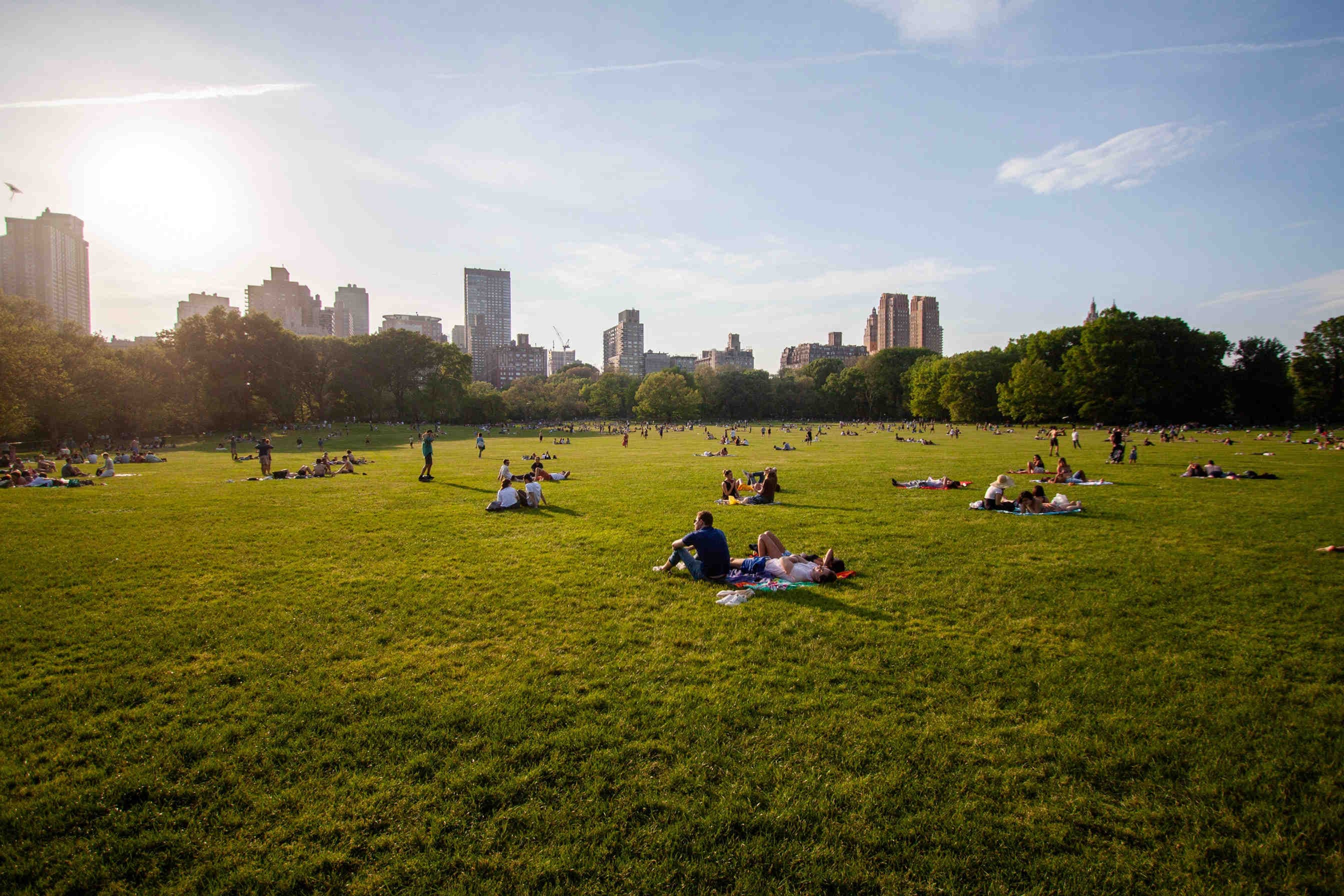
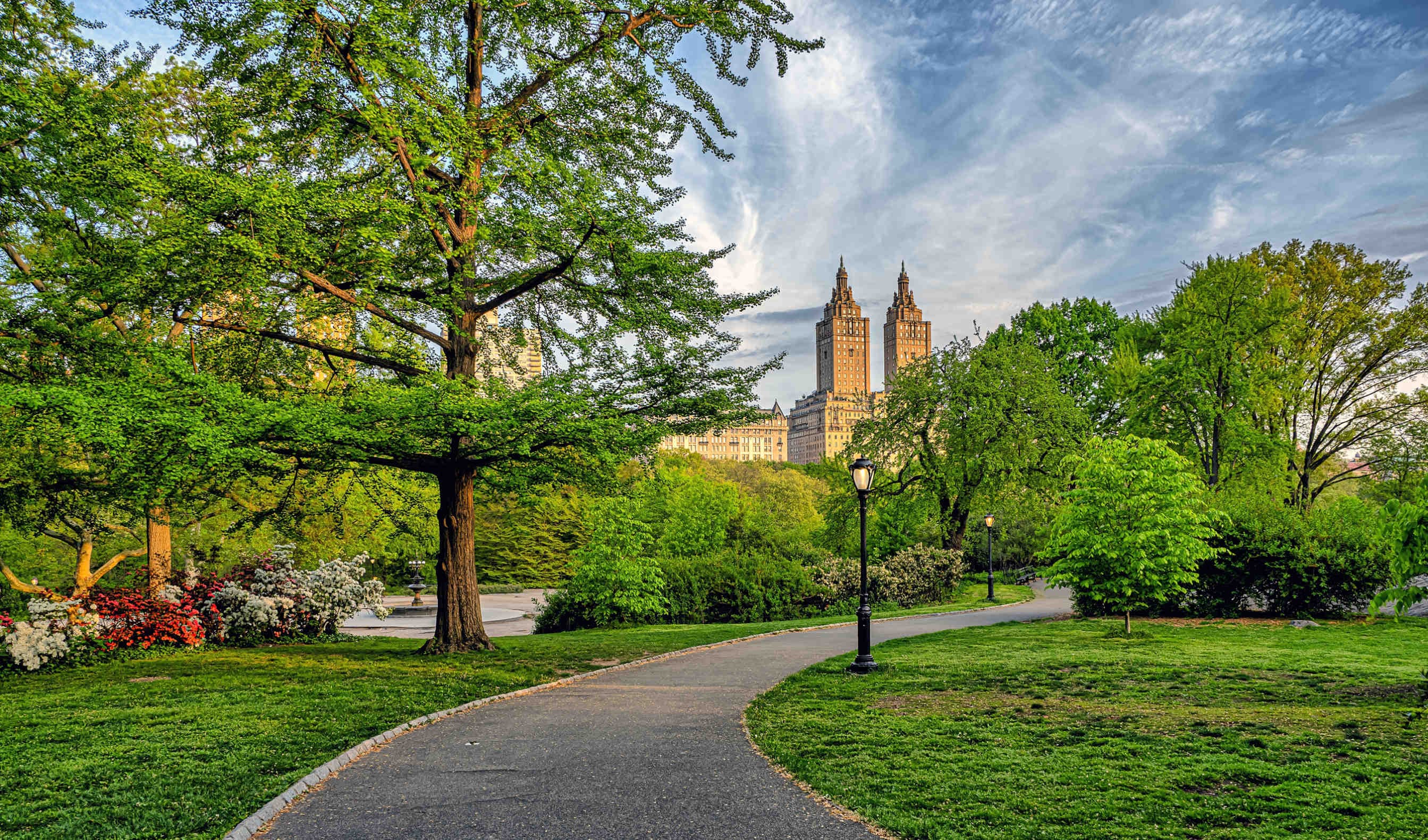
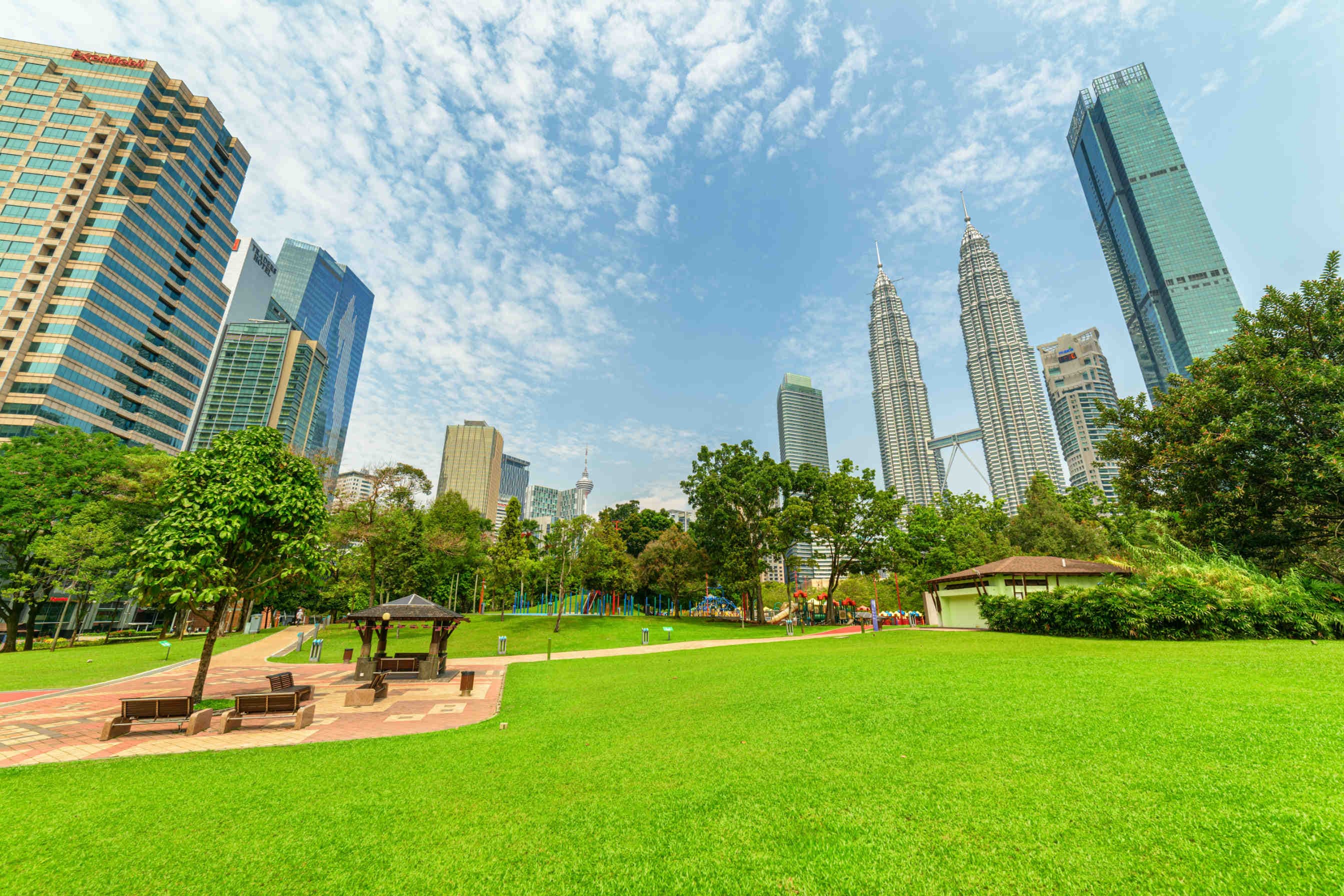
    Urban green areas for greater well-being

    Parks, gardens, tree-lined avenues perform essential functions for the health of cities. The vegetation present in these areas significantly lowers the temperature through shading and evapotranspiration, effectively counteracting heat islands. Depending on the structure and composition of the vegetation, they can also play an important role in containing urban pollution. Green areas also provide crucial habitats for pollinating insects and other animals, contributing to urban biodiversity. For citizens, parks and gardens offer the opportunity to engage in outdoor physical activities, socialize, and relax, thereby contributing to mental and physical well-being. Scientific studies show that the presence of green areas is associated with lower stress levels, lower incidence of diseases, and better overall health. Building green areas in cities is therefore important both for the environment and for the well-being of the population.

    New York

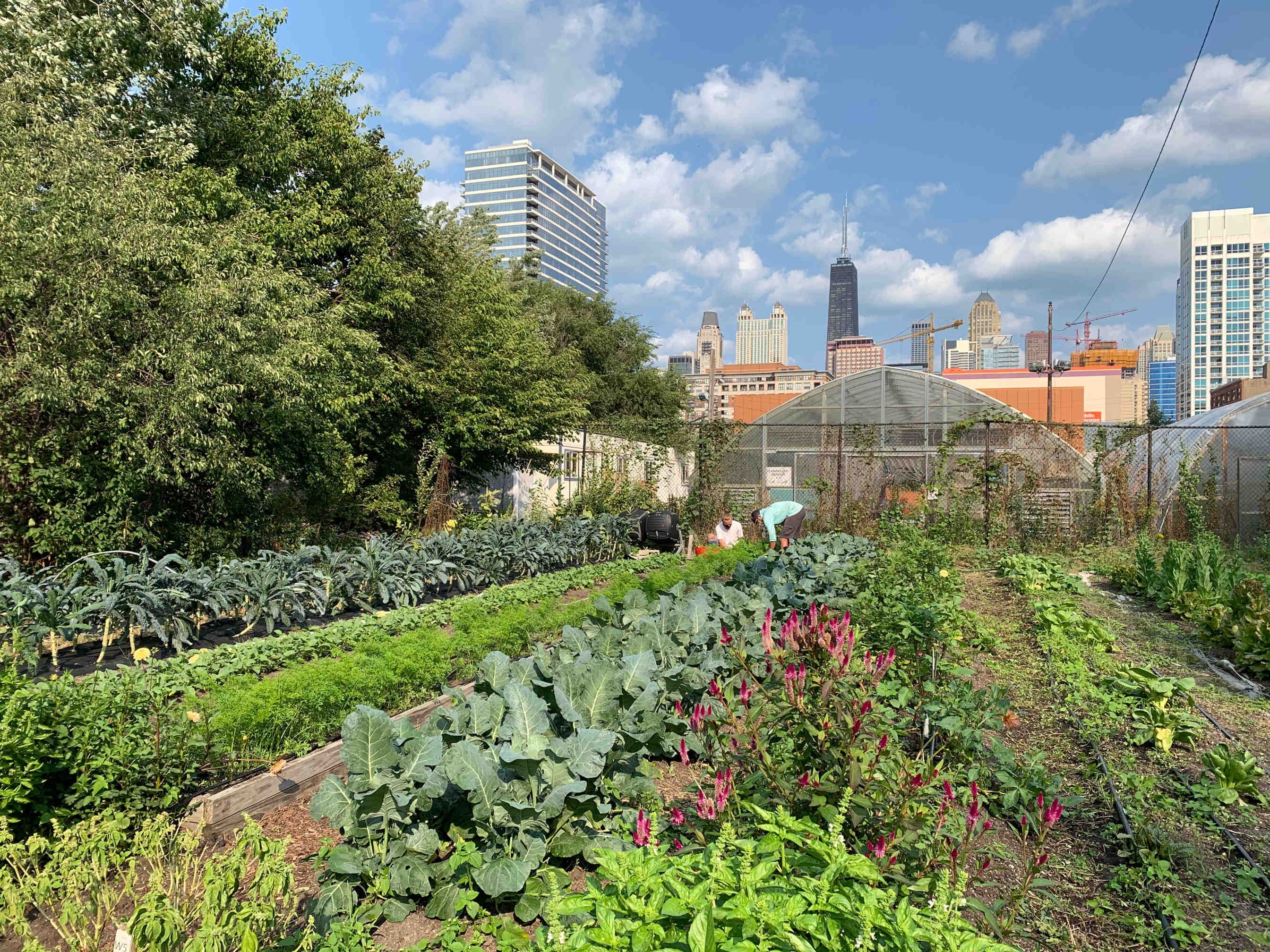
    Urban agriculture: food, community, and resilience

    Urban agriculture represents a form of NbS that combines sustainability, participation, and self-sufficiency. The habit of growing fruits and vegetables within the city has been common in Italy for a long time, but in other areas, it is an innovative practice. On roofs, balconies, abandoned areas, or public spaces, urban agriculture reduces dependence on industrial supply chains and the carbon footprint, while also promoting a healthier diet. Urban or post-industrial lands are often polluted, but they can be improved using compost and other common practices in gardens. Shared gardens strengthen social bonds, promote environmental education, and encourage healthy lifestyles. Moreover, these practices improve soil quality, reduce pollution, and transform neglected areas into productive and welcoming spaces. Urban agriculture proves to be a multifunctional solution, capable of regenerating the urban fabric and strengthening community resilience.
    Chicago

    Urban problems and natural responses

    NbS are capable of effectively addressing multiple city issues. Heat islands and high temperatures are mitigated by trees and green roofs, air pollution is reduced thanks to vegetation that absorbs CO₂ and fine particles, and weather events and erosion are managed through draining soils and renatured wetlands. At the same time, the well-being of the population is promoted by green areas and community gardens. Transforming a plaza made of concrete into a park with permeable soil, trees, and a small urban garden allows managing stormwater, offering shade, promoting biodiversity, and creating an inclusive social space in one step. NbS do not solve just one problem but many simultaneously, representing a strategic investment for healthier and more livable cities.

    parco urbano

    Adopting NbS in cities: necessary requirements

    To effectively adopt NbS, a systemic change in urban planning is necessary. In order to ensure that NbS provide sustainable benefits to society, four guiding principles need to be followed: NbS must not be a substitute for the rapid elimination of fossil fuels; they must involve a wide range of ecosystems, both terrestrial and marine, not just greenery; they must be implemented with the full involvement and consent of local communities; they must be explicitly designed to offer measurable benefits to biodiversity. These solutions need to be integrated into building regulations and urban plans, promote collaboration among public entities, communities, and the private sector, and ensure adequate funding. NbS require an interdisciplinary approach, and only with an integrated and long-term vision can cities truly benefit from them, building a more sustainable, resilient, and humane future.

    17/04/2025Of 3Bee, Niccolò Patelli
    309 Views
    Newsletter
    newsletter
    Subscribe to the Blog about bees and biodiversity

    Frequently Asked Questions

    Do you have any doubts or other curiosities about this article? Here you will find some insights