In search of new 'pollinator-friendly' plants
    DeclinoPollinatorsPlantsFame

    In search of new 'pollinator-friendly' plants

    According to a recent study, the presence of early spring flower and plant species could increase the survival of some pollinating insects, expanding the list of 'pollinator friendly' plants. Learn more about pollinator allies in this article.

    Read the article
    30/05/2024Of 3Bee, Chiara Pertile
    318 Views
    30/05/2024Of 3Bee, Chiara Pertile
    318 Views

    The decline of pollinating insects
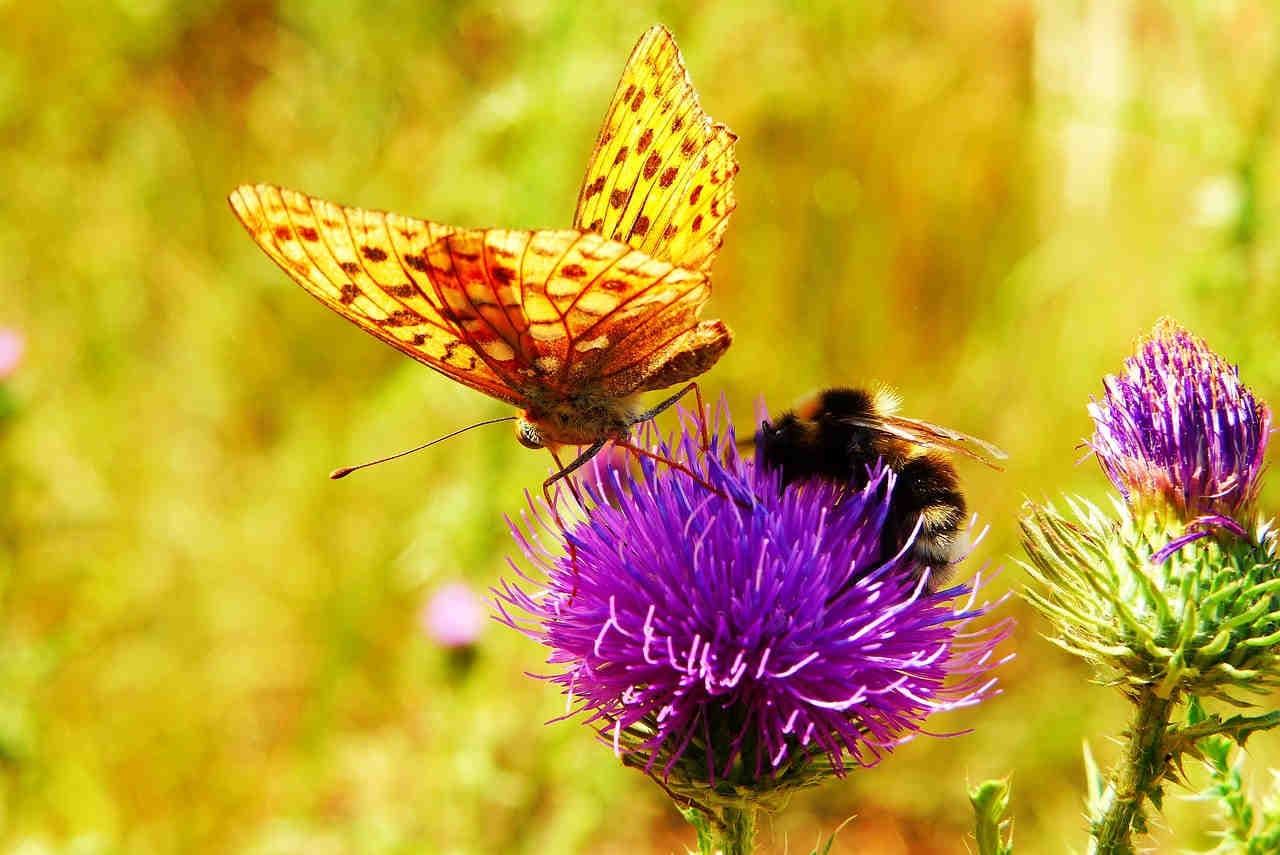
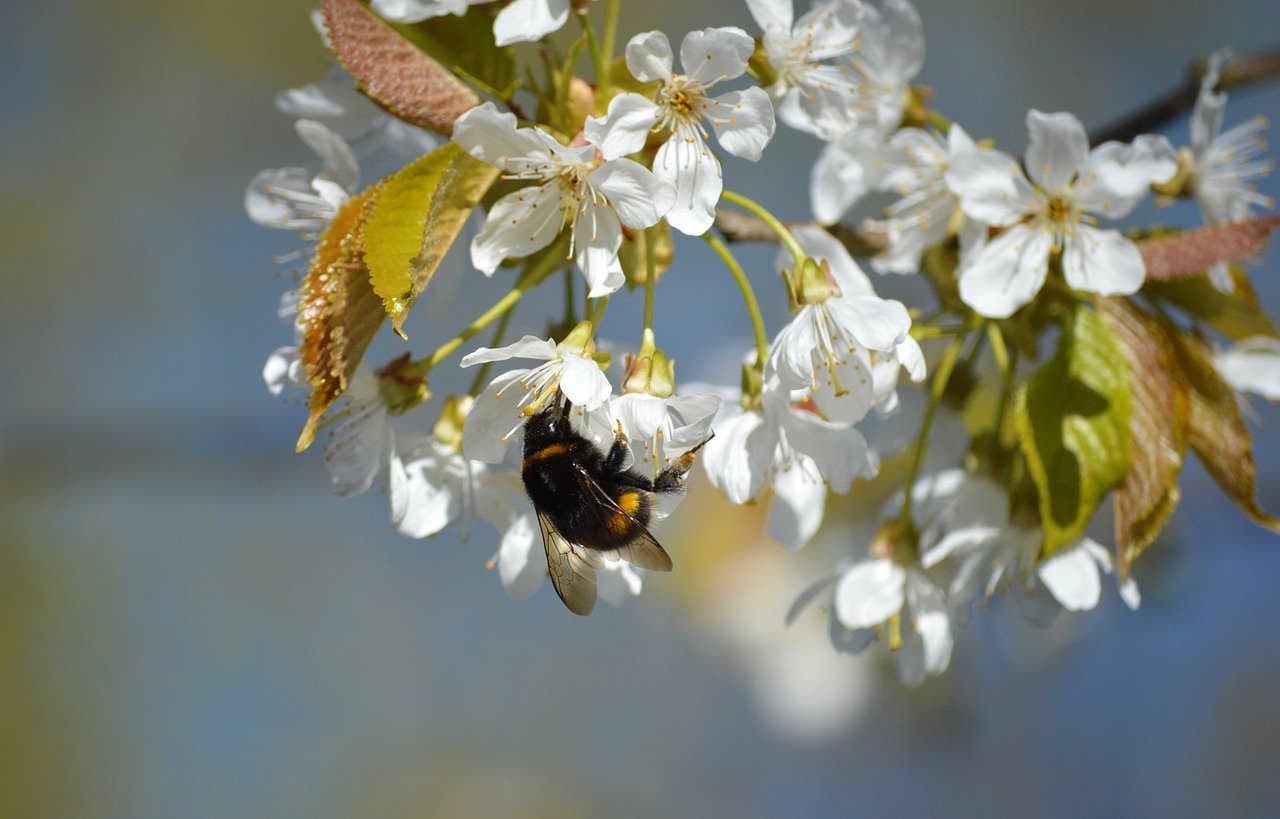
    Pollinating insects play a key role in the pollination and subsequent spread of crops and wild plants, unknowingly contributing to the sustenance of global ecosystems and our own food supply. However, the rising temperatures, the use of pesticides and the constant loss of habitat, especially the diminution of plants that provide pollen and nectar, is leading to the decline of many of the 20,000 or so species of pollinating insects, of which 40% are threatened with extinction.

    farfalla bombo fiore

    The 'New Deal' for pollinators

    The drastic decline of these environmentally crucial organisms has prompted governments to take action. In particular, on 24 January 2023, the European Commission presented the "A new pact for pollinators" communication to curb the alarming decline of wild pollinating insects in Europe, revising the 2018 proposal. This initiative includes targets and actions by 2030, with priorities in the conservation and study of pollinators, the restoration of habitats in agricultural landscapes, the reduction of pesticide overuse, the improvement of urban habitats, and the management of climate and environmental threats.
    fiori
    XNatura

    Pollinator-friendly plants

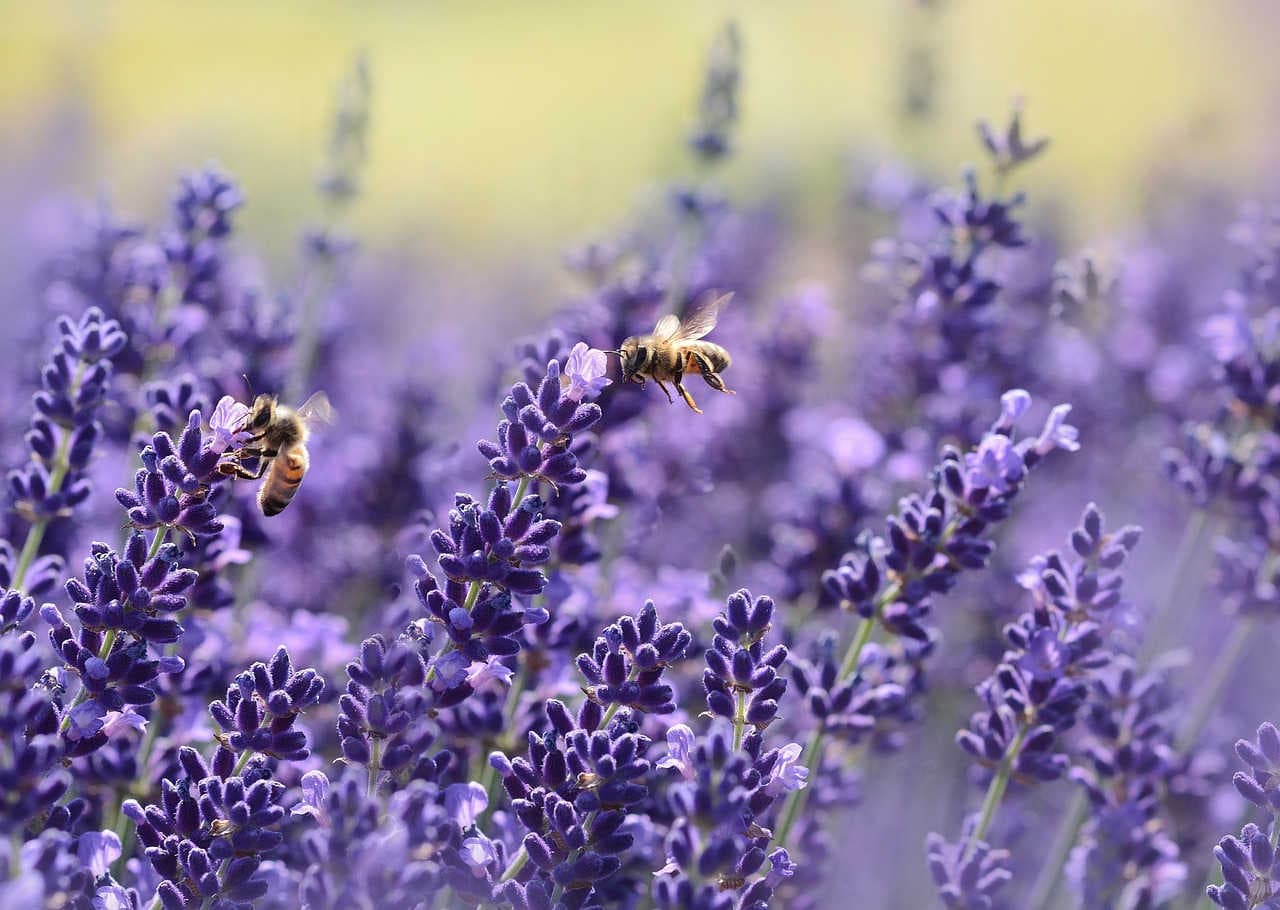
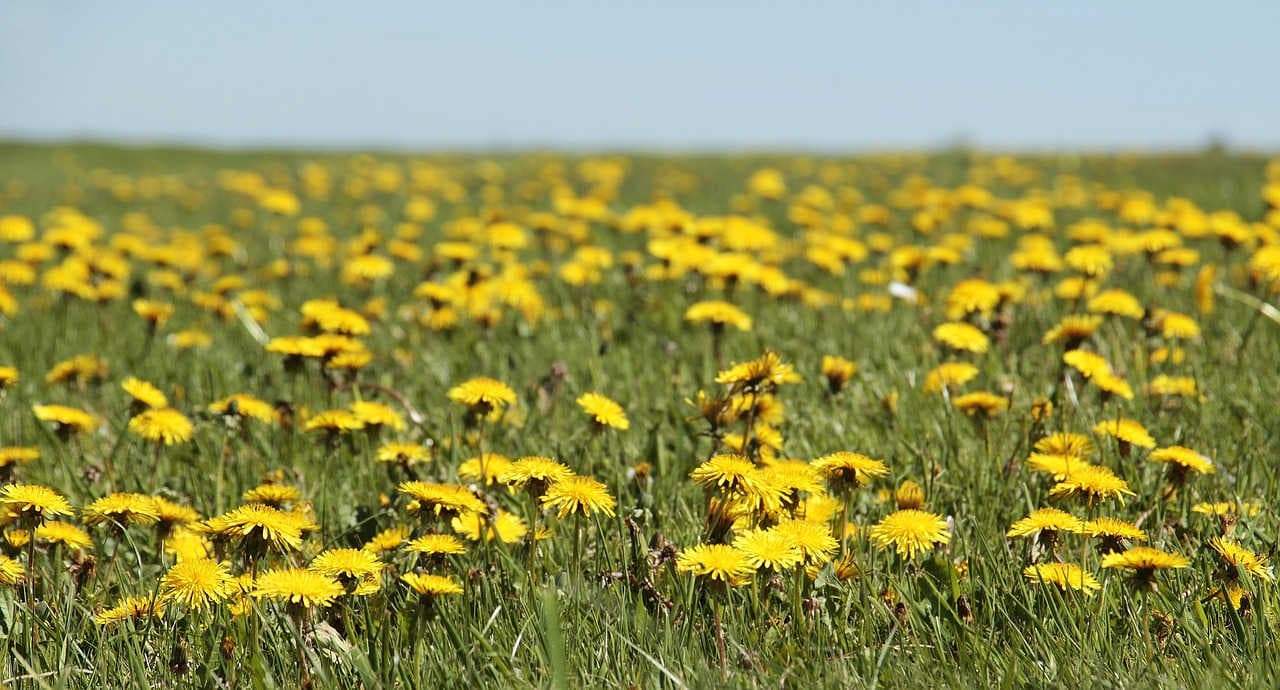
    One of the seemingly most effective pollinator-friendly initiatives implemented in Europe, the UK and the US is to promote and fund planting plant species, particularly in agricultural settings, to support the survival of pollinator insect populations by ensuring an adequate supply of resources. Among the "pollinator-friendly" plants indicated by these government programmes are brightly coloured and long-flowering species such as basil, marigold, artichoke, dandelion, alfalfa, some sunflower species, lavender, lemon balm, mint, oregano, poppy and rosemary. However, today, despite such efforts, the decline of many of the pollinating insect species seems to continue.

    api

    The hunger 'gap

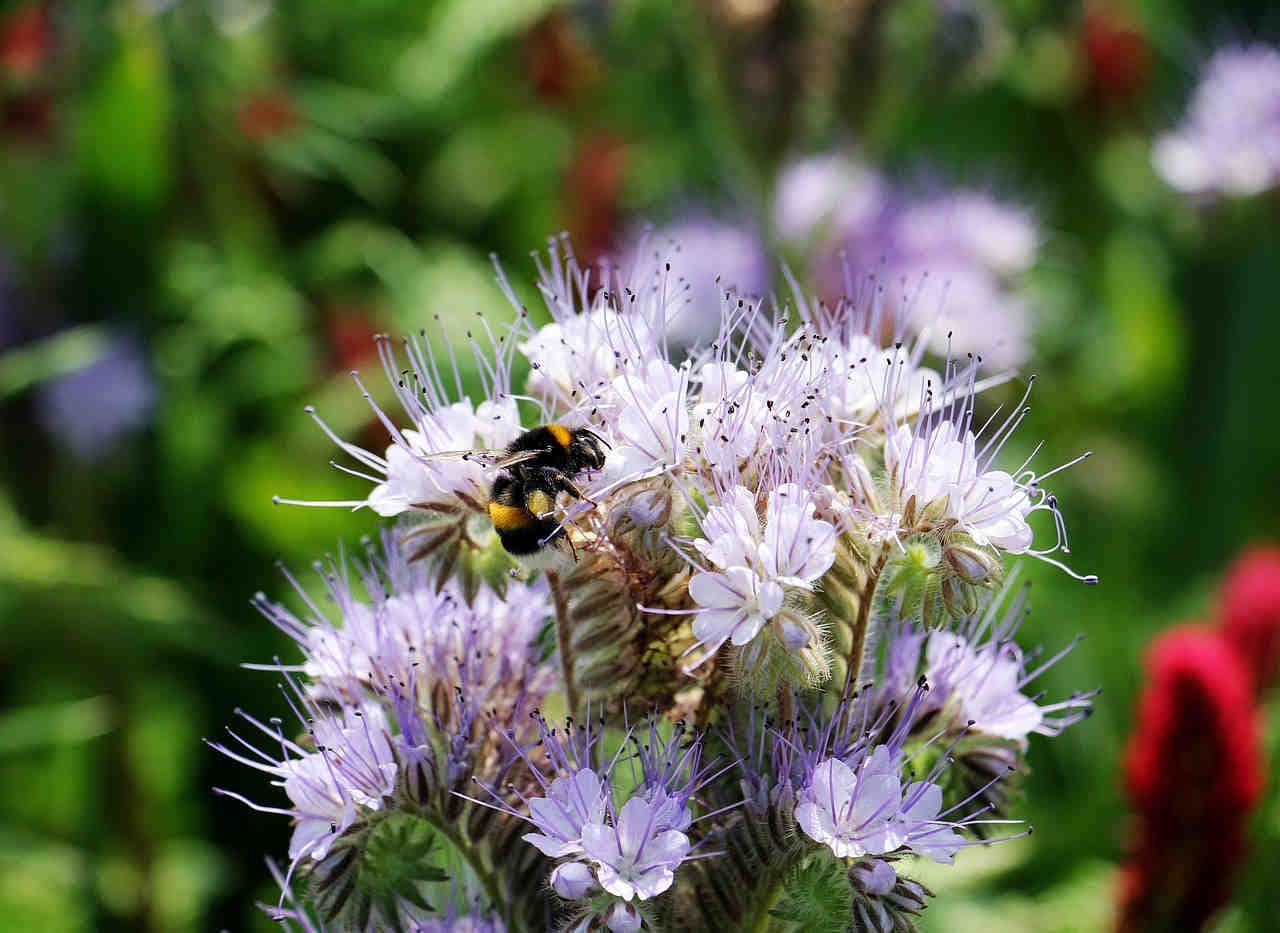
    A recent study led by Dr. Tonya Lander and involving the Universities of Oxford and Exeter, has revealed a surprising finding regarding "pollinator friendly" plants: most official species flower a month too late to meet the nutritional requirements of early pollinating insects, such as some species of bumblebees and wild bees. According to scholars, one of the critical factors for the survival of these species, hitherto overlooked, is in fact the availability of pollen and nectar in the initial stages of colony establishment, which occurs on average one month before the peak of foraging activity. Consequently, the recommended standard plants, while beneficial at other stages, would lead to a "starvation gap" of as much as one month for the earliest insects, negatively contributing to their survival and the production of new queens, central to the foundation of a new colony in the following season.
    impollinazione
    XNatura

    Test simulations

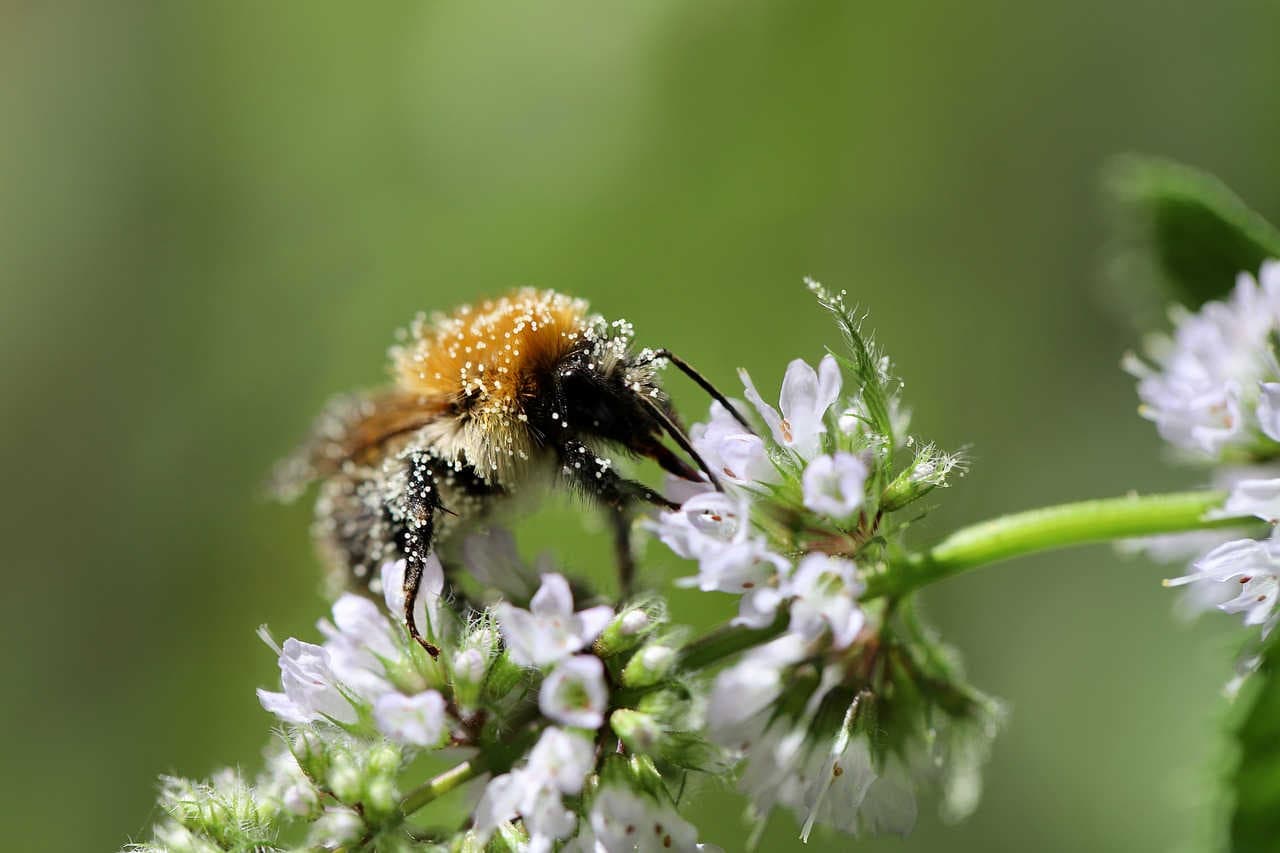
    Using a evaluation system capable of generating simulations to predict colony development based on different scenarios, the researchers focused on the colony trends of two species of pollinating insects: the terrestrial bumblebee(Bombus terrestris) and the grazing bumblebee (Bombus pascuorum). In particular, they analysed when resource demand is highest for bumblebees throughout the year, how colony survival is affected by periods of food shortage, how food requirements are related to seasonal changes in colony composition (e.g. number of adults, eggs and larvae), and how the availability of spring flowering plants affects colony survival and queen production.
    bombo
    3Bee

    The results

    The results of the simulations revealed that food demand for bumblebees peaks from March to June, anticipating by one month the flowering of most 'pollinator-friendly' species recommended by UK government guidelines. The lack of food during this critical period has serious consequences for colony survival, increasing the risk of extinction of local populations and leading to a 50 to 87% drop in the birth of new queens. Although simulation models have their own limitations, this research opens up several new perspectives, stimulating new directions for research in the field and leading to a re-evaluation of both British and European governmental guidance on strategies for the preservation of these animals and the protection of biodiversity.
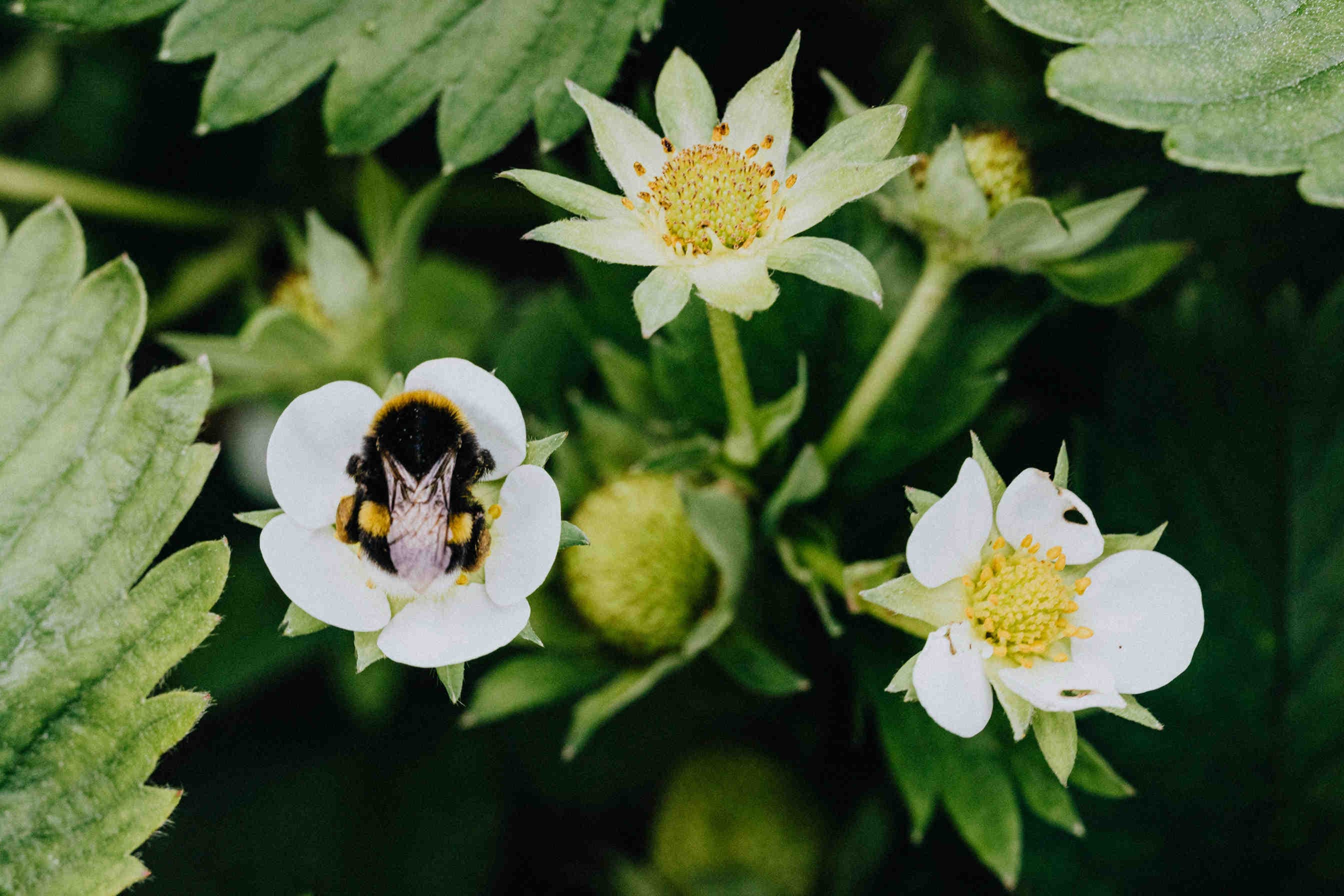
    fiori bombo

    Prioritising growth

    One of the most interesting findings of this study was the correlation identified between the feeding needs of colonies and the larvae to be fed. While many conservation strategies for pollinators focus on the period when adults perform the most foraging activities, this study suggests a different approach. Essentially, it highlights the importance of food resources already in the first months of their development, March and April, when there is less adult presence in the colonies and activities focus on the thermal regulation of the brood and the growth of the larvae, which depend on pollen and nectar for their optimal development. The proper development of the larvae leads to the production of adults that are more robust and able to contribute more to the subsequent foraging of the colony.
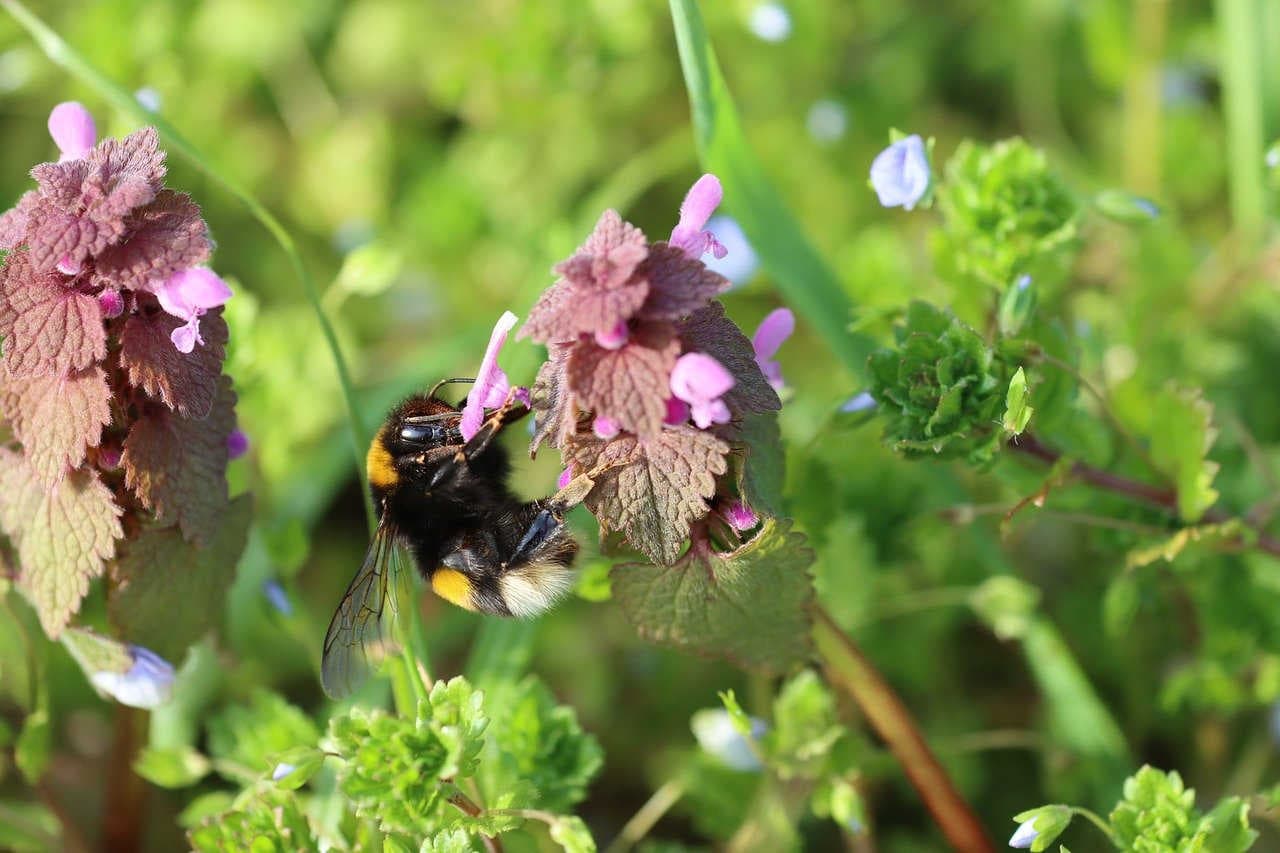
    Bombus terrestris

    Early spring flowers

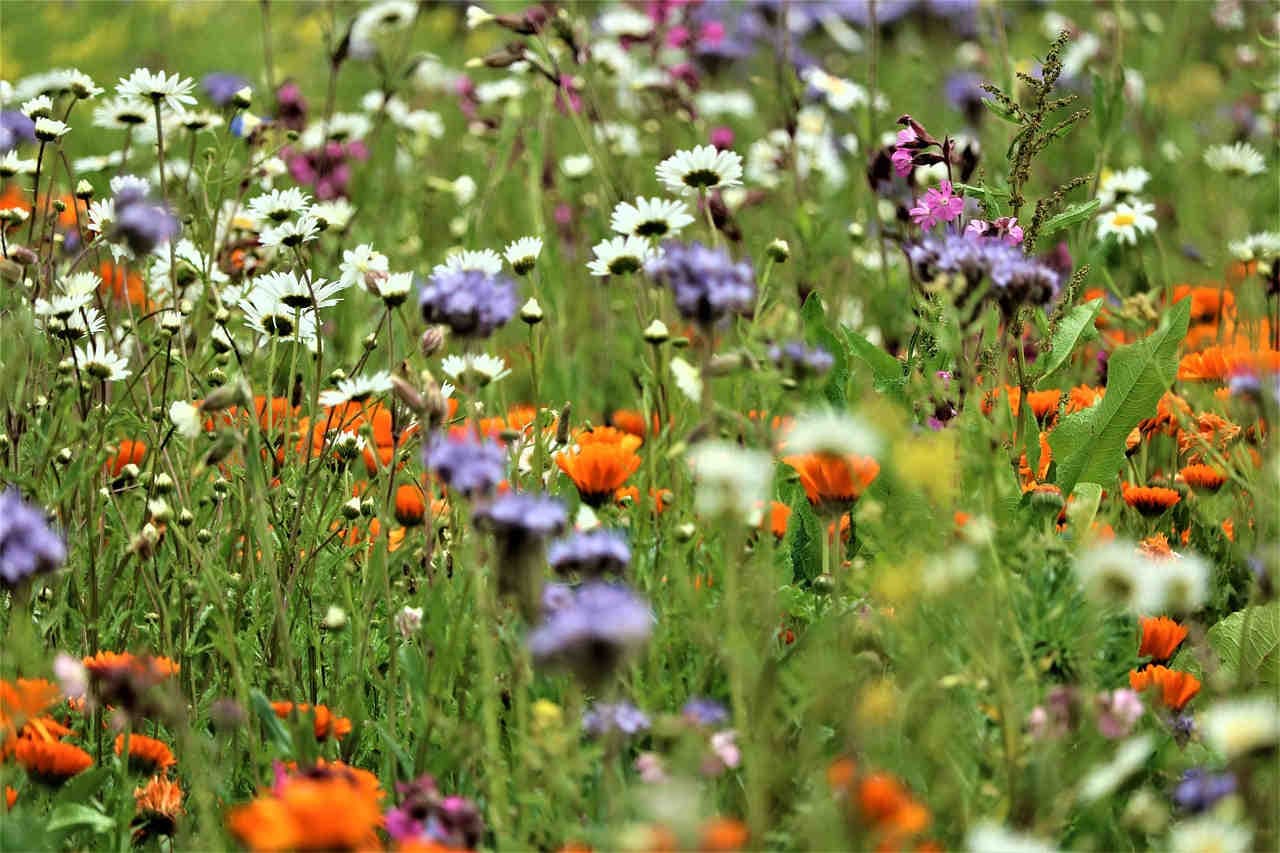
    Faced with these findings, the researchers of this study propose a practical and concrete solution to fill the 'hunger gap' in pollinator species such as the bumblebee: enhancing soils by increasing the number of early spring flowering species such as ground ivy, red nettle, maple, the cherry, the blackthorn and willow. According to the researchers, this strategy could improve the survival rate of the colonies from 35 to 100 per cent. Considering that operations to protect pollinators are already in place and financed by the EU, the aim would simply be to complement these studies and encourage the planting of pollinator-friendly early plants, filling all periods when the need for resources in the various insects is high.
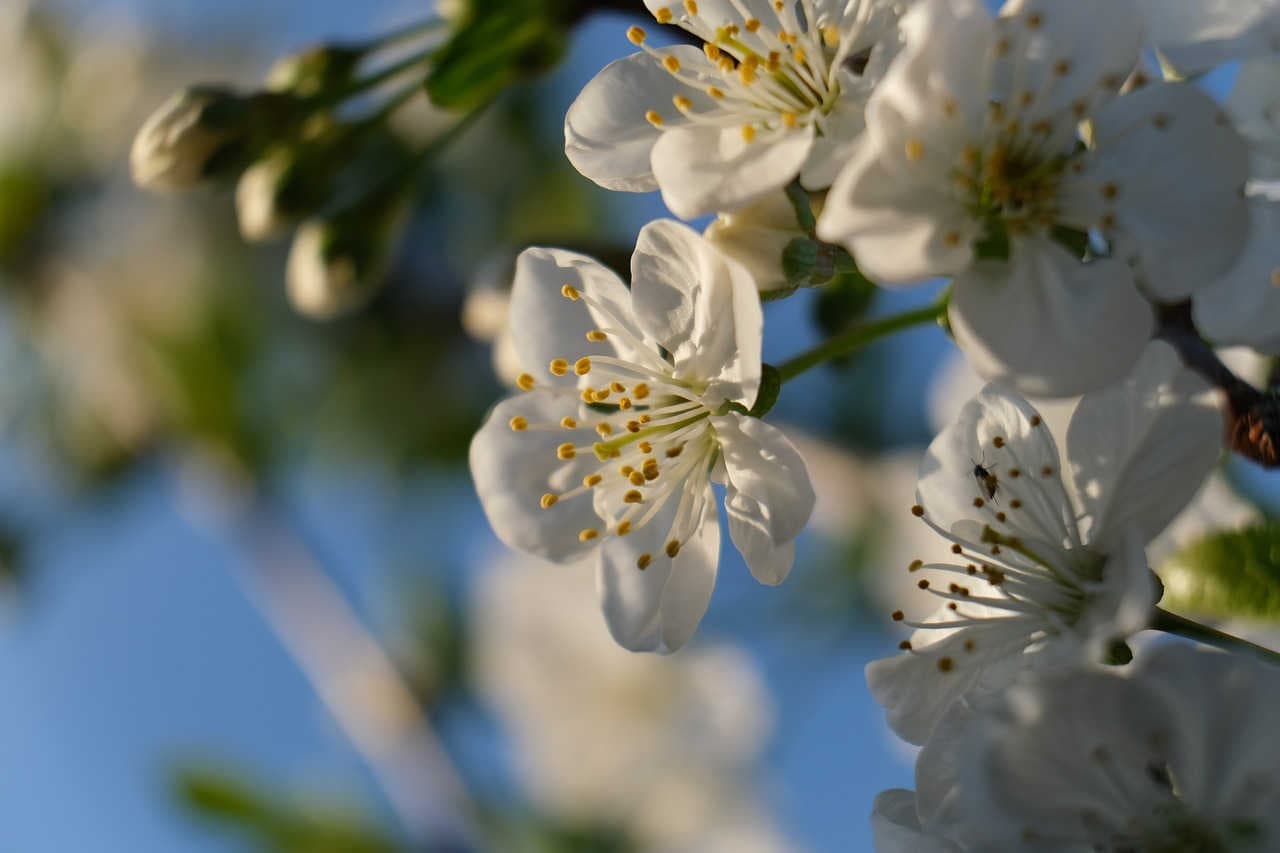
    fiori

    More oases for pollinators

    In this context, actions aimed at monitoring pollinating insects assume a role of primary importance for the conservation of these species. Over the years, 3Bee has always been aware of this and has developed a series of concrete solutions aimed at safeguarding pollinators. One example is the Biodiversity 3Bee Oases: urban and agroforestry habitats that provide shelter and sustenance, through the targeted planting of 'pollinator-friendly' plant species, to these organisms that are fundamental to our planet. Furthermore, through IoT technology, the data collected in the oases can be used to create virtual oases, allowing the progress of the protected areas to be monitored in real time. 3Bee's work is therefore in line with the objectives of the EU's pollinator-friendly initiative and makes a concrete contribution to the overall efforts to protect biodiversity.

    oasi impollinatori
    30/05/2024Of 3Bee, Chiara Pertile
    318 Views
    Newsletter
    newsletter
    Subscribe to the Blog about bees and biodiversity

    Frequently Asked Questions

    Do you have any doubts or other curiosities about this article? Here you will find some insights