Human activities can alter the colour of insects
    ImpactColoursExtinctionsFalene

    Human activities can alter the colour of insects

    A recent study has shown that deforestation in New Zealand is causing a colour change in the plecoptera species Zelandoperla fenestrata: human activities can alter species evolution.

    Read the article
    10/11/2024Of 3Bee, Chiara Pertile
    398 Views
    10/11/2024Of 3Bee, Chiara Pertile
    398 Views

    The impact of human activities on evolution

    Disclaimer: this is an automated translation from Italian. Go to the original article.

    Every day, habitat destruction, poaching, deforestation, pollution and climate change threaten our planet's species. According to the Living Planet Report 2024, in fact, between 1970 and 2020 there has been a 73% decline in the size of global populations of monitored wild vertebrates. The impact of human activities is so profound that it alters not only ecosystems, but evolutionary processes themselves, imposing new selective pressures that alter the characteristics of species and force them to make drastic adaptations, which sometimes prove insufficient. The effects of human activities are more severe in fragile ecosystems, such as island ecosystems, where each organism plays a specific ecosystem role. The loss of a single group can destabilise entire evolutionary and ecological balances, as demonstrated by a recent study on the effects of extinctions over the last 130,000 years.
    uccello nuova zelanda

    The changing colour of plecoptera

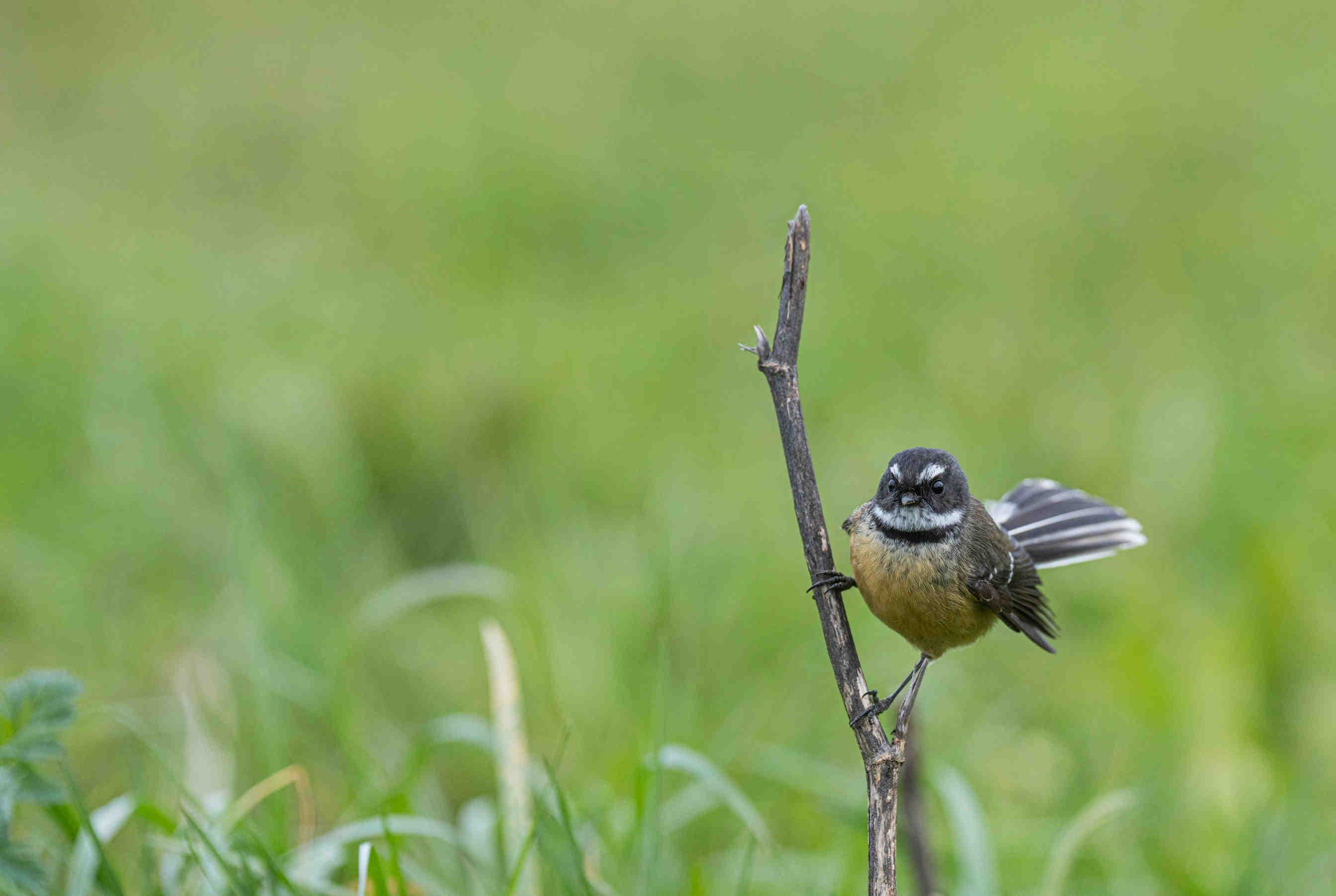
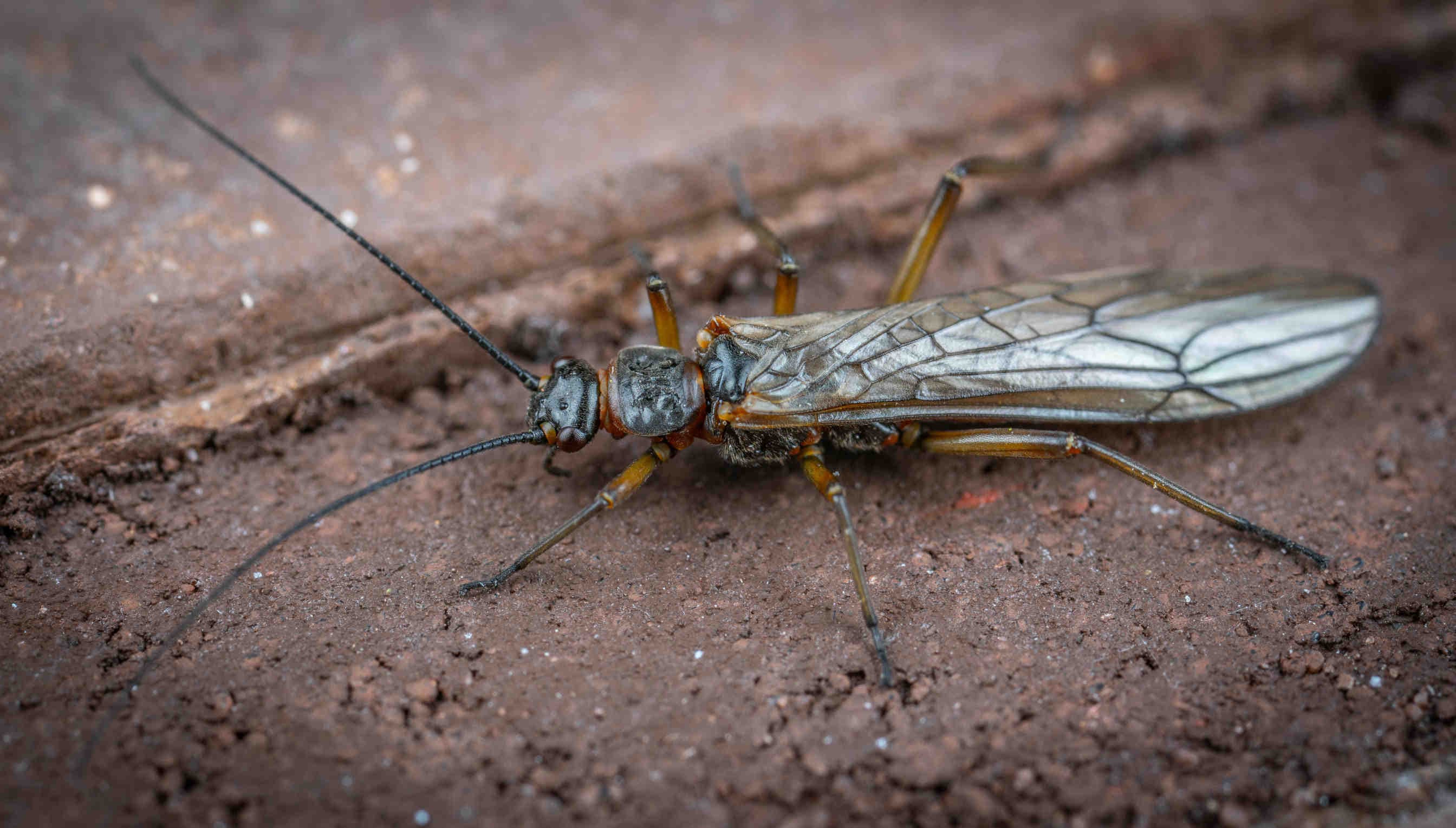
    A study published in Science by the University of Otago has revealed how widespread deforestation in New Zealand is triggering rapid evolutionary changes in some plecopteran populations. In particular, there are two species of plecoptera indigenous to New Zealand, the Austroperla cyrene, a toxic cyanide-producing insect with high-contrast black, white and yellow colourations, and the Zelandoperla fenestrata, a harmless plecoptera. The latter has several colourations, one of which is similar to the Austroperla and has a great adaptive advantage: studies have shown that birds avoid attacking insects with such warning colouration. Well, it would appear that with deforestation, Austroperla populations are dramatically decreasing and Zelandoperla are losing their common colouration. This reversal of the trend would seem to be an indirect consequence of human action.
    plecottero
    XNatura

    Deforestation in New Zealand

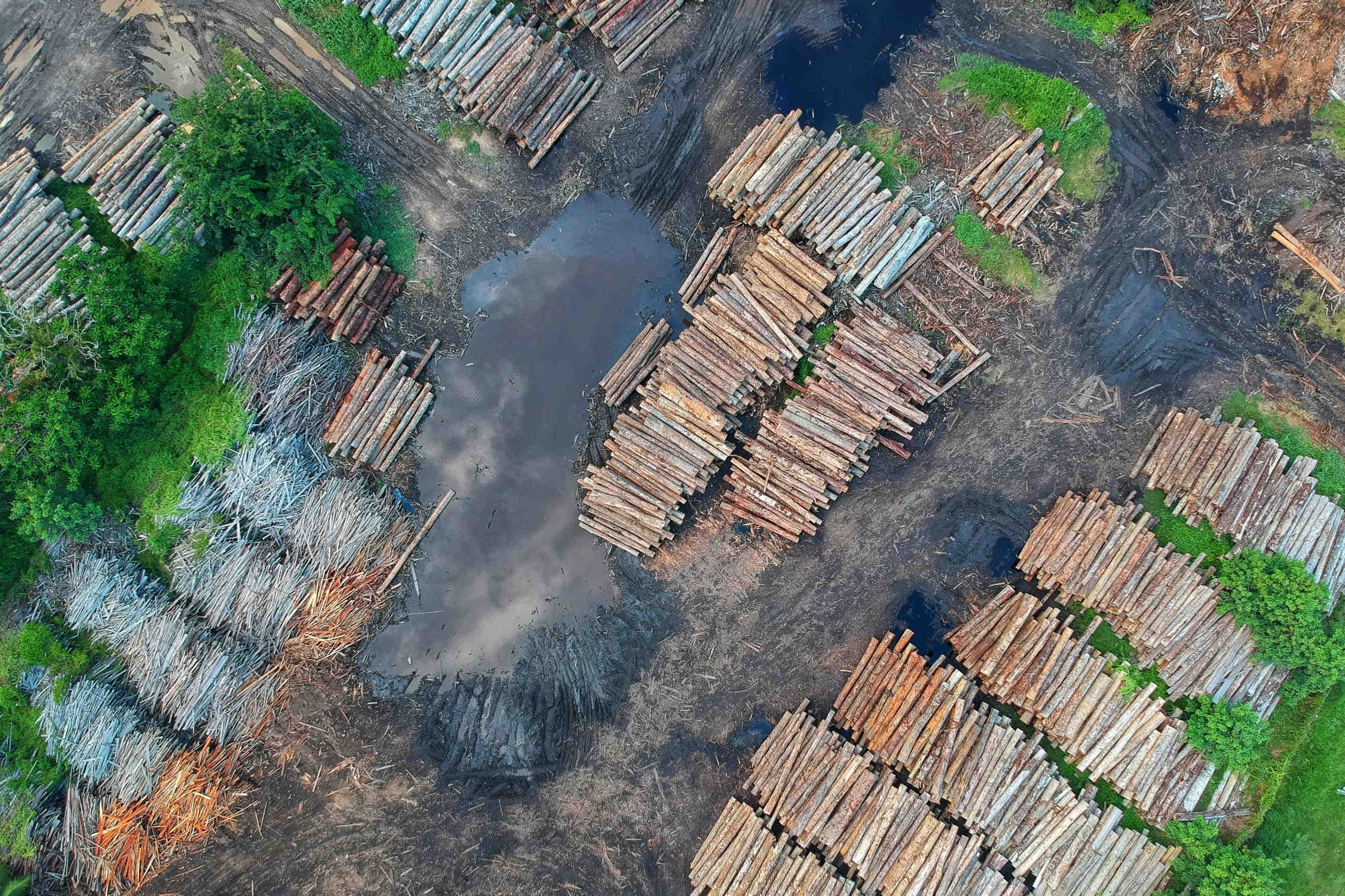
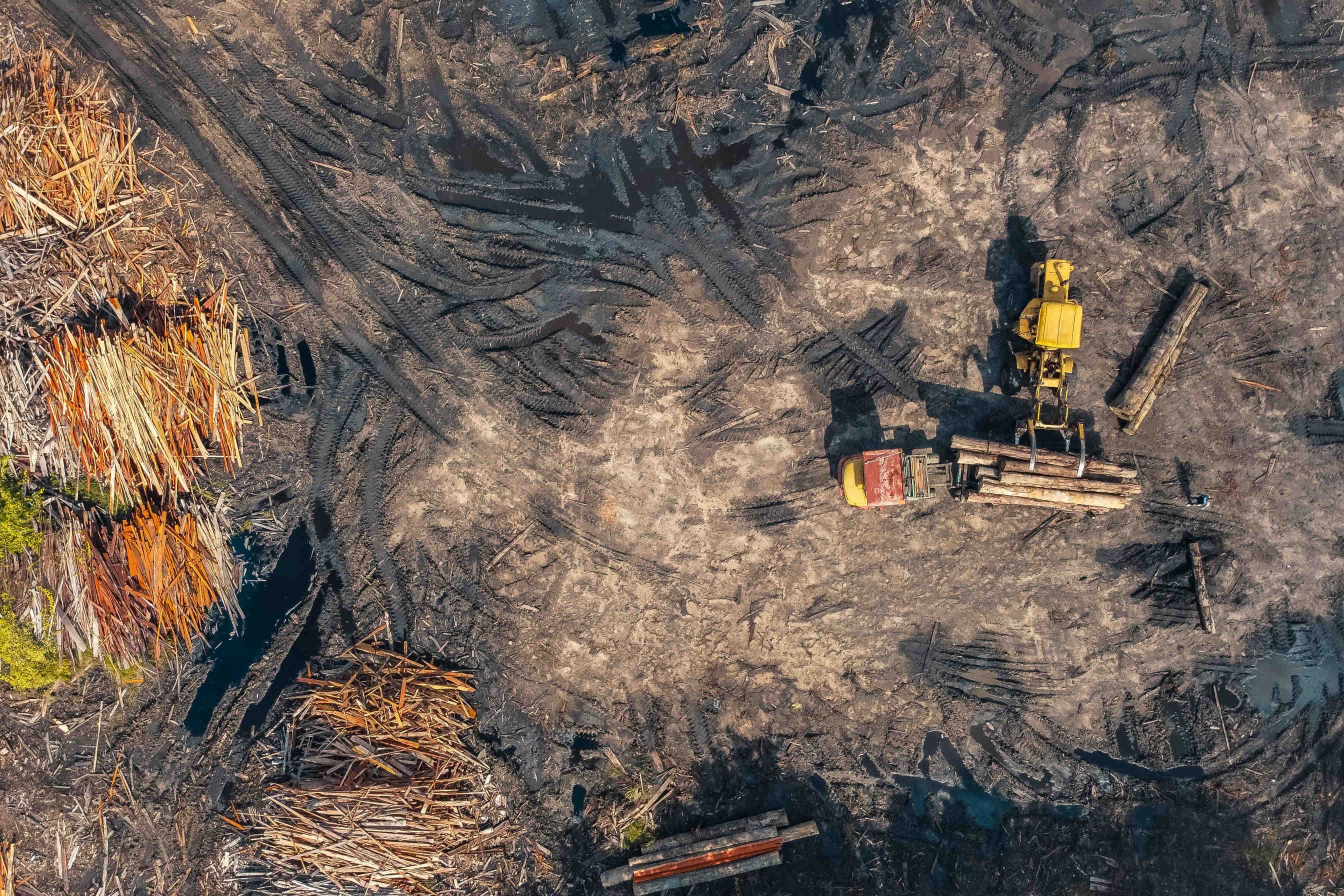
    Before the arrival of man, more than 80% of New Zealand was covered by forests. However, with the arrival of the European settlers, these began to be destroyed: between 1840 and 2000 the demand for agricultural and urban land was so high that it led to the loss of about 8 million hectares of green space. Today, the remaining forests cover just 30% of the national surface area, with a major impact on biodiversity. In fact, deforestation has caused the extinction and reduced the population of many species, in particular of the birds found in these areas and of the Austroperla. According to the University of Otago study, the reduction in the populations of these animals is the main cause of the gradual disappearance of the Austroperla: with the decrease in predators and the venomous species it mimics, the warning phenotype has become too wasteful and, in the absence of selective pressure, the insect is gradually losing it.
    deforestazione

    Moths have changed colour because of man

    According to Dr. McCulloch - author of the study - this research is "important because it shows that, at least for some of the native species, there is the possibility of adapting to human-induced environmental changes, even when the change is rapid". Organisms can therefore respond to sudden environmental changes and are not simply passive to the action of natural selection. Another classic example of adaptation caused by an anthropogenic matrix is the industrial moth Biston betularia. Originally light-coloured, these insects changed colour during the Second Industrial Revolution: moths with the darker-coloured mutation camouflaged themselves better on soot-blackened logs, evading predators and having a better chance of reproducing. When the emissions decreased and the logs became clear, the moths became clear again, demonstrating the reversibility of such rapid adaptive responses.
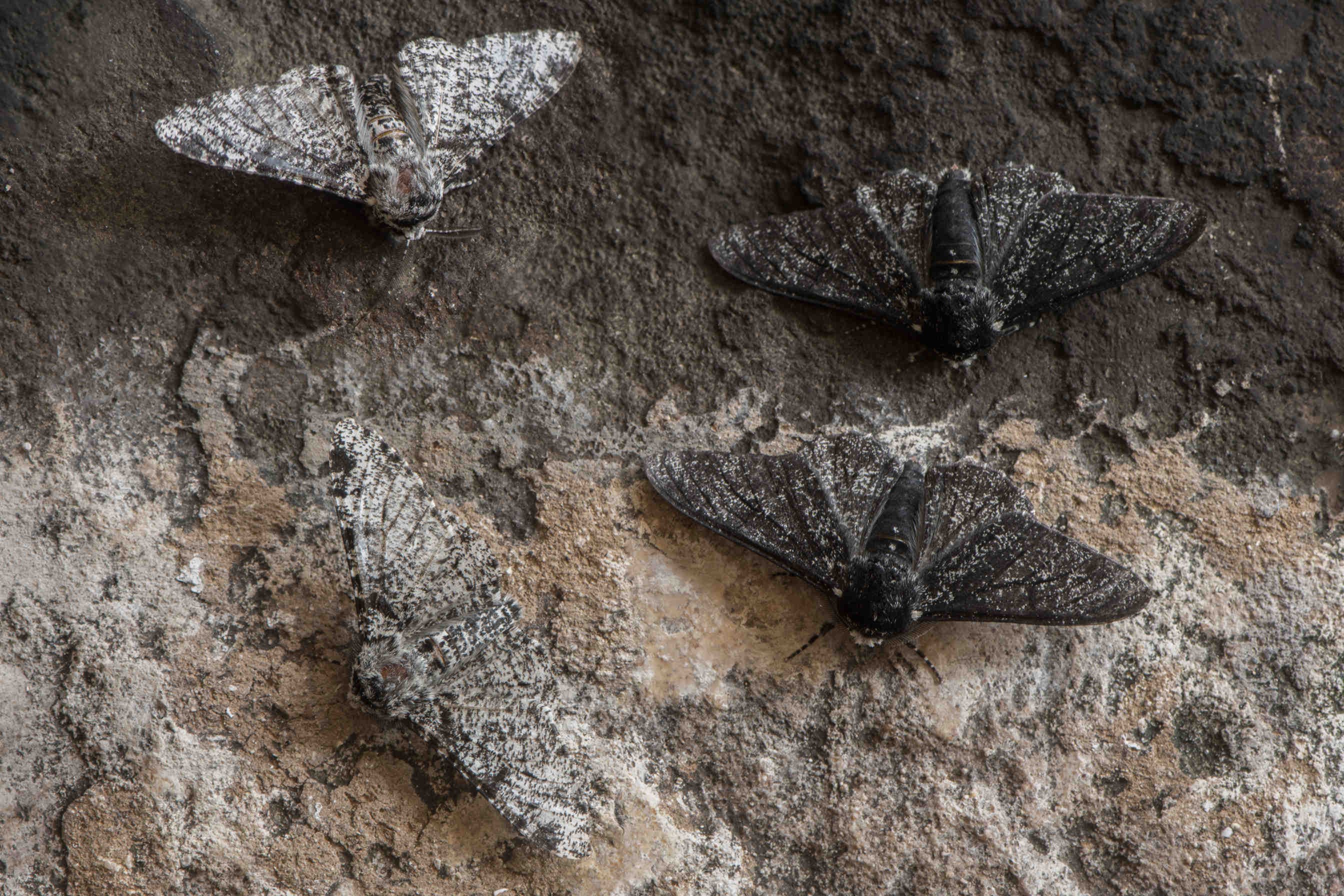

    biston betularia
    XNatura

    Tuskless elephants: a consequence of poaching

    Insects are not the only ones affected by the effects of human activities. In 2021, a study published in Science revealed an increase in elephants born without tusks in Gorongosa National Park, Mozambique, as a consequence of intensive poaching during the civil war (1977-1992). During that period, the elephant population declined by 90%, from over 2,500 to about 200 in the early 2000s. Poachers, by hunting mainly elephants with tusks for their ivory, unwittingly favoured the survival of individuals without this trait, who were more likely to pass this trait on to subsequent generations. Before the conflict, only 18.5% of females were tuskless. In those born after the war, the percentage rose to 33%, as a consequence of the strong selective pressure exerted by human activities.
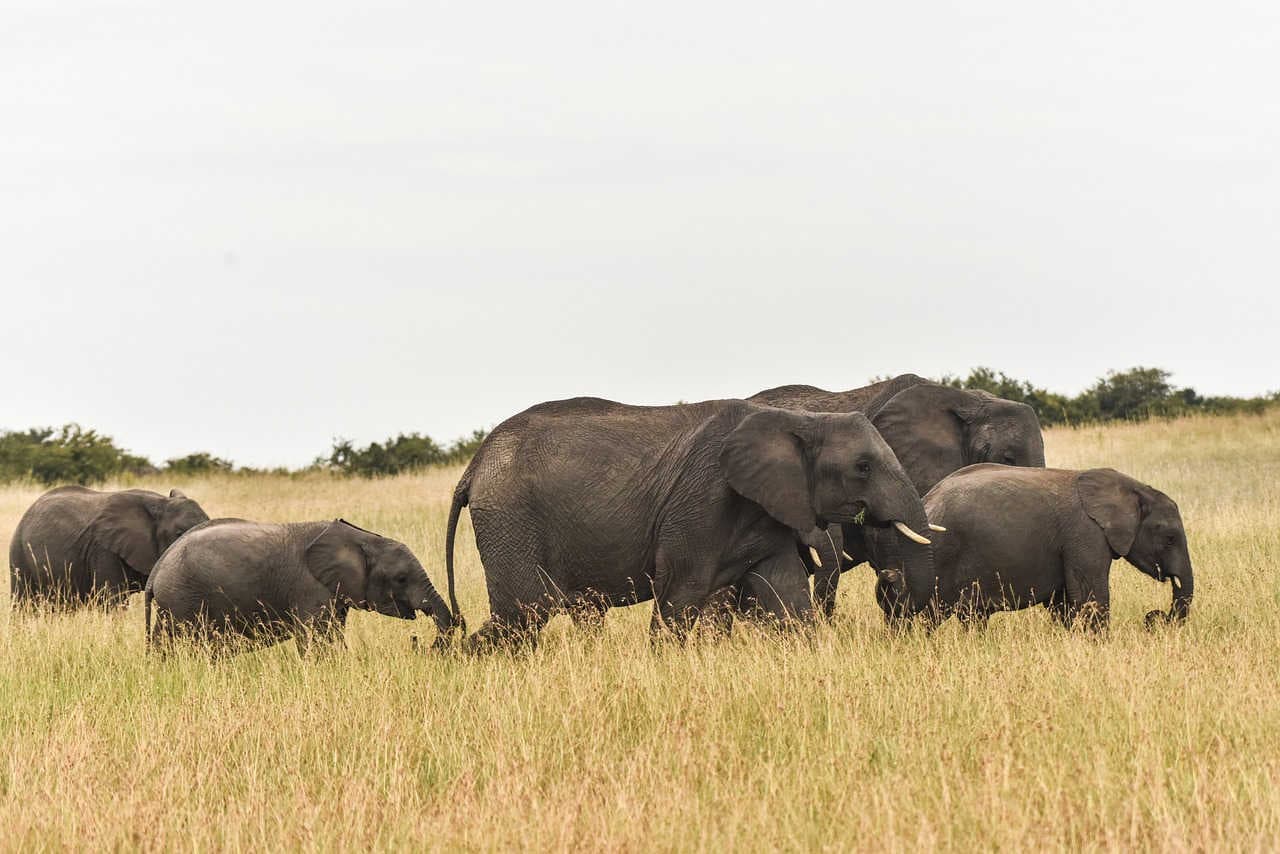
    elefanti
    3Bee

    Mitigating human actions

    Evolutionary changes induced by human activities highlight the urgency of a more careful and sustainable management of ecosystems. From the plecoptera of New Zealand to the elephants of Mozambique, each case shows how human pressure can alter, sometimes irreversibly, the ecological balance and the biodiversity, with direct consequences on the evolution of species. However, there are actions that can mitigate these effects: targeted conservation policies, habitat protection, emission reductions and the fight against illegal hunting and trade are essential interventions. Awareness of the evolutionary impact of our actions can guide us towards choices that promote not only the preservation of species, but also the stability of ecosystems and ecological networks. In a context of rapid and continuous change, mitigating the effects of human activities becomes a priority for ensuring a sustainable future for global biodiversity.

    Mitigating human actions
    10/11/2024Of 3Bee, Chiara Pertile
    398 Views
    Newsletter
    newsletter
    Subscribe to the Blog about bees and biodiversity

    Frequently Asked Questions

    Do you have any doubts or other curiosities about this article? Here you will find some insights