The impact of human activities on evolution
Disclaimer: this is an automated translation from Italian. Go to the original article.
Every day,
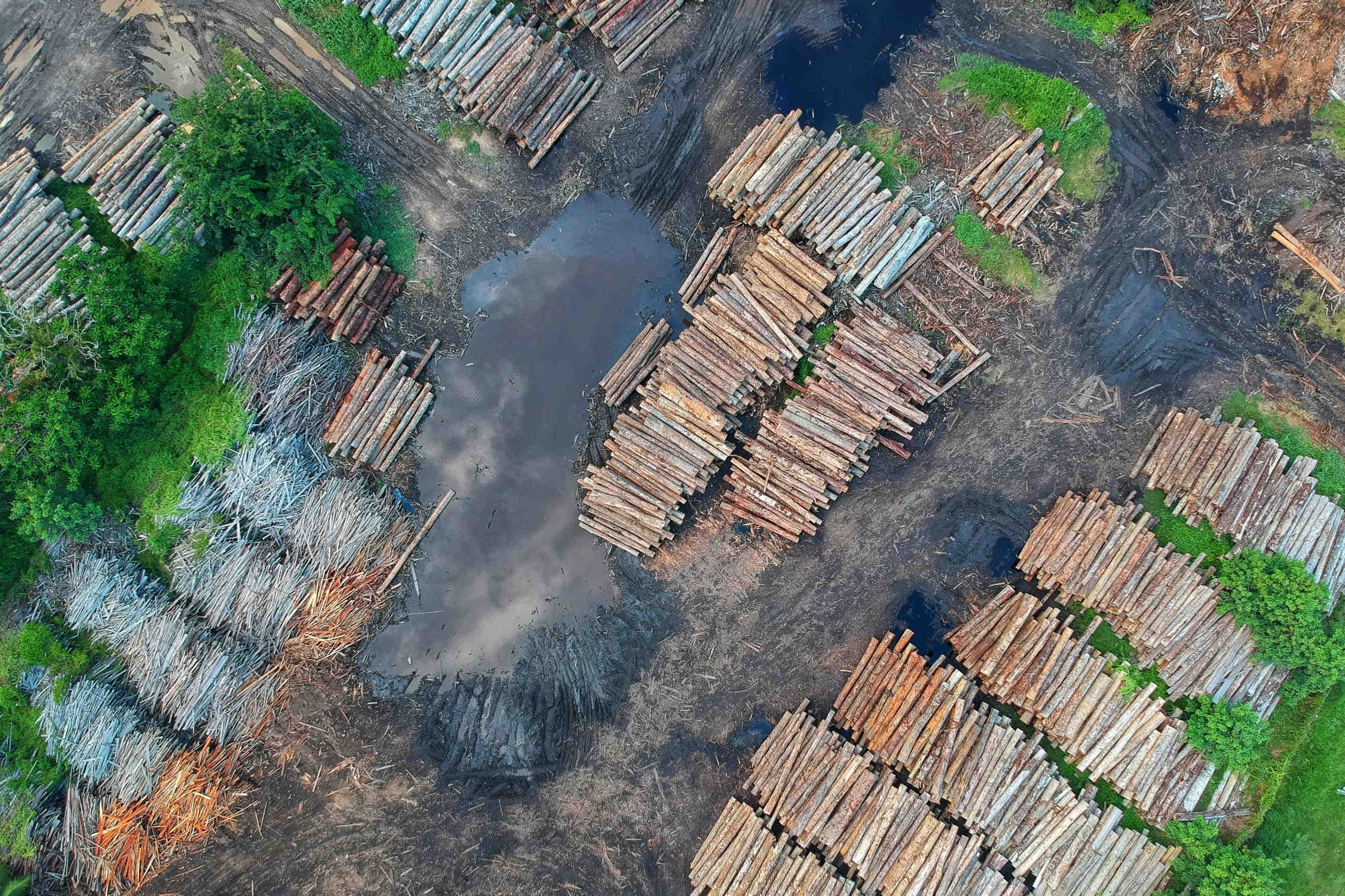
A recent study has shown that deforestation in New Zealand is causing a colour change in the plecoptera species Zelandoperla fenestrata: human activities can alter species evolution.
Read the articleDisclaimer: this is an automated translation from Italian. Go to the original article.
Every day,
A study published in Science by the University of Otago has revealed how
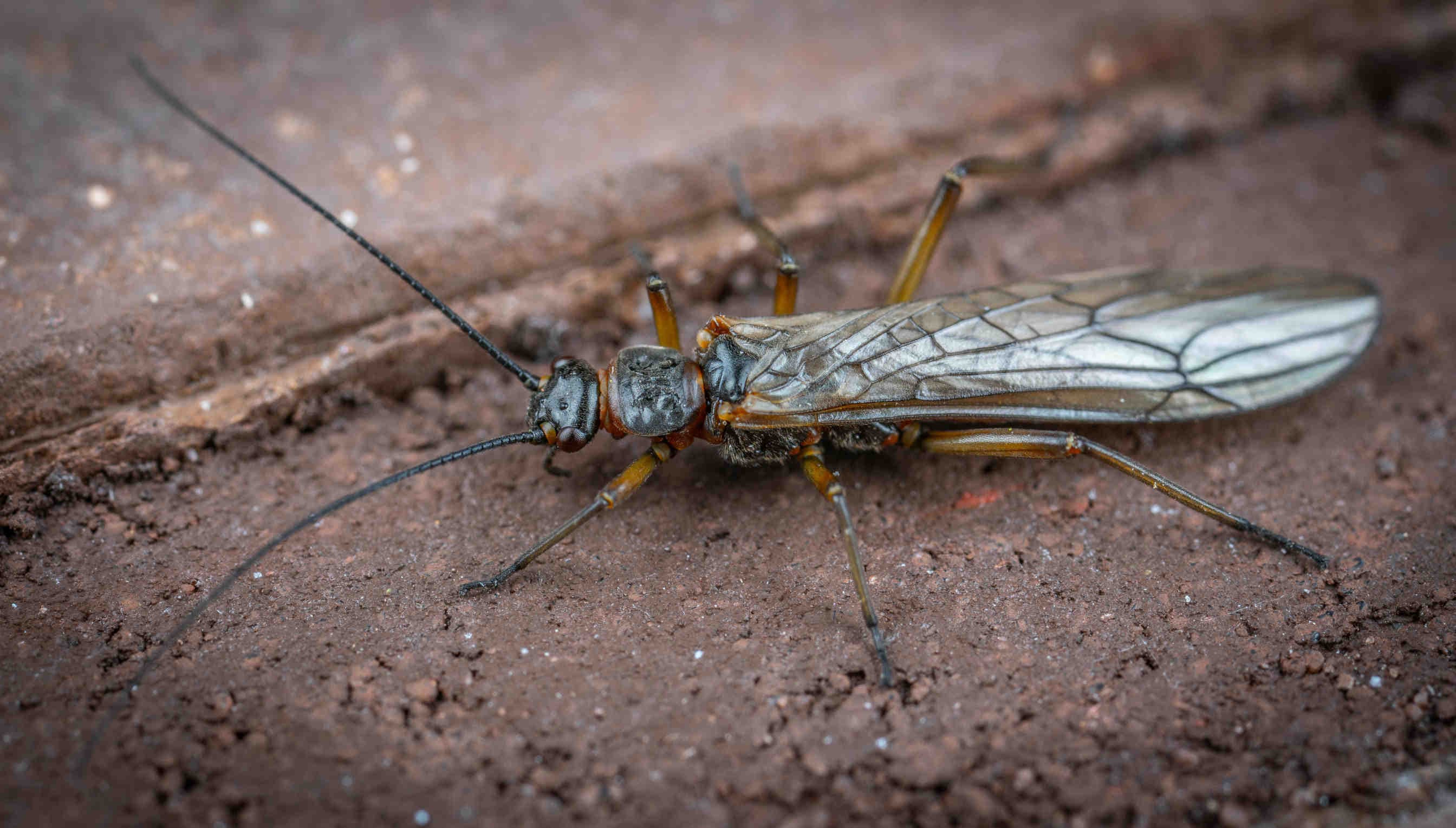

Before the arrival of man, more than
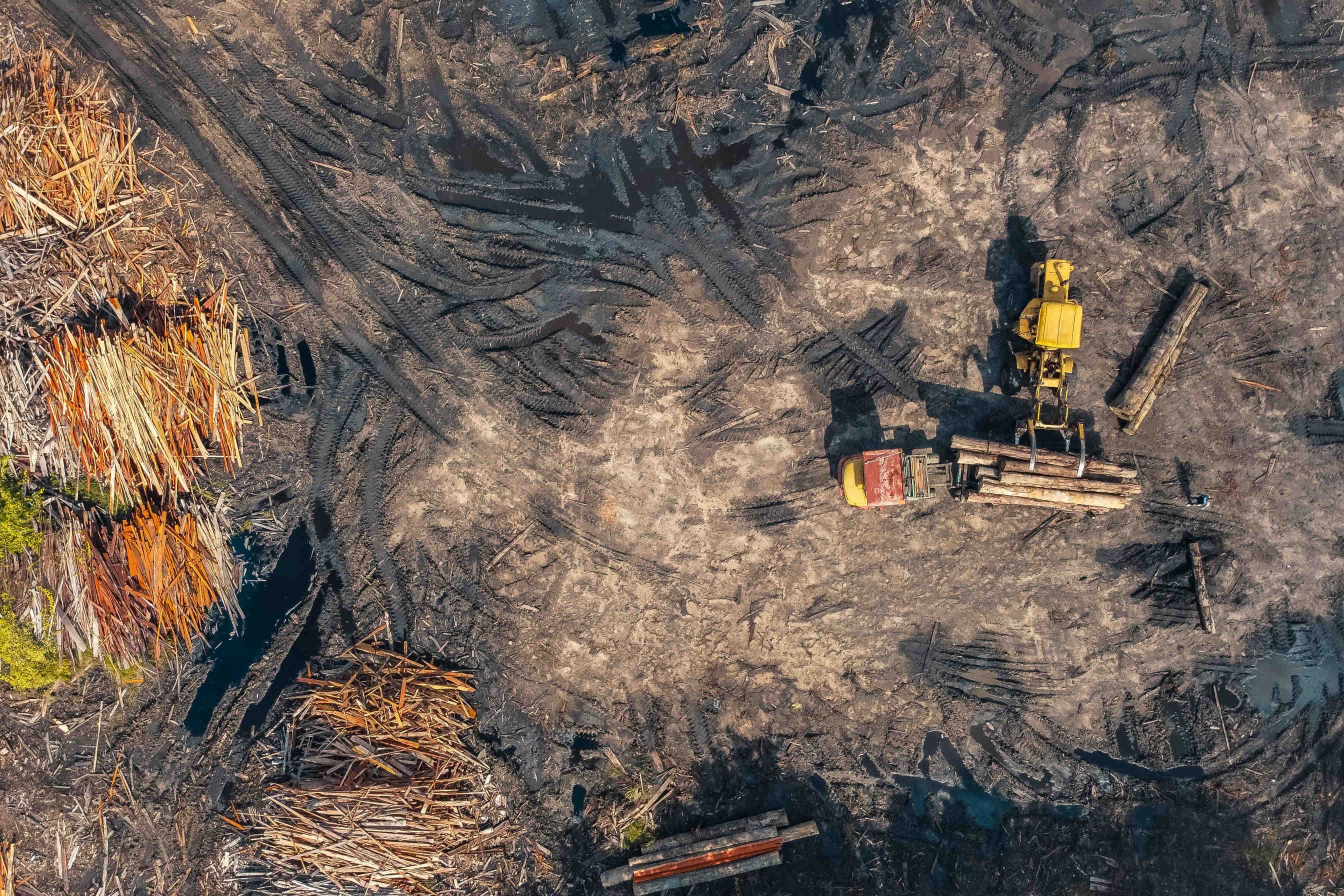
According to Dr. McCulloch - author of the study - this research is "important because it shows that, at least for some of the native species, there is the possibility of adapting to human-induced environmental changes, even when the change is rapid". Organisms can therefore respond to sudden environmental changes and are not simply passive to the action of natural selection. Another classic example of adaptation caused by an anthropogenic matrix is the industrial moth Biston betularia. Originally light-coloured, these insects changed colour during the Second Industrial Revolution: moths with the darker-coloured mutation camouflaged themselves better on soot-blackened logs, evading predators and having a better chance of reproducing. When the emissions decreased and the logs became clear, the moths became clear again, demonstrating the reversibility of such rapid adaptive responses.
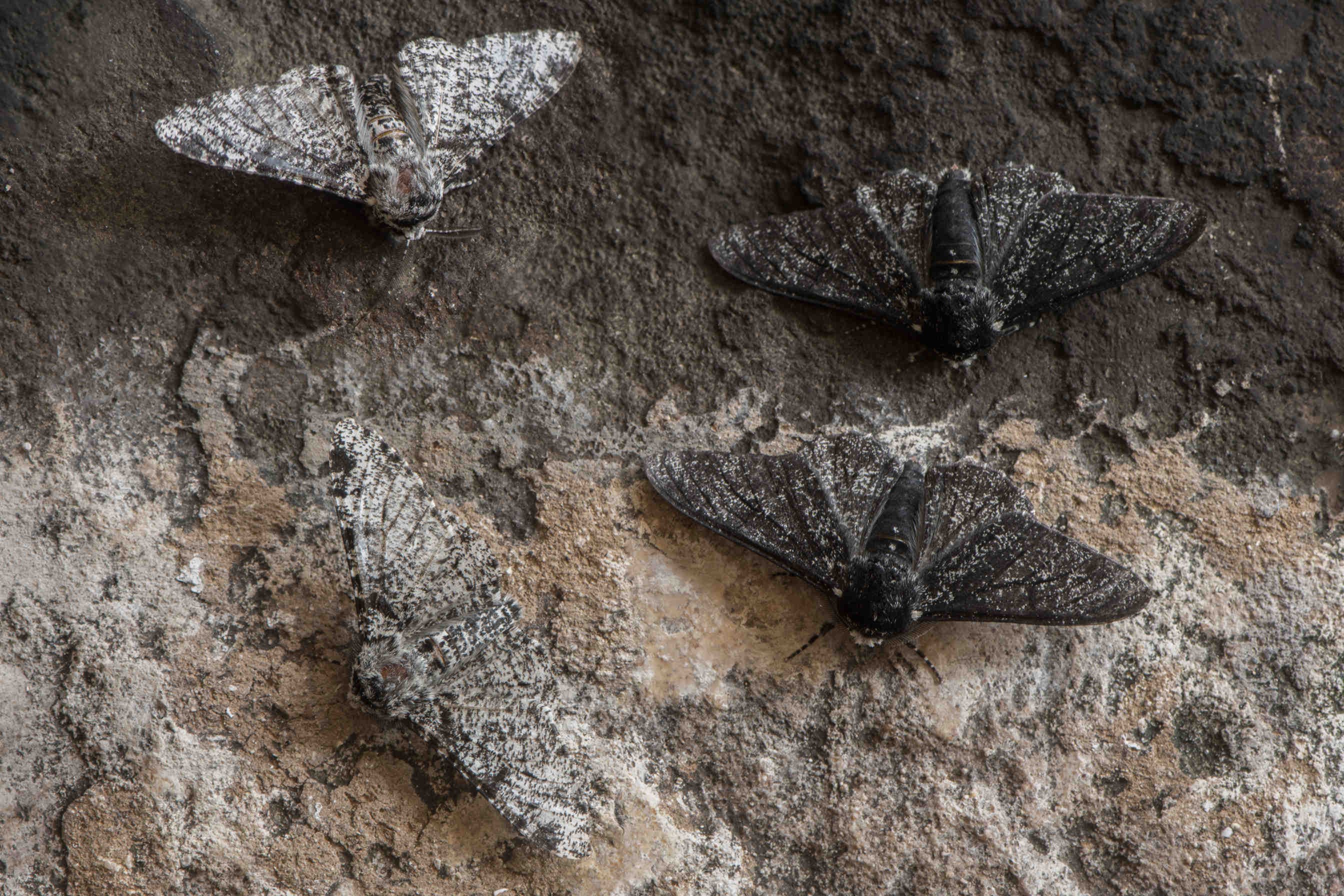

Insects are not the only ones affected by the effects of human activities. In 2021, a study published in Science revealed an increase in elephants born without tusks in Gorongosa National Park, Mozambique, as
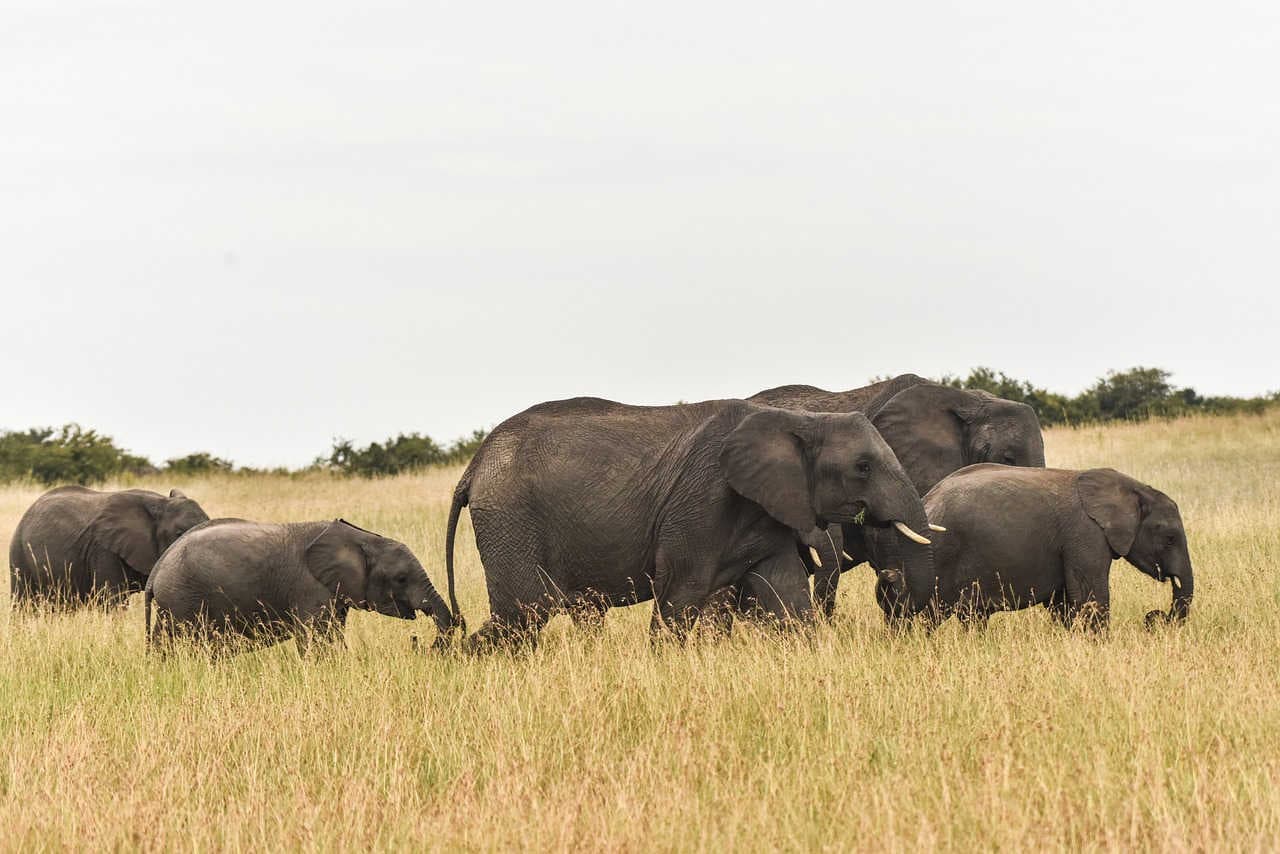

Evolutionary changes induced by human activities highlight the urgency of a more careful and sustainable management of ecosystems. From the plecoptera of New Zealand to the elephants of Mozambique, each case shows how human pressure can alter, sometimes irreversibly, the ecological balance and the biodiversity, with direct consequences on the evolution of species. However, there are actions that can mitigate these effects: targeted conservation policies, habitat protection, emission reductions and the fight against illegal hunting and trade are essential interventions. Awareness of the evolutionary impact of our actions can guide us towards choices that promote not only the preservation of species, but also the stability of ecosystems and ecological networks. In a context of rapid and continuous change, mitigating the effects of human activities becomes a priority for ensuring a sustainable future for global biodiversity.

Do you have any doubts or other curiosities about this article? Here you will find some insights