Wildflower honey: characteristics and properties
    3Bee approachFeaturesPropertiesTips

    Wildflower honey: characteristics and properties

    At 3Bee, honey is a symbol of the hard work of pollination performed by bees and the realisation of their contribution to the ecosystem. Our projects support biodiversity and through our growers ensure a healthy environment for pollinators.

    Read the article
    11/04/2018Of 3Bee, 3Bee
    6662 Views
    11/04/2018Of 3Bee, 3Bee
    6662 Views

    3Bee's approach to biodiversity protection
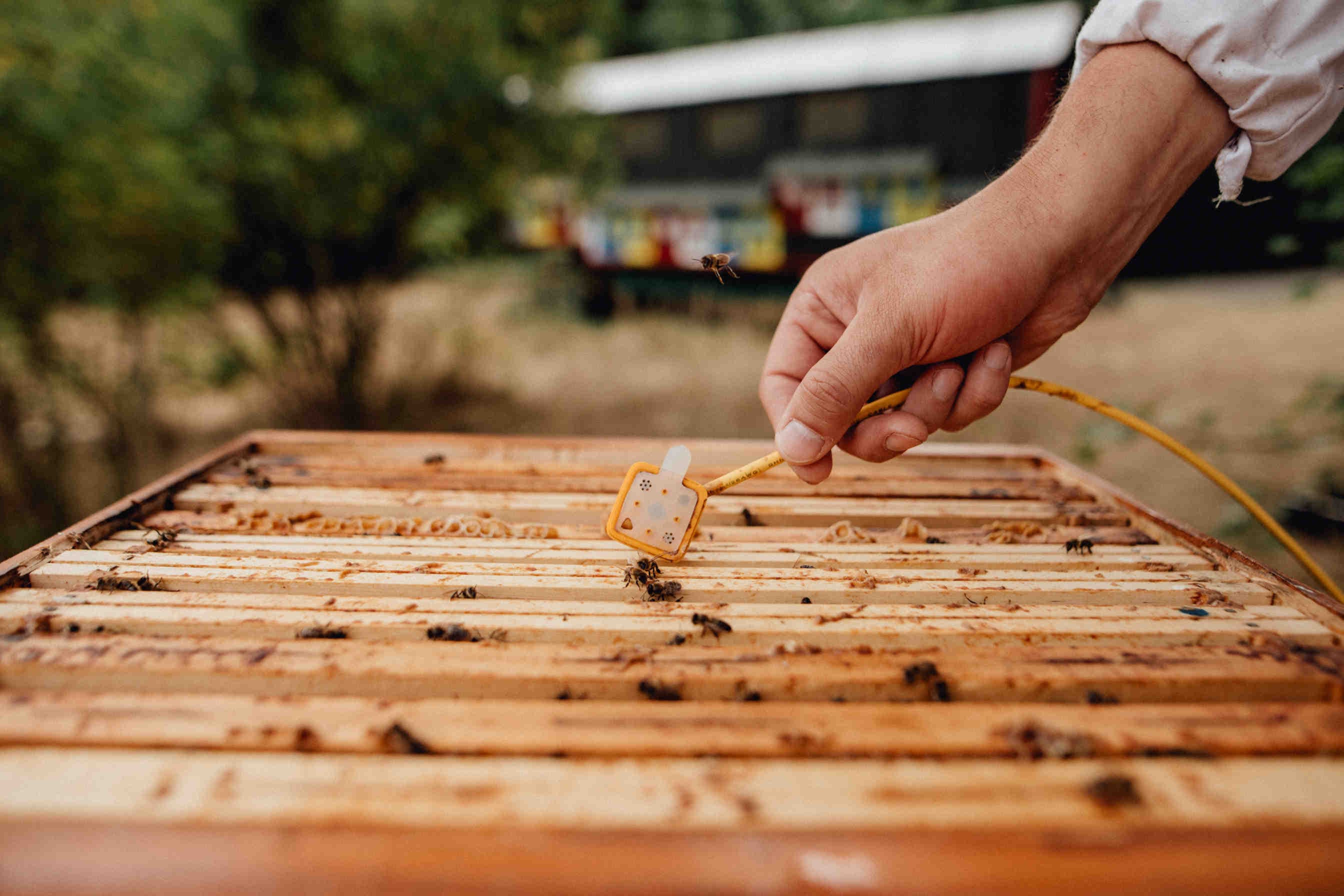
    3Bee is the nature tech company that develops technologies for the protection of biodiversity. Hive-Tech is 3Bee’s first sensor that allows precise monitoring of the health status of honeybees, environmental protectors par excellence. Over time, we have developed other technologies to study and monitor pollinating insects and created more than 100 Biodiversity Oases with thousands of nectariferous plants to provide them with nourishment. Thus, we want to create a virtuous circle: our beekeepers are transformed by necessity into Cultivators of Biodiversity and promoters of environmental biodiversity. We do not encourage massive production and intensive breeding, which have a negative impact on biodiversity and pollinators. However, we recognize the value of honey as a precious symbol of an ecosystem’s biodiversity and as a tool to raise awareness about the commitment to and protection of an area, to be consumed with moderation and respect for the life cycle of these insects.

    3Bee Hive-Tech

    Characteristics of wildflower honey

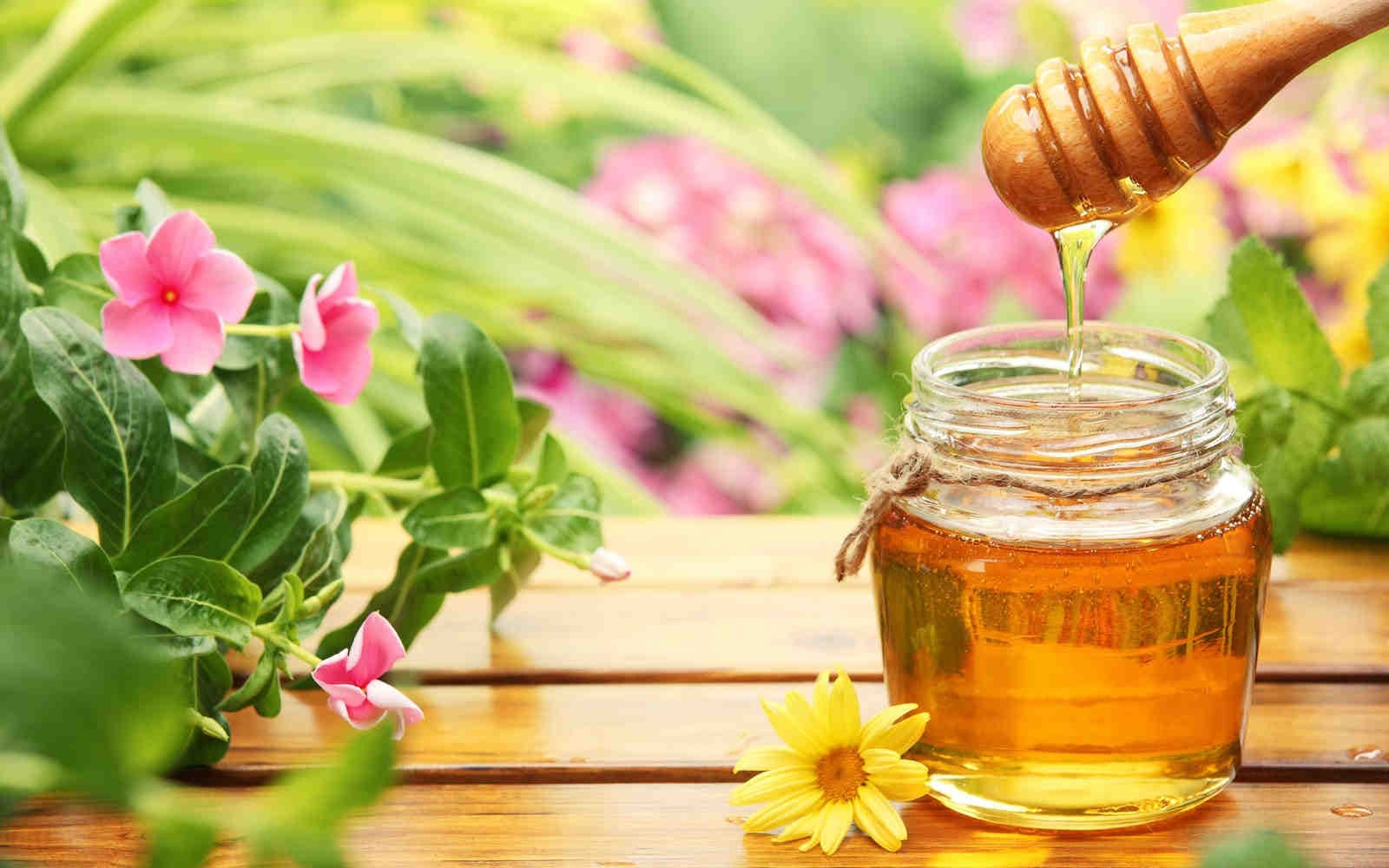
    Wildflower honey does not have a single place of production, but can be produced in the mountains, hills and plains, where there are flowers of various types. This is why, depending on the area in which it is harvested, it can be unique in terms of flavour and aroma, but also in terms of properties. Depending on the nectar harvested, wildflower honey will have different characteristics. Nevertheless, it can be subdivided into two macro-categories according to the period of production. Clear wildflower honey: it is clearer and more transparent, with a more delicate, sweet and less intense flavour. It tends to crystallise a few months after harvest and is produced in the spring period. Dark wildflower honey: dark or amber-coloured, it has a stronger flavour, with a more or less bitter aftertaste. It is very reminiscent of honeydew and chestnut.
    Characteristics of wildflower honey
    XNatura

    Beneficial properties of wildflower honey

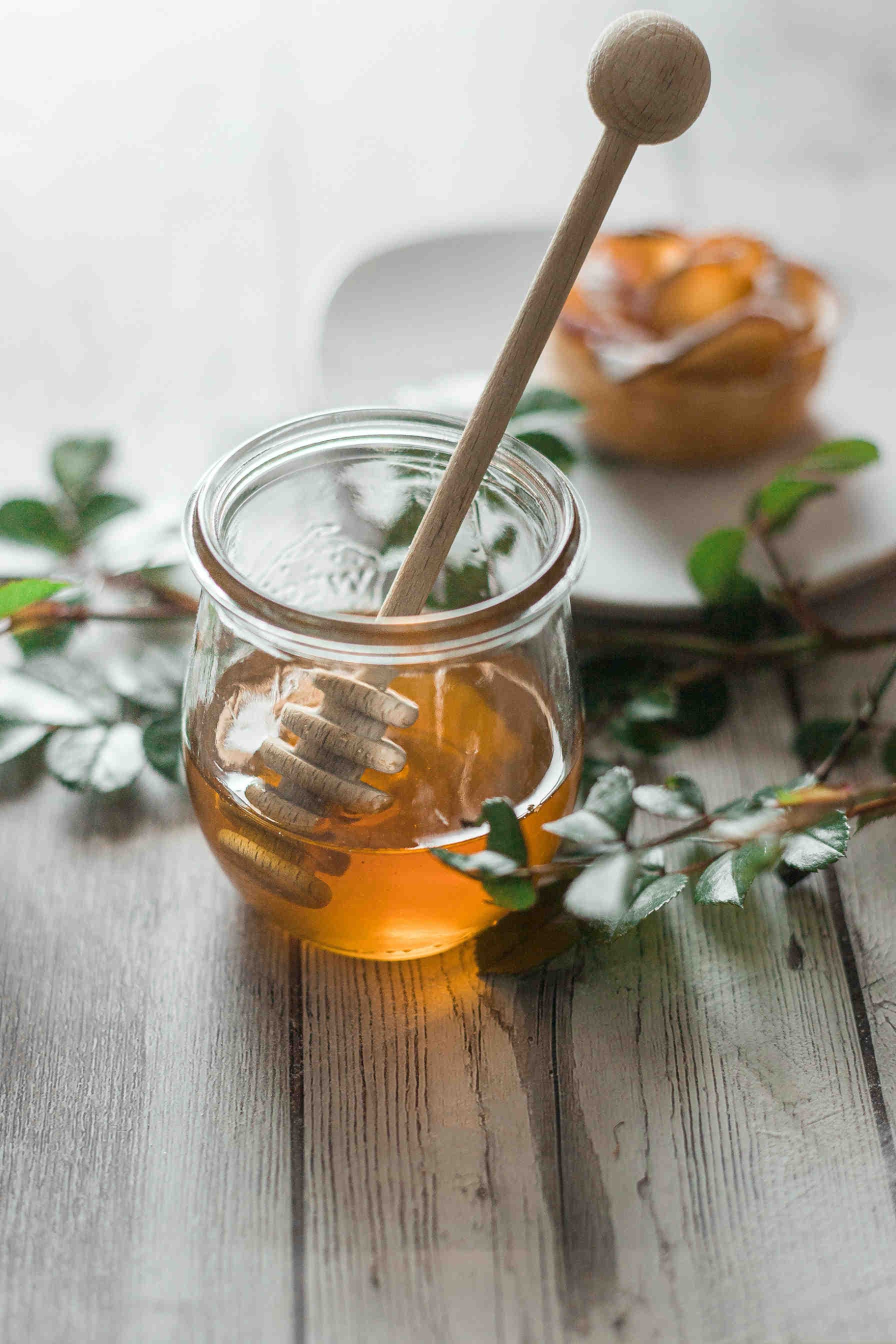
    Honey is naturally rich in minerals and antioxidants, which are more numerous in dark-coloured multi-flower honeys. It is useful in treating flu-like conditions, helps soothe coughs and has antibacterial functions. It is a valuable source of energy, useful for athletes, children, pregnant women, convalescent people and the elderly. Moreover, according to some studies, wildflower honey is very useful against seasonal allergies. By taking small doses of it, people have noticed an improvement in their body's reactions. This honey is also useful for the intestine and digestive system. It can eliminate states of constipation, balance bacterial levels and improve the overall efficiency of nutrient absorption. It is also appreciated for liver purification and improving circulation.
    Beneficial properties of wildflower honey

    Prefer raw honey

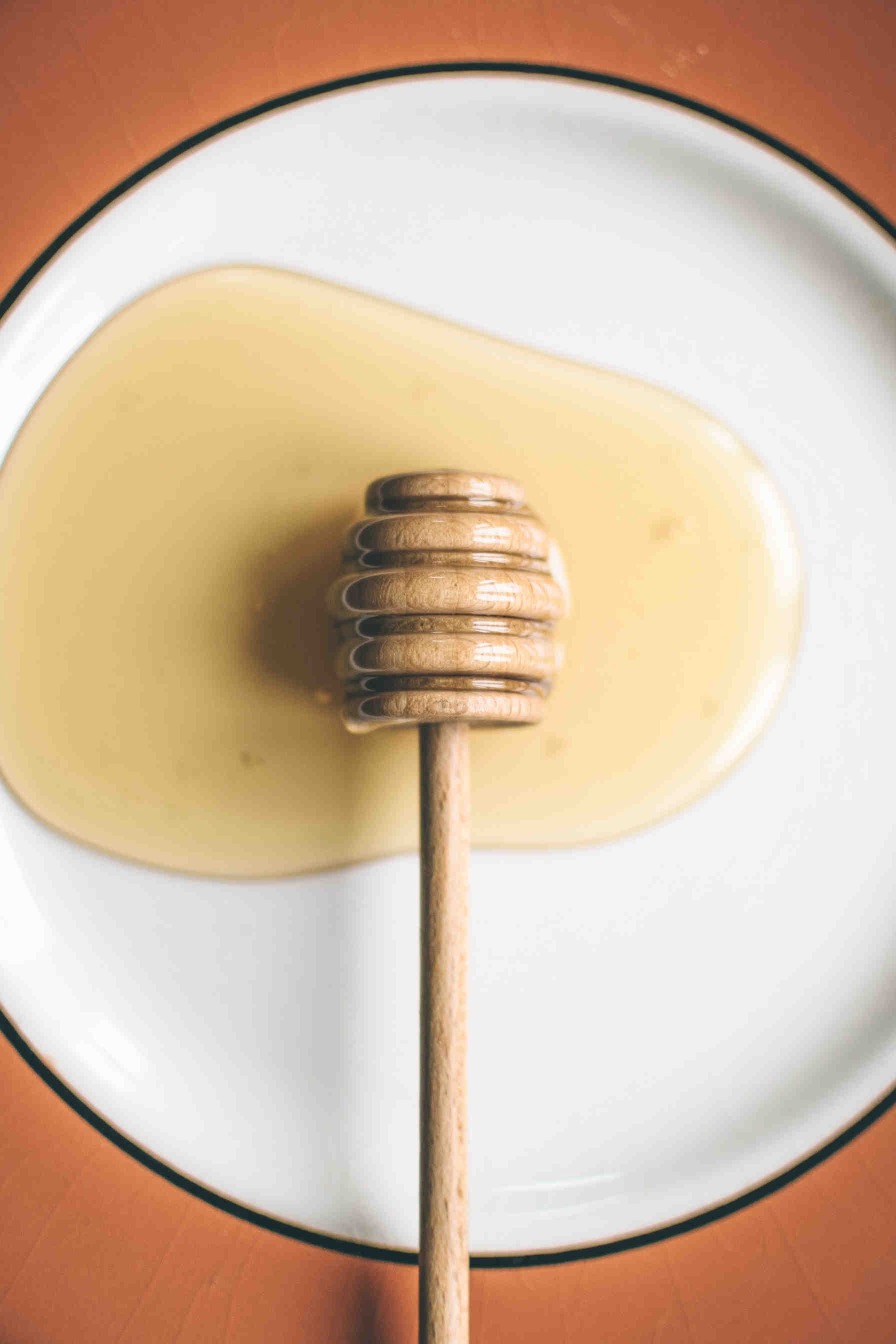
    In order to be able to enjoy all the benefits that wildflower honey can bring to our organism, it is necessary to prefer a raw honey, which has not undergone any kind of industrial processing. Only in this way can honey retain its many beneficial properties. The choice of honey is therefore essential: it is best to opt for local honey, produced by a trusted beekeeper or whose origin is controlled. On a nutritional level, wildflower honey is more complete than monofloral honeys as they contain pollen from different types of blooms. This is usually not true for industrial honeys, which often have pollen filtered out. For this reason, it is recommended to choose a raw honey that has not undergone any processing. Discover our project "Adopt a beehive".
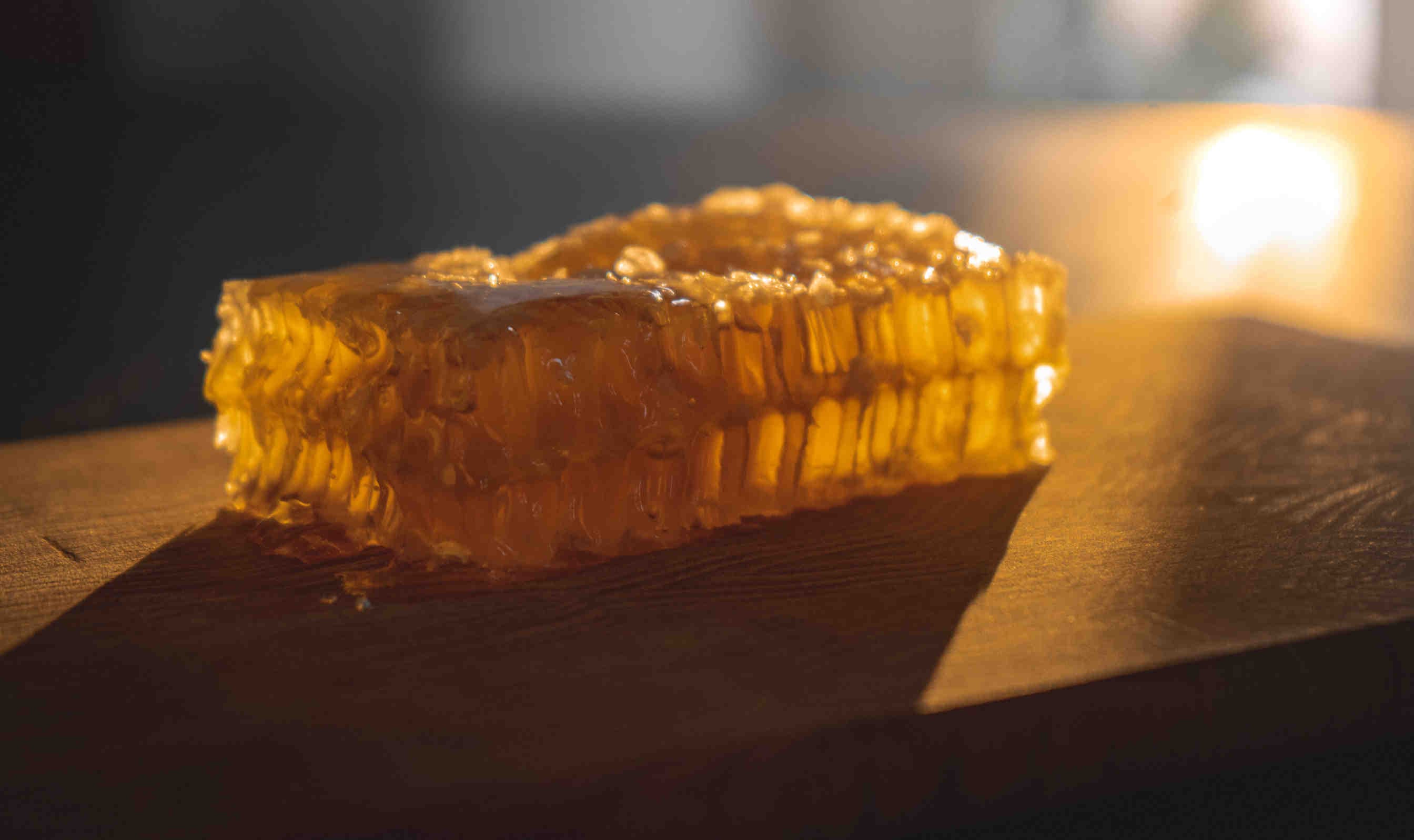
    Prefer raw honey
    XNatura

    How do you make wildflower honey?

    Contrary to what one might think, pure wildflower honey does not have to be a mixture of other honeys. This is not always true. Some producers, in order to reduce the price and create a long-lasting and stable taste, blend different types of honey to create wildflower. However, there are many small producers who make wildflower naturally. They let the bees take care of the recipe, the taste and the genuineness of the product. When several blooms explode at the same time, the bees start to forage for different nectars and pollen. This mixture creates a unique, harmonised taste that represents the biodiversity of the hive territory. Pure wildflower is therefore the ultimate expression of habitat and nature.
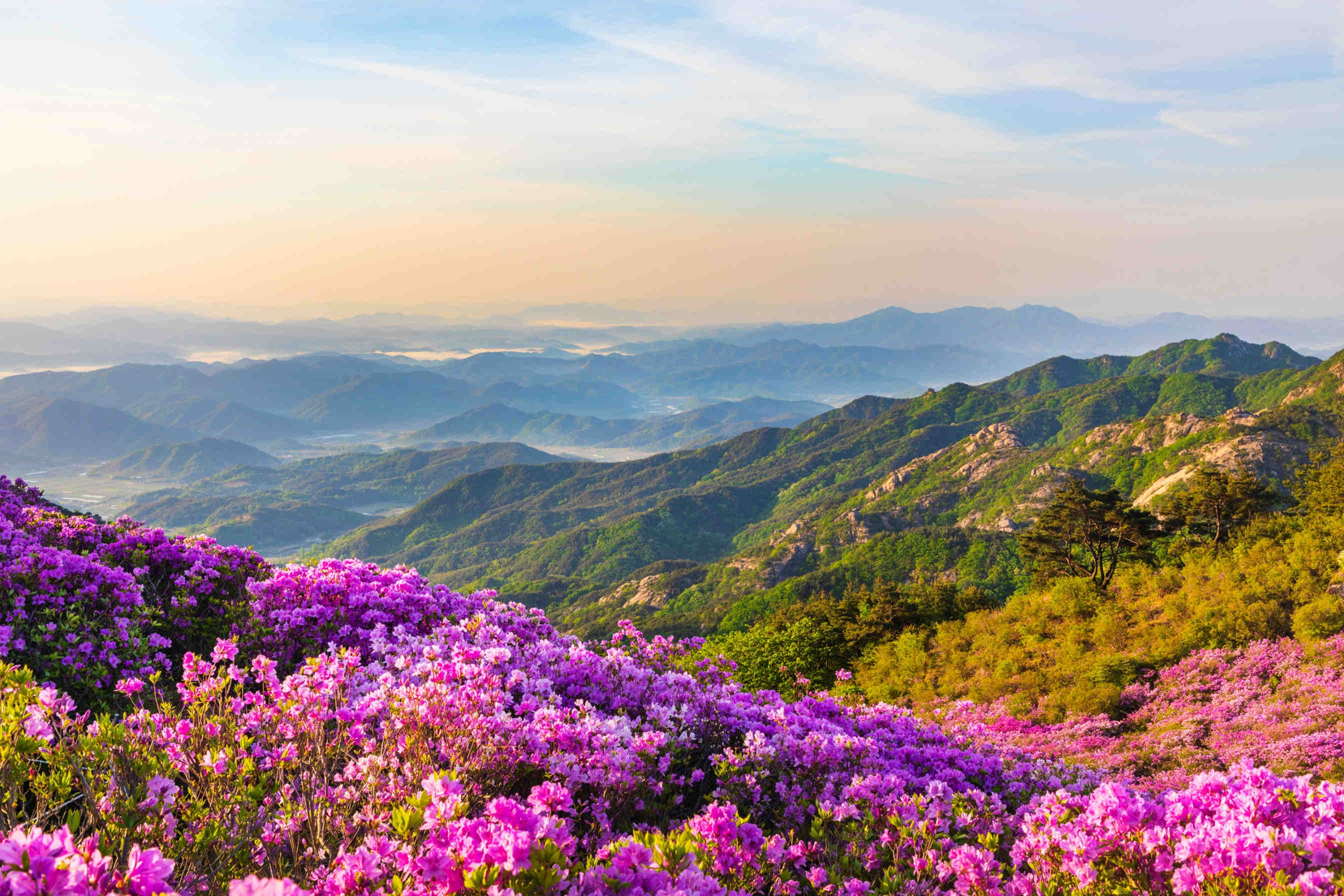
    How do you make wildflower honey?
    3Bee
    11/04/2018Of 3Bee, 3Bee
    6662 Views
    Newsletter
    newsletter
    Subscribe to the Blog about bees and biodiversity


