What is a nectariferous plant?
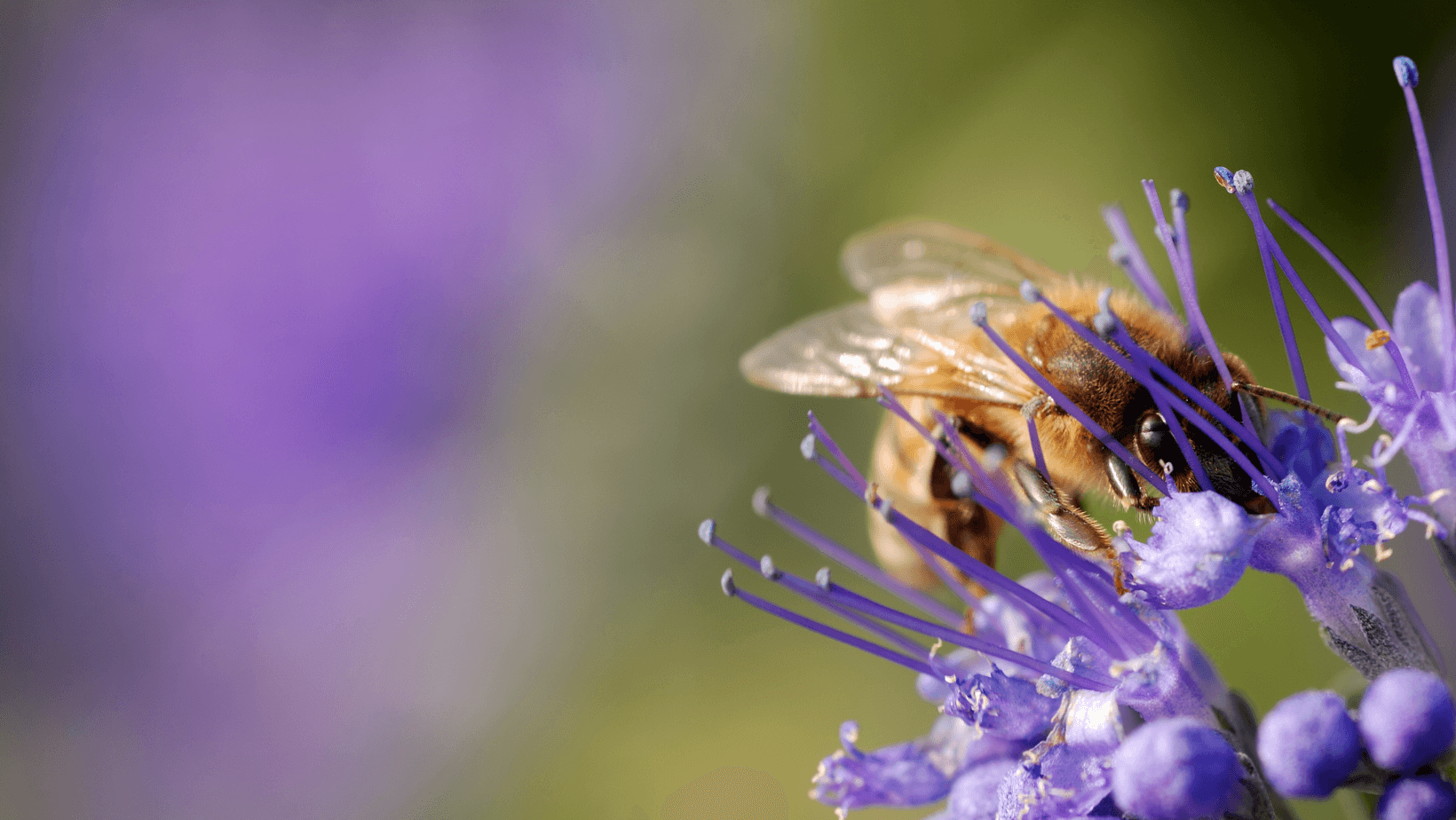
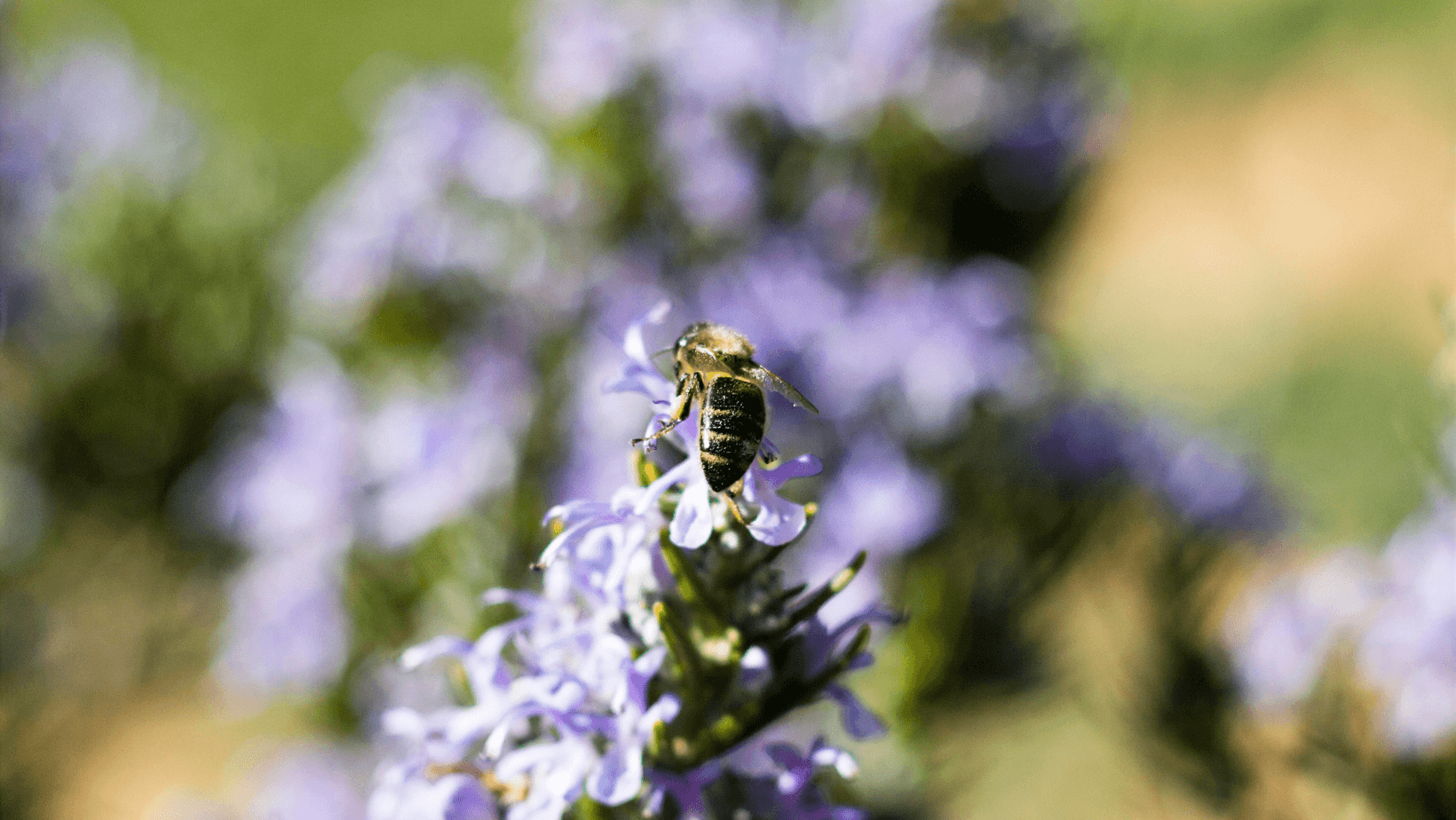
If you are wondering in what ways you can safeguard bees and pollinators, you are in the right place! In this article we explain
Bees see the world a bit extravagantly, in fact they see flowers in a completely different way to us: the colours they can distinguish are
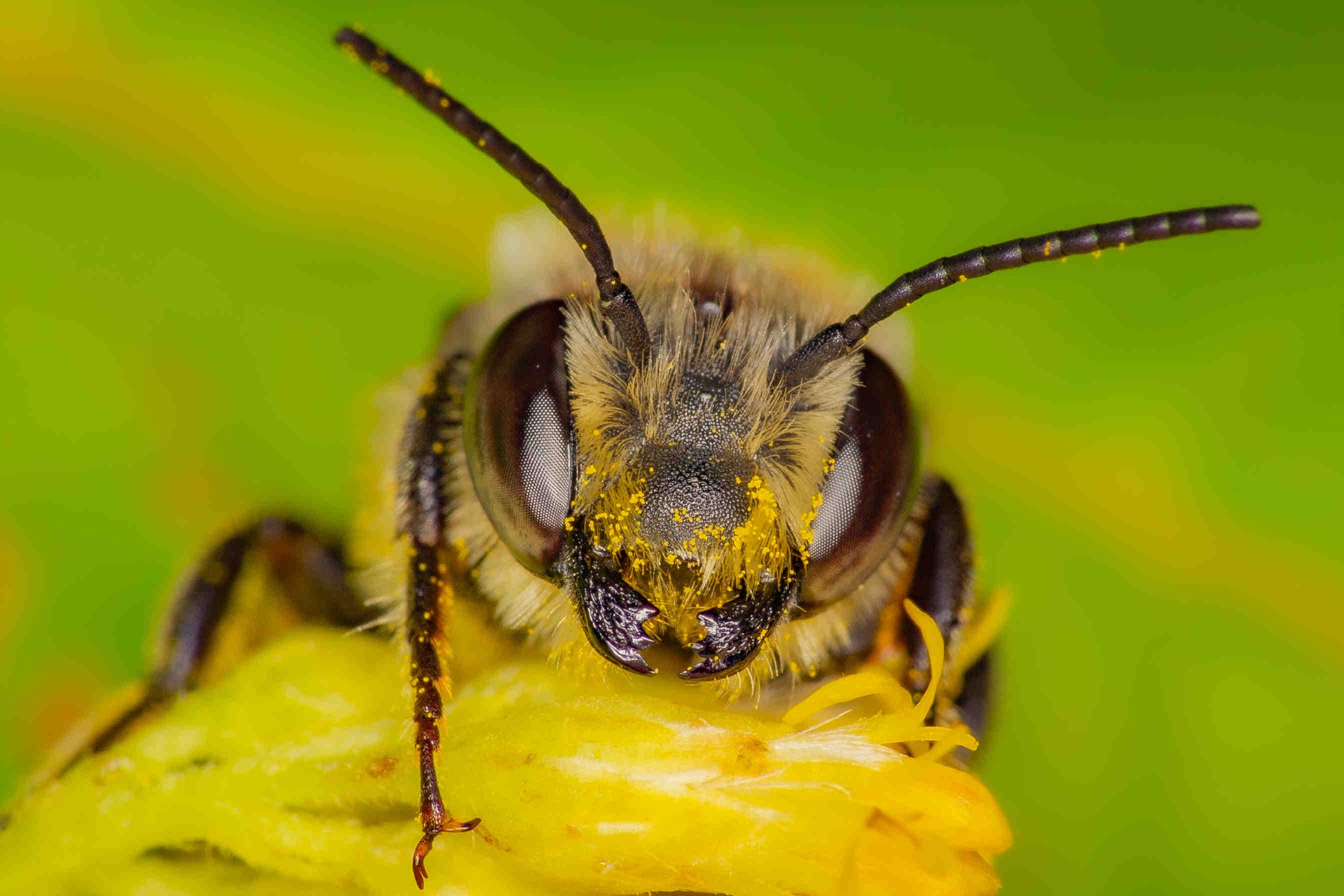

Let us start by distinguishing the different plant families and species. There are many families in nature, among them the
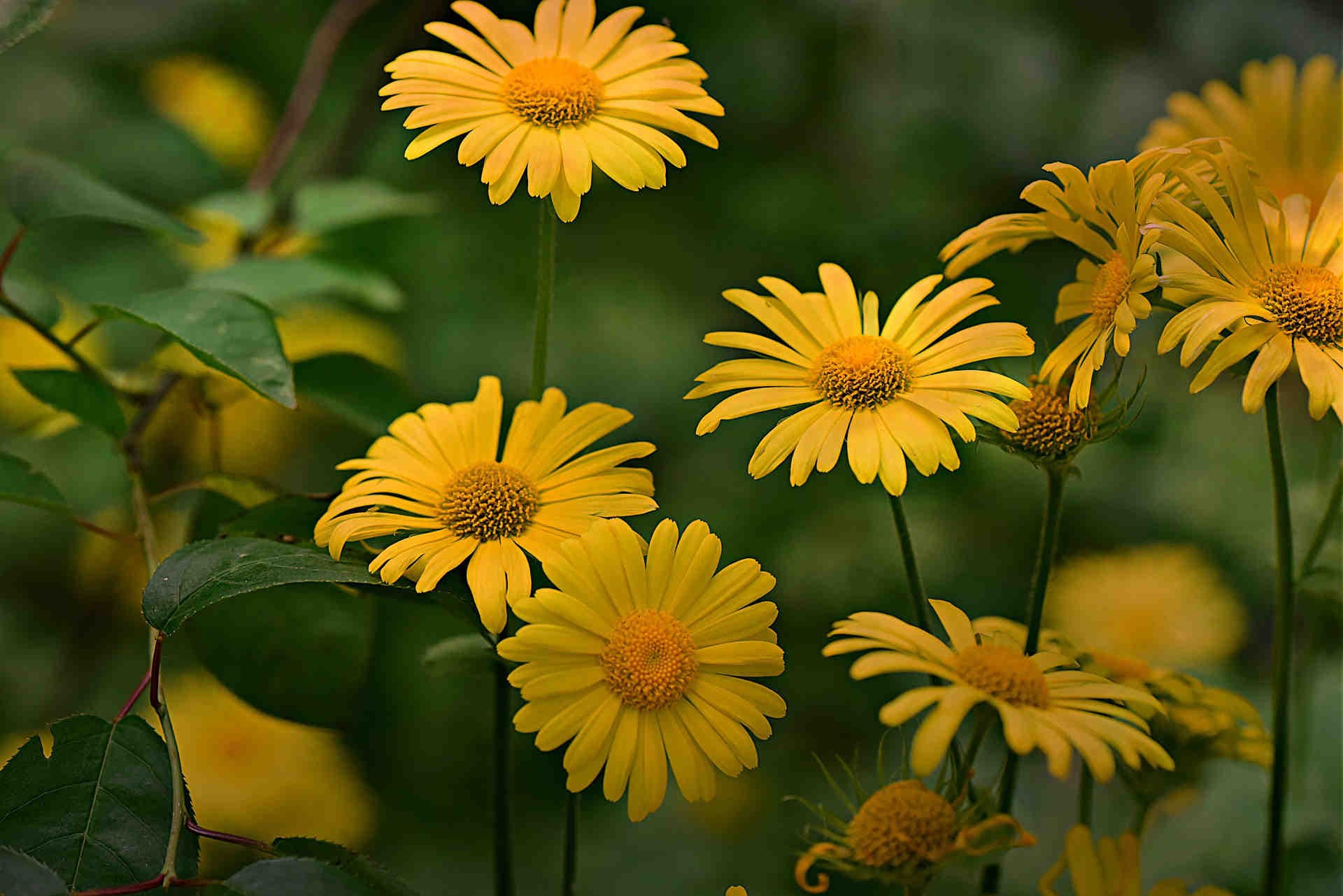
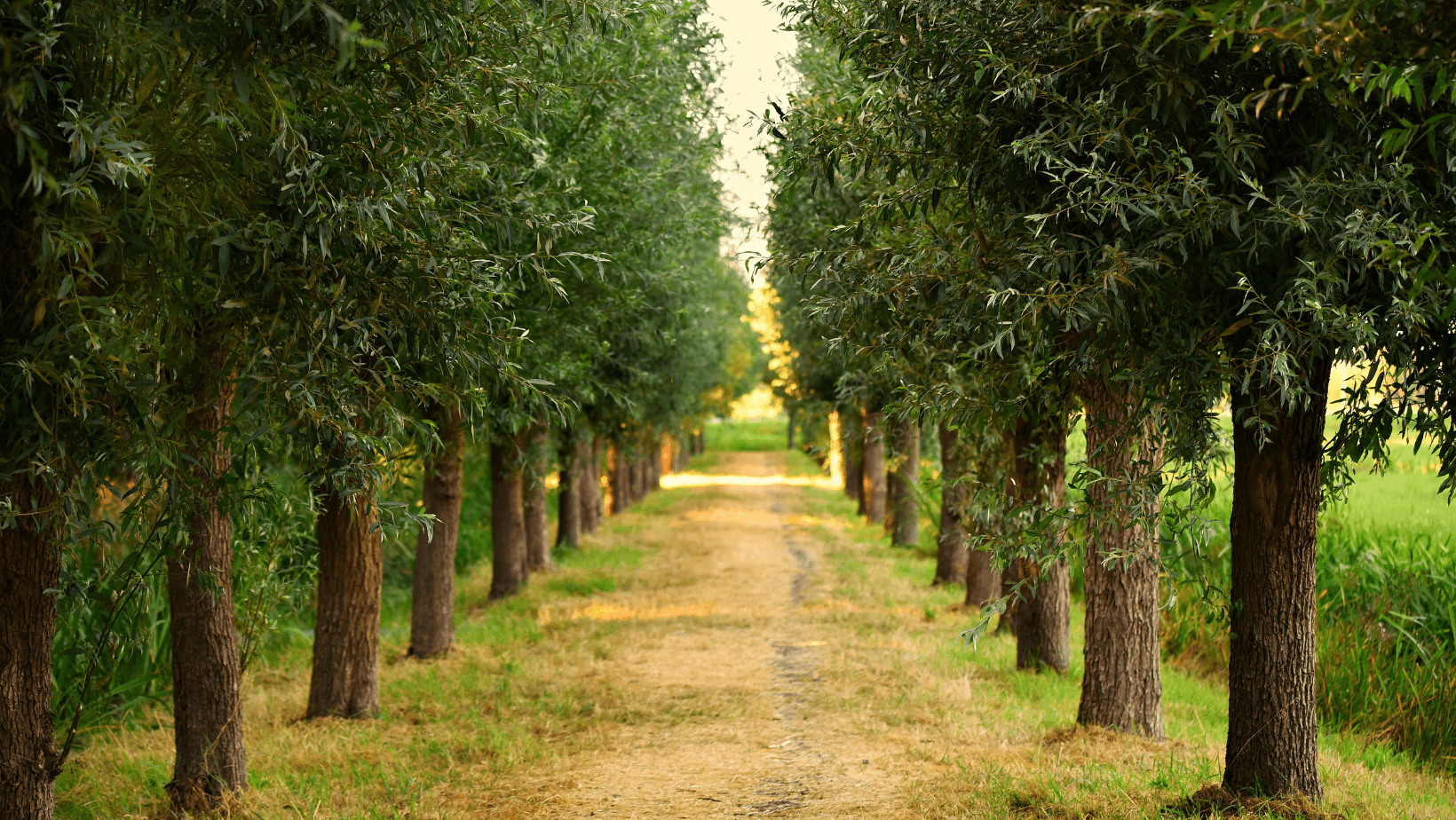
Acacia (Robinia pseudoacacia): has light-coloured flowers with a very pleasant scent, excellent melliferous plant. Holly (Ilex aquifolium): occurs as a tree or shrub with stiff, serrated leaves. Laurel (Laurus nobilis): occurs as a tree or shrub with slender branches and dark green leaves. Cherry tree (Prunus avium): a plant of Asian origin, it flowers in April and May and an excellent cherry honey is made from it. Wild apple tree (Malus sylvestris): shrub-like plant with a flowering period between early April and mid-May. Paulownia (Paulownia tomentosa): has white or lilac-coloured flowers, flowers in late summer and attracts a myriad of insects. White willow (Salix alba): thick foliage and sturdy trunk, tree growing throughout Italy. Judas tree (Cercis siliquastrum): has an abundance of bright pink flowers. Medlar (Eriobotrya japonica): small, evergreen tree.
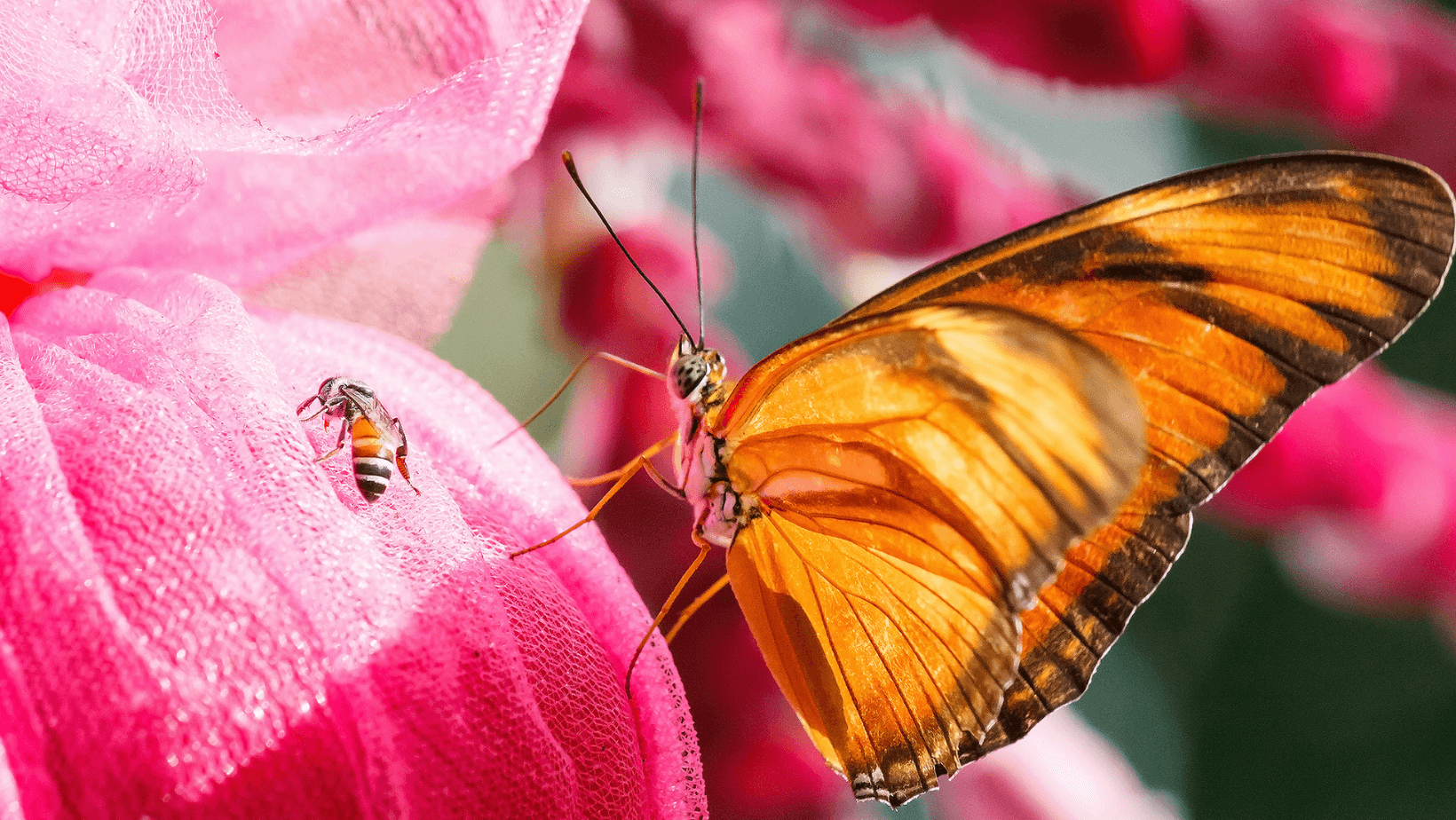

1- Plant bee-saving plants and flowers in your garden to support pollination activity while avoiding or limiting the use of pesticides to a minimum.
2- Host Polly and her sustainable little house, a solitary bee that will make your garden a spectacle. Buy at
3-
.
4- Create your Oasis of Biodiversity: you can then share it with your friends and have your own Oasis of Biodiversity.
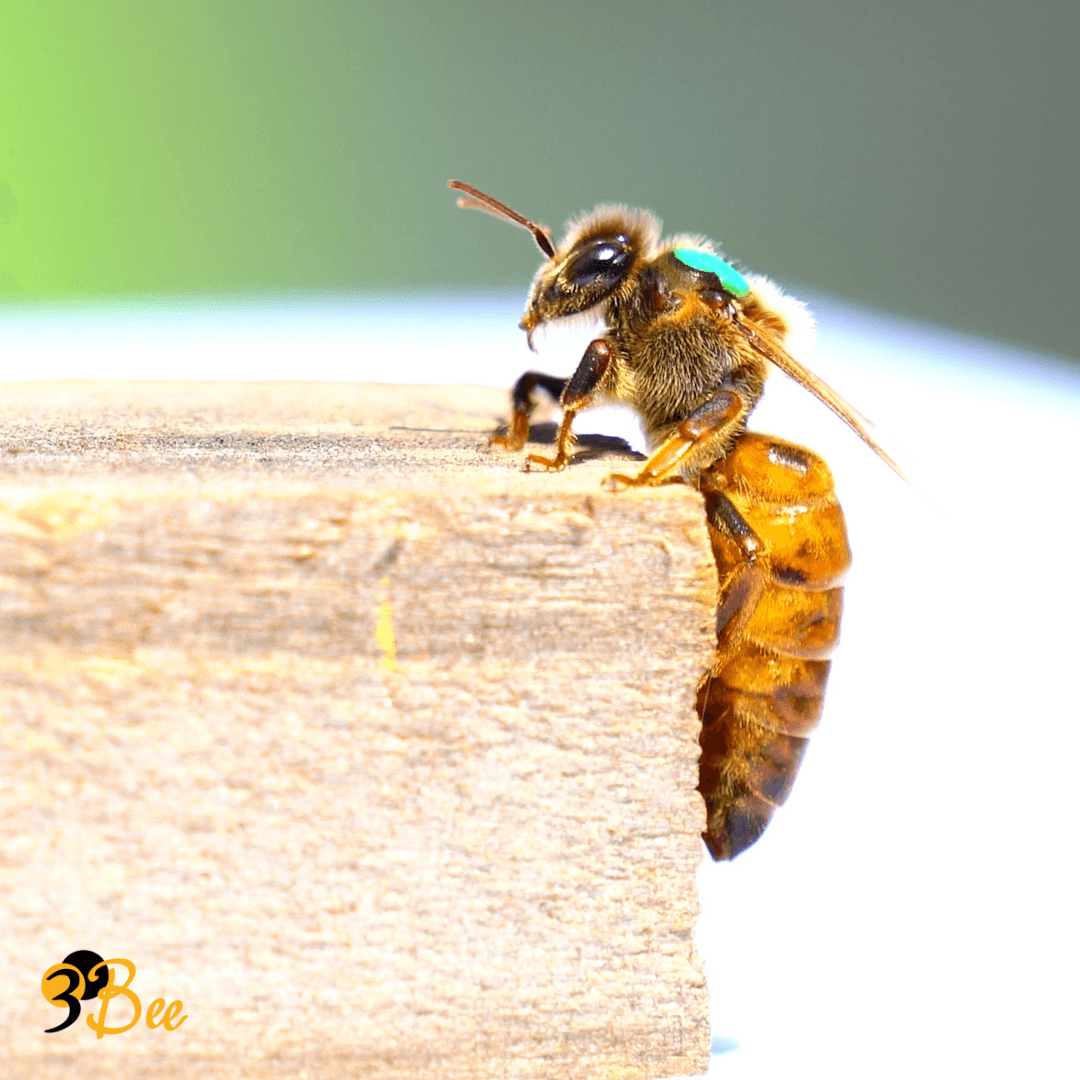

We at 3Bee, through a new project called Oasis of Biodiversity, want to give further support to the environment, bees and the entire planet on the sustainability side: we have set ourselves the goal of