Green Deal and the European Biodiversity Strategy
    BiodiversityGreen DealObjectiveOpportunities

    Green Deal and the European Biodiversity Strategy

    The Green Deal is the plan adopted by the European Commission in 2019 to move the EU towards climate neutrality, a goal to be achieved by 2050. In the article we will elaborate on the proposals made to overcome the environmental challenges and transform the EU into a modern economy.

    Read the article
    15/12/2023Of 3Bee, Elena Fraccaro
    794 Views
    15/12/2023Of 3Bee, Elena Fraccaro
    794 Views

    EU and Biodiversity: Birth of the Green Deal

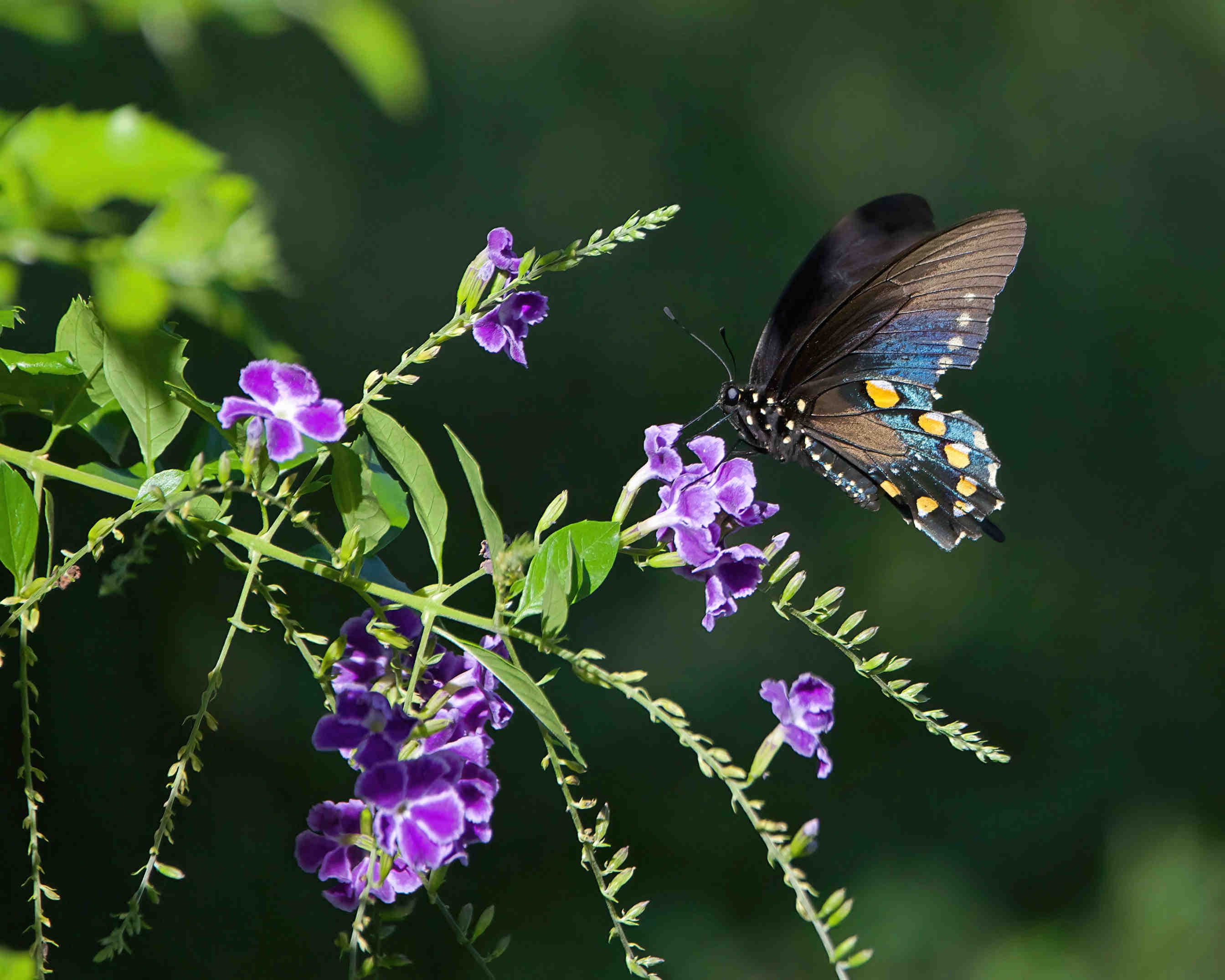
    The survival of humankind and planet Earth is linked to the health of ecosystems. The Word Economic Forum's Report on Global Risks 2020 identified the loss of biodiversity and the degradation of ecosystems as precisely the greatest threats to be faced in the coming years. Hence the need to create a biodiversity strategy to launch specific initiatives and set global targets that protect nature and reverse ecosystem degradation. The European Union has set 2030 as the maximum timeframe for the turnaround. Reducing the risk and use of pesticides by 50 per cent, blocking the decline of pollinators, and turning 30 per cent of Europe's land and sea into protected areas are some of the goals set. And this Biodiversity Strategy 2023 is a pillar of the European Green Deal.
    impollinatore

    What is the European Green Deal

    The European Green Deal is an ambitious programme of reform, investment and research that aims to transform the European Union into a modern economy by 2050. Unveiled in December 2019, the name contains a reference to Franklin Delano Roosevelt's New Deal, a programme designed to revive the US economy between 1933 and 1939, but there is a difference. The European Green Deal must rescue a present and future crisis, not a past one. The goal is to save the planet from the consequences of global warming caused by human activities. Keywords of the Green Deal are energy transition, circular economy, protection of biodiversity and stopping pollution.

    Commissione Europea
    XNatura

    The primary objective of the Green Deal

    The European Commission has adopted the Green Deal and its proposals to transform EU policies on climate, energy, transport, taxation to make Europe the first climate neutral continent. The goal will be achieved by reducing net greenhouse gas emissions by at least 55% by 2030 and eliminating them completely by 2050. For the economy to be modern and resource-efficient and competitive, it will be necessary to decouple economic growth from the use of resources without neglecting any place or person in the project. The European Union has therefore recognised climate change and environmental degradation with consequent loss of biodiversity as a serious threat to be addressed as soon as possible through well-defined and common strategies.
    Foreste

    From a threat to an opportunity

    European climate legislation sets the goal of making Europe a zero climate impact continent by 2050. Climate change should not only be seen as a threat and the biggest challenge to overcome, but also as the opportunity to create a new economic model. To achieve this goal, the European Green Deal, a blueprint for the ongoing transformation, was born. The 27 EU Member States must actively engage to cut emission reduction targets as soon as possible in a wide range of sectors and increase natural carbon sinks. They must also create an up-to-date emissions trading system to limit emissions, put a price on pollution, and generate investments in the green transition. The last legally binding objective is to provide social support for citizens and small businesses.

    Impresa sostenibile
    XNatura

    Investments for the Green Deal

    In 2019, the European Commission made an initial estimate of the investments needed for the transformation of Europe, setting the price at EUR 260 billion of resources per year. In January 2020, it presented the European Green Deal Investment Plan with the forecast of one trillion euros to support investments in sustainability over the next ten years. Resources from the EU budget, private investors and other instruments such as InvestEU. In addition, the programme envisages the Just Transition Mechanism fund with 100 billion euros to be disbursed to the European regions that will be most affected by the energy transition (Poland, Slovakia, Germany and Eastern Europe). Among the investments, it is also worth mentioning the new Social Climate Fund with EUR 86 billion that will be allocated to support the most vulnerable citizens and small businesses affected by sustainable change.
    Ambiente
    3Bee

    The industrial strategy of the Green Deal

    To become a modern and efficient economy, the European Union must exploit the potential of global markets with regard to low-emission technologies and sustainable products/services. It means that a full mobilisation of industry must take place or the goal of zero climate impact will not be achieved. Every industrial value chain - including energy-intensive sectors - will be a key player in the transformation. The Green Deal with the new industrial strategy for Europe will drive the green and digital transition in order to increase global competitiveness. The new actions aim to strengthen the resilience of the single market, to support Europe's open strategic autonomy by tackling dependencies and to support business interest in the dual transition. The Green Deal, therefore, presents itself as a strategy for inclusive and sustainable growth that complements other legislation governing mobilisation.
    Energia eolica

    Green Deal and Sustainability Report

    All companies are called upon to play a role in the sustainable transition envisaged by the European Green Deal. They will have to follow European directives and adopt the necessary changes to seek climate neutrality. They will neednew business models that take into account ESG criteria - Environmental, Social and Governance - and convince stakeholders of the real commitment put into achieving sustainability goals. Facade ecology will no longer be permissible, companies will have to account for their actions and the impact of their activities on the environment and society. To this end, they will be called upon to draw up a transparent and comprehensive Sustainability Balance Sheet using the GRI, SASB or ESRS standards of EFRAG. For the achievement of this goal 3Bee presents itself as an ideal partner: with its regeneration projects it guarantees CSRD-compliant reports for transparent ESG communication.
    Girasoli

    The protection of biodiversity

    Companies can demonstrate their commitment to the objectives of the European Green Deal - and at the same time the 2030 Agenda - by taking the lead in protecting biodiversity and restoring nature. The EU strategy includes specific commitments such as the expansion of the existing Natura 2000 sites (the network of marine and terrestrial protected areas), the launch of a plan based on the first legislation aimed at nature restoration and the release of funding for biodiversity. In addition, the plan calls for the introduction of effective measures to tacklethe global biodiversity challenge. Soil monitoring is among the proposals put forward by the Commission in order to have healthy soils by 2050. The Biodiversity Oases of 3Bee aim precisely to regenerate biodiversity by involving companies in the protection of spaces that serve as a refuge for pollinators and native flora.
    Sostenibilità

    Strategies for biodiversity

    The European Green Deal follows a precise biodiversity strategy. The aim is to increase land protection by 30% by 2030 by resiliently pursuing several goals, namely restoring degraded marine and terrestrial ecosystems, increasing organic farming, halting the decline of pollinators, reducing the use of pesticides by 50% and restoring at least 25,000 kilometres of free-flowing rivers. Also in the plans is the release of EUR 20 billion per year for biodiversity as well as the planting of 3 billion trees by 2030. A dual objective, therefore, in relation to Europe's growth strategy. On the one hand sustainability and on the other biodiversity.
    Insetti impollinatori

    Green Deal to protect the planet: 3Bee's commitment

    Companies must realise thatthe green transition is not an option but a requirement. They need quick and effective responses in terms of sustainability and biodiversity protection. The Green Deal has set targets to be reached by 2030 as the first goal and by 2050 as the deadline for Europe to become the first climate neutral continent. 3Bee is committed to this with the Oases of Biodiversity: urban and agroforestry habitats created in areas of low biodiversity, with the objective of regenerating it. Physical and digital places where technology and nature come together: a first step towards climate resilience. Within the Oasis are nectariferous forests, consisting of a minimum of three native species planted by professional farmers after soil analysis with Flora. The objective? To create pastures with scalar flowering, to guarantee nourishment for pollinators in all seasons.

    Article by Valentina Trogu

    Tutela della biodiversità
    15/12/2023Of 3Bee, Elena Fraccaro
    794 Views
    Newsletter
    newsletter
    Subscribe to the Blog about bees and biodiversity

    Frequently Asked Questions

    Do you have any doubts or other curiosities about this article? Here you will find some insights